

I know you love your dog like family, but kidney trouble isn’t the kind of news you want to ignore. It sneaks in, shows a few odd symptoms, and before you know it your pup isn’t feeling right. The good news: many kidney issues can be spotted early if you’re paying attention. Let’s talk about the 7 urgent warning signs that you should spot sooner rather than later.
1) Sudden or noticeable changes in urination
If your dog starts peeing more often, or suddenly peeing outside the box (or outside the house in general), that’s a red flag. Kidneys aren’t filtering properly, and the bladder ends up doing extra work. You might also notice that the urine looks foamy, cloudy, or has a strong odor.
– Increased frequency
– Stronger odor
– Accidents in places you don’t expect
FYI: dehydration can mask these signs, so make sure your pup always has fresh water available. If you see a big shift in urination patterns within a day or two, call your vet.
2) Excessive thirst or persistent dehydration
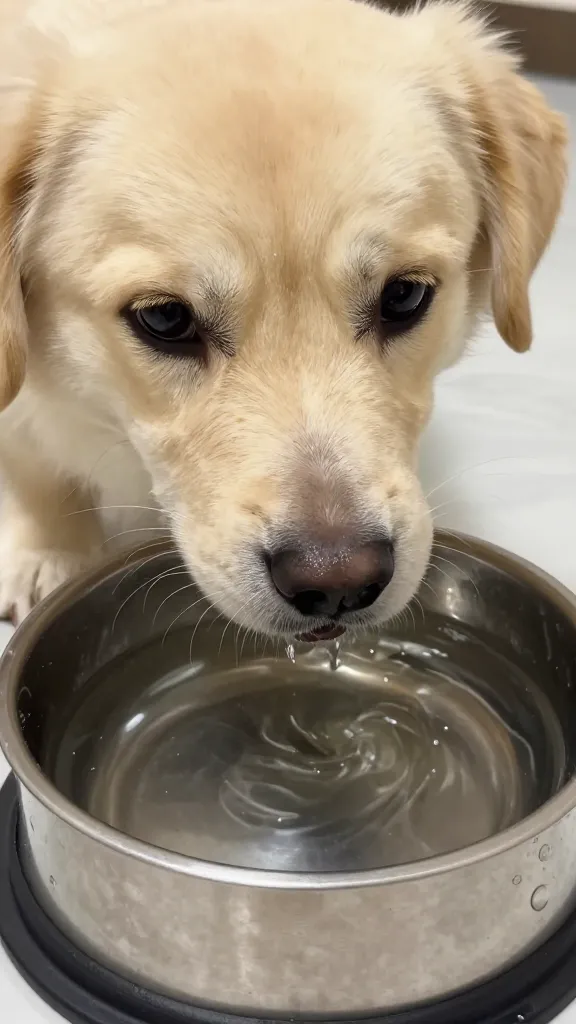
Paradox alert: dogs with kidney problems often drink more water because their kidneys aren’t concentrating urine the right way. You’ll catch them begging for water constantly or skimming the bowl like a caffeinated college student.
– Drinking far more than usual
– Drooling, dry gums, or tacky mouth
– Sunken eyes or skin that doesn’t bounce back quickly when pinched
If you notice your dog’s thirst is outpacing their normal behavior, it’s not something to shrug off. Dehydration can spiral into bigger issues fast, especially if the kidneys aren’t doing their job.
3) Lethargy, weakness, or collapse of energy
Kidney problems can make dogs feel like they’ve turned into couch potatoes overnight. They may sleep more, act disinterested in activities they usually love, or just seem “off.” This isn’t just “pet laziness”—it can signal toxin buildup in the blood.
– Sluggish responses to commands
– Less enthusiasm for walks or play
– Noticeable loss of appetite on top of other signs
If your usually energetic buddy suddenly becomes a snoozefest, especially with other symptoms, it’s worth a quick vet check. Sometimes the simplest explanation is a kidney issue.
4) Nausea, vomiting, or poor appetite
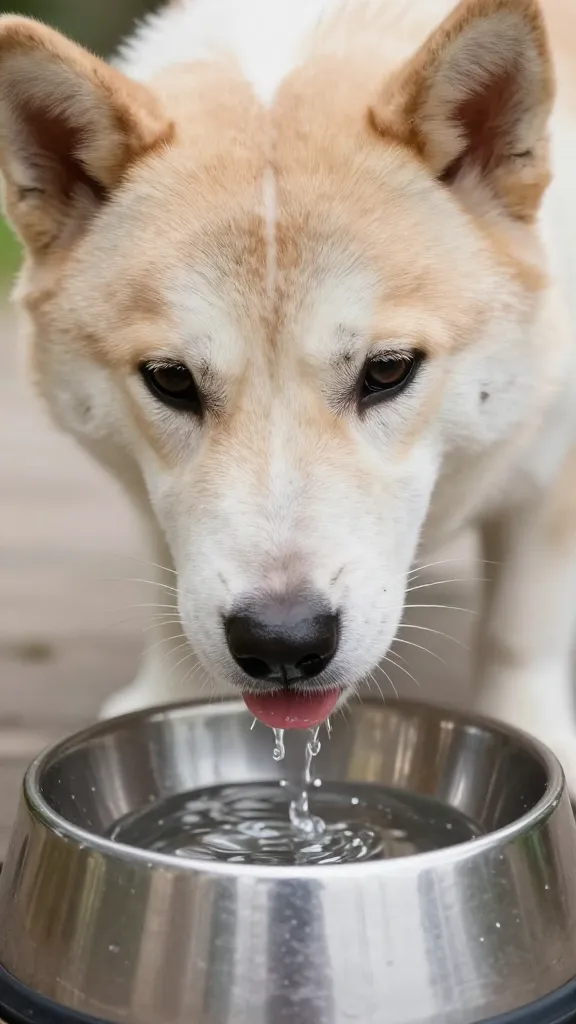
Your dog can’t spell GI upset, but it can tell you something’s not right. Kidney problems can trigger nausea that leads to vomiting or a stubborn lack of appetite. This one creeps up slowly, so you might chalk it up to a sour stomach—until it doesn’t go away.
– Vomiting without a clear trigger
– Refusal to eat or a dramatic drop in appetite
– Bad breath that seems more persistent than normal
If vomiting lasts more than 24 hours or you see other signs on this list, it’s time to call the vet. Prolonged vomiting can lead to dehydration and electrolyte imbalances pretty quickly.
5) Weight loss or muscle wasting
Unexplained weight loss is never a good sign, and kidneys love to throw a silent curveball. You might notice your dog looking gaunt, ribs more visible, or a general thinning even if you’re feeding them the same amount.
– Noticeable weight drop over a short period
– Poor coat quality or dull fur
– Muscle loss, especially around the hips and shoulders
If your dog’s body is shedding pounds without a clear reason, there’s a good chance the kidneys are involved. It’s not just about fat loss; it’s about the body’s balance getting disrupted.
6) Bad breath, mouth ulcers, or oral health changes
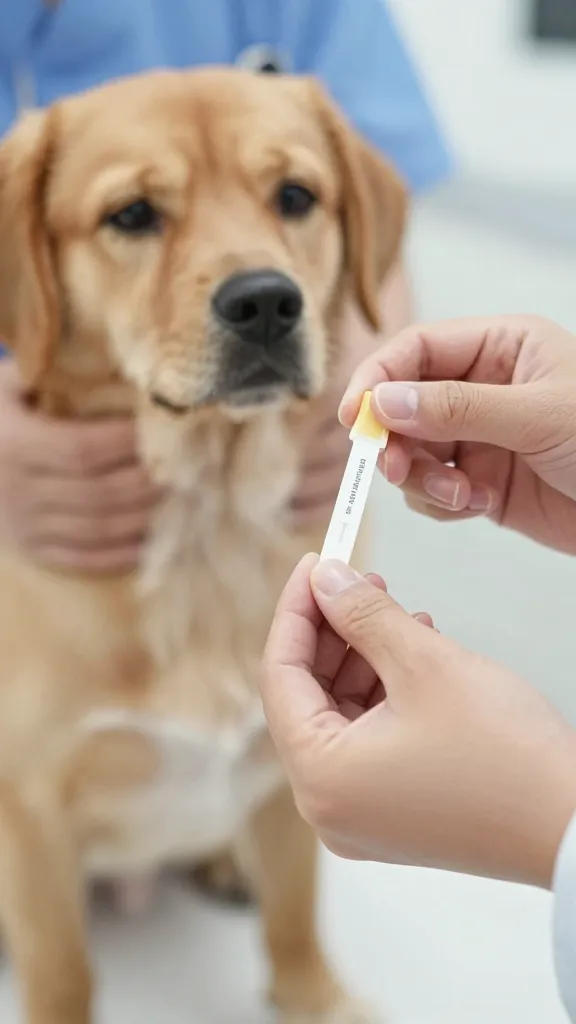
Kidney disease can mess with your dog’s mouth, leading to ulcers or a metallic, fishy breath. It’s not the “normal” dog breath we all tolerate. This is a sign that waste isn’t being filtered correctly.
– Gums that look inflamed or pale
– Mouth ulcers or excessive drooling
– Persistent bad breath that doesn’t improve with brushing
FYI: oral health and kidney health are more connected than you’d think. Regular dental care helps, but if the breath changes suddenly, it’s a must-check with your vet.
7) Pale gums, tired appearance, or pale tongue
A telltale symptom of anemia that can accompany kidney problems. If your dog’s gums look unusually pale or they seem consistently tired, there’s reason to investigate. Kidney issues can lead to low red blood cell counts and poor oxygen delivery to tissues.
– Pale or white-looking gums
– Lethargy or weakness beyond normal fatigue
– Short, shallow breaths or rapid breathing at rest
If you notice pale gums along with other symptoms, don’t wait for a “perfect timing” moment to call the vet.
Deeper dive: what’s actually going on in the kidneys?

Kidneys are basically the body’s filtration system, filtering waste and balancing fluids. When they start to fail, toxins build up, electrolytes get wonky, and hydration turns into a slippery concept. Here are a few quick concepts to help you talk shop with your vet.
What might cause kidney problems in dogs?
– Chronic kidney disease from aging
– Acute kidney injury from dehydration, toxins, or pet medications
– Infections or inflammatory diseases
– Genetics in certain breeds
What tests might your vet run?
– Blood tests to check creatinine and BUN (urea) levels
– Urine analysis to assess concentration and protein leakage
– Imaging like ultrasound or X-rays to view kidney structure
– Sometimes a kidney biopsy if the diagnosis isn’t clear
What can you do at home while seeking care?
– Keep fresh water available and monitor intake
– Offer easily digestible, kidney-friendly meals if advised by your vet
– Note changes in urination, appetite, or energy to share during the visit
– Stay calm and keep your pup comfortable; stress can worsen symptoms
When to seek urgent help
Let’s cut to the chase: if you notice any combination of the signs above, or if your dog shows signs of severe dehydration, vomiting that won’t stop, collapse, or difficulty breathing, contact your veterinarian or an emergency clinic immediately. Early intervention can mean the difference between manageable disease and real trouble.
Managing kidney health long-term
If your vet confirms a kidney issue, here are some practical steps that can help your dog live a good life while navigating treatment.
– Follow the treatment plan to the letter. Medications, diet, and periodic tests matter.
– Consider a kidney-friendly diet. Some dogs thrive on reduced protein and carefully balanced minerals. Your vet can tailor it.
– Hydration matters. Some dogs benefit from wet food, broth (low-sodium), or even subcutaneous fluids at home under guidance.
– Monitor for changes. Keep a simple log of appetite, energy, urination, drinking, and weight.
– Regular check-ins. Routine blood work and urine tests help catch any twists in the road early.
Frequently asked questions
What’s the most common sign of kidney problems in dogs?
Many owners first notice increased thirst and urination. It’s a classic duo that often shows up together. If you see both happening, you’re not imagining it—you’re seeing a potential signal that deserves a vet visit.
Can kidney disease be cured in dogs?
Chronic kidney disease typically isn’t curable, but it’s often manageable with diet, medications, and fluids. Some dogs respond really well to treatment and maintain a good quality of life for years. Early detection pumps up those odds.
Are some dog breeds more prone to kidney problems?
Yes, certain breeds have a higher risk for kidney issues, either due to genetics or predispositions. If you own one of these breeds, keep a closer eye on hydration, appetite, and energy levels—and schedule regular check-ins with your vet.
Should I change my dog’s diet if I suspect kidney problems?
Don’t reinvent the wheel on your own. Kidney-friendly diets should be chosen with a veterinarian or a veterinary nutritionist. They can balance protein, phosphorus, and electrolytes to support kidney function while keeping meals tasty.
Does dehydration cause kidney problems, or do kidney problems cause dehydration?
It goes both ways. Dehydration can stress the kidneys, and kidney disease can lead to more thirst as the kidneys lose their concentrating ability. That’s why keeping water accessible and consistent is so important.
Conclusion
Kidney trouble isn’t something you can safely ignore just because your dog acts “weird for a few days.” The signs are there, and they tend to compound if you shrug them off. The good news is that most kidney problems respond well to early attention, smart management, and a dash of veterinary know-how. Stay vigilant, keep notes, and give your buddy the speedy care they deserve. If in doubt, ask. FYI, your vet would rather have a quick chat than a mystery ailment spiraling out of control. Your dog will thank you with wagging tails and the occasional victory lap around the living room.






One comment on “Signs of Kidney Problems in Dogs: 7 Urgent Warning Signs to Spot Early”
Comments are closed.