I know the struggle: your pup keeps itching, you try a bunch of shampoos, and nothing sticks. DIY solutions can actually be fast, cheap, and surprisingly effective. Let’s dive into five fixes you can try tonight- without turning the bathroom into a science lab.
1. Oatmeal Magic: Gentle, Creamy Soothing Power
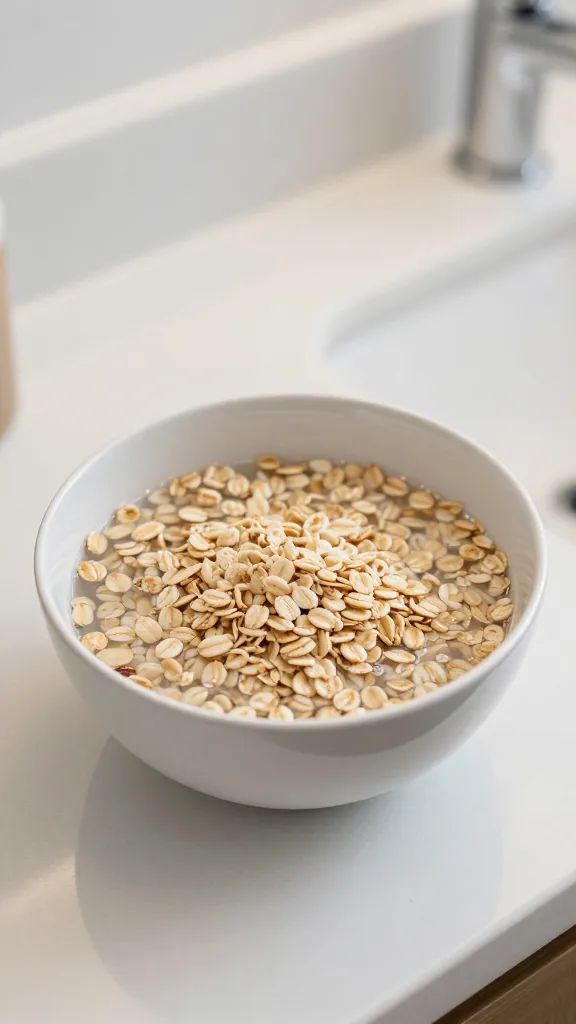
Oatmeal has earned its place in dog baths for a reason. It coats the coat, soothes irritated skin, and washes away dirt without the harshness of synthetic cleaners. FYI, this is not a magic pill, but it buys you time.
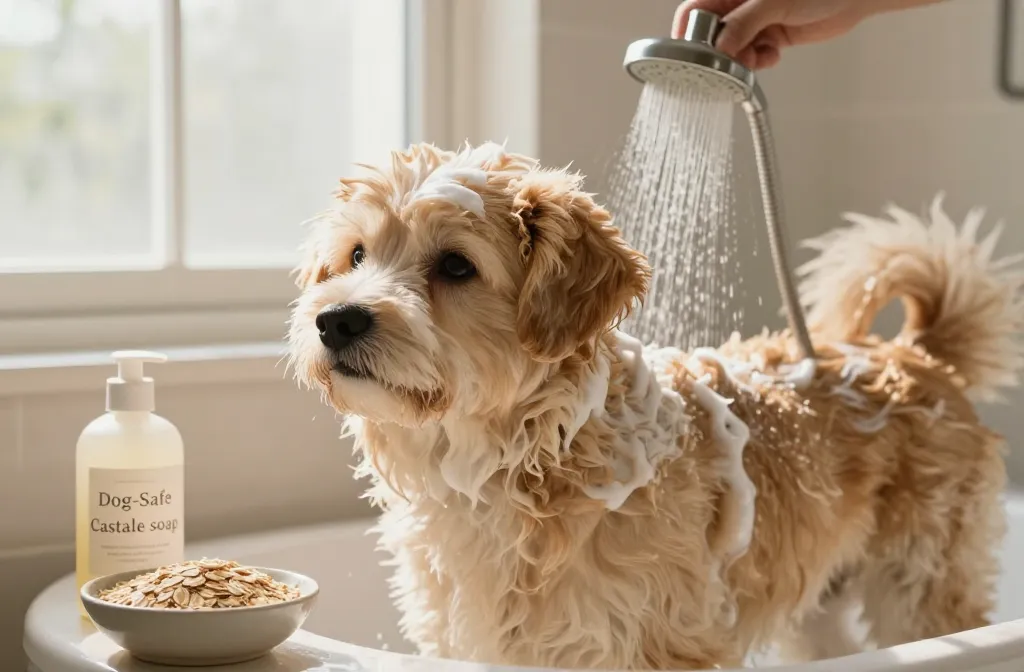
- What you’ll need: finely ground oatmeal (you can grind plain oats in a blender), water, a splash of dog-safe soap (or use a castile soap diluted in water).
- Simple recipe: Grind 1 cup of oats into a fine powder. Mix with 2 cups warm water to form a paste. Add 1–2 drops of dog-safe shampoo if you want extra cleansing power. Apply to damp fur, avoid the eyes, and rinse well.
- How it helps: The avenanthramides and saponins in oats calm itching and reduce redness. It’s like a spa day, minus the cucumber slices.
Deep dive: oatmeal bath vs. oatmeal paste
If your dog hates lather, go for a full oatmeal bath: float the paste in warm bathwater and soak for 5–10 minutes. If you’d rather avoid a soaking mess, a paste applied to problem spots, left for a few minutes, and rinsed off works just as well.
2. Coconut Conditioner Wash: Hydration on a Budget
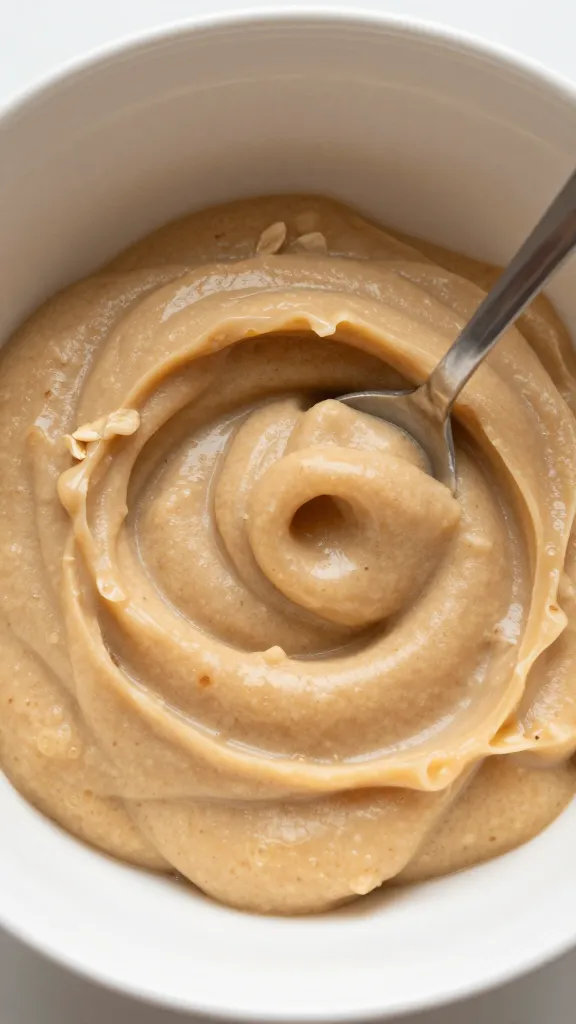
Coconut oil isn’t just a trendy DIY buzzword; it can help with itchy skin when used correctly. Don’t go full-lotion mode, though—gentle cleansing is still the goal.
- What you’ll need: a mild dog-safe shampoo and a small amount of coconut oil (optional).
- Simple method: Dilute a tiny amount of coconut oil in warm water to create a conditioning rinse. Follow up with your regular dog shampoo wash, then rinse thoroughly.
- Why it helps: Coconut oil provides moisturization and a light antimicrobial boost, which can curb some itch-causing irritants.
Keep it light: do not overdo the oil
Too much oil can leave your pup greasy and attract dirt. Start with a pea-sized amount for a small dog and a dime-sized amount for a medium dog. If you notice lingering slickness, skip the oil next time and try a different fix.
3. Apple Cider Vinegar Rinse: The Tangy Tonic
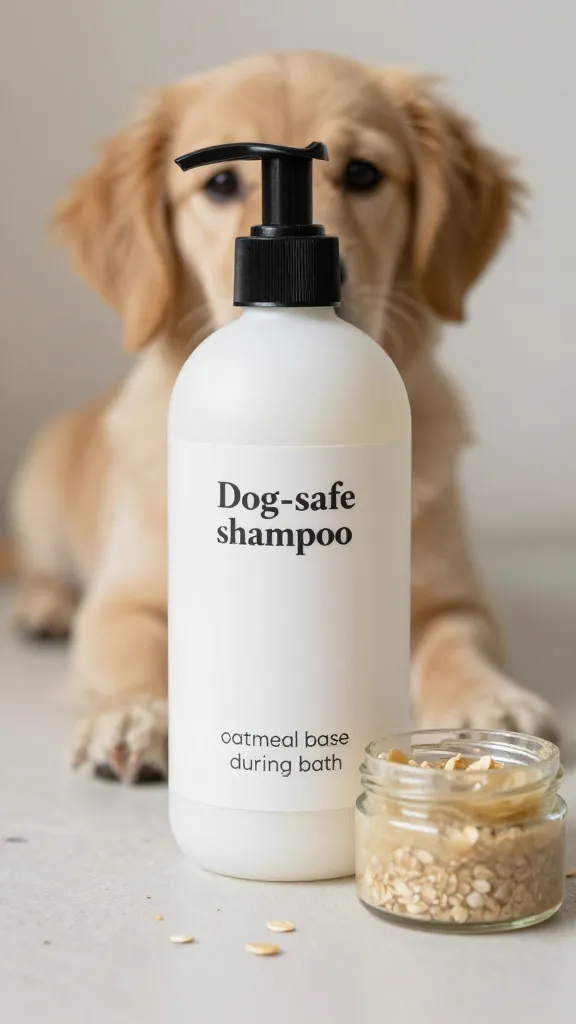
ACV gets debated, but many owners report calmer skin after a diluted rinse. The key here is dilution and not causing a burn on any open wounds or sores.
- What you’ll need: plain apple cider vinegar (ACV) and clean water.
- Mix: 1 part ACV to 4 parts water for a gentle rinse.
- How to use: After shampooing, pour the rinse over your dog’s coat, avoiding the eyes and ears. Rinse again with clean water.
When to skip ACV
If your dog has sensitive skin, recent surgery, or open wounds, skip this, or test on a small area first. Some pups tolerate it better than others, so proceed with caution and watch for any signs of irritation.
4. Baking Soda Deodorant Bath: Neutralize the Itch and Odor
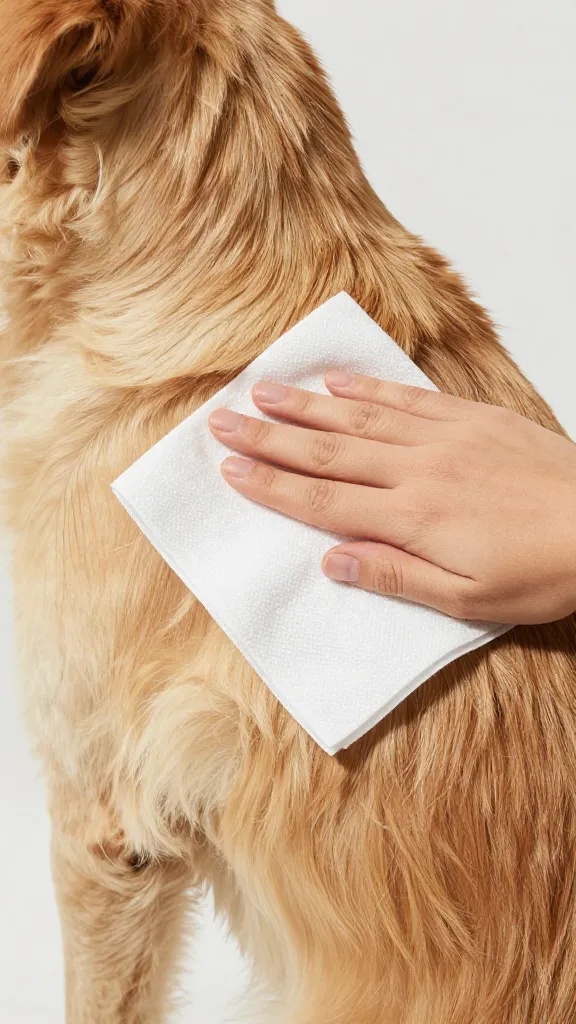
Baking soda is a classic home remedy for itchy skin and odors, but it’s not a cleansing agent. Use it in a separate pre-bath soak or as a final rinse to help balance pH and reduce itch.
- What you’ll need: baking soda and water.
- Simple soak: Dissolve 1/4 to 1/2 cup baking soda in a gallon of warm water. Let your dog soak for 5–10 minutes, then rinse and wash as usual.
- Why it helps: Baking soda can calm irritated skin and neutralize odors, giving itchy skin a tiny break between shampoos.
Note on skin sensitivity
Avoid mixing baking soda with acidic vinegar in the same bath; the reaction can be a bit chaotic and not ideal for a calm pup. Schedule this as a standalone step if you’re curious about the effect.
5. Tea Tree Alternative: Tame Itch Without Overdoing It
Tea tree oil is a minefield: it can help some dogs but is toxic to others if not properly diluted. This fix is for those who are comfortable with careful dilution and testing, and only with a vet-approved product.
- What you’ll need: a dog-safe, tea tree oil–based shampoo or a vet-approved dilution formula.
- Important: Never apply pure tea tree oil directly to the skin. Dilute it and use products made specifically for dogs.
- How to proceed: Use as directed on the product label, typically a small amount mixed into a gentle shampoo and rinsed well.
Always test first
Do a patch test on a small area of skin for 24 hours to check for redness or irritation. FYI, some dogs are ultra-sensitive to essential oils, so precautions are a must.
What to Do If It Doesn’t Help: Quick Troubleshooting
It’s totally possible that none of these DIY fixes solve the itch. Here’s how to decide whether to keep DIY-ing or seek help.
- Track trends: Note when itching is worst (seasonal allergies? fleas? foods?). Keep a simple diary for a week or two.
- Check for fleas and parasites: A flea infestation can drive itchiness even with a clean coat. If you’re unsure, a quick check or vet visit helps.
- Consider dietary factors: Sometimes itchy skin comes from food sensitivities or allergies. Talk to your vet about a feeding trial if you suspect this.
When DIY Isn’t Enough: Vet-Approved Paths
DIY fixes work for many dogs, but not all. If itching persists beyond a few days, if your dog scratches incessantly, or if you notice redness, swelling, or hair loss, call in the pros.
- Medicated shampoos: Your vet may recommend medicated or hypoallergenic shampoos that target specific skin issues.
- Allergy management plan: A vet may suggest testing for environmental or food allergies and a tailored treatment plan.
- Prescription options: In some cases, antibiotics or anti-inflammatory meds are needed to break the itchy cycle.
FAQ
Is it safe to mix DIY washes with my dog’s regular shampoo?
Mixing DIY rinses with your regular shampoo can be okay if you’re careful about ratios and rinsing thoroughly. Start with a small amount and watch for any signs of irritation. If in doubt, run it by your vet.
How often should I wash an itchy dog?
Washing frequency depends on your dog’s skin and coat. Over-washing can strip natural oils and worsen itching. For many dogs, once every 2–3 weeks is plenty, with gentle rinses in between if needed. If your pup has sensitive skin, talk to your vet about a bathing schedule that suits them.
What should I do if my dog hates baths?
Make bath time a positive experience: use warm water, calm voice, treat rewards, and keep sessions short. Start with small, quick rinses and gradually increase exposure. You’ll both survive, I promise.
Can I use human products on my dog?
Nope. Human soaps are often too harsh for canine skin. Always use dog-safe shampoos or vet-approved products. FYI, dogs’ skin pH is different from ours, and that’s not a debate you want to win with itchy skin.
How do I know if the itch is a sign of a bigger problem?
If itching comes with redness, swelling, hair loss, scabs, or if your dog licks paws obsessively, it’s time to see a vet. Some itchy situations require medical treatment beyond home remedies.
Conclusion
So there you have it: five practical, quick DIY fixes you can reach for when your dog starts rocking the scratchy vibe. Oatmeal soothes, coconut adds light hydration, ACV rinse can reset pH, baking soda offers a fresh finish, and a careful tea tree approach can help some dogs. Remember to patch-test, start slow, and watch for signs of irritation.
If one fix doesn’t do the trick, don’t panic—try another, or combine two in a gentle, staggered way. And if the itching sticks around, or your pup seems uncomfortable, a quick chat with your vet is the best next move. You and your dog deserve a calm, comfortable coat and a bathroom that doesn’t double as a disaster zone. Happy soothing, and may the itch be ever so slightly tamed.