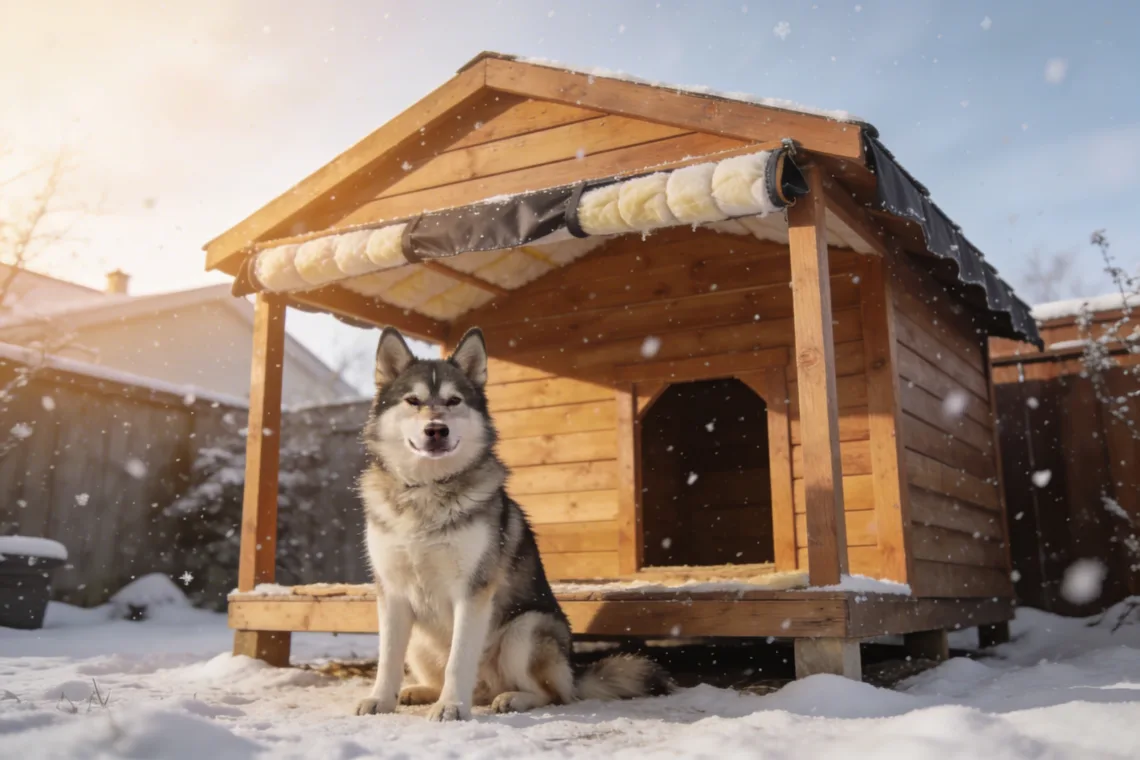
Your dog loves being outside, but winter doesn’t care about anyone’s preferences. When temperatures drop below freezing, even thick-coated breeds need extra protection to stay comfortable and healthy. Let’s talk about nine practical ways to keep your outdoor pup warm without breaking the bank or turning your yard into a heated resort.
Upgrade That Doghouse Situation
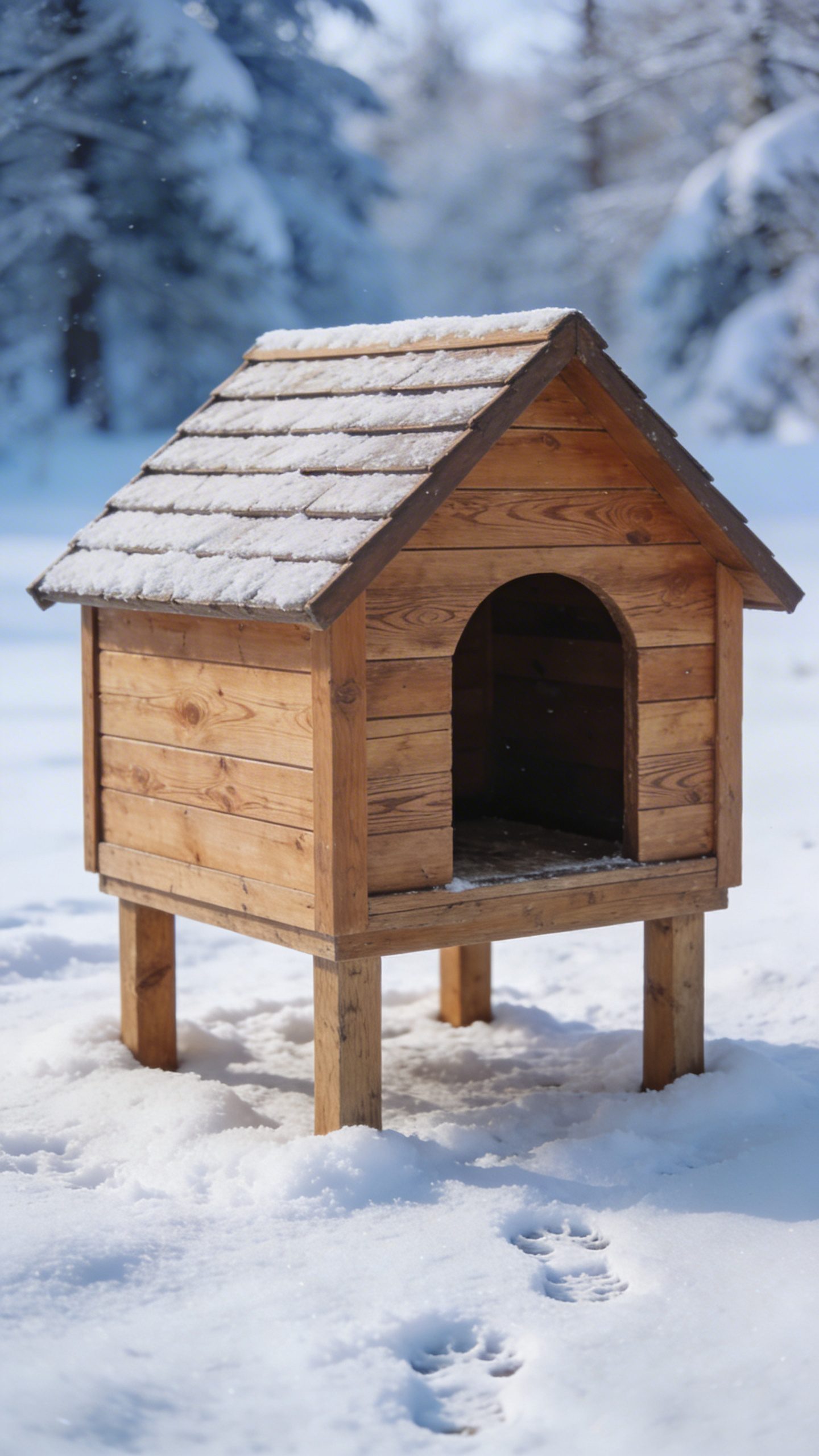
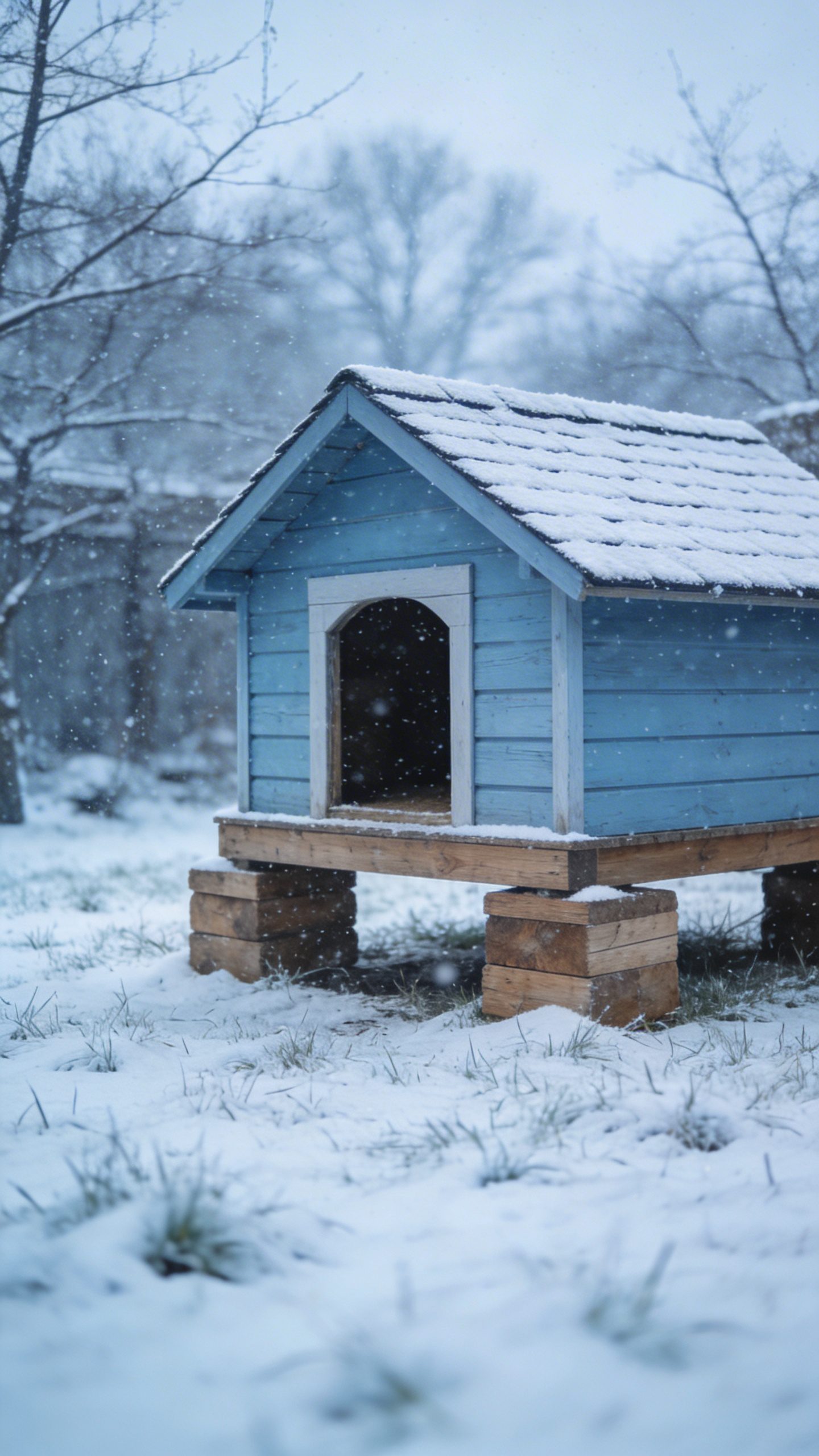
Look, if your dog’s shelter is basically a glorified cardboard box, we need to talk. A proper insulated doghouse is your first line of defense against winter weather, and it’s worth investing in quality here.
The doghouse should be just big enough for your dog to stand up, turn around, and lie down comfortably. Too big and it won’t retain body heat effectively. Too small and your dog will be miserable. Think Goldilocks zone.
Elevate the house at least a few inches off the ground to prevent moisture from seeping in and creating an ice palace situation. Nobody wants their bedroom floor to turn into a skating rink. You can use cinder blocks, wooden pallets, or even purpose-built legs if you’re feeling fancy.
Position the door away from prevailing winds, and consider adding a vinyl flap or heavy canvas cover over the entrance. This keeps cold drafts out while still allowing easy access. Your dog shouldn’t need to problem-solve every time they want to get inside their own house.
Insulation: Not Just for Attics Anymore
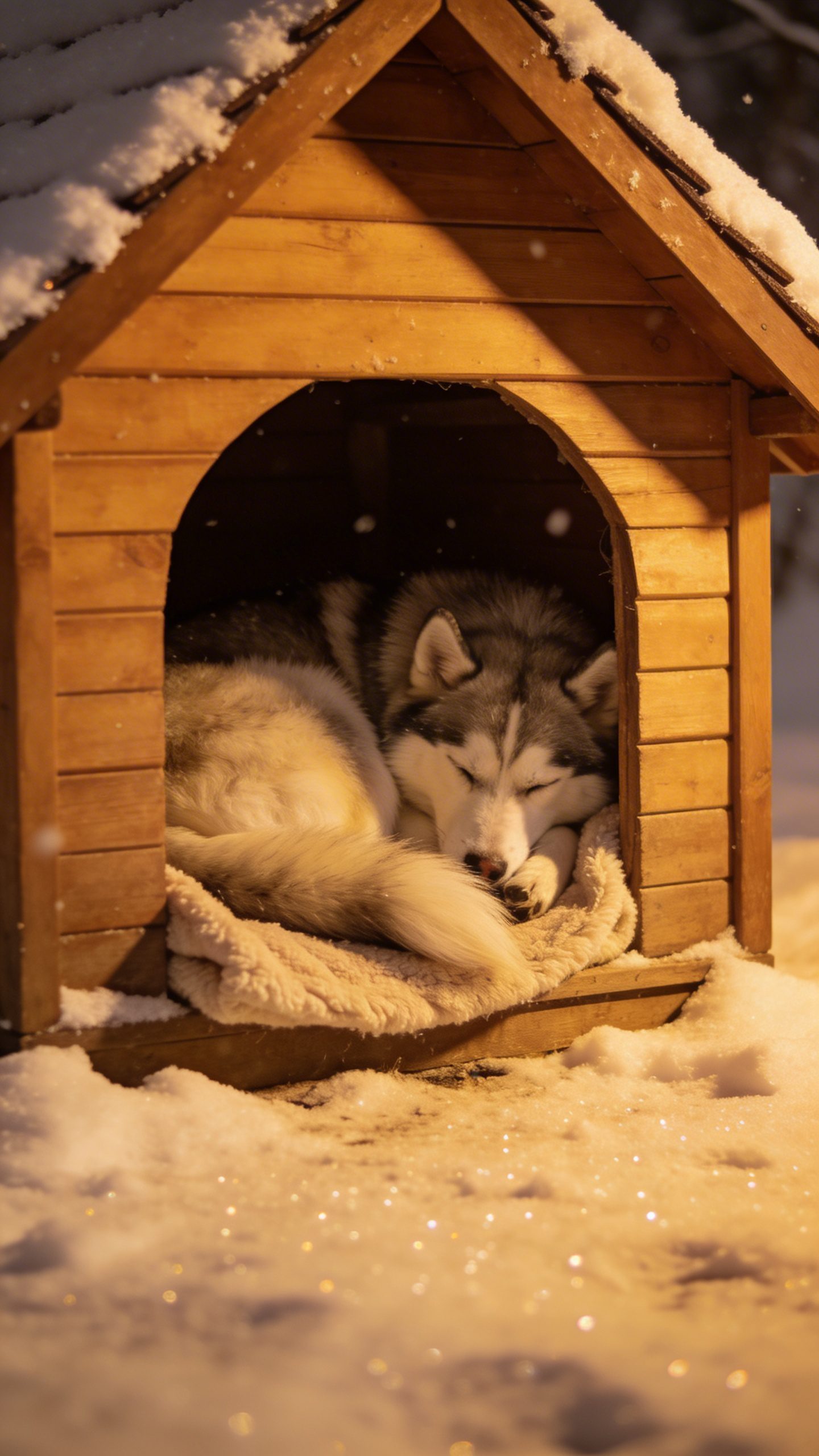
Once you’ve got the structure sorted, insulation becomes your best friend. You can line the walls and ceiling with foam board insulation, but make sure your dog can’t chew through it. Some dogs see insulation as a fun snack opportunity, and that’s a vet bill waiting to happen.
Straw makes excellent bedding material because it repels moisture and provides superior insulation compared to blankets or hay. Yeah, I said straw, not hay. Hay gets moldy and gross when wet. Straw stays dry and creates air pockets that trap heat.
Replace the straw regularly throughout winter, especially after rain or snow. Damp bedding is worse than no bedding because it actually pulls heat away from your dog’s body. Check it at least once a week and swap it out when it starts looking sketchy.
Cedar shavings work too, but some dogs are sensitive to them. If you notice excessive scratching or skin irritation, switch back to straw. No sense solving one problem while creating another.
Heated Solutions That Won’t Burn Down Your Yard
Heated Pads and Mats
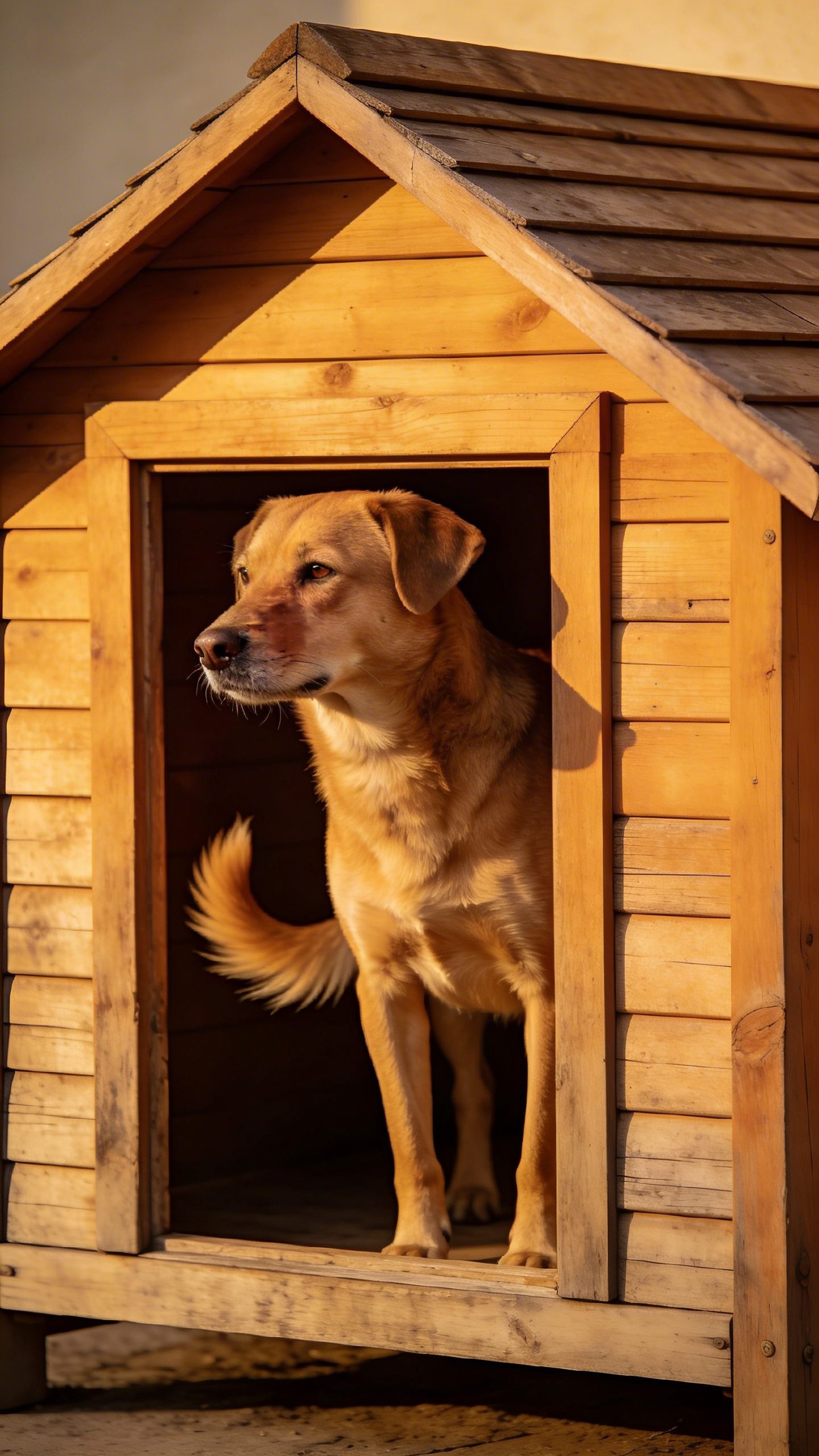
Modern heated pet pads are game-changers. They’re designed specifically for dogs, with chew-resistant cords and thermostats that prevent overheating. Look for ones that are rated for outdoor use and have safety certifications.
Most heated pads draw minimal electricity, typically less than 100 watts. That’s about what a standard light bulb uses, so you won’t need a second mortgage to cover the power bill.
Microwavable Heat Discs
If running electricity to the doghouse sounds like more trouble than it’s worth, microwavable heat discs offer a low-tech alternative. You heat them up inside, wrap them in a towel, and place them in the doghouse. They’ll stay warm for several hours.
The downside? You’ll need to refresh them multiple times per day during really cold weather. Great for supplemental heat, less great as your only solution.
Wardrobe Upgrades Your Dog Might Actually Tolerate
Not all outdoor dogs need clothing, but short-haired breeds and seniors definitely benefit from an extra layer. A waterproof, insulated coat that covers from neck to tail provides significant warmth without restricting movement.
Skip the cutesy stuff and focus on function. Your dog doesn’t care if they look Instagram-ready. They care if they’re warm. Look for coats with Velcro closures instead of buttons, adjustable straps for a secure fit, and reflective strips for visibility.
FYI, some dogs absolutely refuse to wear anything, and that’s fine. You can’t win every battle. Focus on their shelter instead.
Food and Water Adjustments
Your dog burns way more calories staying warm in winter than they do in summer. Increase their food portions by 10-20% during cold months, depending on how much time they spend outside and how cold it gets.
Talk to your vet about the exact amount, because every dog is different. You’re aiming for healthy weight maintenance, not creating a roly-poly situation.
Heated water bowls prevent freezing and ensure constant access to drinking water. Dehydration happens in winter too, especially since dogs don’t always eat snow to compensate. Non-heated bowls? You’ll be outside breaking ice multiple times per day like some kind of medieval peasant.
When to Bring Them Inside
Here’s the thing: some temperatures are just too dangerous for any dog to stay outside overnight. When temps drop below 20°F, even well-prepared dogs face serious health risks.
Watch for warning signs like shivering, lethargy, whining at the door more than usual, or lifting paws off the ground repeatedly. These indicate your dog is too cold, full stop.
Puppies, senior dogs, and those with health conditions should come inside well before temperatures hit that threshold. Their ability to regulate body temperature is compromised, and outdoor living in winter just isn’t safe for them.
Additional Protection Strategies
Create windbreaks around the doghouse using hay bales, tarps, or privacy fencing. Wind chill makes temperatures feel significantly colder, and blocking it makes a huge difference.
Apply paw balm before outdoor time to protect foot pads from ice, salt, and chemical deicers. Dog paws are tough, but they’re not invincible. Cracked, bleeding paws are painful and can get infected.
Check on your dog more frequently during cold snaps. What worked at 35°F might not cut it at 10°F. Stay flexible and adjust your approach based on actual conditions, not just the calendar.
Frequently Asked Questions
What temperature is too cold for dogs to sleep outside?
It depends on the breed, but generally speaking, temperatures below 20°F pose risks even for cold-hardy breeds like Huskies or Malamutes. Small dogs, short-haired breeds, and seniors shouldn’t be outside overnight when temps drop below 40°F. Use your judgment and watch for signs of distress.
Can I use a space heater in my dog’s house?
IMO, this is way too risky. Space heaters can tip over, malfunction, or start fires, especially in small enclosed spaces with curious dogs. Stick with pet-specific heated pads designed for outdoor use. They’re much safer and insurance companies won’t freak out.
How often should I check on my outside dog in winter?
At minimum, check three times daily, with one check being late evening before you go to bed. During extreme cold, check every few hours. Your dog can’t text you if something’s wrong, so eyeballs on the situation are crucial.
Is hay or straw better for dog bedding?
Straw wins this matchup every time. Hay retains moisture and gets moldy, creating respiratory issues and providing zero insulation when wet. Straw repels moisture and maintains its insulating properties even in damp conditions.
Do dog houses really need to be elevated?
Yes, absolutely. Ground contact allows moisture to wick into the house, and frozen ground pulls heat away. Elevating just 4-6 inches makes a significant difference in keeping the interior dry and warmer.
Should I insulate the floor of the doghouse?
Definitely. Heat rises, but cold rises from the ground too. Use foam board insulation under a protective layer of plywood, then add thick straw bedding on top. Your dog will appreciate not sleeping on what feels like a frozen lake.
Final Thoughts
Keeping your outside dog warm isn’t rocket science, but it does require planning and consistent attention. Start implementing these solutions before temperatures drop, not after your dog is already shivering. A combination of proper shelter, insulation, heated elements, and common sense will keep your pup comfortable and safe throughout winter. And remember, when in doubt, bring them inside. No judgment here—sometimes the weather wins, and that’s okay.