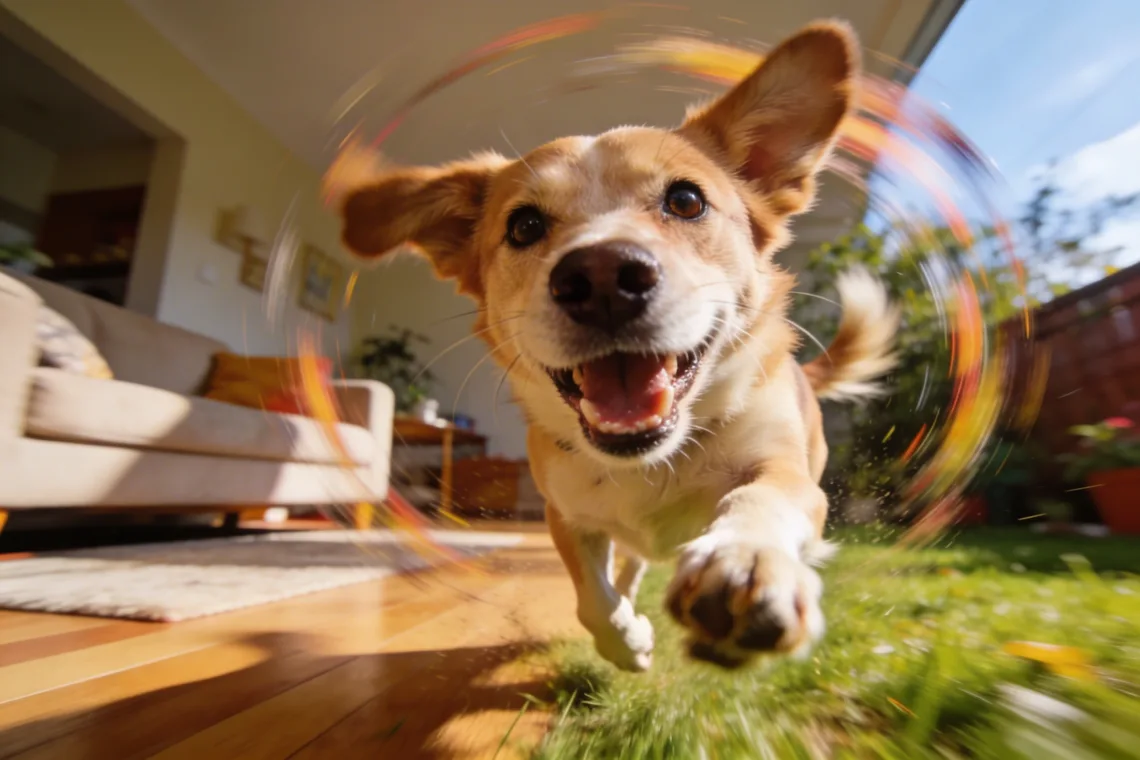
You’ve probably seen it happen: one second your dog is chilling on the couch, and the next they’re tearing around the house like they’ve been possessed by a caffeinated squirrel. Welcome to the wonderful world of dog zoomies, officially known as FRAPs (Frenetic Random Activity Periods). Let’s dig into why your furry friend loses their mind and what you can actually do about it.
What Exactly Are the Zoomies?
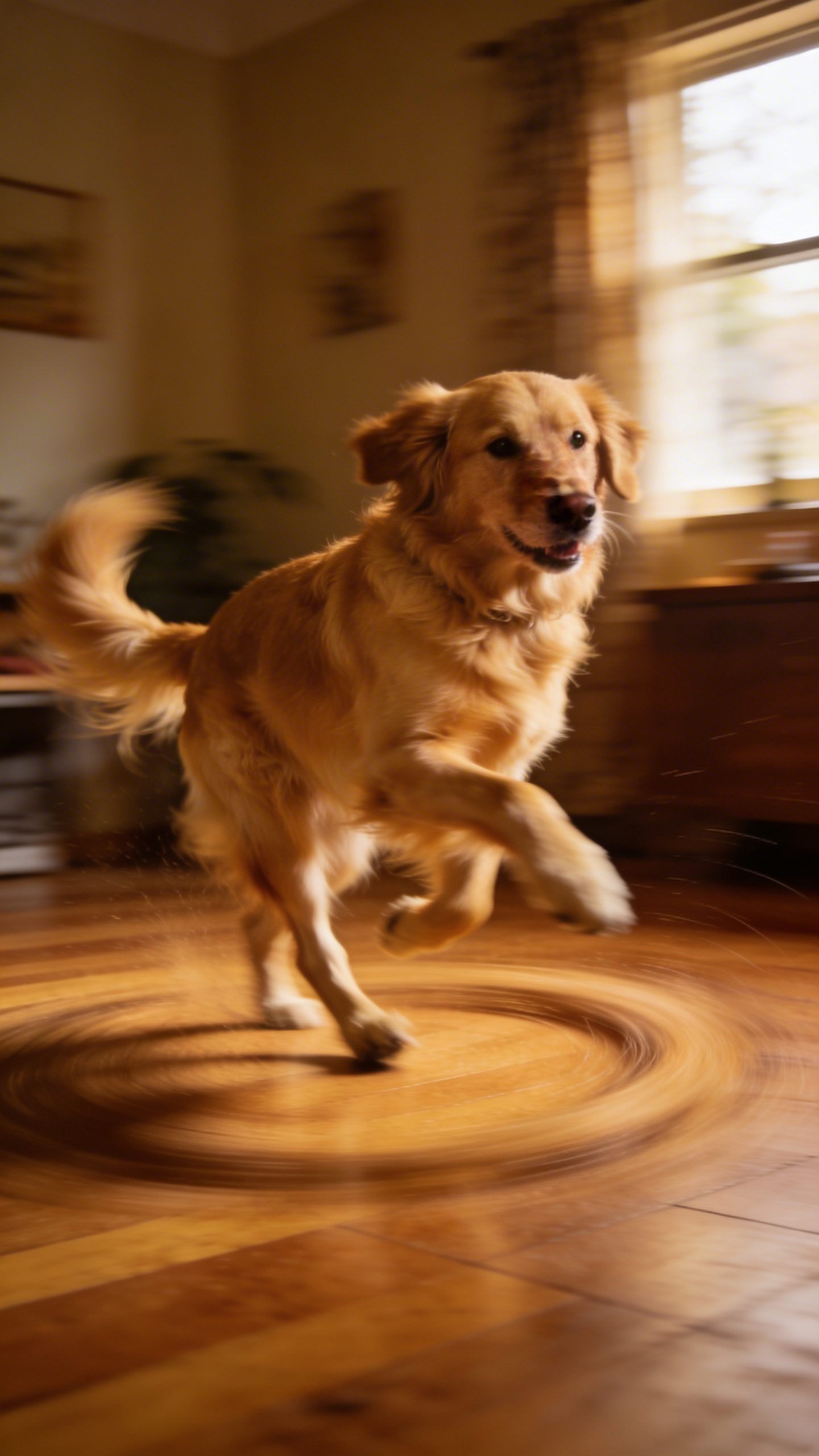
The zoomies are basically your dog’s version of a spontaneous rave party—minus the glow sticks. Your pup suddenly launches into high-speed sprints, usually running in circles or figure-eights, sometimes bouncing off furniture like they’re training for American Ninja Warrior.
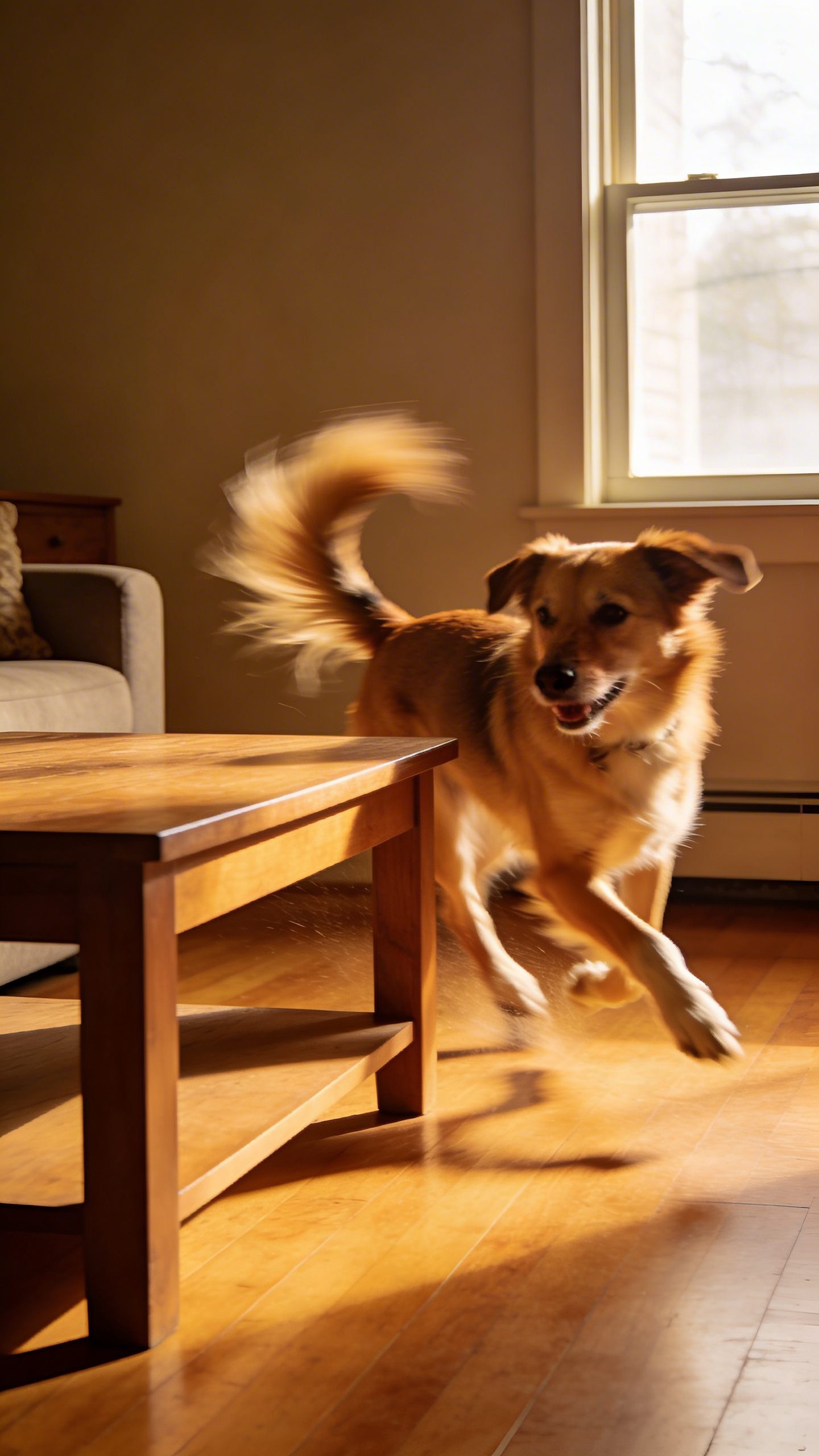
These episodes typically last anywhere from 30 seconds to a few minutes, and they can happen seemingly out of nowhere. One minute you’re watching TV, the next your dog is doing laps around the coffee table at speeds that would make NASCAR drivers jealous.
The good news? Zoomies are completely normal and usually harmless. They’re actually a sign that your dog is, well, being a dog. But understanding why they happen can help you manage them better—especially if your pup tends to knock over lamps during their episodes.
The Science Behind the Canine Crazies
Dogs get zoomies for several reasons, and it’s not because they’re trying to destroy your living room (though that’s sometimes a bonus feature). At their core, zoomies are an energy release mechanism.
Think about it: when you’re stressed or excited, you might pace around or fidget. Dogs just take it up about ten notches. Their nervous system gets overstimulated, and boom—instant race car mode activated.
Common Triggers for Zoomies
Different situations can flip that zoomie switch in your dog’s brain:
- Post-bath excitement: Many dogs go absolutely bonkers after getting wet. It’s their way of celebrating being done with the torture chamber (aka your bathtub)
- Pent-up energy: If your dog hasn’t had enough physical or mental stimulation, they’ll create their own entertainment
- Stress relief: Sometimes zoomies happen after a tense situation, like a vet visit or meeting new dogs
- Pure joy: Your dog might just be really, really happy. You come home from work? Zoomie time!
- Nighttime ritual: Many dogs get a case of the “evening crazies” around the same time each day
7 Surprising Ways to Calm the Crazy
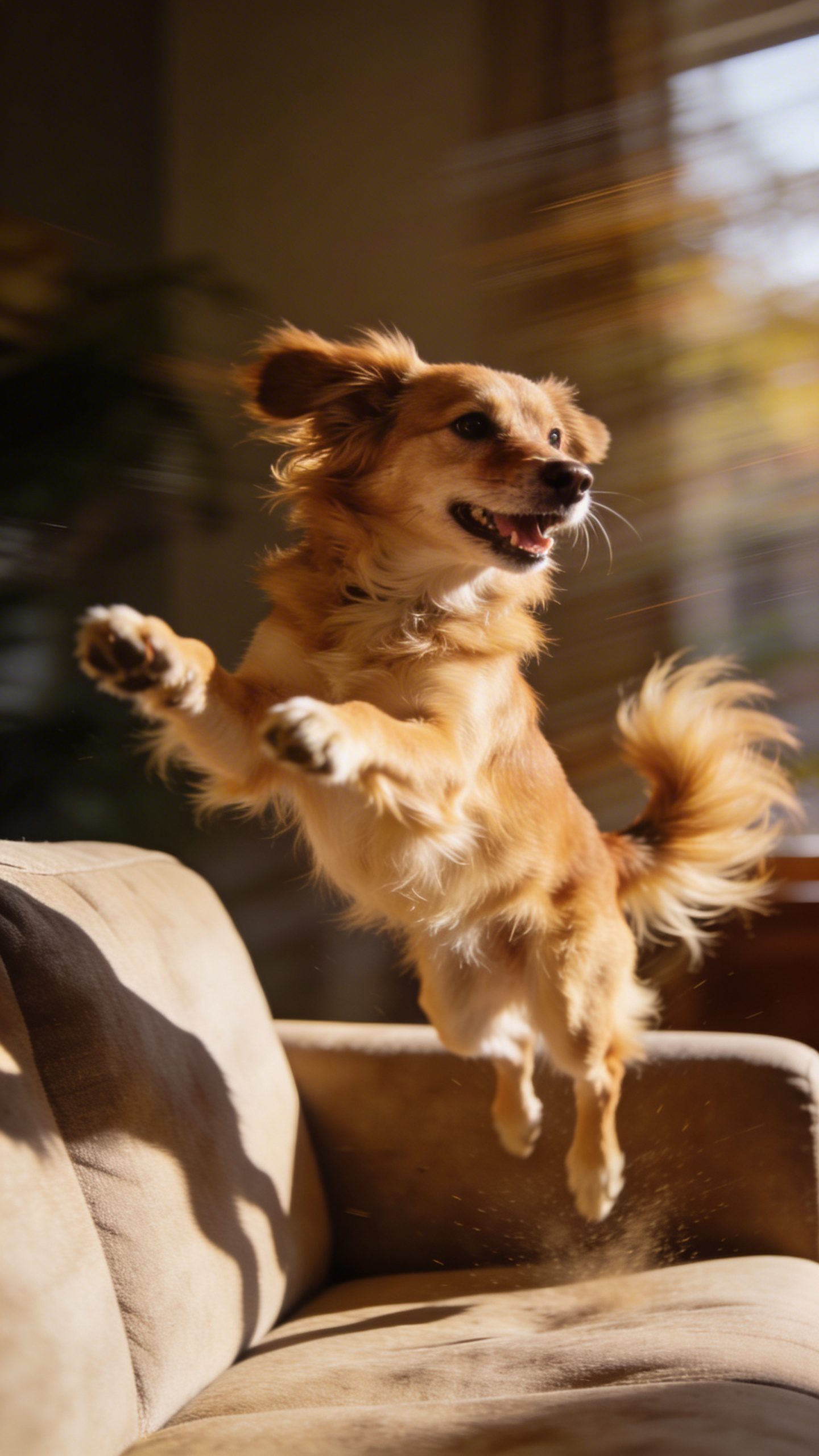
Now for the good stuff—how to actually manage these episodes without losing your sanity (or your furniture).
1. Schedule Pre-Emptive Exercise Sessions
The best defense is a good offense. If you know your dog typically gets zoomies around 7 PM, take them for a vigorous walk or play session at 6 PM. I’m talking real exercise here, not just a quick bathroom break around the block.
A tired dog is a calm dog. Burn off that excess energy before it explodes in your living room. Trust me, your decorative pillows will thank you.
2. Create a Designated Zoomie Zone
Here’s a plot twist: don’t fight the zoomies—redirect them. Set up a safe space where your dog can zoom to their heart’s content. This could be a fenced backyard, a long hallway, or even a cleared-out room.
When you see the zoomies coming (and you’ll learn to recognize the signs), guide your pup to their designated zone. It’s like giving them permission to be crazy in a controlled environment.
3. Use Mental Stimulation as a Secret Weapon
Physical exercise isn’t the only way to tire out a dog. Mental stimulation can be even more effective at draining that battery. Try puzzle toys, training sessions, or nose work games.
Fifteen minutes of brain work can equal an hour of physical activity in terms of tiring out your dog. Work smarter, not harder, right?
4. The Calm-Down Command Actually Works
Train a “settle” or “calm” command during non-zoomie times. Reward your dog for lying down quietly and chilling out. Then, when you catch the early signs of zoomies, use this command.
Will it work every time? Nope. But having this tool in your arsenal gives you at least some control over the situation. It’s better than just standing there watching the chaos unfold.
5. Ignore the Behavior (Sometimes)
This sounds counterintuitive, but hear me out. If you chase your dog, yell, or generally make a big fuss during zoomies, you’re actually reinforcing the behavior. Your dog thinks, “Oh cool, this is a fun game we’re playing!”
Instead, let them zoom. Make sure the area is safe, then just wait it out. They’ll burn through the energy and stop on their own. FYI, this works better for some dogs than others—use your judgment.
6. Establish a Consistent Daily Routine
Dogs thrive on routine. When their schedule is all over the place, they get anxious and restless. That restlessness? It often manifests as zoomies.
Feed them at the same time daily. Walk them at consistent hours. Even playtime should follow a pattern. A predictable routine helps regulate their energy levels throughout the day.
7. Consider the Diet Connection
Here’s something most people don’t think about: your dog’s food might be contributing to the problem. Some dogs are sensitive to certain ingredients or additives that can amp up their energy levels.
High-quality, well-balanced nutrition can actually help stabilize energy. Also, timing matters—feeding too close to zoomie o’clock might give them extra fuel for the fire. Talk to your vet about whether a dietary adjustment could help.
When Zoomies Become a Problem

Most of the time, zoomies are harmless fun. But sometimes they cross a line. If your dog is having multiple intense episodes daily, injuring themselves during zoomies, or showing signs of anxiety or distress, it’s time to call in the professionals.
A veterinary behaviorist can determine if there’s an underlying anxiety disorder or other issue causing excessive zoomies. Sometimes what looks like normal dog behavior is actually a symptom of something bigger.
Also, keep an eye on older dogs. If your senior pup suddenly starts having frequent zoomies when they never did before, get them checked out. It could indicate pain, cognitive issues, or other health problems.
Creating a Zoomie-Proof Environment
Let’s be real—you’re probably not going to eliminate zoomies entirely. Nor should you want to! They’re a natural, healthy behavior for most dogs. But you can definitely make your home safer for when the crazy strikes.
Remove breakable items from low surfaces. Secure rugs that might slip and cause injuries. If your dog zooms on hardwood floors, consider putting down some non-slip mats in their favorite racing paths.
Think of it as baby-proofing, but for a furry tornado. Close doors to rooms you don’t want them zooming through. Move furniture to create wider paths. You’re basically designing a raceway in your home—embrace it.
Frequently Asked Questions
Are zoomies a sign something is wrong with my dog?
Nope! Zoomies are totally normal for most dogs, especially younger ones. They’re usually just a sign of excitement, joy, or pent-up energy. IMO, they’re actually a sign of a happy, healthy dog with energy to burn. Only worry if they become excessive, happen constantly, or your dog seems distressed during episodes.
Why does my dog only get zoomies at night?
Evening zoomies are super common. Many dogs experience a natural energy spike as the day winds down—kind of like how toddlers get hyper right before bedtime. It could also mean your dog didn’t get enough exercise during the day and is releasing leftover energy before sleep. Try adding more activity in the late afternoon.
Can I stop zoomies mid-episode?
You can try, but good luck with that. Once the zoomies start, they usually need to run their course. Your best bet is redirecting your dog to a safe space rather than stopping them completely. Trying to physically restrain a zooming dog can lead to injury (for both of you) and might increase their excitement level.
Do all dog breeds get zoomies equally?
Not exactly. High-energy breeds like Border Collies, Jack Russell Terriers, and Australian Shepherds tend to experience more intense and frequent zoomies. But honestly, any dog can get them—I’ve seen Great Danes zoom just as enthusiastically as Chihuahuas. Puppies and young dogs zoom more than seniors, though older dogs definitely still get the occasional burst.
Should I exercise my dog right after they eat to prevent zoomies?
Absolutely not! Exercising immediately after meals can lead to bloat, a dangerous condition especially in large, deep-chested breeds. Wait at least an hour after feeding before vigorous activity. If post-meal zoomies are an issue, try feeding smaller, more frequent meals instead of one or two large ones.
My puppy gets zoomies multiple times a day. Is this excessive?
For puppies, multiple daily zoomie sessions are actually pretty normal. Puppies have tons of energy and haven’t learned to regulate it yet. As long as your puppy isn’t hurting themselves and seems happy otherwise, you’re probably fine. They’ll usually calm down as they mature. Just make sure they’re getting enough appropriate exercise and mental stimulation for their age.
Conclusion: Embrace the Zoom
At the end of the day, zoomies are just part of the package deal when you sign up for dog ownership. Sure, they can be inconvenient, occasionally destructive, and sometimes hilarious to watch. But they’re also a reminder that your dog is healthy, happy, and full of life.
Use the strategies we’ve covered to manage the chaos, keep everyone safe, and maybe even enjoy the show. Because honestly? Watching your dog lose their mind with pure joy is one of the best parts of having a furry companion. Just maybe move that expensive vase first.