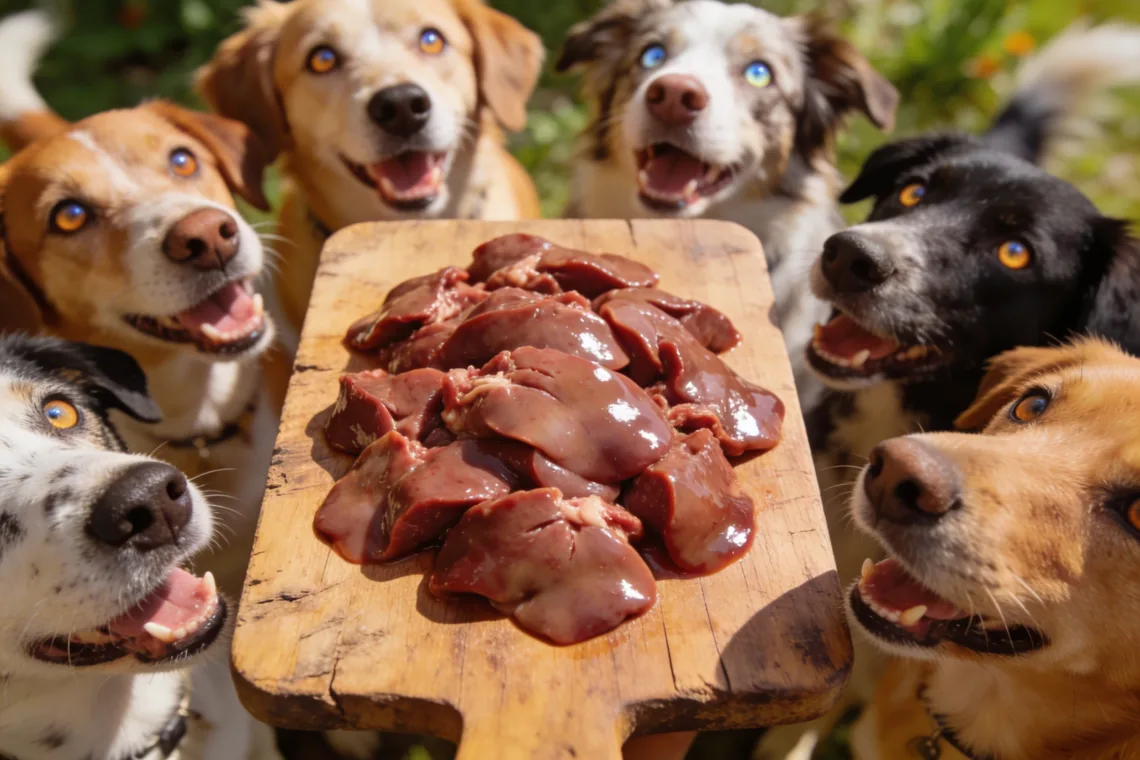
Your pup’s been looking a bit sluggish lately, right? Before you start Googling “doggy energy drinks” (please don’t), let me introduce you to nature’s rocket fuel for dogs: chicken liver. This powerhouse organ meat packs more nutrients per ounce than pretty much any other ingredient, and dogs go absolutely bonkers for it.
Why Chicken Liver Turns Dogs Into Energizer Bunnies
Let’s talk about what makes chicken liver such a game-changer for your four-legged friend. This isn’t some marketing hype – there’s actual science behind why your dog will feel like a puppy again after adding this to their diet.
Chicken liver contains massive amounts of vitamin B12, iron, and protein – basically the holy trinity of energy production. That vitamin B12 helps convert food into actual usable energy, while iron carries oxygen through your dog’s bloodstream to keep those muscles firing. The protein? Well, that’s what keeps everything running smoothly.
Here’s what you’re packing into every serving:
- More vitamin A than any other food (hello, shiny coat and bright eyes)
- Folate for cell health and recovery
- Zinc for immune system backup
- Omega-3 and omega-6 fatty acids for brain function
- Copper for bone health and energy metabolism
Most dogs show noticeable energy improvements within 3-5 days of adding chicken liver to their routine. You’ll probably notice them bouncing around like they’ve had three espressos – except it’s actually healthy, unlike that time you accidentally left your coffee unattended.
Recipe 1: Simple Boiled Chicken Liver Treats
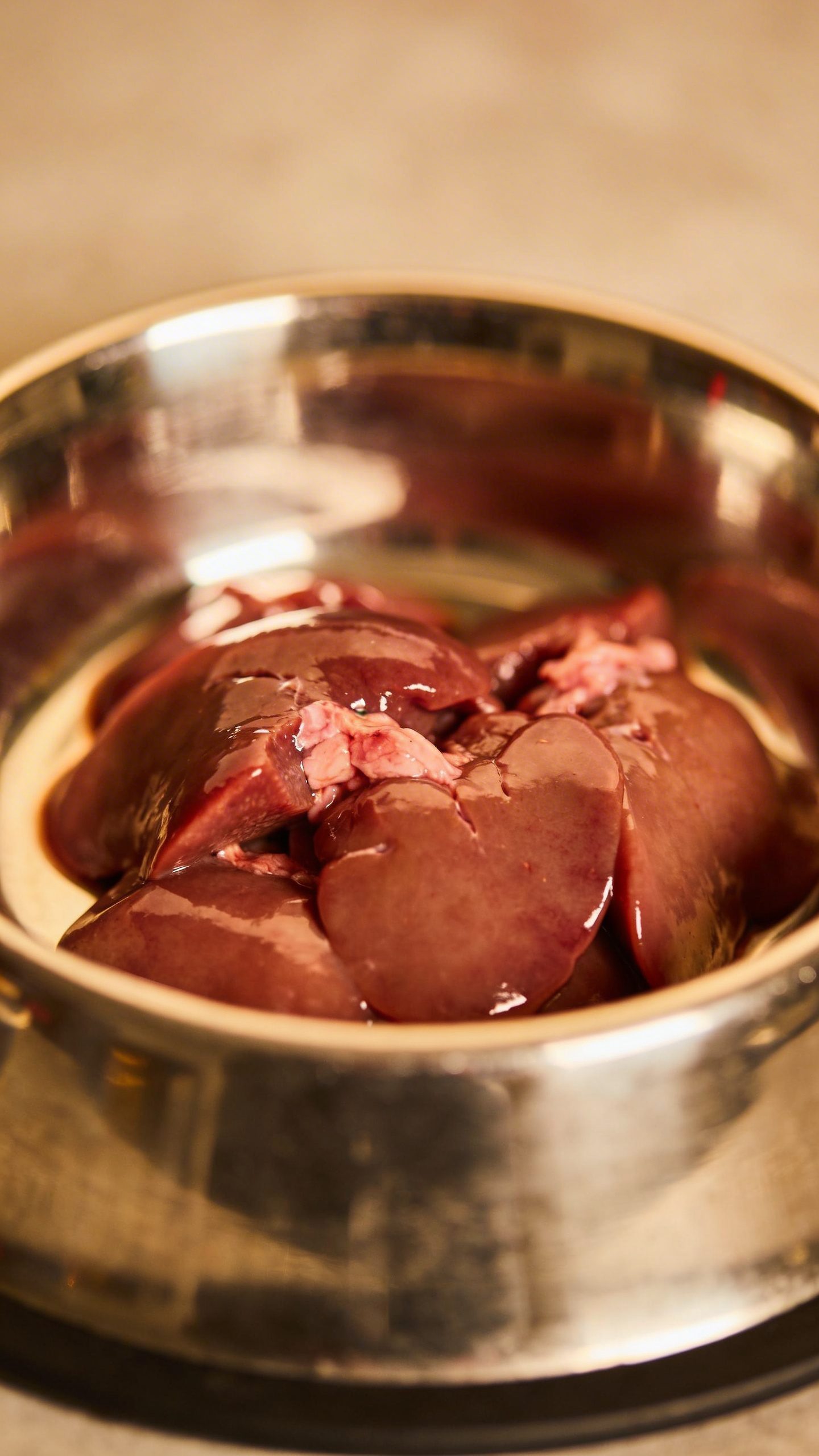
Let’s start with the easiest recipe known to mankind. If you can boil water, you can make these.
Grab a pound of chicken livers and rinse them thoroughly. Toss them in a pot, cover with water, and bring to a boil. Reduce heat and let them simmer for about 15 minutes until they’re cooked through. That’s it. Seriously.
Chop them into bite-sized pieces once they cool, and store them in your fridge for up to 4 days. Your dog will lose their mind over these, and you barely lifted a finger. Pro tip: save that cooking liquid and pour it over their regular kibble – they’ll think you’ve just served them a five-star meal.
Recipe 2: Dehydrated Liver Chips
Want to make treats that last longer than a few days? Dehydrated liver chips are your answer.
Slice your chicken livers into thin pieces – about a quarter-inch thick works perfectly. Arrange them on dehydrator trays (or use your oven at the lowest setting, around 150-170°F). Let them dry for 8-12 hours until they’re crispy and breakable.
These bad boys last for weeks in an airtight container, and they’re perfect for training sessions. Fair warning though: they smell pretty intense. Your house will smell like a dog treat factory for a few hours, but your pup will think you’re a genius.
Storage Tips for Maximum Freshness
Keep your dehydrated treats in the fridge if you want them to last even longer – we’re talking up to a month. Freeze them, and you’ve got a 3-month supply ready to go. Just grab a few at a time and let them thaw for training rewards.
Recipe 3: Chicken Liver and Sweet Potato Power Bites
This recipe combines liver with sweet potato for an extra energy kick. Sweet potatoes bring complex carbs to the party, giving your dog sustained energy instead of just a quick burst.
Cook one large sweet potato until soft, then mash it up. Blend a half-pound of raw chicken liver until smooth (yeah, it’s gross-looking, but hang in there). Mix the liver paste with your mashed sweet potato, add a cup of oat flour, and stir until you’ve got a thick dough.
Roll into small balls and bake at 350°F for about 20 minutes. These treats combine quick-release protein with slow-burning carbs – perfect for dogs who need energy that actually lasts through the day.
Recipe 4: Frozen Liver and Pumpkin Cubes
Summer coming up? These frozen treats will keep your dog energized while helping them beat the heat.
Blend together a half-pound of cooked chicken liver, one cup of pure pumpkin (not pie filling, people), and a half-cup of plain yogurt. Pour the mixture into ice cube trays and freeze. Each cube becomes a nutrient-dense, refreshing snack that dogs absolutely demolish.
The pumpkin adds fiber for digestive health, while the yogurt brings probiotics to the mix. IMO, this is the perfect post-walk treat when the weather’s warm.
Recipe 5: Liver and Egg Training Treats
Need tiny, high-value treats for serious training sessions? This recipe creates small, protein-packed morsels that won’t fill your dog up too fast.
Blend a half-pound of chicken liver with two eggs and a cup of whole wheat flour. Spread the mixture thin on a lined baking sheet – we’re talking about a quarter-inch thick. Bake at 350°F for 15 minutes, then cut into tiny squares while still warm.
These treats are soft enough for senior dogs but exciting enough for picky eaters. Plus, you can make hundreds at once and freeze what you don’t use immediately.
Why Eggs Make Everything Better
Eggs add extra protein and bind everything together, making these treats hold their shape perfectly. They also contribute additional B vitamins and selenium, ramping up the energy-boosting properties even more.
Recipe 6: Chicken Liver Jerky Strips
This recipe creates chewy, jerky-style treats that satisfy dogs who love something to gnaw on.
Slice chicken livers lengthwise into strips. Marinate them for an hour in a mixture of one tablespoon coconut oil and a tablespoon of parsley (great for doggy breath, FYI). Lay them on dehydrator trays or baking sheets and dry them at 160°F for about 6-8 hours.
You want them chewy, not completely crispy. These strips provide sustained chewing satisfaction plus all those energy-boosting nutrients. Your dog gets mental stimulation from the chewing action and physical energy from the nutrition.
Recipe 7: Liver and Oatmeal Breakfast Balls
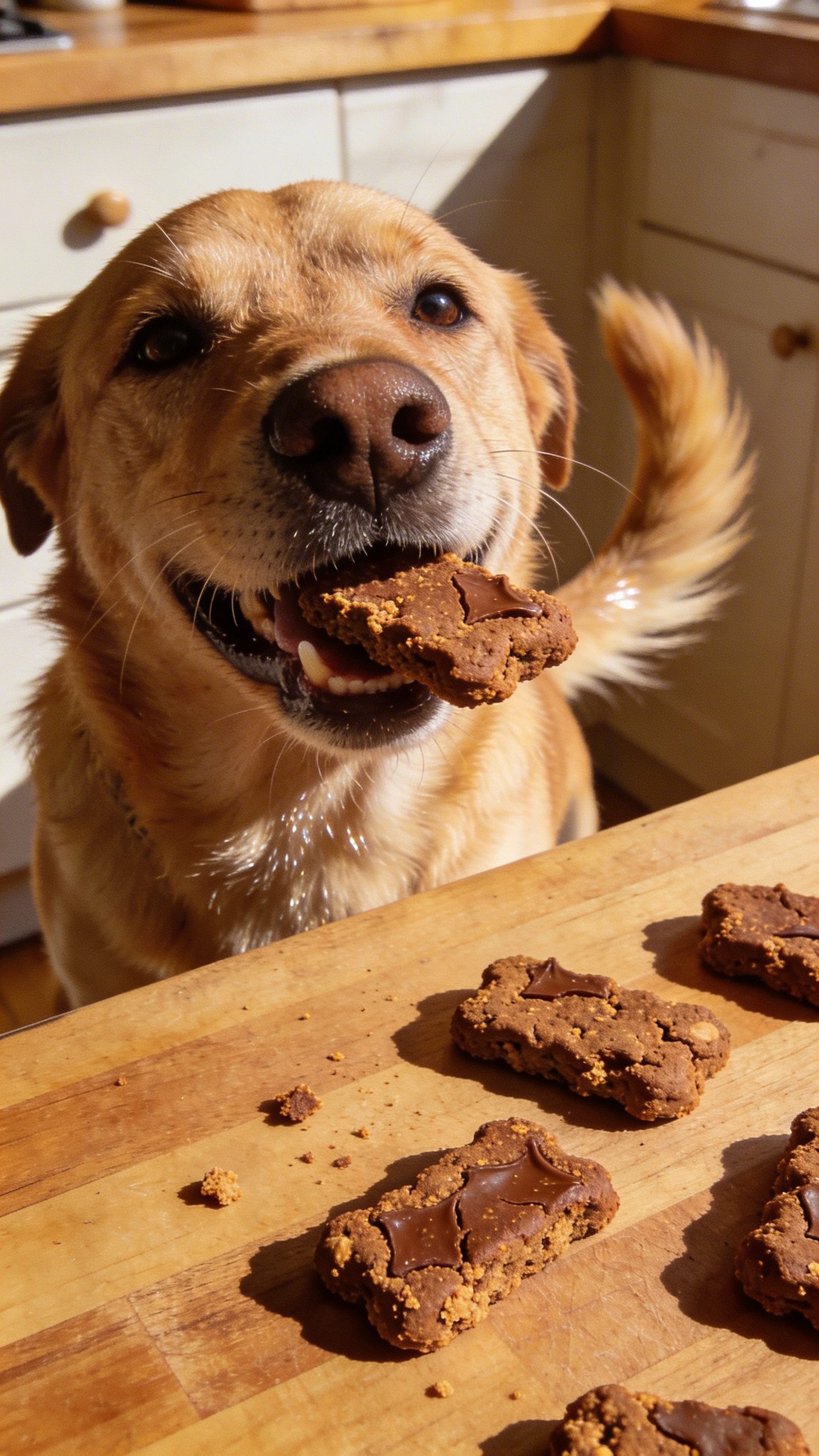
Who says dogs can’t have breakfast treats? These morning power-ups combine liver with oats for a balanced start to your dog’s day.
Cook a cup of oatmeal and let it cool. Puree a half-pound of cooked chicken liver and mix it thoroughly with the oats. Add a mashed banana for binding and a touch of natural sweetness. Roll into golf-ball-sized portions and refrigerate.
Give your dog one of these in the morning, and you’ll notice they have more consistent energy throughout the day rather than the afternoon slump some dogs experience. The oats provide slow-release energy while the liver kicks in faster – it’s like a time-release energy capsule.
Important Safety Guidelines
Before you start cooking up a storm, let’s talk safety because chicken liver is powerful stuff.
Never give your dog more than one ounce of liver per day for every 10 pounds of body weight. Too much vitamin A can actually cause problems, and we’re going for healthy energy boosts, not vitamin overdoses. Moderation is absolutely key here.
Always cook liver thoroughly before feeding unless you’re working with certified human-grade liver and you’ve talked to your vet about raw feeding. Raw liver carries the same food safety risks as any raw meat – we’re talking potential bacterial contamination.
Watch for any allergic reactions the first time you introduce liver. Start with tiny amounts and gradually increase over several days. Some dogs have sensitivities, though it’s pretty rare.
Quality Matters More Than You Think
Buy the best quality chicken liver you can afford. Organic, free-range chicken livers have better nutrient profiles and fewer potential contaminants. Your dog’s liver has to process whatever toxins were in that chicken’s liver, so quality really does matter.
Check the color and smell before cooking – fresh chicken liver should be deep reddish-brown and smell like, well, fresh meat. If it’s greenish or smells off, toss it. Your dog deserves better.
Frequently Asked Questions
How quickly will I actually see energy improvements in my dog?
Most dog owners report noticeable changes within 3-5 days of consistent chicken liver treats. You’ll probably see your dog getting more excited about walks, playing longer, and generally acting perkier. Some dogs show changes even faster – like within 24-48 hours – especially if they were deficient in B vitamins or iron before. Keep in mind every dog is different, and older dogs might take a bit longer to show improvements than younger ones.
Can puppies eat chicken liver treats too?
Absolutely! Puppies can benefit from chicken liver, but you need to be even more careful about portions. Their little bodies need nutrients for growth, but they also can’t handle as much vitamin A. Stick to very small amounts – maybe a quarter-ounce for small breed puppies and a half-ounce for larger breed puppies. Always check with your vet first, especially for puppies under 12 weeks old.
My dog has never had liver before – how should I introduce it?
Start ridiculously small. Give your dog a tiny piece – like half a teaspoon of cooked, chopped liver – mixed into their regular food. Watch for any digestive upset over the next 24 hours. If everything looks good (normal poops, no vomiting, no weird behavior), gradually increase the amount over the next week or two. This slow introduction helps their digestive system adjust and lets you catch any potential sensitivities early.
Can I substitute chicken liver with beef or pork liver?
Sure, but the nutrient profiles differ slightly. Beef liver has even more nutrients but also has a stronger taste that some dogs actually don’t like (weird, I know). Pork liver works too but has slightly less vitamin A. Chicken liver is usually the most affordable and most widely accepted by picky eaters. Feel free to rotate between different types to give your dog variety and a broader range of nutrients.
How do I know if I’m giving my dog too much liver?
Watch for signs of vitamin A toxicity, though it’s pretty rare if you stick to recommended portions. Symptoms include decreased appetite, weight loss, constipation, and bone problems with long-term overconsumption. If you’re sticking to the one-ounce-per-10-pounds rule and offering liver a few times per week rather than daily, you should be totally fine. When in doubt, chat with your vet about the right amount for your specific dog.
Will these treats help my overweight dog have more energy to exercise?
Chicken liver can definitely help boost energy for exercise, but remember it’s still relatively high in calories – about 50 calories per ounce. If your dog needs to lose weight, use these treats as replacements for their current treats, not additions. The energy boost might help them be more active, which supports weight loss, but you’ll need to account for these calories in their daily intake. The protein and nutrients can actually support healthy weight loss when portioned correctly.
Wrapping It All Up
Chicken liver isn’t some magic cure-all, but it’s pretty darn close when it comes to natural energy boosters for dogs. These seven recipes give you options for every situation – from quick training treats to frozen summer snacks to serious jerky-style chews.
Start with whichever recipe seems easiest for your cooking skill level and your dog’s preferences. Maybe try the simple boiled liver first, then branch out to the fancier recipes once you see how much your dog loves it. Within a few days, you’ll probably have a more energetic, playful pup bouncing around your house.
Just remember to keep portions reasonable, buy quality ingredients, and watch how your individual dog responds. Now get cooking – your dog’s going to love you even more than they already do, which honestly seems impossible, but here we are.