
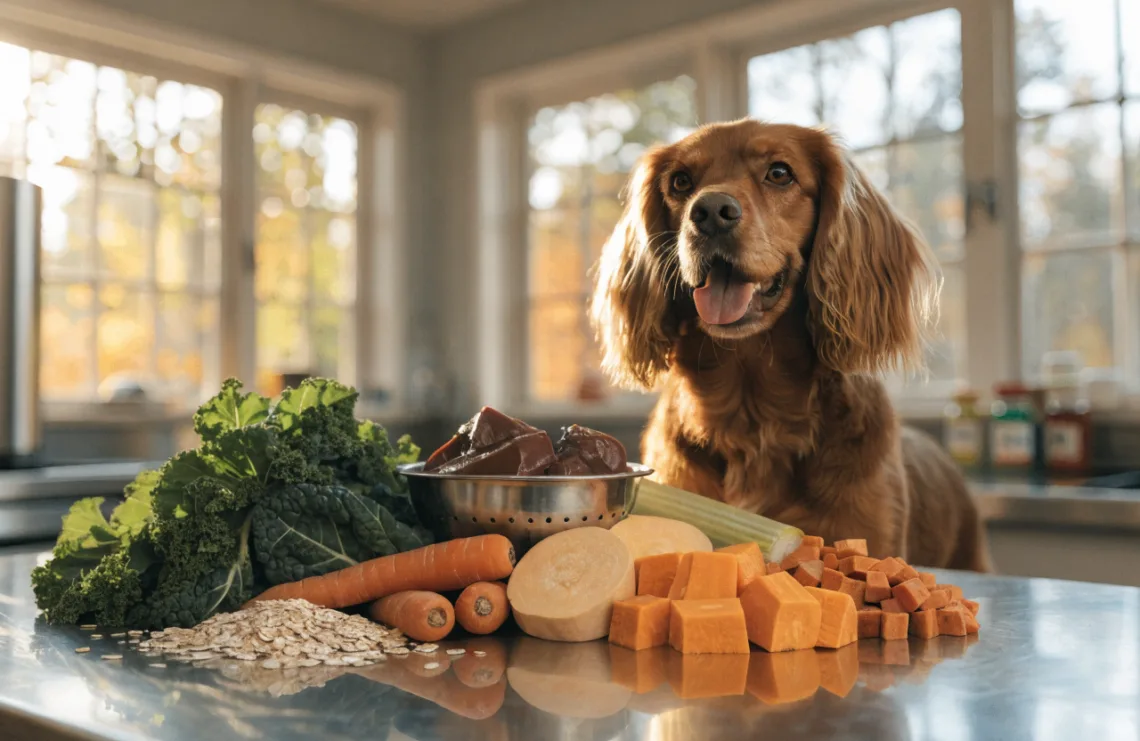
You already love your dog like a furry roommate, so of course you want to boost their kibble with real goodness. The good news: you can add vitamins to homemade dog food that actually deliver fast health perks. Ready to give your pup a nutrient bump without turning mealtime into a science lab? Let’s dive in.
Why vitamins matter in homemade dog food (and how fast they can help)
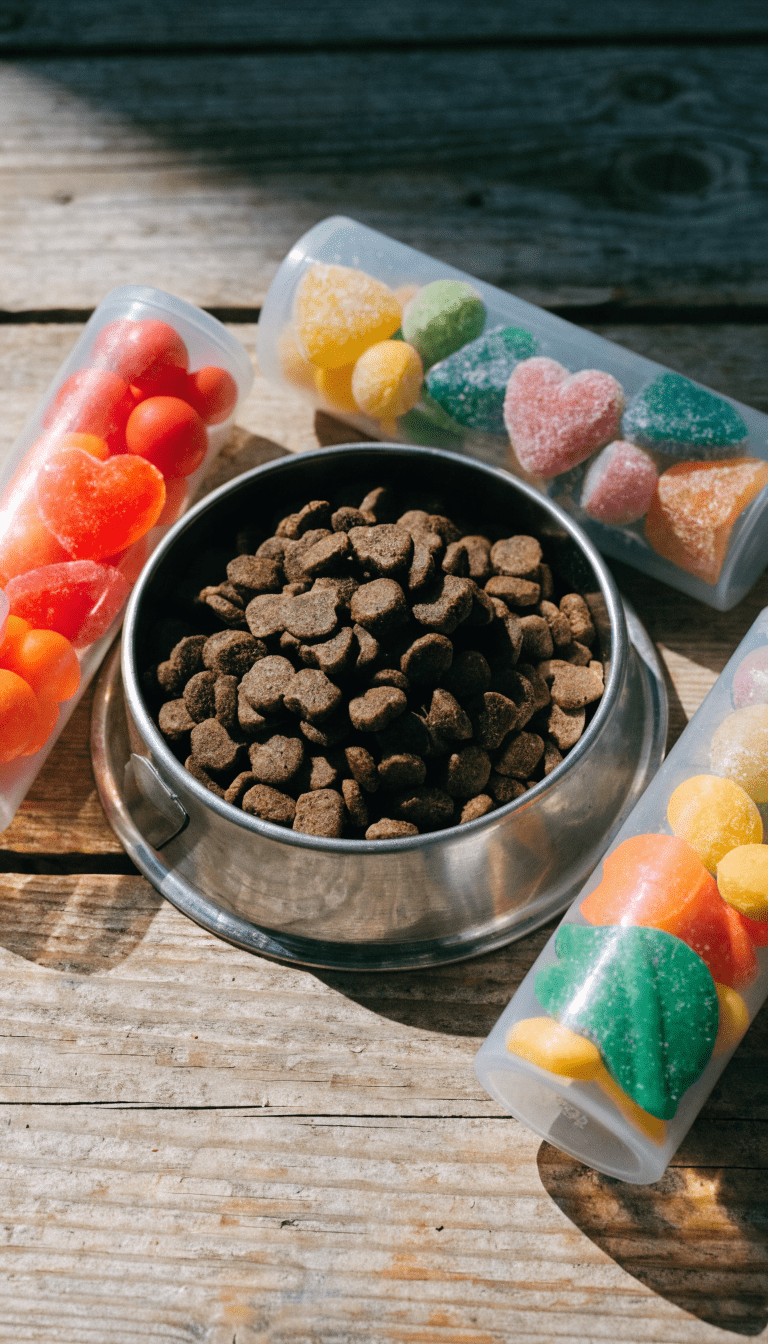
Your dog’s body runs on a tight little engine of nutrients. Missing a vitamin here or there can show up as dull coat, GI upset, or less pep in their step. When you tailor vitamins to the recipe, you support energy, digestion, immunity, and coat health—often noticeably within a few weeks. FYI, small dogs and big dogs can react differently to the same supplement, so start low and watch the reaction.
7 essential boosts that improve health fast

1. Vitamin A for skin, coat, and vision
– Why it helps: Vitamin A supports healthy skin, a shiny coat, and good night vision. It also helps with immune function.
– How to add it: Use liver as a natural source (a little goes a long way). If you’re using a supplement, choose a dog-formulated product and follow guidelines.
– Quick tip: Too much vitamin A can be risky, especially in joints where cartilage lives. Start small and scale up slowly.
2. B-complex vitamins for energy and metabolism
– Why it helps: B vitamins keep energy levels steady, support digestion, and aid the nervous system. They’re especially handy if your dog tires easily after meals.
– How to add it: A balanced multivitamin for dogs or a B-complex supplement designed for canines. You can also incorporate foods like eggs in moderation (they’re not a vitamin, but they help with overall nutrition).
– Quick tip: Watch for signs of stomach upset if you overdo it. IMO, err on the conservative side and build up.
3. Vitamin D for bone health and mood
– Why it helps: Vitamin D supports calcium metabolism, which keeps bones strong and can influence mood and energy.
– How to add it: Sunlight helps, but in a controlled, dietary way you’ll mostly rely on fortified foods or a vet-approved supplement. Avoid over-supplementing—dogs don’t share our sunscreen jokes here.
– Quick tip: Check the dosage with a vet, especially if your dog already gets calcium or has bone concerns.
4. Vitamin E as an antioxidant powerhouse
– Why it helps: Vitamin E protects cells from oxidative stress, supports immune function, and can help with skin and coat health.
– How to add it: A dog-safe vitamin E supplement or foods like spinach and seeds (in moderation). Supplements are usually the simplest route for a precise dose.
– Quick tip: Fat-soluble vitamins can accumulate, so keep an eye on total intake across all sources.
5. Vitamin K for clotting and overall health
– Why it helps: Important for blood clotting and bone health, especially if your pup has had surgeries or is on certain meds.
– How to add it: Most dogs get enough K from a balanced diet; a vet can recommend supplementation if needed.
– Quick tip: Don’t self-diagnose a need for vitamin K. It’s not a casual add-on.
6. Vitamin C for immune support (in some dogs)
– Why it helps: Vitamin C can support immune function and antioxidant defense in some dogs, though cats and dogs can synthesize their own.
– How to add it: Not always necessary; check with your vet. If you use a supplement, choose canine-approved amounts.
– Quick tip: Excess vitamin C can cause GI upset. Start low and monitor.
7. Omega-3s as a non-vitamin boost with vitamin-like benefits
– Why it helps: Not a vitamin, but essential anyway. Omega-3 fatty acids support skin, coat, joints, and brain health.
– How to add it: Fish oil or flaxseed oil, dosed according to weight and product guidelines. Look for high-quality, mercury-tested options.
– Quick tip: Balance is key—too much can cause loose stools or tummy trouble.
How to actually add these boosts to your homemade dog food
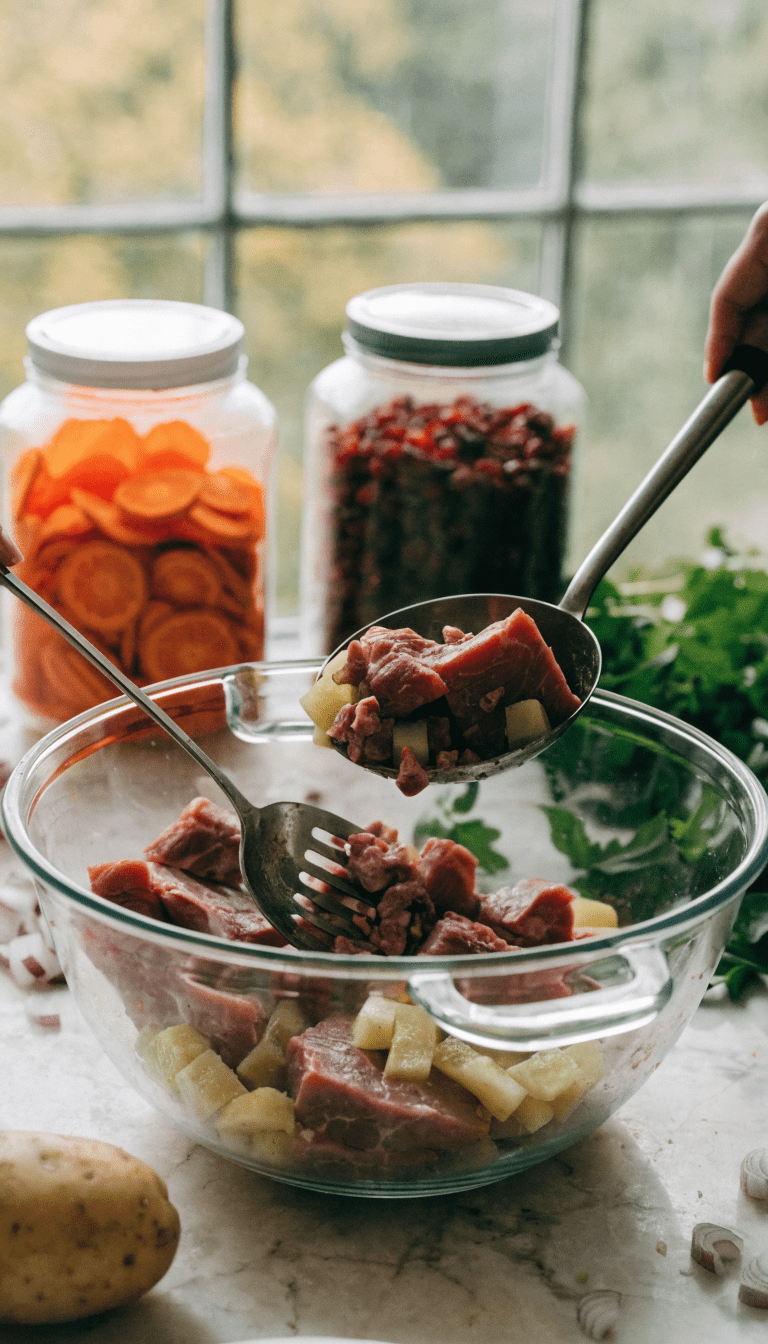
Plan your base recipe first
– Start with a balanced base: protein, a carb or veggie, and a calcium source.
– Make sure the base covers protein, fat, and minerals properly before adding extras.
– Keep portions appropriate to your dog’s size and activity level.
Smart supplementing: dosages and safety
– Always follow product guidelines and your vet’s advice.
– Begin with half the recommended dose for a week, then increase if your dog tolerates it well.
– Watch for signs like vomiting, diarrhea, or changes in appetite.
Balanced fats matter
– Don’t neglect fats: healthy fats help with vitamin absorption, especially fat-soluble vitamins A, D, E, and K.
– Include a little healthy fat in every meal to maximize uptake of fat-soluble vitamins.
Timing and consistency
– Aim for consistency—same meals, same supplement schedule.
– If you skip a day, don’t double up to catch up. Resume normal dosing after a single missed day.
Creating a simple weekly plan
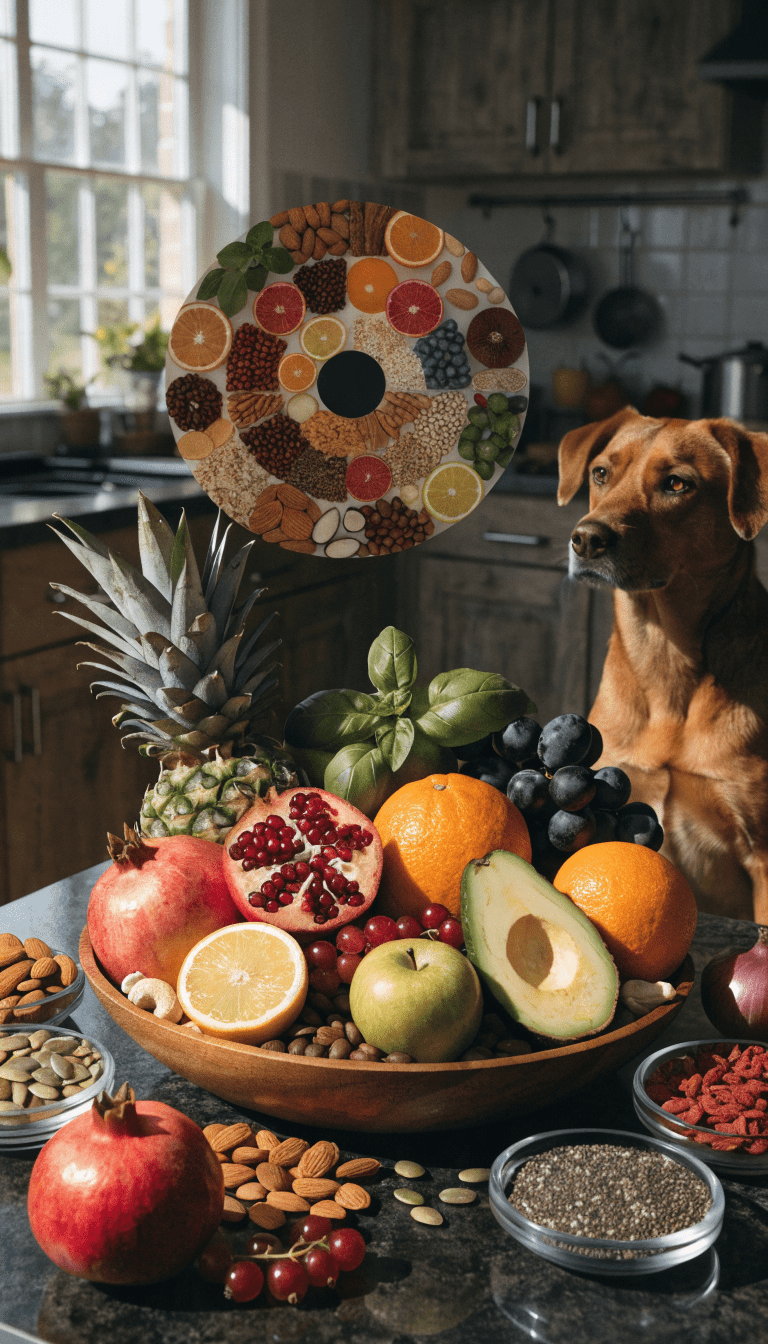
- Baseline meal: protein (liver optional for natural vitamin A), veggies, and a calcium source.
- Two days with added omega-3s for coat and joint health.
- One day with a vitamin E boost and a vitamin C check-in if your vet approves.
- One day without any supplements to reassess how your dog is doing on the base recipe.
Common mistakes to avoid
- Over-supplementing: more isn’t always better, and it can be harmful, especially with fat-soluble vitamins.
- Trying to emulate human vitamin packs: dogs have different needs and digestion.
- Ignoring the basics: without a solid protein, fats, and minerals, supplements won’t fix a weak foundation.
When to involve a vet (and what to tell them)
Red flags that mean a pro should weigh in
– Persistent GI upset, unusual lethargy, or sudden coat changes that don’t align with diet tweaks.
– If your dog has a medical condition, is on meds that interact with vitamins, or has a history of kidney or liver issues.
What to bring to the appointment
– Your current recipe, supplement labels, and a week-by-week diary of symptoms, appetite, and energy.
– Any blood work or recent vet notes. This helps them tailor a plan quickly.
– Be honest about treats and human foods; they add up more than you’d think.
Frequently asked questions
Can I just sprinkle vitamins on every meal and call it a day?
Paragraph: Not quite. Dogs absorb vitamins differently, and excess intake can cause problems. Start with a vet-approved plan and monitor your dog for changes in energy, appetite, or digestion. If you notice any oddities, scale back or consult your vet.
Are there dog vitamins I should avoid?
Paragraph: Yes. Avoid human multivitamins, especially those with xylitol, high iron, or high doses of fat-soluble vitamins. Look for products specifically formulated for dogs and follow dosing instructions. FYI, dogs aren’t tiny humans, so their requirements aren’t the same.
How do I know if my dog’s vitamin needs are already met by food?
Paragraph: A well-balanced homemade plan typically covers most needs, but many dogs benefit from a targeted boost for coat, joints, or immunity. If you notice dull fur, itching, or sluggishness, a vet can help. IMO, regular check-ins beat “hope it works” every time.
What’s the best source of omega-3s for dogs?
Paragraph: High-quality fish oil or EPA/DHA-rich sources designed for dogs work best. Flaxseed can help, but dogs convert it less efficiently. Choose a product with clear labeling and known purity.
How long does it take to see improvements after adding vitamins?
Paragraph: Some pups respond in a few weeks; others may take a couple of months. Watch for changes in coat shine, energy, and stool consistency. If you don’t see any progress after 6–8 weeks, recheck your plan with a vet.
Conclusion
Adding vitamins to homemade dog food can accelerate health improvements, but it’s not a magic wand. Build a solid base with good protein, fats, and carbs, then layer in the right canine-specific vitamins thoughtfully. Start slow, monitor closely, and keep your vet in the loop—especially if your pup has unique health needs. With a little plan and a lot of love, you’ll see your dog thrive, one tasty bowl at a time.





2 Comments on “Vitamins to Add to Homemade Dog Food: 7 Essential Boosts That Improve Health”
Comments are closed.