
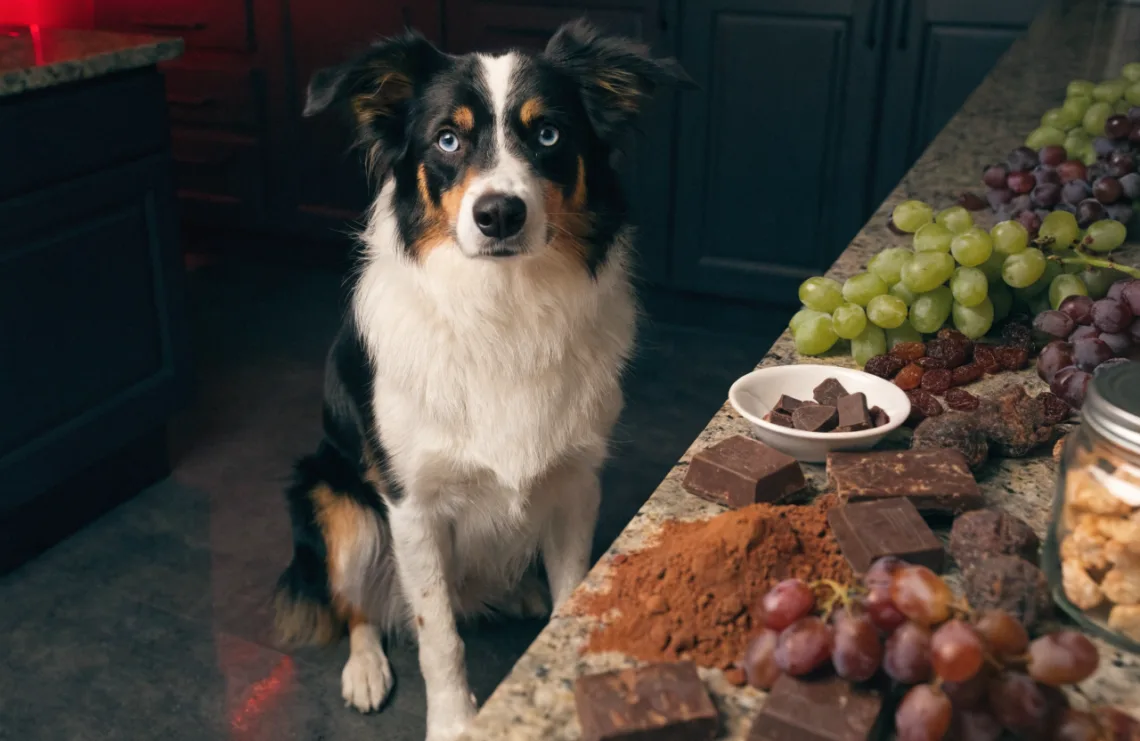
Some everyday foods you keep in your kitchen can be dangerous for your dog. Yes, those harmless-sounding snacks might be a hidden hazard. Let’s get real: your pup isn’t tiny, but their tolerance is tiny, and some snacks that seem innocent can cause serious trouble fast.
What you’ll find below is a straight-shooter guide to 15 items likely lurking in your home. FYI, I’m not here to guilt you—just to help you keep your furry friend safe. If you spot anything on this list in your pantry, consider swapping it for a dog-friendly alternative and save yourself a trip to the vet.
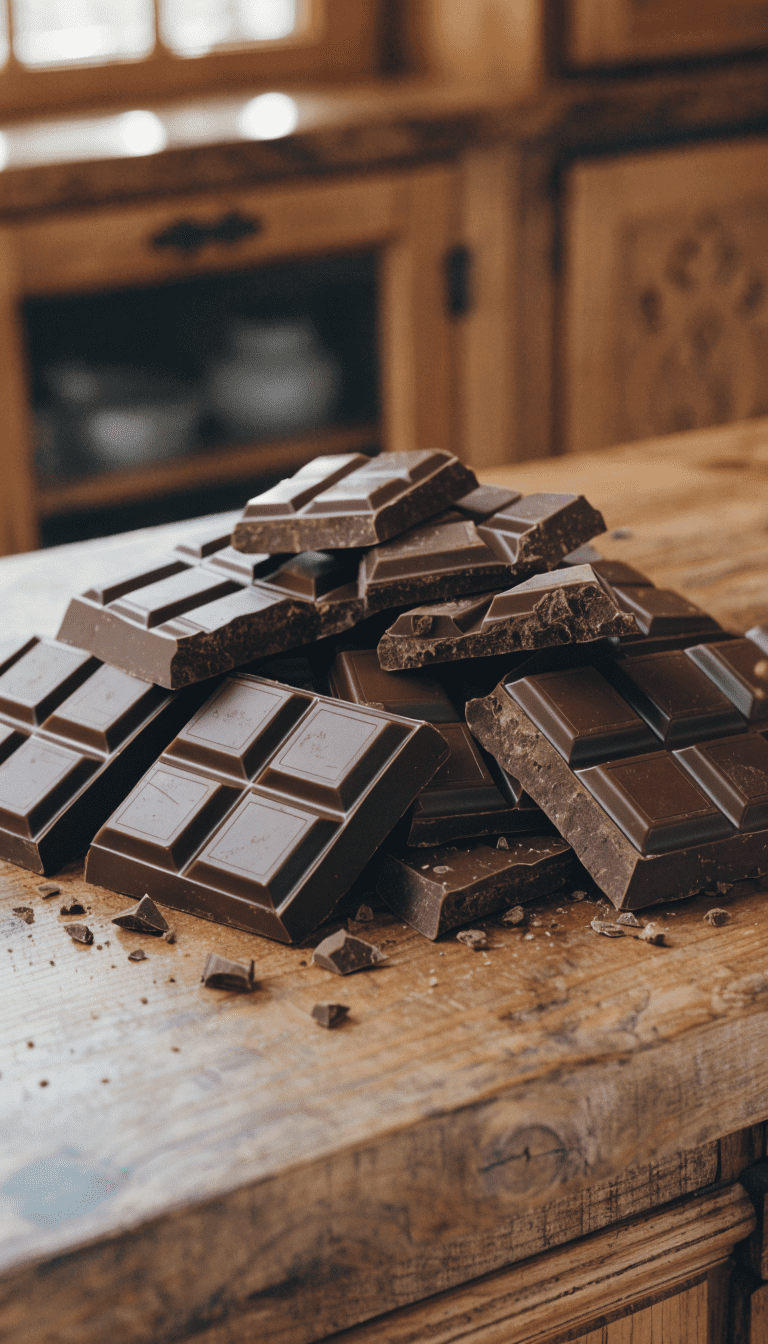
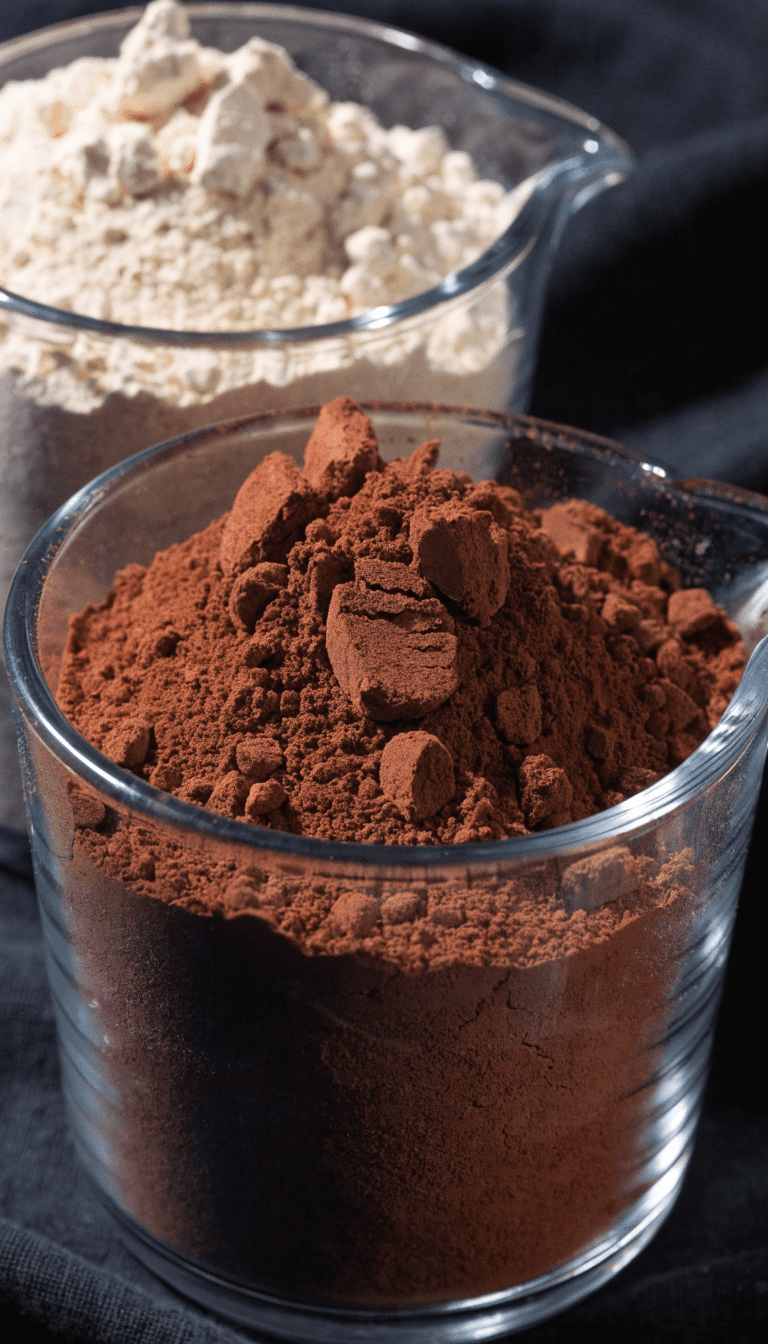
1. Chocolate and Cocoa Products
Chocolate is a classic danger story for dogs. Theobromine, a compound in chocolate, treats dogs like a stubborn roommate who won’t leave.
– Dark chocolate and baking chocolate are the worst offenders, but all chocolate is risky.
– Even small amounts can trigger symptoms in small dogs.
What to look for
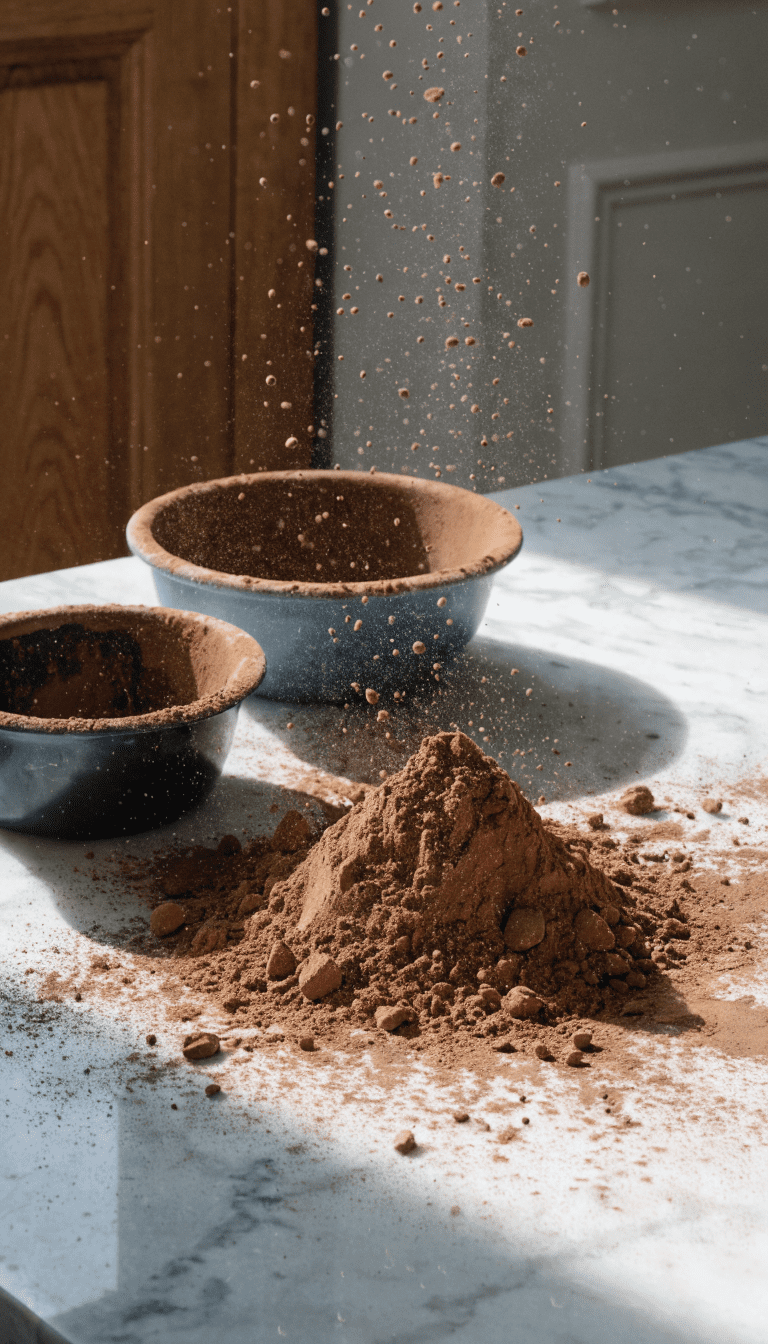
– Powdered cocoa, cocoa beans, and baking mixes
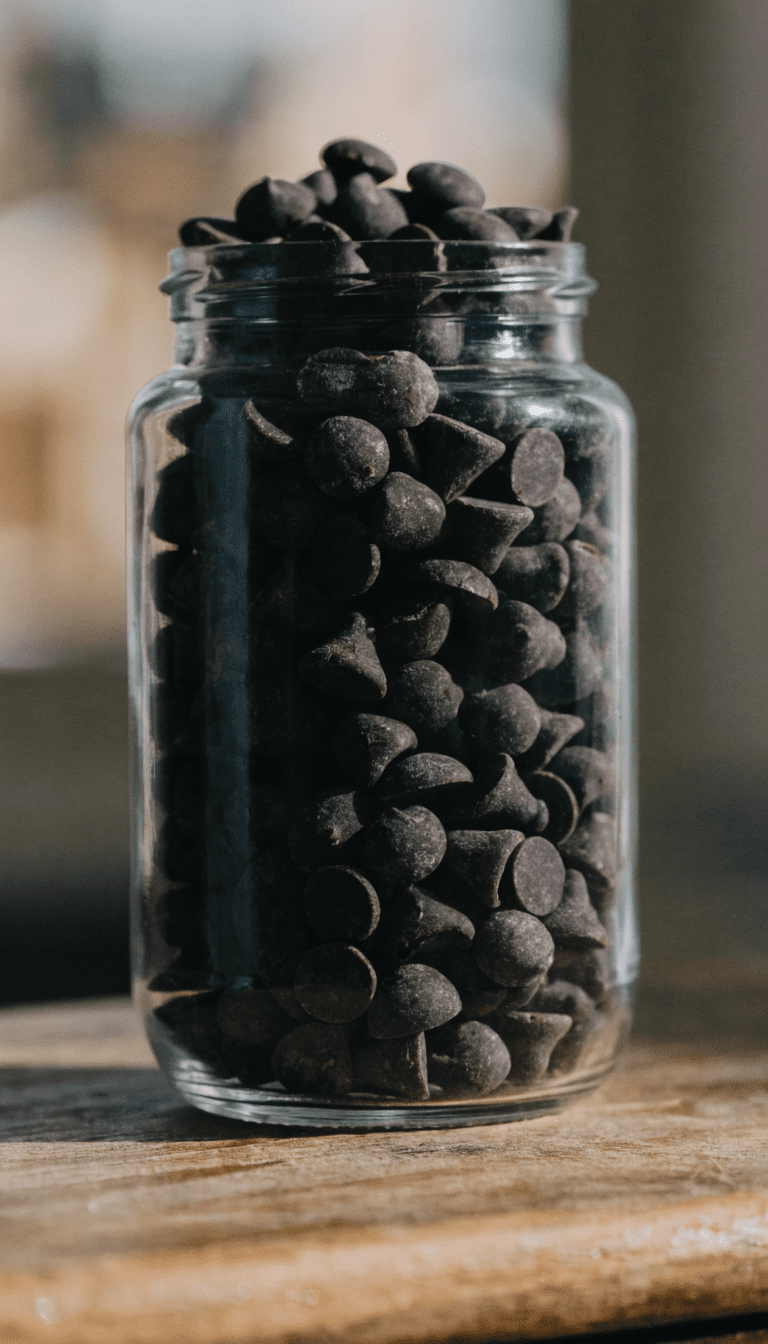
– Any chocolate-flavored candies or desserts
What to do if ingestion happens
– Call your vet or a poison hotline immediately.
– Do not wait for symptoms to appear; time matters.
2. Grapes, Raisins, and Dried Fruit
Grapes and raisins have a mysterious vibe: some dogs tolerate tiny amounts, others get sick fast. No one’s sure why, but they can cause kidney failure.
– Dried fruit can pack a higher punch than fresh fruit.
– Always treat fruit as a potential red flag, not a snack.
What to do if ingestion happens
– If your dog ate any amount recently, contact a vet right away.
– Signs include vomiting, diarrhea, lethargy, or decreased urination.
3. Onions, Garlic, and Allium Veggies
Onions, garlic, chives, and shallots are sneaky because they’re common in many households. They can cause damage to a dog’s red blood cells.
– Cooked, raw, or powdered forms all count.
– Don’t rely on “just a little” intuition—even small amounts can add up.
What to do if ingestion happens
– Seek veterinary advice promptly.
– Watch for weakness, pale gums, or rapid breathing.
4. Xylitol and Sugar Alcohols
Xylitol is an artificial sweetener that’s as dangerous as it is tasty to humans. It can cause a dangerous drop in blood sugar and liver failure in dogs.
– Found in sugar-free gum, candies, baked goods, and some peanut butters.
– It’s not just a hygiene issue; it’s a medical emergency.
What to do if ingestion happens
– If you suspect xylitol exposure, call the vet or emergency clinic immediately.
– Do not wait for symptoms to appear.
5. Alcohol and Fermented Grains
Nope, your dog does not need wine night with you. Alcohol in any form can cause vomiting, diarrhea, coordination problems, and in severe cases, respiratory distress.
– This includes beer and certain cough syrups.
– Even small amounts can be dangerous for smaller dogs.
What to do if ingestion happens
– Contact your vet right away.
– If you’re unsure whether something contains alcohol, play it safe and call.
6. Caffeine and Stimulants
Coffee, tea, energy drinks, and caffeinated snacks can over-stimulate a dog’s heart and nervous system.
– Caffeine can cause restlessness, rapid heart rate, tremors, and seizures.
– Don’t assume “just a little” is harmless.
What to do if ingestion happens
– Seek veterinary guidance immediately.
– Remove access to any more caffeinated items.
7. Macadamia Nuts
Macadamia nuts aren’t a thing you want to share with your pup. They can cause weakness, tremors, and overheating.
– Common in certain snack mixes or cookie recipes.
– The exact mechanism isn’t fully known, but the risk is real.
What to do if ingestion happens
– Contact your vet even if symptoms aren’t obvious yet.
– Keep an eye on your dog for the next 24 hours.
8. Salt and Salty Snack Foods
Too much salt can lead to dehydration and electrolyte imbalance, plus vomiting and diarrhea.
– Large amounts can cause sodium ion poisoning.
– Watch for signs like excessive thirst, urination, and swelling.
What to do if ingestion happens
– Remove access to the salty stuff and offer fresh water.
– If symptoms escalate, call your vet.
9. Raw Yeast Dough
Raw dough rises in the belly, causing bloating and potential alcohol production from fermentation. Not a cute combo.
– It can expand, leading to pain and possible rupture.
– Also, alcohol byproducts can make things worse.
What to do if ingestion happens
– Do not wait to see symptoms; call your vet immediately.
– Do not give it time to rise.
10. Avocados (Large Quantities) and the Pit
Avocados contain a substance called persin, which is generally not lethal in small amounts for dogs, but large quantities can cause vomiting and diarrhea. The real risk comes from the pit, skin, and the high-fat content.
– The pit can cause choking or intestinal blockage.
– Fatty foods can lead to pancreatitis in some dogs.
What to do if ingestion happens
– If your dog nibbled on a few slices, monitor for symptoms. If they ate the pit, contact your vet.
– Keep avocado varieties and pits out of reach.
11. Nuts and Nut Butters with Added Salt or Flavors
Nuts aren’t all bad, but several varieties pose risks. Also, some nut butters contain xylitol or added salt.
– Walnuts like macadamias carry unique risks; almonds are less dangerous but can be hard to digest.
– Peanut butter is tasty, but check for xylitol and avoid the sugary kinds.
What to do if ingestion happens
– Check labels for xylitol and added sugar.
– If in doubt, call your vet before sharing more.
12. Chili Peppers and Strong Spices
Spicy foods can irritate your dog’s gut and cause vomiting, diarrhea, or discomfort.
– Capsaicin in chili peppers is the main issue.
– Some spice blends also have onion or garlic.
What to do if ingestion happens
– Offer plain water and a bland diet if symptoms are mild and vet says it’s okay.
– If vomiting or signs of distress continue, seek care.
13. Cooked Bones and Off-Hood Splinters
Cooked bones may splinter and injure the mouth, throat, or digestive tract. It’s not worth the risk.
– Never give cooked bones to dogs, even curiosity bones from a roast.
– Raw bones can be controversial; discuss with your vet about safe options.
What to do if ingestion happens
– If a dog chews on a bone, monitor for choking or GI distress.
– Seek care if there are any signs of trouble.
14. Dairy Overload
Many dogs have lactose intolerance. A little dairy may be fine for some, but too much can trigger diarrhea.
– Milk, cream, ice cream, and soft serve can cause upset.
– Yogurt with live cultures is often better tolerated, but check your dog’s tolerance.
What to do if ingestion happens
– Give small sips of water and a bland diet after symptoms subside.
– If you suspect lactose intolerance and symptoms persist, contact your vet.
15. Raw Meat and Uncooked Food Handling
Raw meat holds hidden risks like bacteria that can harm both dogs and humans in your home.
– Always handle raw meat with care, wash hands, and store separately.
– If your dog ends up with raw meat, monitor for GI symptoms and fever.
What to do if ingestion happens
– Consider cooking meat or using safe, vet-approved treats instead.
– If symptoms appear, contact your vet.
Deep dive: Why some items are more dangerous than they look
– Some toxins act fast. The clock starts ticking the moment your dog eats something toxic.
– Dogs metabolize differently from humans. A small bite that seems harmless can trigger a big reaction.
– Individual health matters. Age, weight, and existing conditions change the risk.
Smart swaps you can keep at home
– Fresh dog-friendly treats like carrots, apples (without seeds), cucumber slices, or pumpkin puree.
– Plain, unsalted popcorn or plain yogurt in small amounts if your vet agrees.
– Pet-safe chews and foods recommended by your vet.
Frequently Asked Questions
What is the most dangerous food for dogs?
Dogs can be harmed by many foods, but chocolate, grape/raisin products, and xylitol are among the most dangerous. Even small amounts can cause severe complications. If your dog eats any of these, call a vet immediately.
My dog ate something on this list. What should I do first?
First, assess how much was eaten and how long ago. Call your veterinarian or an animal poison control line right away. Do not wait for symptoms to appear. Note the product, ingredients, and approximate amount to share with the vet.
Can dogs be allergic to human foods?
Yes. Dogs can have allergies or intolerances to common human foods like dairy or wheat. If you notice itching, GI upset, or other unusual symptoms after a bite, talk to your vet about safe dietary options.
Are there safe human foods for dogs I can regularly use?
There are some safe options in moderation, like plain cooked chicken, carrots, or green beans. Always confirm with your vet, especially if your dog has medical conditions or is on medication.
How can I prevent accidental poisoning at home?
– Keep forbidden foods out of reach, ideally in closed containers or high cupboards.
– Use childproof latches on pantry doors if needed.
– Train a “leave it” cue and supervise snack times.
– Create a quick reference list of safe and unsafe foods for your household.
Conclusion
Your kitchen is full of potential hazards for dogs, even in plain sight. The moment you realize that 15 everyday foods can threaten a pup’s health, you’re already one step ahead. Stay vigilant, swap risky items for dog-safe options, and keep your vet’s number close. If you’re ever unsure, it’s better to ask than to gamble with your best buddy’s well-being. After all, your dog deserves a safe snack life as much as we deserve a snack ourselves—without the worry.


2 Comments on “15 Everyday Foods That Can Kill Your Dog (You Probably Have These at Home!)”
Comments are closed.