
Your dog sees a human and thinks, “INTRUDER!” You hear the bark-a-thon and think, “Please stop or the neighbors will report us to the HOA… again.” Good news: you can train your dog to chill around people without losing their adorable personality. It takes consistency, timing, and a little humor (yours). Let’s turn that bark button down to a manageable volume.
Why Dogs Bark At People (And Why It’s Not “Bad”)
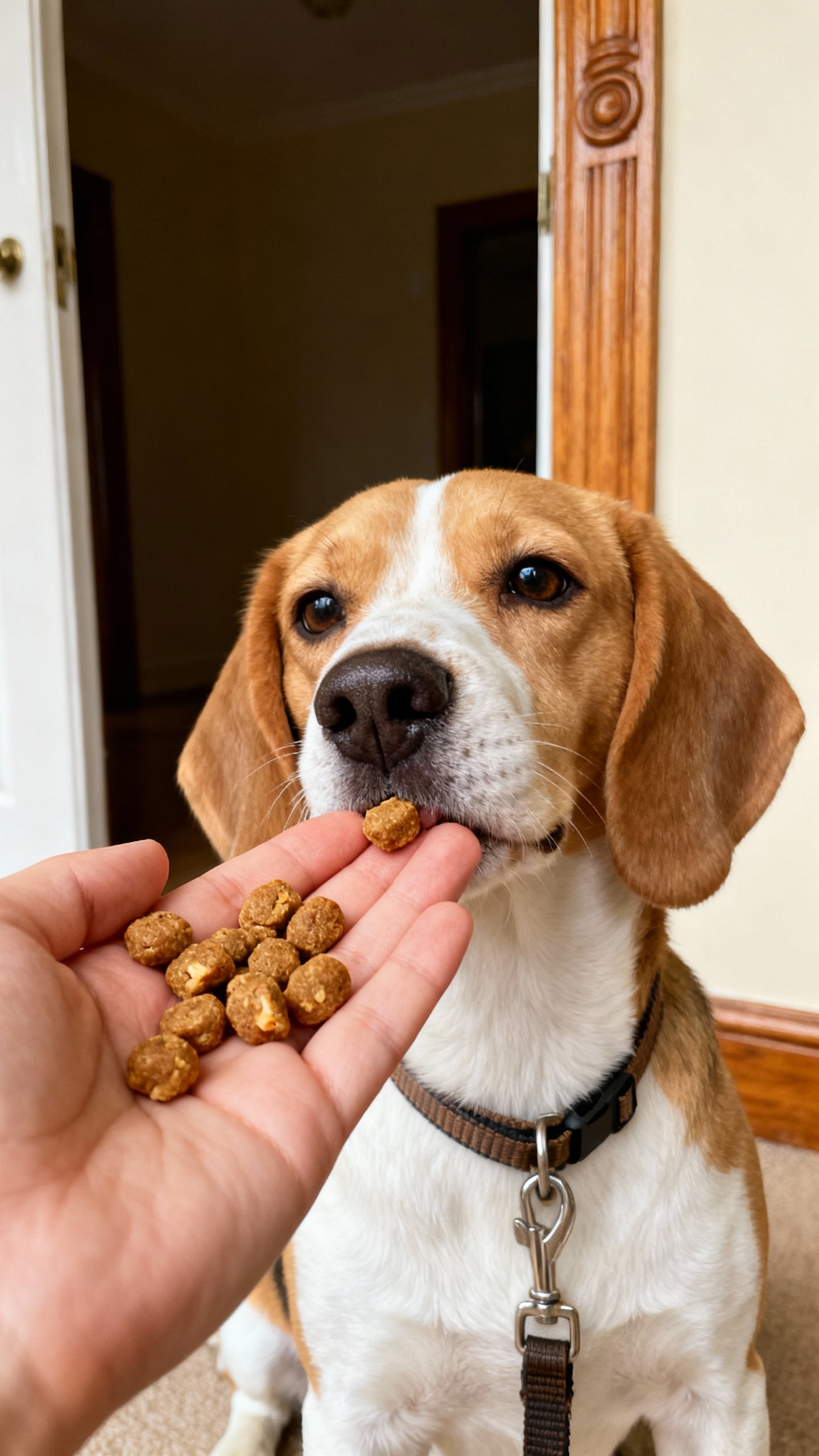
Dogs bark for reasons, not for chaos.
Some bark because they feel afraid or unsure; others bark because people = excitement; and a few bark because it works. When they bark, the person backs off or you give them attention. Boom—behavior rewarded. Identify the “why” first. Is your dog scared?
Overexcited? Guarding the house? Different reasons need slightly different strategies.
FYI, guessing wrong slows your progress.
Quick cues to spot the root cause
- Fearful/Anxious: Tail tucked, weight back, stiff posture, barking from a distance.
- Excited/Frustrated: Wagging tail, jumping, pulling on leash, “let me say hi!” bark.
- Territorial: Barking at windows, fences, doors when people pass by.
Set Up The Environment For Success
Before training, stop giving your dog chances to rehearse the behavior. Rehearsal makes habits stubborn.
- Block the view: Use window film, curtains, or move furniture so your dog can’t patrol the front window.
- Use barriers: Baby gates or crates create distance when guests arrive. Distance = calmer dog.
- Leash indoors: Clip the leash before opening doors so you can guide, not chase.
- Trade the trigger: Have toys, chews, and a treat pouch ready.
Yes, like a dog trainer superhero.
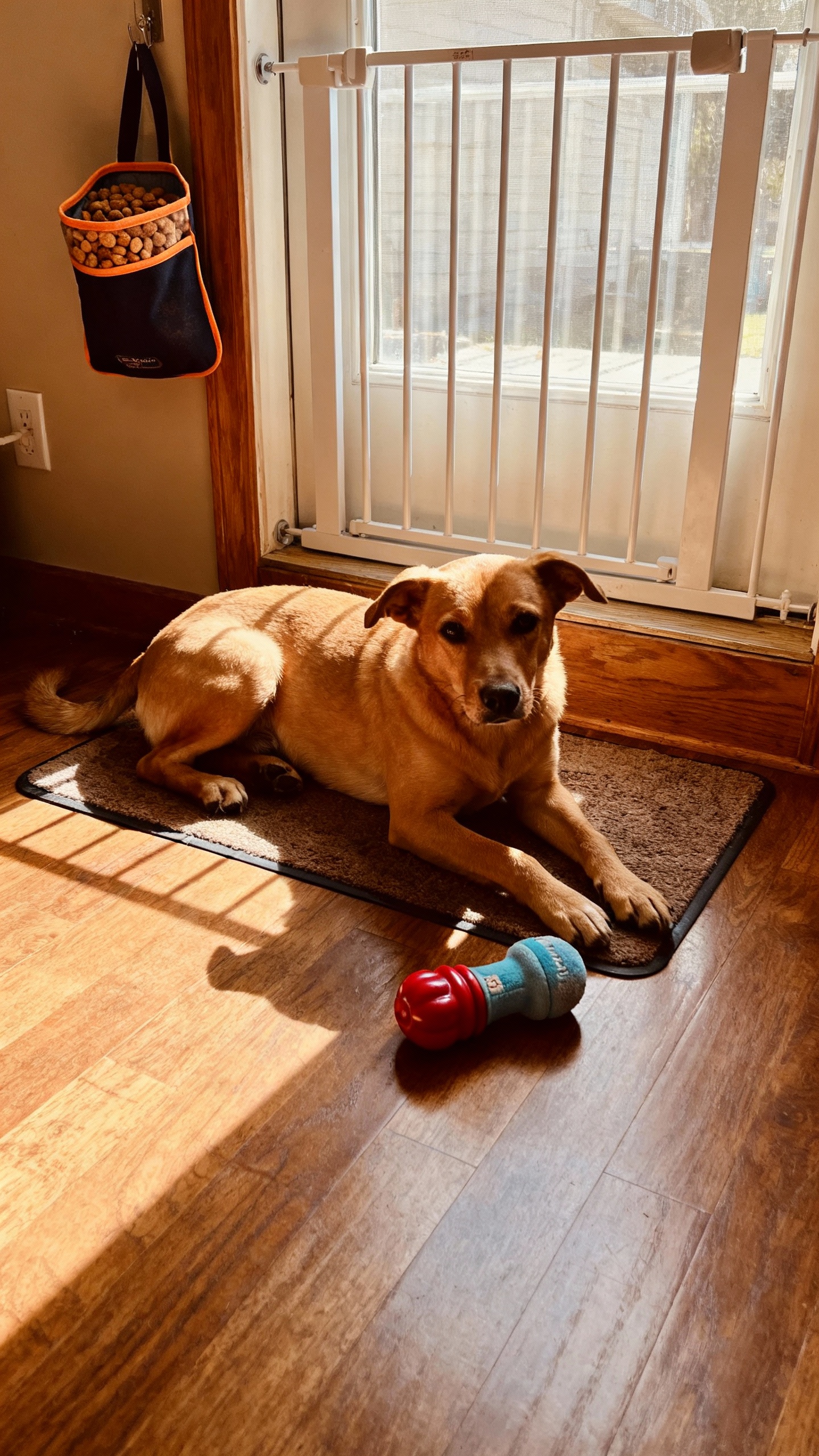
Teach A Solid “Quiet” — The Right Way
We don’t yell “Quiet!” and hope. We teach it like any other cue—with timing and reward.
Step-by-step quiet cue
- Wait for a micro-pause in barking. Even half a second of silence counts.
- Say “Quiet” once during the silence (not while barking).
- Immediately feed a small treat.
Repeat several times.
- Gradually ask for slightly longer silence (1–2 seconds, then 3–4 seconds).
- Practice with easy triggers first (a person at a distance), then slowly make it harder.
Strong opinion time: Don’t use aversive tools like bark collars. They suppress the symptom and can make fear worse. We want your dog to feel safe, not confused.
Desensitization + Counterconditioning: The Magic Combo
This is the backbone of behavior change.
We teach your dog that people predict good things, not panic or frenzy.
How to do it
- Find the threshold: The distance where your dog notices people but doesn’t bark. Maybe that’s 50 feet, maybe it’s 200.
- Person appears = treats appear. Feed tiny, rapid treats while the person is in view and your dog stays calm.
- Person disappears = treats stop. Your dog learns: people make chicken rain from the sky.
- Close the distance gradually. If barking starts, you got too close too fast. Back up and try again.
Pro tip: Use a marker word
Say “Yes!” the moment your dog looks at a person calmly.
Then deliver a treat. Timing beats quantity. IMO, this simple habit speeds results faster than anything else.
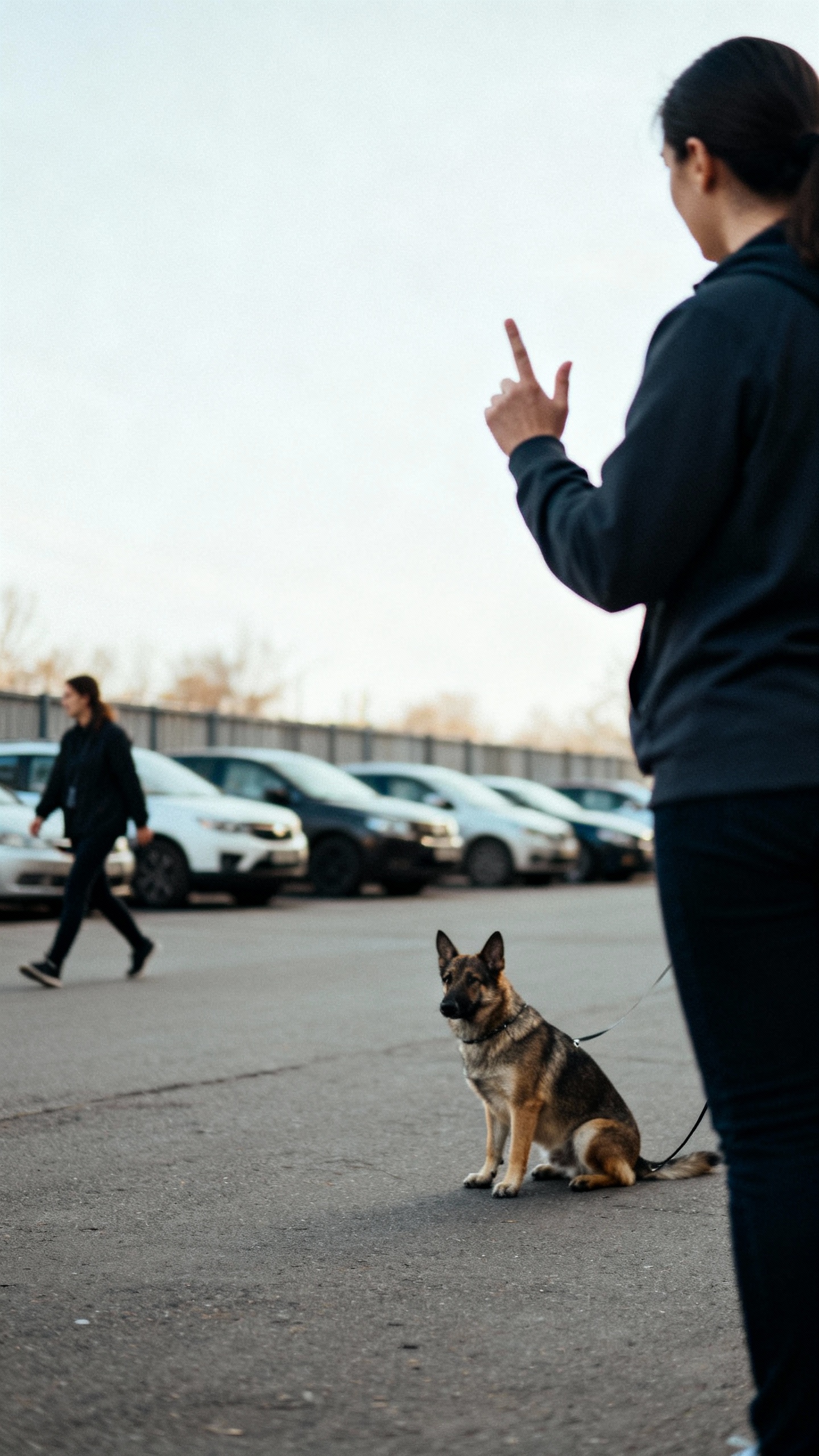
Give Them A Job When People Show Up
A brain with a mission barks less.
Teach alternative behaviors that compete with barking.
- Go to mat/bed: Teach your dog to run to a mat when the doorbell rings. Reward heavily for staying put.
- Find it: Toss treats on the floor in a scatter. Sniffing lowers arousal and keeps them busy.
- Hold a chew: Hand a stuffed Kong or chew when guests arrive.
Chewing = self-soothing.
- Make “look at me” a reflex: Train eye contact on cue so you can redirect quickly.
Doorbell drill (5-minute daily)
- Ring a phone chime or doorbell sound.
- Say “Mat!” and guide your dog to the mat; treat like you’re a broken vending machine.
- Release after 10–15 seconds. Repeat until “bell = mat” becomes automatic.
Walks Without The Bark-a-pocalypse
Outdoor people-zapping (aka walking by joggers) needs the same structure.
- Work under threshold: Cross the street early. Distance keeps brains online.
- Pattern games: Try “1-2-3 Treat.” Count aloud 1-2-3, treat at 3 while you pass a person.
Predictability calms.
- Use visual barriers: Parked cars, hedges, or turning around before it’s too late.
- Short, frequent sessions: Two 10-minute quality walks beat one chaotic marathon.
Leash handling basics
Keep the leash short-but-loose, hands low, and your body angled slightly away from the trigger. Tension travels down the leash like Wi-Fi for stress. Don’t broadcast panic.
Common Mistakes That Keep The Barking Alive
Let’s save you time and sanity.
- Shouting “No!” You add noise to noise and your dog thinks you’re joining the bark band.
- Inconsistent rules: Sometimes greeting people, sometimes not?
That’s confusing. Decide on a plan and stick to it.
- Too big, too fast: If your dog fails, your step was too hard. Slice it thinner.
- Accidentally rewarding barking: If barking makes the person go away, your dog just “won.” Manage distance so calm behavior gets the payoff instead.
When To Bring In A Pro
If your dog shows intense fear, snaps, or can’t recover for minutes after seeing someone, hire a certified trainer or behavior consultant experienced with fear and reactivity.
A vet check helps too—pain or thyroid issues can fuel reactivity. FYI, a few targeted sessions often jumpstart progress in a big way.
Sample Weekly Plan
Want a simple roadmap? Here you go.
- Daily: 2–3 short desensitization sessions at a distance where your dog stays quiet. 5 minutes each.
- Doorbell drill: 5 minutes, once or twice a day.
- Walks: Choose low-traffic routes first.
Use pattern games. Track distances that work.
- Management: Windows covered, leash on for guest arrivals, chews ready.
- Review: Every 3–4 days, reduce distance slightly if success rate stays 80%+.
FAQ
Should I let my dog say hi to everyone to “socialize” them?
Not if they bark from excitement or fear. Flooding them with greetings usually backfires.
Teach calm behavior first, then allow brief, structured hellos with people your dog already tolerates well.
What if my dog only barks at people near the house?
That’s common territorial barking. Block windows, prevent access to trigger zones, and train “Go to mat” for door activity. Pair people near the house with treat sessions at a distance outside, so your dog learns neighbors = snacks, not threats.
Can I use a spray collar or ultrasonic device?
I wouldn’t.
They suppress the bark but don’t fix the emotion driving it. Dogs often get more anxious. Long-term, reward-based training works better and protects your relationship.
IMO, quick fixes aren’t actually quick when you factor in setbacks.
How long until I see results?
Some dogs improve within a week with good management. For stronger patterns, plan on several weeks of consistent practice. Track progress in a notes app: trigger distance, number of barks, recovery time.
Data keeps you motivated.
What treats should I use?
Use soft, pea-sized, high-value treats—think chicken, turkey, cheese, or store-bought training treats. If your dog ignores food outside, you’re too close to the trigger. Increase distance first, then try again.
My dog goes from zero to meltdown instantly—help?
That means your threshold is way too close.
Start where your dog notices people but stays functional, even if that’s across a field. Add pattern games, and consider a front-clip harness for better control. A pro can help you set the right starting point.
Conclusion
Barking at people isn’t your dog being “bad.” It’s feelings with a soundtrack.
With smart management, clear training, and tiny wins stacked daily, you can turn chaos into “Hey, I’ve got this.” Keep sessions short, celebrate boring calm, and protect your dog’s space. Do that, and the only thing louder than your dog will be your bragging rights.