
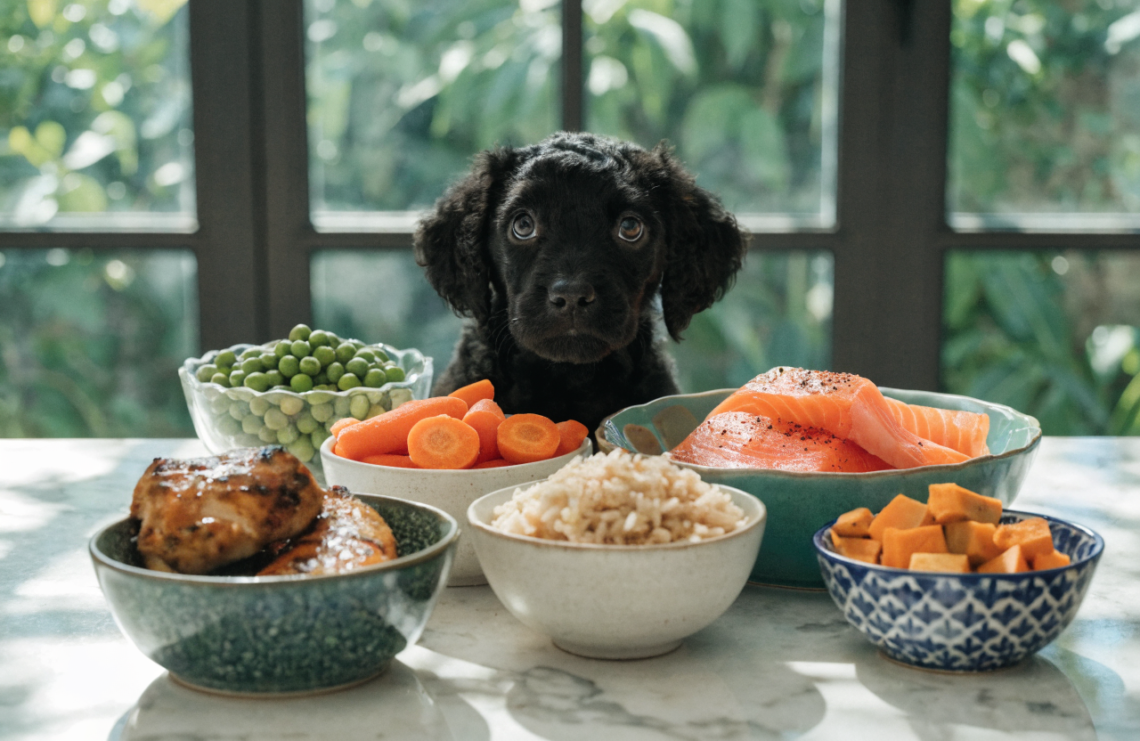
Puppy growth is a sprint, not a stroll. You want those tiny fangs to smash through growth spurts like a champ, right? You’ve arrived at the right spot. Here are 10 fresh puppy food recipes that aim to boost growth FAST—and yes, they’re vet-approved, not wild guesses.
Why these recipes actually help puppies grow
Taking care of a growing pup isn’t about throwing everything in the blender and hoping for a miracle. It’s about balanced nutrition: enough protein, healthy fats, vitamins, and minerals that support lean muscle, strong bones, and shiny coats. FYI, growth spurts can be picky, so these options aim to be tasty enough to keep mealtime interesting while staying nutrient-dense.
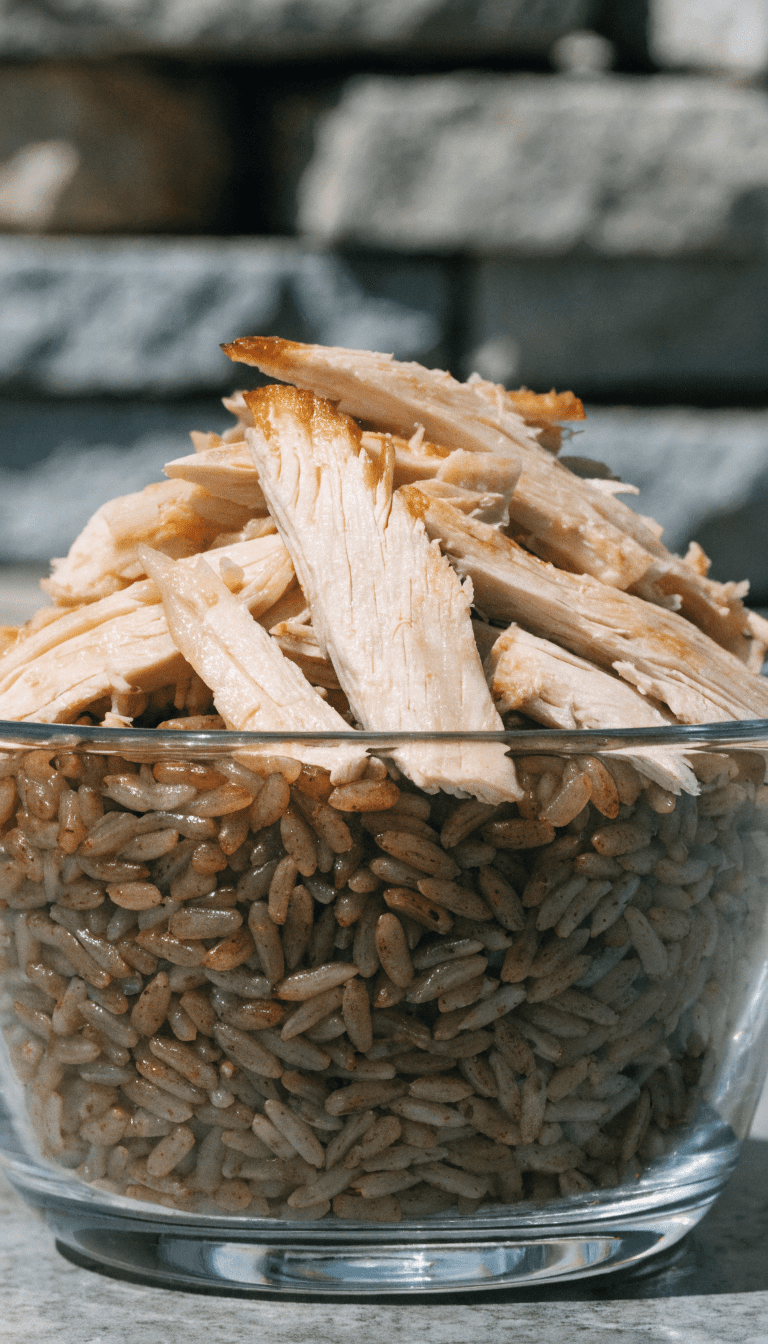
Recipe 1: Protein-Packed Chicken & Rice Crunch
– Why it helps: Chicken provides high-quality animal protein for muscle development. Rice offers easily digestible carbs for energy during play.
– What you’ll need:
- 1 cup cooked chicken (shredded)
- 1 cup cooked brown rice
- ½ cup steamed carrots, finely chopped
- ¼ cup peas
- ½ teaspoon olive oil
– How to serve: Mix everything, add a splash of water to loosen, and serve in two small bowls if needed.
– Vet tip: Ensure chicken is fully cooked, avoid seasoning, and watch portions for your pup’s size.
Recipe 2: Salmon-Sweet Potato Power Bowl
– Why it helps: Omega-3s from salmon support brain development and coat health; sweet potatoes provide complex carbs and fiber.
– What you’ll need:
- ½ cup cooked salmon (flaked)
- ½ cup mashed sweet potato
- ¼ cup green beans, chopped
- 1 tablespoon salmon oil (optional)
– How to serve: Combine and serve warm. If your pup loves crunch, add a tiny sprinkle of chopped parsley (optional, not essential).
– Vet tip: Remove bones from salmon and ensure no added salt or seasonings.
Recipe 3: Turkey-Tuna Team-Up Stew
– Why it helps: Turkey is a lean protein that supports growth without loading the gut. Tuna adds healthy fats for energy.
– What you’ll need:
- ¾ cup ground turkey (cooked)
- ¼ cup canned tuna in water (drained)
- ½ cup mashed peas
- ¼ cup diced carrots
– How to serve: Mix and mash until it’s easy to lap up. Add water if your pup needs a thinner texture.
– Vet tip: Check for mercury levels in tuna—keep portions small and occasional.
Recipe 4: Egg-Top Beet Bounty
– Why it helps: Eggs are pure protein gold, with essential amino acids for growth and repair.
– What you’ll need:
- 1 scrambled egg (no butter or salt)
- ½ cup cooked quinoa
- ¼ cup shredded spinach
- ½ teaspoon olive oil
– How to serve: Mix gently so the yolk stays integrated and coat the grains.
– Vet tip: Start with half an egg per feeding to test tolerance, then increase gradually.
Recipe 5: Beefy Broccoli Boost
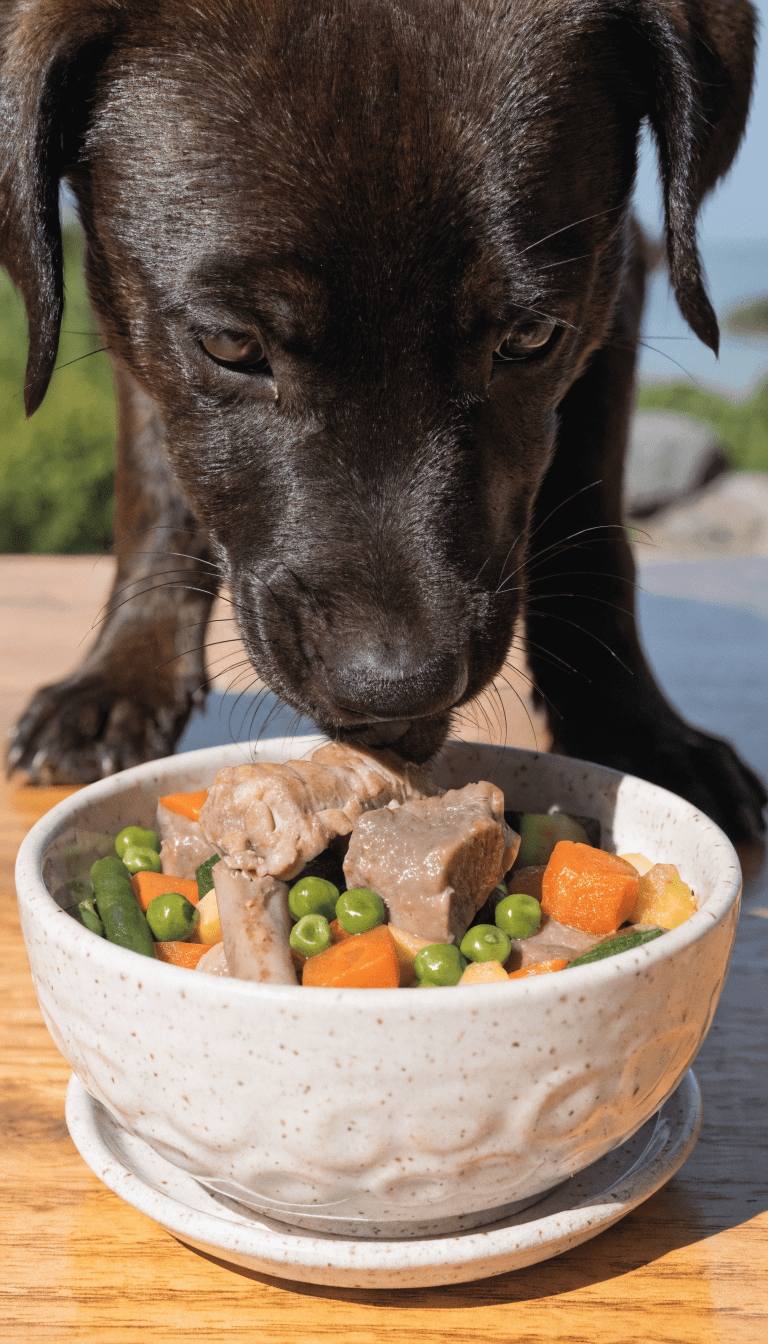
– Why it helps: Beef brings bioavailable iron and protein; broccoli adds fiber and micronutrients.
– What you’ll need:
- ½ cup lean ground beef (cooked thoroughly)
- ½ cup steamed broccoli florets (very small)
- ½ cup cooked oats
- ¼ cup water or low-sodium broth
– How to serve: Stir until cohesive, adjust moisture so it’s easy to swallow.
– Vet tip: Avoid onions and garlic; they’re not puppy friendly.
Recipe 6: Cottage Cheese & Veggie Medley
– Why it helps: Cottage cheese supplies calcium and casein protein for bone growth and muscle repair.
– What you’ll need:
- ⅔ cup low-fat cottage cheese
- ½ cup diced cucumber
- ¼ cup shredded carrot
- ½ cup cooked barley
– How to serve: Combine and chill slightly if your pup runs hot during meals.
– Vet tip: If your pup is dairy-sensitive, skip the cottage cheese and opt for a lactose-free yogurt alternative in small amounts.
Recipe 7: Sardine Sprout Fiesta
– Why it helps: Sardines are a tiny powerhouse—calcium, omega-3s, and protein—great for skeletal development.
– What you’ll need:
- ½ cup sardines in water (mashed)
- ½ cup cooked millet
- ¼ cup finely chopped green peas
- ½ teaspoon olive oil
– How to serve: Mix until well combined; the scent can be irresistible for pups.
– Vet tip: Pick sardines canned in water, not oil, to keep calories in check.
Recipe 8: Lamb & Barley Bite-Size Bowls
– Why it helps: Lamb offers a novel protein option that many pups tolerate well; barley is a hearty carb that sustains energy.
– What you’ll need:
- ½ cup cooked minced lamb
- ½ cup cooked barley
- ¼ cup mashed pumpkin
- ¼ cup finely chopped spinach
– How to serve: Stir and serve in small, easy-to-lap portions.
– Vet tip: Introduce new protein gradually to monitor for any sensitivities.
Recipe 9: Quinoa-Chicken Mash with Yogurt Splash
– Why it helps: Quinoa is a complete protein; yogurt adds gut-friendly probiotics (choose plain, unsweetened).
– What you’ll need:
- ½ cup cooked chicken, shredded
- ½ cup cooked quinoa
- ¼ cup plain yogurt (low-fat, unsweetened)
- ¼ cup peas
– How to serve: Mix to a creamy consistency; the yogurt helps with palatability.
– Vet tip: If dairy bothers your pup, swap yogurt for a small amount of unsalted bone broth.
Recipe 10: Peanut Butter Banana Boost (Safe, Tiny Bites)
– Why it helps: A little peanut butter for taste, plus potassium from banana for energy and nerves.
– What you’ll need:
- ½ mashed banana
- ¼ cup unsalted peanut butter (xylitol-free)
- ½ cup cooked oats
– How to serve: Create a soft mash or small spoonfuls as training treats.
– Vet tip: Ensure peanut butter is xylitol-free, a common toxin for dogs.
How to tailor these recipes to your puppy
– Portion control: Puppies grow fast, but you don’t want oversized bowls. Start with smaller portions and upsize as they gain weight or as your vet recommends.
– Variety is your friend: Change up proteins and carbs to cover a broad spectrum of nutrients and to keep meals interesting.
– Texture matters: Some pups prefer mashier textures; others like a bit of bite. Adjust moisture by adding water or low-sodium broth.
– Supplement judiciously: A simple multivitamin or a vet-approved calcium supplement might be necessary for some pups, but don’t auto-supplement. Too much can be harmful.
Understanding protein needs by age and weight
– Puppies require more protein per pound of body weight than adult dogs to support growth.
– Aim for high-quality animal protein as a staple in most meals.
– If you’re unsure about how much to feed, your vet can tailor portions to your puppy’s age, weight, breed tendencies, and activity level.
Common pitfalls to avoid
– Too much fat, not enough protein: It sounds tasty, but growth needs protein for muscles, not just calories.
– Skipping meals during teething or fussiness: Short, frequent meals work better than one big meal for many puppies.
– Human food overload: Some human foods are toxic to dogs. Keep recipes puppy-focused and avoid onions, garlic, chocolate, grapes, and sultanas.
– Inconsistent sourcing: If you switch proteins too often, your pup may develop sensitivities. Introduce new ingredients gradually.
Make it easy on busy days
– Batch cook options: Prepare a big batch of a versatile base (like chicken + rice) and mix in different veggies or a protein swap to keep things fresh.
– Freeze portions: Portion meals into small containers or freezer bags for quick thaw-and-serve days.
– Involve your pup: Mealtime is a bonding moment. A little training during feeding (sit, stay, good snack) can turn meals into enrichment time.
Frequently asked questions
Is it okay to switch my puppy to a homemade diet completely?
Puppies can thrive on homemade diets when properly planned, but abrupt or poorly balanced transitions can upset digestion. Start slowly by mixing new recipes with current food, then progressively increase the homemade portion. Always run plans by your vet to ensure you’re meeting all essential nutrient needs.
How often should I feed a growing puppy?
Most puppies do well with 3 meals a day until about 4 months old, then transition to 2 meals as they approach adolescence. The key is consistency and watching for signs of hunger or fullness. If your pup seems ravenous or disinterested, adjust portion sizes or meal frequency with veterinary guidance.
What about treats while boosting growth?
Treats should be counted toward daily calorie allowance and chosen carefully. Opt for small, protein-rich treats or raw veggies like carrots in moderation. FYI, keep treats to about 10% of daily calories to avoid unbalancing meals.
Can I use leftovers from my own meals?
Some human foods are fine in small amounts, but many aren’t suitable for dogs. Avoid seasoned foods, onions, garlic, salt, and sugar. If in doubt, stick to those vet-approved recipes or safe canine-friendly leftovers like plain cooked chicken, rice, or veggies.
How do I know if my puppy’s growth is on track?
Regular weigh-ins are a good indicator. Track weight gain week by week and compare to breed-specific growth charts with your veterinarian. If your pup is losing weight, lethargic, or showing digestion issues, schedule a check-up.
Conclusion
Growing puppies deserve meals that fuel growth without turning mealtime into chaos. These 10 fresh recipes keep protein high, fats balanced, and carbs kid-friendly enough to power those zoomies. Remember: consistency, vet guidance, and a dash of experimentation make healthy growth deliciously doable. So grab your apron, pick a recipe, and let your pup chow down like a champ. IMO, the journey to a sturdy, happy puppy starts at the dinner bowl. If you found this helpful, share your favorite combo in the comments or tell me which protein your pup goes nuts for.





One comment on “10 Fresh Puppy Food Recipes That Boost Growth Fast (Vet-Approved)”
Comments are closed.