
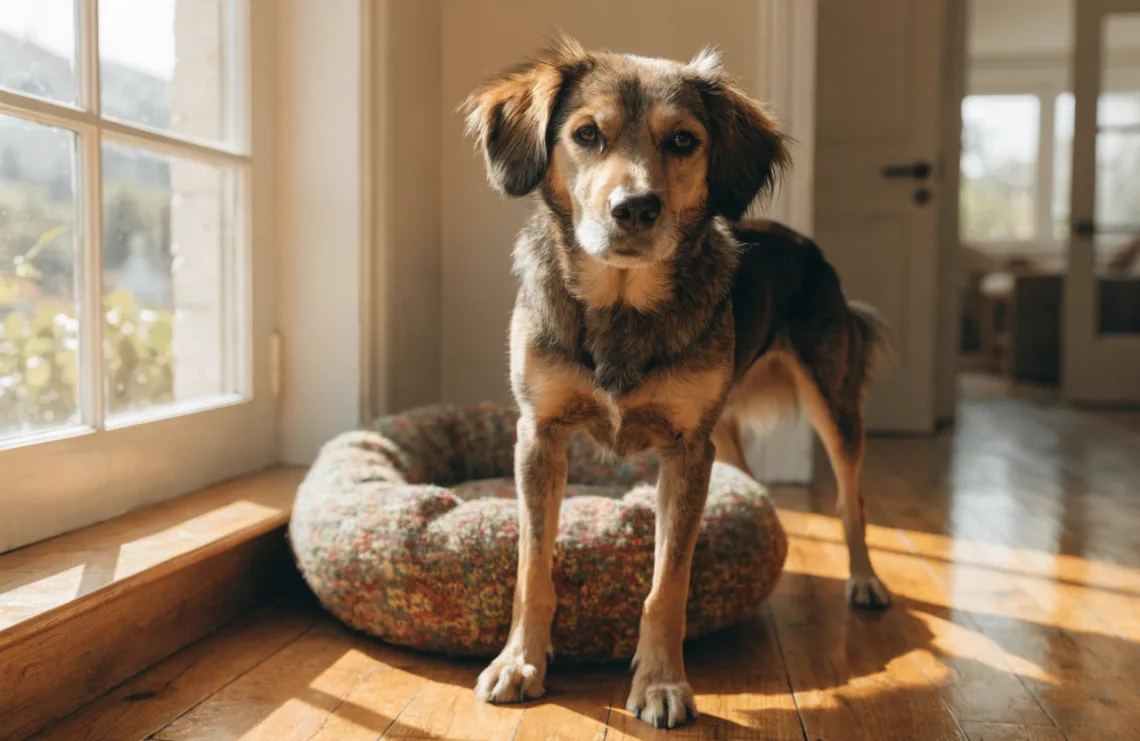
Let’s cut to the chase: arthritis isn’t cute, but it is common in dogs, especially as they age. You’re probably noticing small changes you didn’t expect. The good news? You can spot the signs fast and try real stuff that helps—soon enough, your pup’s swagger can come back. FYI, a quick gut-check with your vet is always smart, but you can start gathering the clues today.
1) The obvious red flags: stiffness, limping, and slower sprints
If your dog used to sprint down the hallway like a furry NASCAR, and now they’m walking like they just woke up from a nap, something’s up. Stiffness after rest is a classic sign. When they stand up, do they yawn, stretch dramatically, and then hobble for a few steps? That’s arthritis whispering in your ear.
What to look for:
- Taking longer to rise from lying down
- Favoring one leg or limping after short bursts
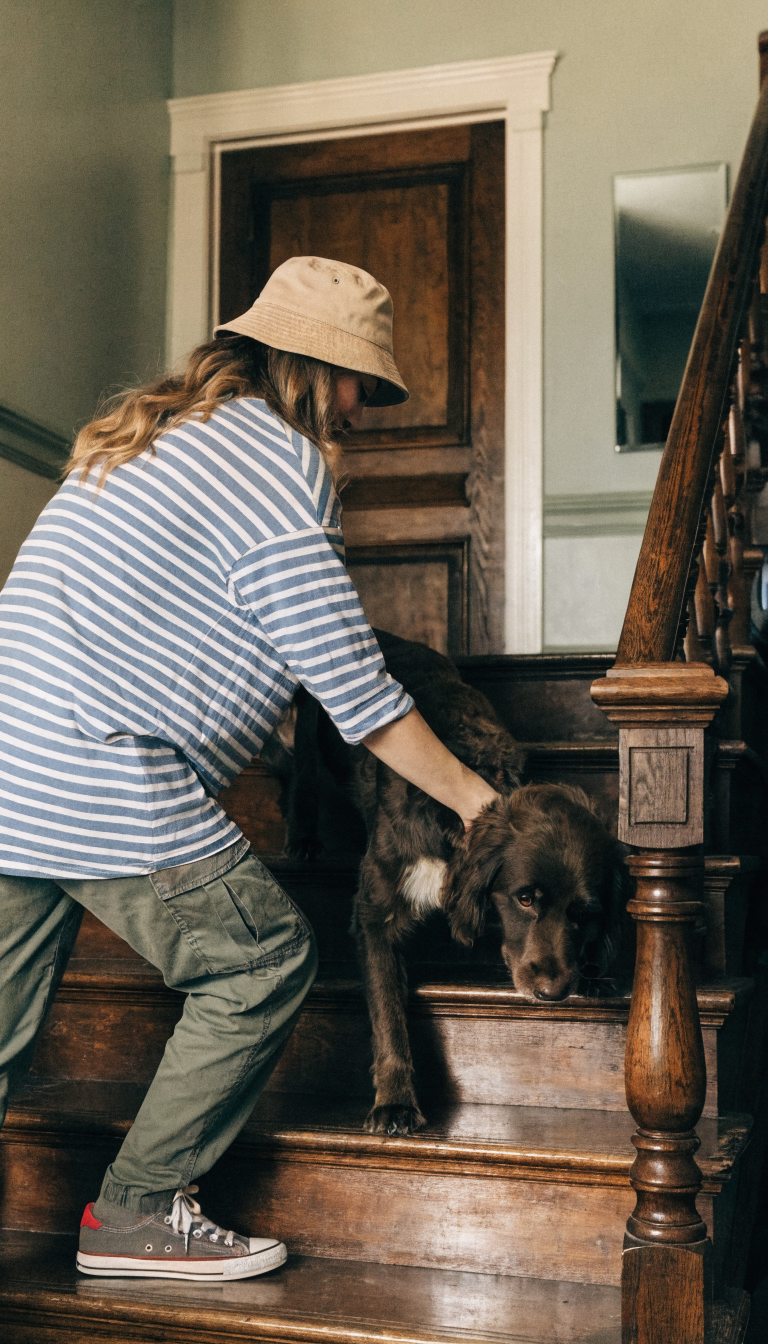
- Reluctance to go up stairs or jump into the car
- Consistency: the stiffness happens most days, not just once in a blue moon
What helps fast? Short, gentle movement sessions to keep joints lubricated, plus a warm, cozy bed. If your pup hides under the bed all day, that’s a signal to escalate care.
2) Smaller but sneaky: changes in gait and pain signals
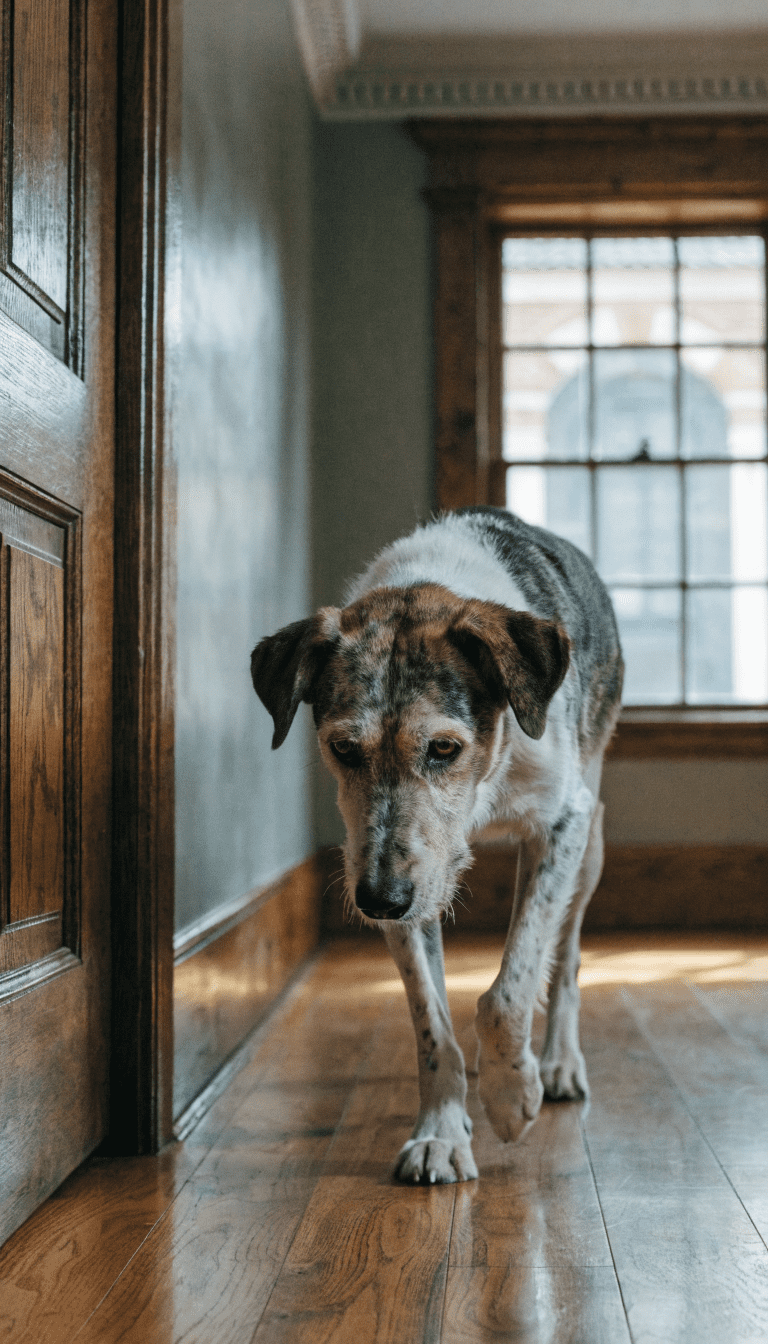
Arthritis isn’t always dramatic. Sometimes it shows up as a subtle change in how they walk or stand. Do they pace instead of lounging, or hike their hindquarters oddly when you touch their hips? Do they yelp when you rub a certain spot?
What to monitor:
- Altered stride length or a “bunny hop” when walking
- Less willingness to circle or move in their usual way
- Increased irritability if you touch their joints
Ways to help fast:
- Low-impact activities like swimming or slow walks
- Joint-friendly supplements after vet approval
- Consistent daily routines so they know what to expect
3) Sleep changes: rest isn’t a given, it’s a problem
If your dog’s lounging patterns flip from Netflix binges to restless pacing, pain might be the suspect. Arthritis can make sleep uncomfortable, which means less restorative snooze time and more grumpiness when they wake up.
What to check:
- More frequent waking, restlessness in the night
- Shoving themselves into corners or off the couch to find a better position
- Sleeping more during the day but still waking up stiff
Fast fixes:
- Cozy orthopedic bed with supportive foam
- Warm compresses on inflamed joints for a few minutes before bed (with vet guidance)
- Consistent bedtime routine to reduce anxiety and restlessness
4) The mood shift: grumpier, less social, and a bit “ouch” about touch

Pain changes mood. If your once-chipper buddy turns away when you reach for their hips or winces at normal handling, it’s not just them being dramatic. It’s a pain response.
What to notice:
- Avoidance of petting certain areas
- Less enthusiasm for interactive games
- Occasional irritability or growling during routine touch
What helps fast:
- Gentle, positive handling with lots of praise
- Targeted massage on non-sensitive areas to improve blood flow
- Vet-guided pain management to keep your dog comfortable
5) Mobility map: how well they move around the house
A quick self-check can save you hours of guesswork. Observe how they navigate the house: do they pick routes that avoid stairs or certain rooms? Do they slip on slick floors?
Key signs:
- Sprawling across carpet for traction
- Scrambling to stand after laying down on tile or hardwood
- Hesitation to get in and out of the car or bed
What helps now:
- Non-slip socks or paw grips to prevent slipping
- Ramps or step stools for easy access to car or bed
- Soft surfaces for daily lounging and therapy-friendly exercises
6) What about joints? Common spots arthritis loves
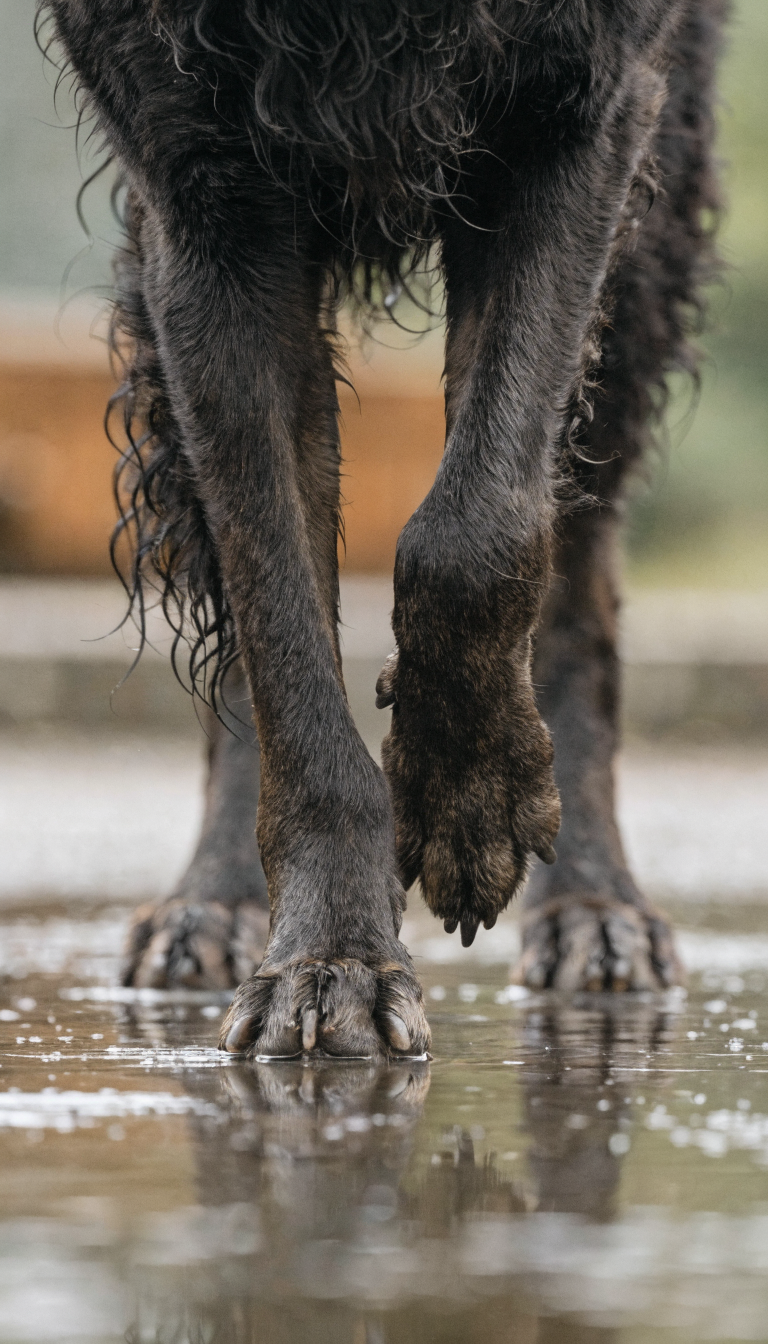
Arthritis isn’t picky; it loves joints like hips, knees, elbows, and the spine. But some dogs carry the pain in one area more than others. Pinpointing the target can guide treatment.
Common sites:
- Hip dysplasia or pain in the hip joints
- Knee (stifle) issues that cause limping
- Elbow problems that limit reach and playing
- Spinal discomfort, especially in older dogs
Ways to respond:
- Integrated plan with vet: joint supplements, physical therapy, and exercise tweaks
- Controlled weight management to reduce stress on joints
- Regular, gentle range-of-motion exercises
7) The “do-it-now” list: what actually helps fast
If you’re thinking, “I want relief, not a lecture,” you’re in the right spot. Here are practical, fast-acting steps you can start today (with vet approval, of course).
Fast-acting strategies:
- Short, daily low-impact exercise: 10–15 minutes of a slow walk or supervised swimming
- Joint-friendly diets and supplements (glucosamine, chondroitin, omega-3s) after vet check
- Temperature control: warm blankets, heated beds, and a comfy sleeping area
- Pain management plan: discuss NSAIDs or alternatives with your vet, never self-prescribe
- Regular masseuse or physical therapist sessions for targeted relief
8) When to see the vet fast
You don’t need to wait until your dog crawls. If you notice persistent signs for more than a week, it’s time to book a check-up. Early intervention often means better outcomes.
Red flags that scream “vet time”:
- Sudden limping or obvious pain in one limb
- Decreased appetite, weight loss, or hiding behavior
- Swelling, heat, or deformity around joints
- Unexplained fever or lethargy alongside joint pain
What to bring to the appointment:
- A short diary of symptoms (when they started, what triggers pain)
- Notes on appetite, sleep, and activity level
- List of current meds and supplements
9) Long-term plan: keeping arthritis from stealing the show
Arthritis isn’t a one-and-done problem; it’s a long-term journey. The goal is comfort, mobility, and quality of life for as long as possible. Think of it as a lifestyle adjustment, not a sprint.
Smart, sustainable moves:
- Weight management: every extra pound adds stress to joints
- Consistency: routine exercise and joint care routines beat sporadic efforts
- Therapy options: consider physical therapy, acupuncture, or underwater treadmill if available
- Nutrition: anti-inflammatory foods and balanced diets
FAQ
What’s the fastest sign of arthritis I should notice?
The quickest tell is stiffness after rest. If your dog struggles to rise or slows down noticeably after a nap, that’s arthritis peeking out. Start with gentle movement and a warm bed, then check in with your vet if it persists.
Can arthritis be treated without meds?
Absolutely, but it depends on the dog. Weight management, tailored exercise, physical therapy, and supplements can make a big difference. Some dogs also benefit from meds when needed. FYI, talking this through with a vet gives you the best plan.
What kinds of supplements help arthritis in dogs?
Common options include glucosamine, chondroitin, omega-3 fatty acids, and MSM. The evidence is mixed on every dog, but many owners report improvements when combined with exercise and weight control. Always run any supplement by your vet first.
Is swimming a good exercise for arthritis?
Yes. Swimming is low-impact and great for maintaining motion without stressing joints. If your dog loves water, this can be a game-changer. Always supervise and keep sessions moderate to avoid overexertion.
How do I know if pain relief is actually helping?
Watch for easier rising, more willingness to move, less stiffness after rest, and improved sleep. If you notice these changes within a couple of weeks after starting a plan, you’re on the right track. If not, loop back with your vet to adjust the plan.
Conclusion
Arthritis doesn’t have to steal your dog’s joy. Spotting the early signs, tweaking daily routines, and leaning into a plan with your veterinarian can restore a lot of that pep. You’ve got this—your pup will thank you with wagging tails and zoomies that aren’t off the table anymore. IMO, a proactive approach now pays off in big, slobbery rewards later. If you’re unsure where to start, begin with a simple diary of symptoms and a quick chat with your vet. Your best friend deserves it.






One comment on “Is Your Dog in Pain? 9 Signs of Arthritis & What Actually Helps Fast”
Comments are closed.