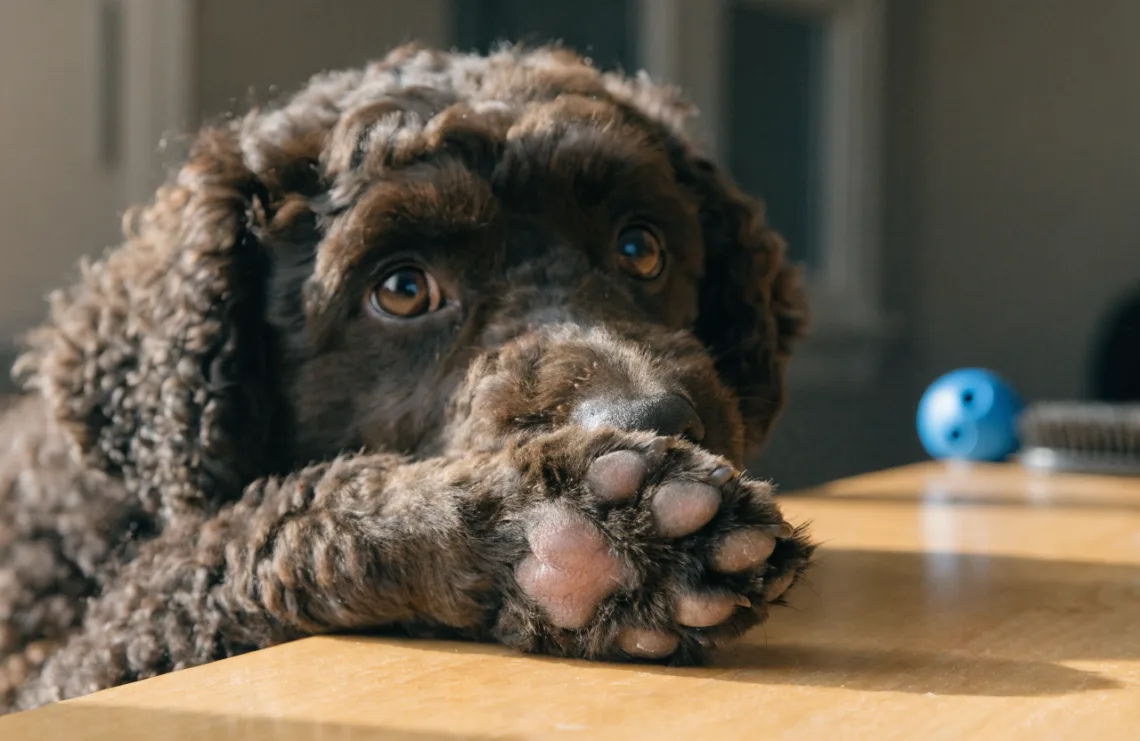
Dogs chew on their paws for a bunch of reasons, and most of them aren’t as dramatic as you might fear. It could be a quick itch-scratch routine, a sign of nerves, or a quirky habit. Either way, there’s more to it than “they’re just chewy dogs.” Let’s break down what’s really going on and how to tell when you should intervene.
Why your dog’s paws become chew magnets
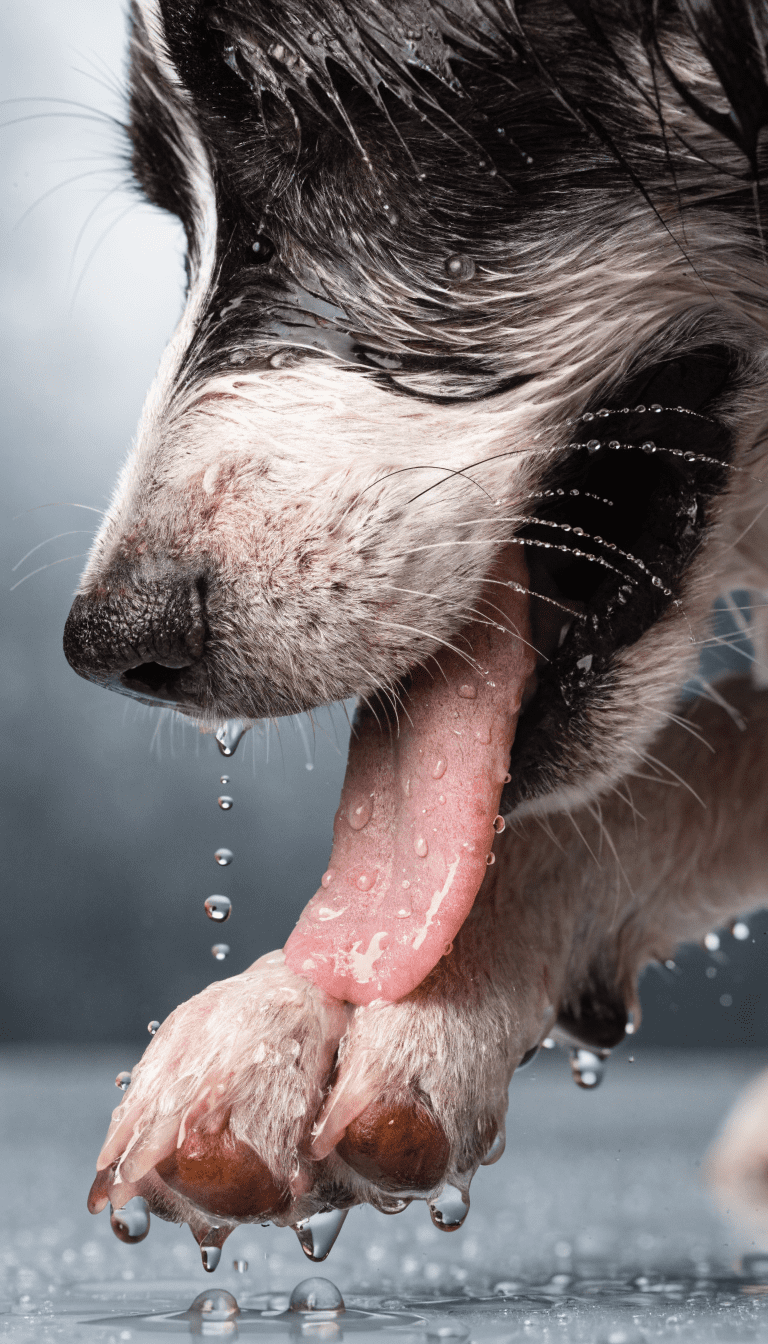
You’ll notice paw chewing in cycles. Some days they’re calm, other days they seem to be auditioning for a dental-flavored ballet on their own feet. The reasons usually fall into a few big buckets: irritation or allergies, pain, boredom or anxiety, skin problems, and occasionally nutritional or metabolic issues. Each one shows up differently, so a little detective work goes a long way.
Itchy paws: irritation, allergies, and environmental clues
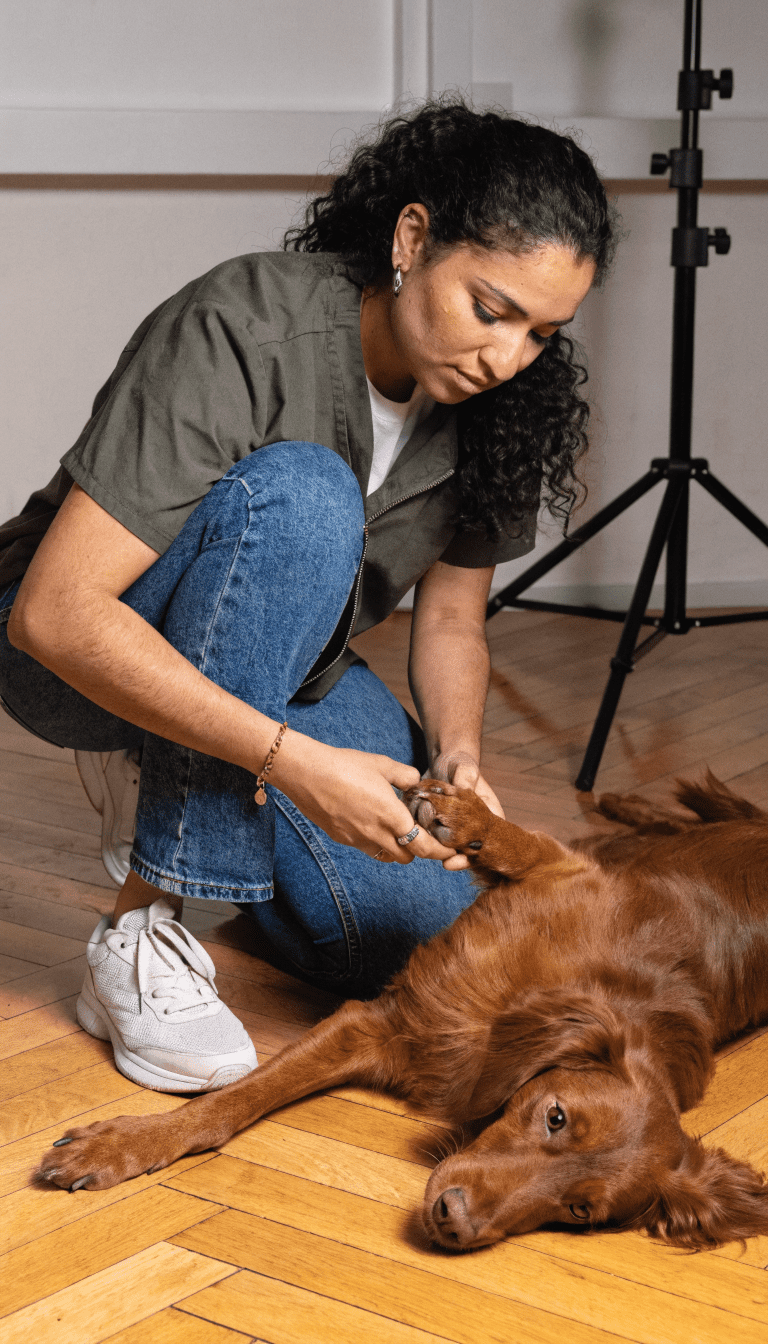
Most paw chewing starts with irritation. Itchy paws aren’t just annoying; they’re a signal that something isn’t right.
Allergies you can’t see at first glance
– Seasonal allergies can turn a dog’s paws into a tiny salad bar of itchy red spots and flaky skin.
– Food allergies or intolerances can manifest as paw licking and chewing, especially after new treats or a protein you introduced.
– Contact allergies from cleaning products, grass, or pesticides can trigger localized irritation on the paw pads.
IMHO, if you suspect allergies, start with a simple approach: swap to a hypoallergenic food trial and rinse paws after outdoor time to rinse off irritants. FYI, it can take 6–8 weeks to see real improvements, so patience is your friend here.
What to look for
– Red, inflamed paw pads
– Consistent licking or chewing that doesn’t respond to a quick rub
– Other signs like itchy ears, watery eyes, or sneezing
If the itching is persistent, a vet visit is a good move. They might suggest an elimination diet or skin tests to pinpoint the culprit.
Pain and discomfort: dental drama, joints, and beyond
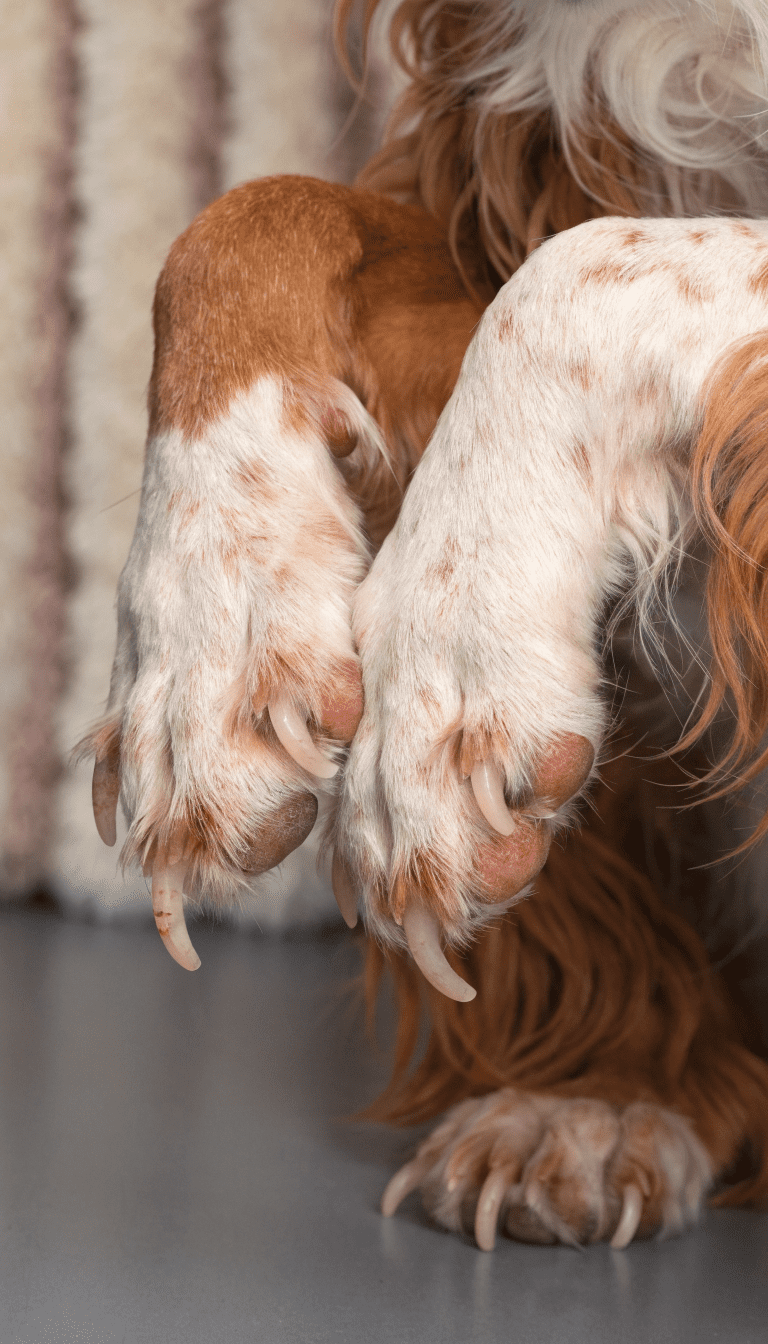
Pain spikes paw chewing in a very un-fun way. When something hurts, your dog might chew as a coping mechanism or to mouth-pain in a way that feels better.
Joint and limb issues
– Arthritis or hip dysplasia can make standing or walking uncomfortable, so chewing provides a weird relief mechanism.
– Nerve irritations or neuropathy can drive paw-chewing as a way to soothe numb spots.
If you notice limpiness, favoring one paw, or decreased activity, a vet check is smart. Early intervention can keep things from getting gnarly.
Oral and dental clues
– Gum inflammation, loose teeth, or a mouth injury can push a dog to gnaw on their paws instead of chewing bones.
– Bad breath, drooling, or trouble eating are red flags you shouldn’t ignore.
A quick dental exam at the vet can rule out a mouth problem, which might be the real culprit behind the paw drama.
Boredom, anxiety, and the need for a coping mechanism
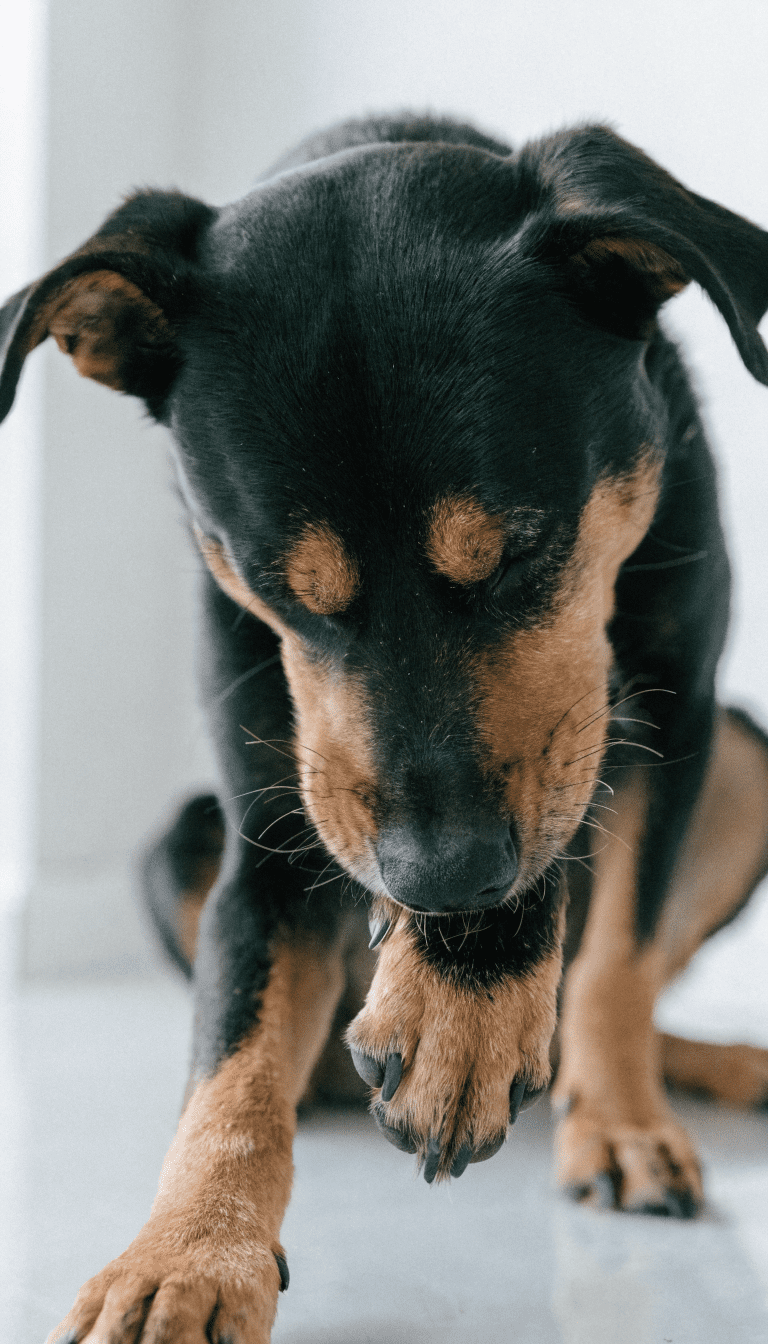
Dogs aren’t tiny furry philosophers, but they do have feelings. When they’re bored, stressed, or anxious, they’ll find ways to cope. Chewing paws can be their version of a mental health break.
What triggers nervous chewing
– Changes in the home, like new people, new pets, or a recent move
– Loneliness or lack of enrichment during the day
– Loud noises, storms, or fireworks that spike anxiety
Try upping enrichment: puzzle toys, sniffy scatters, or longer walks. A tired dog is often a better behaved dog, especially when it comes to self-soothing behaviors.
Behavioral tweaks that help
– Structured playtime and consistent routines
– Short training sessions to boost confidence (sit, stay, fetch)
– Safe chew toys to redirect the habit
If anxiety feels bigger than everyday nerves, consult a vet or a veterinary behaviorist. They can tailor a plan with you, possibly including pheromone diffusers or even short-term meds.
Skin, parasites, and unseen pests
Sometimes recurring paw chewing isn’t about allergies or mood. It’s about the skin doing a dramatic, irritated dance.
Parasites and infections
– Fleas or mites can cause itchy paws that lead to gnawing.
– Ringworm or yeast infections can show as itchy, flaky patches on paws or between toes.
If you see crusty patches, hair loss, or a foul smell, a vet visit is a must. They’ll probably run skin scrapes or swabs to pinpoint the problem and prescribe the right treatment.
Dry skin and environmental dryness
– Winter heating and dry air can dry out paw pads, making them crack and itch.
– Frequent washing with harsh shampoos can strip natural oils.
A simple fix can be a paw balm or gentle, vet-approved moisturizer. Keep baths gentle and give the skin a chance to recover between washes.
Nutrition and metabolism: sometimes the paw isn’t the star of the show
Food, weight, and overall metabolism can influence paw-chewing habits in surprising ways.
Amino acids, fatty acids, and skin health
– Balanced omega-3 and omega-6 fatty acids support skin health, which can reduce irritation.
– A deficiency in certain amino acids or vitamins can manifest as skin and coat issues, including paws.
If your dog’s diet is a bit murky or full of “people foods,” a quick consult with a vet or a pet-nutritionist can steer you toward a better balance.
Weight and systemic issues
– Being underweight or overweight can affect how the skin and paws behave.
– Endocrine issues (like hypothyroidism) can show up as dry skin or irritations that lead to chewing.
A vet check can help you rule in or out systemic problems. FYI, many of these issues respond well to a targeted plan.
What you can do at home: practical steps that actually help
If your dog’s paw chewing isn’t a medical emergency, you can take concrete steps to reduce it and figure out the trigger.
First, do no harm: quick checks
– Inspect paws for cuts, thorns, or splinters. Remove debris gently.
– Check between toes for signs of irritation or swelling.
– Look for fleas, ticks, or other parasites.
If you see a clear cut or something stuck, handle with care and seek care if it’s deep or bleeding.
Redirection and enrichment
– Use chew toys that are tough and engaging to redirect the habit.
– Schedule more mentally stimulating activities to reduce boredom.
Ask yourself: is my dog truly bored, or just practicing a habit? Often, a mix of both.
Topical care and comfort
– Use vet-approved paw balms to moisturize dry pads.
– Rinse paws after outdoor time to remove irritants like pollen or salt.
Just remember: not all products are created equal. Some human creams aren’t safe for dogs, so stick to dog-safe options.
When to see a vet or behaviorist
– If chewing lasts for more than a couple of weeks and doesn’t improve with changes
– If there’s noticeable redness, swelling, or fever in the paws
– If the dog shows other signs like weight loss, lethargy, or poor appetite
A professional can help with a targeted plan, from dermatology to behavior therapy.
FAQ
Why do dogs chew their paws every now and then?
Paw chewing can be a normal self-soothing habit, a response to itchiness, or a sign of mild discomfort. It becomes a concern when it’s persistent, causes skin damage, or is accompanied by other symptoms. Start with a gentle paw check and observe for patterns to know when to call a pro.
Can paw chewing be a sign of stress or anxiety?
Yes. Dogs often chew paws as a coping mechanism when stressed or anxious. If you notice clustering around specific events (thunderstorms, separation, visits to the vet), you’re likely looking at anxiety-driven behavior. Enrichment and a consistent routine help a lot.
What should I do if I suspect allergies?
Try a structured approach: switch to a hypoallergenic diet under vet guidance, and wipe paws after outdoor time to minimize irritants. If symptoms persist after 6–8 weeks, ask your vet about testing for environmental or food allergies.
Are paw balms safe for dogs?
Most veterinary-approved paw balms are safe, but check the ingredients and avoid anything with essential oils like eucalyptus or certain citrus oils. If your dog licks a lot after application, ensure the product is designed to be ingested in small amounts.
When is paw chewing a medical emergency?
If you see severe swelling, a lot of bleeding, a foul odor, or if your dog stops eating or walking, seek veterinary care immediately. These could be signs of a more serious infection or injury.
Conclusion
Paw chewing is usually a symptom, not the whole story. It can hide a mix of itchiness, pain, anxiety, or skin problems behind those determined little bites. The good news: with a little detective work, practical redirection, and the right vet guidance, you can stop the paw chew in its tracks or at least reduce it to a harmless, occasional habit. So grab that paw, give it a good once-over, and ask yourself what story it’s telling today. IMO, understanding the why makes you better at helping your furry friend feel comfy and confident again. FYI, the journey might be as much about learning your dog as it is about solving a chewing puzzle.