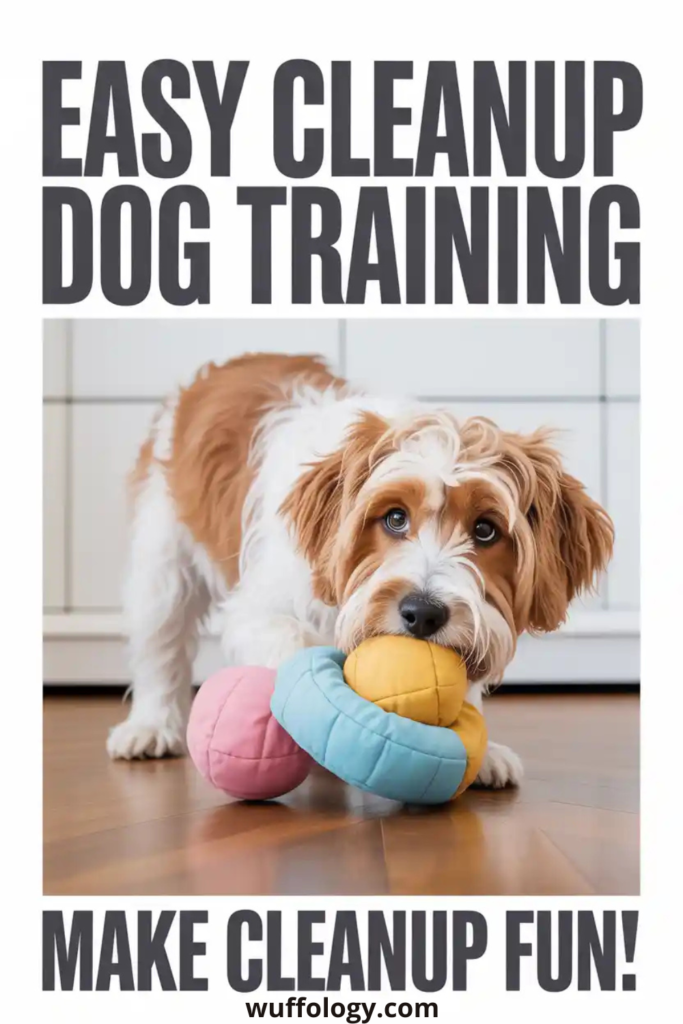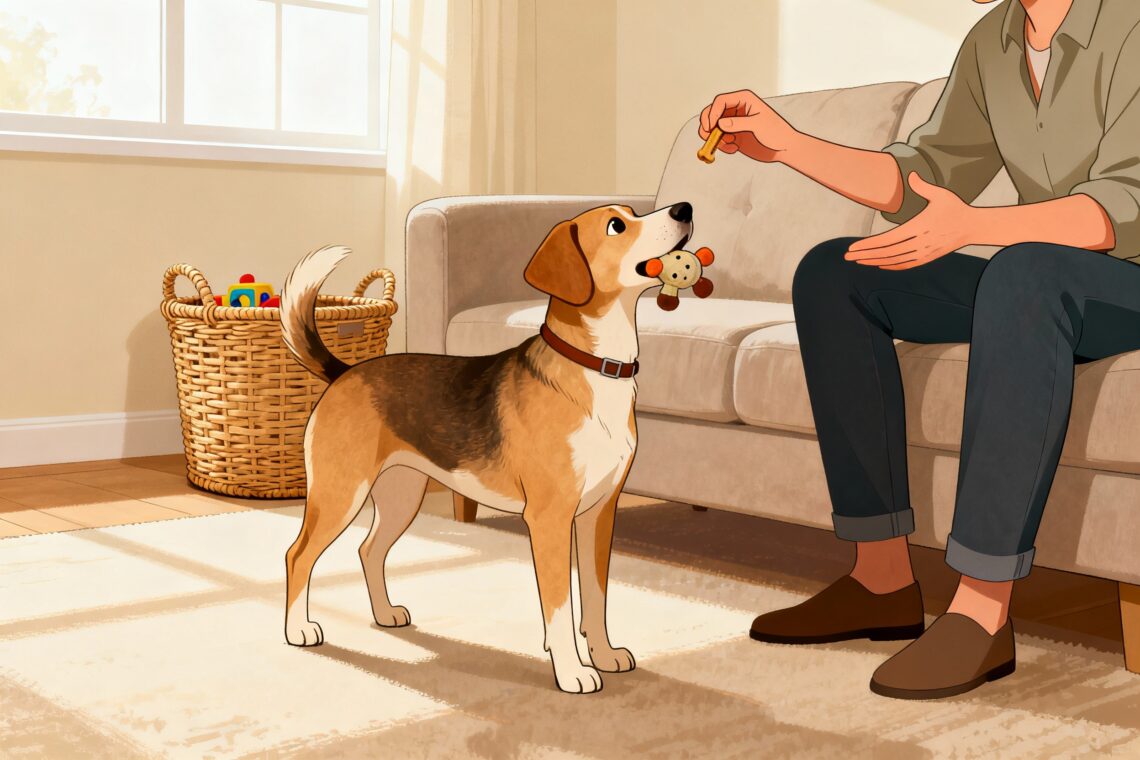
Your dog can absolutely learn to clean up their toys. Yep, the same four-legged goofball who steals socks can also tidy the living room like a tiny, furry Roomba. It’s easier than you think, and it actually makes for an awesome brain workout.
Ready to teach “clean up” without turning your house into a dog-training bootcamp?
Why Teach Your Dog to Clean Up?
You get a neater home, your dog gets mental stimulation, and everyone wins. Dogs love jobs, and this one is simple, satisfying, and totally Instagrammable. Plus, teaching cleanup strengthens your bond and gives you a party trick that never gets old. Bonus: Tired dog = relaxed dog.
A few minutes of focused training can wear them out more than zoomies in the yard.
What You’ll Need
Keep it basic. You don’t need fancy gear or a PhD in canine psychology.
- A toy bin or basket with low sides
- High-value treats your dog actually loves
- Favorite toys (start with one or two)
- Clicker (optional) or a consistent marker word like “Yes!”
- Short sessions (2–5 minutes) to keep it fun
Step-by-Step: Teach the Clean-Up Behavior
We’ll chain a few simple skills: pick up toy, move to bin, drop toy in bin. Easy.
You’ve got this.
Step 1: Teach “Drop It” Over the Bin
Start here so your dog learns where the toy belongs.
- Hold a toy and get your dog excited to grab it.
- Hold a treat to their nose and say your drop cue: “Drop” or “Give”.
- When they release the toy, mark (“Yes!” or click) and reward immediately.
- Now position the toy over the bin before asking “Drop.” When the toy falls in, throw a mini party and treat.
Goal: Dog understands that dropping over the bin earns big rewards.
Step 2: Add Picking Up the Toy
We want your dog to do the whole loop.
- Place the toy on the floor next to the bin. Encourage your dog to pick it up.
- Guide them over the bin and cue “Drop.”
- Mark and reward as soon as the toy lands in the bin.
- Repeat until your dog starts moving toward the bin on their own.
Pro tip: If toys miss the bin, no big deal. Reset calmly and make the bin target easier to hit.
Step 3: Add a Cue Like “Clean Up”
Once your dog can pick up a toy and drop it in, add the verbal cue.
- Say “Clean up!” just before your dog grabs the toy.
- Guide to the bin, cue “Drop,” then mark and reward.
- Fade the guidance gradually so “Clean up!” triggers the entire behavior chain.
Tip: Keep your voice upbeat.
Dogs love your energy more than your grammar.
Step 4: Back It Up—Literally
Increase the challenge so the cue sticks.
- Start the toy a few feet away from the bin.
- Say “Clean up!” and let your dog figure it out.
- Reward generously when the toy lands in the bin. Jackpots for first independent tries.
If your dog stalls or stares at you like you asked them to file taxes, help them. Point, praise, and make success easy again.
Step 5: Multiple Toys, Same Rules
Now the fun part—clearing the floor.
- Scatter two or three toys near the bin.
- Say “Clean up!” and wait for one toy to go in.
- Reward, then cue again for the next toy.
- Work up to 4–6 toys over time.
FYI: Your dog might keep picking the same toy.
Totally normal. Rotate which toy you cue first.
Make It Stick: Reinforcement and Real-Life Practice
Your dog needs reps, but you can keep it fun and short. Think micro-sessions.
- Daily 2-minute drills: One or two toys, quick wins, big praise.
- Variable rewards: Treats sometimes, tug or fetch other times.Keep it interesting.
- End on a win: Quit while your dog still looks eager. Leave them wanting more.
Fade the Treats (But Not the Praise)
Don’t ditch rewards cold turkey. That’s how you get union negotiations.
- Start by treating every toy.
- Then treat every other toy.
- Eventually treat the final toy only, and use praise or play for the rest.
Common Mistakes (And Easy Fixes)
We all goof.
Here’s how to avoid the usual training potholes.
- Bin too tall: Use a shallow basket so the toy lands easily.
- Too many toys too soon: Start with one. Add more slowly.
- Rushing the cue: Add “Clean up” only after your dog understands the behavior.
- Low-value treats: If your dog yawns, upgrade your currency. Cheese.Hot dog. The good stuff.
- Long sessions: Keep it short. Bored dog = chaos.
Level Up: Fun Variations
Ready to flex?
Try these when your basic cleanup looks solid.
- Sort by type: Plushies in one bin, balls in another. Yes, your dog can learn this. IMO it’s adorable.
- Distance sends: Cue “Clean up” from across the room.
- Timed challenge: Set a timer for 30 seconds and see how many toys your dog clears.
- Clean up before dinner: Make it part of your routine.Toys away = dinner unlocked.
What If My Dog Doesn’t Like Toys?
No problem. You can still teach the behavior using anything safe to carry.
- Use soft items: Fabric tug strips, rolled socks (clean, ideally).
- Make toys valuable: Smear a bit of peanut butter on a rubber toy to build interest.
- Start tiny: Reward for sniffing or nosing the item, then for picking it up.
Strong nose work dogs sometimes prefer pushing items. You can also train “push into bin” with a broad lid or tray.
Troubleshooting: Quick Fixes
My dog drops the toy before the bin
Shorten the distance.
Lure them right over the basket and reward only when the toy lands inside. Gradually step back as they succeed.
My dog steals toys back out
Cute, but chaotic. Cue “All done” after the last toy and reward away from the bin.
Then cover the bin or move it out of reach.
My dog refuses to pick up the toy
Rebuild interest. Play tug for 10 seconds, then cue “Drop” over the bin and reward. End before your dog loses steam.
My dog misses the bin constantly
Use a bigger target at first, like a laundry basket.
Add a towel inside to muffle noise if the clatter startles them.
FAQ
How long does it take to teach “clean up”?
Most dogs get the basics in a few short sessions over a week. Perfecting it with multiple toys and distance takes another week or two. Consistency beats marathon training, every time.
Can puppies learn this?
Absolutely.
Keep sessions super short and make it a game. Puppies love structure when it comes wrapped in fun, treats, and your happy voice.
What if my dog guards toys?
Work with a trainer if you see guarding. Meanwhile, use high-value trades, avoid reaching into their mouth, and teach “Drop” with calm, predictable swaps.
Safety first, IMO.
Do I need a clicker?
Nope. A clicker helps with timing, but a clear marker word like “Yes!” works great. Pick one method and stick with it.
Will my dog still want to play with toys after learning to clean?
Yes.
Putting toys away doesn’t make them boring. If anything, the ritual boosts their value—because toys “unlock” games and rewards.
Can I teach this to multiple dogs?
Sure, but train them separately first. Once each dog knows the game, you can run a team cleanup… if you enjoy controlled chaos.
Conclusion
Teaching your dog to clean up turns a daily mess into a smart, simple routine.
Start with “Drop,” add the bin, then layer in the cue and a few toys at a time. Keep sessions short, rewards tasty, and your attitude goofy and upbeat. Before long, you’ll say “Clean up,” and your furry roommate will tidy like a pro—no chore chart required.
FYI, you get bragging rights forever.