
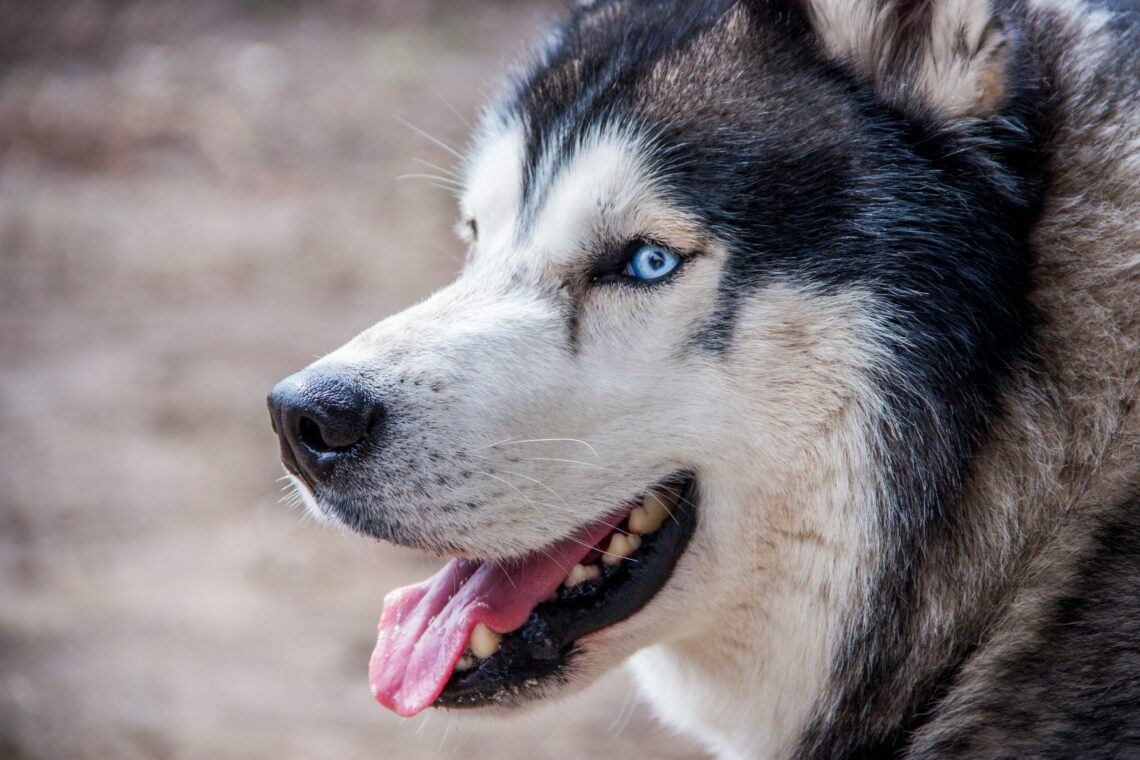
So you’re thinking about a Husky. Love that for you. They’re gorgeous, goofy, dramatic, and built like Olympians in dog suits.
But Huskies don’t come with a calm-mode button, and they’ll happily outsmart you before breakfast. If you’re ready for a whirlwind of fur, zoomies, and side-eye, here’s what you need to know—no fluff, just real talk.
Energy Levels: Not Just “Active”—We Mean Athlete
Huskies don’t walk; they fly. They’re endurance dogs bred to pull sleds for miles.
A lazy day means chaos later. Plan on 90–120 minutes of real exercise daily. Think running, biking with a leash attachment, or long hikes. Mental work matters too. Nose work, puzzle feeders, and training games help tire out that busy brain.
What counts as “enough” exercise?
– Two brisk walks won’t cut it. – One long run plus a structured training session works better. – On bad weather days, try indoor scent games, flirt poles, or treadmill sessions (yes, really).
Escape Artists With PhDs
If there’s a crack, a Husky will find it—and squeeze through it while smirking. They jump, dig, and test gates like tiny criminal masterminds. Secure your yard like Fort Knox: 6-foot fencing, dig guards, and locked latches.
Leash Life Is Non-Negotiable
Huskies carry a strong prey drive.
Off leash in unfenced areas? Hard no. Practice recall anyway for emergencies, but assume your Husky will chase squirrels like it’s the Olympics.
They Shed Like It’s Their Job
You’ll find fur everywhere—clothes, couch, coffee.
Twice a year they “blow coat” and it looks like it snowed indoors. Brush 3–4 times a week, daily during blowout seasons. Use an undercoat rake and high-velocity dryer if you want to feel powerful.
Should you shave a Husky?
Nope. Their double coat insulates against heat and cold. Shaving can damage it and mess with temperature control.
Keep them cool with shade, water, and indoor AC. Summer walks happen early morning or late evening.
They’re Social, Vocal, and Dramatic
Huskies talk. They woo, yodel, and scream when you clip nails.
It’s…a lot. They thrive with company—humans or dog friends. If you’re gone all day, plan daycare, a dog walker, or a second dog (once you’ve nailed training with the first).
Separation Isn’t Their Favorite
Work up to alone time in tiny increments. Provide stuffed Kongs, lick mats, and calm music. If howling hits opera levels, contact a trainer for separation training.
It’s fixable, but it takes time.
Training: Smart, Stubborn, and Hilarious
Huskies learn fast—and choose when to comply. It’s not “disobedient,” it’s “selective participation.” Use positive reinforcement only. Harsh methods backfire with this breed. Keep sessions short and fun.
End on a win.
Essentials to Teach Early
– Sit, down, stay with distance and distractions – Leave it and drop it (lifesavers) – Loose-leash walking with frequent direction changes – Settle on a mat for calm in public spaces
Feeding and Health: Fuel the Machine
High energy means higher-quality food. You don’t need the fanciest label, but protein matters. Focus on complete, balanced diets with quality protein as the first ingredient. Watch body condition—Huskies often look leaner than other breeds, and that’s normal.
Common Health Considerations
– Hip dysplasia: keep them lean and don’t overdo puppy exercise – Eye issues (cataracts, PRA): schedule regular vet checks – Zinc-responsive dermatosis: flaky skin that improves with supplementation—ask your vet – Bloat risk: feed smaller, more frequent meals and avoid hard exercise right after eating
Grooming Beyond the Fur
Nails grow fast, and long nails mess with posture. Trim every 1–2 weeks. Brush teeth several times a week. Huskies act dramatic about it, but treats help.
Clean ears after swimming and wipe paws after muddy adventures.
Bathing Strategy
Bathe every 1–2 months or when they roll in something “interesting.” Use a gentle dog shampoo and rinse thoroughly. Blow-dry on cool while brushing the undercoat.
Enrichment: A Busy Husky Is an Angel (Okay, Less of a Menace)
Boredom breeds destruction. Couch cushions taste better when your Husky has zero hobbies. Rotate toys weekly so they stay “new.” Mix physical and mental stimulation daily.
Easy Enrichment Wins
– Frozen Kongs with yogurt and kibble – Lick mats during your Zoom calls – Sniffy walks where your dog leads with their nose – DIY “find it” games with treats hidden around the house – Canicross or skijoring if you want to go full Husky mode
Cold Weather Pros, Warm Weather Caution
Huskies thrive in cold temps.
Snow zoomies are their religion. Heat? Not so much. Limit exercise in hot weather and watch for overheating signs: heavy panting, drooling, lethargy. Always carry water and take shady breaks.
15 Things Every New Husky Owner Should Know (Quick Hit List)
- They need serious daily exercise—plan your schedule accordingly.
- Secure fencing is mandatory; they escape like magicians.
- Leash rules apply 24/7 outside fenced areas—prey drive is real.
- They shed a ton and “blow coat” twice a year.
- Never shave the double coat.
- They’re vocal and opinionated—expect woo-woos, not quiet cuddles.
- Positive reinforcement training works; punishment does not.
- Short, fun training sessions beat marathons.
- Social needs matter—plan for company or structured enrichment.
- Quality food fuels their energy; keep them lean, not skinny.
- Groom nails and teeth regularly to avoid vet bills later.
- Enrichment saves your furniture (and sanity).
- They handle cold well but struggle in heat—adjust routines.
- Recall is a safety skill, but not a green light for off-leash life.
- They’re clowns with hearts of gold—lean into the chaos and enjoy it.
FAQ
Are Huskies good first dogs?
Possible, but not ideal for everyone.
If you love training, exercise daily, and enjoy a challenge, you’ll thrive. If you want a chill couch buddy right away, IMO choose a different breed or adopt an older, calmer Husky.
How much exercise does a Husky puppy need?
Less than you think. Puppies need short, frequent play sessions and lots of naps.
Follow the “5 minutes of structured exercise per month of age” rule, plus gentle exploration and training games. Protect growing joints.
Can Huskies live in apartments?
Yes—with effort. You’ll need strict exercise routines, puzzle feeders, and solid crate training.
The building must tolerate noise because, FYI, Huskies talk about their feelings.
Do Huskies get along with cats or small pets?
Sometimes, with careful introductions. But the prey drive runs deep. Never leave them unsupervised with small animals, and manage the environment to keep everyone safe.
How do I stop my Husky from pulling?
Train loose-leash walking with frequent rewards for a slack leash.
Use a front-clip harness to help. Practice direction changes and “let’s go” cues. Consistency beats brute strength, every time.
What’s the best training class for a Husky?
Look for positive-reinforcement group classes that emphasize engagement and impulse control.
Bonus points if the trainer has experience with northern breeds. Private sessions help with recall and off-switch behaviors.
Final Thoughts
Huskies bring chaos and comedy in equal measure. They’ll test your patience, steal your socks, and make you laugh daily.
Give them structure, outlets, and affection, and they’ll give you the most joyful adventure buddy on four legs. FYI: once you go Husky, your vacuum becomes your best friend—and honestly, it’s worth it.





One comment on “15 Things About Husky Dogs Every New Owner Should Know”
Comments are closed.