
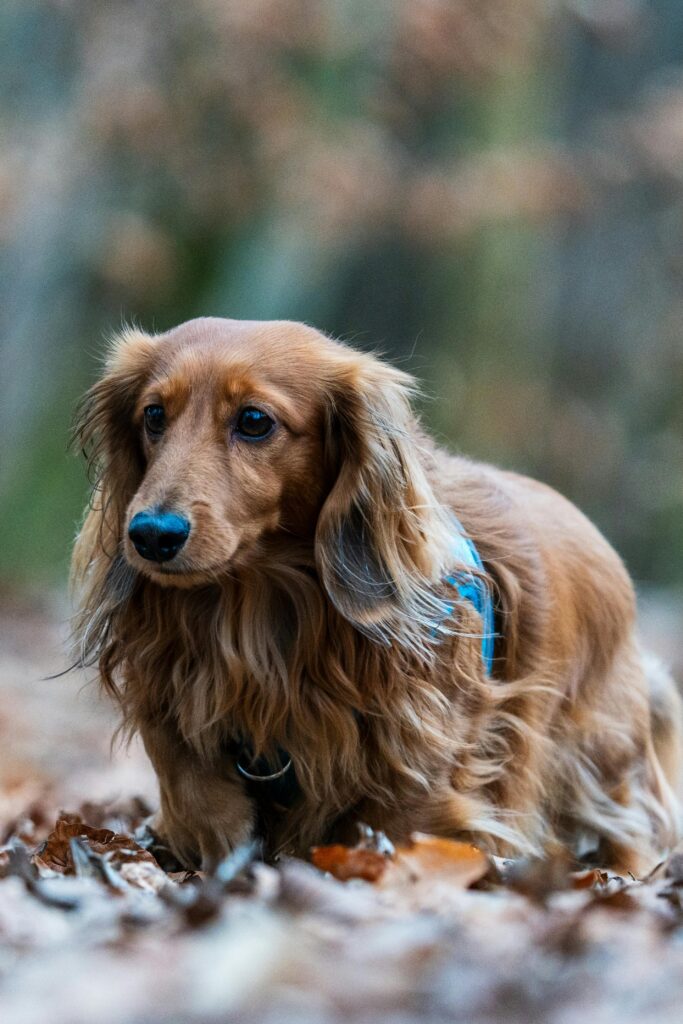
You brought home a long-haired dachshund, didn’t you? Welcome to the club of glorious floof, strong opinions, and surprisingly athletic sausage-dog energy. These little low-riders need a bit more grooming and care than their smooth-coated cousins, but trust me—those silky ears are worth it.
Let’s get straight to the good stuff: 15 must-know tips to keep your long-haired doxie happy, healthy, and looking like a tiny runway model.
Grooming That Gorgeous Coat Without Losing Your Mind
- Brush 3-4 times a week. Use a slicker brush for the topcoat and a metal comb for tangles behind ears, armpits, tail, and hind legs. Mats happen fast in those spots.
- Detangle gently. Hold hair near the skin to avoid pulling, and work from ends to roots. Try a dog-safe detangling spray when things get snarly.
- Trim, don’t shave. Long-hair dachshunds need their coat for protection.
Ask a groomer for a tidy trim on feet, sanitary area, and feathering—not a full buzz cut.
- Check the ears daily. Long hair traps moisture. Wipe the outer ear with a dog ear cleanser 1–2 times weekly to prevent gunk and stink.
Bath Time Basics
- Every 4–6 weeks usually works. More if mud happens.
Less if the skin runs dry.
- Rinse thoroughly. Residual shampoo equals itch city.
- Dry fully, especially ears and undercarriage. Damp fur invites fungus and drama.
Skin and Shedding: Manage the Fluff, Skip the Itch
Long-haired doxies shed, but with the right routine, you won’t drown in fur.
Keep the undercoat moving and the skin happy.
- Omega-3s help tons. Add fish oil or omega-rich treats to boost coat shine and reduce shedding. Ask your vet for dosing.
- Spot hot spots fast. Licking, redness, or funky odor means irritation. Address mats and talk to your vet early.
- Choose gentle products. Hypoallergenic shampoo and conditioner keep skin calm.
Skip heavy fragrances, IMO.
Seasonal Shedding Tips
- Spring and fall bring extra fluff. Brush daily during heavy shed periods.
- Use a de-shedding tool lightly—don’t overdo it on their finer coat.
Back Health Is Non-Negotiable
Dachshunds and back issues? Classic combo.
You can reduce risk with smart habits that protect their spine.
- No jumping off furniture. Train a “wait” and use ramps or stairs for couches and beds.
- Support the spine when lifting. One hand under the chest, one under the rear. No dangling sausages.
- Keep them lean. Extra weight equals extra pressure on discs. A fit doxie is a happy doxie.
- Stick to low-impact exercise. Daily walks, gentle hill work, and controlled fetch on grass, not hardwood skids.
Know IVDD Signs
- Reluctance to jump or move
- Shaking, yelping, or a hunched back
- Dragging rear legs or wobbly walking
Call your vet immediately if you see these.
Early treatment matters—like, a lot.
Exercise and Enrichment: Tire the Brain, Protect the Body
These little hunters love a job. Give them safe outlets and they’ll snooze like angels later.
- Two short walks daily beats one long slog. Think 15–25 minutes each, tailored to your dog’s energy.
- Sniffari time. Let them sniff.
It’s brainwork and confidence-building.
- Play smart. Indoor fetch in a carpeted hallway, puzzle toys, and scent games keep joints safe.
- Skip marathon stair sessions. Stairs stress the back. Use gates if needed.
Fun Indoor Game Ideas
- Treat scatter: toss a few low-cal treats and let that nose hunt.
- Box search: hide toys in a shallow box under towels for easy digging fun.
- Short training bursts: 5 minutes of tricks or obedience equals big mental payoff.
Nutrition for a Sleek Coat and Strong Body
Food affects everything: coat quality, energy, and spinal health. Choose wisely and stay consistent.
- Feed a high-quality diet with named proteins and balanced fats.
Look for formulas supporting skin/coat health.
- Measure meals. Small dogs gain fast. Use a scale or measuring cup and adjust for treats.
- Treat smarter. Carrots, green beans, or single-ingredient meat treats keep calories in check.
- Hydration matters. Add a splash of warm water or low-sodium bone broth to encourage drinking.
Supplements: Helpful, Not Magic
- Omega-3s for coat and skin (FYI, check dosing with your vet).
- Joint support like glucosamine and chondroitin, may help long-term back and joint health.
- Probiotics for sensitive tummies or post-antibiotic recovery.
Training and Social Skills (Yes, Your Doxie Has Opinions)
Long-haired dachshunds bring sweetness with a dash of stubbornness. Train early, keep it fun, and you’ll both win.
- Positive reinforcement only. Food, praise, and play work.
Bribery? We call it motivation.
- Crate train for safety. It helps with travel, vet visits, and back rest if needed.
- Barking management with “quiet” and ample enrichment. They alert by default—hunting heritage, remember?
- Socialize smart. Calm, controlled introductions to dogs, people, and surfaces.
Avoid rough play with big dogs.
Housebreaking Help
- Keep a strict schedule: out after waking, after meals, after play.
- Celebrate outside potties like they cured the economy.
- Use weather gear—raincoats and quick-dry towels—because wet belly fur can derail cooperation, IMO.
Health Checks You Shouldn’t Skip
Regular vet care keeps your long-haired friend thriving and catches issues before they snowball.
- Annual exams and dental cleanings as needed. Small dogs get tartar fast.
- Vaccines and parasite prevention year-round, especially in tick-heavy areas.
- Nail trims every 2–4 weeks. Overgrown nails affect posture and back health.
- Eye and ear checks weekly. Long hair hides problems, so look closely.
Home Grooming Toolkit
- Slicker brush + metal comb
- Nail grinder or clippers + styptic powder
- Dog-safe ear cleanser and cotton pads
- Hypoallergenic shampoo/conditioner and a microfiber towel
- Blow dryer on cool/low for post-bath fluff
FAQ
How often should I groom a long-haired dachshund?
Brush 3–4 times weekly and do a full groom every 4–6 weeks. During heavy shedding seasons, daily brushing keeps mats away and your floors less “furry chic.”
Can I shave my long-haired dachshund in summer?
Nope.
Shaving can damage the coat and reduce natural temperature regulation. Opt for a tidy trim, regular brushing, and cooling options like shade, fresh water, and a cooling mat.
Are long-haired dachshunds good with kids?
Usually, yes—if you teach kids to handle them gently and support their back. Supervise play, discourage roughhousing, and give your doxie a quiet retreat when they need space.
What’s the best harness for a dachshund?
Use a well-fitted, Y-front harness that doesn’t press on the neck.
It spreads pressure across the chest and protects the spine during walks. Try a few and check for rubbing behind the legs.
How much exercise do they need?
Most do well with 30–60 minutes daily split into two sessions, plus mental games. Adjust for age and health—puppies and seniors need less impact, more sniffing and brain work.
Do long-haired dachshunds get along with other pets?
Many do, especially with early socialization.
Remember their hunting roots—introduce small pets carefully and supervise. Slow, positive introductions work best.
Wrapping It Up (And Fluffing the Ears)
Long-haired dachshunds bring big personality in a pint-sized, silky package. Keep the coat brushed, the back protected, the mind busy, and the meals measured.
Do that, and you’ll have a confident, shiny, slightly dramatic best friend who thinks your couch is a throne—because it is, and they own it. FYI, you’ll never get tired of that glorious floof. IMO, worth every brush stroke.