Your dog isn’t being “bad” when they bark. They’re communicating. But when you’re on your third Zoom call of the day and the neighbor sneezes, constant woofing can make you want to scream into a pillow.
Good news: you don’t need to yell, punish, or buy weird gadgets that make you feel like a movie villain. You can teach calm, confident behavior with simple, humane strategies that actually work.
First: Figure Out Why Your Dog’s Barking
You can’t fix barking until you know the reason. Different causes need different solutions.
Think of barking as your dog’s push notification system.
- Alert/territorial barking: Doorbell rings, dog says, “INTRUDER!”
- Demand barking: Dog wants your attention, toy, or snacks. That sassy “look at me” woof.
- Fear or reactivity: Barking at dogs/people because the world is scary.
- Boredom/under-stimulation: Not enough physical or mental exercise.
- Separation-related distress: Barking when left alone.
Once you label it, you can target it. FYI: Many dogs bark for more than one reason.
Totally normal.
Stop Rewarding Barking (Without Being a Jerk)
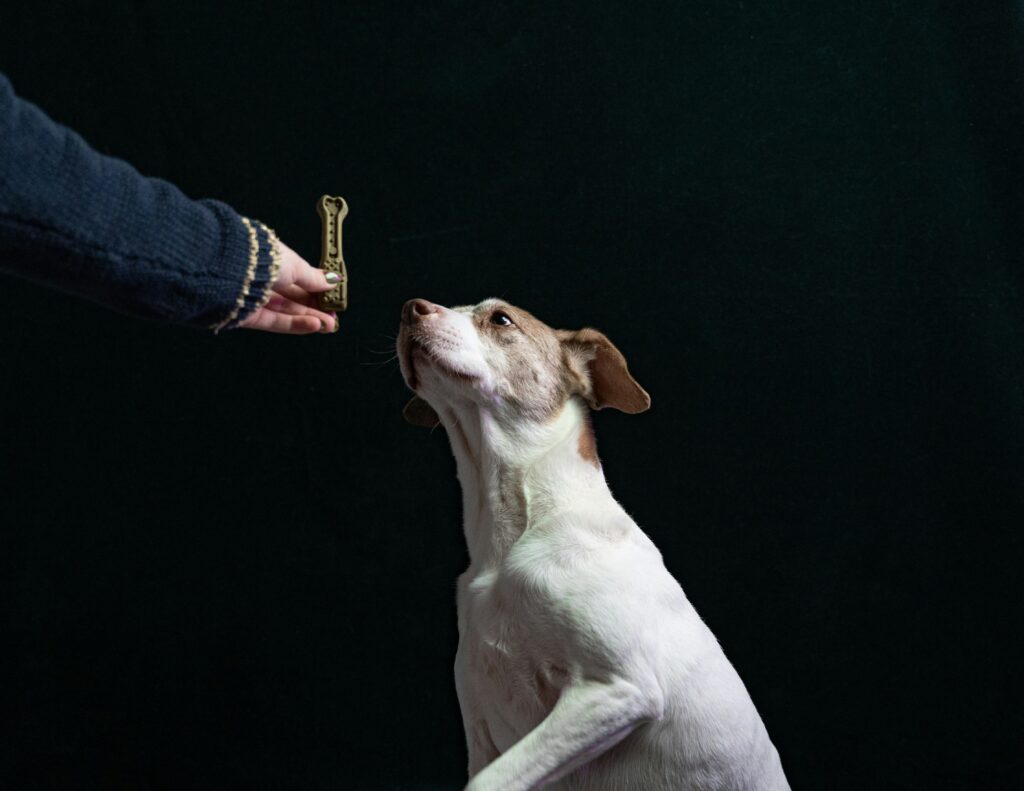
I know, I know—“But I don’t reward it!” You might, accidentally. Dogs repeat what works.
- Demand barking: Ignore the bark. Reward the quiet.
Look away, fold arms, no words. When they stop (even for one second), mark and reward. Then ask for a sit or down and reward again.
Consistency wins.
- Alert barking: Don’t shout “QUIET!” That’s you barking too. Instead, calmly say “Thanks” (new cue), walk to the window, look, then reward your dog for coming away with you. Over time, “Thanks” means “Job done—come get paid.”
- Attention redirection: Teach a “go to mat” cue.
Send them to a bed, then feed a few treats there. Barking won’t beat a comfy spot that prints snacks.
Timing Matters
Don’t feed mid-bark. Wait for the brief pause.
You can even say “Yes!” the instant the bark stops, then treat. That split second teaches gold.
Teach Rock-Solid “Quiet” With Positive Training
We don’t punish sound; we teach silence as a skill. Here’s a simple blueprint.
- Capture quiet: Sit with treats.
When your dog hangs out silently, say “Yes!” and reward. Repeat until they glance at you like, “Where’s my paycheck?”
- Add the cue: Say “Quiet,” pause one second, then reward the silence. Slowly extend the quiet window: one second, two seconds, five seconds, up to 10-15 seconds.
- Practice in easy scenarios: TV on, someone walking by outside, door opening gently.
Keep the bar low at first.
- Generalize: Practice in different rooms and times of day. Dogs aren’t great at generalizing, so help them out.
Pair “Quiet” With “Look at Me”
Eye contact breaks the bark spiral. Say your dog’s name, mark the eye contact, treat.
Repeat until the head whip is automatic. Now you’ve got two tools to interrupt noise.
Use Management: Set Your Dog Up To Succeed
You can train all day, but if your dog sees five squirrels before breakfast, you’ll fight an uphill battle. IMO, smart management saves your sanity.
- Block the view: Frosted window film, curtains, or furniture placement reduces trigger sightings.
- White noise or fan: Drown out hallway clanks and neighbor drama.
- Baby gates and crates: Create quiet zones away from windows and doors.
Make them cozy with chews or stuffed Kongs.
- Leash indoors: During training, a house leash helps you calmly guide your dog to their mat without grabbing collars.
Doorbell Protocol
Rehearse a routine when nothing’s at stake. Knock or ring, toss a handful of treats on the mat, and say “Go to bed.” Repeat until the sound triggers an automatic bed run. On real delivery day, you’ll look like a wizard.
Meet Their Needs So They Don’t Need To Scream
Many dogs bark because they’re bored or stressed.
Think “outlet, not muzzle.”
- Exercise: Daily sniffy walks beat power sprints. Sniffing lowers arousal and satisfies canine brains.
- Enrichment: Food puzzles, snuffle mats, lick mats, cardboard “treasure boxes,” training games. Ten minutes of nose work can quiet an hour of whining.
- Training sessions: 3-5 minutes, 2-3 times daily.
Teach fun cues: spin, touch, place. A trained brain barks less.
- Chew therapy: Safe chews or stuffed Kongs serve as a healthy stress outlet.
Calm, Not Chaos
Dial down rough play before guests arrive or deliveries. Arousal up = barking up.
Use calm games or a sniffy scatter of treats on the floor.
Help For Reactive or Fearful Barking
When your dog barks at people or dogs, they’re often scared or over-threshold. We don’t correct fear—we change the emotion.
- Distance is your friend: Find the distance where your dog notices but doesn’t explode. That’s your training zone.
- Pair the trigger with treats: Person appears → chicken party.
Person leaves → chicken stops. Your dog learns “scary thing = snacks.”
- Use pattern games: Try “Look at That” (LAT): dog glances at trigger → you mark → treat. It builds calm observation.
- Short, frequent sessions: Stop before your dog spirals.
Quality over quantity.
Important: If your dog escalates fast or can’t settle, work with a certified trainer who uses positive reinforcement. You’ll progress faster and avoid setbacks.
What Not To Do (And Why)
Some tools promise silence but teach the wrong lesson.
- No yelling: You add noise and arousal. Many dogs think you’re joining the bark choir.
- No shock, prong, or citronella collars: They suppress behavior without solving emotion, and they can increase anxiety or aggression.
Hard pass.
- No tossing coins or spraying water: Startles don’t teach coping skills. They just make you the unpredictable human with a spray bottle.
Build a Daily “Quiet Dog” Routine
Consistency beats heroics. Here’s a simple daily plan.
- Morning: Sniffy walk + 5 minutes of training (look at me, quiet, go to mat).
- Midday: Enrichment puzzle or chew in a low-trigger area with white noise.
- Late afternoon: Short training session or flirt pole play, then cooldown sniffing.
- Evening: Rehearse doorbell routine, then chill with a stuffed Kong.
IMO, a predictable rhythm does more than any single “hack.”
FAQ
How long does it take to reduce barking?
You’ll see small wins within a week if you stay consistent.
Big changes take 3-6 weeks, sometimes longer for reactive dogs. Track progress so you don’t miss the subtle victories, like shorter bark bursts or faster recovery.
Should I ever say “quiet” during barking?
Teach “quiet” during calm moments first. Then use it during low-intensity barking only.
If your dog’s over-threshold (full send), increase distance, redirect to the mat, and lower the difficulty next time.
What if my dog barks when I leave?
That points to separation-related distress. Start with super-short departures, pair them with high-value chews, and gradually increase duration. If distress stays high, consult a trainer or vet; sometimes meds plus training make a huge difference.
Are bark collars ever okay?
Strong no from me.
They punish the symptom and can create new problems like anxiety or fear of people/places. Teach coping skills and manage the environment instead.
My dog is great, but the doorbell makes them lose it. Help?
Record your doorbell and play it at low volume while feeding treats on the mat.
Slowly raise the volume session by session. Then practice with a friend at the real door. The bell should predict calm mat time and snacks, not chaos.
What treats work best for training quiet?
Use tiny, soft, high-value treats your dog loves: chicken, cheese, or commercial soft training bites.
You’ll deliver many fast, so go pea-sized and keep sessions short.
Conclusion
You don’t need to out-shout your dog to get peace and quiet. Identify why they bark, reward calm, manage triggers, and build simple routines that make silence easy. With a little practice—and some strategic snacks—you’ll turn noisy moments into teachable ones.
Your ears (and your neighbors) will thank you.