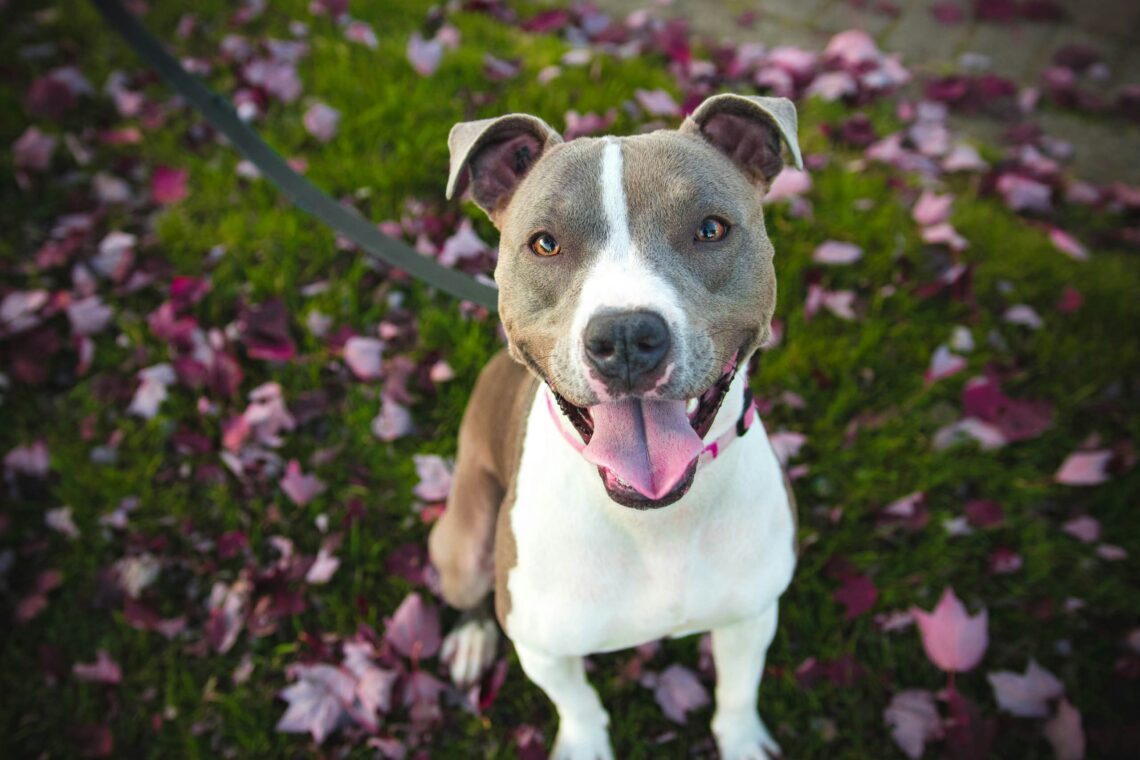
Picture this: you meet a blocky-headed goofball with a grin from ear to ear and a tail that could power a wind farm. That’s a pitbull. They’re sweet, sturdy, and wildly misunderstood.
If you love dogs (or just like being right on the internet), you’ll want these pitbull facts locked and loaded. Let’s bust myths, share real talk, and show why these pups deserve better press.
“Pitbull” Isn’t a Breed (Surprised?)
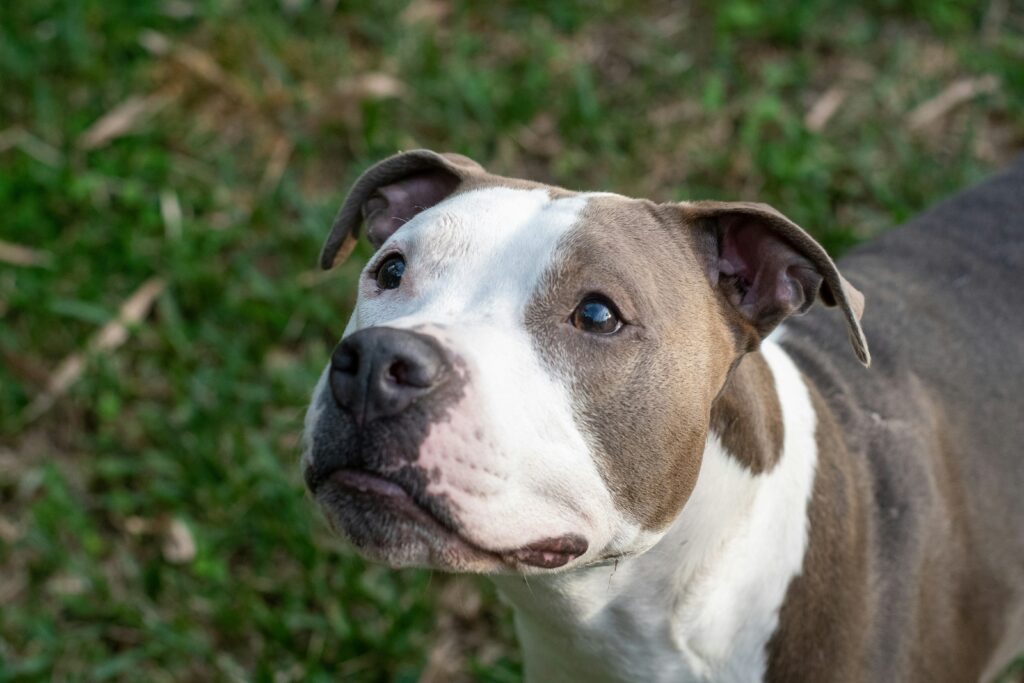
Most people use “pitbull” as a catch-all term for several breeds. It typically includes the American Pit Bull Terrier, American Staffordshire Terrier, Staffordshire Bull Terrier, and mixes that look similar.
Shelters also label many dogs “pitbull-type” based on appearance, not DNA.
Why that matters
– Breed labels based on looks are often wrong. A stocky mixed-breed might get called “pitbull” even if no bully breeds show up in a DNA test. – Policies that target “pitbulls” usually end up punishing totally different dogs who just have big heads. Not cool. Bottom line: When someone says “pitbull,” ask what they actually mean.
They’re People-Oriented Lovebugs
Pitbulls often bond hard with their humans.
They crave attention, thrive on praise, and will absolutely try to be 60-pound lapdogs. Many owners call them “velcro dogs” because they follow you everywhere. Bathroom privacy?
Forget it.
Family vibes
– With proper training and socialization, they make wonderful family pets. – They read human emotions well and aim to please. – They want structure, not chaos. Consistent rules = happy pittie. FYI: A tired pitbull equals a good pitbull. Mental and physical exercise matter.
History Check: From Nanny Dogs to News Villains
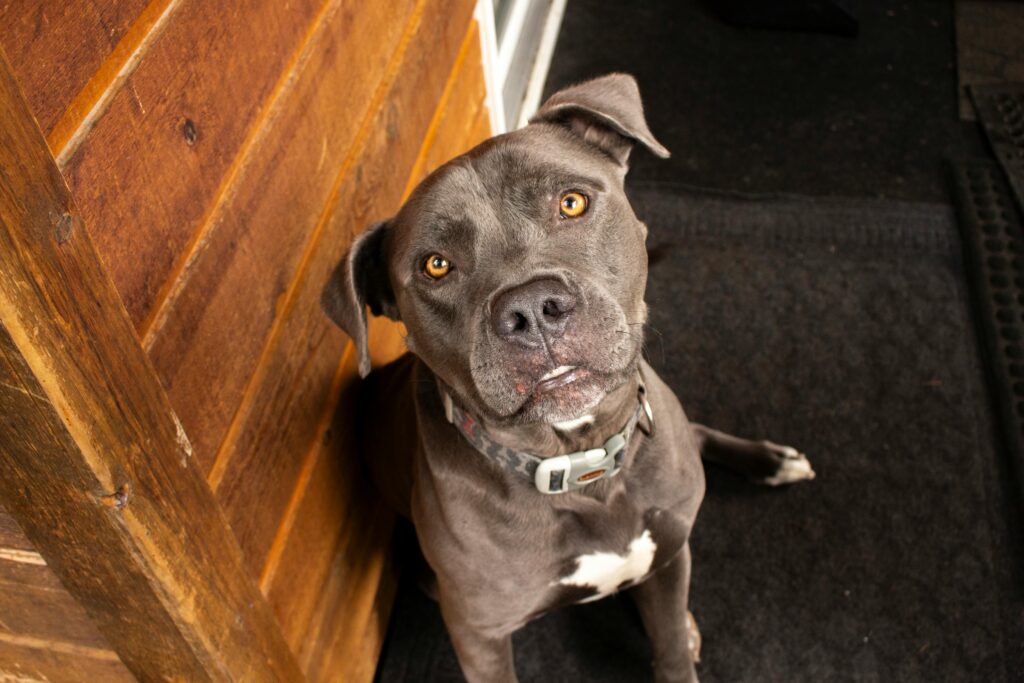
Pitbull-type dogs once earned a rep as steady, family-friendly “nanny dogs” in early 20th-century America.
They showed up in posters, films, and family photos. Then headlines shifted, and sensational stories stuck.
What changed?
– Irresponsible ownership and illegal activities (you know which ones) warped public perception. – Media coverage focused on scary imagery, not statistics or context. – Breed-targeted laws popped up, despite weak evidence they improve public safety. IMO: Judge the dog in front of you, not the headline from 2012.
They’re Strong, Athletic, and Surprisingly Clownish
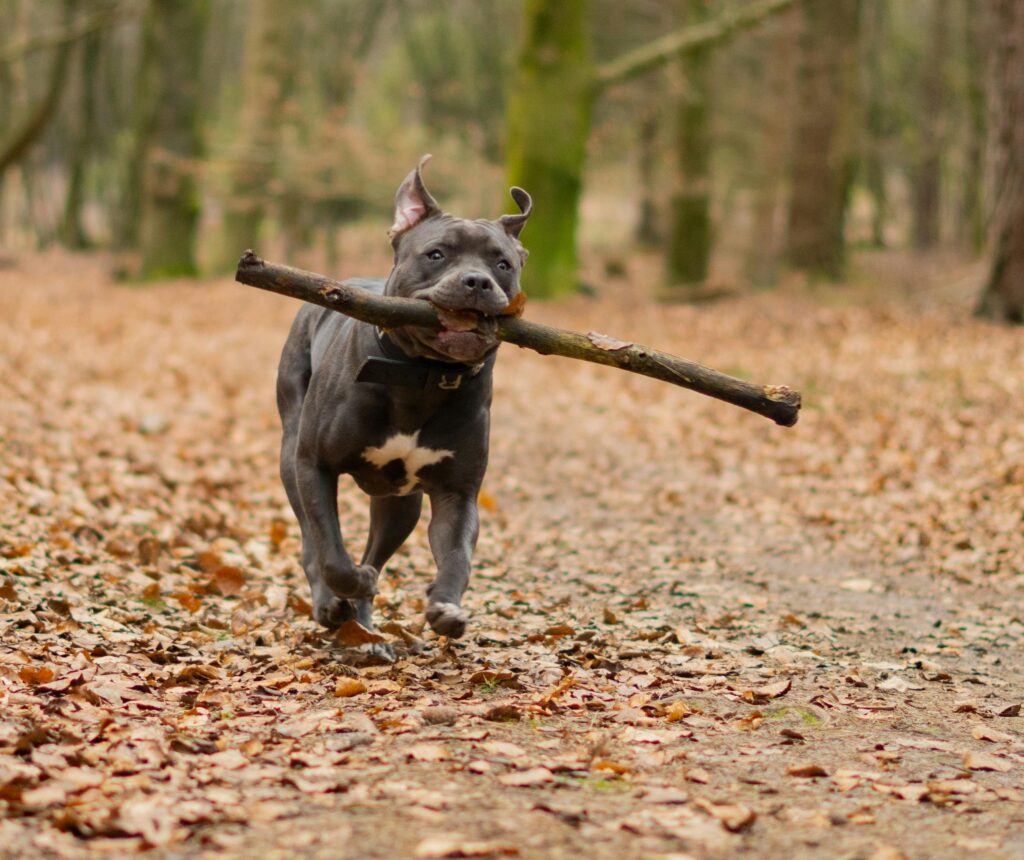
Pitbulls pack power, but they also pack goofiness. They zoom.
They wiggle. They do that frog-leg sploot like champs. They shine in sports like weight pull, agility, dock diving, and obedience because they love to work and love to please.
Exercise sweet spot
– Aim for 60–90 minutes of daily activity (split it up). – Mix structured walks with play: fetch, flirt pole, tug with rules. – Add brain games: puzzle feeders, sniffaris, trick training, impulse-control games. Pro tip: Teach “drop it” and “leave it” early.
Your socks will thank you.
Temperament: Not What the Stereotypes Say
No dog gets born “mean.” Genetics, socialization, and training shape behavior. Many pitbull-type dogs score equal or better than other breeds on temperament tests measuring fear, aggression, and stability. They want to be team players.
What responsible owners focus on
– Early, positive socialization with people and friendly dogs. – Reward-based training.
Ditch harsh corrections. They shut down or get anxious. – Management tools: leashes, fences, and routines to set them up for success. Reality check: Any large, powerful dog needs guidance. That’s not scary—just responsible.
Dog Relationships: It’s Complicated
Here’s a nuanced one.
Many pitbull-type dogs love people but feel selective or tense around some dogs. That doesn’t make them “bad”; it just means you manage playmates smartly.
Smart handling tips
– Do 1-on-1 playdates with well-matched, neutral dogs. Skip chaotic dog parks. – Watch for arousal spikes.
Take breaks before things get spicy. – Teach solid recalls, name recognition, and “let’s go” to exit gracefully. Remember: Preference isn’t aggression. Respect your dog’s comfort zone.
Health: Tough, But Not Invincible
Pitbull-type dogs generally enjoy sturdy health, but a few issues pop up more often. Knowing them helps you stay proactive.
Common concerns
– Skin allergies: food or environmental triggers can cause itchiness and hot spots. – Joint issues: hip dysplasia and ACL tears happen, especially in athletic dogs. – Demodex mange: often puppy-limited, but keep an eye on hair loss patches.
Simple prevention
– Keep them lean.
Extra pounds stress joints. – Feed a balanced diet; track reactions to proteins. – Trim nails, clean ears, brush teeth. Spa day = health day. FYI: Pet insurance for active breeds can save you big bucks long-term.
Training: They Eat Praise for Breakfast
These dogs live for positive reinforcement. They learn fast, and they remember.
You’ll see that eager face go, “What’s next, boss?”
Training staples
– Marker training (a clicker or a “yes!”) makes communication crystal clear. – Short, fun sessions beat marathon drills. – Teach impulse control: sit for greetings, wait at doors, calm on leash. IMO: The best “tough dog” flex is a softly whispered “good job” and a perfect heel.
Myth-Busting: Facts You Can Use
Let’s knock out a few common myths so you can be that person at the BBQ who knows things.
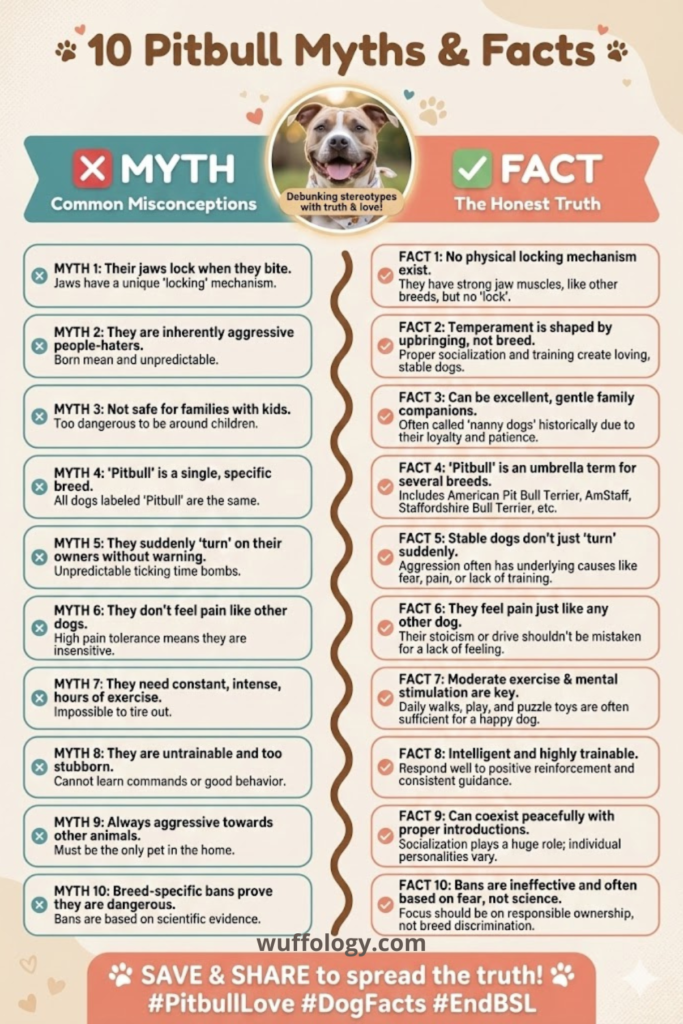
- Myth: Pitbull jaws lock. Fact: Nope. No special jaw mechanism. They do hold on when focused, but it’s behavior, not biology.
- Myth: They’re inherently aggressive. Fact: Behavior varies by individual.Responsible breeding, training, and socialization make all the difference.
- Myth: Breed bans keep communities safer. Fact: Well-enforced, breed-neutral laws work better: leash rules, spay/neuter access, and owner accountability.
- Myth: Shelter “pitbulls” are risky unknowns. Fact: Good shelters do behavior evaluations, foster notes, and match-making. Ask for the data.
Adoption and Everyday Life: What Success Looks Like
A good pitbull life isn’t complicated—it’s intentional. Routine, enrichment, and community matter.
Daily blueprint
– Morning walk + training reps (5–10 minutes). – Midday puzzle feeder or sniff game. – Evening play, then couch snuggles.
Yes, they snore. Loudly.
Gear that helps
– Well-fitted Y-front harness for comfortable walks. – Tough toys for chewers: rubber toys, not brittle plastic. – A cozy crate or bed where they can chill without FOMO. Adoption tip: Work with rescues that provide trials, training support, and honest assessments. Transparency beats hype.
FAQ
Are pitbulls good with kids?
Many do great with respectful kids when adults supervise and teach boundaries on both sides.
Set rules: no ear grabbing, no hugging, and give the dog a safe retreat. Always supervise—this applies to every breed, not just pitties.
Do they need a big yard?
Not necessarily. They need exercise and engagement, which you can get with structured walks and indoor games.
A yard helps, but your routine matters more than square footage.
Can first-time owners handle a pitbull?
Yes, if you commit to training, socialization, and daily structure. Pair with a positive-reinforcement trainer, and you’ll set a great foundation. If you want a chill starter dog, seek an adult with a known temperament, IMO.
How much do they shed?
Short coat doesn’t mean no shed.
They shed a little year-round, with seasonal bumps. Weekly brushing and good nutrition keep the fluff (okay, stubble) under control.
Are pitbulls safe around other pets?
Many live peacefully with dogs or cats, especially with careful introductions. Manage resources, monitor arousal, and separate during meals or high-value chew times.
Know your dog’s signals and respect them.
What insurance or housing issues should I expect?
Some insurers and landlords restrict “pitbull-type” dogs. Call ahead, ask for breed-neutral policies, and get renter’s insurance that covers all dogs. Advocacy groups can help you navigate this mess.
Conclusion
Pitbulls aren’t monsters or angels; they’re dogs—smart, sturdy, and wildly affectionate.
Give them structure, training, and a spot on the couch, and they’ll give you everything they’ve got. If you judge them by the dog in front of you, not the rumor mill, you might find your new favorite copilot. And if that tail breaks a lamp or two?
Consider it part of the charm.