Big dogs with low-shed coats exist—and they’re not unicorns. You can absolutely have a couch-sized canine without living inside a tumbleweed factory. The trick? Picking breeds that trap hair in their curls or grow hair like humans do. If your allergies play the villain, don’t worry—you’ve still got choices.
Wait, What Does “Hypoallergenic” Actually Mean?

“Hypoallergenic” doesn’t mean zero allergies. It means fewer allergens for many people. Dogs shed dander, saliva proteins, and hair—some breeds just release less of that chaos into your air. Key point: You react to proteins, not just fur. So, a low-shedding dog can still trigger allergies if you’re sensitive, but your odds look better.
How to Reduce Allergens at Home
- Brush regularly: Capture loose hair before it hits your furniture.
- Bathe monthly: Keeps dander and dust in check.
- Use HEPA filters: Let your air purifier do the heavy lifting.
- Wash bedding often: Dog beds are allergen magnets. Gross, but true.
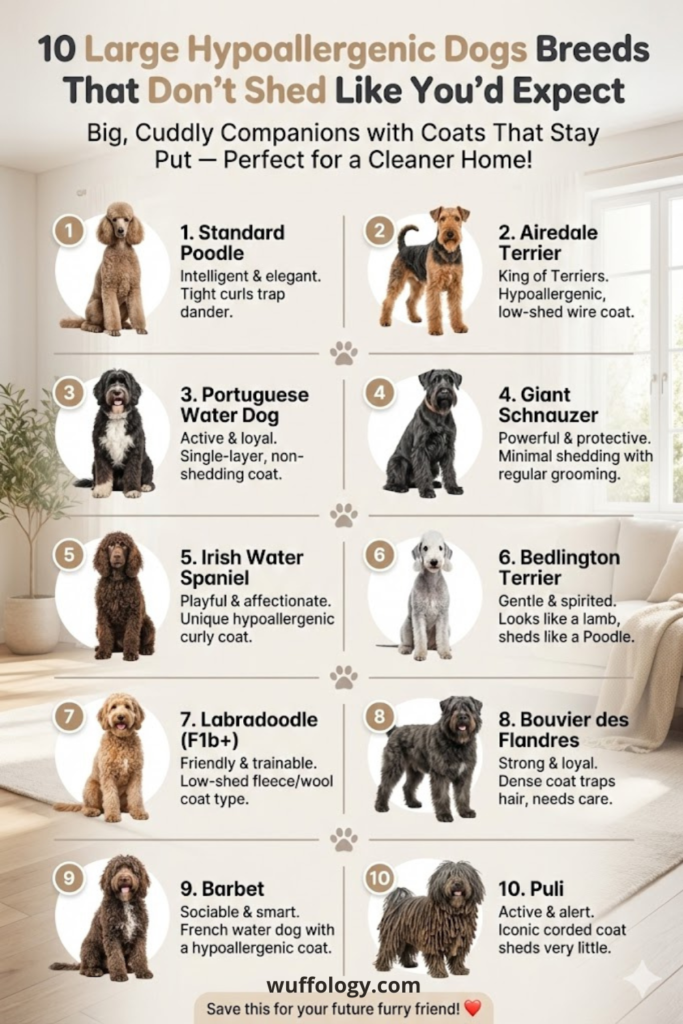
10 Large Hypoallergenic Dog Breeds That Don’t Shed Like You’d Expect

Let’s get to the giants with surprisingly tidy coats. FYI, “large” here means roughly 50+ pounds once grown.
1) Standard Poodle
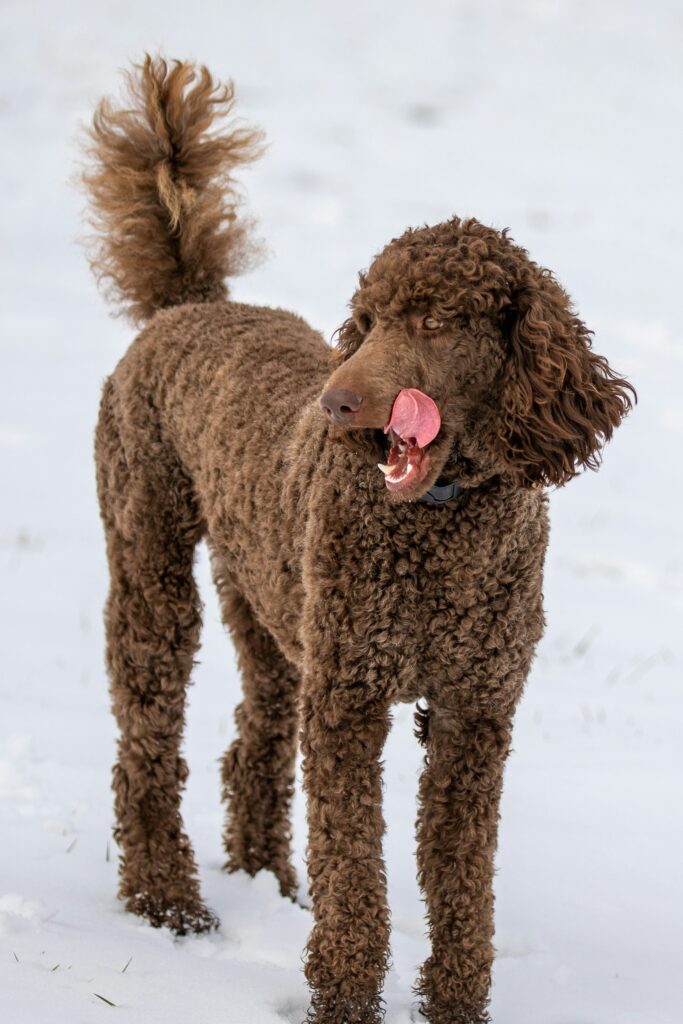
The poster child for low-shed. Standard Poodles have dense, curly coats that trap loose hair. You’ll groom more, but your vacuum retires early. Smart, athletic, and goofy—like a professor who moonlights as a stand-up comic. Best for: Active homes, people who don’t mind scheduled grooming. Heads-up: Professional trims every 6–8 weeks keep that coat manageable.
2) Giant Schnauzer
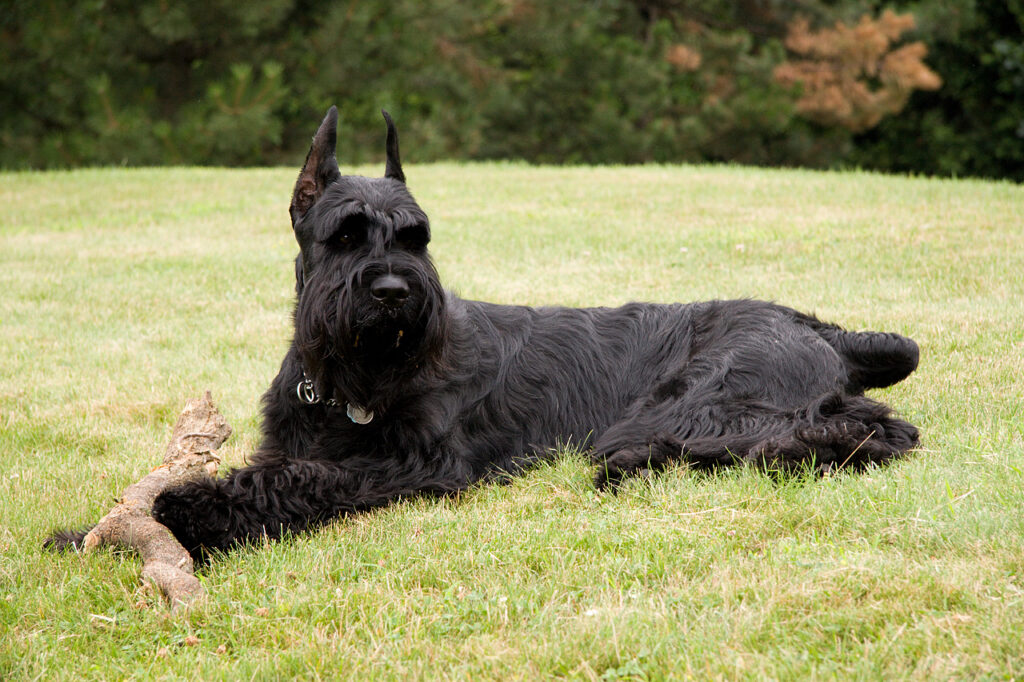
Serious eyebrows, serious work ethic. Giant Schnauzers have a wiry double coat that sheds minimally when you hand-strip or clip regularly. They’re loyal and protective, but they need mental workouts or they’ll invent their own “projects.” Best for: Experienced owners, lots of exercise. Heads-up: Strong-willed. Training isn’t optional.
3) Airedale Terrier
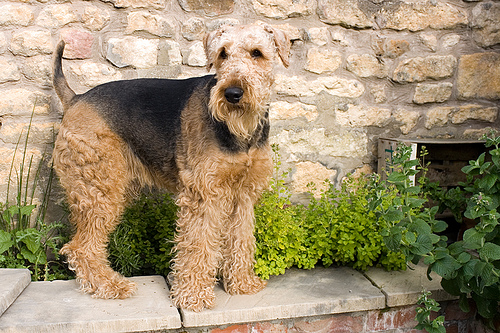
The “King of Terriers” brings big-dog energy with a low-shed, wiry coat. They’re bold, clownish, and independent—a combo that makes you laugh while you hide the shoe they “redecorated.” Best for: Families who want adventure and training time. Heads-up: Hand-stripping helps maintain texture and reduce shedding.
4) Irish Water Spaniel
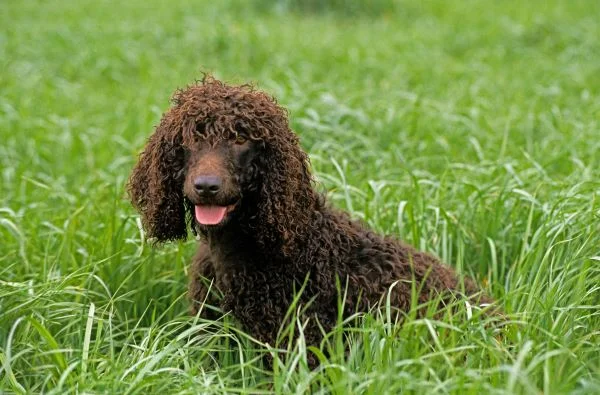
Curly, liver-colored ringlets and a rat tail—yep, that’s the look. These water dogs shed minimally and love action. They’re gentle and goofy with people, with a side of mischief. Best for: Outdoorsy types and swimmers. Heads-up: Regular brushing prevents mats, especially around the ears.
5) Bouvier des Flandres
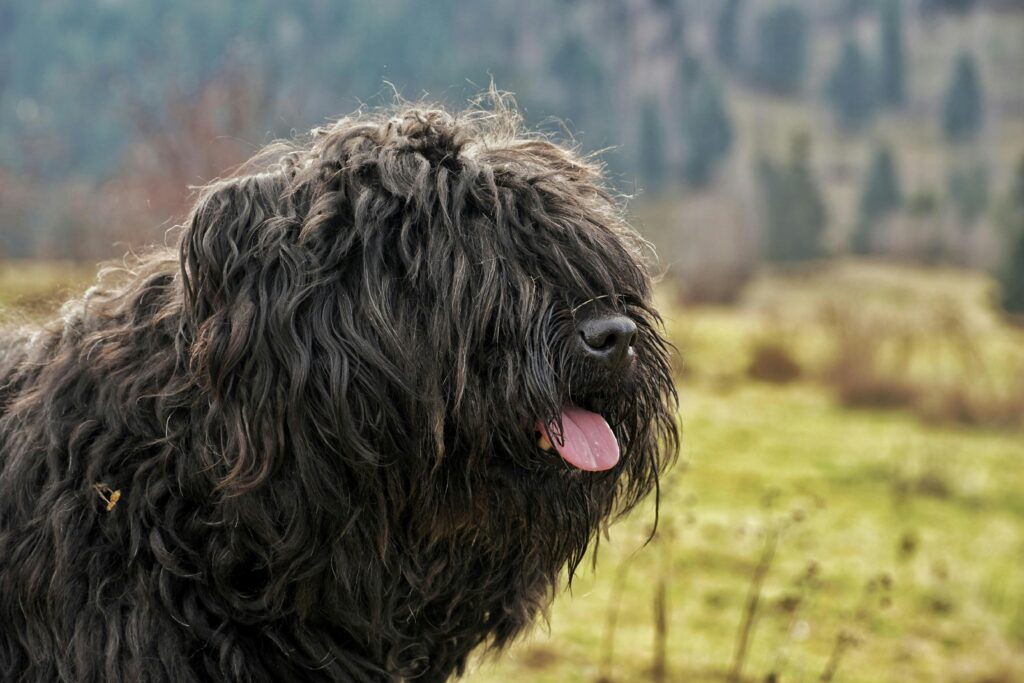
A big, bearded teddy bear who herds feelings and occasionally livestock. The Bouvier’s coat is harsh and dense, which helps trap loose hair. They’re calm inside, all business outside. Best for: Space, structure, and steady training. Heads-up: Expect frequent brushing—beards collect everything.
6) Portuguese Water Dog
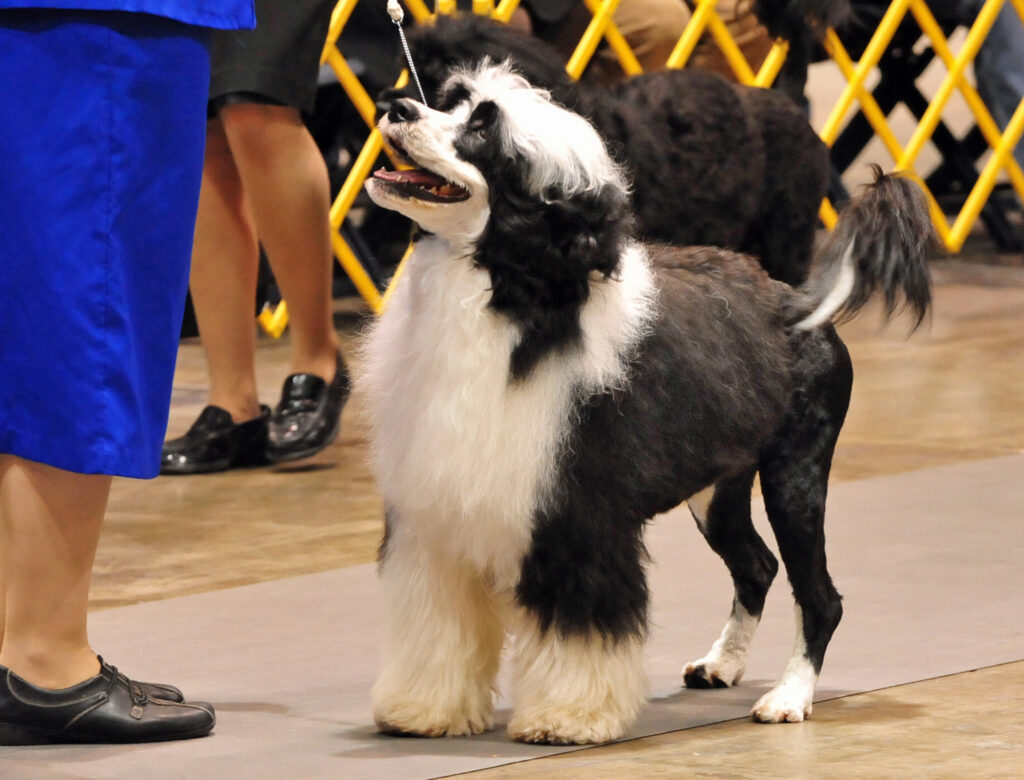
You know these guys. Curly or wavy coats, big hearts, minimal shedding. They love to swim, train easily, and act like your shadow. Basically your personal lifeguard and comedian. Best for: Active families and beach people. Heads-up: Coat grows continuously—regular trims keep it practical.
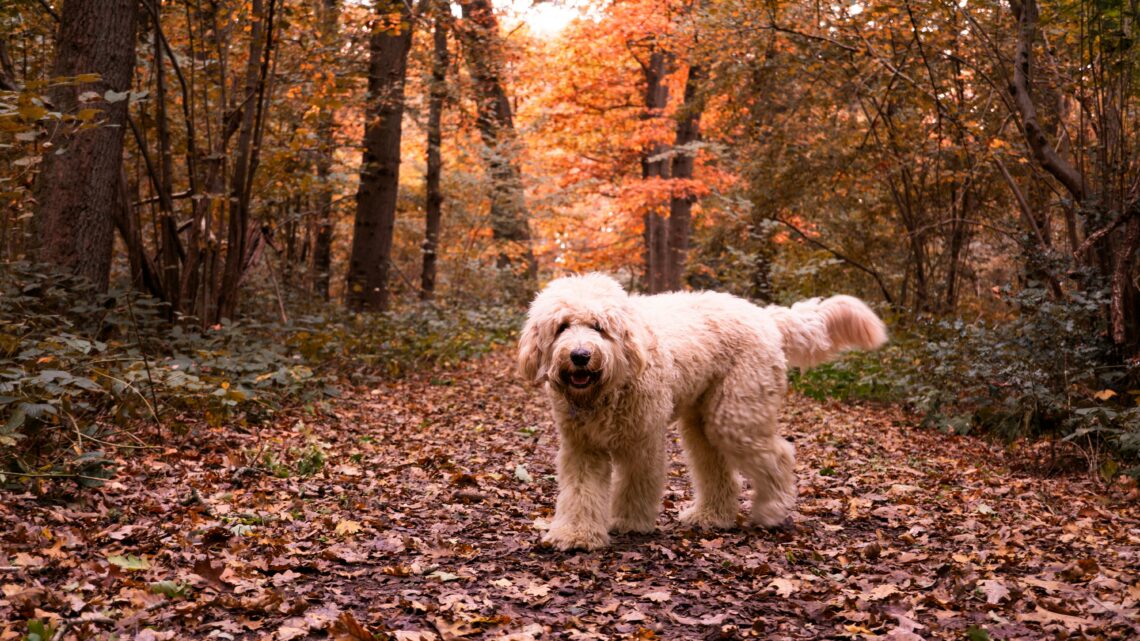
7) Labradoodle (Standard)
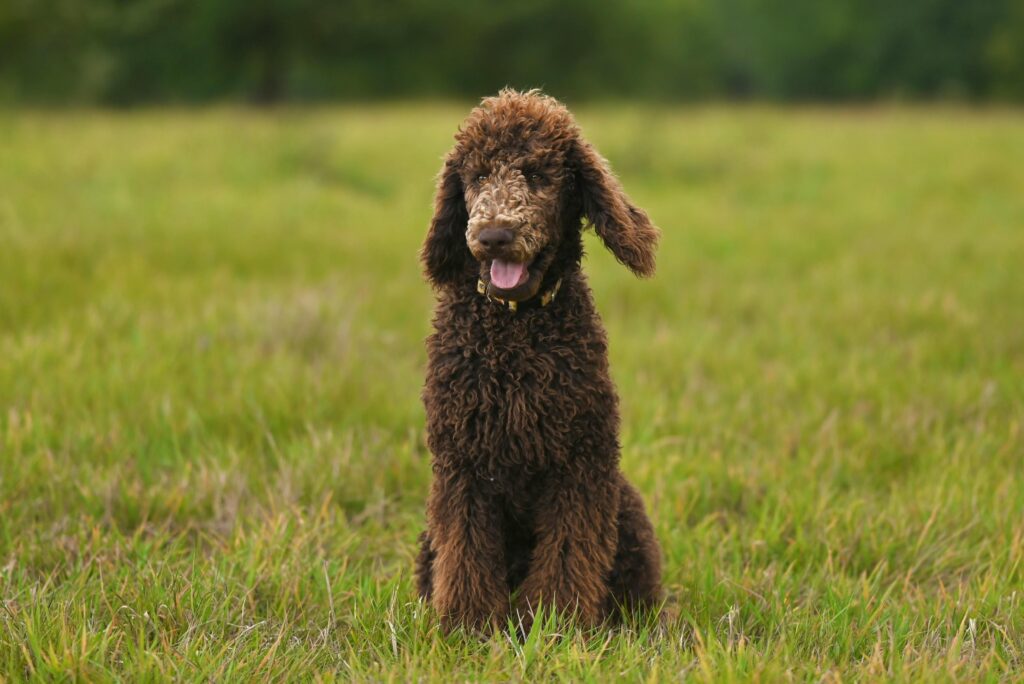
Controversial, sure—but many Standard Labradoodles with curly coats shed much less than Labs. The catch? Coat type varies. A wool or fleece coat tends to be the lowest shed, while straighter “hair” coats can shed more. Best for: Families who want a social, trainable companion. Heads-up: Work with ethical breeders who health-test and predict coat types. IMO, rescue is also a solid route if you can meet the dog first.
8) Goldendoodle (Standard)
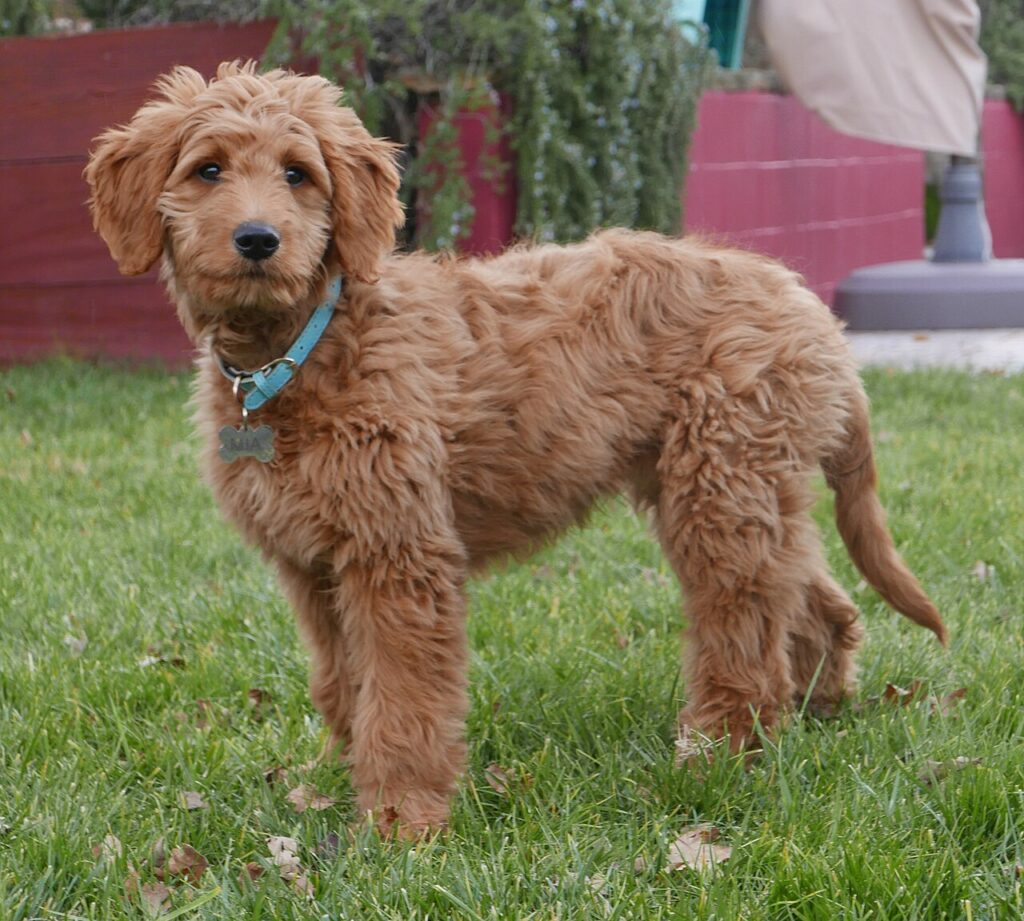
Similar story to Labradoodles. Many shed lightly or not much at all, especially multi-gen doodles bred for curl and density. They’re people-pleasers who thrive on attention and exercise. Best for: Active homes, first-time owners with time to train. Heads-up: Grooming bills are real—budget for them.
9) Bergamasco Sheepdog
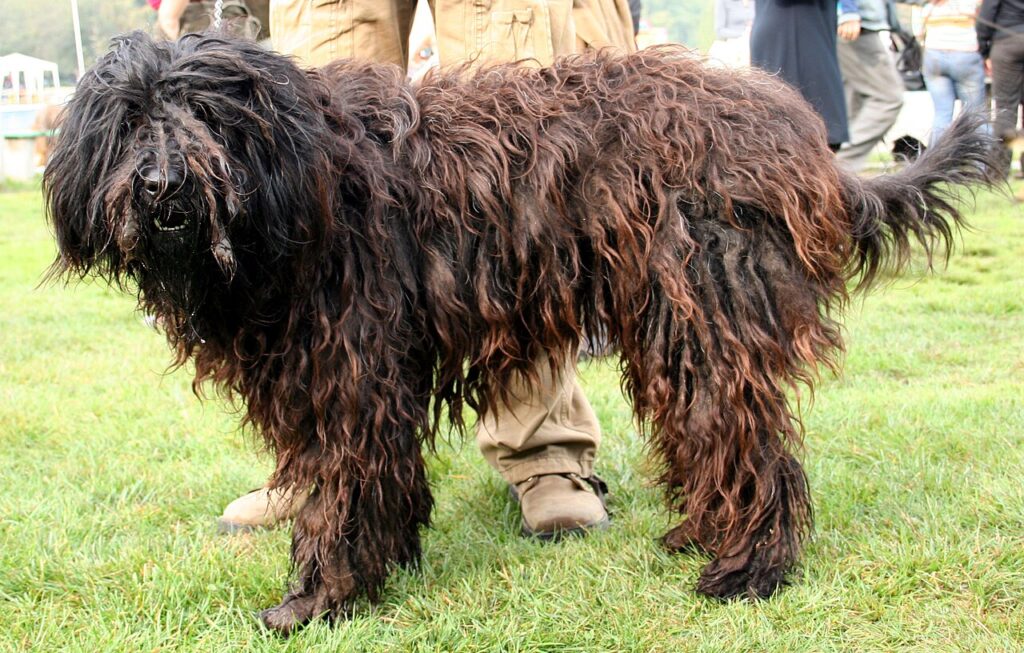
The mop with a heart of gold. Their unique “flocks” form naturally, and the coat’s texture traps hair rather than releasing it. Low odor, low shed, and surprisingly chill. Best for: Patient owners who appreciate quirky coats. Heads-up: Coat care is niche—learn how to separate and maintain flocks.
10) Afghan Hound
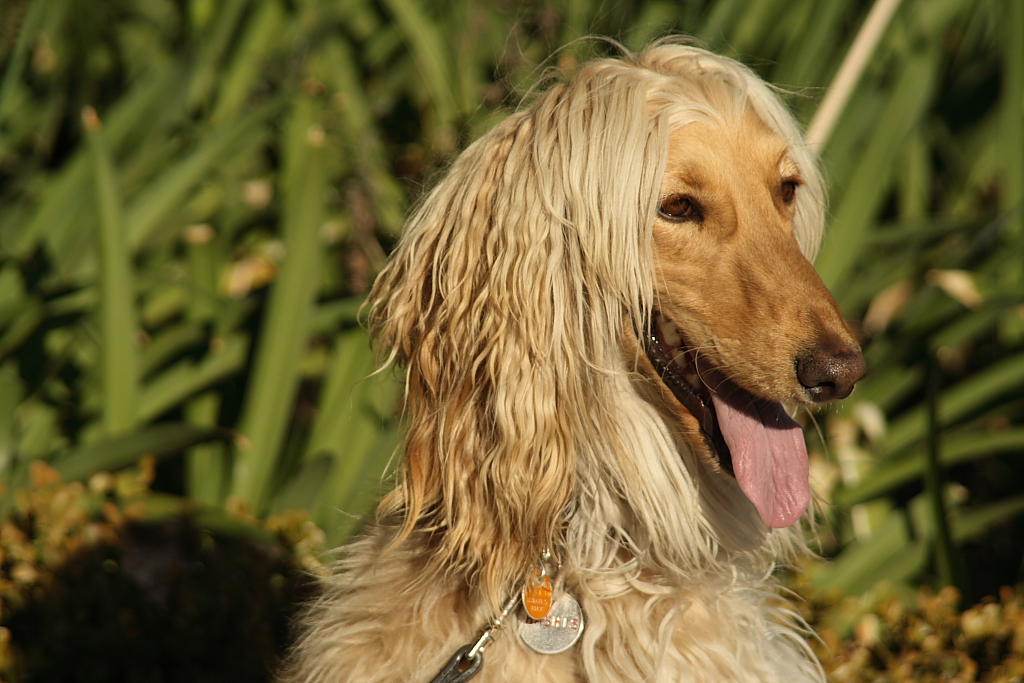
Glamorous and dramatic, like a runway model who naps a lot. Afghans have hair, not fur, and they shed less than you’d think—until tangles happen. Keep them brushed and they stay low-shed and stunning. Best for: Gentle, consistent handling and daily grooming. Heads-up: Independent minds; recall training needs work.
How Low-Shed Coats Actually Work

Many low-shedding breeds have coats that either grow continuously or feature tight curls/wire that catch loose hair. That means less hair on your floors, more in your brush.
Coat Types You’ll See
- Curly/wool coats: Poodles, Porties, some doodles. Great for trapping hair.
- Wiry coats: Schnauzers, Airedales, Bouviers. Hand-stripping helps.
- Corded/flocked coats: Bergamasco. Hair mats intentionally into sheets.
- Silky hair coats: Afghans. Low shed but high maintenance.
Grooming Reality Check (AKA: Budget for Brushes)

You’ll trade loose hair for grooming time. That’s the deal. The right routine keeps mats away and allergens low.
Your Basic Toolkit
- Slicker brush: For curly and wool coats.
- Comb: Gets to the roots—mats hide there.
- Undercoat rake/stripping knife: For wiry coats.
- Detangler spray: Your shoulder will thank you.
Pro Groomer vs. DIY?
– Pro: Predictable results, less time, fewer tears. – DIY: Saves money, builds skills, slightly chaotic at first. IMO, start with a groomer, learn from them, and add DIY maintenance between appointments.
Lifestyle Fit Matters More Than Coat Type
You’ll love a low-shed dog more when your energy matches theirs. A Giant Schnauzer who runs marathons in the living room won’t suddenly calm down because you own a lint roller. Quick matching tips:
- High energy: Porties, Standard Poodles, Giants, doodles.
- Moderate: Airedales, Bouviers, Irish Water Spaniels.
- Chill(ish): Bergamasco, Afghan—still need exercise, just less frantic.
FAQ
Do hypoallergenic dogs guarantee no allergies?
Nope. They can reduce reactions, not eliminate them. Allergies vary by person and by dog. Always meet the dog first and spend time together before committing.
Which large hypoallergenic breed is the easiest to groom?
Standard Poodles and Porties are predictable once you learn a routine, but they still need regular trims. Airedales and Giants need hand-stripping or clipping, which takes skill. If you want “lower fuss,” consider a shorter pet clip on curly coats.
Are doodles truly hypoallergenic?
Sometimes. Multi-generational doodles with curly or wool coats usually shed less, but first-gen mixes vary a lot. Ask about coat type, meet the parents if possible, and expect ongoing grooming either way.
What’s the best breed for families with kids?
Standard Poodles, Porties, and many doodles fit well with active families. Bouviers can be fabulous too when trained early. As always, supervision, training, and respectful handling matter more than breed.
How often should I bathe a low-shedding dog?
Every 4–8 weeks works for most, with brushing several times a week. If your dog swims or rolls in “mysteries,” adjust accordingly. Use a gentle, dog-safe shampoo to avoid skin irritation.
Can I reduce allergies without switching breeds?
Yes. Improve grooming, run HEPA filters, keep dogs off your bed (I know, sorry), and wash hands after petting. These tweaks often make a big difference.
Bottom Line
You can absolutely enjoy a big, fluffy companion without drowning in fur. Pick a breed with the right coat and the right energy for your lifestyle, commit to grooming, and set up your home to cut allergens. Do that, and your vacuum might actually get a day off. Occasionally. FYI, that’s a win in my book.