
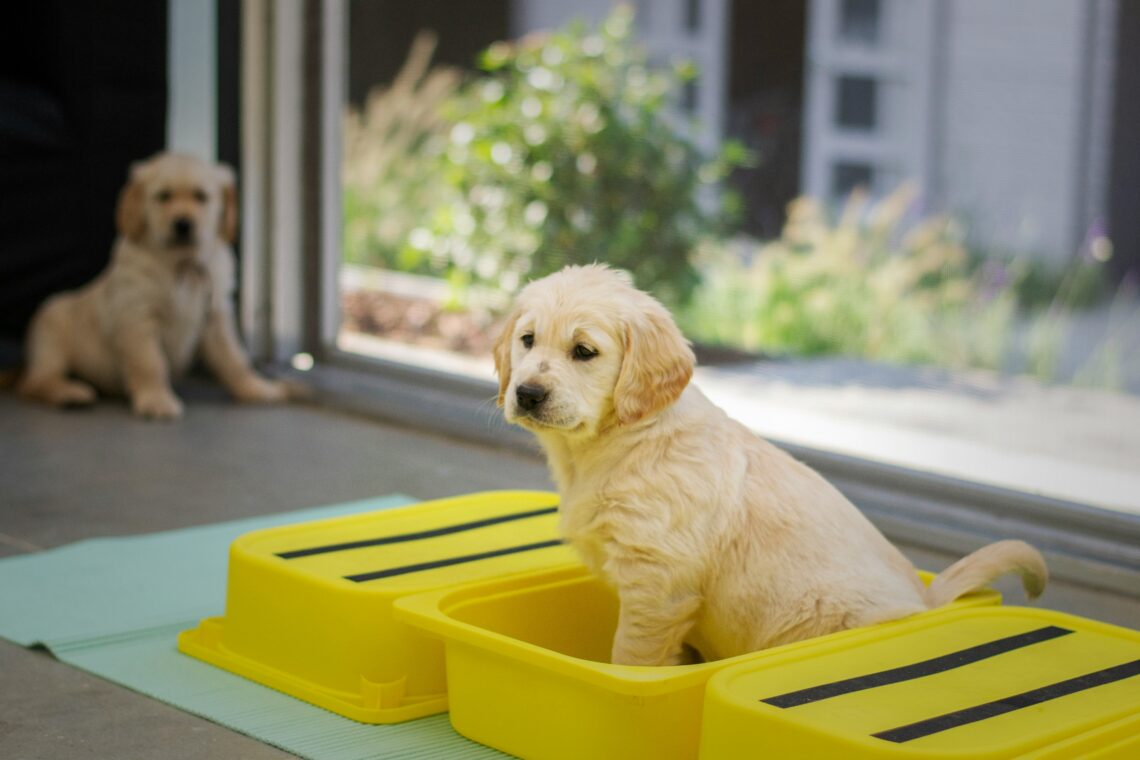
Puppy potty training doesn’t need to feel like a full-time job with terrible benefits. You can get your little land shark to pee in the right place without losing your sanity—or your favorite rug. The trick? Clear routines, fast feedback, and a sense of humor when accidents happen. Let’s get this done, even if your pup has the attention span of a goldfish on espresso.
Start Strong with a Schedule
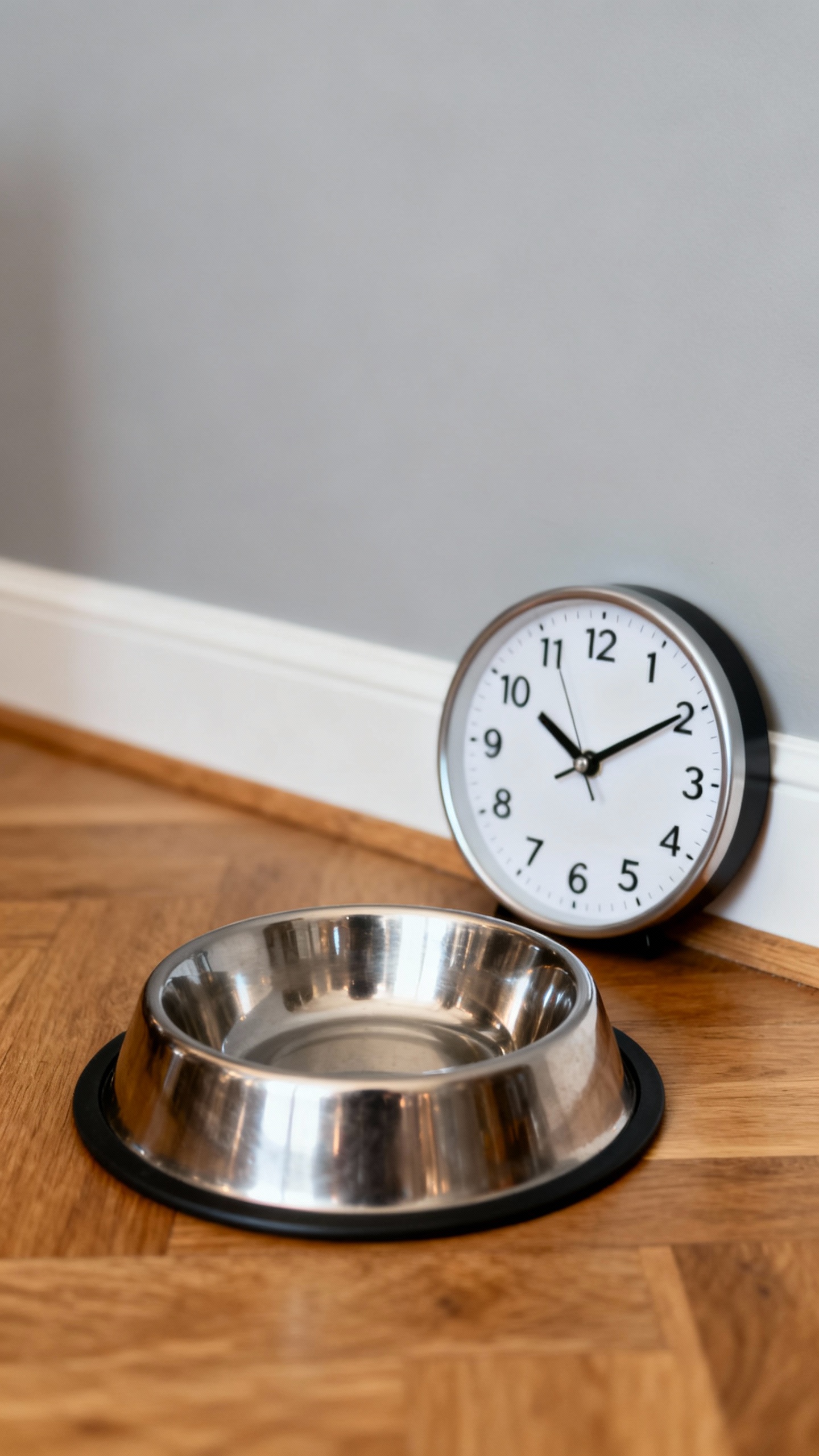
Consistency wins. Take your pup out at the same times every day so their body learns the pattern. Think of it like setting a tiny, furry alarm clock.
- Go out first thing in the morning, after meals, after naps, after play, and right before bed.
- Set a timer for every 1–2 hours for young puppies. Yes, it’s a lot. No, it’s not forever.
- Feed at the same times daily to create predictable potty windows.
How long can my pup hold it?
- Rule of thumb: age in months + 1 hours (max around 4–6 hours during the day).
- Night stretches can be longer, but don’t push it too early.
Pick a Potty Spot and Stick to It
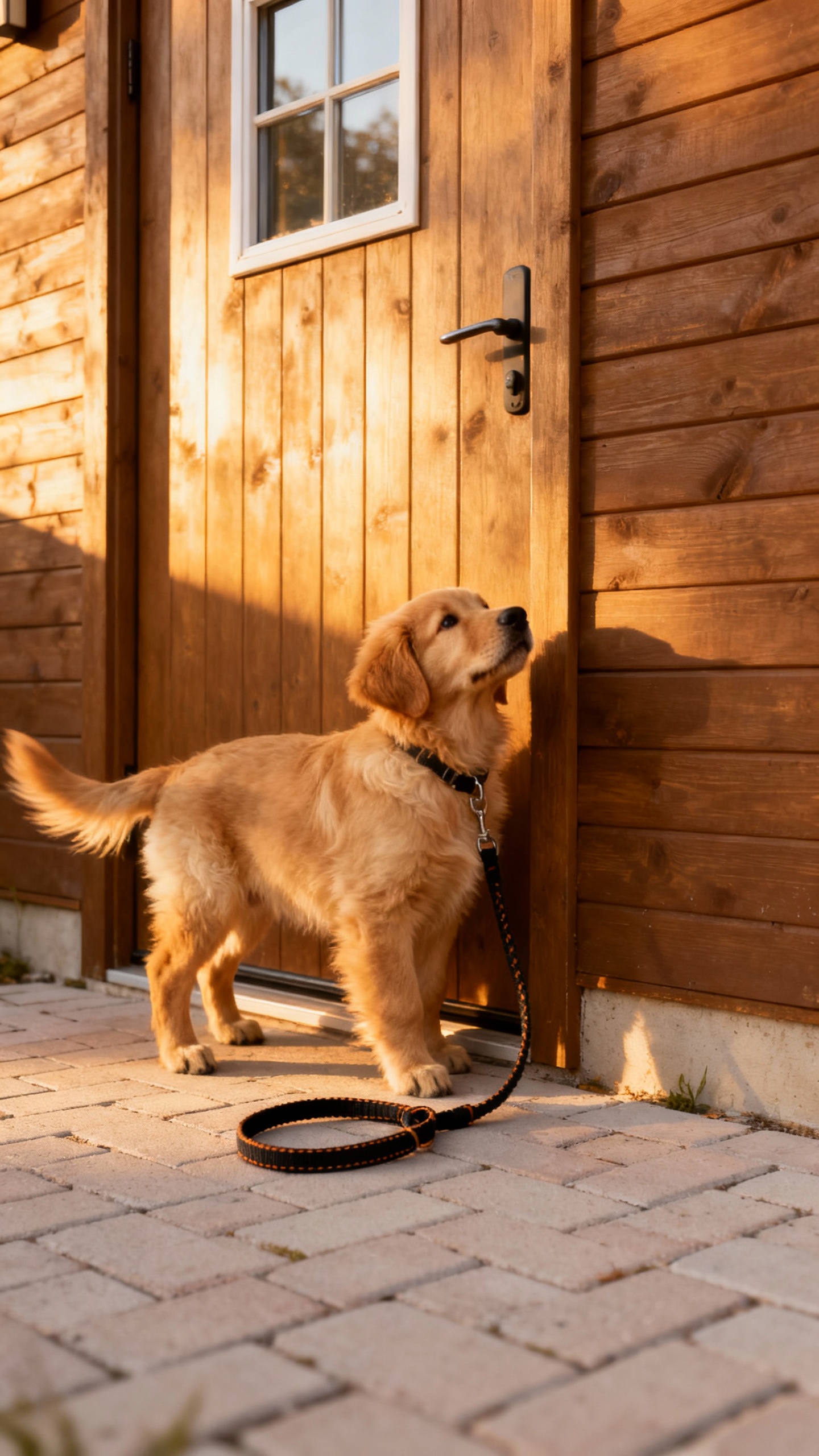
You want your pup to think, “Ah yes, this is the pee zone.” Choose one outdoor spot and take them there every time.
- Walk them on leash to the spot. Don’t let them roam the whole yard like it’s Disneyland.
- Use a consistent cue like “Go potty.” Say it once, then wait quietly.
- Reward within 2 seconds of the deed. Treats and praise at the spot, not back inside.
Use high-value rewards
Dry biscuits won’t cut it for some pups. Bring the good stuff—tiny bits of chicken, cheese, or soft training treats. Your pup should think, “I peed here, I win life.”
Crate Training = Your Best Friend
Crates don’t punish. They prevent accidents and teach bladder control. Most dogs don’t like to soil where they sleep, which helps you win.
- Choose a crate just big enough for your puppy to stand up, turn around, and lie down. Too big, and they’ll create a bathroom in the corner.
- Make it cozy with a bed and chew toy. Keep it positive—treats and praise when they go in.
- Take them straight outside when they come out of the crate. No detours.
What if the pup cries?
Take them out for a quick, no-fun potty break. No play. If they don’t go in a few minutes, back in the crate. Try again in 20 minutes. You can be kind and still set boundaries.
Supervise Like a Hawk
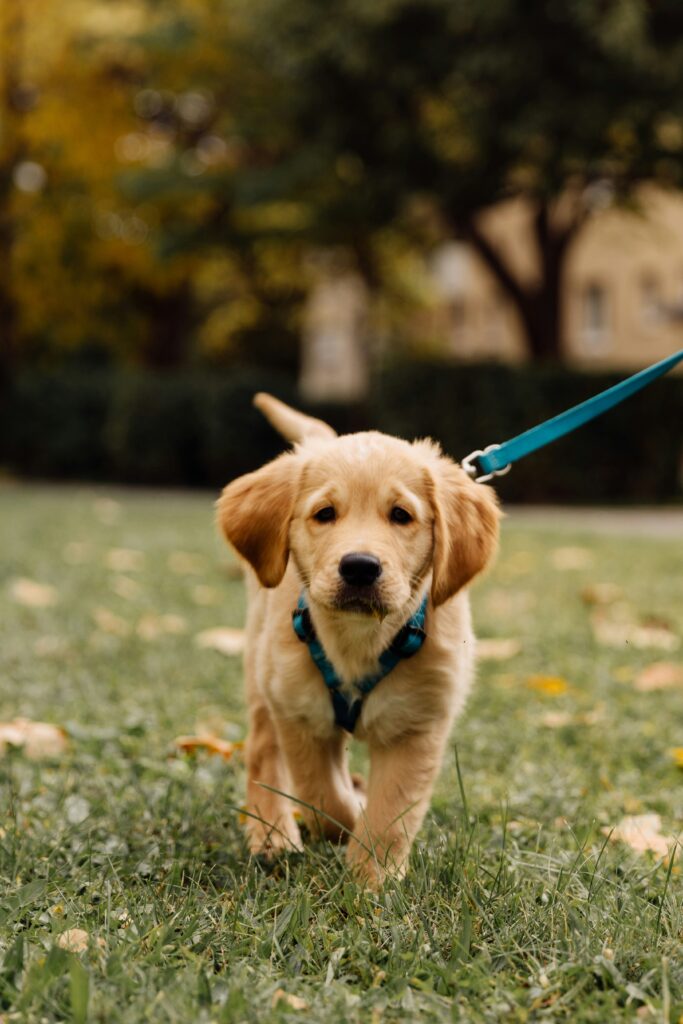
Freedom comes later. For now, your puppy earns house rights by staying clean and making good choices.
- Use a leash indoors to keep them near you. Cute shadow, fewer accidents.
- Block rooms with baby gates. Bathrooms and carpets become danger zones otherwise.
- Watch for signs: circling, sniffing, whining, suddenly wandering off. If you notice any, head outside immediately.
Set up a “yes space”
Create a puppy-proofed area with a bed, water, chew toys, and maybe a pee pad (if needed). Use it when you can’t watch them. IMO, this saves more rugs than anything else.
Accidents Happen: Clean Smart, Move On
You’ll miss a cue or forget a timer. It’s fine. Just don’t let old smells invite repeat performances.
- Use an enzymatic cleaner to break down urine odors. Regular cleaners won’t fool a puppy nose.
- No scolding. Punishment just teaches pups to hide when they pee. Not helpful.
- Quietly interrupt if you catch them mid-pee: a gentle “uh-uh,” then straight outside to finish. Reward if they do.
Make Success Easy (and Failure Hard)
Set the stage so the right choices feel obvious.
- Take them out after anything exciting: play, visitors, zoomies, new toys.
- Keep them off thick rugs early on. For puppies, carpet feels like grass. Confusing, right?
- Limit water an hour before bedtime, but never withhold it during the day. Hydration matters.
Track wins and oops moments
Keep a quick log for a week: times, accidents, successes. Patterns jump out fast. FYI, this makes stubborn cases way easier to fix.
Teach a “Hurry Up” Cue
This one’s underrated. A potty cue helps on cold mornings when you’d rather not tour the block for 45 minutes.
- Say “Hurry up” as your puppy starts to go. Keep your voice calm.
- Reward immediately. Over time, the cue becomes a signal to get down to business.
- Don’t repeat the cue a million times. Say it once, wait, praise after.
For the Stubborn (aka Smart) Puppies
Some pups aren’t stubborn—they’re strategic. They know pottying ends the fun walk, so they hold it. Outsmart them.
- Keep potty trips boring until they go. No play, no wandering. After they pee, party time: treats, play, a mini walk.
- If they don’t go in 3–5 minutes, go back inside for a few minutes of crate/quiet time, then try again.
- On rainy days, use a patio umbrella and reward heavily. Some pups hate wet grass more than taxes.
What about pee pads?
They’re fine if you live in a high-rise or can’t get outside quickly. Place them in a consistent spot, and still reward heavily for using them. Later, move the pad closer to the door, then outside. Gradual transitions work best, IMO.
Nighttime Strategy You Can Live With
Sleeping matters. So does not stepping in a puddle at 2 a.m.
- Last call: one final potty break right before bed. Keep it calm and quick.
- Set an alarm for young pups (8–12 weeks) once during the night. One-minute potty trip, back to bed.
- If you find a wet crate, adjust: earlier last-call, a middle-of-the-night outing, or smaller bedtime water window.
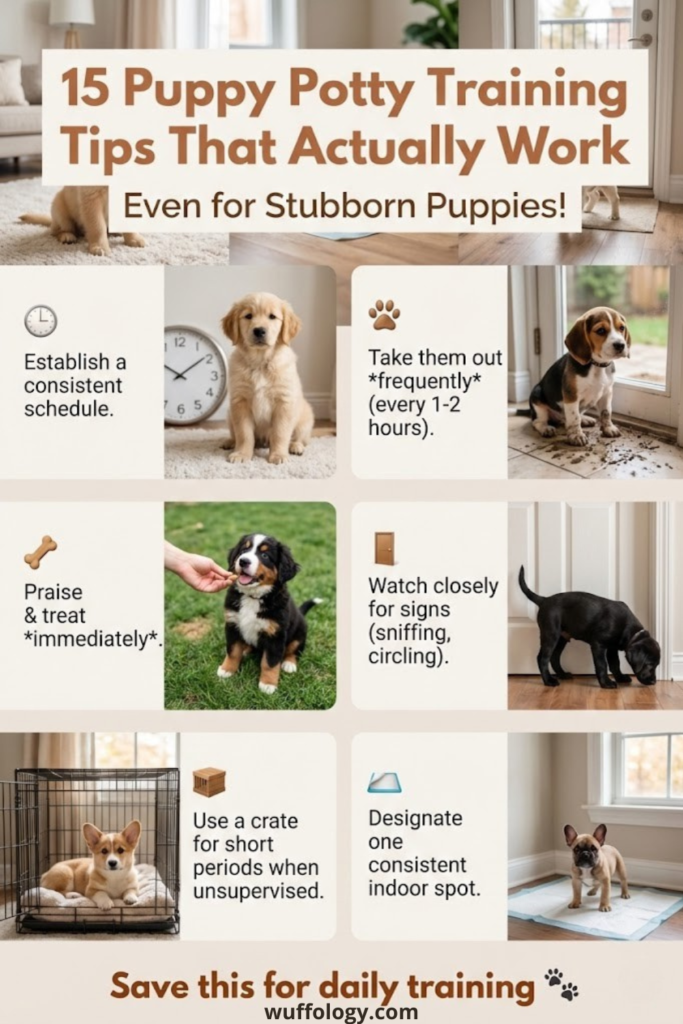
15 Puppy Potty Training Tips That Actually Work
- Use a consistent schedule (morning, after meals, after naps, after play, before bed).
- Pick one potty spot and stick with it.
- Add a potty cue like “Go potty” or “Hurry up.”
- Reward within 2 seconds of finishing.
- Crate train to prevent accidents and build bladder control.
- Leash indoors for supervision during free time.
- Interrupt gently if you catch them mid-accident and head outside.
- Clean with enzymatic cleaner—every time.
- Track patterns with a simple log.
- Make potty trips boring until they go; party after.
- Limit access to carpet and rugs early on.
- Control bedtime water within reason.
- Plan for nighttime breaks with a quiet, no-play routine.
- Use high-value treats for faster learning.
- Stay patient and consistent—no punishment, ever.
FAQ
How long does potty training take?
Most puppies take 2–4 weeks to learn the basics with consistent routines. Full reliability can take a few months, especially for toy breeds with tiny bladders. You’ll see steady progress if you supervise well and reward fast.
What if my puppy keeps peeing inside right after coming in?
Classic move. They probably held it outside because walks end after potty. Make outside boring until they go, and immediately reward with a short walk or playtime. If needed, do brief crate breaks between attempts.
Should I punish accidents?
Nope. Punishment creates sneaky peeing and anxiety. Interrupt gently if you catch them in the act, take them outside fast, and reward outdoor success. Clean up, move on, and tighten supervision.
Do belly bands or diapers help?
They can protect furniture, but they don’t teach where to go. Use them as a short-term management tool only. Keep training with schedules, supervision, and rewards.
My puppy drinks a ton—how do I handle water?
Provide fresh water during the day, but monitor slurping after intense play. Remove the water bowl about an hour before bed to reduce nighttime accidents. Never restrict water to stop accidents—that backfires.
When should I see a vet about potty issues?
If your puppy suddenly regresses, drinks or pees excessively, strains, or has blood in urine, call your vet. Medical issues happen, and you’ll save time by checking early.
Wrap-Up: You’ve Got This
Potty training looks chaotic at first, but it runs on simple rules: consistent timing, clear spots, massive praise for wins, and zero drama for mistakes. Stick with it for a few weeks and you’ll see the lightbulb moment. Your rugs will forgive you, your pup will relax, and you’ll both enjoy the freedom that comes with good habits. And hey—celebrate the first week with no accidents. That’s a big deal, FYI.



One comment on “15 Puppy Potty Training Tips That Actually Work (Even for Stubborn Puppies!)”
Comments are closed.