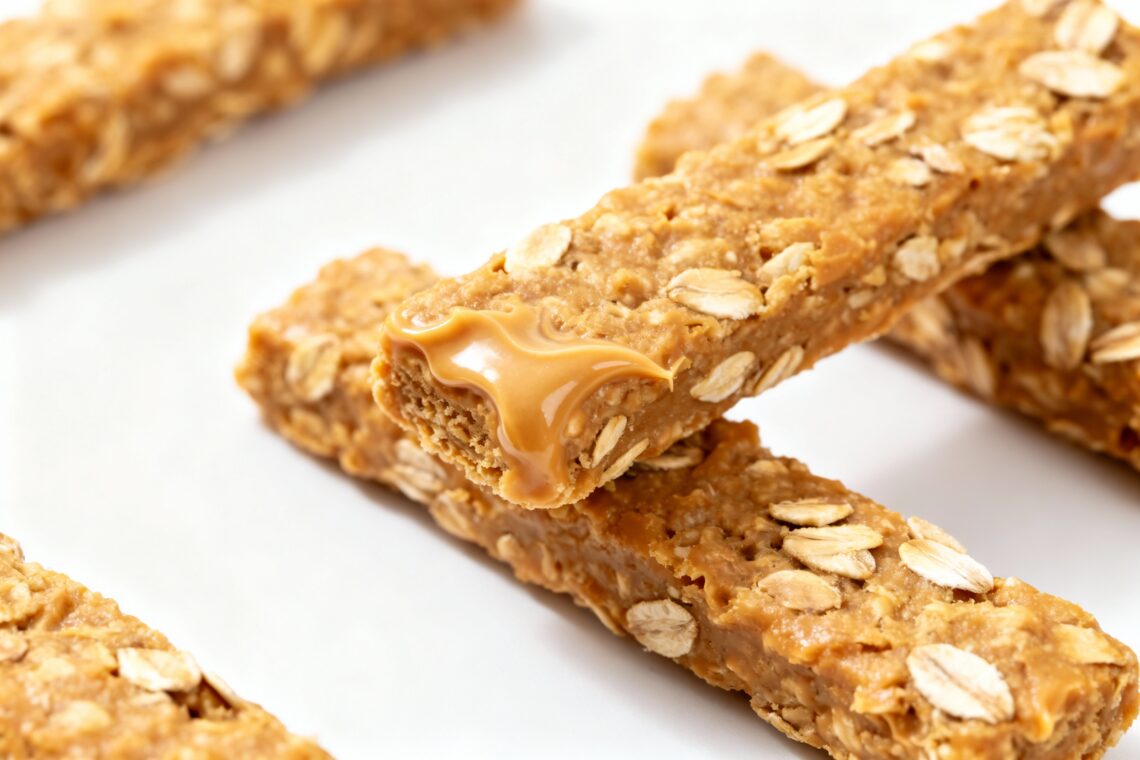
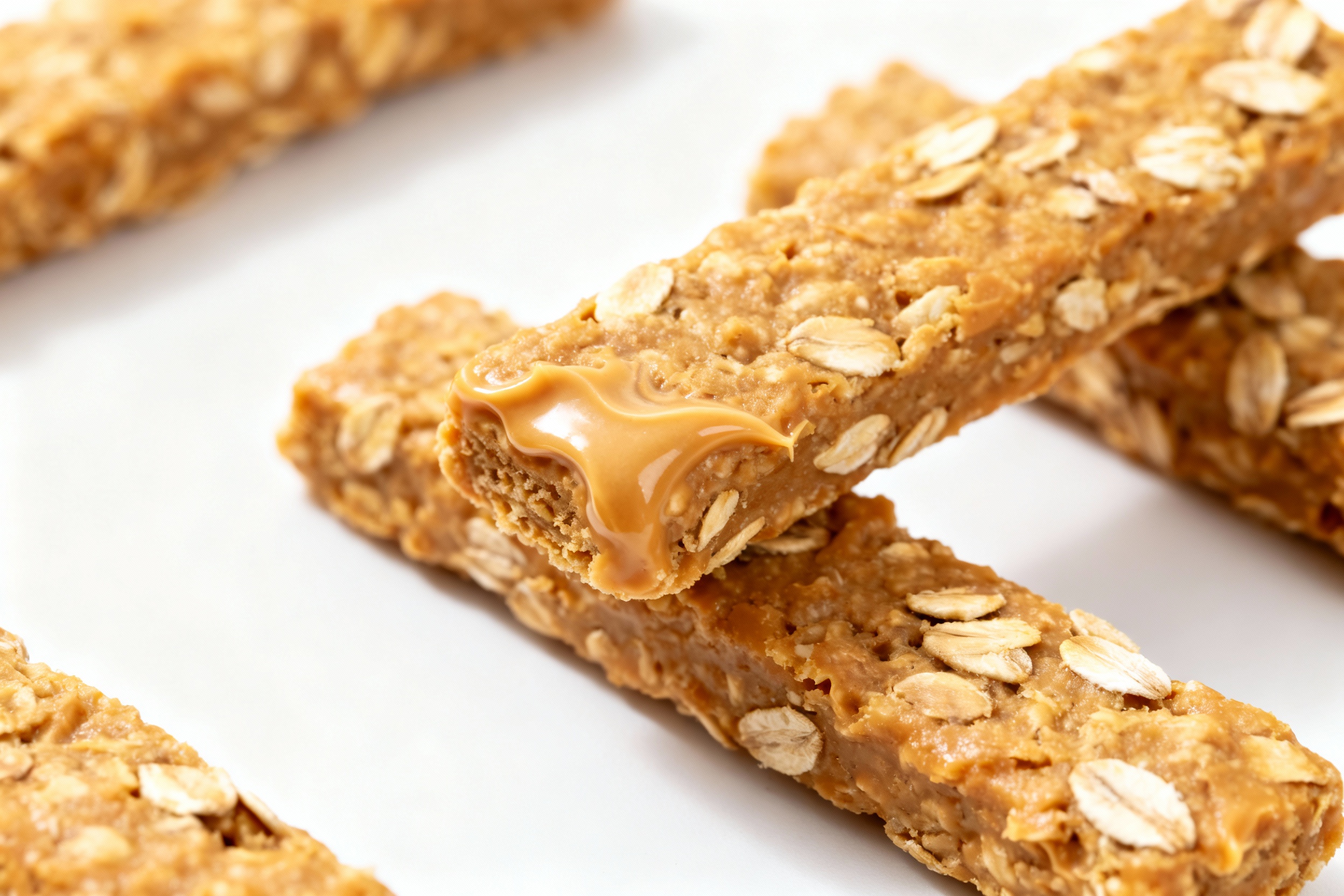
So your dog chews everything, including the corner of your favorite throw pillow? Relatable. Let’s redirect that gremlin energy into something tasty and wholesome: homemade Peanut Butter Oatmeal Chew Sticks. They’re simple, budget-friendly, and—drumroll—vet approved and pup tested by countless happy pooches. You’ll get chewy, crunchy rewards without mystery ingredients or a trip to the fancy pet boutique.
Why These Chew Sticks Are a Win
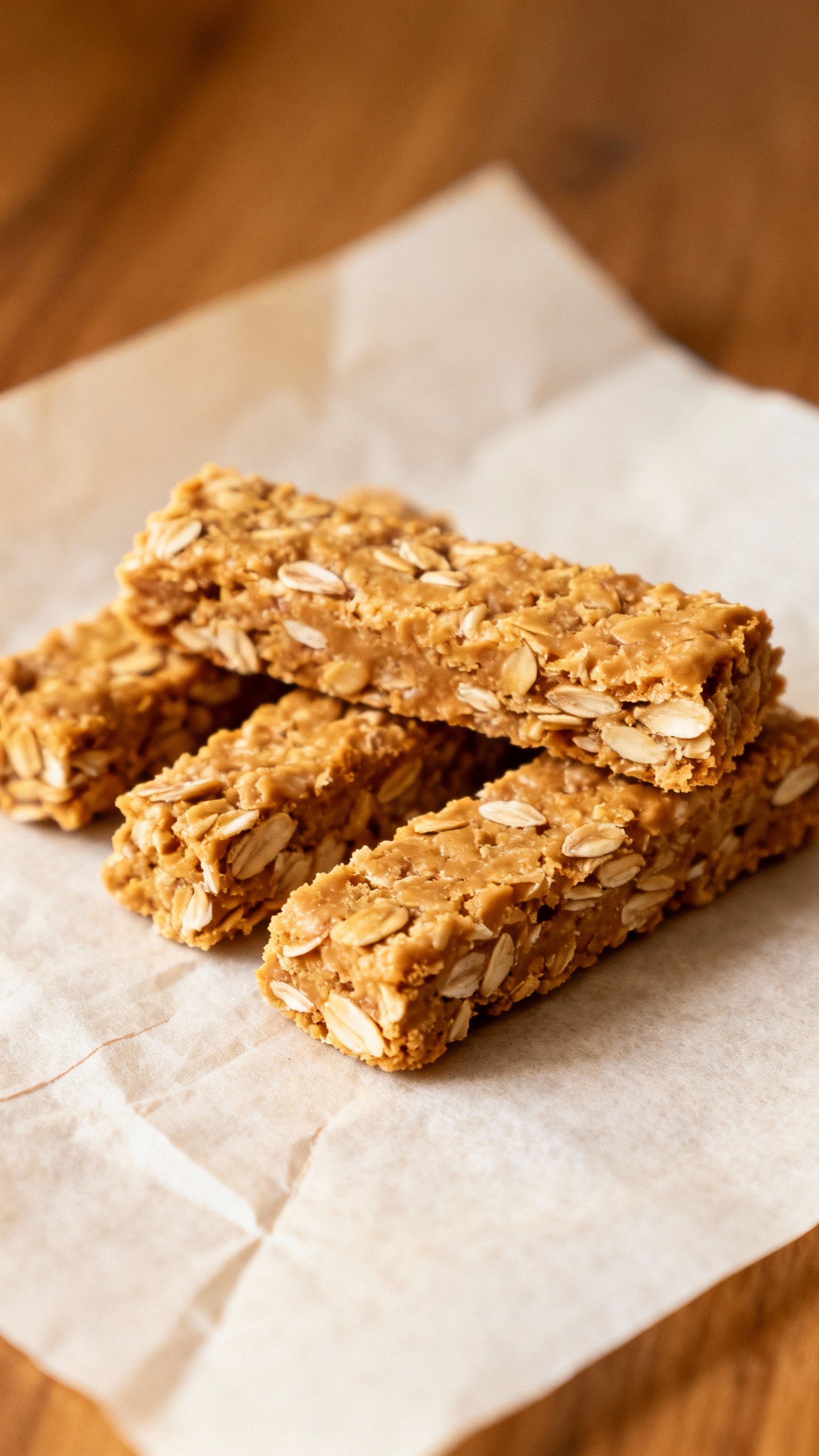
Short ingredient list, big payoff. You control every crumb that goes into your dog’s mouth—no fillers, no junk, no weird preservatives. These sticks also pull double duty: they satisfy your dog’s natural urge to chew and deliver fiber, protein, and healthy fats. Highlights at a glance:
- 4 staple ingredients you probably have right now
- Customizable for sensitive tummies
- Easy to store and freeze
- Great for training when sliced into smaller bits
Vet-Approved Ingredients (and Why They Work)
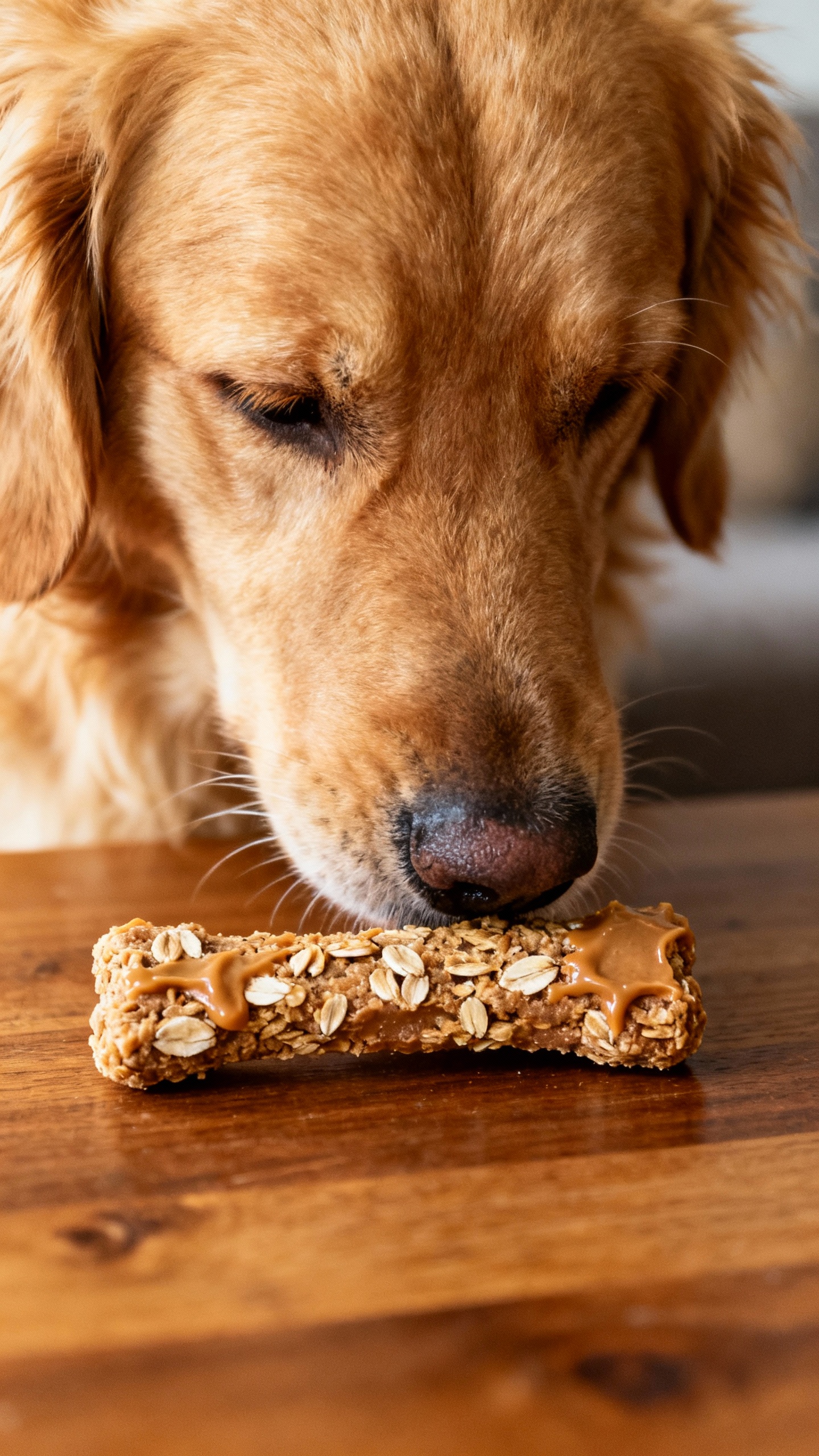
Let’s keep it clean and safe. Dogs don’t need sugar, salt, or weird flavor syrups. We’re sticking to the good stuff.
- Natural peanut butter: Choose unsweetened, unsalted, no xylitol. Xylitol is toxic to dogs—hard stop. Check the label.
- Oats or oat flour: Gentle on tummies and gluten-free by nature (though some dogs may still have sensitivities).
- Egg: Helps bind the dough and adds protein.
- Water or low-sodium broth: Just enough to bring it together.
Optional Add-Ins (Dog-Friendly Only)
- Unsweetened applesauce (a spoonful for moisture)
- Mashed banana (half a banana for sweetness)
- Cinnamon (a tiny pinch—nice aroma, not necessary)
- Ground flaxseed (a teaspoon for omega-3s and fiber)
Skip: chocolate, raisins, grapes, nutmeg, artificial sweeteners, excess salt, and anything with “sugar-free” on the label.
The Easy Recipe: Peanut Butter Oatmeal Chew Sticks
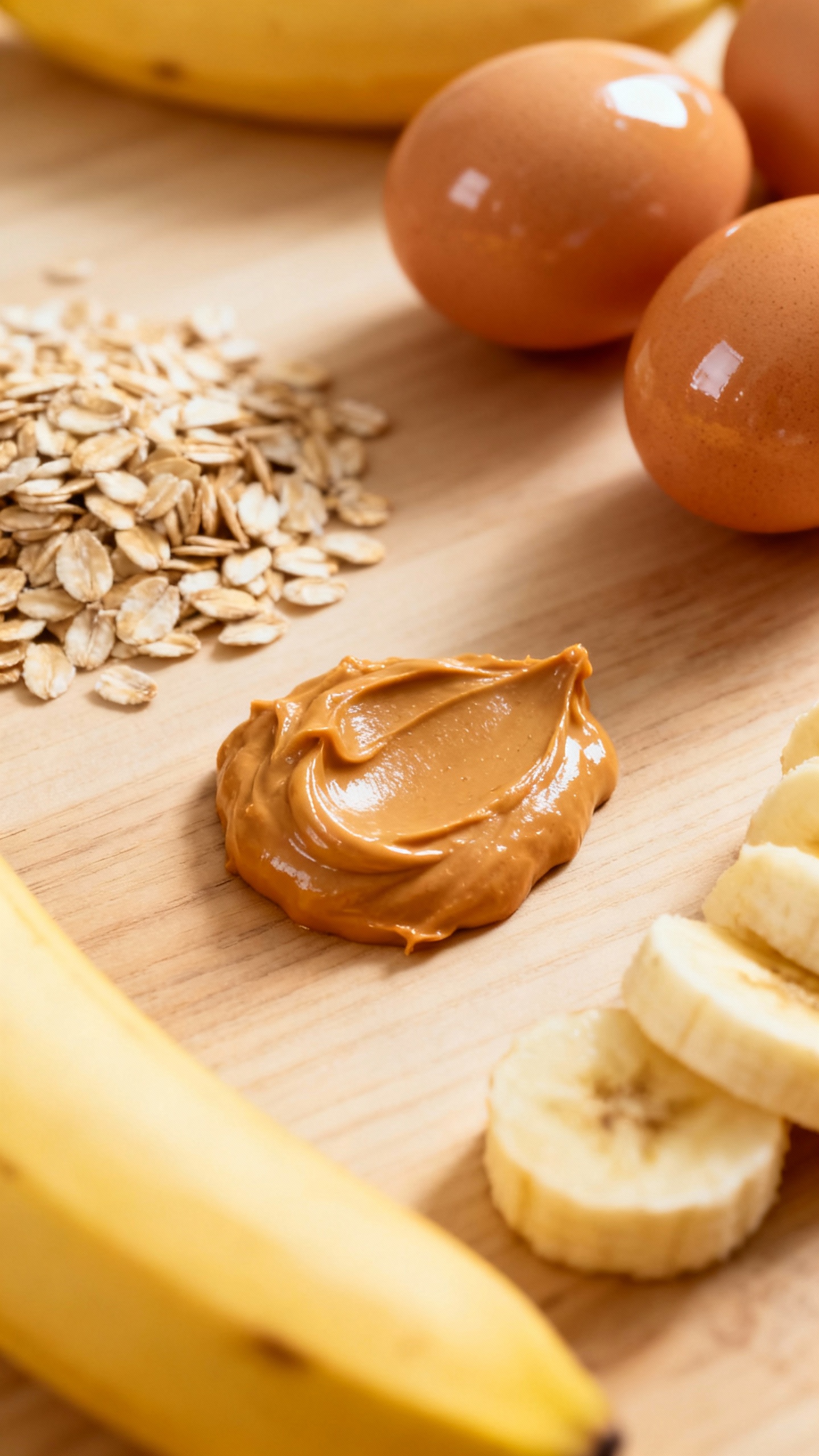
You’ll bang these out in under an hour with mostly hands-off time. Your dog will supervise closely, obviously.
Ingredients
- 1 cup natural peanut butter (no xylitol, no added sugar)
- 2 cups oat flour (blend rolled oats until fine)
- 1 large egg
- 2–4 tablespoons water or low-sodium broth
- (Optional) 1 tablespoon unsweetened applesauce or mashed banana
Instructions
- Preheat your oven to 325°F (163°C). Line a baking sheet with parchment.
- In a bowl, whisk the egg, peanut butter, and any optional add-ins until smooth.
- Stir in the oat flour. Add water 1 tablespoon at a time until you get a firm, moldable dough that doesn’t crumble.
- Roll pieces into ropes about 1/2-inch thick and 5–6 inches long. Twist two ropes together for extra chew, or press with a fork for texture.
- Bake 25–35 minutes until they look dry and lightly golden. For extra crunch, turn off the oven and let them cool inside for 30–60 minutes.
- Cool completely before serving. Your dog will pretend they can’t hear you until you hand one over.
Texture Tips
- Softer chew: Bake on the shorter end and skip the oven cool-down.
- Crunchier stick: Bake longer and let them dry in the warm oven.
- Puppy gums or seniors: Go soft and cut thinner pieces.
How to Make Them Fit Your Dog
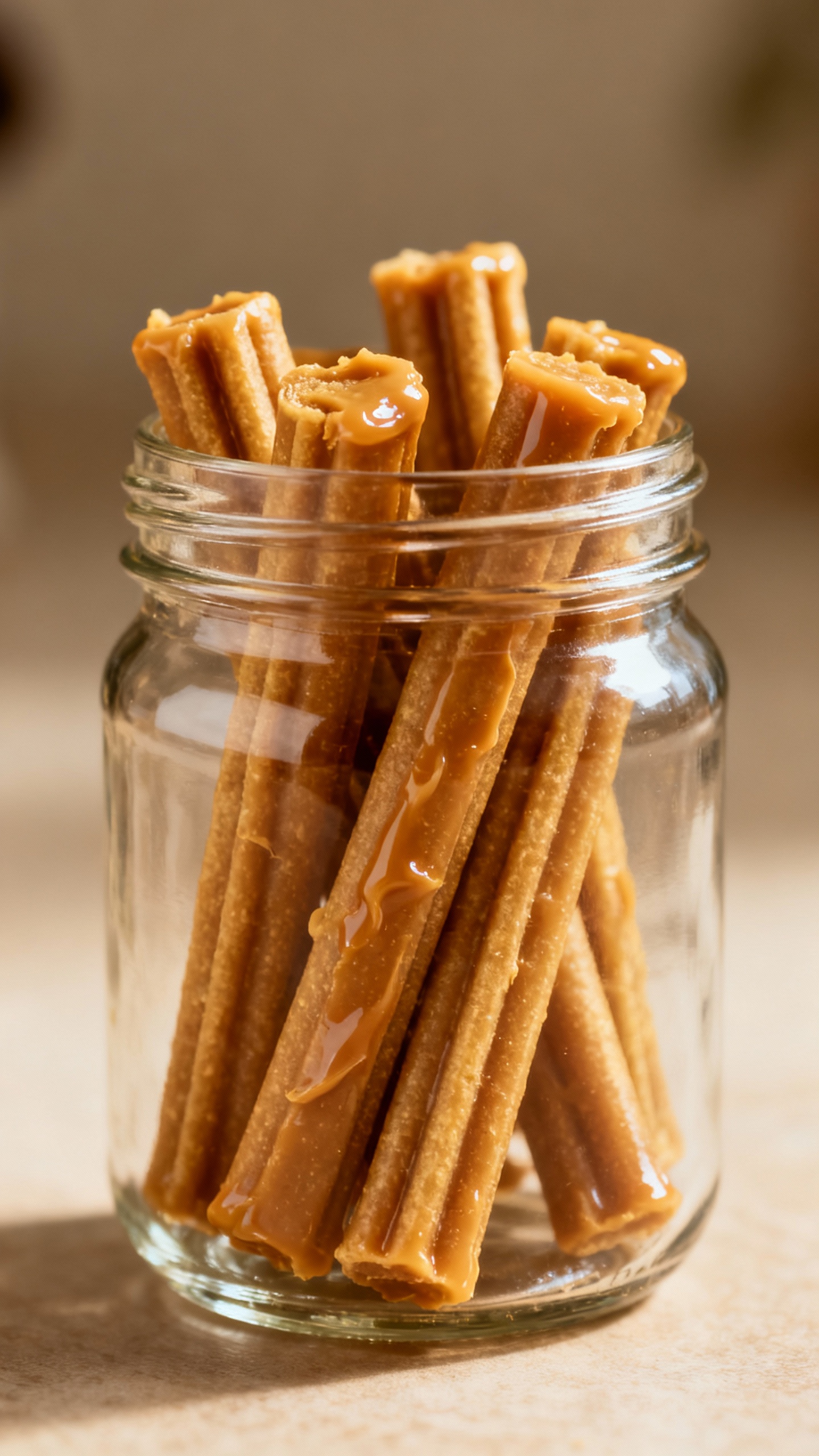
Every dog plays by different stomach rules. Let’s tweak as needed.
For Sensitive Stomachs
- Stick to oat flour and peanut butter only—no extra fruit.
- Use water instead of broth.
- Test a small piece first and wait 24 hours. IMO, always a good move with new treats.
For Weight Management
- Roll thinner sticks and cut into small coins for portion control.
- Use a measuring scoop for peanut butter so you don’t plop half the jar in there (we’ve all done it).
For Training
- Shape into thin logs, bake, then slice into tiny nibs.
- Keep a small bag in your pocket. FYI: you’ll make a lot of new dog friends at the park.
Storage, Shelf Life, and Safety
Homemade means no preservatives, which we love. But you still need to store them right.
- Counter: 2–3 days in an airtight container if fully dried.
- Fridge: Up to 10 days.
- Freezer: 2–3 months. Thaw at room temp or give as a summer-chill treat.
Safety notes: Always inspect for mold or off smells. Introduce slowly, keep portions reasonable, and supervise if your dog inhales treats like a vacuum.
What “Vet Approved” Really Means
Big claims get side-eye, and rightly so. “Vet approved” here means these ingredients and this style of simple, baked treat align with general veterinary nutrition guidance for healthy adult dogs. Most vets encourage:
- Limited, whole-food ingredients
- No toxic sweeteners like xylitol
- Moderation—treats should be under 10% of daily calories
If your dog has medical conditions (pancreatitis, food allergies, kidney issues), check with your vet before introducing new treats. Quick phone call, big peace of mind.
Flavor Variations Your Pup Might Love
Keep it fun without getting chaotic. Start simple, then branch out.
- Pumpkin PB Sticks: Swap the applesauce for 2 tablespoons plain pumpkin puree.
- Banana Oat Bones: Use mashed banana and add a pinch of cinnamon.
- Parsley Fresh-Breath Twists: Add 1 teaspoon chopped fresh parsley. It’s not magic, but it helps.
IMO, new flavors = new motivation during training. Variety keeps things interesting for both of you.
FAQs
Can my dog have peanut butter every day?
In small amounts, yes. Peanut butter packs calories and fat, so treat it like, well, a treat. Keep total treats under 10% of your dog’s daily calorie need and always choose a brand with no xylitol, no added sugars, and minimal salt.
What if my dog is allergic to peanuts?
Skip peanut butter and try pumpkin puree or a small amount of sunflower seed butter (unsweetened, no xylitol). Test a tiny piece first and monitor for itching, ear issues, or tummy upset. When in doubt, ask your vet for allergy-safe alternatives.
Are these safe for puppies?
Yes, with adjustments. Make the sticks thinner and bake them softer for easy chewing. Offer small pieces and introduce slowly to avoid tummy surprises. Puppies still get most calories from their main meals, not treats.
How many chew sticks can I give per day?
For most dogs, 1 medium stick or a few small pieces is plenty. Active, larger dogs can handle a bit more. Watch weight, stool quality, and energy—your dog’s body will tell you if you’ve gone overboard.
Can I use whole wheat flour instead of oat flour?
You can, if your dog tolerates wheat. Oat flour tends to be gentler on digestion and gives a nice texture. If switching, add liquid slowly to reach the same firm dough consistency.
My dog gulps treats—how do I make these safer?
Shape thinner sticks and break them into bite-size pieces. You can also use a slow-feeder mat or hand-feed during training sessions to control pace. Supervise, always.
Wrap-Up: Chew Sticks Your Dog Will Actually Work For
You don’t need a pro bakery or fancy equipment—just peanut butter, oats, and 30 minutes. These chew sticks check every box: simple, wholesome, and dog-approved with dramatic tail wags. Make a batch, stash some in the freezer, and enjoy a quieter dog who chews the treat instead of your furniture. Win-win.