
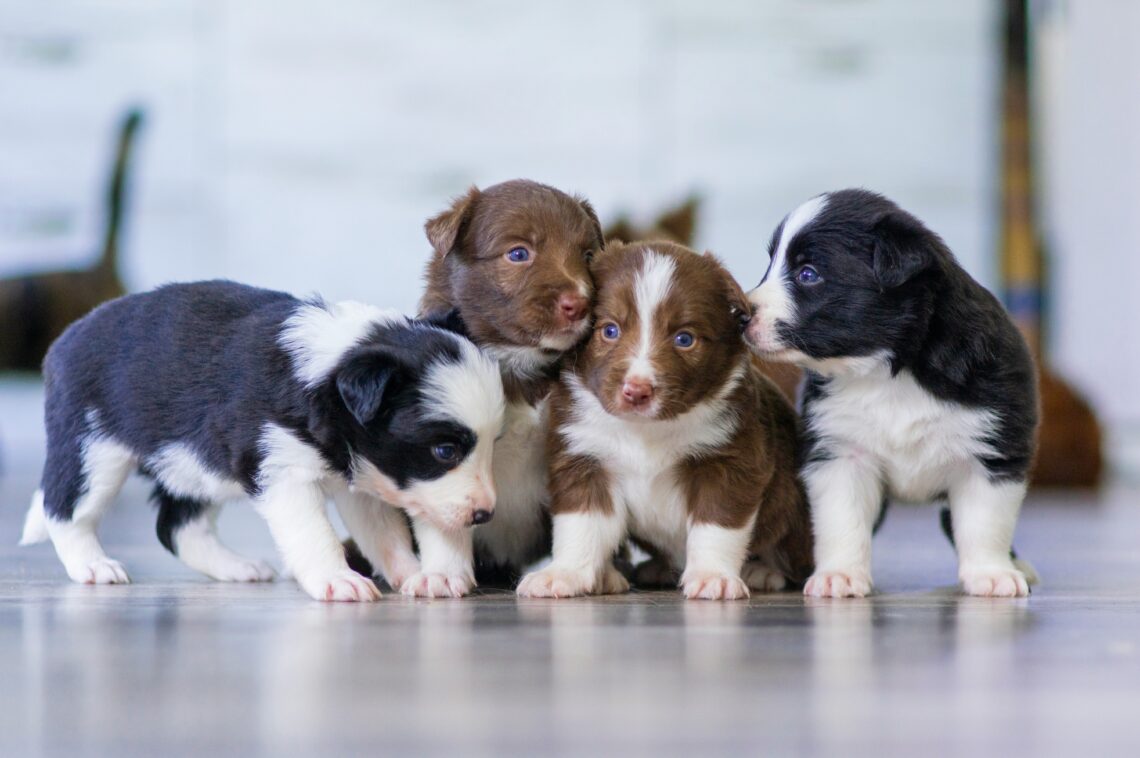
You did it—you brought home a puppy. Congrats on your tiny chaos machine! Those paws? Adorable. That energy? Relentless. Let’s set you up with the must-have supplies, simple training tips, and the rookie mistakes to sidestep so you can actually sleep again and keep your shoes intact.
Set Up Your Home Base
Your puppy needs a safe, cozy zone. Think “puppy studio apartment,” not “free roam of the entire house.” You’ll curb accidents, protect your stuff, and help your dog feel secure.
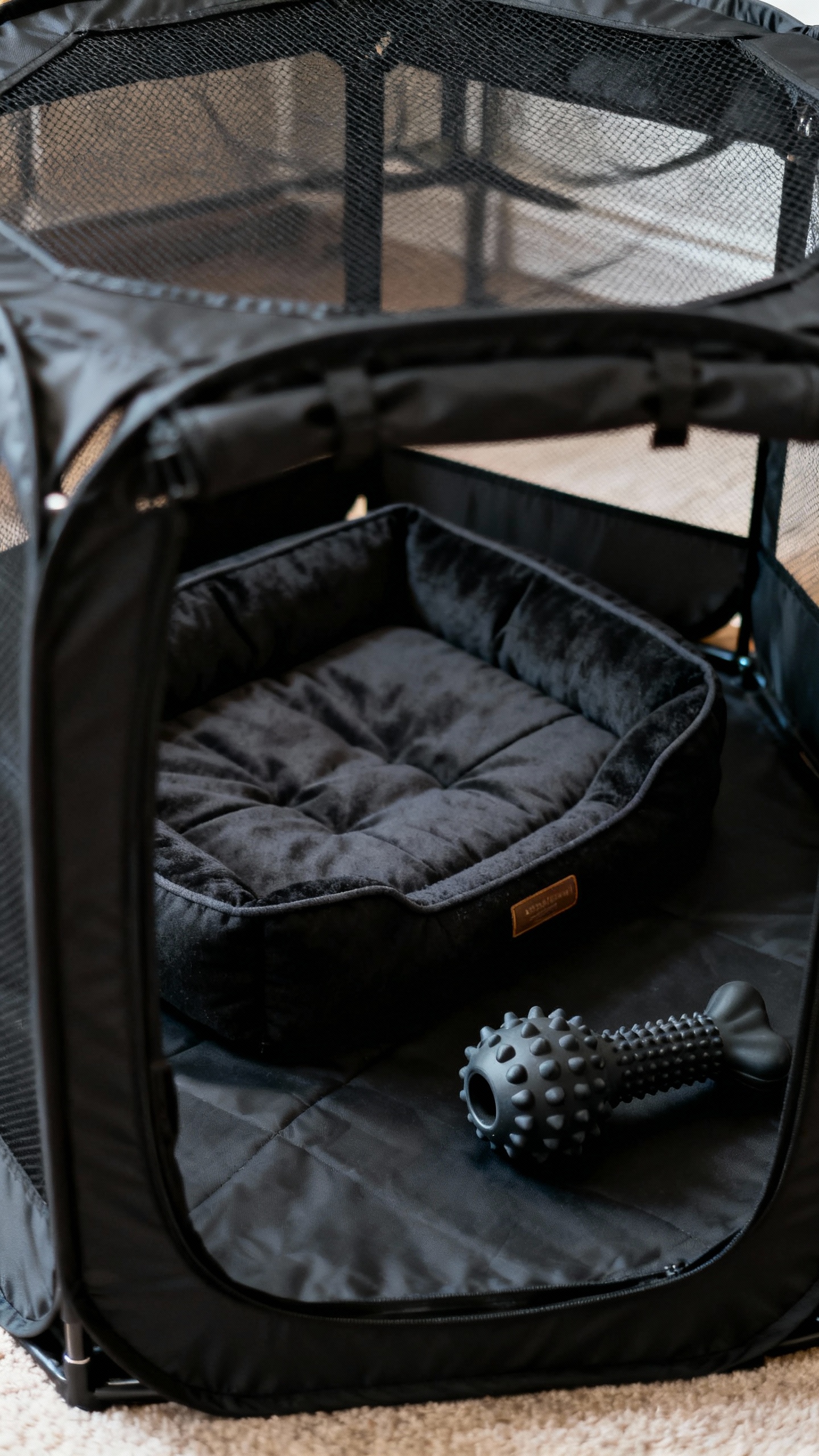
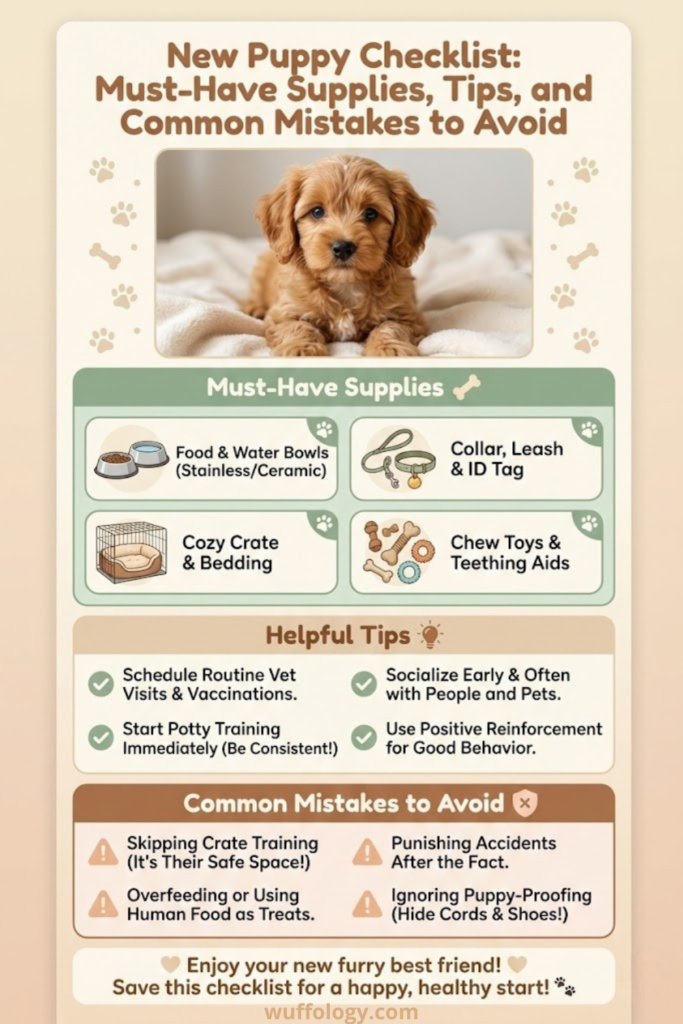
- Crate: Choose a size your pup can stand, turn, and lie down in. Add a divider if you bought a big one for future growth.
- Playpen or baby gates: Block off the kitchen or a puppy-proofed room. Boundaries save your sanity.
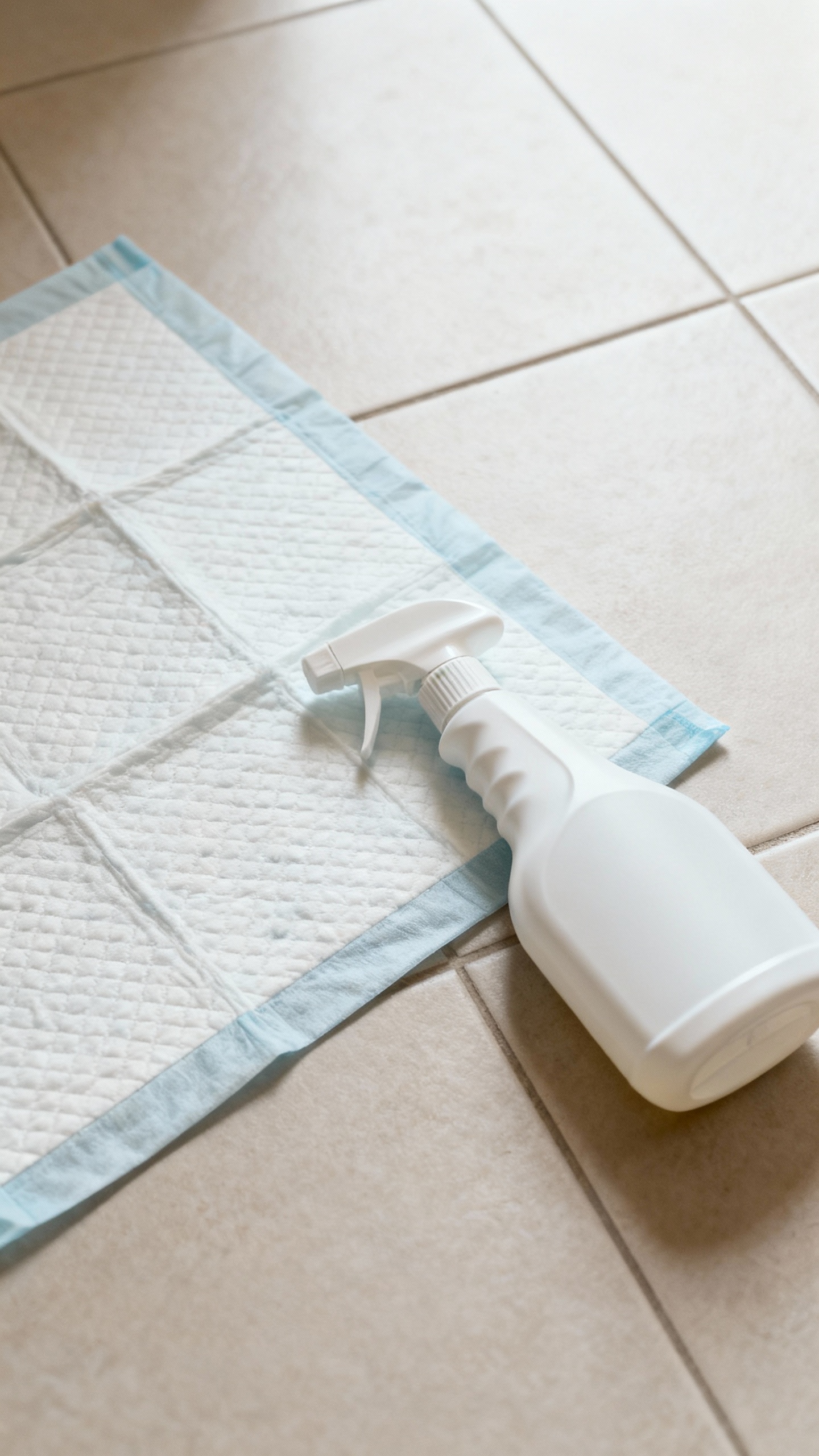
- Floor protection: Pee pads for emergencies only; otherwise, guide them outside. Enzymatic cleaner is non-negotiable.
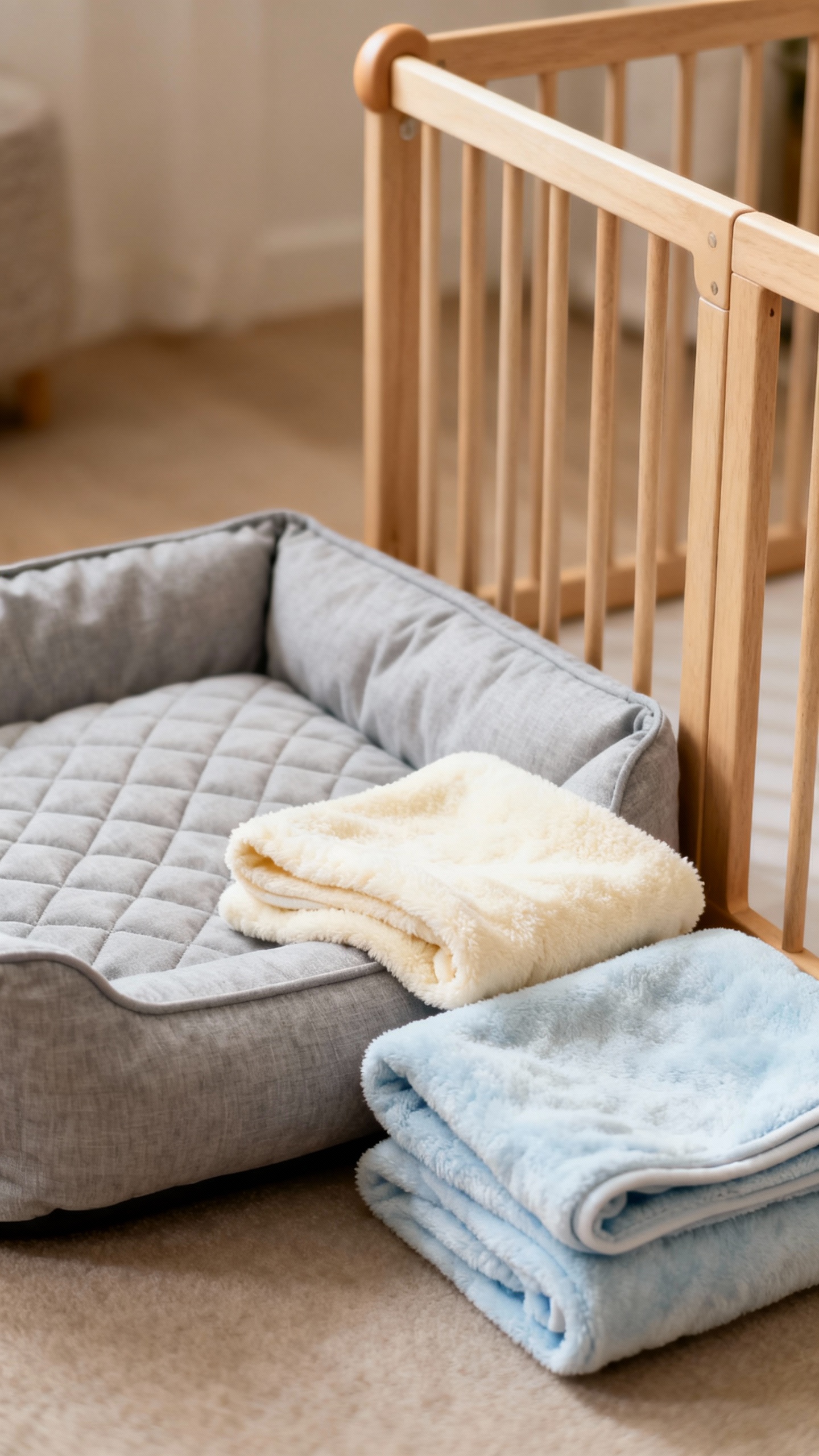
- Comfort items: Washable bed, a couple of blankets, and a worn T-shirt that smells like you. Boom: instant calm.
Crate Training Basics
Introduce the crate as a happy place—scatter treats inside, feed meals there, and keep the door open at first. Short sessions beat marathon lock-ins. If your pup cries, wait for a quiet beat before opening the door so you don’t reward dramatic monologues.
Food, Bowls, and Treats (aka Your Best Bribes)
Food drives training. Use it. But start with the right stuff.
- Quality puppy food: Choose a reputable brand for your dog’s size (small-breed, large-breed). Large-breed pups need specific calcium/phosphorus ratios to support joint health—don’t wing it.
- Bowls: Stainless steel wins for durability and hygiene. Slow-feeder bowls curb gulping.
- Treats: Get pea-sized, soft treats for rapid-fire training. You can even use kibble for easy reps. FYI, treats should stay under 10% of daily calories.
- Chews: Puppy-safe options like rubber toys or nylon bones. Skip cooked bones and rawhides—no thanks to broken teeth and digestive drama.
Feeding Schedule
Feed 3-4 small meals daily for young pups. Consistent timing helps with potty training. Pick up the bowl after 10-15 minutes so you don’t create a grazer.
Leashes, Collars, and ID—Adventure Gear
Walks and training start early—before you unleash your pup on the world, gear up.
- Flat collar + ID tag: Include your phone number. Microchip too—dogs act like ninja escape artists.
- Harness: A Y-front harness protects the neck and shoulders. Great for wiggly puppies.
- Leash: A 4-6 foot leash for daily walks; a 15-30 foot long line for recall practice in safe areas. Retractable leashes? Hard pass for now.
- Poo bags: Always. Don’t be that neighbor.
Name Tag Details That Matter
Keep it simple: Dog’s name, your phone number, and “Microchipped.” If you move, update immediately. IMO, skip your full address—no need to broadcast that.
Toys That Save Your Furniture
Your puppy will chew. It’s normal. So give them better options than your couch.
- Teething toys: Rubber chews you can freeze to soothe sore gums.
- Interactive toys: Puzzle feeders and snuffle mats to burn mental energy. Tired brain = calmer puppy.
- Fetch toys and tugs: Soft fetch balls, rope toys for tug (with rules: start/stop on cue).
- Rotation system: Keep 3-4 toys out, rotate weekly. Novelty keeps interest high.
DIY Enrichment
Stuff a rubber toy with kibble, banana, and a smear of peanut butter (xylitol-free). Freeze it. Congratulations, you just bought yourself 20 minutes of peace.
Potty Training Without Tears
Consistency wins. Your pup doesn’t “know better” yet—so you manage, you supervise, and you celebrate every tiny victory like a lunatic.
- Take them out: First thing in the morning, after meals, after naps, after play, and every 1-2 hours. Yes, it’s a lot. It works.
- Pick a potty spot: Go to the same place and quietly wait. Say a cue like “go potty” as they start.
- Reward instantly: Treat within two seconds. Party vibes. Then back inside calmly.
- Supervise or confine: No freedom until your pup earns it with clean days.
Accident Management
If you catch them mid-pee, interrupt with a gentle “outside!” and hustle out. Don’t scold after the fact—dogs don’t link it. Clean with an enzymatic cleaner so they don’t “revisit.”
Training: Short, Sweet, and Daily
You’re not raising a statue—you’re shaping habits. Keep sessions tiny but frequent.
- Core skills: Name recognition, sit, down, come, leave it, drop it, and settle on a mat.
- Socialization: Expose to sounds, surfaces, people, and friendly vaccinated dogs. Make every new thing a treat party.
- Bite inhibition: Redirect nipping to a toy. If they clamp down, stop play for 10 seconds. Repeat. They learn fast.
- House manners: Reward four feet on the floor. Jumping up? Turn into a statue. Attention moves the needle; ignoring makes the behavior boring.
Schedule for Sanity
Aim for a rhythm: potty, short play, short training, chew/settle, nap. Puppies need tons of sleep (like 16-20 hours). Over-tired pups go gremlin mode—build naps into the day.
Health and Grooming Essentials
Get your vet team set early. And yes, brush that fluff even if your dog looks “low-maintenance.”
- Vet visit: Vaccination plan, deworming, flea/tick prevention, and microchip check. Ask about spay/neuter timing—it varies by breed and size.
- Grooming kit: Soft brush, nail clippers or grinder, pet-safe shampoo, dog toothpaste and brush, ear-cleaning solution.
- Bath hacks: Lick mat on the shower wall + peanut butter = hands-free washing. FYI, don’t over-bathe; it dries out skin.
- Safety gear: Puppy-proof cords, cabinets, and trash. Bitter spray for furniture legs can help deter chewing.
Common Mistakes to Avoid
Let’s save you time and tears. These traps snag almost everyone.
- Too much freedom too soon: Unsupervised puppies make… creative decisions. Earned freedom only.
- Inconsistent rules: If “no couch” becomes “sometimes couch,” your dog will lawyer you forever.
- Skipping socialization: The window closes fast (roughly up to 16 weeks). Pair new experiences with treats.
- Punishing accidents or fear: Fear shuts learning down. Reward what you want; manage what you don’t.
- Over-exercising young joints: No forced runs or stair marathons. Opt for short play bursts and mental work.
- Waiting on training: Day one counts. Micro-sessions beat long lectures every time, IMO.
Frequently Asked Questions
How often should I take my puppy out at night?
Plan for a potty break every 3-4 hours for very young pups. Cut off water 1-2 hours before bedtime, do a calm final potty, then straight to bed. Set an alarm—beating them to it builds good habits faster.
When can my puppy meet other dogs?
After their first round of shots, set up playdates with healthy, vaccinated dogs in safe spaces. Avoid dog parks until your vet gives the green light. Focus on positive, size-appropriate matches so your pup builds confidence, not trauma.
What’s the best way to stop biting?
Offer a toy the second those teeth land on skin. If they persist, end play for 10 seconds, then resume. Repeat like a broken record. Also, ensure your pup isn’t over-tired or under-stimulated—both crank up nipping.
How much exercise does a puppy need?
Short, frequent play and training beats long slogs. A loose guideline: 5 minutes of structured activity per month of age, twice daily, plus free sniffing and enrichment. Watch for flops and yawns—rest when they check out.
Should I use pee pads?
Use them only if you live in a high-rise or extreme weather makes going outside unsafe. Otherwise, they can confuse your pup about where “bathrooms” belong. If you use them, gradually move pads closer to the door and then outside.
What if my puppy cries in the crate?
Start with the crate door open and reward calm. Build duration in tiny steps. If they’re already upset, go back a step—feed a stuffed toy in the crate, close the door briefly, and open while quiet. Comfort isn’t “spoiling”; it’s teaching safety.
Conclusion
Raising a puppy feels like juggling flaming squeaky toys—loud, chaotic, and weirdly fun. Set up the right gear, stick to simple routines, and reward the good stuff like a vending machine with legs. You’ll build a confident, happy dog—and keep your shoes chew-free. FYI: you got this. And if you stumble? Same. We all do. The wagging tail at the end makes it worth it.



One comment on “New Puppy Checklist: Must-Have Supplies, Tips, and Common Mistakes to Avoid”
Comments are closed.