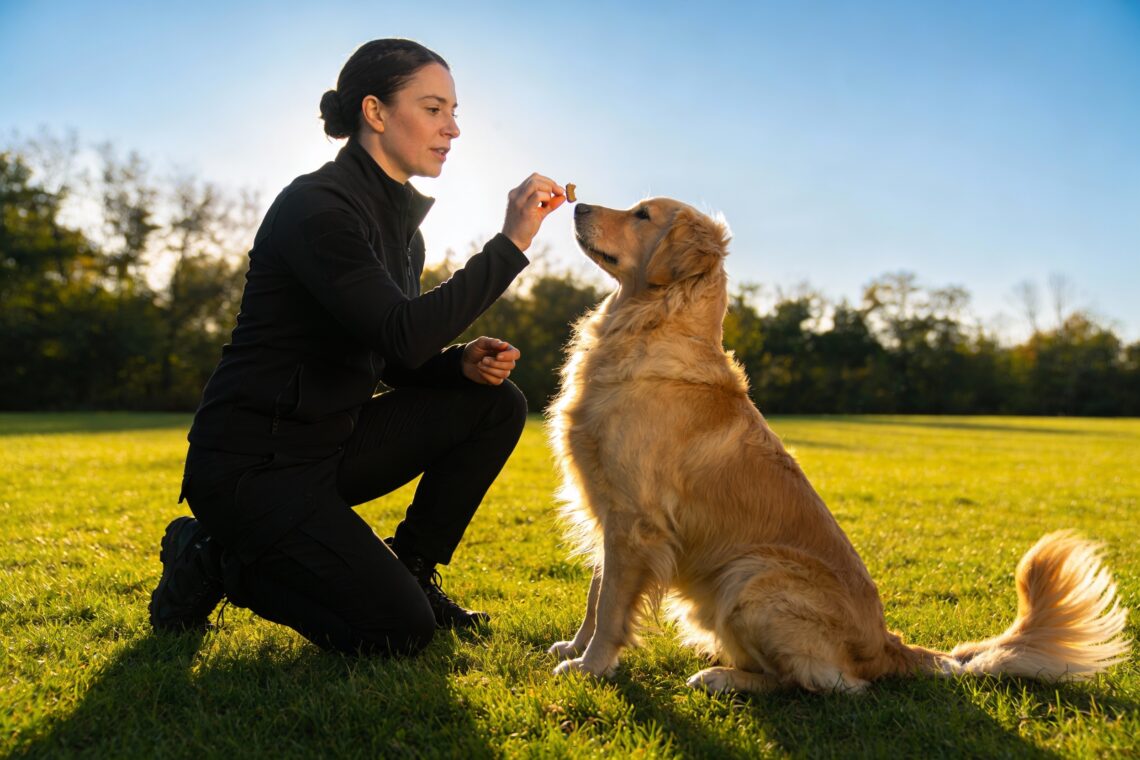
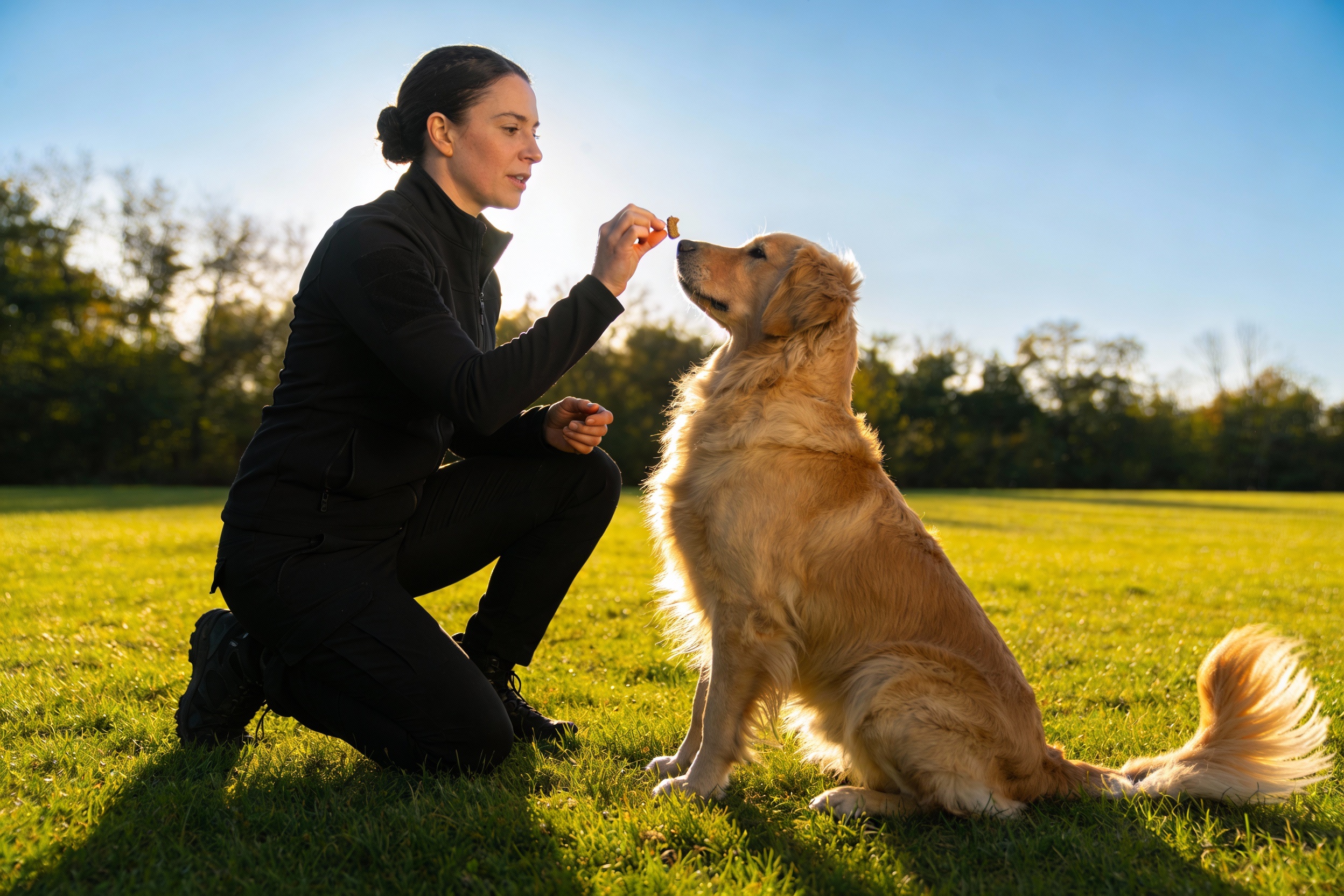
You’ve got a smart pup, some treats, and a few spare minutes. Perfect combo. Let’s turn that energy into fun tricks that make your dog’s brain hum and your friends go, “Wait, your dog can do THAT?” No boring drills here—just practical, joy-packed moves your dog will love learning and you’ll love showing off.
Start Smart: Set Up For Success
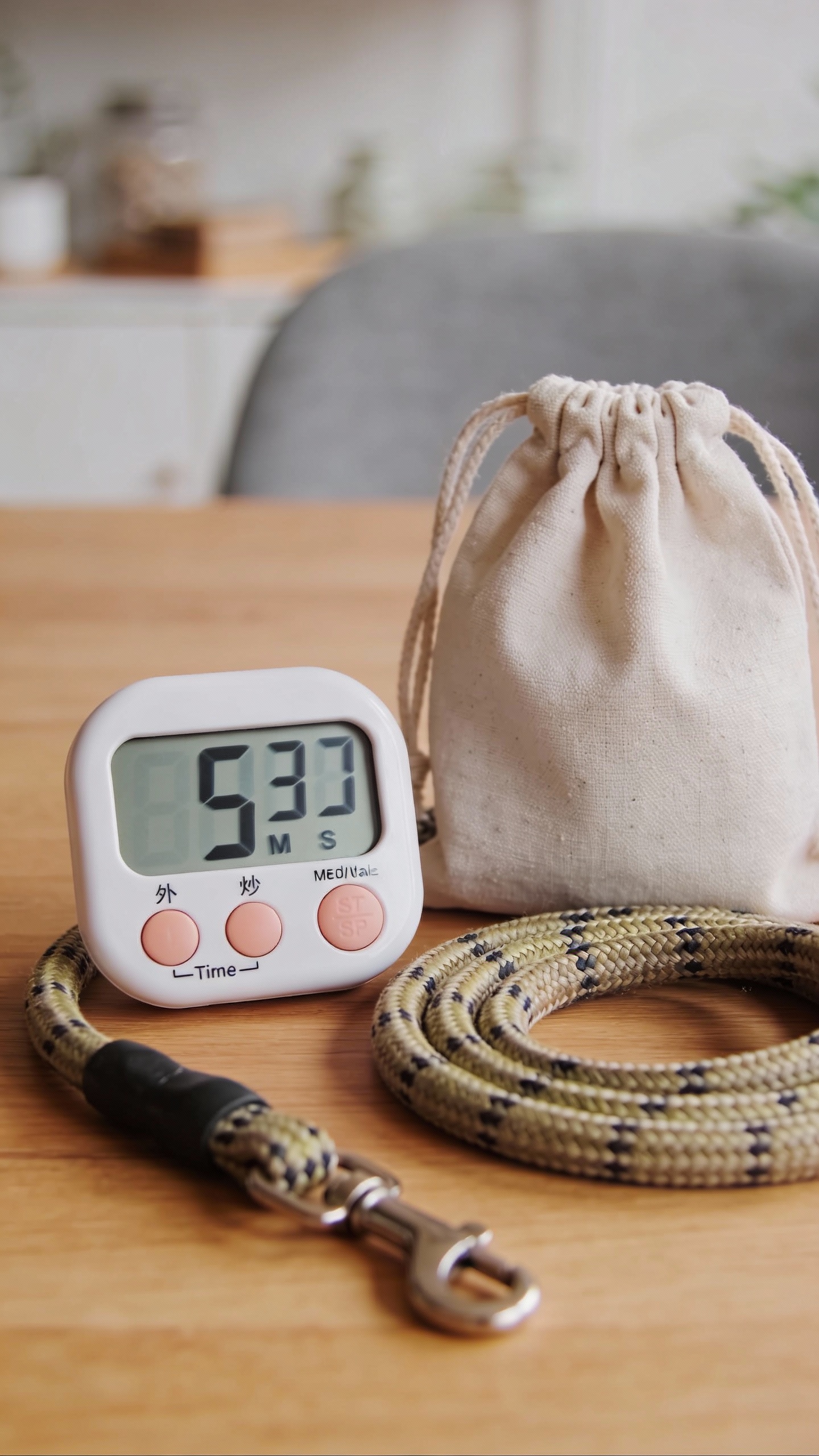
Short sessions win. Think 3–5 minutes, a few times a day. Quit while your dog still wants more.
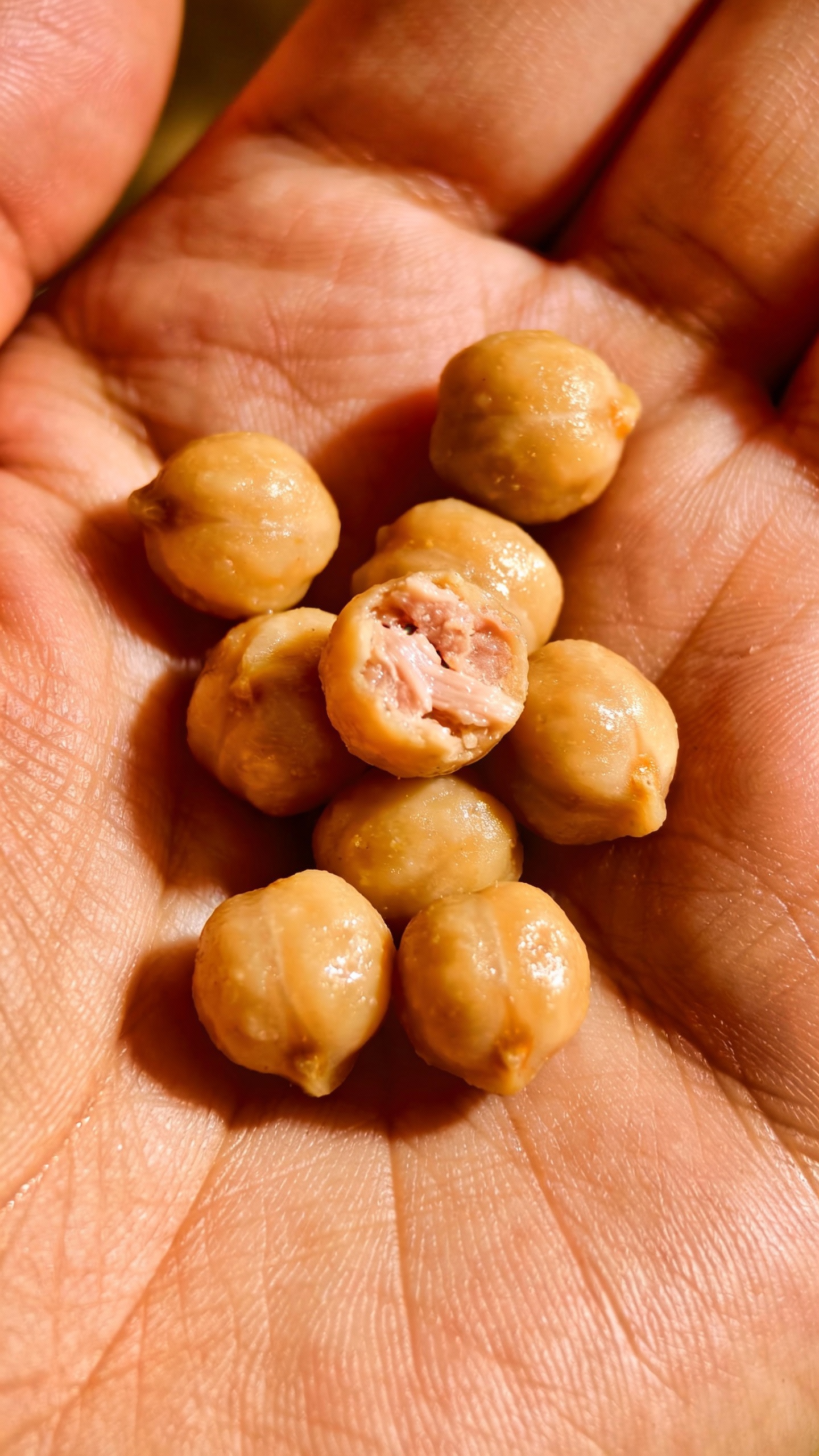
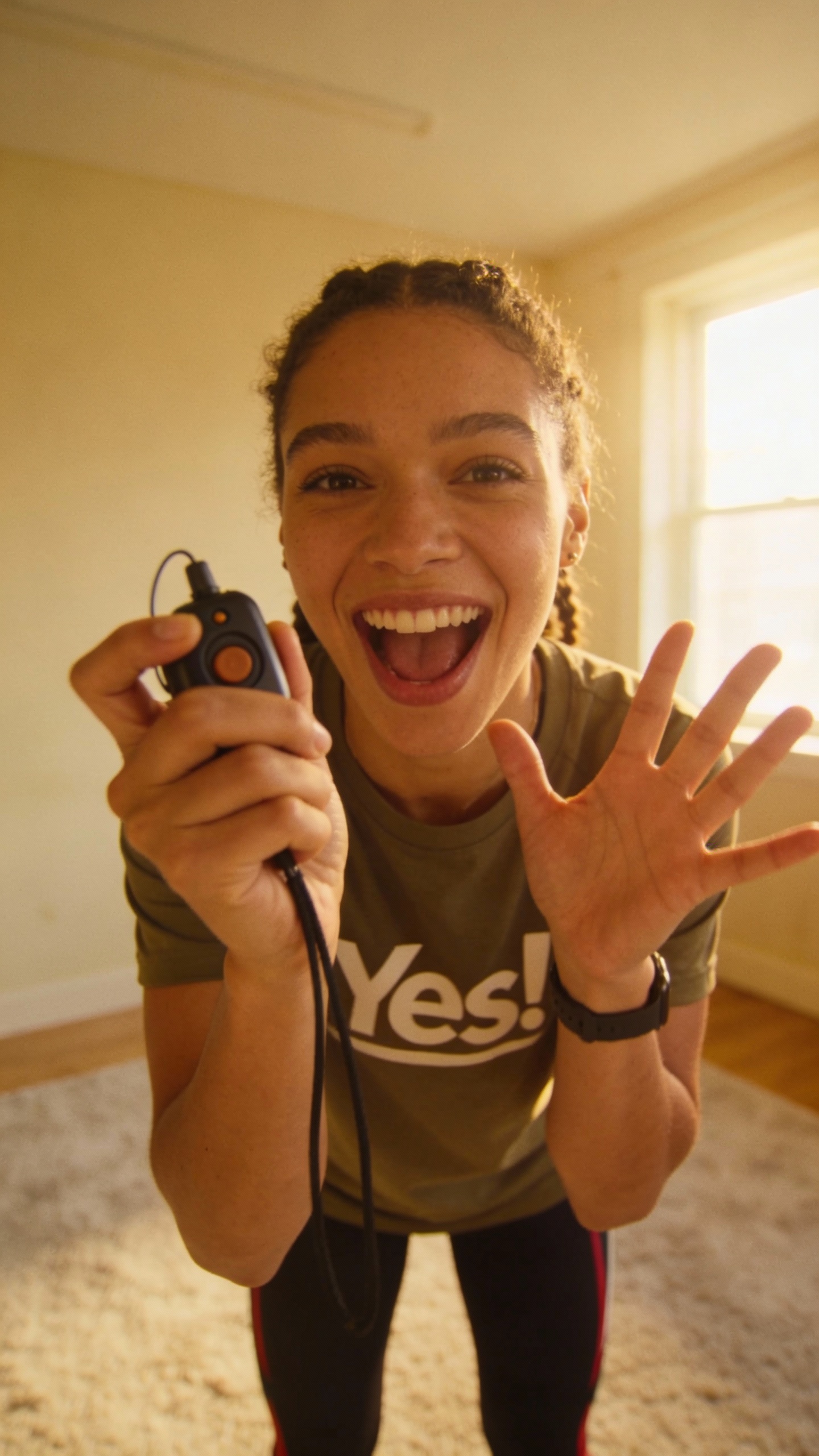
Use tiny treats your dog adores—pea-sized bits of chicken or soft training treats. Lure, mark with a “Yes!” or click, then reward.
Keep the vibe upbeat. If your dog looks confused or frustrated, make it easier. Training should feel like a game, not a pop quiz.
Level 1 Crowd-Pleasers
1) Touch (Hand Target)
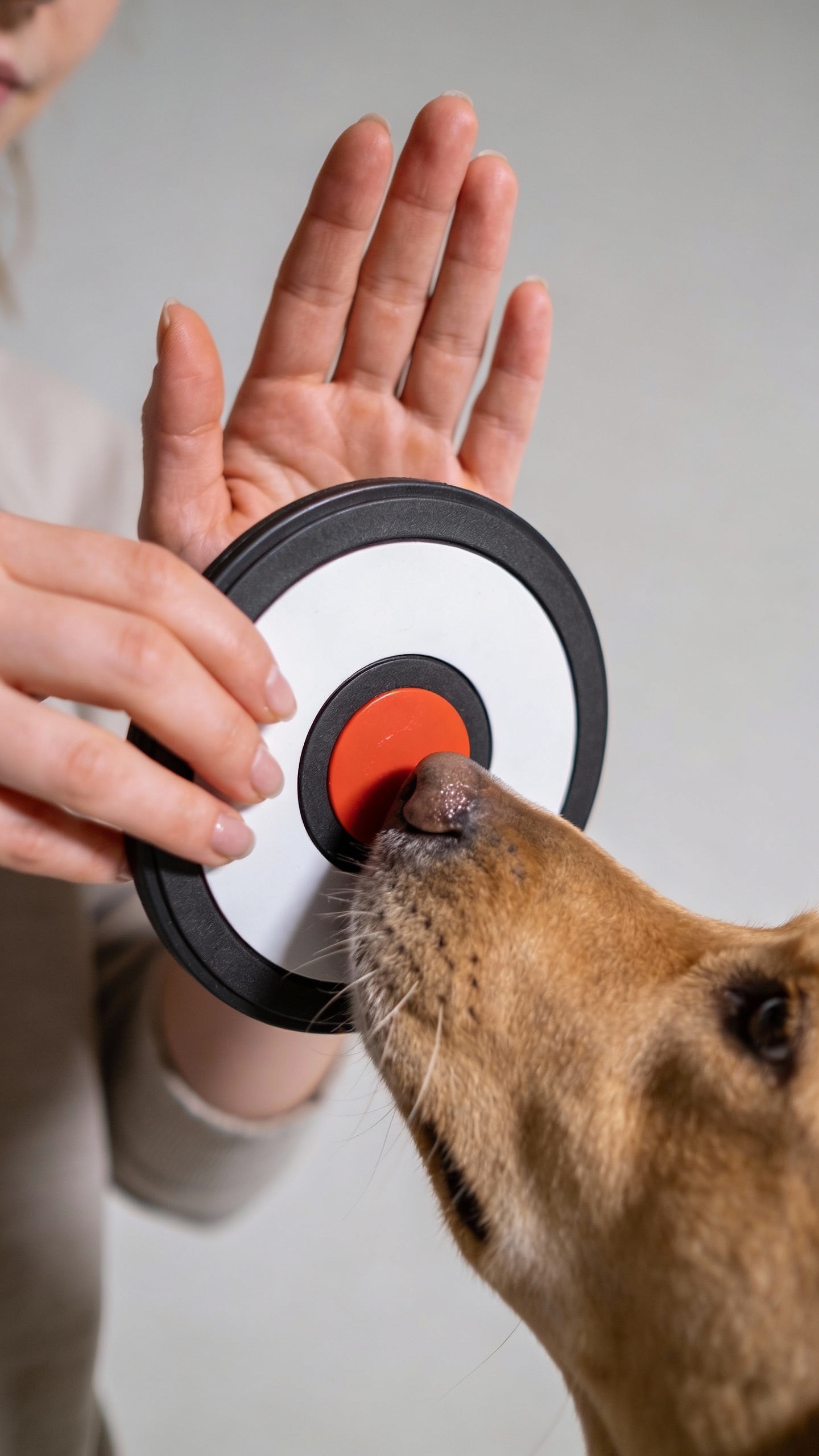
Hold your hand out. When your dog boops it with their nose, mark and treat. Repeat until they shove their snoot into your palm like they own the place.
Why it rocks: Touch helps with recall, positioning, and refocusing in distracting spots. IMO, it’s the most underrated trick.
2) Spin (Left and Right)
Use a treat to lure a circle. Mark and treat when they complete it. Add a cue: “Spin!” Then teach the opposite direction with “Twirl!”
Pro tip: Start each direction separately so your dog doesn’t mash them together in one dizzy freestyle.
3) Take a Bow
When your dog stretches (front legs down, butt up), mark and treat. Or lure from a stand, guiding the head down while you keep the rear end high.
Looks fancy and doubles as a great warm-up for joints.
Looks fancy and doubles as a great warm-up for joints.
Fun with Paws and Props
4) Shake and High-Five
Hold your hand near a lifted paw. Mark any paw movement, then shape it into a shake. For high-five, lift your palm higher and reward a confident slap.
Make it extra: Add “High ten!” using both hands for bonus adorable chaos.
5) Wave
If your dog knows shake, pull your hand back just before contact. Mark the paw lift. Add the cue “Wave!” and switch paws for ambidextrous charm.
6) Paws Up (On a Target)
Use a low, stable object like a step stool. Lure two front paws onto it. Mark and treat for confidence and control.
Great for building balance, confidence, and photogenic poses. FYI, choose non-slip surfaces only.
Brainy Tricks That Look Advanced
7) Roll Over
Start in a down. Lure their nose toward their shoulder, then over the spine. Mark halfway rolls at first, then complete the flip.
Safety first: Soft surface only. If your dog resists, try smaller steps—half-rolls still count.
8) Play Dead (“Bang!”)
From a down, lure to a side. Mark when their cheek hits the floor. Add a playful cue like “Bang!” or “Nap time!” and lengthen the duration.
Yes, it’s dramatic. No, I will not apologize for loving it.
9) Leg Weaves
Stand with feet apart and lure your dog through figure-eights around your legs. Add a rhythm and cue (“Weave”).
Looks like dancing and tires out brains fast. Keep it slow to prevent tripping both of you—dignity matters.
Useful Tricks Disguised as Fun
10) Go to Place
Point to a mat or bed. When your dog steps on it, mark and treat. Add a down and reward heavily. Then add distance and duration.
Clutch for door greetings, dinner prep, and Zoom calls where you prefer silence.
11) Chin Rest
Offer your palm or a towel. Mark when your dog rests their chin. Build duration. This becomes a consent-based handling cue for grooming or vet checks.
Low-key magical for nail trims and eye drops. Calm, predictable, kind.
12) Fetch Specific Toys
Start with two toys. Name one (“Get Bear!”). Reward when they choose correctly. Switch names and practice until your dog flexes their vocab.
Hot tip: Rotate toys so your dog doesn’t just pick the slobbiest one every time.
Party Tricks for Maximum Applause
13) Take a Bow + Back Up Combo
From a stand, cue “Bow,” then step toward your dog and lure a few steps backward. Mark and treat. Chain them together for a stylish mini-routine.
14) Peekaboo (Through the Legs)
Stand with legs slightly apart. Lure your dog to sit between your calves facing forward. Add the cue “Peekaboo.”
Adorable and useful when you need your dog close in crowded spaces.
15) Ring a Bell
Teach “Touch,” then place a bell at nose level. Mark any nudge. Put the bell by the door to signal potty breaks—if you like living dangerously.
Boundaries matter: Only reward bell rings that lead to actual outside trips. No 2 a.m. “for funsies” bells, please.
Training Tools That Make Life Easier
- Clicker or marker word: Crisp feedback speeds learning.
- Treat pouch: Faster rewards mean fewer missed moments.
- Targets and props: Yoga blocks, stools, cones, doorbells—DIY is fair game.
- Mat or place board: The “home base” for calm behaviors.
Reinforcement Rules of Thumb
- Start with continuous rewards, then move to intermittent once the behavior sticks.
- Use the 80% rule: if your dog succeeds 8/10 times, make it a tiny bit harder.
- Mix rewards: food, toys, play, praise. Keep your dog guessing—in a good way.
Troubleshooting (Because Dogs Are Not Robots)
- Dog checks out? Shorten the session, up the treat value, reduce distractions.
- Stuck at luring? Fade the treat gradually. Empty hand lure, then add the verbal cue, then reduce hand motion.
- Confusion meltdown? Break the trick into smaller steps. Reward approximations.
- Overexcited chaos? Insert a calm behavior (chin rest, sit on mat) between reps.
And if it all goes sideways, laugh, reset, and try again later. Training should feel like play. FYI, perfection is not the goal—connection is.
FAQs
How many tricks should I teach at once?
Two or three is plenty. Rotate them so your dog doesn’t blend cues. Keep sessions short and end on a win.
What if my dog isn’t food motivated?
Use high-value treats they only get during training, or switch to tug, fetch, or chase as rewards. Many dogs work hardest for play. IMO, variety keeps motivation high.
How long does it take to teach a trick?
Simple tricks like touch or spin can click in a single session. More complex ones (roll over, leg weaves) may take a few days. Progress isn’t linear—celebrate small steps.
Can puppies learn these?
Yes, absolutely. Keep it gentle, supportive, and super short. Avoid repetitive impact moves and keep surfaces grippy to protect growing joints.
What if my dog is older?
Senior dogs can crush training. Focus on low-impact tricks like chin rest, touch, and nosework. Adjust for mobility and use extra-soft treats if teeth are sensitive.
Do I need a clicker?
Nope. A clear marker word like “Yes!” works great. Consistency matters more than gear. The fanciest tool is the one you actually use.
Wrap-Up: Make It Your Dog’s Favorite Hobby
Pick a couple tricks, grab your dog’s top-tier snacks, and have fun. Stack easy wins so your dog loves the game. Keep it light, laugh at the bloopers, and flex those new party tricks like a proud stage parent.
Build a few minutes of training into your day and you’ll see a happier, calmer, more connected dog. And honestly? You’ll have more fun, too. That’s the whole point.