
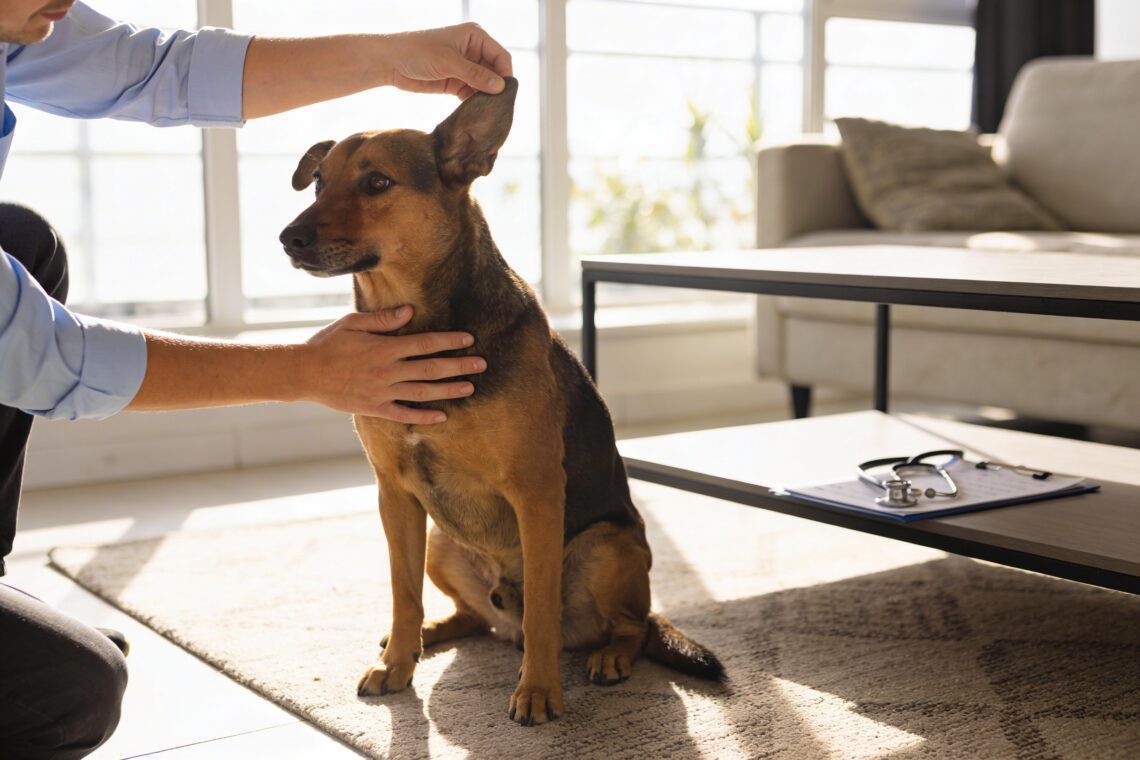
Your dog can’t swipe a credit card, but your vet bill sure can. The trick? Catch small issues before they turn into big, scary, expensive ones. You don’t need a lab coat—just a routine, a little common sense, and a willingness to look in some weird places (ears, I’m looking at you). Let’s run through a vet-approved checklist that keeps your pup healthy and your wallet calm.
The 60-Second Daily Scan
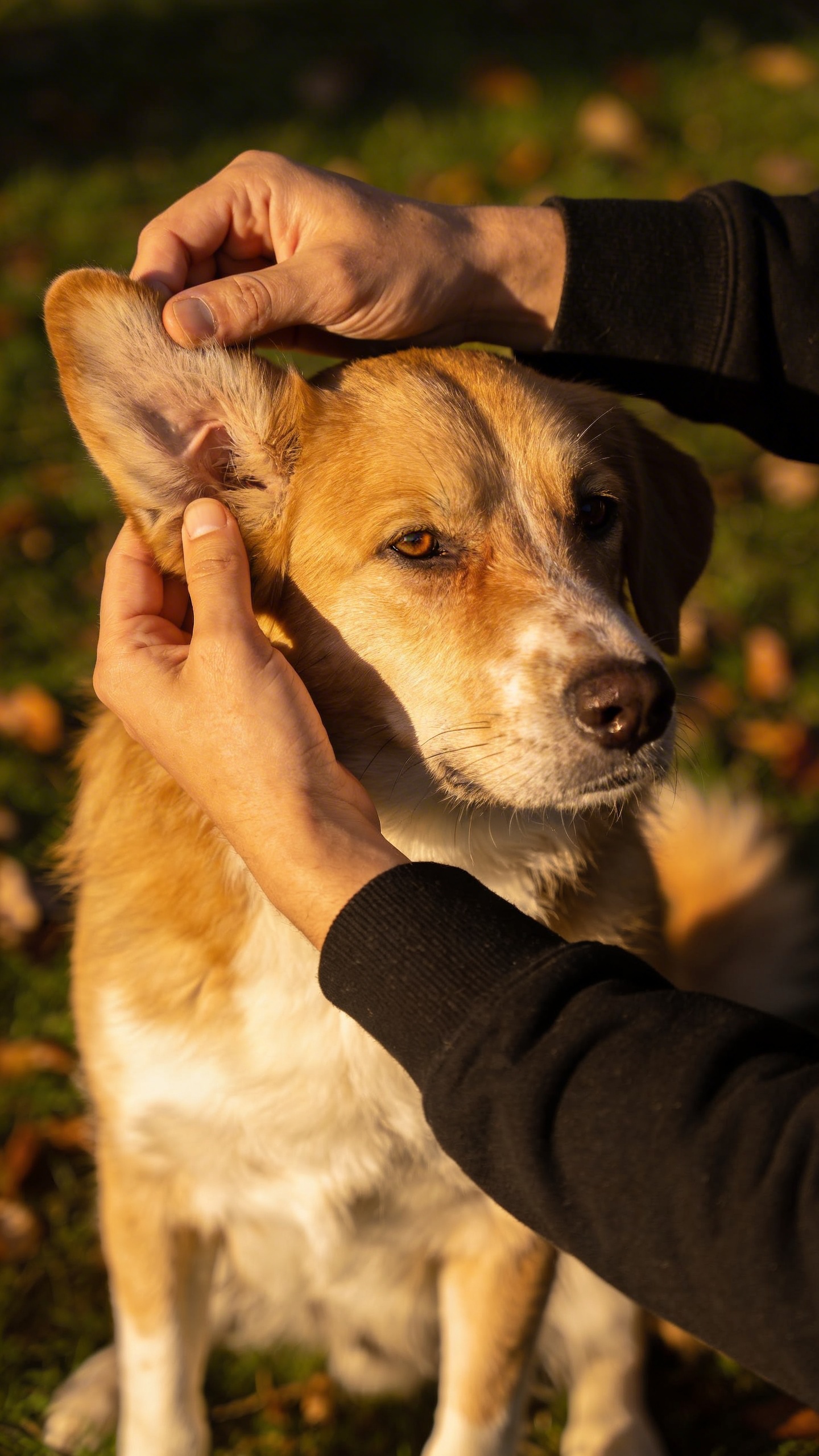
Do this once a day while you’re handing out treats or belly rubs. It’s quick, it’s easy, and it tells you a lot.
- Energy and mood: Is your dog acting normal? Sudden lethargy or clinginess can flag pain or illness.
- Appetite and water: Skipping meals or gulping tons of water? Both matter. Sudden changes deserve attention.
- Pee and poop: You don’t need to be weird about it, but eyeball it. Diarrhea, straining, blood, or super dark stool? That’s a call-your-vet moment.
- Gait and posture: Limping, bunny-hopping stairs, stiff after naps—these hint at joint or injury issues.
- Breathing: Coughing, gagging, or panting at rest isn’t “quirky.” It’s a red flag.
Pro tip
Use your phone to jot quick notes. If you need a vet visit, those timestamps make you look like a pro (because you are).
Weekly Hands-On Home Exam
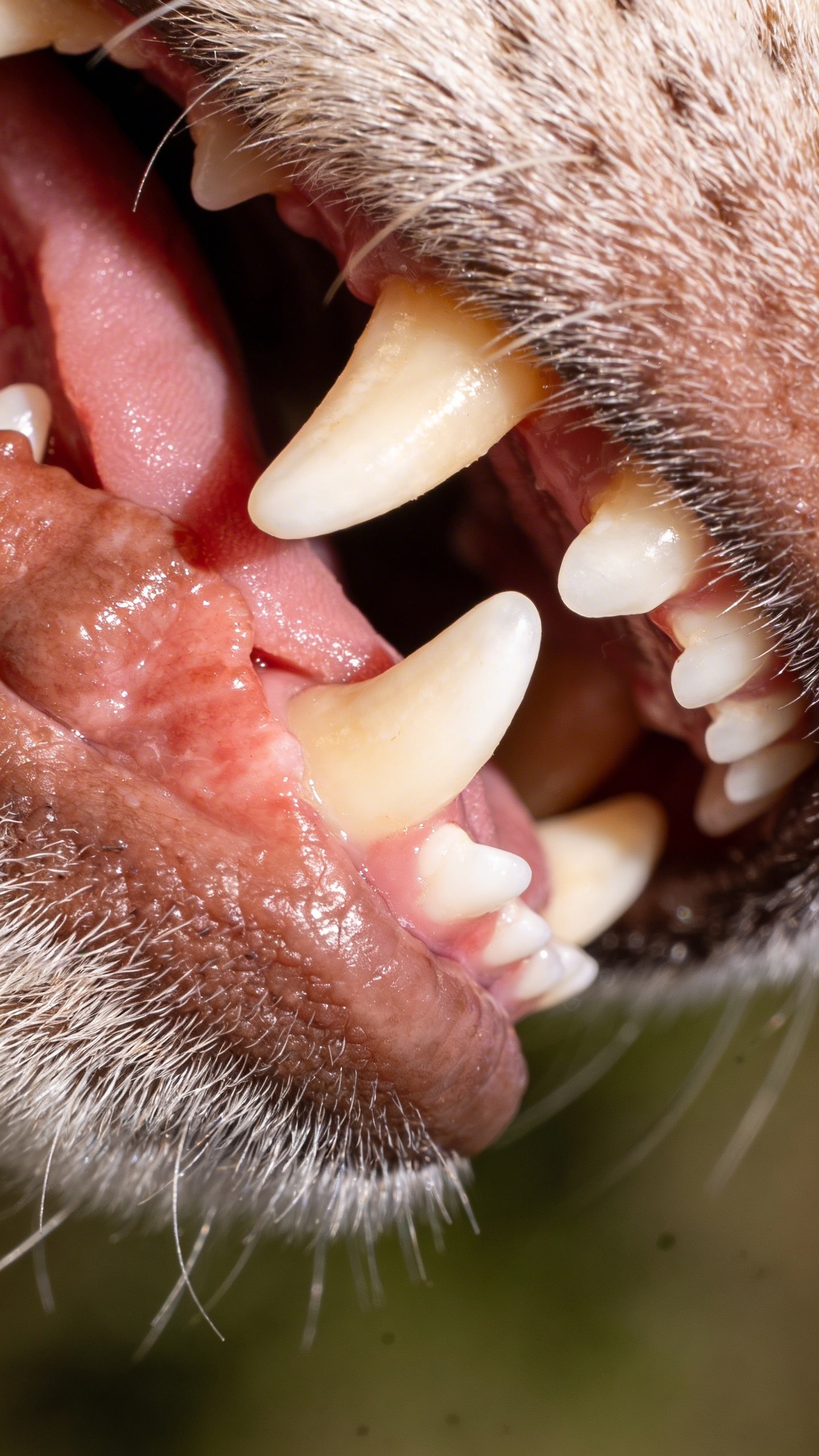
Once a week, give a head-to-tail five-minute exam. Pretend you’re a vet, minus the stethoscope and the bill.
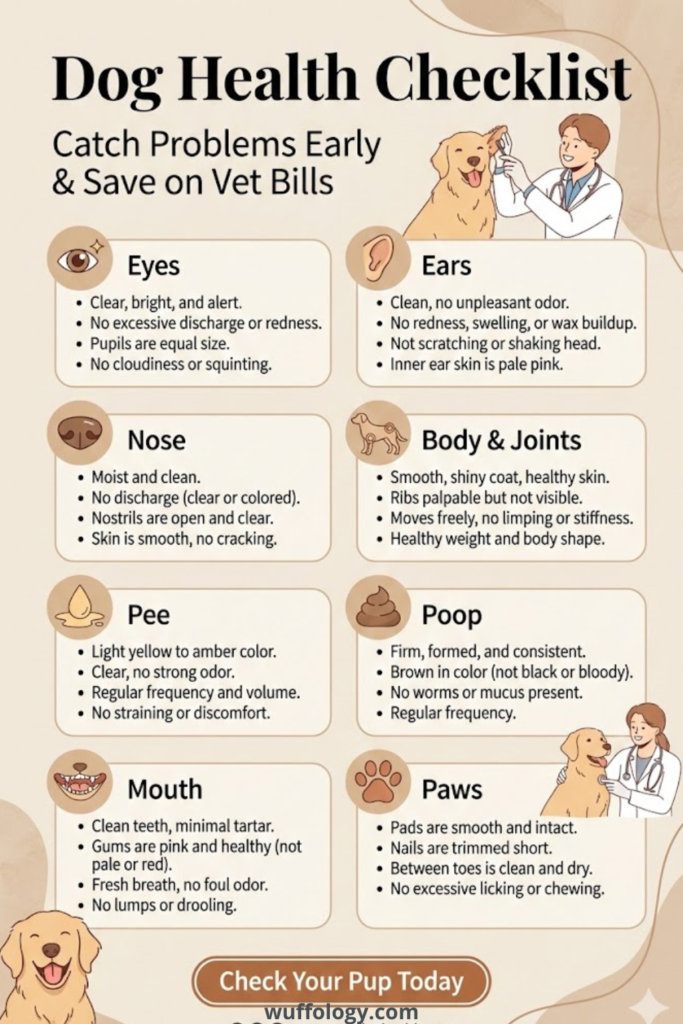
- Nose-to-tail sweep: Run your hands along the body. Feel for lumps, heat, swelling, scabs, or pain spots.
- Skin and coat: Dry flakes, bald patches, redness, or a “moth-eaten” coat can signal allergies, parasites, or thyroid issues.
- Eyes: Clear and bright? Good. Goopy discharge, squinting, cloudiness, or a suddenly blue/gray film—get an exam ASAP.
- Ears: Normal ears don’t smell like corn chips left in a gym bag. Redness, brown gunk, head-shaking = ear infection.
- Mouth and teeth: Lift the lip. Bright pink gums, minimal tartar, no broken teeth. Bad breath can mean dental disease or gut issues.
- Paws and nails: Check pads for cracks or burrs. Overgrown nails change gait and hurt joints—trim regularly.
When a lump is “not nothing”
Measure it with a ruler and snap a photo. Any lump that grows, changes color, gets firm, or bothers your dog needs a vet look. Early removal often costs less and has a better outcome, IMO.
Vital Signs You Can Check at Home
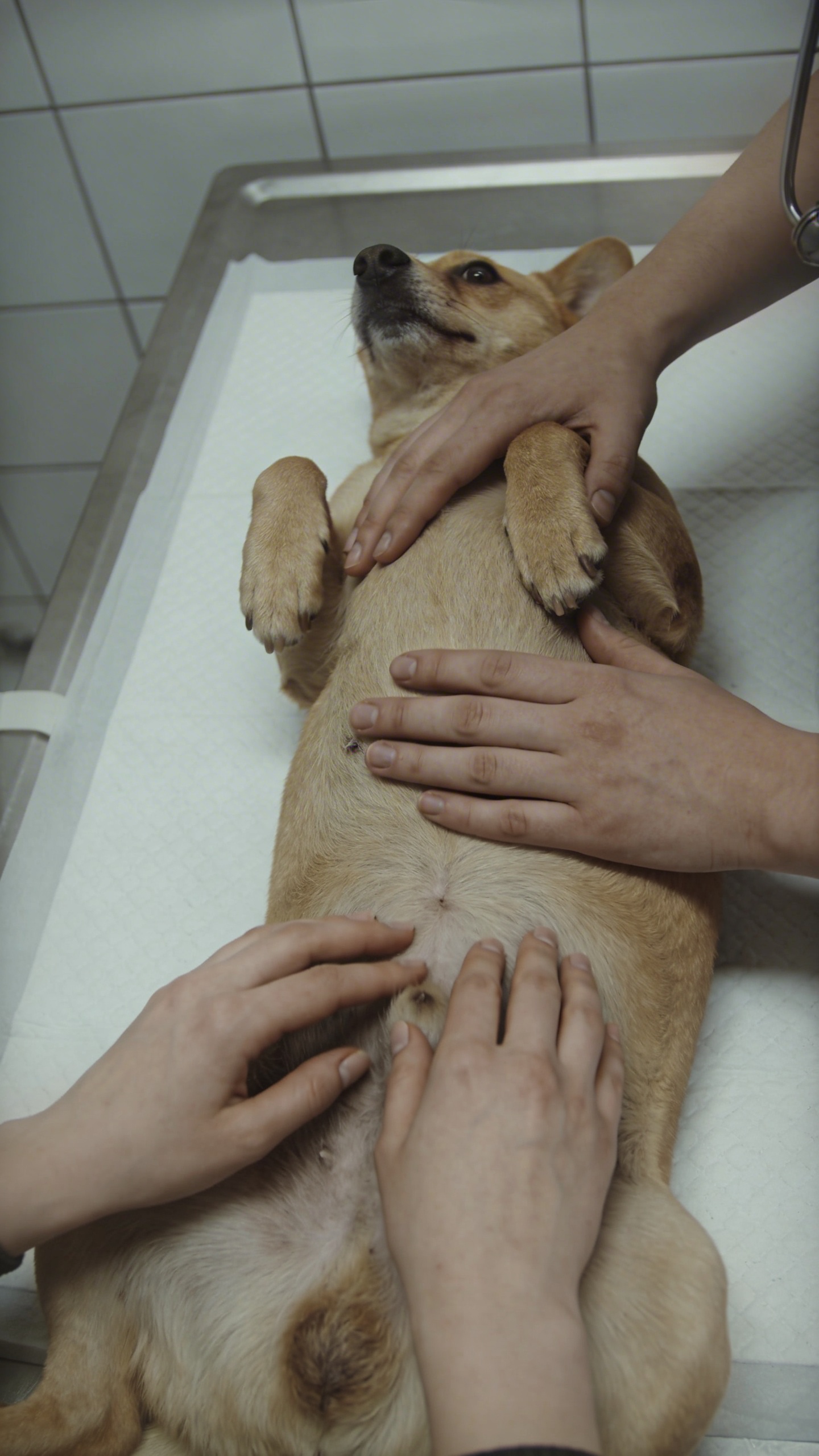
You don’t need to be a paramedic. Learn baseline vitals now so you notice changes later.
- Resting heart rate: 60–100 bpm for big dogs, 90–140 for small breeds. Count beats at the chest for 15 seconds, multiply by 4.
- Breathing rate at rest: 10–30 breaths per minute. Count while sleeping. Over 35 at rest = call your vet, FYI.
- Temperature: 99.5–102.5°F (37.5–39.2°C), rectal thermometer only. Over 103 or under 99? That’s urgent.
- Gum color and capillary refill: Press gum; pink should return in under 2 seconds. Pale, blue, or yellow gums = immediate vet.
Build your mini first-aid kit
- Digital thermometer (for rectal use only—label it unless you like chaos)
- Styptic powder for nail bleeds
- Saline for eye flushes
- Benadryl (diphenhydramine) per vet-approved dose for allergic reactions
- Clean tweezers for ticks/splinters
Poop, Pee, and Other Glamorous Topics
You learn a lot from bathroom breaks. It’s not weird—it’s responsible.
- Poop: You want firm, easy-to-pick-up logs. Mucus, blood, black/tarry, or gray = vet. Diarrhea that lasts more than 24–48 hours? Call.
- Pee: Straining, frequent squats with little output, strong smell, or accidents can mean UTI, stones, or hormonal issues.
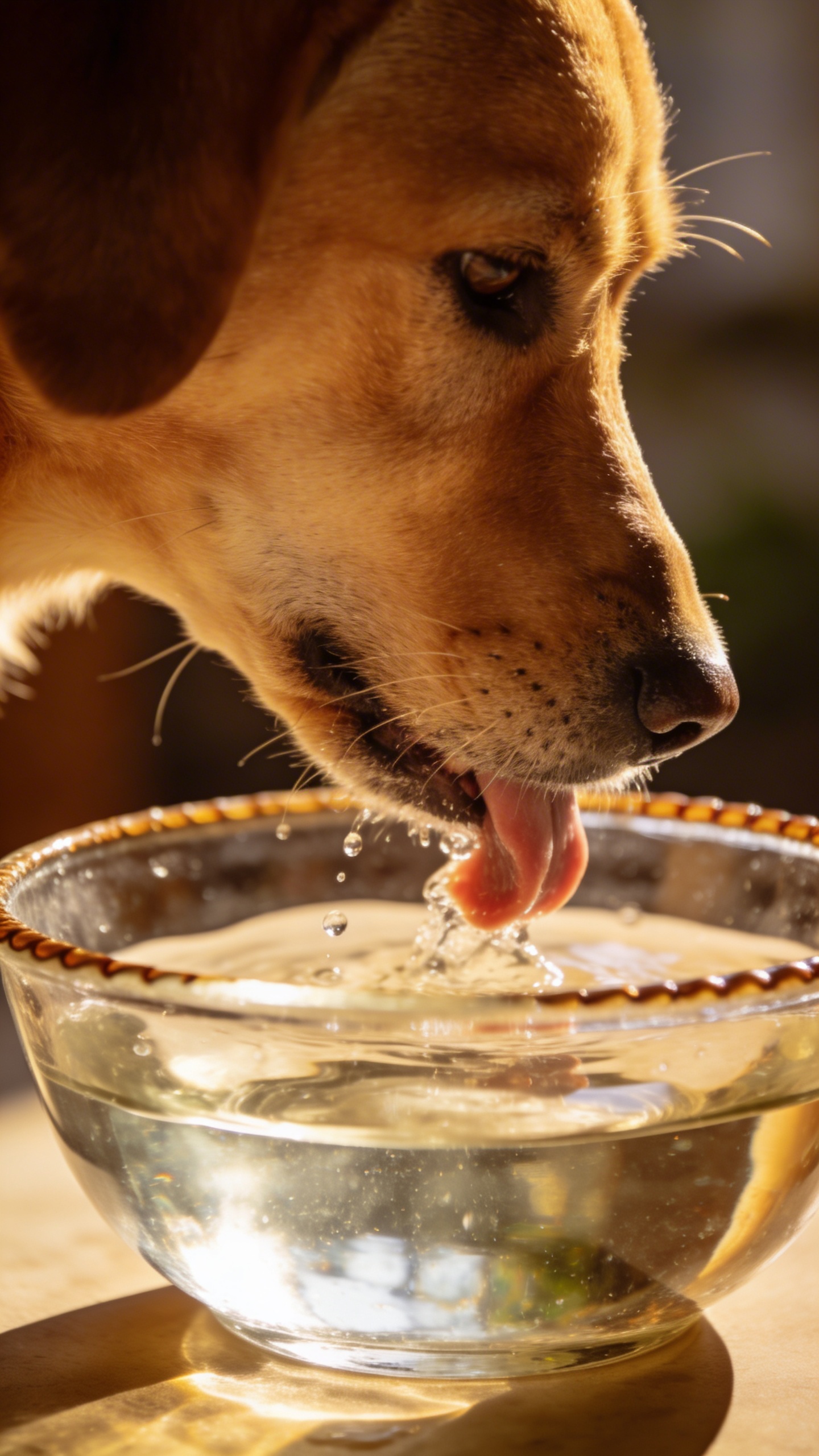
- Drinking changes: Suddenly guzzling water can flag diabetes, kidney disease, or Cushing’s. Track ounces for a few days and share with your vet.
Bring samples like a boss
If your vet asks for stool or urine, grab a fresh sample (same day) in a clean container. Keep it chilled if there’s a delay. Yes, we all have that friend who uses a jam jar.
Weight, Joints, and Mobility
Excess weight drains the budget fast via joint meds, surgeries, and chronic disease. Prevention costs zero.
- Body Condition Score (BCS): You should feel ribs with light pressure, see a waist from above, and an abdominal tuck from the side.
- Signs of pain: Slower on walks, reluctance to jump, pacing at night, licking joints. Dogs don’t fake pain—ever.
- Move smart: Short, frequent walks beat weekend marathons. Slippery floors? Use rugs. Ramps save backs (and your future wallet).
Fast wins that help joints
- Keep nails short to normalize posture
- Add omega-3s (EPA/DHA) for inflammation, vet-approved dose
- Core and balance games: slow sits/stands, figure-eights, wobble cushions
Parasites: The Cheap Problems That Get Pricey
Fleas, ticks, heartworms—none of these politely leave on their own. Prevent them.
- Heartworm prevention year-round unless your vet says otherwise. Treatment costs thousands; prevention doesn’t.
- Flea/tick control: Choose a vet-recommended product. Check ears, armpits, groin, and between toes after hikes.
- Stool checks: Do fecal testing at least 1–2x/year. Many gut parasites hide; symptoms show late.
Natural remedies?
I love a good DIY, but garlic, essential oils, and random internet tinctures can harm dogs. Stick with proven preventives, IMO.
Food, Bowls, and That Sneaky “Just One Bite”
Nutrition won’t fix everything, but it sets the stage for almost everything.
- Pick a complete diet: Choose AAFCO-compliant foods or a board-certified veterinary nutritionist recipe.
- Switch slowly: 7–10 day transitions prevent stomach drama.
- Watch the extras: Treats and table scraps should be under 10% of daily calories. Pancreatitis loves fatty human foods—your dog does not love pancreatitis.
- Clean bowls daily. Biofilm is a thing. It’s gross. Wash them.
When supplements help
- Omega-3s for skin and joints
- Probiotics for sensitive guts or during antibiotics
- Joint chews with glucosamine/chondroitin for aging pups
Always run supplements by your vet—some interact with meds.
Know Your Dog’s Breed Risks
Certain breeds come with bonus features (and “features”). Invest in screenings early.
- Large breeds: Hip/elbow dysplasia, bloat. Learn bloat signs and consider a gastropexy if your vet recommends it.
- Brachycephalics (flat-faced): Breathing problems, overheating, eye injuries. Keep them cool; watch for snoring that gets worse.
- Tiny breeds: Dental disease, collapsing trachea, low blood sugar in puppies.
- Certain lines: Heart disease (Cavs), DCM (some large breeds), cancers (Boxers, Goldens). Ask your vet about breed-specific screenings.
Set a preventive care calendar
- Annual exam for healthy adults; twice yearly for seniors or chronic issues
- Vaccines per vet schedule and lifestyle
- Bloodwork baseline at 2–3 years, then yearly after middle age
Red Flags You Never Ignore
If you see these, you don’t wait it out, you call.
- Repeated vomiting or any blood in vomit/stool
- Unproductive retching (possible bloat) or distended, painful belly
- Seizures or sudden collapse
- Struggling to breathe, blue/pale gums
- Inability to urinate or extreme pain
- Sudden blindness, head tilt, or severe disorientation
FAQ
How often should I take my dog to the vet if they seem healthy?
Most healthy adult dogs do well with one full exam per year. Puppies, seniors, and dogs with chronic issues usually need every 6 months. Preventive visits catch problems earlier—and cheaper—than emergency ones, FYI.
What’s the best way to track my dog’s health changes?
Use a simple notes app. Log weight, appetite, poop consistency, meds, and anything “off.” Add photos of lumps or rashes. When you show your vet, you’ll get faster, better answers (and hero status).
Do I really need heartworm prevention if we live in a cold climate?
Yes. Mosquito seasons stretch, and missed doses leave gaps. Heartworm treatment is rough and pricey; prevention stays simple and affordable, IMO.
Can I brush my dog’s teeth or is that overkill?
Brush if you can—daily or every other day works best. If brushing fails, use dental chews with the VOHC seal, water additives, or vet cleanings. Dental disease sneaks up and costs big later.
When should I worry about my dog’s weight?
If you can’t feel ribs easily or the waist vanished, it’s time. Ask your vet for a target weight and calorie plan. Small losses (1–2% per week) protect joints and extend life—actual science, not just wishful thinking.
Is pet insurance worth it?
If a surprise $3,000 bill would wreck your budget, consider it. Pick a plan that covers emergencies and big-ticket items, not just wellness. Or stash a monthly amount in a dedicated savings account—just do one or the other.
Wrap-Up: Make “Normal” Your Superpower
You don’t need to predict the future—you just need to notice when your dog isn’t their normal self. Run the quick daily scan, do the weekly hands-on check, track what changes, and call your vet early. Small problems stay small when you catch them fast. Your dog stays happy, you stay sane, and your bank account doesn’t cry. Win-win, IMO.





One comment on “Vet-Approved Dog Health Checklist: Spot Problems Before They Get Expensive Today”
Comments are closed.