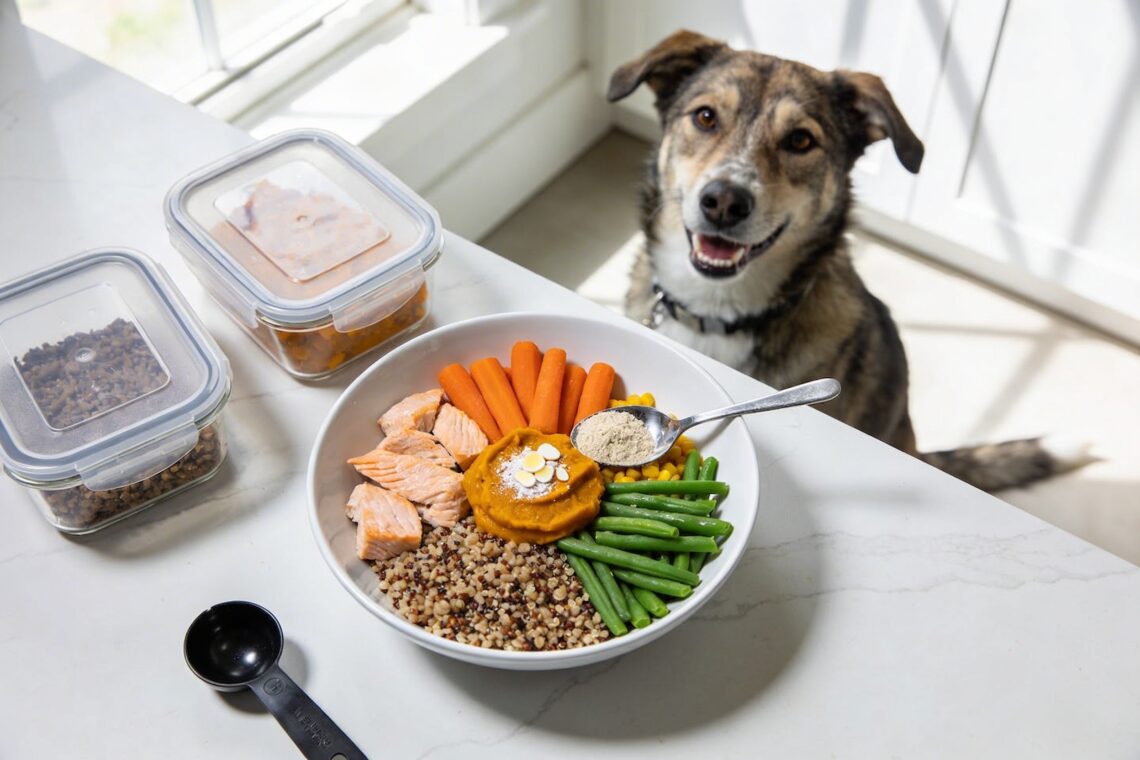
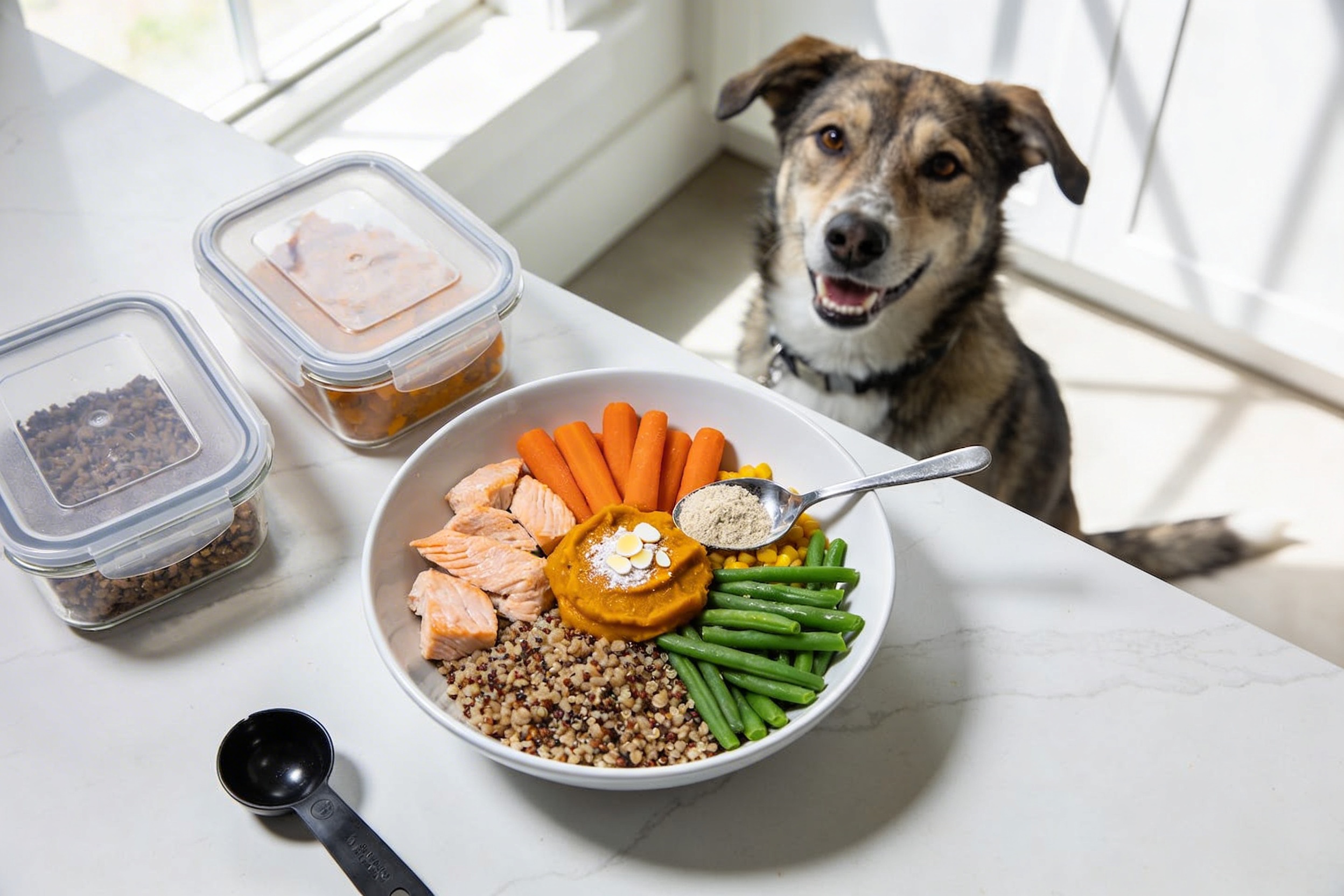
You want to cook for your dog every day without sacrificing your sanity or your Saturday mornings? Same. The good news: you can feed your pup fresh, balanced meals without chopping like a sous-chef or simmering stock at 6 a.m. The trick lies in smart batching, simple formulas, and a few vet-approved shortcuts. Let’s keep it real, keep it safe, and keep your dog drooling (for the right reasons).
First, the Non-Negotiables (So Your Dog Actually Thrives)
Before we get cute with recipes, you need a quick checklist. Dogs need protein, fat, carbohydrates, fiber, and micronutrients. Skip this, and you’ll get a shiny bowl of “meh.”
- Protein: Lean meats like chicken, turkey, beef, pork, salmon, eggs. Aim for 40–60% of the meal by cooked weight.
- Carbs + Fiber: Rice, oats, quinoa, potatoes, sweet potatoes. Add fiber with pumpkin, leafy greens, carrots, or green beans.
- Healthy fats: From meat, eggs, or a drizzle of oil. Dogs need fat for energy and coat health.
- Calcium + micronutrients: This matters. Use a dog-specific multivitamin or calcium source (like ground eggshell powder) to balance home-cooked meals. FYI: A normal multivitamin for humans won’t cut it.
Portioning 101 (Quick Formula)
As a ballpark for healthy, active dogs:
- Adult dogs: 2–3% of ideal body weight per day in food (total), split into 1–2 meals.
- Puppies: 5–6% and more frequent meals—talk to your vet for specifics.
IMO, start at 2.5% and adjust based on body condition: ribs faintly palpable = sweet spot.
The One-Pot Base Mix You Can Batch on Autopilot
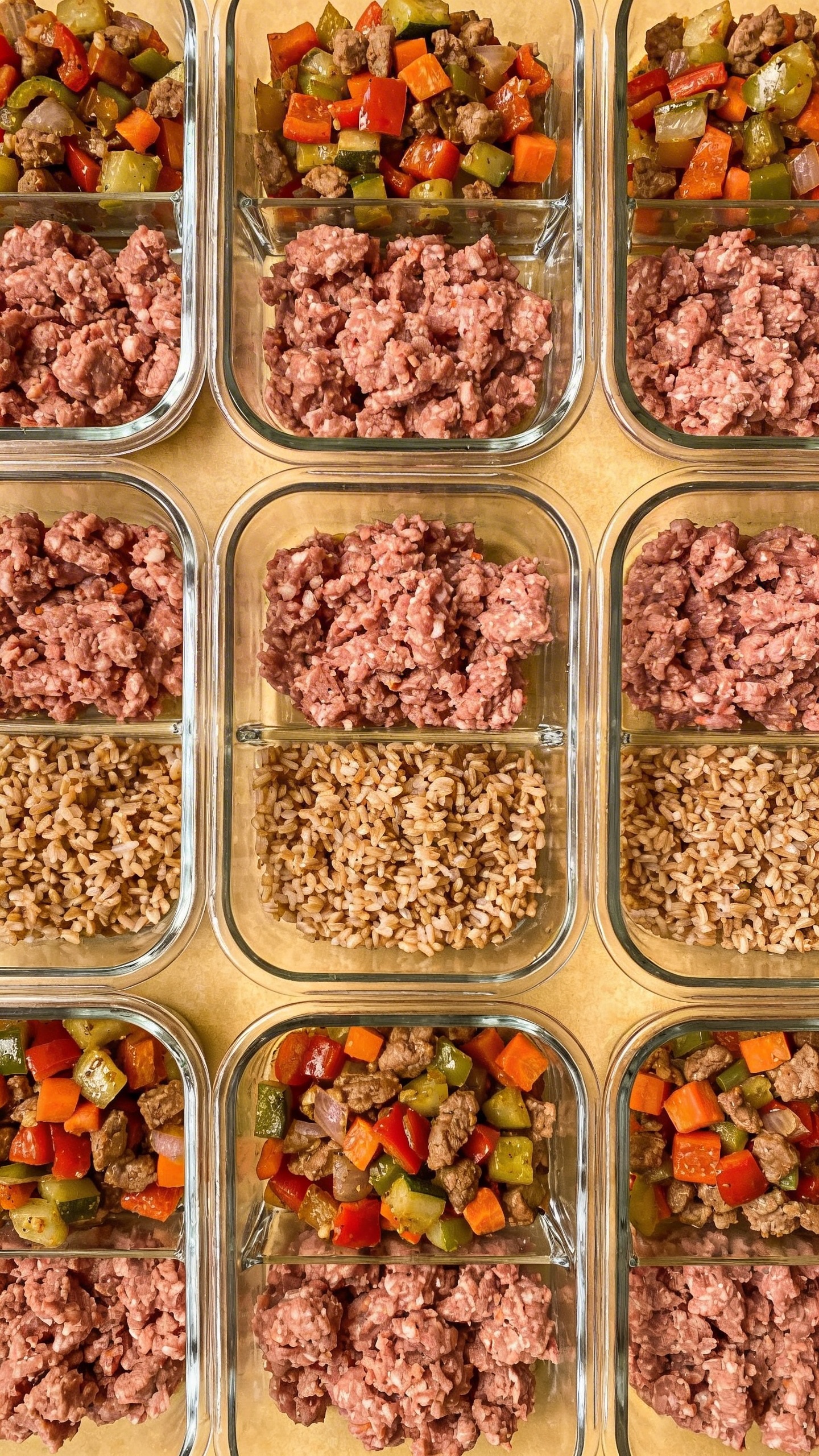
You want simple? This is your plug-and-play base you can rotate weekly. It takes under an hour, most of it hands-off. Freeze in daily portions and you’re basically a canine meal-prep influencer. Base Batch (about 10–12 cups cooked):
- 3 lb ground turkey or lean beef
- 2 cups rice (white or brown) or 1.5 cups quinoa
- 4 cups water or low-sodium bone broth
- 2 cups chopped veggies: carrots, green beans, spinach, zucchini
- 2 tbsp olive oil or salmon oil (post-cooking for salmon oil)
Method:
- Brown meat in a big pot. Drain if super fatty.
- Add grains, water/broth, veggies. Simmer until grains cook and liquid absorbs (20–30 minutes).
- Cool, then stir in oil.
- Portion into freezer containers. Thaw overnight in the fridge.
To balance: Add a vet-formulated dog multivitamin and a calcium source as directed on the label. Many brands tell you exactly how much to add per pound of food. Don’t eyeball it—your dog is adorable, not a guinea pig.
Variations So Your Dog Doesn’t File a Complaint
Rotate proteins and carbs to cover micronutrient bases and keep interest high:
- Protein swaps: chicken, pork loin, tinned salmon in water, sardines (limit due to fat), scrambled eggs.
- Carb swaps: sweet potato, millet, oats, barley, pasta (al dente, unsalted).
- Veg swaps: pumpkin, peas, broccoli (chopped small), kale (wilted). Avoid onions, garlic, leeks, grapes, raisins, xylitol, macadamia nuts.
Microwave, Sheet Pan, or Instant Pot? Choose Your Lazy
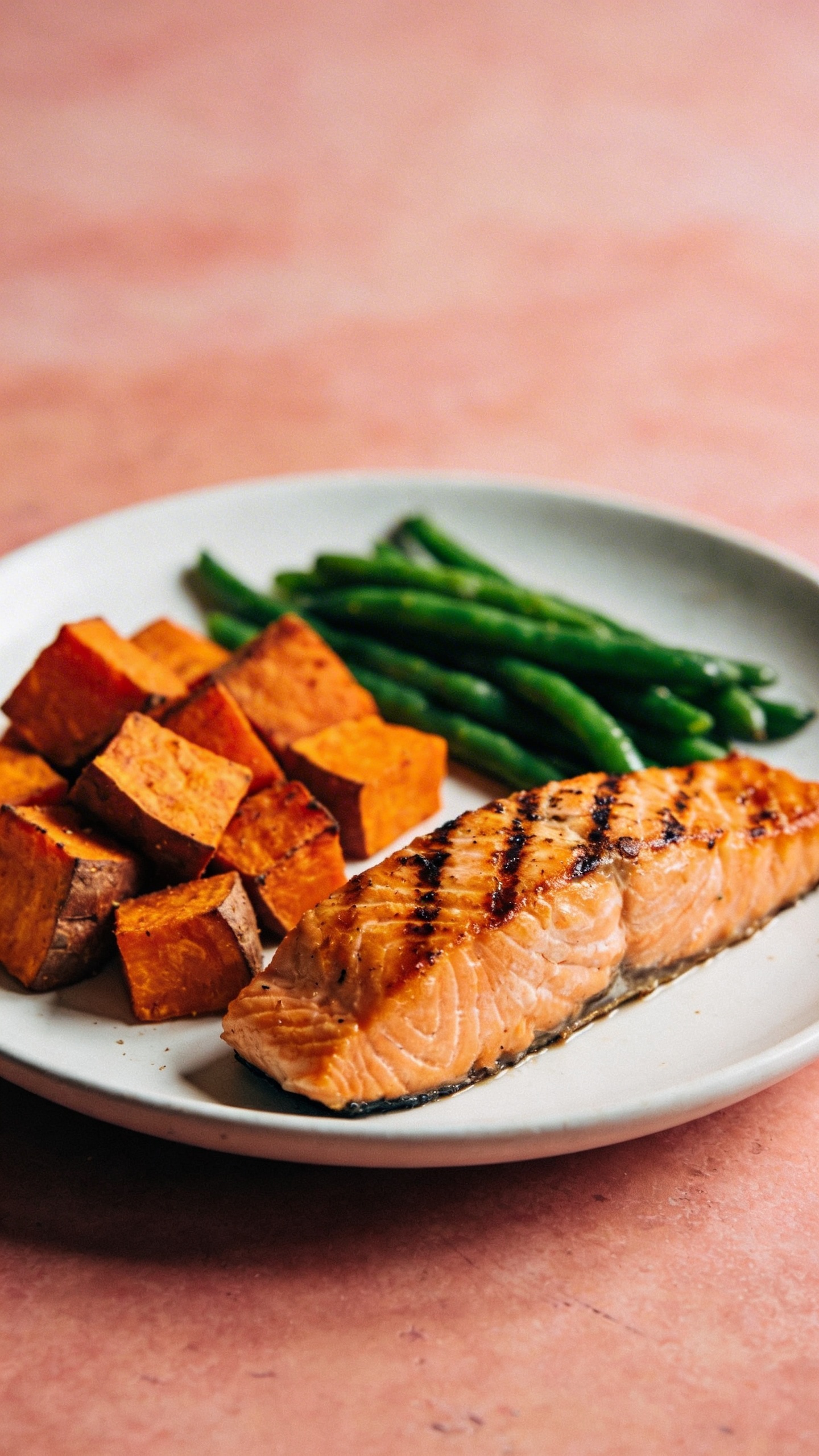
You don’t need a chef’s knife and a Spotify “Chill Cooking” playlist. You need shortcuts.
Instant Pot “Dump and Walk”
- 2 lb chicken thighs, 1 cup rice, 3 cups water, 1 cup carrots + green beans.
- High pressure 10 minutes; natural release 10 minutes. Shred chicken, stir in 1 tbsp oil. Add supplements after cooling.
Sheet Pan Speed-Run
- On a lined pan: 2 lb ground beef in chunks, diced sweet potato, zucchini. Roast at 400°F for ~20 minutes, flip halfway.
- Mix with pre-cooked rice or oats. Add oil and supplements when cool.
Microwave Scramble (Emergency Breakfast)
- 2 eggs, handful of spinach, splash of water. Microwave 60–90 seconds, stir once.
- Serve over leftover rice. Add a spoon of plain yogurt for probiotics if your dog tolerates dairy.
No-Cook Add-Ins That Make You Look Fancy
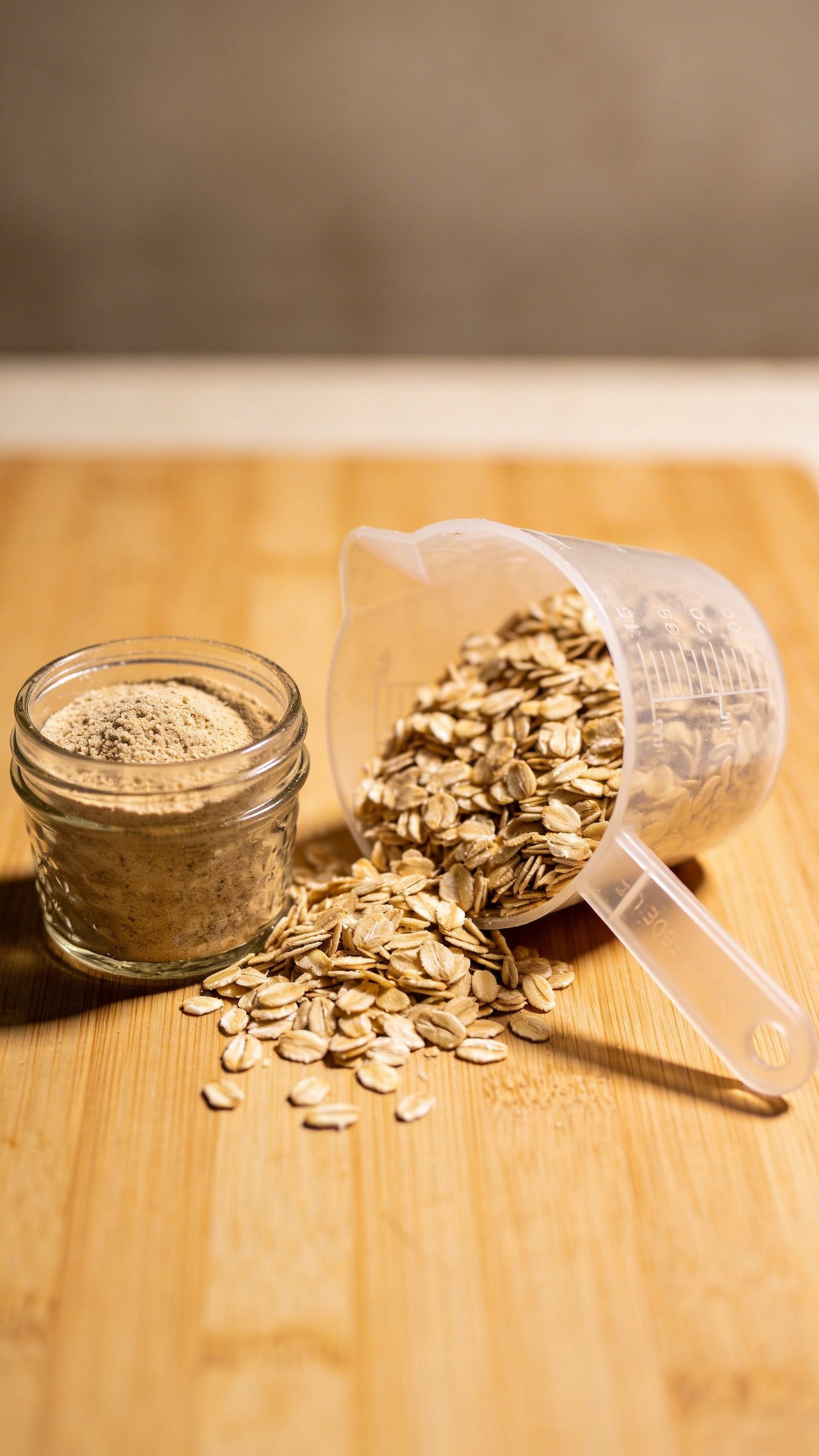
When you’re reheating yesterday’s hero meal, toss in one of these for extra nutrition and excitement:
- Plain pumpkin puree: great fiber, helps poop politics.
- Blueberries or apple (no seeds): antioxidants, taste party.
- Cottage cheese or kefir: protein + probiotics (try small amounts first).
- Chia or ground flax: omega-3s, fiber; start with 1/2 tsp per 20 lb body weight.
- Fresh herbs: parsley or basil, chopped fine. Skip anything onion-adjacent.
Balancing Without a PhD: Supplements That Save the Day
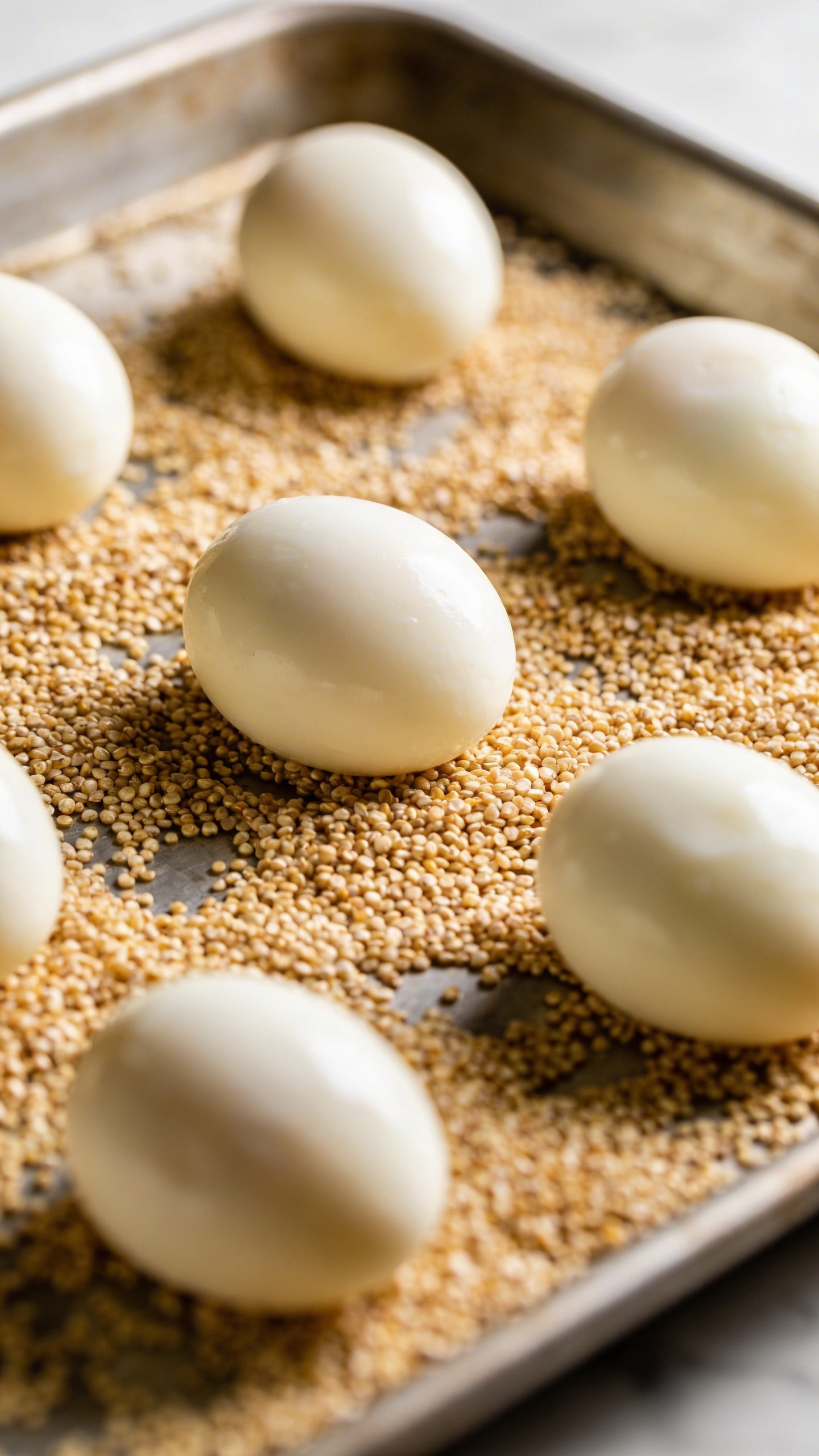
Home cooking often misses calcium, certain vitamins, iodine, and trace minerals. You can fix that without spreadsheets.
- All-in-one dog supplement: Choose one designed for homemade diets. Follow the label for weight or food volume.
- Calcium: If your all-in-one doesn’t include it, add about 900–1000 mg calcium per pound of food (rough guide). Ground eggshell works: 1 tsp powder ≈ 1800–2000 mg.
- Fish oil: For omega-3s. Typical dose: EPA + DHA at 50–100 mg per kg of dog body weight daily. Start low to avoid tummy drama.
When to Ask Your Vet
- Puppies, seniors, pregnant/nursing dogs, or dogs with kidney, liver, or GI disease need customized plans.
- If your dog scratches, gasses you out, or has loose stools consistently, tweak ingredients or see the vet.
Seven Lazy-Day Meal Ideas (All 15 Minutes or Less)
- Turkey & Rice Bowl: Leftover turkey, rice, peas, splash of bone broth.
- Egg & Sweet Potato Hash: Microwave-diced sweet potato + scrambled eggs + spinach.
- Salmon & Quinoa: Canned salmon (in water), cooked quinoa, cucumber, drizzle of olive oil.
- Beef & Oats: Browned lean beef, quick oats cooked in water, carrot shreds.
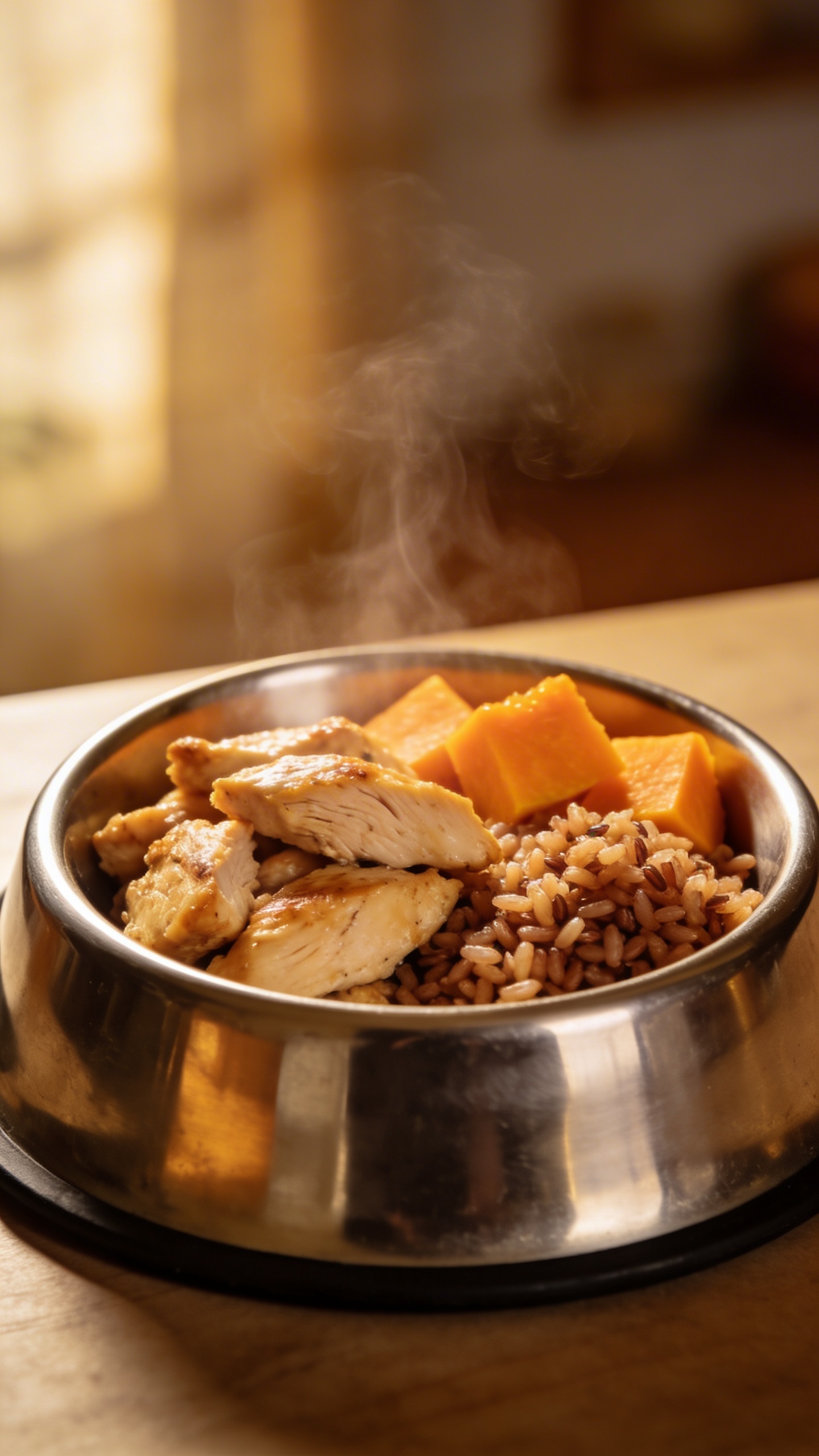
- Chicken & Pumpkin Mash: Shredded rotisserie chicken (skin off, no seasoning), pumpkin puree, green beans.
- Pork & Barley: Diced pork loin, barley, chopped kale (wilted in the pan).
- Sardine Power Bowl: Sardines in water, rice, diced zucchini, parsley. Use modest portions—sardines pack fat.
Reminder: Add your chosen supplement and calcium as instructed once the food cools. Heat can degrade some nutrients.
Food Safety So You Don’t End Up With Regret Soup
A little care keeps both of you out of trouble.
- Cook meats to safe temps: Poultry 165°F, ground meats 160°F, fish 145°F.
- Cool fast: Spread cooked food in shallow containers before refrigeration.
- Storage: Fridge 3–4 days. Freezer up to 2–3 months. Label dates—future you will forget.
- Reheat gently: Warm to room temp or slightly above. Stir to avoid hot spots.
- Never feed: Onions, garlic, chives, grapes, raisins, xylitol, chocolate, alcohol, nutmeg, macadamia nuts, cooked bones.
How to Transition Without Upsetting Delicate Tummies
Switching too fast can trigger digestive drama. Take a week, not a day.
- Day 1–2: 25% new, 75% current food.
- Day 3–4: 50/50.
- Day 5–6: 75% new.
- Day 7: 100% new.
If stools go soft, slow down and add a spoon of pumpkin. Hydration helps, too.
FAQs
Can I feed my dog raw food to save time?
You can, but raw diets carry risks from bacteria and nutrient imbalances. If you go raw, use a formulated recipe from a veterinary nutritionist and handle it like sushi that growls. For low-effort and safety, cooked wins.
Do I need a supplement if I rotate ingredients?
Yes. Rotation helps, but it doesn’t guarantee enough calcium, iodine, vitamin D, or trace minerals. A dog-specific supplement keeps things balanced without mental math.
Is rice bad for dogs?
Nope. Rice is a solid carb source that’s gentle on stomachs. Mix it with protein, veggies, and healthy fats so it’s a meal, not a carb party.
Can I use rotisserie chicken?
Yes—with edits. Remove skin, bones, and seasoned bits (garlic and excessive salt are a no). Combine with a carb, veg, oil, and your supplement to round it out.
What if my dog won’t eat vegetables?
Steam and chop them fine, or puree and mix with meat. Many dogs accept veggies better when lightly cooked and coated with broth or oil. Sneaky? Absolutely. Effective? Also yes.
How do I know if my dog’s getting the right amount?
Watch body condition. You should feel the ribs with light pressure but not see them. Weigh weekly for a month and adjust portions by 10% as needed. Energy, coat, and poop quality tell you a lot, too.
Wrap-Up: Cook Smart, Not Long
You don’t need a culinary degree or a six-hour Sunday ritual to feed your dog well. Batch a simple base, rotate proteins and carbs, and lean on a solid supplement to fill the gaps. Keep meals safe, portions sensible, and add fun toppings when you feel extra. Your dog gets fresh, balanced food. You get your time back. Win-win, IMO.