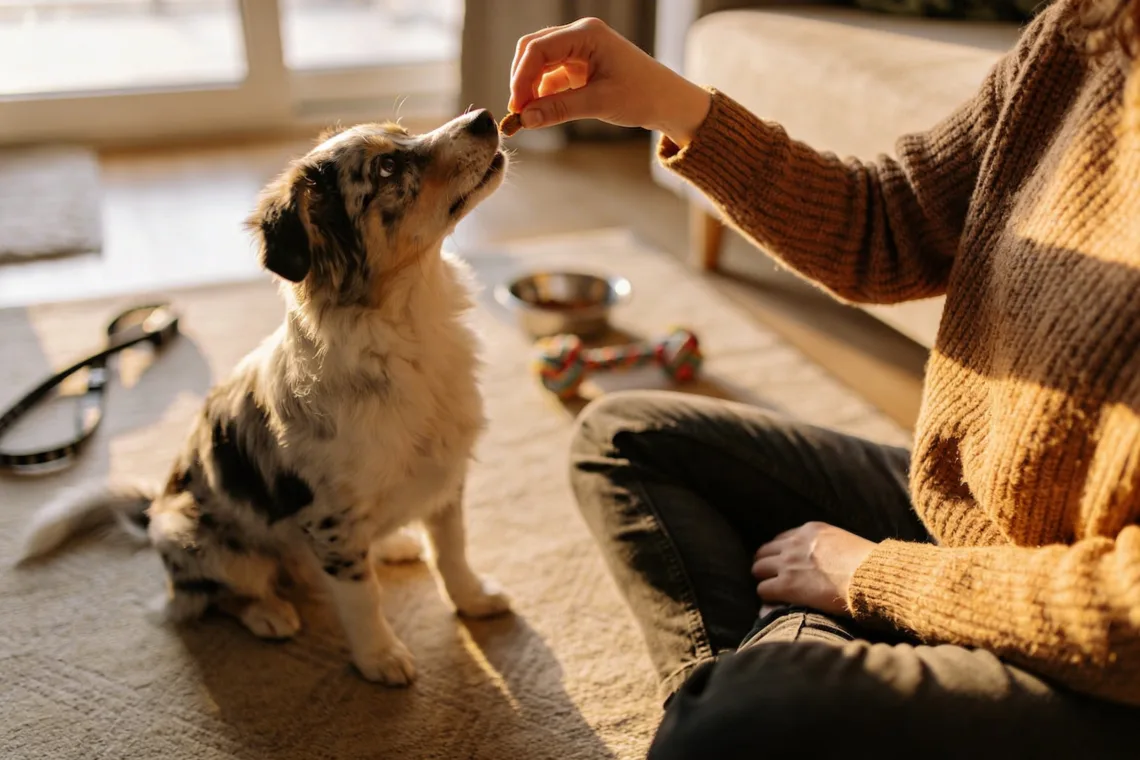
You’ve just brought home a wiggling, sniffing ball of chaos, and now reality hits: this adorable creature has no idea who you are. The first month with a new dog is basically speed-dating meets building a lifelong friendship, and you’ve got a limited window to make it stick. Let’s skip the generic advice and dive into the genius moves that’ll have you and your pup acting like old souls by week four.
Create a Sacred Routine (Yes, Really)
Here’s the thing about dogs: they’re basically furry comfort creatures who thrive on predictability. Your new pup is probably feeling like they just landed on an alien planet, so establishing a routine is like giving them a map.
Start with the basics: feed them at the same times every day, take them out for potty breaks on a schedule, and create consistent bedtime rituals. I’m talking wake up at 7, breakfast at 7:15, potty at 7:30—you get the idea. Sounds boring for you? Maybe. But your dog will worship you for it.
The magic happens around day 10 when your dog starts anticipating what comes next. They’ll meet you at the door with their leash in their mouth because they KNOW it’s walk time. That’s not just cute; that’s trust building in real-time.
Become the Treat Dispenser Extraordinaire
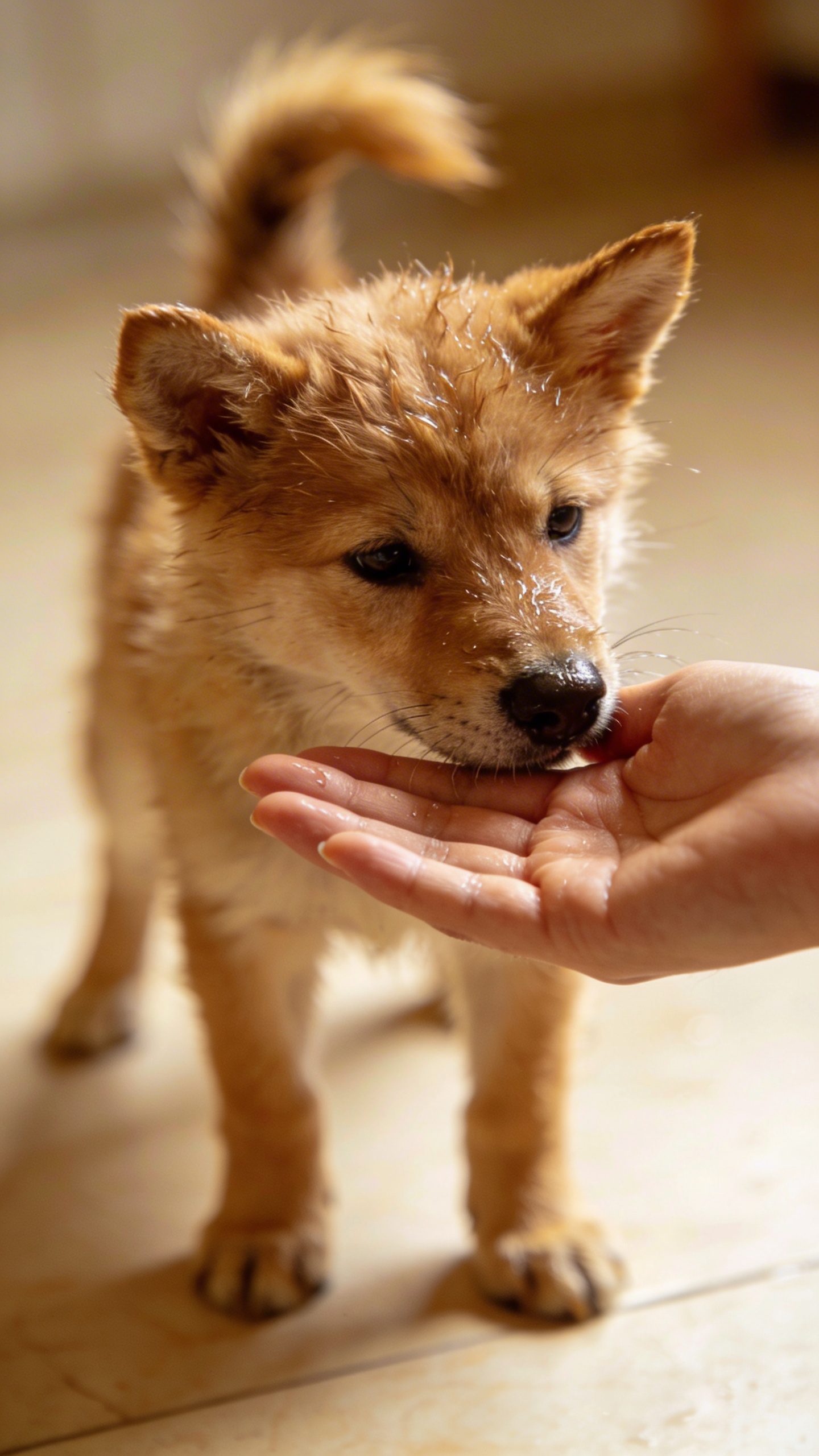
Want to know the fastest way to a dog’s heart? Spoiler alert: it’s through their stomach, and I’m not even sorry about stating the obvious.
Hand-feed your dog at least a few meals during the first month. Sit on the floor, make them do simple things (sit, look at you, literally anything), and reward them with kibble from your palm. This creates an association that you = source of all good things in life.
The Strategic Treat Drop
Don’t just feed them during training sessions. Randomly drop treats when you walk by them lounging on their bed. Toss them a snack when they make eye contact with you. Give them goodies for absolutely nothing except existing in your presence.
This isn’t bribery; it’s building positive associations. You’re essentially programming their brain to think, “Every time that human is around, awesome stuff happens.” Pretty genius, right?
Talk to Them Like They’re Your Therapist
I’m giving you full permission to look absolutely ridiculous. Talk to your dog constantly—narrate your life, explain what you’re doing, ramble about your day. They won’t understand most of it, but they’ll learn your voice, your tone, and your energy.
Dogs are masters at reading human emotion and vocal patterns. The more you chat, the faster they’ll pick up on your happy voice versus your serious voice versus your “stop eating that sock RIGHT NOW” voice.
FYI, this also helps with name recognition. Use their name positively and often. “Bella, want to go outside? Bella, you’re such a good girl! Bella, look at this!” By week two, they’ll whip their head around every time they hear their name.
Master the Art of Parallel Play

You don’t need to entertain your dog 24/7—in fact, you shouldn’t. But being near them while you do your own thing? That’s bonding gold.
Set up your laptop on the floor and work while they chew a toy nearby. Read a book on the couch with them snuggled next to you. Cook dinner while they hang out in the kitchen watching you like you’re performing a Broadway show. This “parallel play” teaches them that being with you is relaxing and normal, not just exciting or stressful.
Think of it like roommate bonding. You’re not always actively hanging out, but the comfortable coexistence builds familiarity and trust.
Get Down on Their Level (Literally)
Here’s something most new dog owners don’t think about: you’re HUGE and kind of intimidating to a dog, especially at first. Spending time at their physical level changes the entire dynamic.
Floor Time Is Quality Time
Sit on the floor while watching TV. Lie down and let them investigate you. Play with toys while you’re sprawled out on the carpet like a starfish. Getting low removes the height barrier and makes you more approachable.
I’ve seen nervous dogs completely transform when their humans start doing this regularly. Something about meeting them in their space makes you less “giant overlord” and more “friendly companion.”
Teach One Trick Per Week
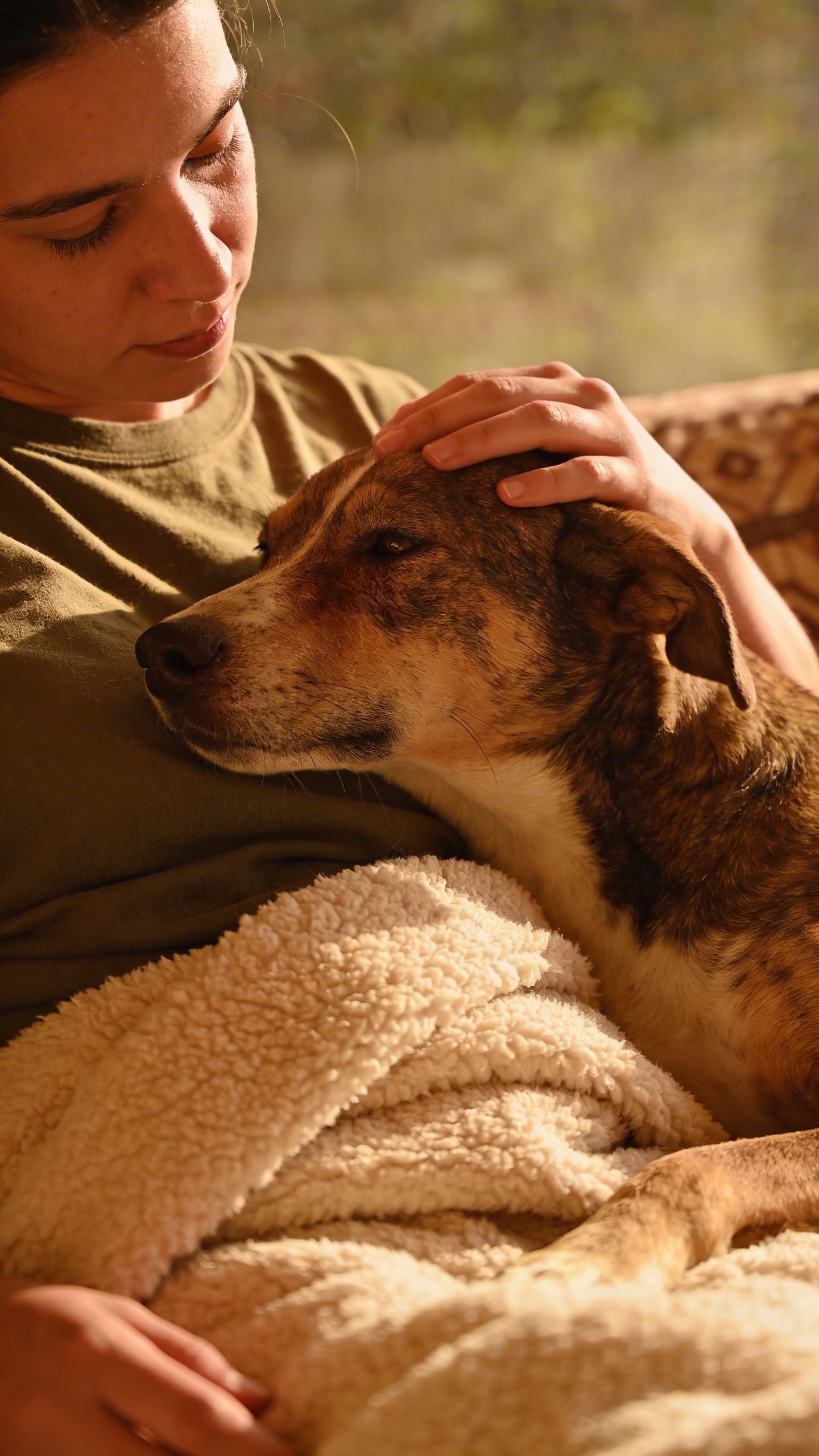
Training isn’t just about obedience; it’s a bonding experience wrapped in mental stimulation. Plus, working together toward a goal creates partnership vibes.
Pick something simple: sit, down, shake, touch your hand with their nose. Spend 5-10 minutes daily working on it. Keep sessions short, upbeat, and reward-heavy.
By the end of week one, they nail “sit.” Week two, “down.” Week three, “shake.” By month’s end, you’ve got a mini repertoire of shared language. That’s connection, baby.
The Power of “Yes!”
Use a marker word (like “yes!” or “good!”) the instant they do what you want, followed immediately by a treat. This clear communication helps them understand you faster, and understanding builds trust. Dogs love knowing what we want from them—it removes anxiety and creates confidence.
Create Shared Adventures
You know what bonds humans? Shared experiences. Same goes for dogs. Take your pup on mini adventures—and I’m not talking epic hikes if they’re not ready.
Try different walking routes each week. Visit a pet-friendly store and stroll the aisles. Sit together at an outdoor café. Let them experience new sights, smells, and sounds with you as their safety anchor. When they look back at you nervously in a new environment and you reassure them, that’s bonding magic happening.
IMO, these small adventures do more for your relationship than repetitive backyard time ever could.
Respect Their Space and Boundaries
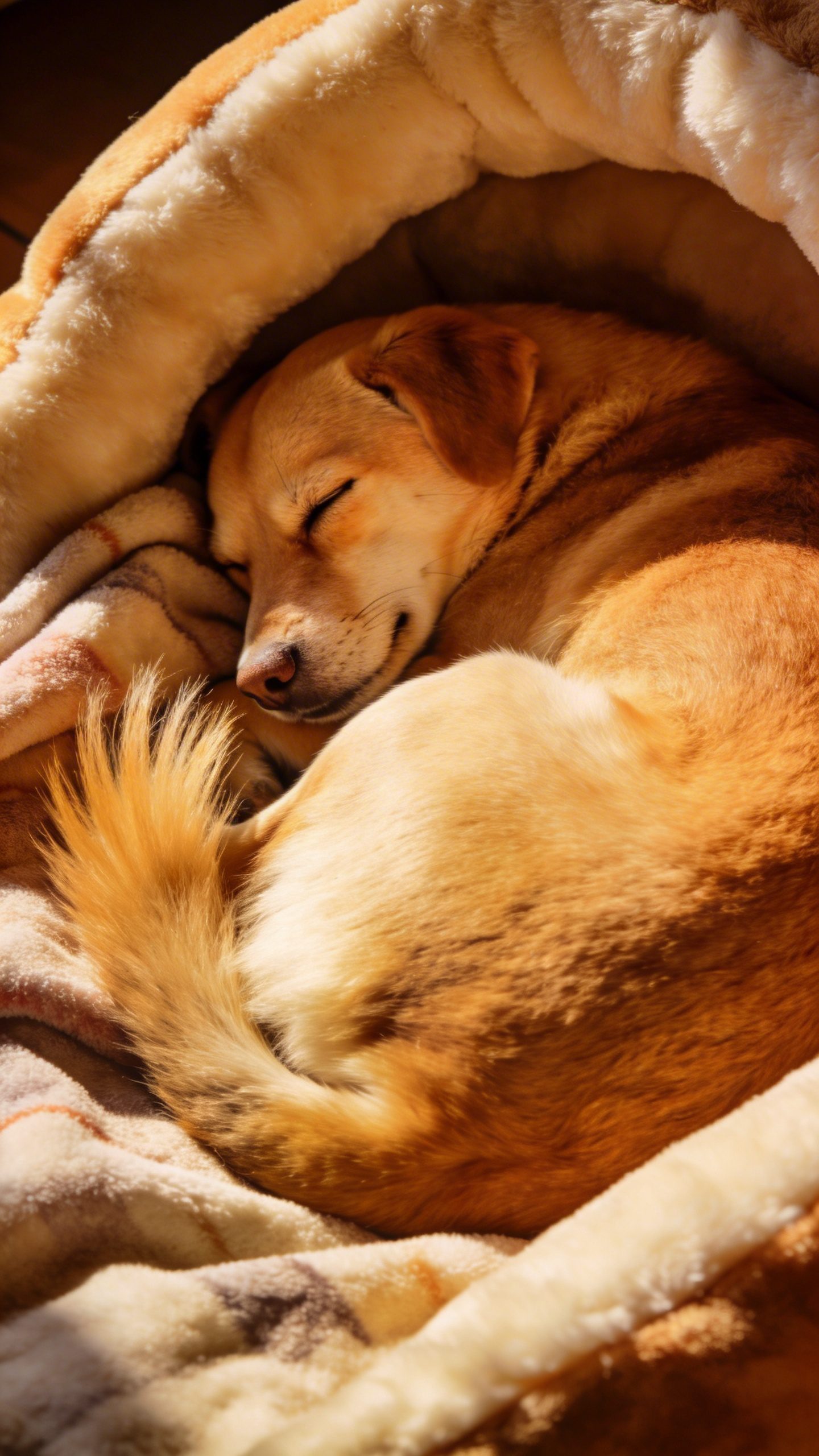
Real talk: bonding isn’t just about what you do—it’s also about what you don’t do. Give your dog permission to have space when they need it.
Set up a cozy crate or bed that’s their safe zone. Don’t force cuddles if they’re not into it yet. Let them approach you instead of always pursuing them. Some dogs need time to warm up, and pushing too hard backfires spectacularly.
Watch their body language. Ears back, tail tucked, avoiding eye contact? They need space. Respect that, and they’ll trust you faster than any forced interaction could achieve.
The Nighttime Bonding Secret
Where your dog sleeps matters more than you think. I’m not saying they need to be in your bed (though many end up there anyway), but having them sleep in your bedroom creates overnight bonding hours you’re literally sleeping through.
They hear you breathing, smell your scent, and feel secure knowing you’re close. It’s like 8 hours of passive bonding every single night. If you’re crate training, put the crate in your room. If they sleep in a dog bed, same deal.
This proximity during vulnerable sleeping hours builds trust on a primal level. Plus, you’ll probably sleep better knowing exactly where your mischievous new friend is.
Frequently Asked Questions
How long does it take for a new dog to fully bond with you?
The timeline varies wildly depending on the dog’s background, age, and personality. Some dogs attach within days, while others take months. The famous “3-3-3 rule” suggests 3 days to decompress, 3 weeks to learn your routine, and 3 months to truly feel at home. The first month is crucial foundation work, but don’t panic if you’re not best friends by day 30. Keep consistent, and the bond will deepen over time.
Should I take time off work when I get a new dog?
If possible, absolutely yes. Even just 3-5 days makes a massive difference for establishing routine, starting potty training, and being present during that overwhelming adjustment period. If you can’t take time off, make sure someone can check on your dog frequently during the first week or consider doggy daycare for gradual socialization.
Is it normal for my new dog to seem distant or unaffectionate at first?
Totally normal, especially with rescues or adult dogs. They’re processing a massive life change and might be confused, scared, or shut down. Give them time and space. Some dogs take weeks to show their true personality. Keep offering love without demanding it back, and most dogs eventually come around. If after a month there’s zero progress, consult a trainer or behaviorist.
Can you bond with an adult dog as well as a puppy?
Absolutely—sometimes even better. Adult dogs often appreciate stability and kindness more than puppies who’ve never known anything else. They can form incredibly deep bonds, and many adult dog adopters report their dogs seeming genuinely grateful. The bonding strategies are the same; adult dogs just might need a bit more patience initially.
What if my new dog seems more bonded to my partner than to me?
Don’t take it personally—dogs often gravitate toward one person initially. The solution? You become the primary source of good stuff. You do the feeding, the treats, the walks, and the play sessions. Be the fun one. Most dogs will spread the love around once they settle in, but you can definitely encourage bonding by being the provider of their favorite things.
Should I bring my new dog everywhere with me?
Not necessarily everywhere, but exposure is good in moderation. Start small and gauge their comfort level. An overwhelmed dog isn’t bonding; they’re just stressed. Gradually increase outings as they build confidence. The goal is positive experiences together, not forcing them into situations they’re not ready for. Quality over quantity always wins.
Wrapping It Up
The first month with your new dog sets the stage for everything that comes after. You’re not just teaching them where to pee and what “sit” means—you’re building the foundation of trust, communication, and companionship that’ll last their lifetime.
Be patient with the process and with yourself. Some days you’ll feel like the dog whisperer, and other days you’ll wonder what you’ve gotten yourself into. That’s completely normal. Keep showing up, stay consistent with these bonding strategies, and before you know it, you’ll have a shadow who follows you from room to room and looks at you like you hung the moon. And honestly? That’s exactly what you signed up for.