You brought home a German Shepherd puppy. Cute gremlin mode activated. House puddles? Not so cute. Let’s fix that fast with a focused, gentle plan: the 3-Day Reset Method. In three structured days, you’ll build a potty routine that makes sense to your pup’s brain—and gives you back your floors. This isn’t magic. It’s consistency, timing, and a bit of detective work. You’ll supervise like a hawk, reward like a game show host, and use a crate like a cozy reset button. Ready?
What Is the 3-Day Reset Method?
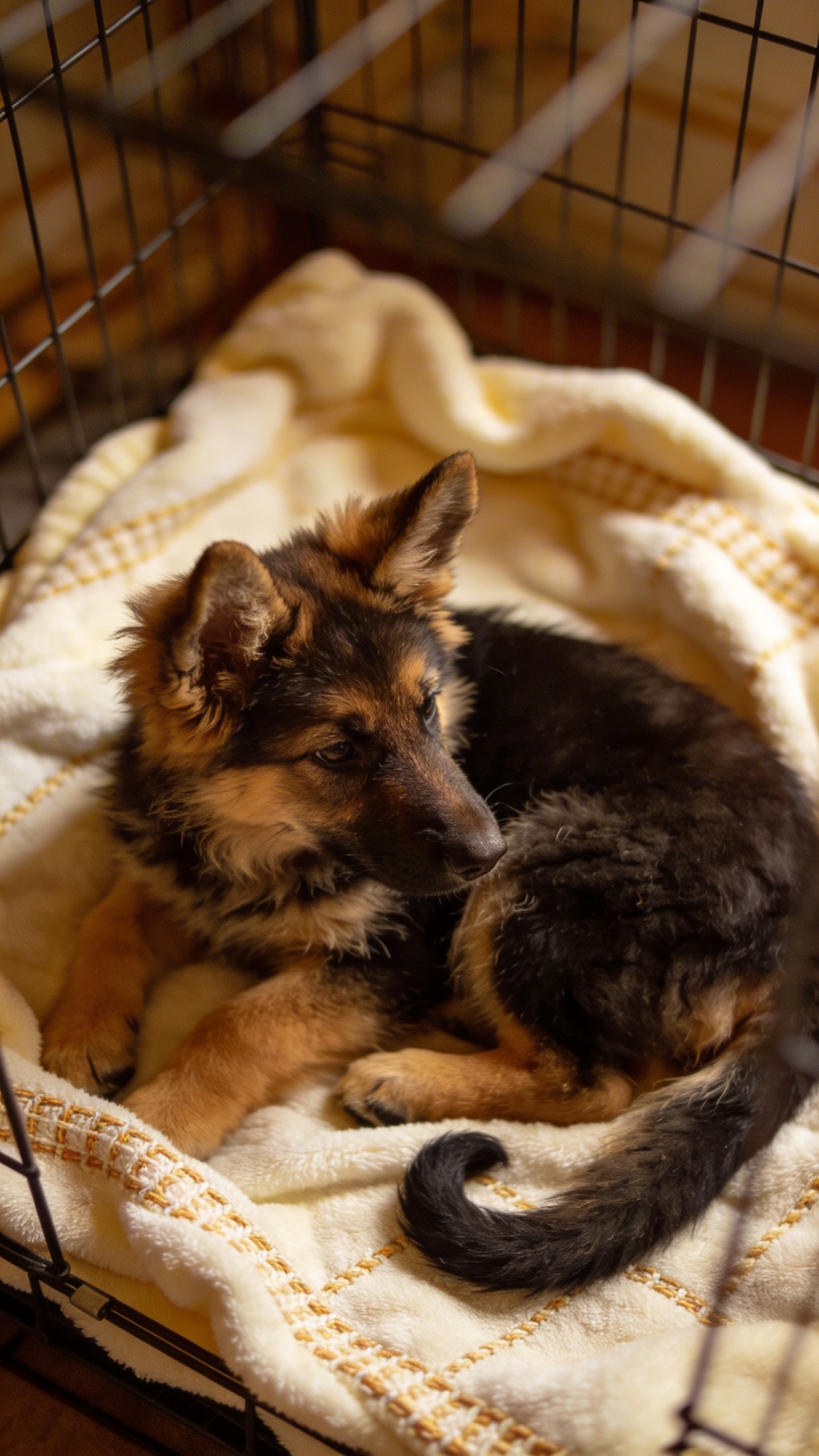
The 3-Day Reset Method compresses weeks of trial-and-error into a short, intensive training window. You keep your puppy on a tight schedule, limit freedom, and reward every win. It creates a crystal-clear potty routine even for high-drive breeds like German Shepherds. Key idea: You control three things—timing, location, and reward. Your puppy controls one thing—going potty. That’s a fair deal, IMO.
Set Up Before You Start
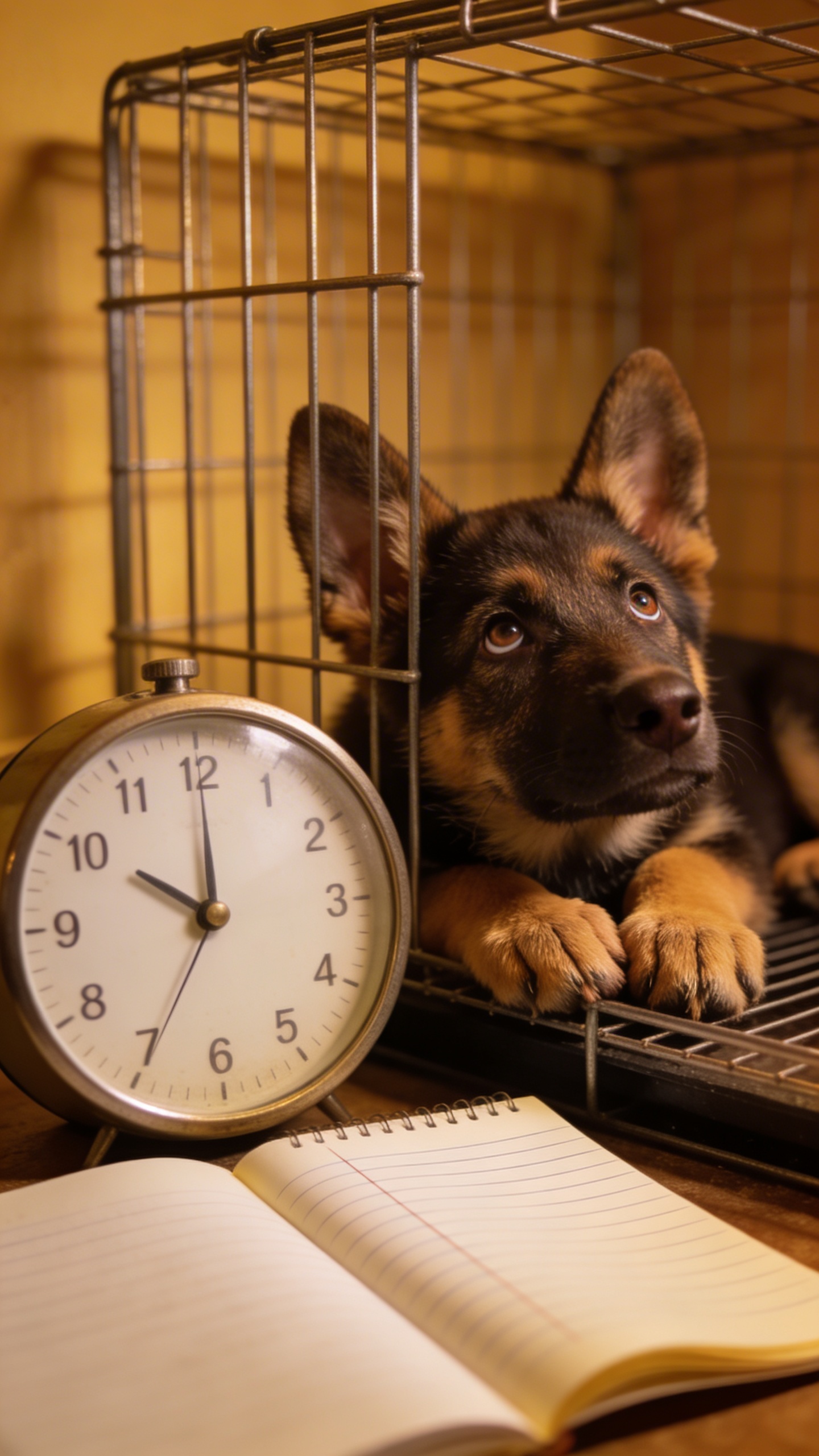
Prepping beats scrambling when your puppy starts circling like a confused Roomba. Get your setup sorted the night before.
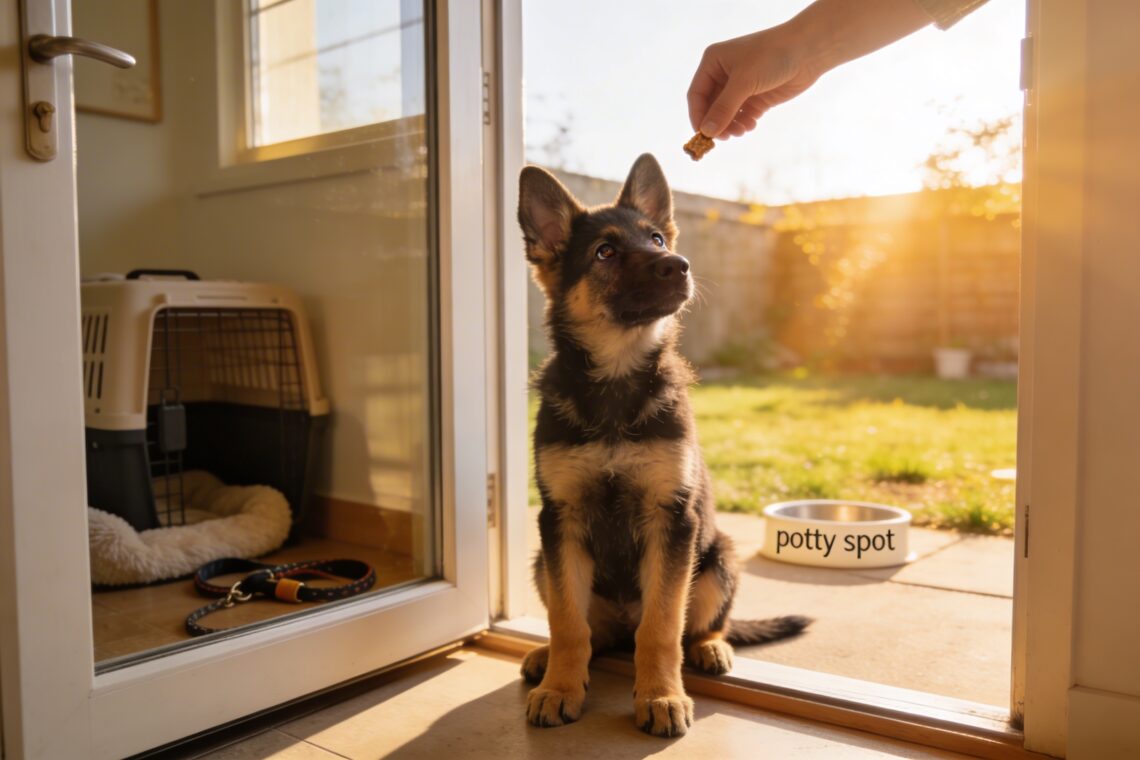
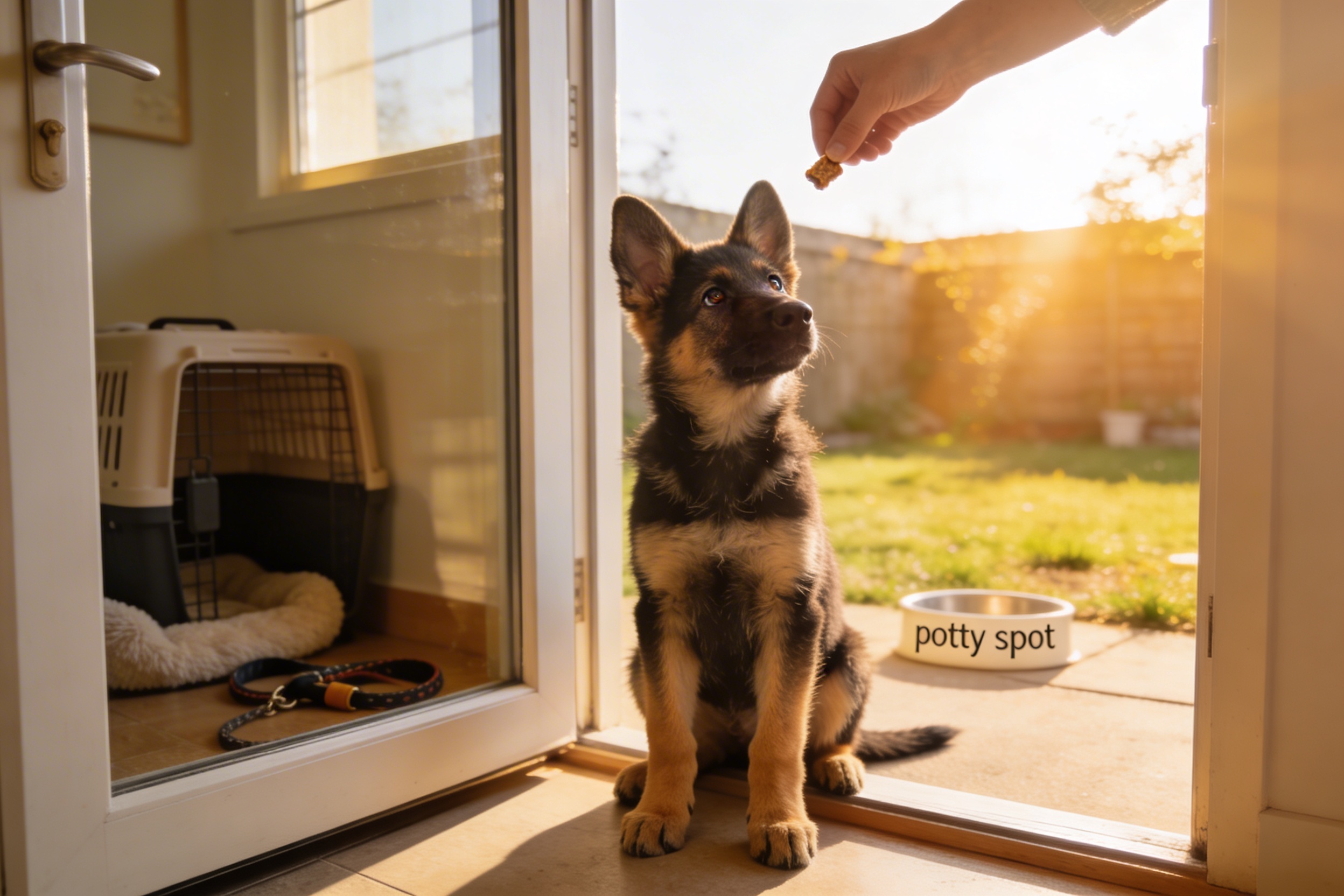
- Crate: Right size = stand up, turn around, lie down. Too big and they’ll make a bathroom annex.
- Leash and potty spot: Pick one outdoor spot. Consistency reduces confusion.
- High-value treats: Tiny, soft, and irresistible. Think roast chicken or a top-tier training treat.
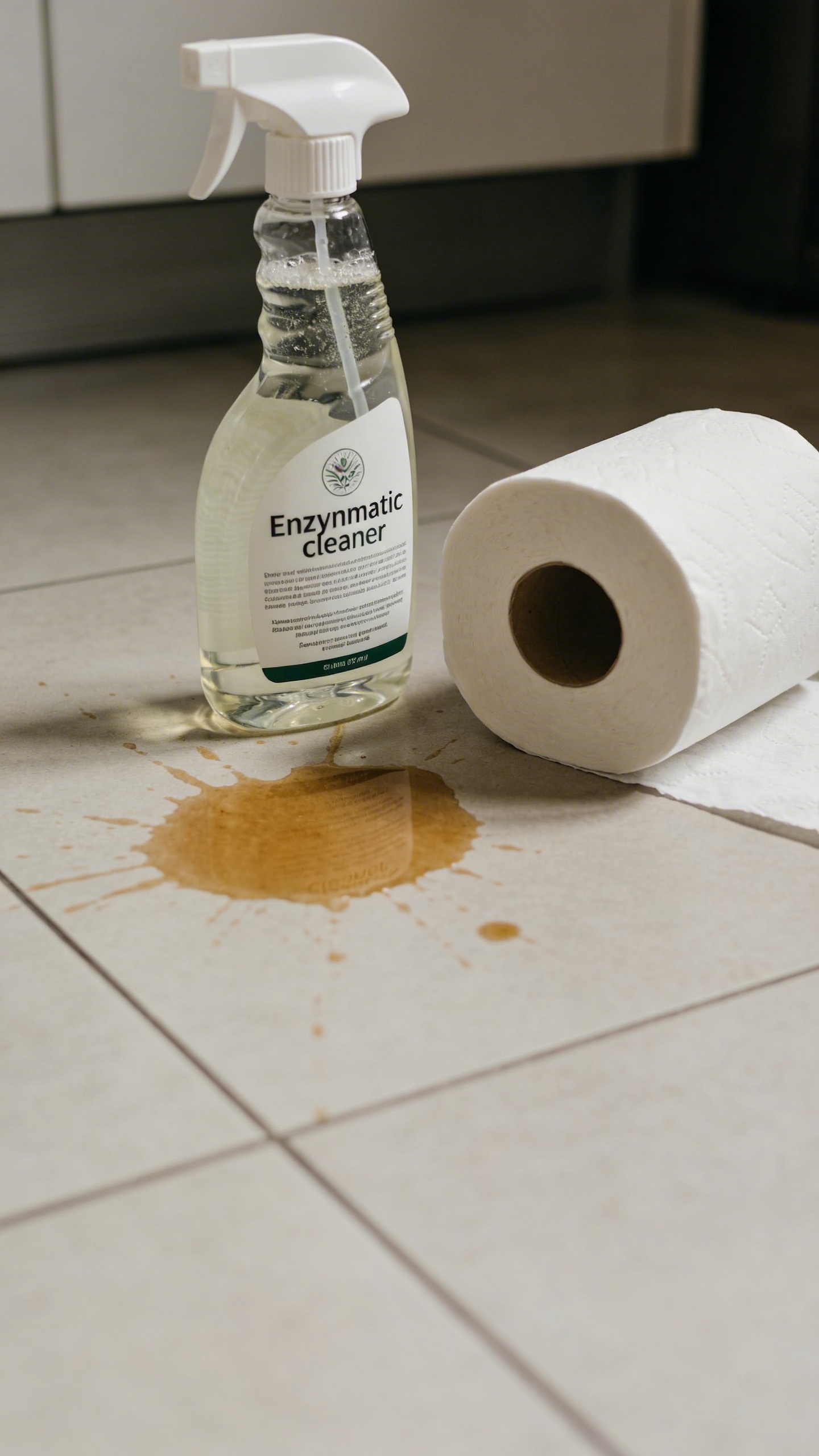
- Cleaning supplies: Enzymatic cleaner only. Regular cleaners leave a “please pee here again” scent.
- Timer: Yes, an actual timer. You’ll forget otherwise.
Why German Shepherds Need Structure
GSDs learn fast—both good habits and bad ones. Structure channels their smart, busy brains. Predictable patterns = faster results. Chaos = carpet art.
The 3-Day Schedule (Simple, Not Easy)
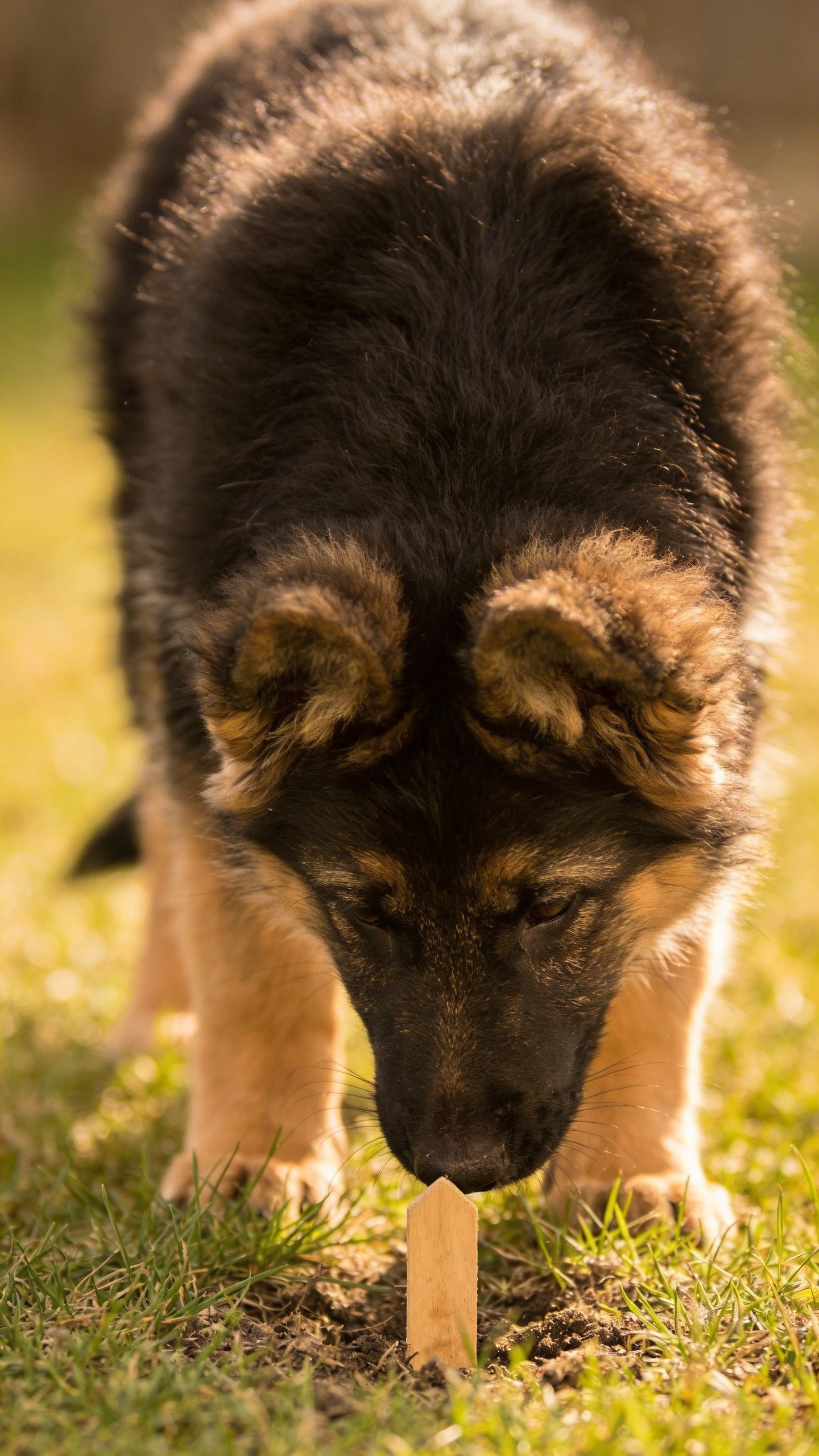
You’ll rotate through this daily: wake up, potty, feed, potty, play/training, potty, crate/nap, repeat. It’s rhythmic. It works.
Day 1: Supervised Shadow Mode
You’ll watch your puppy like Netflix dropped a new season. No free roaming. Leash indoors if needed.
- Morning: Straight outside from the crate. No chatting. No delay. Go to the potty spot on a leash. Say your cue once: “Go potty.”
- Success? The second they finish, praise and treat immediately. Party mode for 3 seconds. Then a short walk or play.
- Feeding: Feed on schedule (2-3 meals). After eating, out again within 5-10 minutes.
- Naps: Crate for 60-90 minutes between play sessions. Straight outside after every nap.
- Intervals: Take out every 60-90 minutes even if nothing “happened.” GSD puppies have tiny tanks.
Accident happens? Interrupt with a calm “Eh-eh,” scoop them up, head outside. Reward if they finish outside. Then clean with enzymatic cleaner. No scolding—your puppy isn’t plotting against your rug, FYI.
Day 2: Repetition + Short Freedom Trials
If Day 1 goes mostly well, add tiny bits of freedom right after a successful potty.
- Potty, then 10-15 minutes of supervised freedom in a small puppy-proofed area.
- Back to crate or tether if you can’t watch closely. This isn’t jail; it’s smart management.
- Keep the same feeding times. Predictability makes their body clock cooperate.
Day 3: Pattern Lock-In
Your pup should start connecting the dots now. You’ll see faster “go” times at the potty spot and fewer accidents.
- Stretch between outings to 90-120 minutes if you’ve had zero accidents.
- Keep rewards strong. Don’t fade too soon—bank more wins first.
- Optional: Introduce a bell by the door. Ring it every time you go out. Soon your puppy rings it to ask out. Magic? No. Just conditioning.
Timing: When To Take Your GSD Puppy Out
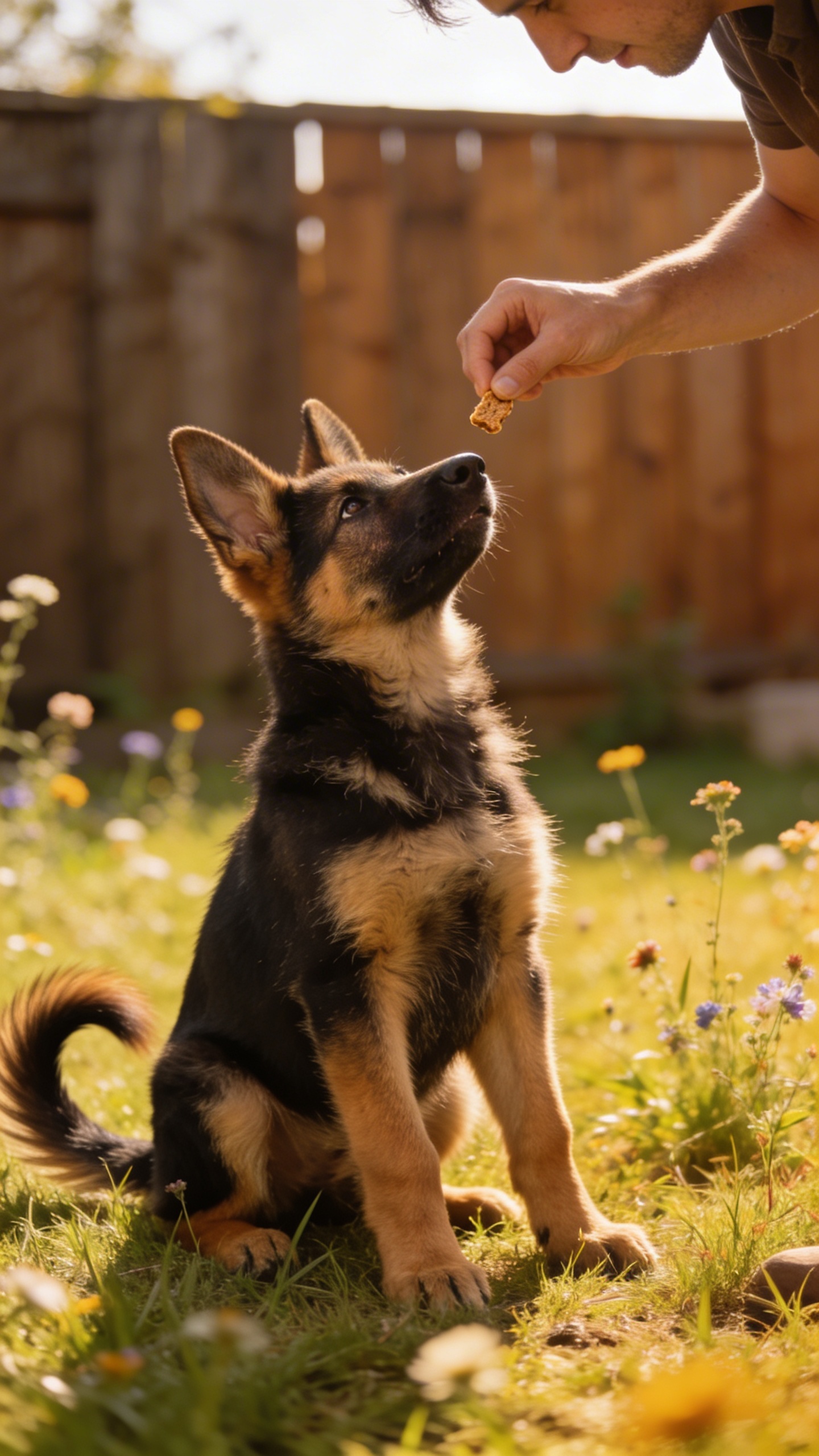
German Shepherd puppies need frequent potty breaks. Memorize this if you want your floors back. Always take your puppy out:
- Right after waking up (naps included)
- 5-10 minutes after eating or drinking
- After play or training sessions
- Before and after crate time
- Every 60-90 minutes at 8-10 weeks; every 2-3 hours by 12-16 weeks
- Right before bedtime and once overnight, if needed
Overnight Plan That Doesn’t Stink (Literally)
Set an alarm for a quick midnight potty if your puppy is under 12 weeks. Keep lights low, go straight out, no play. Back to crate. You’re not hosting a slumber party.
Crate Training = Potty Training’s Best Friend
Used right, the crate speeds everything up. Used wrong, it teaches nothing. Here’s the right way:
- Introduce positively: Toss treats in, feed meals there, let them nap with the door open at first.
- Short sessions: Start with 15-30 minutes while you’re nearby, then extend.
- Never use as punishment: The crate should feel like a den, not a time-out dungeon.
- Right duration: Rough guide: age in months + 1 = max daytime hours, with limits. For young puppies, keep it to 1-2 hours tops between breaks.
Communication Cues That Actually Work
Teach clear cues for a faster potty routine.
Potty Cue
Say “Go potty” once at the spot. Stand still. Breathe. Don’t chatter; it distracts them. Reward instantly when they finish.
Finish Cue
When they’re done, say “All finished!” and move away from the spot. This prevents the “fake squat for more treats” routine. They’ll try it. Cute. Not effective.
Common Mistakes That Slow Everything Down
Avoid these landmines and you’ll save yourself weeks.
- Too much freedom too soon: Big spaces = mystery peeing.
- Inconsistent schedule: If you wing it, your puppy will too.
- Late rewards: Reward within 2 seconds or it won’t connect.
- Scolding for accidents: You’ll only teach them to hide it.
- Water restriction: Don’t withhold water to avoid accidents. Hydration matters, especially for active GSDs.
Progress Benchmarks (So You Know It’s Working)
Track wins to stay motivated. Data beats vibes, IMO.
- By end of Day 1: Faster “go” times outside, fewer random indoor pees when supervised.
- By end of Day 2: Most potty happens outside; accidents only during lapses in supervision.
- By end of Day 3: Puppy heads to the door or potty spot more often; crate stays clean.
- By weeks 2-3: Longer stretches between breaks; puppy starts asking to go out consistently.
FAQ
What if my puppy refuses to go outside?
Keep them on leash at the potty spot for 5 minutes. If nothing happens, back to crate for 10-15 minutes, then try again. Repeat the cycle calmly. No play until they go. When they finally do, jackpot reward—several treats and praise. They’ll get the message.
How do I handle bad weather?
Go anyway. Put up a small shelter or use a covered area, but stay consistent with the spot. Bring extra-high-value treats. GSDs handle cold well but hate rain on their heads like divas—use a big umbrella. Consistency beats weather drama.
Can I use pee pads?
For German Shepherds, I’d skip pads unless you live in a high-rise or have mobility issues. Pads can blur the “inside vs. outside” rule. If you must use them, place them near the door and transition them outside ASAP.
How long can my puppy hold it?
Rule of thumb: age in months + 1 hours, max—during the day. But young puppies need more frequent breaks. Overnight holding increases faster, but don’t push it. Clean crate accidents tell you the schedule needs adjusting.
My puppy keeps sneaking off to pee. Help?
That’s a supervision issue. Tether your puppy to you, use baby gates, and shrink their world to one room after potty breaks. If they start sniffing, circling, or whining—boom, outside immediately. Catch the prequel, not the sequel.
When can I stop treats?
Once your puppy hits 2-3 weeks of consistent success, fade to intermittent treats but keep verbal praise. Still reward first thing in the morning and after meals. Don’t go cold turkey; that’s how backslides happen, FYI.
Conclusion
Potty training a German Shepherd puppy doesn’t require superhuman patience—just a smart plan and three focused days. Tight schedule, clear cues, tiny rewards, and strategic crate time will rewrite your pup’s routine fast. Stick with it for a couple of weeks and you’ll have a clean house, a confident puppy, and one less thing to stress about. And hey, that rug? It forgives you. Eventually.