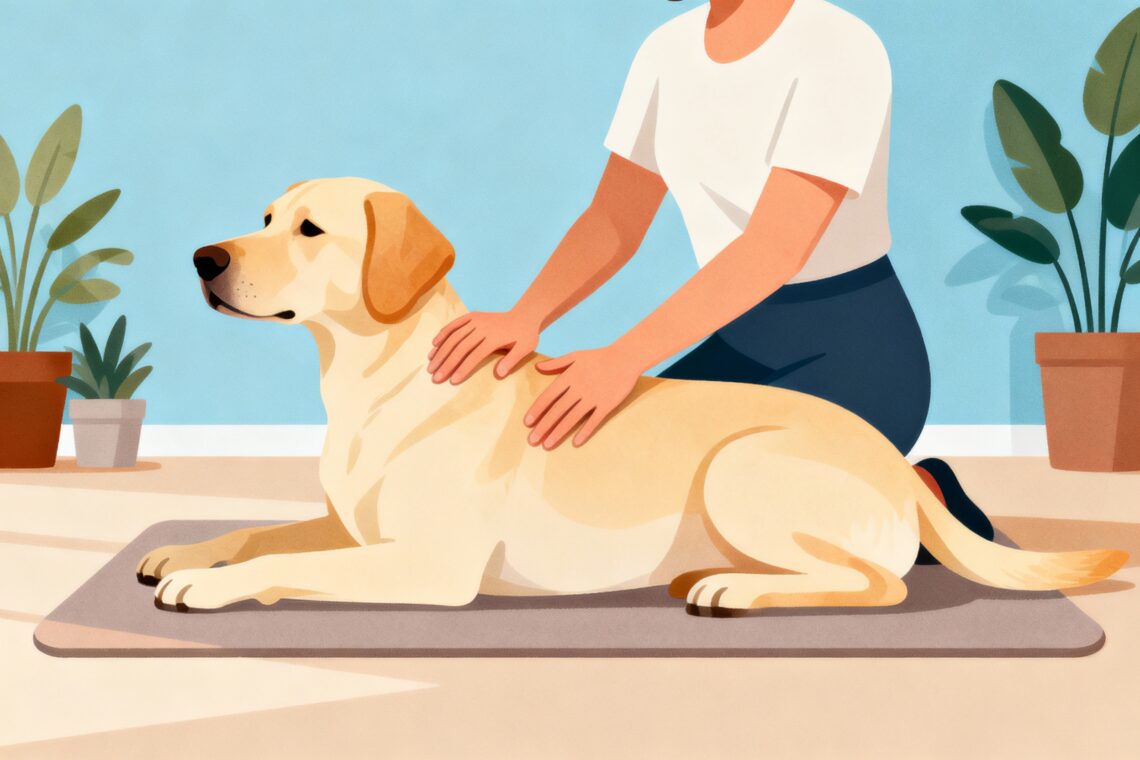
Your dog didn’t read a massage manual, but they know when it feels good. A few well-placed rubs can calm anxiety, ease stiffness, and turn you into their favorite human (if you aren’t already). The trick?
Knowing where to massage and how to read their “more please” signals. Let’s map out the best spots, techniques, and safety tips—minus the boring fluff.
First, set the vibe (and get consent)
Keep it chill. Start when your dog already feels relaxed—after a walk, in the evening, or during a cuddle session.
Skip hyper zoomie time. You want “melty loaf of bread” energy, not pogo stick. – Sit beside or behind your dog so they don’t feel crowded. – Use slow hands, soft voice, and zero pressure at first. – Watch for green flags: leaning in, sighing, soft eyes, licking and chewing. – Respect red flags: stiffening, lip licking paired with a tense face, moving away, whale eye. If you see those, stop.
Consent matters, even for canines.
The head and ears: instant chill switch
The head offers quick wins, especially for anxious pups.
- Forehead and between the eyes: Use your thumb to make small circles from the space between the eyes up toward the ears. Think “petting with purpose.”
- Jawline and cheeks: Dogs clench here when stressed. Gently stroke along the jaw toward the ears.Avoid pressing the throat.
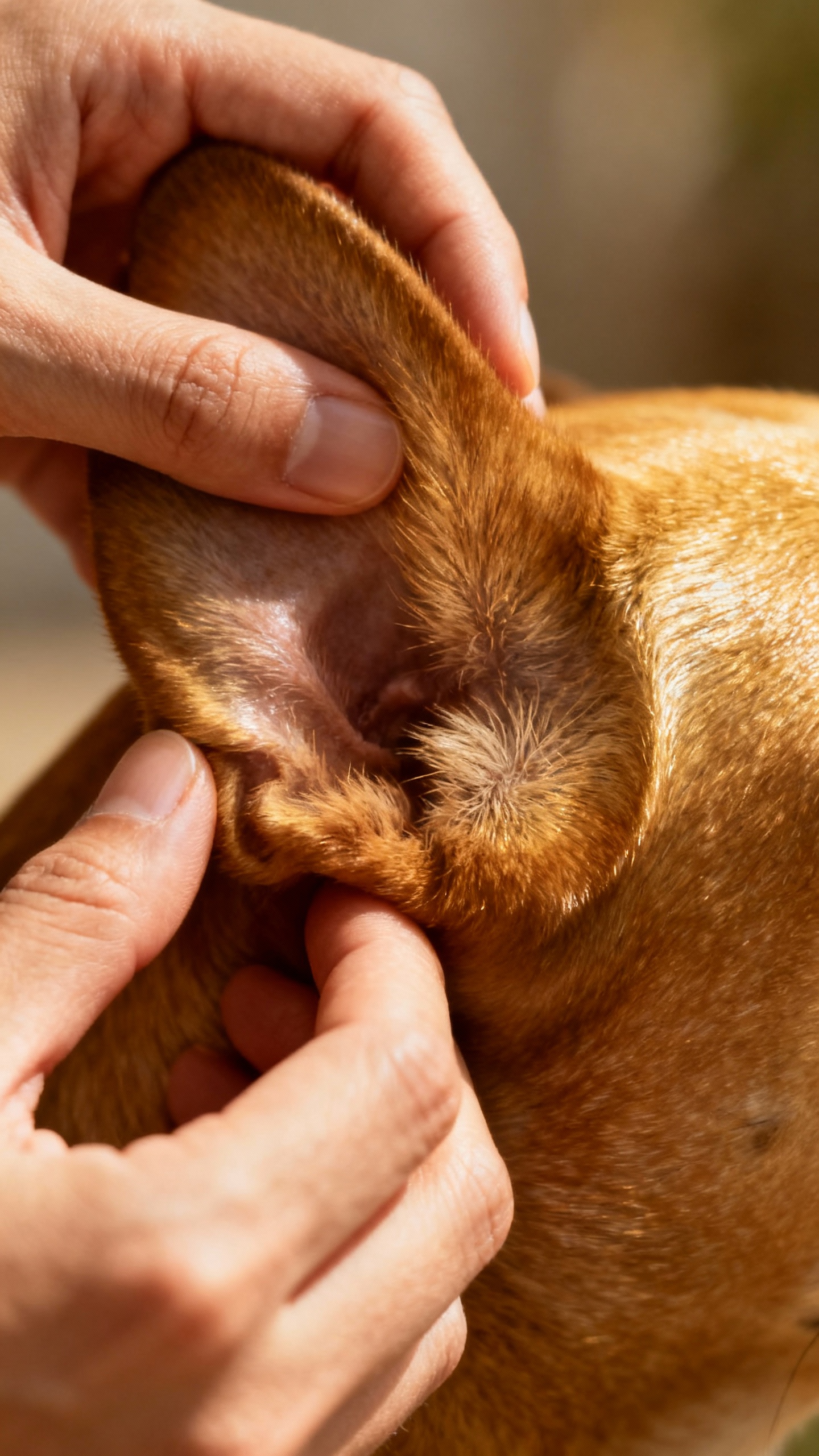
- Ears: Pinch the base of the ear between your thumb and forefinger and slide to the tip. Slow, smooth strokes only.
When to avoid ear work
If your dog scratches their ears a lot, shakes their head, or you smell that suspicious yeasty funk, skip ear massage. You might aggravate an infection.
Vet first, spa second.
Neck and shoulders: the tension zone
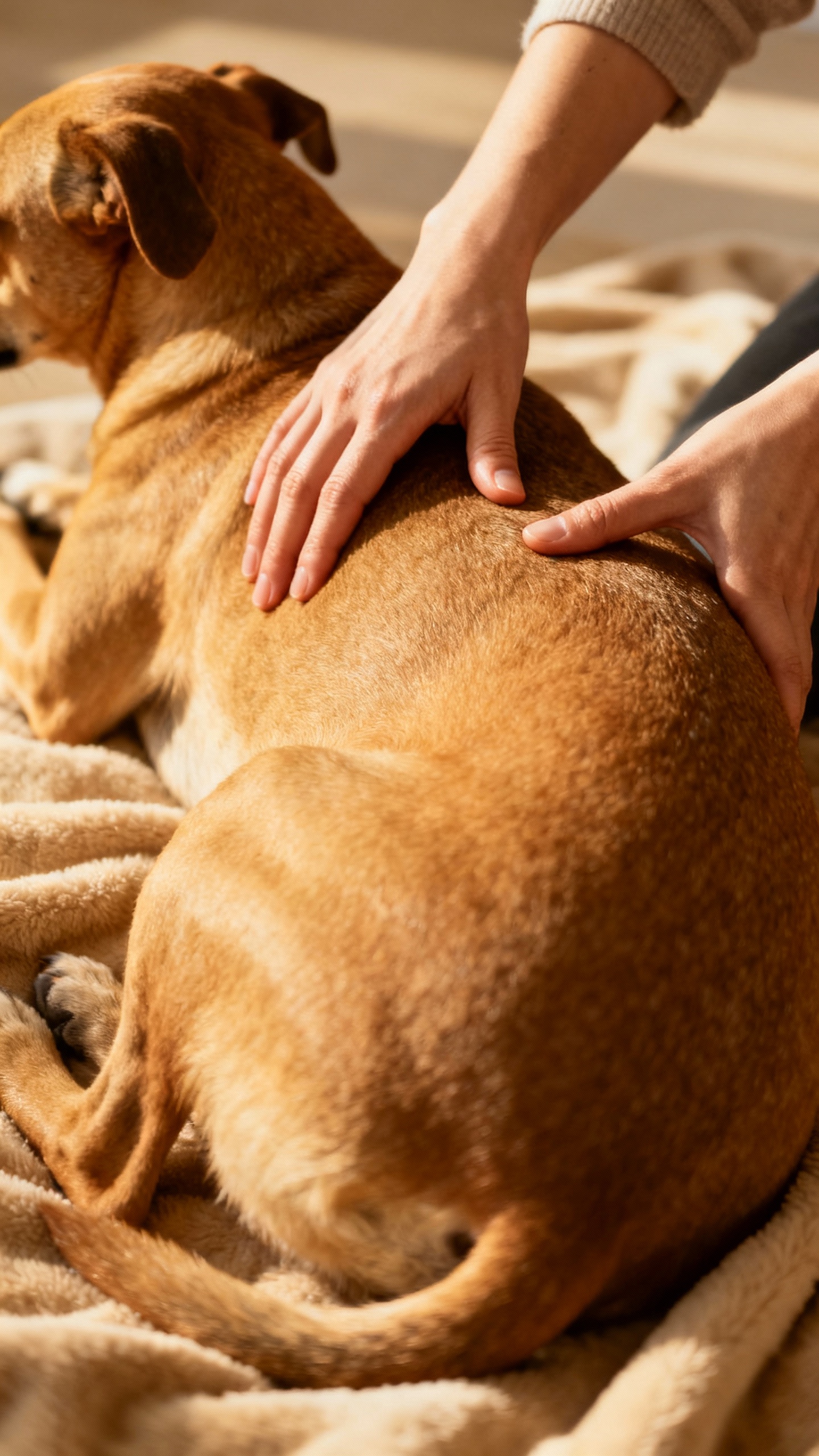
Leashes, collars, and daily squirrel surveillance create tightness here. This area loves gentle kneading. – Place your hands on either side of the neck and use light circular motions. – Move to the shoulders, working your thumbs in tiny circles around the shoulder blades. – Keep pressure soft, especially on bony areas. Think “warm butter,” not “bread dough.”
For harness wearers
Harness straps sit across the chest and behind the shoulders.
Massage around those paths to release strap-related tightness. Stretch the front legs forward gently (one at a time) and rub under the armpit area—lots of dogs carry tension there.
Back and spine: glide, don’t press
You can massage the muscles along the spine, but never push directly on the spine itself. Your dog will not appreciate “vertebrae poking.” – Place your hands on either side of the spine and stroke down from the neck to the hips. – Use flat palms or fingertips for light circular motions in the long back muscles. – Notice hot spots—if your dog flinches or arches away, lighten up or skip that area.
Tight back clues
Hesitating on stairs, bunny hopping, or a hunched posture can signal soreness.
If those appear often, book a vet check. Massage can help comfort, but it doesn’t fix underlying issues like arthritis or disc problems.
Chest and ribs: soothing, not squishing
Rib cage muscles work hard with every breath, especially for anxious or athletic dogs. – Lay your hand flat and follow the ribs in the direction they run, using gentle strokes. – Avoid pressing down; glide with the fur. – The front of the chest (sternum area) can get sore—use feather-light circles.
Breathing tip
Match your strokes to your dog’s breath. Long exhale?
Longer stroke. It helps both of you relax. Bonus: you’ll look extremely Zen.
Hips and hindquarters: the power area
Dogs drive from the back end, so hips and thighs love attention.
Great for older dogs and weekend warriors.
- Hip circles: With your fingertips, make small circles around the bony hip area, staying in the muscle, not on the bone.
- Thigh strokes: Stroke down the outer thigh toward the knee with flat hands.
- Glute squeezes: Gentle squeezes on the big butt muscles can release tension. Keep it PG, but yes, butt rubs are magic.
Arthritis-friendly approach
For stiff seniors, use extra-warm hands, slower strokes, and minimal pressure. Short sessions more often work best.
If your dog struggles to stand after rest or slips on floors, ask your vet about pain management and supplements—massage pairs well with those.
Legs and paws: go slow, earn trust
Some dogs guard their feet like they’re precious gems. That’s fine. Start where they feel safe. – Front legs: Stroke from the shoulder down to the wrist (carpus).
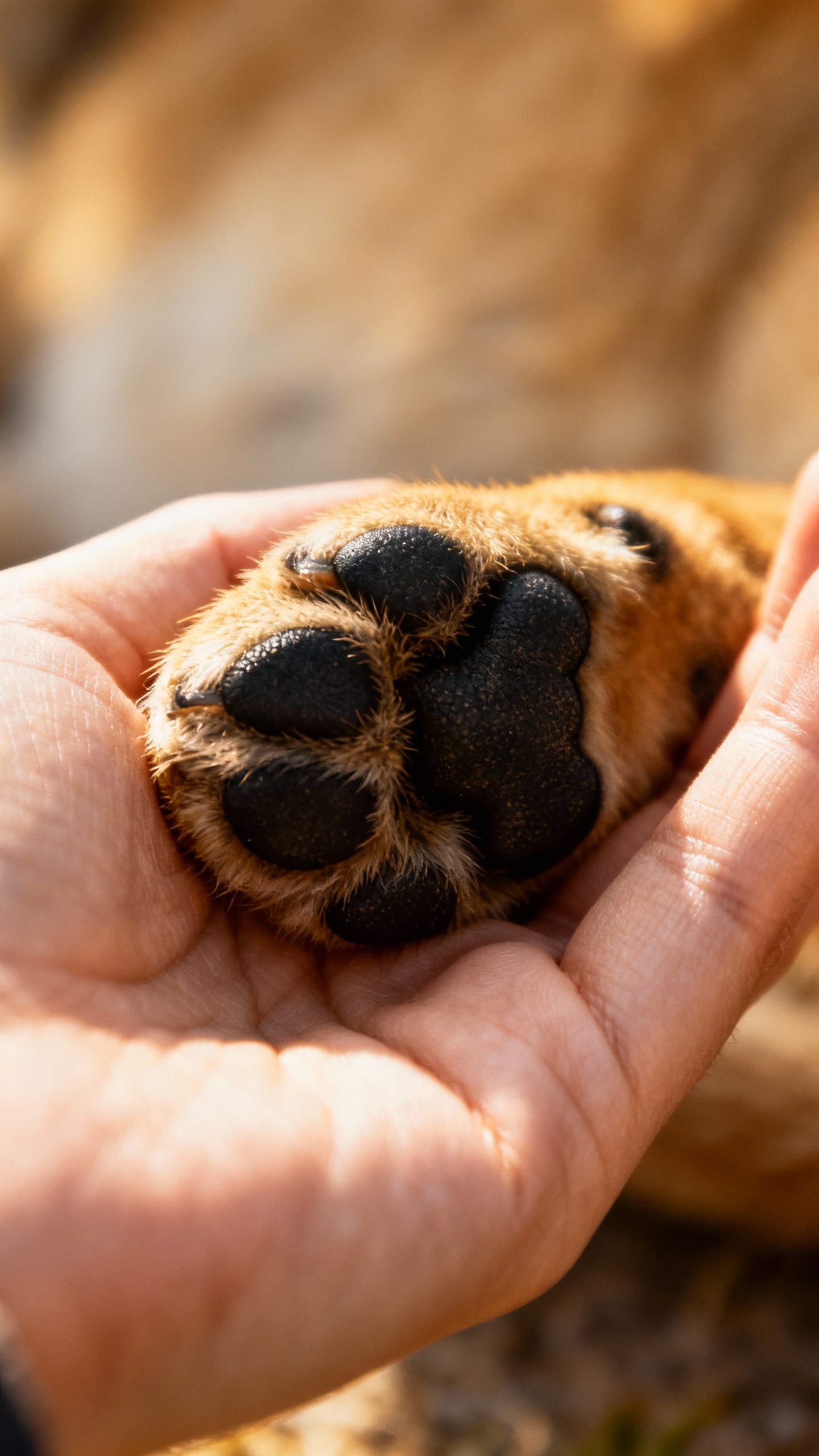
Avoid heavy pressure on joints. – Back legs: Glide from the hip down to the hock, then to the paw. – Paws: Hold the paw gently. Rub each toe with a tiny circular motion. Press lightly on the paw pad center—if they pull away, let go and try again later.
Nail-trim hack
Massage the paws for a week before you try trimming nails again.
Pair it with treats. Suddenly, nail day feels less like a hostage situation.
How much pressure and how long?
Use the “sauce test.” If your dog melts like warm marinara on pasta, you nailed the pressure. If they tense, lighten up. – Start with 5–10 minutes. – Work in short sections (head, shoulders, back). – End before they get restless.
Always leave them wanting more.
Tools you can use (and skip)
– Use: Your hands (the best tools), a soft grooming glove, a warm towel. – Skip: Hard massage guns, deep-tissue gadgets, or anything that vibrates aggressively. Dogs are not sourdough.
Reading your dog’s feedback like a pro
Dogs communicate pretty clearly if we pay attention. – “Yes please” signs: Leaning in, relaxed breathing, slow blinks, full-body sighs, falling asleep. – “Nah, thanks” signs: Stiffness, head turning away, lip licking with tension, tail tucked, moving away. – “Absolutely not” signs: Growling, snapping, yelping. Respect that boundary and adjust.
IMO, a dog who says “no” is just as good as one who says “yes”—you’re building trust either way.
Common mistakes to avoid
– Pressing on the spine or joints directly. – Going too fast or too firm. – Massaging when your dog is amped up. – Ignoring pain signals because “they’re being dramatic.” FYI, dogs usually under-report pain.
FAQ
How often should I massage my dog?
Two to three short sessions per week works for most dogs. Active or senior dogs may enjoy daily 5-minute sessions. Keep it short, keep it sweet, and adjust based on how they respond.
Can massage replace vet care for injuries or arthritis?
Nope.
Massage supports comfort, circulation, and relaxation, but it doesn’t replace diagnosis or treatment. Use it alongside vet-guided plans, especially for chronic issues like arthritis, hip dysplasia, or post-surgical recovery.
What if my dog doesn’t like being touched in a certain spot?
Respect that boundary. Work around it and try again later with lighter pressure and high-value treats.
If they consistently guard one area, get a vet check to rule out pain.
Are there times I should never massage my dog?
Yes. Avoid massage if your dog has a fever, open wounds, infections, unexplained swelling, or acute injuries. Also avoid massaging right after intense exercise—let them cool down first.
Does breed matter for massage?
A little.
Long-backed breeds (Dachshunds, Corgis) need extra care around the spine. Giant breeds often need lighter pressure than you think. Short-nosed breeds can get anxious if handled near the throat—focus on shoulders and chest with care.
Can I use oils or lotions?
Skip human lotions and essential oils—dogs lick everything.
If you want something slippery, use a tiny bit of dog-safe paw balm on your hands, but IMO, clean dry hands are perfect.
Wrap-up: put it all together
Massage your dog where they carry tension: ears, neck, shoulders, back, hips, and paws. Use slow, light strokes. Watch their signals and stop while they’re still into it.
Done right, this becomes your shared ritual—part TLC, part stress relief, part “you’re my favorite creature.” And honestly? That’s the good stuff for both of you.