

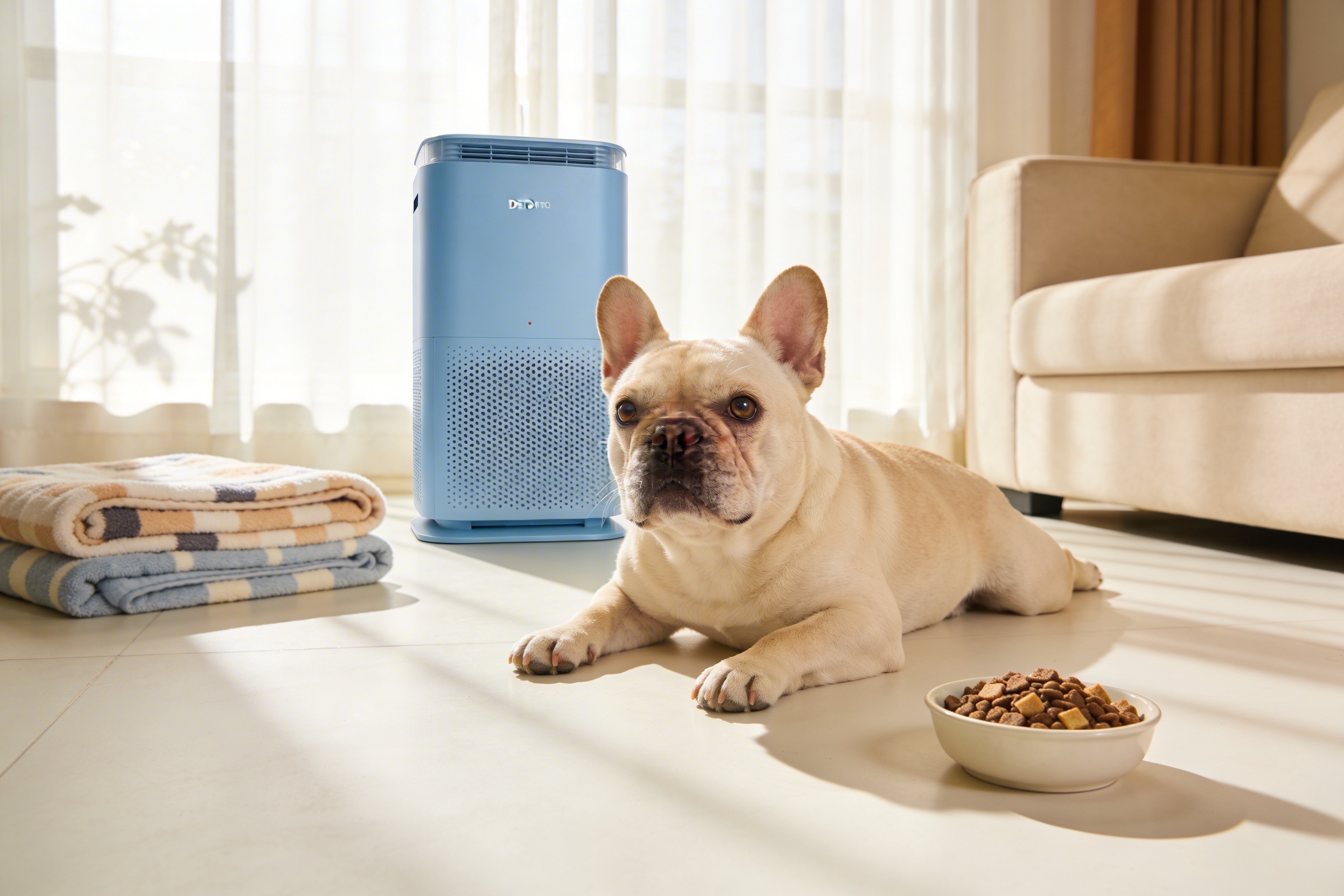
The moment your French bulldog sneezes once and looks at you like you just suggested they run a marathon, you know you’ve entered the allergy zone. Spoiler: this isn’t a 🧬 mystery movie—it’s your reality, and there are real fixes that actually work. Let’s cut the guesswork, roll up our sleeves, and get your pup comfy again without turning the house into a pharmaceutical lab.
What makes French bulldogs so prone to allergies?
– Their adorable faces come with sensitive snouts. The short snout design can trap irritants and makes breathing a bigger factor in how skin and eyes react. – They carry a genetic tilt toward itchy, inflamed states. Some breeders unintentionally pass along a predisposition to skin issues. – Diet, environment, and even seasonal shifts can all flip the allergy switch for a bulldog.
Spotting the signs: when you should start worrying
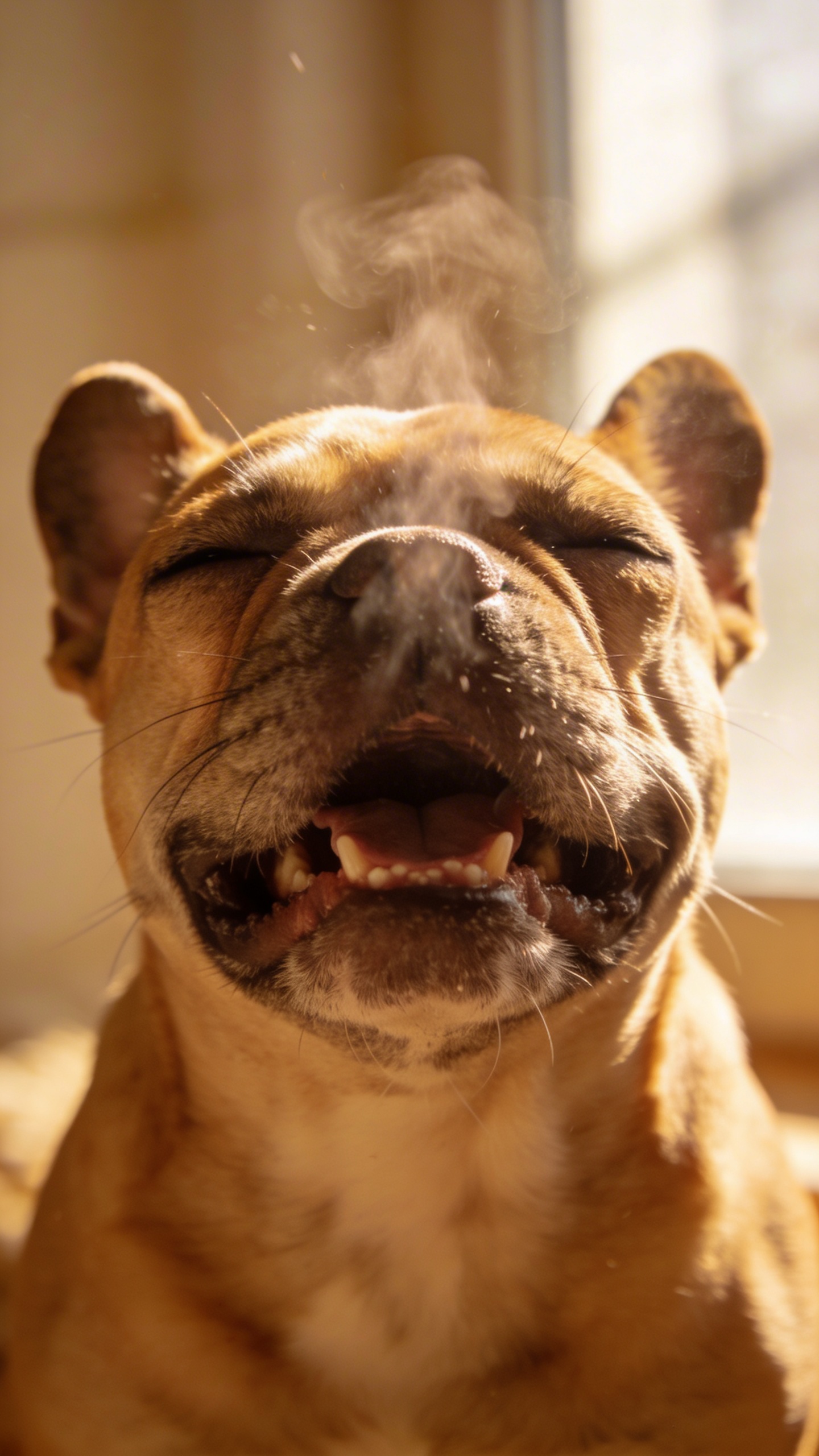
– Itchy red skin, especially around the face, paws, and ears. – Constant licking, rubbing, or tail-chasing because something just feels off. – Ongoing ear infections or smelly, gunky ears that won’t quit. – Watery eyes, sneezing fits, or a runny nose that isn’t from a cold. – Gastrointestinal upset like vomiting or loose stools when you switch food.
First: the quick wins you can try today
Cleanliness and environment matter – Washbed and collar weekly to remove dander, pollen, and dust. – Vacuum with a HEPA filter regularly; mites and dust can hide in fibers. – Use washable fabrics in the dog zone and keep windows closed on high pollen days.
Diet sanity check – Identify potential triggers: common culprits include dairy, beef, and soy. Keep a food diary and note any flare-ups. – Consider a limited-ingredient diet for a 8-12 week trial to see if symptoms calm. – Always transition slowly; abrupt changes spike issues and stress your bulldog.
Basic grooming routine – Weekly baths with a gentle, dog-safe shampoo. Rinse well to prevent residue that irritates skin. – Wipe facial folds daily to prevent moisture buildup and bacterial growth. – Check ears weekly; clean with a vet-approved solution if you notice redness or discharge.
Deeper dive: testing and targeted care that actually helps
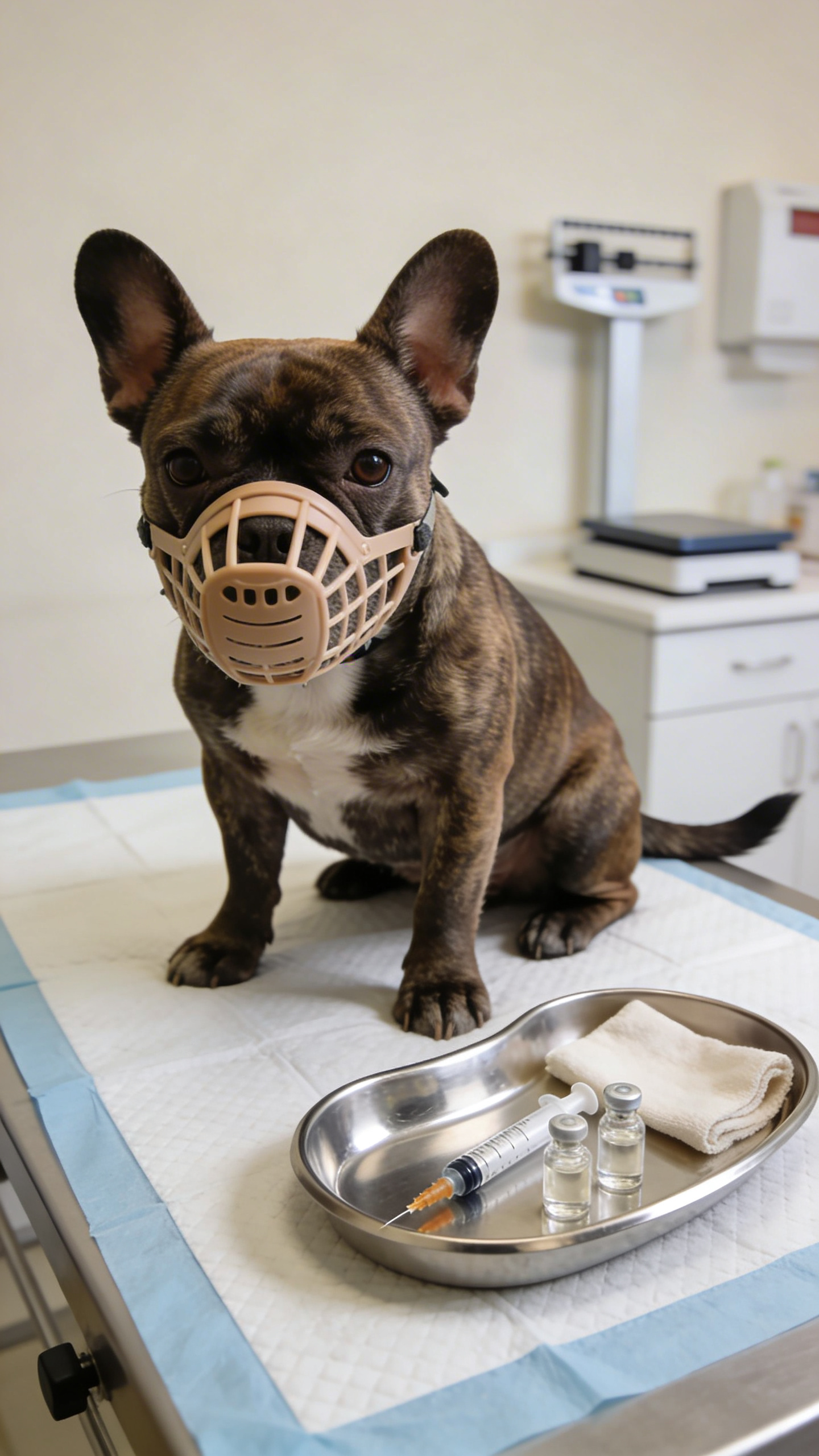
Allergy testing: implants for clues or random guesswork?
– Vet-approved options include blood tests and intradermal skin testing. Blood tests are convenient but can miss mild reactions; skin tests can be more precise but require a clinic visit. – Don’t chase every test—start with a thorough history and a vet’s plan. It’s not a treasure map; it’s a guide.
Topical and dermatological approaches
– Medicated shampoos with chlorhexidine or benzoyl peroxide can address secondary infections that love an itchy bulldog. – Topical steroids are a short-term tool for flare-ups but not a daily fix; use under vet guidance. – Calcineurin inhibitors (like tacrolimus) can soothe itchy skin in some dogs when used correctly.
Oral meds and what actually helps
– Antihistamines can help some bulldogs with mild itchiness; always confirm dosing with a vet. FYI, not every dog will respond the same. – Flea control is non-negotiable. Even one bite can trigger a whole allergy cycle. – In more stubborn cases, vets may prescribe corticosteroids for short bursts, or propose an allergy shot plan (immunotherapy) to desensitize over time.
Special focus: dealing with ear and skin infections
– Recurrent ear infections are a red flag for allergies. Clean ears gently and keep them dry after baths. – Look for thick, brown discharge or a strong odor—these signal infections that need antibiotics or antifungals. – Chronic skin infections often stem from scratching; pairing antimicrobial therapy with anti-itch strategies stops the cycle.
Environmental control cheat sheet
- Air purifiers with HEPA filters in living and sleeping areas
- Dust-mmite impermeable covers on pillows or pet bedding
- Regular washing of dog bed covers in hot water
- Seasonal pollen shield: close windows during peak hours and wipe paws after outdoor visits
- Indoor plants? Pick low-dust options to minimize particle spread
Dietary strategies that actually reduce flare-ups
Trial with purpose – Commit to a 8-12 week elimination trial with one protein and one carbohydrate source you know your dog hasn’t tried before. – If symptoms improve, reintroduce foods one at a time to identify triggers. If they worsen, you’ve hit the culprit. Supplements worth considering – Omega-3 fatty acids (EPA/DHA) can help skin health and reduce inflammation. – Probiotics support gut health, which often translates to skin improvement. – Always check with your vet before adding anything new—some supplements interact with medications or conditions.
When to see a vet (and what to bring)
– If itching is severe, if you notice facial swelling, trouble breathing, or if the dog won’t stop scratching, seek urgent care. – Bring a symptom diary: timing of flare-ups, foods, environments, and any meds. Data beats guesswork. – List current meds, recent vaccines, and any past infections. The vet will connect the dots faster with a clear history.
Realistic expectations: how long before you see results?
– Skin improvements can take 4-6 weeks with consistent treatment, longer for stubborn cases. – Some bulldogs respond quickly to a single switch (like a new diet), others need a multi-pronged plan. – Stay consistent, be patient, and celebrate small wins. Your pup will thank you with more cuddles and fewer sneezes.
FAQ
Do I need to avoid all human foods?
Not at all, but some human foods trigger allergies or upset tummies in dogs. Stick to vet-approved treats and be mindful of dairy, chocolate, and spicy foods. FYI, moderation is key—one bite isn’t worth a full-blown flare.
Can I use essential oils around my bulldog for allergies?
Most vets advise against aromatic oils in the home, especially around snub-nosed breeds. They can irritate airways and skin. If you want scent-neutral rooms, opt for unscented cleaning products and regular ventilation instead.
Is immunotherapy worth it for bulldog allergies?
Immunotherapy (allergy shots or drops) can offer long-term relief for some dogs. It requires commitment and time, but many owners see fewer flare-ups and less reliance on medications. Talk it through with your vet to weigh the cost and expected benefit.
How do I know if it’s a food allergy vs. environmental allergy?
Food allergies typically cause GI symptoms along with skin issues, and symptoms persist even when you’re away from home. Environmental allergies often flare with seasons or exposure to pollen. A vet-supervised elimination trial is your best bet to tell them apart.
What if my bulldog hates baths?
Make baths a positive experience: use tasty dog-safe treats, warm water, and a quick, cheerful routine. If dread level remains high, break baths into shorter sessions or try just a wipe-down between full baths. Consistency beats intensity here.
Conclusion
Allergies in French bulldogs can feel like a never-ending loop of itch-scratch-repeat, but you don’t have to surrender to the cycle. Start with practical fixes—cleaning routines, controlled diets, and targeted grooming—then layer in medical guidance as needed. With a little detective work, you’ll uncover the triggers, tame the symptoms, and bring back the tail-wagging, comfortable pup you know and love. FYI, you’ve got this, and your bulldog’s future self will thank you with extra snuggles.





2 Comments on “French Bulldog Allergies Survival Guide: Real Fixes That Actually Work”
Comments are closed.