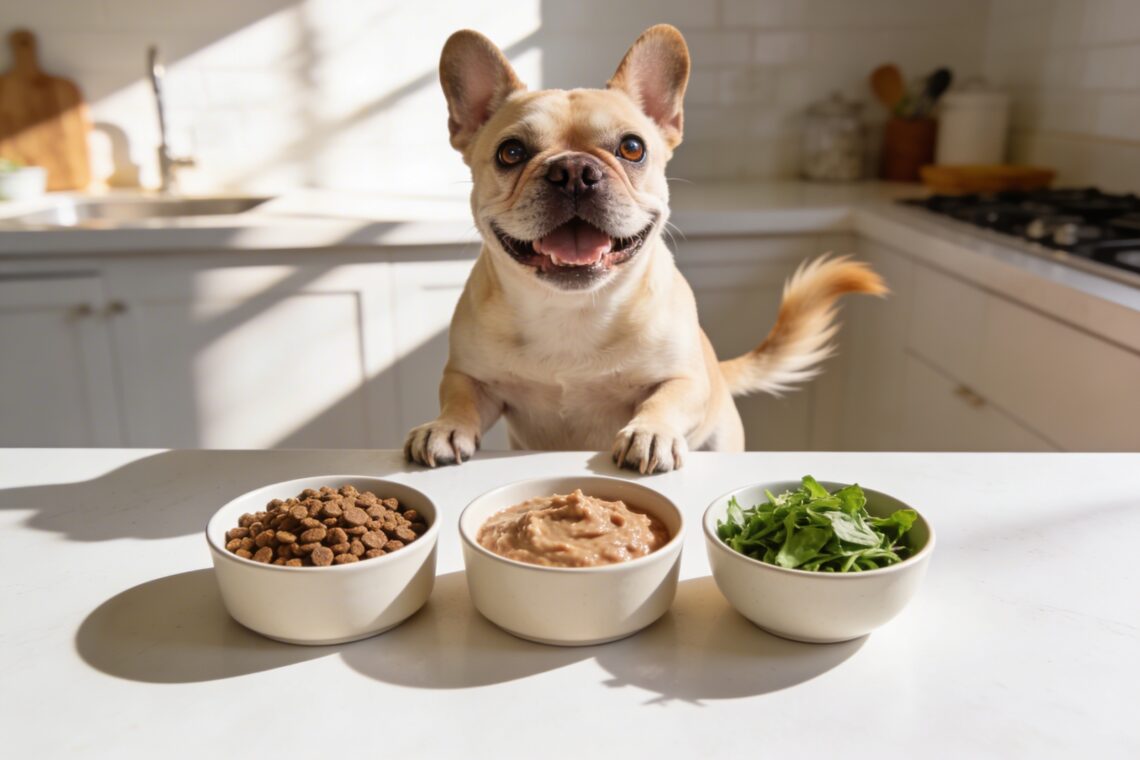
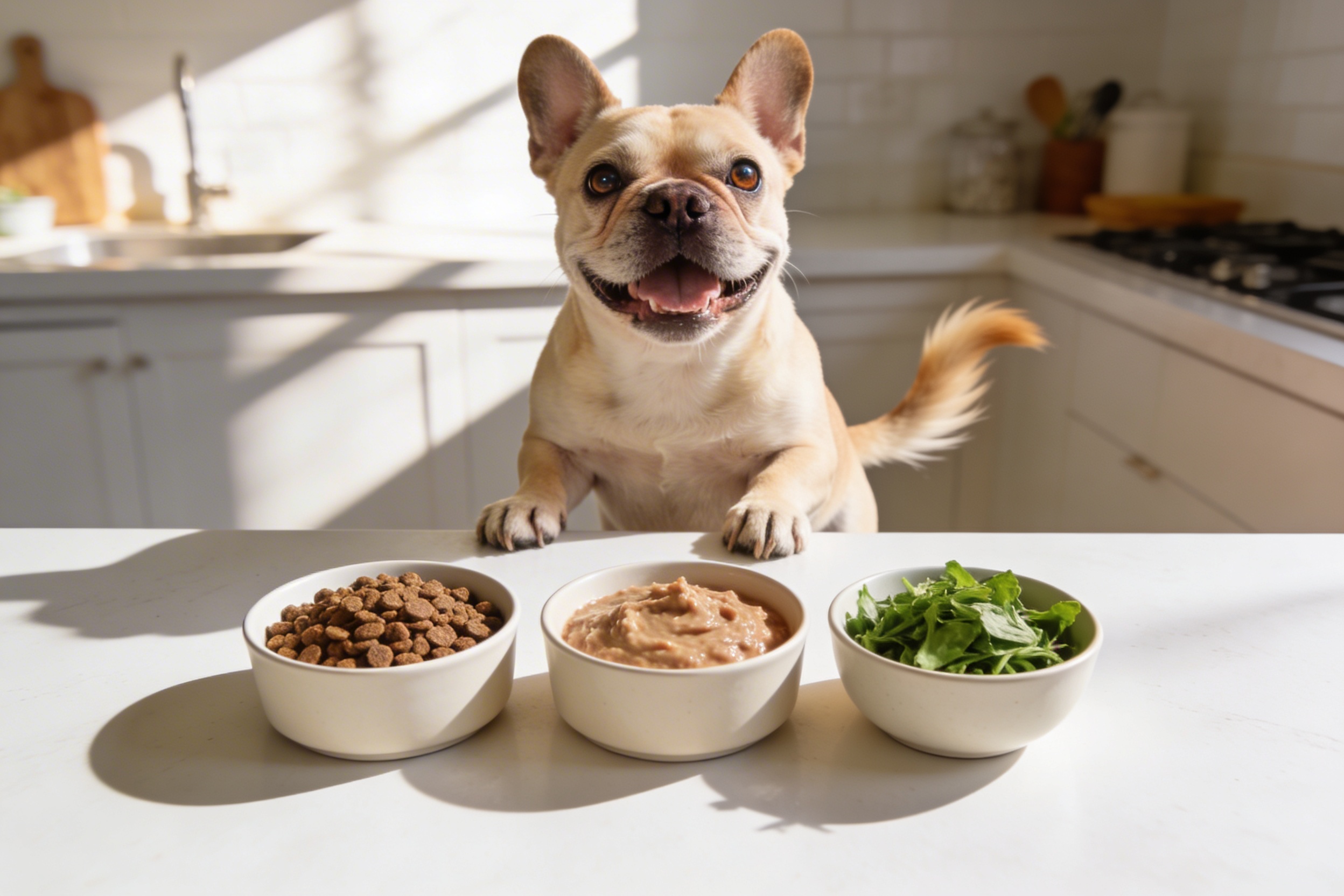
A quick note: your Frenchie deserves a foodie life that’s tasty, safe, and actually helps their sensitive tummy thrive. No more guesswork, no more guilt meals. Let’s dish out vet-approved, dog-friendly options that keep those lil’ squishy faces wagging and their digestion happy.
Why French Bulldogs Often Need Special Food Choices
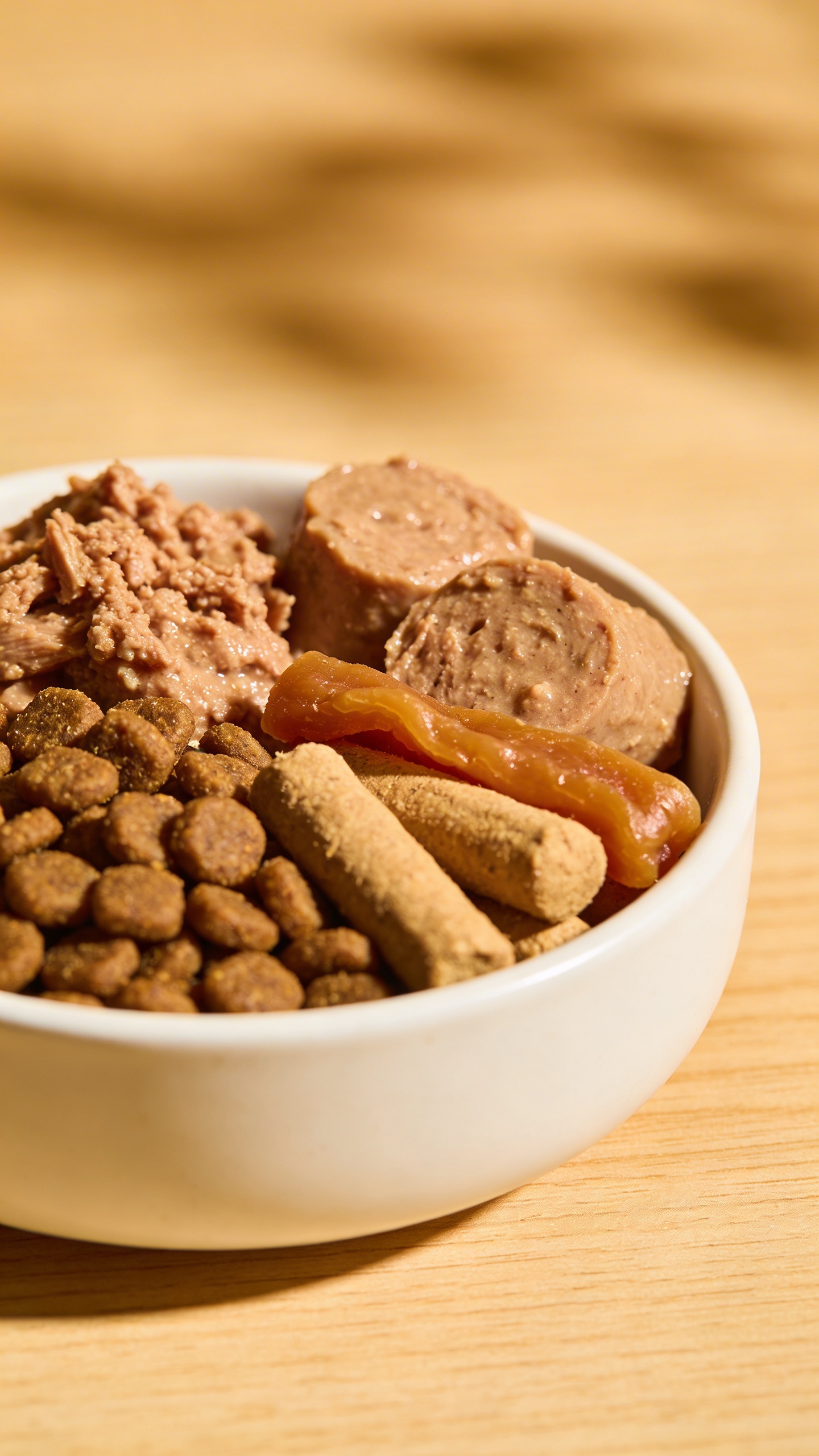
Frenchies aren’t just wrinkly goes-with-everything accessories. Their unique physiology means they can be picky about ingredients and easily tip into GI trouble. Short snouts, compact airways, and sensitive guts can lead to sneaky triggers — even “harmless” snacks can cause gas, skin flare-ups, or tummy distress. FYI, what works for a terrier might flop for a frenchie. The goal isn’t gourmet chaos; it’s a steady, vet-approved menu that supports vitality rather than chaos.
Vet-Approved Foods Your Frenchie Can Thrive On
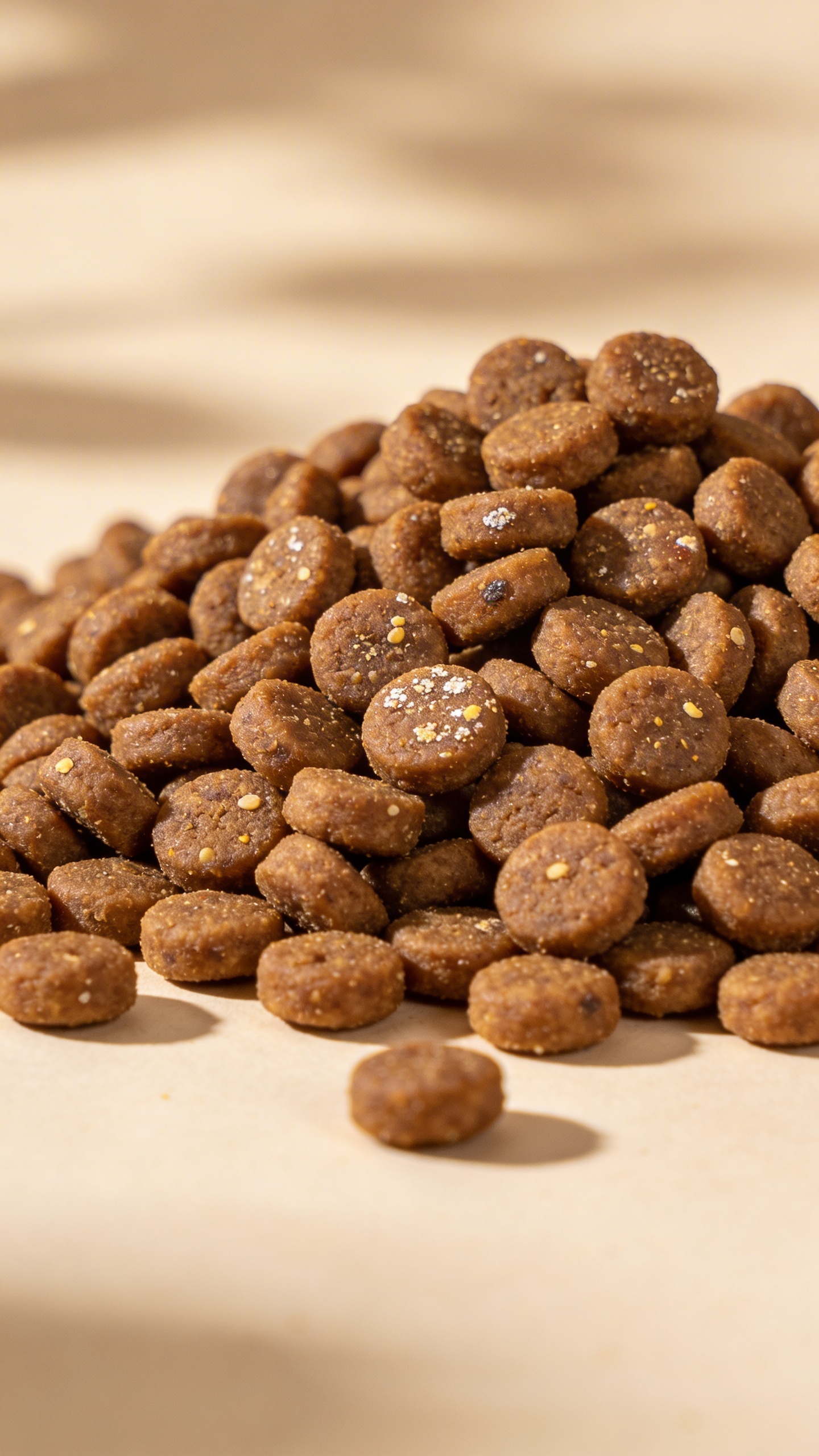
This isn’t a one-size-fits-all list. Always chat with your vet before making big changes, especially if your pup has allergies, a sensitive stomach, or chronic conditions. With that caveat in place, here are some generally well-tolerated, nutritionally solid options.
1. High-quality, limited-ingredient commercial diets – Look for recipes with a single protein source and minimal fillers. – Avoid artificial colors, flavors, and unnecessary additives. – Choose formulas tailored for sensitive stomachs or skin support if your vet flags allergies. – Transition gradually over 7–10 days to prevent GI upset.
2. Plain, cooked proteins – Boiled chicken (skinless) or turkey can be gentle on the gut when fed in moderation. – Lean deboned beef or fish like salmon (cooked, boneless) adds variety and essential fatty acids. – How much? A rough rule: 2–3% of body weight per day split into meals. Start small and monitor stools.
3. Plain carbohydrates – White rice or boiled potatoes can help when your pup has a loose stool or stomach upset. – Oats or cooked pumpkin (no sugar or spices) provide fiber to firm things up. – Keep portions modest and pair with protein for balanced nutrition.
4. Safe veggies and fruits – Carrots, green beans, and sweet potatoes are generally well tolerated in small amounts. – Blueberries or apple slices (without seeds) can be occasional, flavorful treats. – Introduce one new item at a time to watch for GI or skin reactions.
5. Gut-soothing additions (with vet approval) – Probiotics formulated for dogs can support a balanced gut microbiome. – Fermented foods are trickier; stick to veterinary guidance or avoid unless advised. – Omega-3 fatty acids (from fish oil) may help skin and coat as well as gut health.
Smart Feeding Habits That Make a Difference
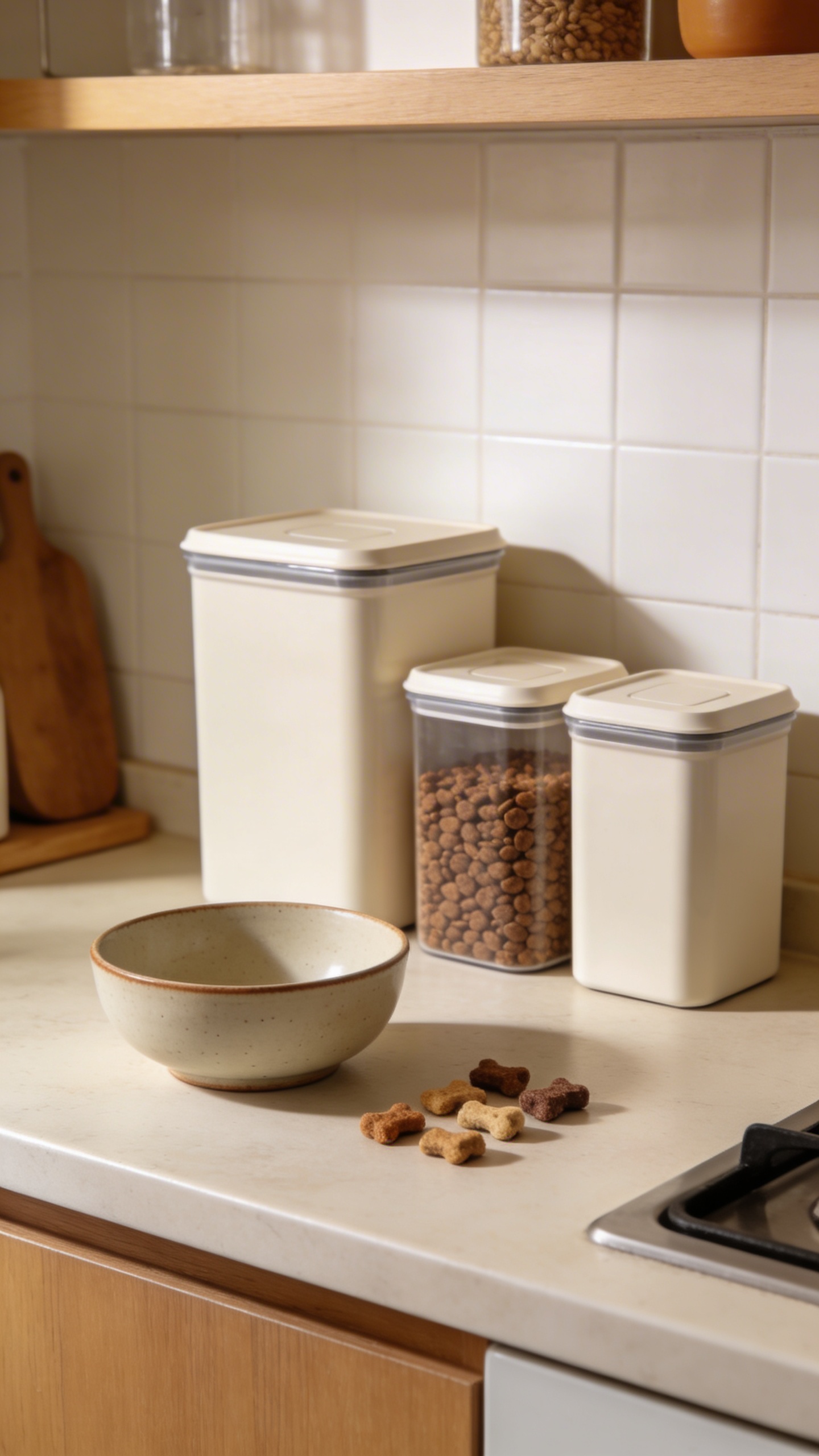
Food choice matters, but how you feed can matter just as much. Here’s the practical playbook to keep your frenchie thriving rather than just surviving.
Smarter meals, not bigger belly laughs – Feed on a consistent schedule. Two meals a day work for most Frenchies. – Use measurement cups or a kitchen scale. Guessing equals wonky portions and tummy tantrums. – Serve small, frequent meals during GI flare-ups. Your pup will thank you with fewer sighs and more tail wags.
Gentle transitions are non-negotiable – When changing foods, mix old and new in 75/25 ratio for 3–4 days, then 50/50, then full new formula over another week. – If you notice vomiting, diarrhea, or itchy skin after a switch, pause and consult your vet.
Hydration is a hero move – Always provide fresh water. Some frenchies drink less, which can exaggerate kidney or bladder issues. – Consider adding a little water to dry kibble to soften it if your pup has dental sensitivity or trouble chewing.
Species-Specific Pitfalls to Avoid
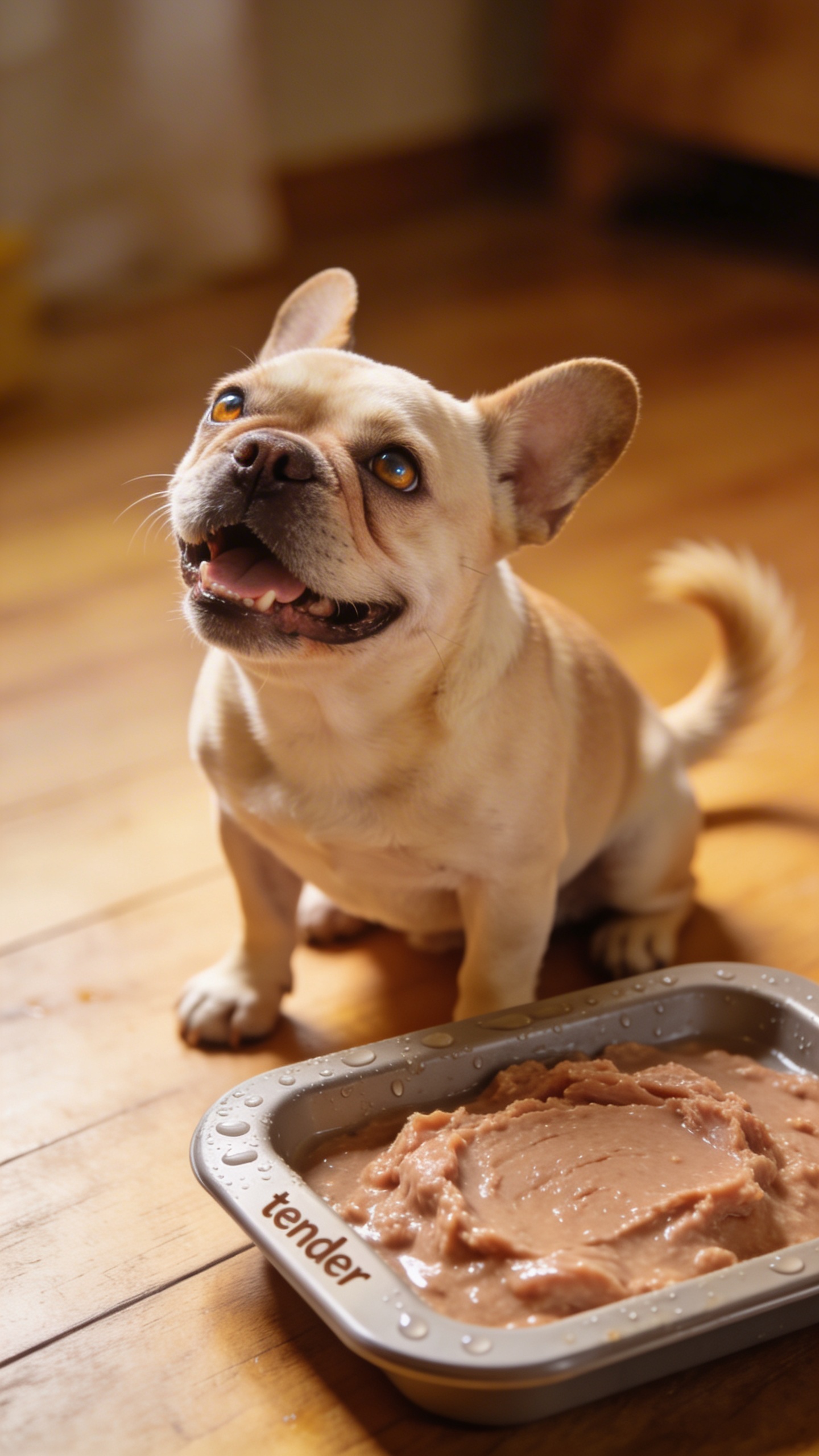
Being informed saves you from throwing money at questionable snacks and questionable outcomes.
Hidden fillers and questionable additives
– Avoid excessive grains, corn, soy, or artificial flavors. – Read labels like a detective; look for proper protein sources and minimal processing.
Human foods that sneakily harm
– Never feed chocolate, grapes, raisins, onions, garlic, or xylitol. – Stay away from bones that can splinter and foods high in salt or fat.
Allergies aren’t always obvious
– Skin issues can signal allergies even if the GI is quiet. – Suspect protein or dairy triggers if you notice itchiness, red paws, or ear problems. – An elimination diet under veterinary supervision helps pinpoint troublemakers.
Deeper Dives: Tailoring the Menu to Your Frenchie
Understanding your dog’s gut signals
– Bloat and regurgitation are not cute party tricks. If you notice excessive drooling, abdominal swelling, or restlessness, seek vet care quickly. – Diarrhea that lasts more than 24–48 hours or severe vomiting deserves a vet visit. – A good gut health plan includes consistent meals, measured portions, and ingredients your pup tolerates well.
Allergies and sensitivities: How to test
– Start with a vetted “limited-ingredient” diet to see if symptoms improve. – If symptoms persist, an elimination diet under veterinary guidance can reveal triggers. – Keep a simple log: meals, treats, treats’ ingredients, and any reactions.
Supplements: yes or no?
– Probiotics are a common, generally safe choice for sensitive tummies, but dosing should be vet-guided. – Omega-3s can help with skin and coat and may support gut health; choose a product designed for dogs and follow dosing instructions. – Avoid extra vitamins unless your vet specifies; more isn’t always better.
Real-Life Stories: What Works in the Real World
People love sharing wins when their frenchies finally feel good after a switch. Here are a few common threads that tend to pop up. – A shy eater finally excited for a single-ingredient protein after a long run of mystery kibble. – A pup who resisted veggies learns to enjoy them when lightly steamed and mixed with a bit of bone broth. – A dog with seasonal GI flare-ups finds stability on a limited-ingredient diet and consistent feeding times. Remember, every dog is different. What helps one frenchie thrive might not be the same for another. IMO, patience here buys you major rewards.
FAQ
Can I mix dog-safe human foods with dog food?
Yes, but keep portions small and choose safe items like plain cooked chicken, rice, or mashed pumpkin. Avoid seasoning, sauces, onions, garlic, and anything salty or spicy. Always introduce new foods slowly and watch for changes in stool or itching.
What’s the best protein source for a sensitive frenchie?
Often, a single, high-quality protein like lamb, duck, or venison in a limited-ingredient formula works well. Fish can be great too, but watch for fishy odor and potential allergies. Rotate proteins slowly if your vet agrees to reduce the risk of new sensitivities.
How do I know if my frenchie’s tummy is thriving?
Healthy indicators include regular, well-formed stools, normal energy, good skin and coat, and a steady appetite. Occasional gassiness is normal, but persistent diarrhea, vomiting, or weight loss means a vet check is due.
Is it okay to give treats on a sensitive diet?
Yes, but choose treats that align with the main diet. Limited-ingredient, hypoallergenic treats or small pieces of the same protein as the meals work well. Treats should be a small portion of daily calories to avoid overfeeding.
What should I do if my frenchie refuses to eat the new food?
First, rule out illness and dehydration. If your vet approves, try warming the food slightly, adding a splash of low-sodium broth, or mixing in a tiny amount of a safe favorite protein to entice them. Patience and consistency help a lot.
Conclusion
Your frenchie doesn’t have to miss out on tasty bites or feel lousy after meals. With vet-approved choices, gentle transitions, and smart feeding habits, you can build a diet that supports a thriving, energetic pup rather than a perpetually uncomfortable one. Remember: small, steady steps beat big, dramatic changes every time. Here’s to fewer tummy troubles, more wagging tails, and meals that actually feel like a treat—without the drama. FYI, your dog’s happiness starts in the bowl, so choose love and science in equal measure. If you’re ever unsure, your veterinarian is your best co-pilot on this culinary journey.