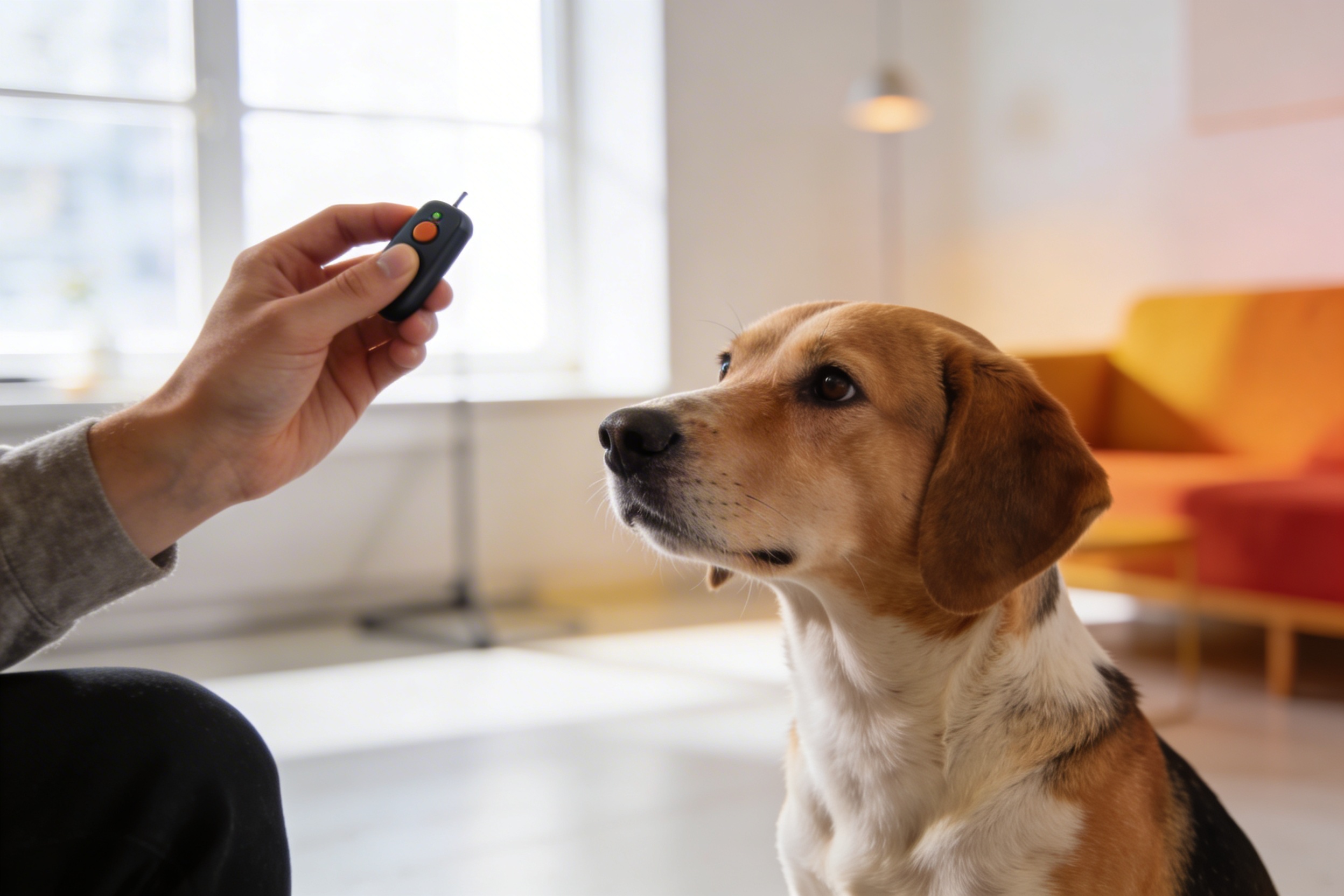
I love a good training hack that doesn’t feel like rocket science. A clicker isn’t magic; it’s timing, intention, and a bit of playful consistency. Ready to level up your dog’s learning with a tool even picky pro trainers swear by? Let’s dive in.
What the Clicker Even Is and Why It Works
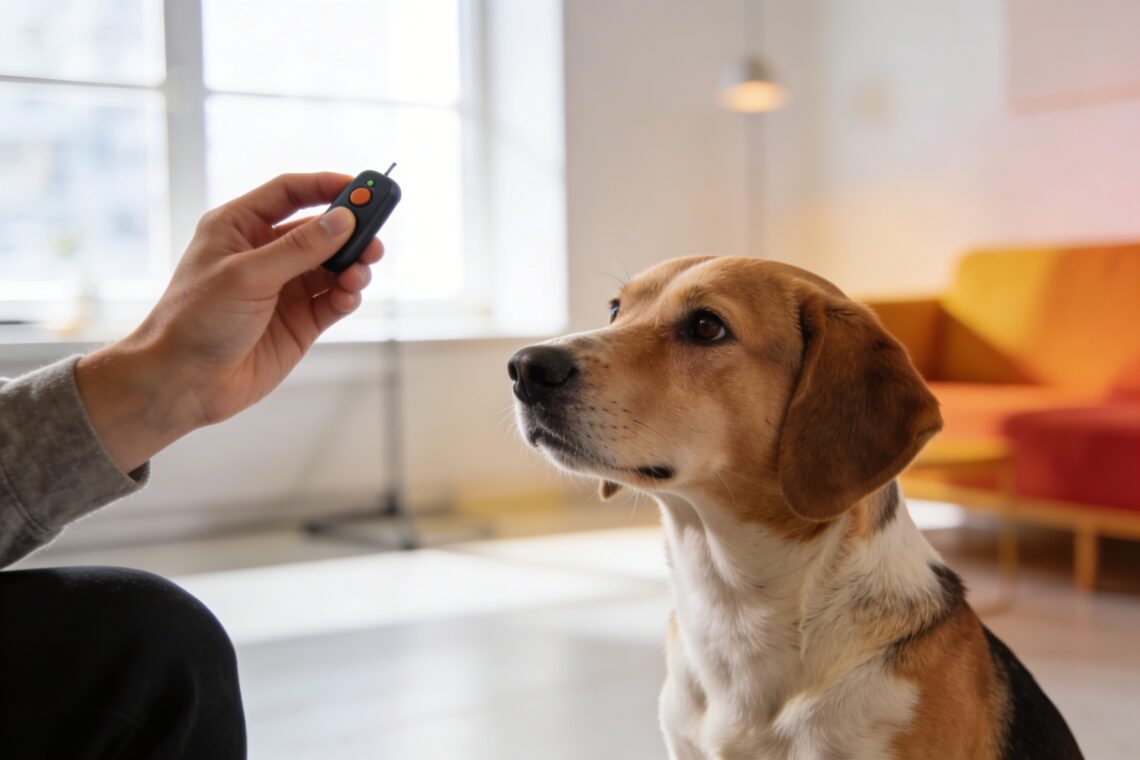
So what’s this little clicker all about? It’s a tiny device that makes a crisp, reliable sound the moment your dog does something right. Think of it as a precise, portable trophy bell that you can carry in your pocket. The magic lies in the timing: the click marks the exact moment of correct behavior, and the dog learns to connect that sound with a tasty reward. If you’ve ever tried talking your dog through a trick and wondered why progress feels slow, the clicker changes the game. It provides a bridge between action and reward, even when you’re not waving treats like a maniac. FYI, consistency is king here. Your dog will pick up the cue faster if the click comes exactly at the right moment, with a reward following shortly after.
Getting Started: The Setup You Actually Need
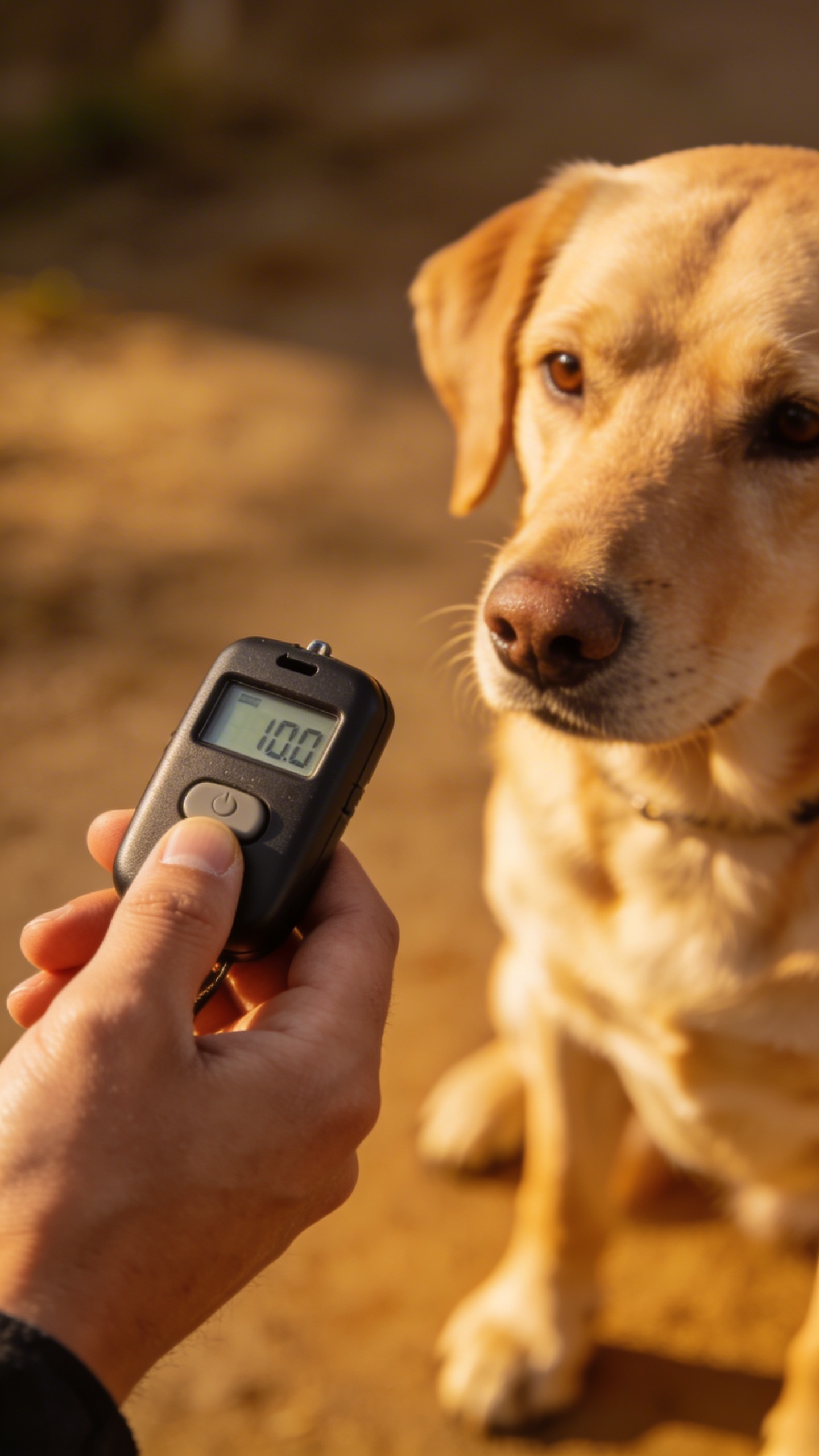
– Choose your clicker: A standard clicker is fine, but some dogs respond better to a slightly louder or softer click. Try a couple and see which one feels more reliable to your dog. – Pair the click with a reward: Before you expect fancy tricks, you must couple the click with something tasty. Give a treat immediately after the click, not before or during the sound. – Keep sessions short: Five to ten minutes, two to three times a day, is plenty. Bored dogs stop learning; distracted dogs stop learning; you get the point.
Building a Foundation: The Core Rules You’ll Live By
Once you’ve got the basics dialed, you can layer on more advanced stuff. Here are the non-negotiables.
Rule 1: Clear, consistent criteria
– Define the exact behavior you’re rewarding. Is it “sit,” “eye contact,” or “come when called”? Ambiguity wrecks timing. – Use the click to mark the first correct approximation, then reward. Don’t wait for perfect form.
Rule 2: One cue, one click
– Use a single verbal cue like “sit” soon after the click. If you mix cues, your dog may get confused and the timing will suffer. – Save alternate cues for when your dog can already perform reliably.
Rule 3: Reward quickly and evenly
– The reward should come within a second or two of the click. If you delay, your dog might connect the click with something else—like you blabbing at them.
Pro Tricks: How to Use the Clicker for Real-Life Skills
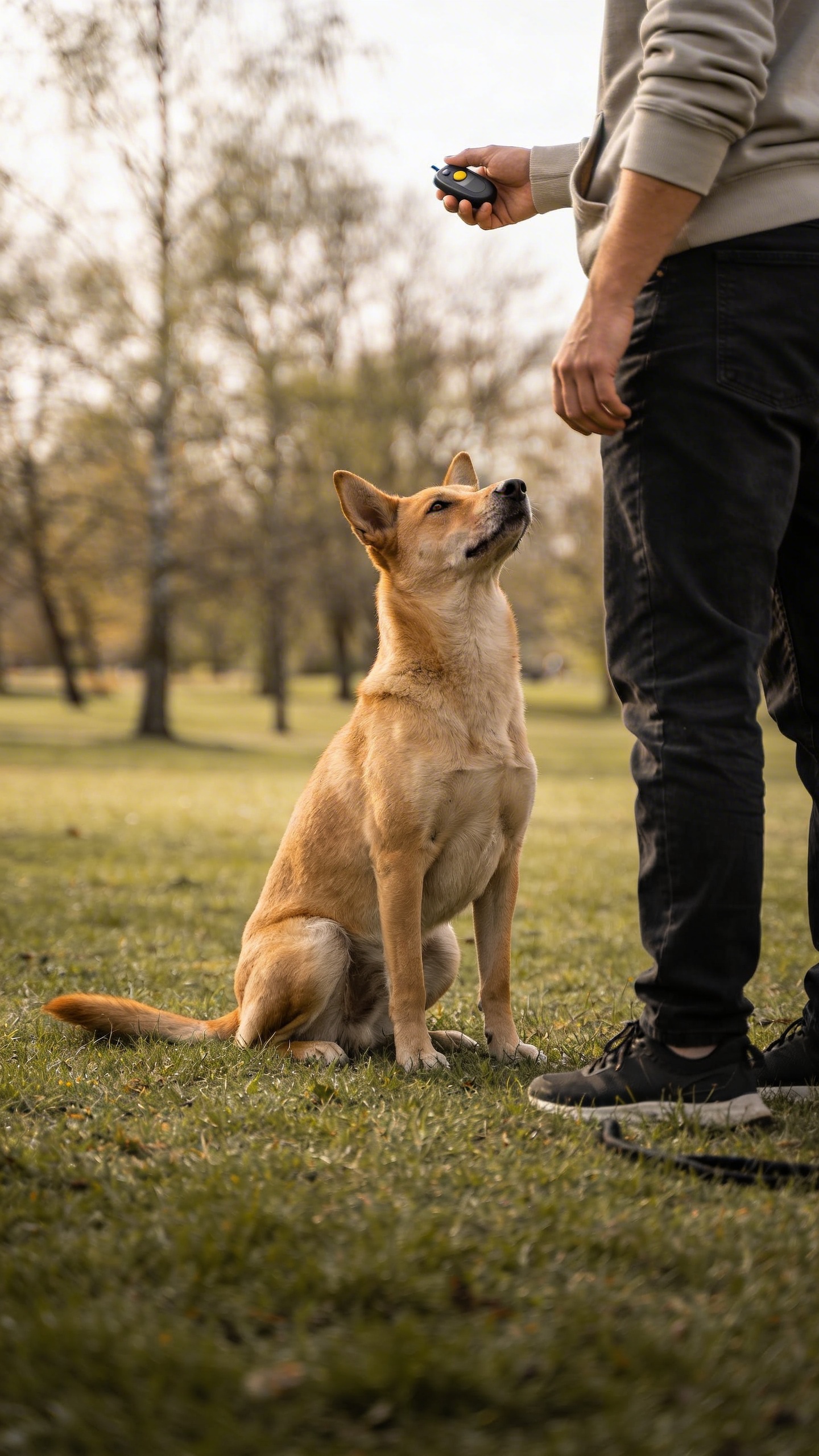
Here’s how to translate the clicker into practical, everyday wins.
- Loose-leash walking: Click for each moment your dog feet stay by your side with a soft leash. Reward after a few steps with a treat bag or a favorite toy. You’ll teach calm focus instead of zig-zagging chaos.
- Recall: Start in a quiet room. Click the moment they turn toward you, then reward with a high-value treat. Gradually increase distance and add mild distractions as your dog gets reliable.
- Seat, stay, and wait: Use “sit” or “stay” as your cue, click when they hold the position, reward after the hold. Extend duration slowly so your dog doesn’t burn out.
- Impulse control: For doors, outlets, or greeting people, click for self-control moments (like waiting before going through a door). Your dog learns to pause on cue, not react on impulse.
Progression: How to Build Complex Behaviors from Simple Clicks
You don’t need to go from “sit” to “clean routine” overnight. Break it down.
Step-by-step shaping
– Start with the first small success. Click and reward as soon as your dog makes a tiny improvement. – Gradually require a little more each time. Each click signals a new rung on the ladder. – If your dog struggles, go back a few steps. It’s not a loss; it’s you preserving confidence and momentum.
Adding duration and distance
– Once a behavior is solid, ask for a half-second hold, then a longer hold. Click as soon as the hold meets your criteria, then reward. – Increase distance in tiny increments. A few steps, then more steps, then a whole direction change, all guarded by the click-reward rhythm.
Common Pitfalls (And How to Avoid Them)
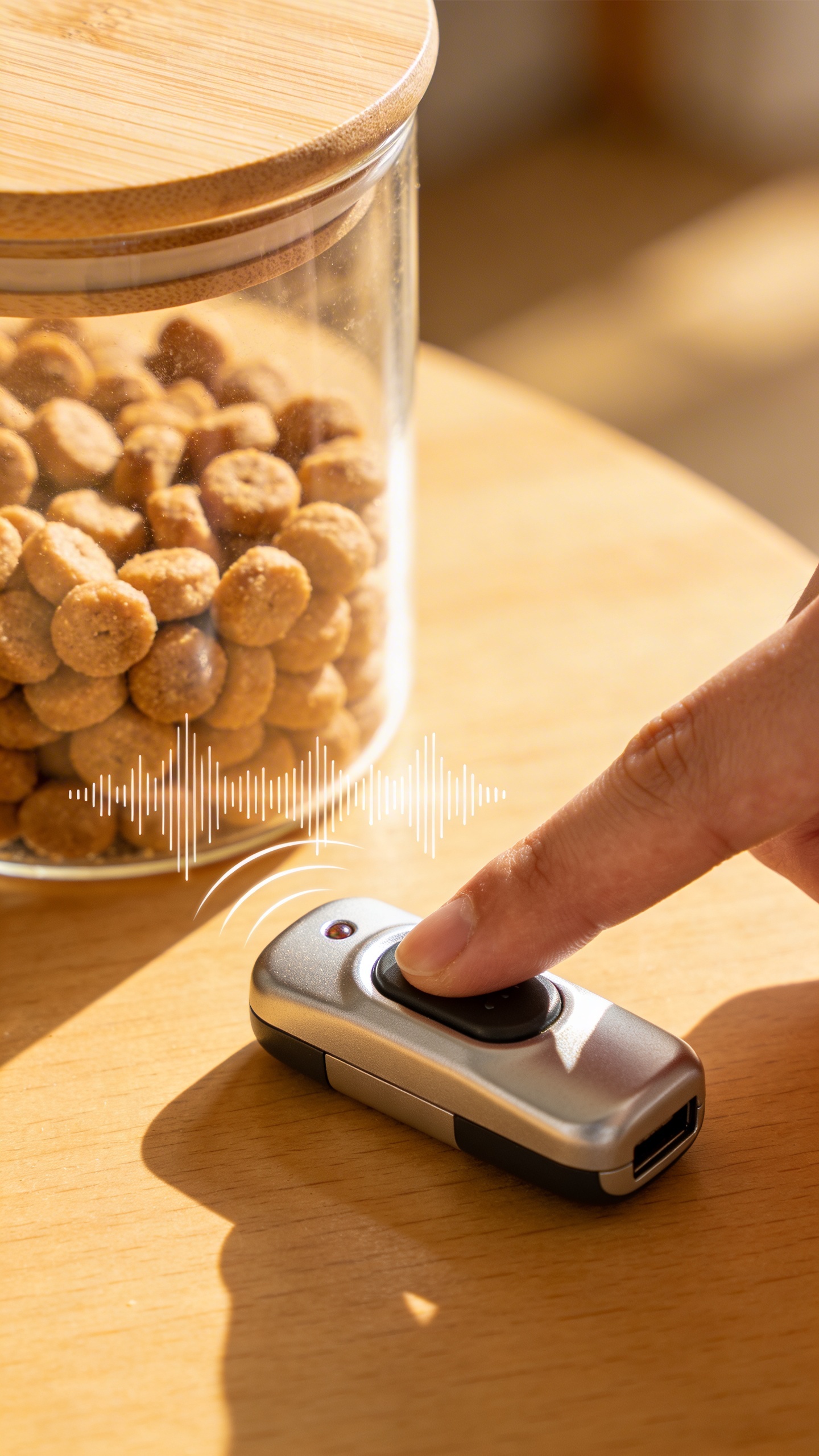
No trainer gets it perfect every time. Here are the potholes I see most often, with quick fixes.
- Too slow with the click: Your dog can’t connect the action to the reward if your timing is off. Practice with some “dummy” sessions where you focus only on speed of click, not the trick itself.
- Clicking without rewarding: If you click and skip the treat, your dog learns the click doesn’t always lead to reward. That’s a confidence killer. Always follow with a treat or preferred payoff.
- Over-reliance on treats: It’s okay to reward with play, a toy, or a sniff as long as it’s consistent. Mix it up to keep motivation high and prevent treats from losing value.
- Inconsistent cues: If you alternate cues or apply them unevenly, you’ll confuse your dog. Consistency is not optional here.
FAQ: Quick Answers to Real-World Questions
How long should I train with a clicker each day?
Short, frequent sessions win the race. Aim for 5-10 minutes, 2-3 times a day. If your dog’s raring to go, you can push a little longer, but watch for signs of fatigue or boredom. Chaos isn’t learning-friendly.
Can I use the clicker for puppies?
Absolutely. Puppies respond brilliantly to the clear feedback. Keep sessions ultra-short, use very high-value rewards, and be mindful of their developing bodies. Think “bite-sized” training, not marathon sessions.
What if my dog ignores the click?
That usually means timing is off or the reward isn’t enticing enough. Revisit the basics: make the reward immediate, ensure the dog notices the click, and reduce distractions. You can also pair the click with a bigger payoff for a few sessions to re-anchor the association.
Is it cheating to use the clicker for behavior I want naturally?
Not cheating—it’s scripting the dog’s brain to expect a reward for a precise moment. If your dog naturally performs a behavior, you can still use the click to tighten up the action or to add duration. It’s like polishing a gem.
What are good default rewards when I don’t have treats handy?
Great question. You can use praise, a quick game of tug, a favorite toy, or a sniff outside as a reward. Just be aware that value can shift; have at least one non-food reward you can pull out in a pinch.
Advanced Applications: Turning Good Behaviors into Everyday Manners
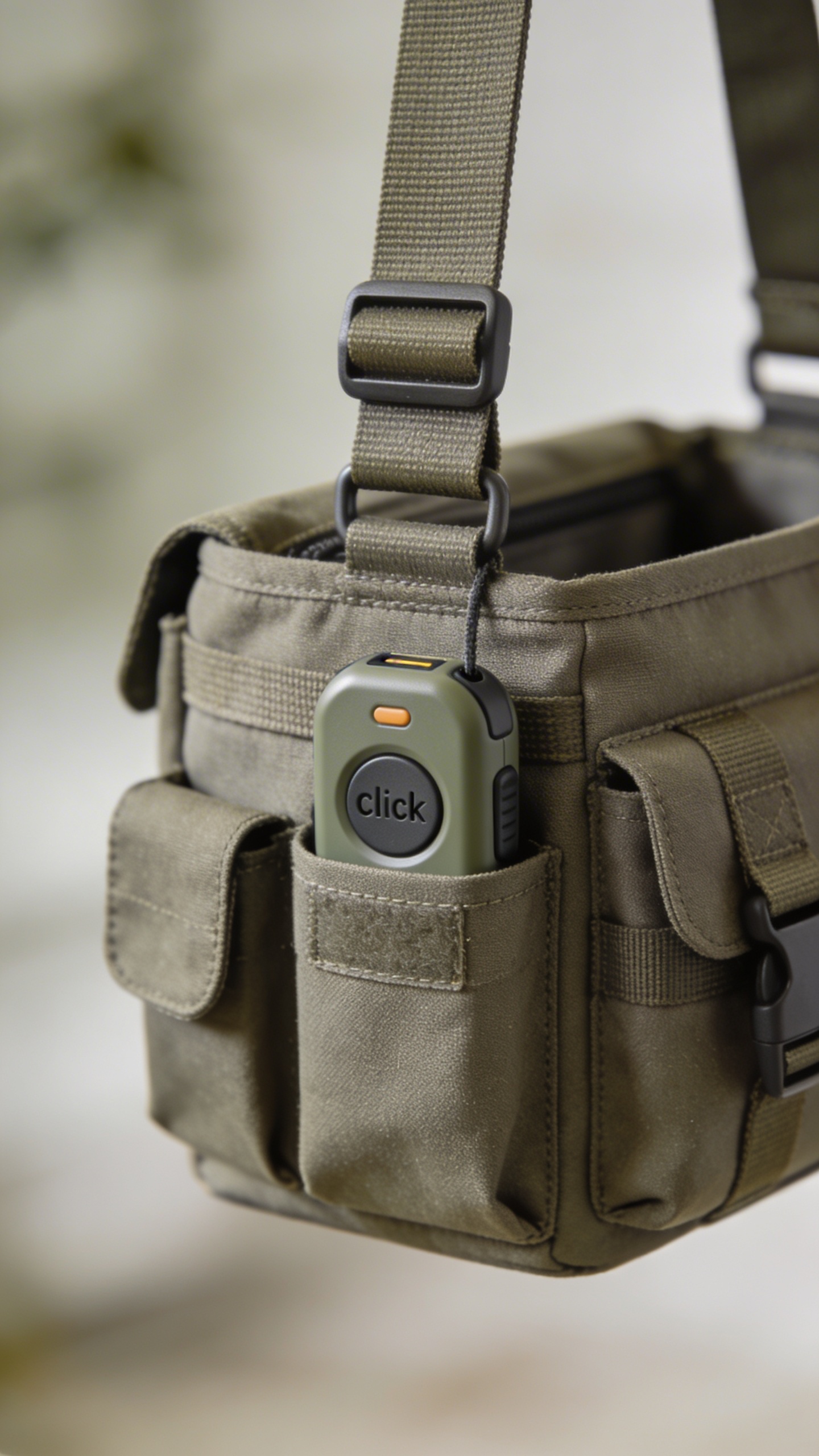
The true payoff of clicker training isn’t tricks; it’s reliability in the real world.
- Grooming without drama: Use the click for calm, cooperative behavior during brushing, nail trims, or baths. A few well-timed clicks can transform grooming from battle to bonding.
- Smart leash reactivity control: Click for calm moments when another dog passes by, then reward with a calm, loose posture. You’ll be teaching self-control in the moment it matters most.
- Public etiquette: In busy places, click for controlled behavior like staying by your side, focusing on you, or ignoring distractions. The clicker becomes your calm anchor in chaos.
Personal Insights: What I Wish I Knew Sooner
I’ll be honest: the first time I tried clicker training, I treated it like magic. Spoiler: it’s not magic; it’s a system. The biggest truth I learned is that progress isn’t linear. Some days your dog clicks on everything; other days, not so much. That’s when patience and tiny, frequent steps save everything. IMO, the joy comes from watching your dog connect the dots faster and faster, and your own confidence grows with it. If you’re tempted to skip ahead to “the big trick,” resist. The real win is layering solid foundations: precise timing, reliable rewards, and consistent cues. FYI, you’ll thank yourself later when you can shape a complex behavior with calm efficiency rather than chaos.
Conclusion
The clicker is a humble tool with a superpower: clarity. By marking the exact moment your dog does something right and pairing it with a rewarding outcome, you create a language that both of you understand. Keep sessions short, be consistent, and let the dog lead you through the learning journey—one precise click at a time. If you’re ready to try, grab a clicker, gather some tasty treats, and start with a simple behavior. See how quickly your dog starts glancing at you for that click, then reward. You’ll see the relationship deepen as training becomes something you both enjoy rather than a chore. And yes, FYI, you’ll probably end up with a few laugh-out-loud moments where your dog surprises you with a perfect performance just because you stuck with it.