Daily Dog Routine for Busy Owners: 30 Minutes That Change Everything Ever wish you could squeeze a full day of dog bliss into just 30 minutes? Spoiler: you can. You don’t need a secret training academy or a robotic dog-walker to make a real difference. You just need a smart plan, a dash of consistency, and a willingness to have a little fun with your pup. Think of these 30 minutes as a power-up for your dog and your sanity. When you’re short on time, every minute counts. Let’s break it down so you can actually stick with it, day after day.
The 30-Minute Magic Formula: What to Do, What to Skip
You want results without turning your life into chaos. Here’s a practical, no-fluff blueprint you can actually follow. – 10 minutes: Morning walk or brisk sniff-and-stretch session – 5 minutes: Quick training bursts (focus on one trick or cue) – 5 minutes: Mental stimulation or puzzle time – 5 minutes: Grooming basics or gentle massage – 5 minutes: Cool-down and close the loop (treats, praise, plan for next session) Why these chunks work: short, high-quality sessions beat long, chaotic ones. Your dog stays engaged, you avoid burnout, and you actually see progress. FYI, consistency > intensity.
Section 1: Morning Movement That Sets the Tone
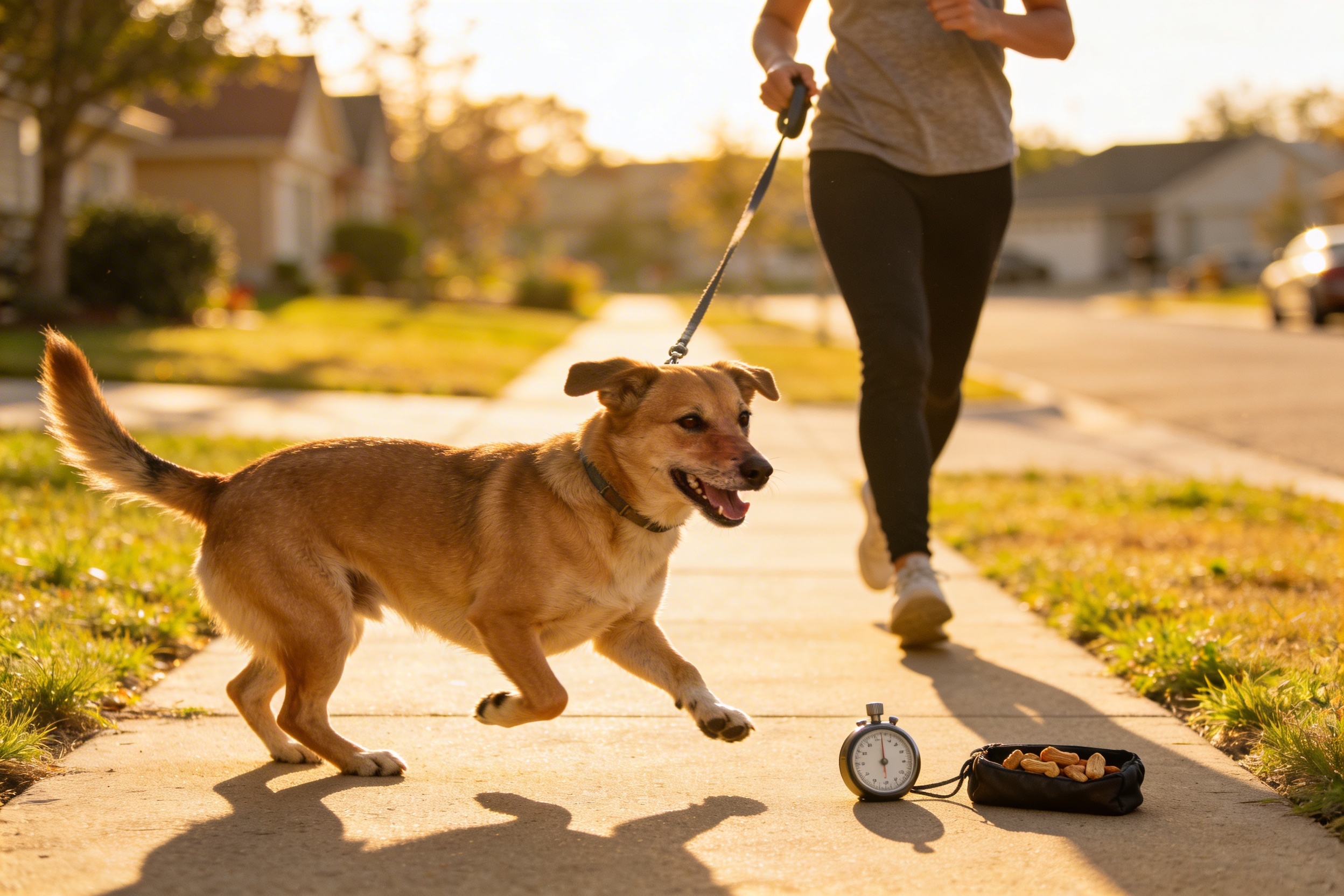
A tight morning routine pays off all day long. The goal isn’t a marathon, it’s a wake-up call for your dog’s brain and body. – Choose your pace: leash walk, backyard sprint, or a scenic neighborhood loop. – Set a cue: use a simple go-to word like “Let’s go!” and stick to it. – Add a tiny challenge: mix in 2-3 poles or sidewalk curbs for balance work, or a quick jog to build endurance.
Subsection: Quick Move Variations
– Silent sprint: a 30-second burst of fast-paced walking or running, then easy pace for 3 minutes. – Focus stops: every 2 houses, pause and give a one-word stay command, then resume. – Water break bonus: if you’re near a fountain or puddle, let your dog sniff and sip (short, supervised). The key: keep it fun, short, and focused. If your dog looks bored or rushes through, dial it back or switch to a new cue. IMO, variety keeps motivation high.
Section 2: Bite-Sized Training That Actually Sticks
Training doesn’t have to be a chore. In fact, the shorter, sharper sessions work wonders when you’re balancing a busy life. – Pick one skill per day: sit, down, place, or loose-leash walking. – Use a clear reward system: a tasty treat or a favorite toy that your dog loves. – End on a high note: a quick success makes both of you smile.
Subsection: 5-Minute Tricks to Impress Your Friends
– Give/Take: exchange a toy for a treat with a confident “give.” – Spin or twirl: teach a simple spin in place to burn a little extra energy. – Target paw: teach your dog to touch your hand with their paw on cue. Remember, every session should feel like progress, not frustration. If your pup stalls, switch to a different cue or take a short break and come back with enthusiasm.
Section 3: Mental Work That Wears Off the Zoomies
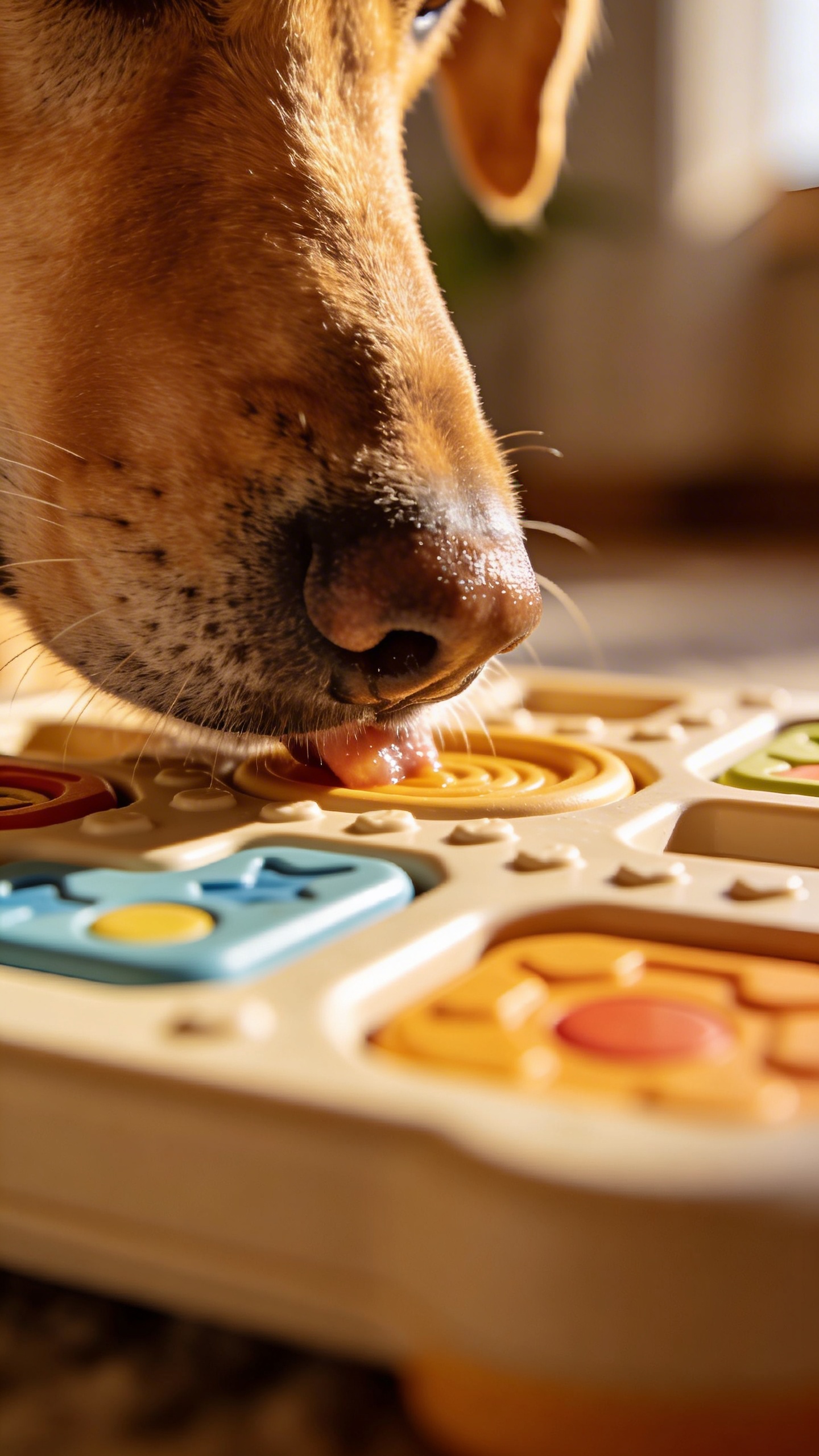
Dogs need brains as much as bodies. Mental exercise tires them out in a good way and prevents destructive energy. – Puzzle toys: fill with kibble or peanut butter for a tasty challenge. – Shell game: hide treat under one of three cups and shuffle. – Nose work: hide a treat around a room and let your dog hunt.
Subsection: DIY Enrichment on a Busy Schedule
– Food-dispensing toys: rotate a few so your dog never knows what to expect. – Scent trails: lead from a blanket to a hidden treat; gradually increase trail length. – Box treasure hunt: hide a few treats in a shallow box for sniffing fun. Short, focused brain work beats hours of aimless “play.” And yes, your clever pup will appreciate the challenge. FYI, mental workouts can be a legit substitute for long physical sessions when you’re crunched for time.
Section 4: Grooming Moments That Feel Like Self-Ccare for Canines
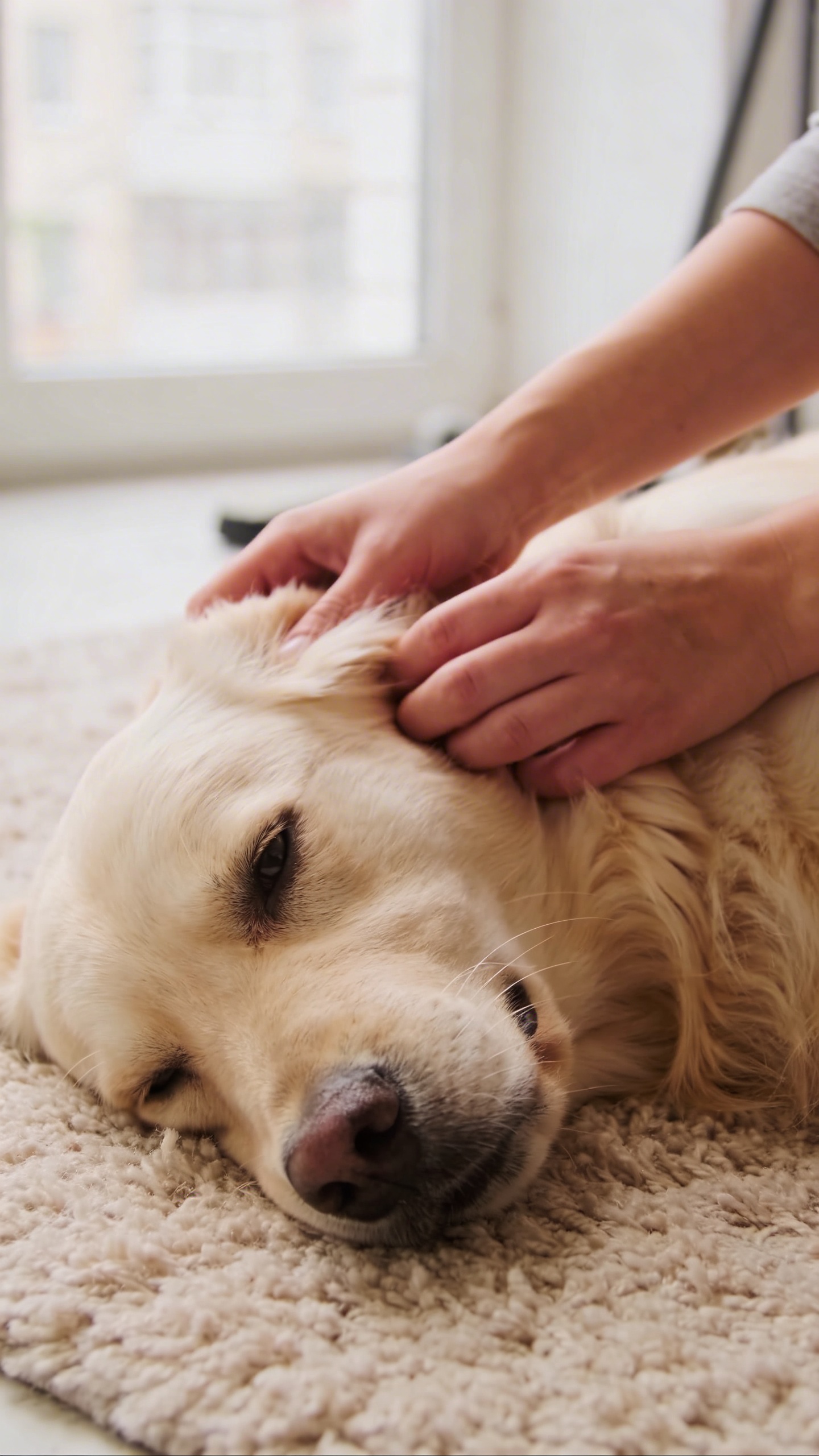
Grooming isn’t vanity; it’s health and bonding. A quick, regular routine helps you catch issues early and keeps your dog comfy. – Brushing: quick 2-minute brush to reduce shedding and distribute oils. – Check ears and eyes: quick wipe-down, note any redness or discharge. – Paw care: inspect pads, trim nails if needed, and give a gentle paw massage.
Subsection: Massages That Bond and Relax
– Shoulder knead: light, circular pressure to release tension. – Ear massage: gentle strokes from base to tip to calm nerves. – Belly rub: if your dog loves belly rubs, a short session can be a great cooldown. Grooming isn’t a chore when you keep it light, friendly, and frequent. The goal is to prevent mats, infections, and discomfort, not to win a grooming contest.
Section 5: The Nightly Wind-Down for Better Sleep (Yours and Theirs)
Even a 5-minute evening routine helps settle both you and your pup. A consistent wind-down cues your dog to relax and readies you for a calm night. – Gentle sniff and settle: sit on the floor together, let your dog sniff a familiar toy. – Last potty break: a quick outdoor trip if needed, before bedtime. – Positive recap: praise a couple of successes from the day and set one target for tomorrow.
Subsection: If Your Schedule Is Truly Nuts
– Trade-offs are okay: swap a longer session on weekends for shorter ones on weekdays. – Use your environment: hallway sprints, stairs, or living room “obstacle courses” can all be fun. – Keep a simple routine card: a one-page checklist you can glance at each day to stay consistent. Consistency is what makes the 30-minute plan truly transformative. Your dog learns expectations, and you reclaim peaceful evenings. IMO, this is the secret sauce that separates “I tried” from “this actually works.”
The FAQ: Quick Answers for Busy Dog Lovers
What if my dog is hyperactive and won’t settle for short sessions?
Short, focused bursts work best. Break long bouts into multiple 5- or 10-minute chunks across the day if needed. Use a calming cue at the end of each burst, like a soft “settle,” and reward when your pup relaxes.
How do I keep training fun for a dog with a short attention span?
Keep sessions upbeat and varied. Change up rewards, cues, and activities every few days. Use interactive toys and short, tangible goals. If your dog starts to disengage, pause, switch tasks, and come back later.
What should I do if I miss a day or two?
Don’t panic. Do a quick morning routine that combines movement and one mini training task. Pick up where you left off, and don’t dwell on slip-ups. Consistency over perfection, remember?
Are treats necessary, or can I use praise alone?
Treats aren’t mandatory, but they’re a powerful motivator. If you prefer not to use food, use a highly valued toy or enthusiastic praise as rewards. The key is to reward immediately after the desired behavior.
How do I modify this for an older dog or a dog with mobility issues?
Adapt the routine to your dog’s pace. Shorter, lower-impact movements; more brain games; gentle massages; and longer cool-downs. Always consult your vet if you’re unsure about safe activities for an older dog.
Can I involve kids or other pets in this routine?
Yes, with supervision. Keep tasks simple, and avoid overwhelming your dog with too many cues at once. Use this as a bonding time for the whole family, but respect your dog’s stress signals and back off if needed.
Conclusion: Your 30-Minute Victory Lap
If you’ve been stuck in the “life gets crazy, we’ll figure it out someday” loop, this plan is your wake-up call. Thirty minutes a day, thoughtfully spent, yields big returns: calmer dogs, smoother mornings, and more smiles per minute. The routine isn’t about pushing your dog to perform; it’s about giving them structure, enrichment, and a solid bond with you. So, are you ready to test-drive the 30-minute daily dog routine? Start tomorrow with a simple, doable version: a quick morning walk, one focused training cue, a brain game, a brief grooming check, and a calm night routine. You’ll be surprised how quickly those small blocks add up to major changes. And hey, if you mess up a day, no big deal. Pick up where you left off and keep moving forward. Your dog, your sanity, and your schedule will thank you. FYI, consistency is your best friend here, and a little humor never hurts. Welcome to the club of busy but happy dog owners.