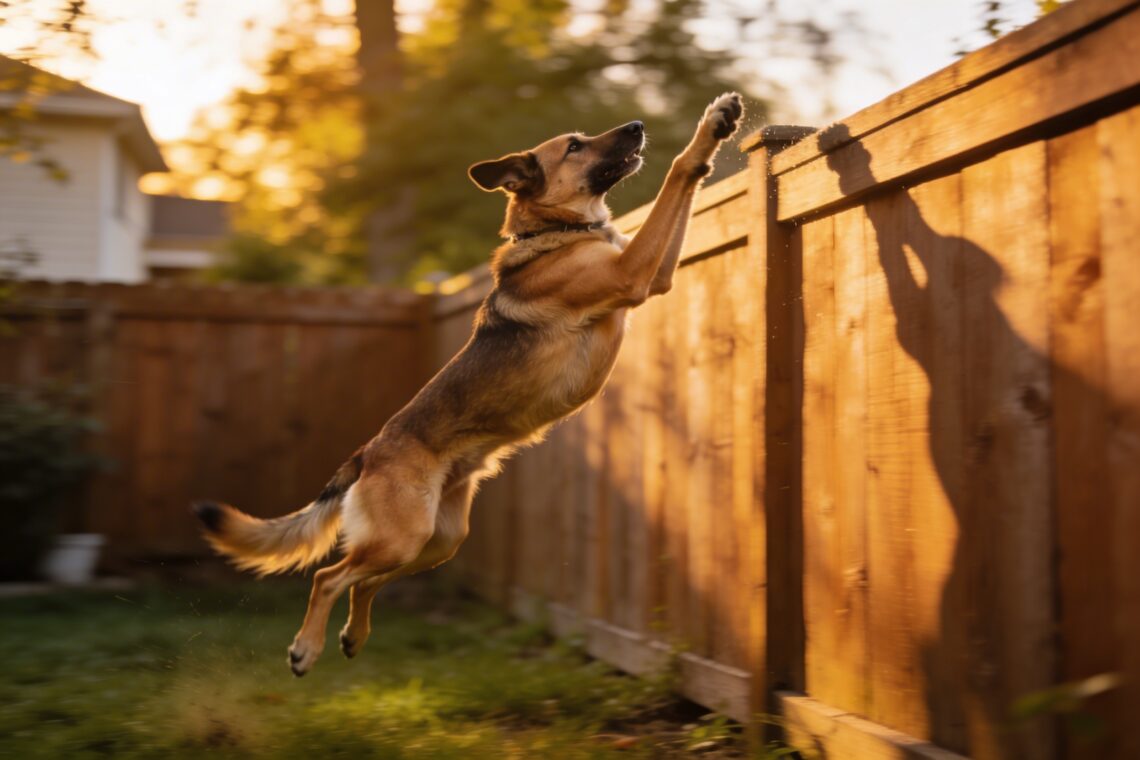
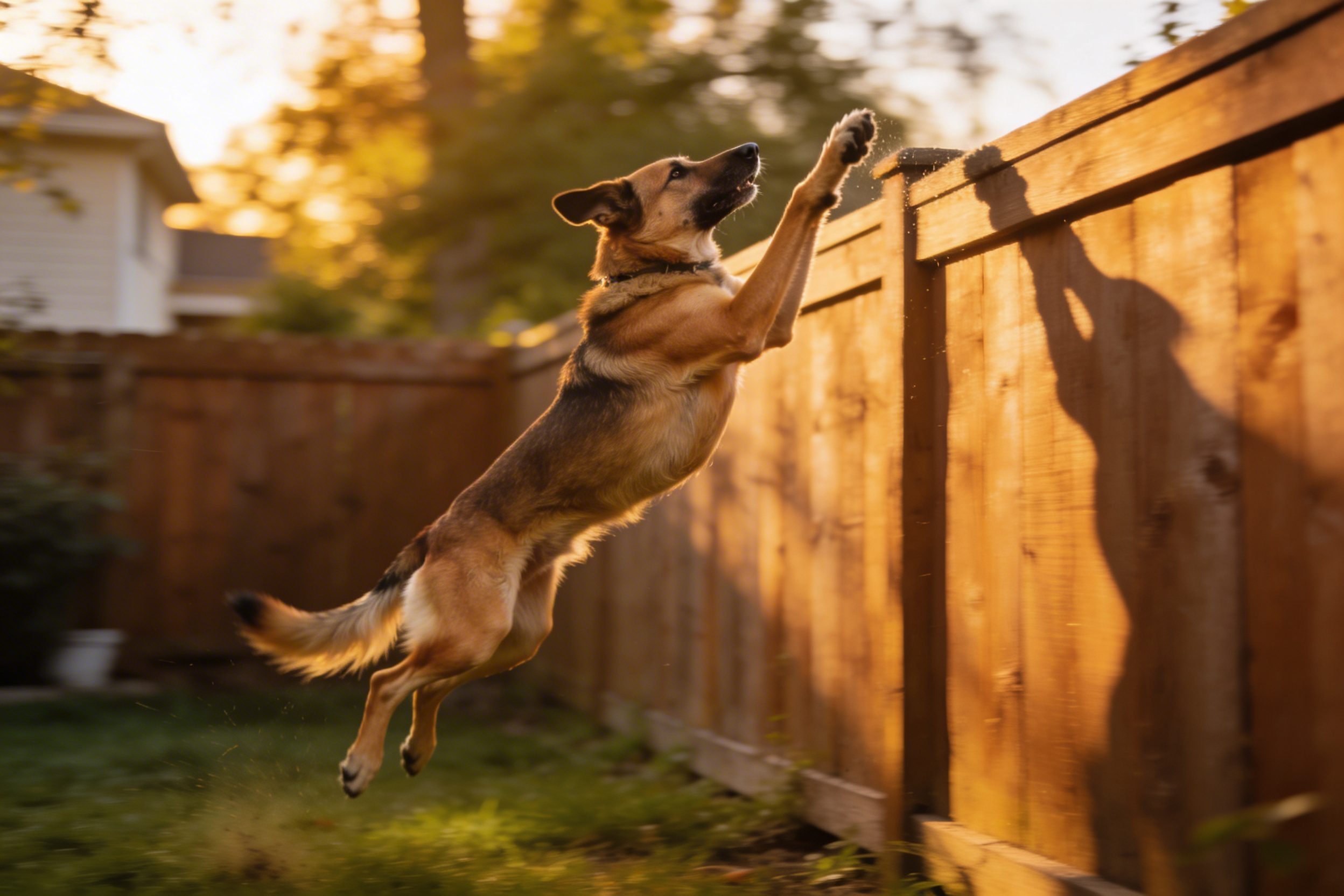
You’ve tried everything short of posting a guard at your fence line, and yet there goes Rover again—clearing that barrier like he’s training for the Olympic high jump. Before you resort to reinforcing your fence with barbed wire or hiring a dog therapist, take a breath. I’ve rounded up seven proven strategies that’ll keep your escape artist grounded, and most of them start working within days, not months.
Understanding Why Your Dog Keeps Going Over
Look, your dog isn’t jumping the fence just to mess with your blood pressure. There’s always a reason behind the great escape, and figuring it out makes fixing the problem way easier. Most dogs jump fences because they’re bored out of their minds. A Labrador sitting alone in your backyard for eight hours isn’t living his best life—he’s plotting his exit strategy. Other common culprits include chasing after squirrels, cats, or that poodle down the street, anxiety when you leave, or simply wanting to explore what’s beyond their territory. Some breeds are natural-born jumpers too. Got a Border Collie, Australian Shepherd, or Belgian Malinois? Yeah, those athletic superstars can clear a six-foot fence without breaking a sweat. Knowing your dog’s motivation helps you pick the right solution from the fixes below.
Fix #1: The Coyote Roller System
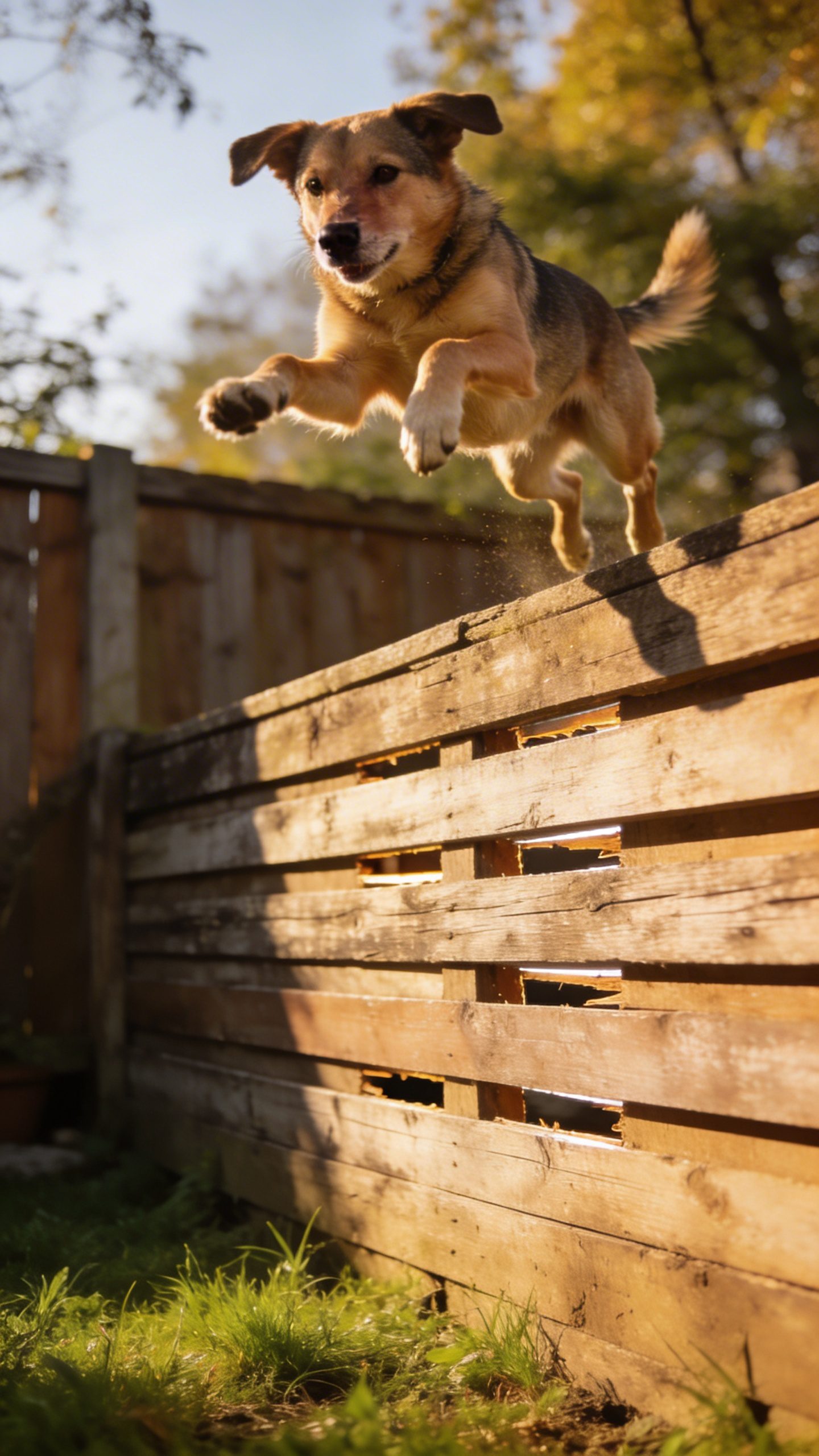
Here’s a genius invention that makes your fence impossible to climb. Coyote rollers are basically spinning bars you install along the top of your fence. When your dog tries to get leverage on the fence top, the rollers spin and send them back down. The beauty of this system? It’s completely humane and works on the first attempt. Your dog tries once, gets confused by the spinning action, and usually gives up. Installation takes a few hours, and you can find kits online for most fence types. This solution works best for dogs who climb or pull themselves over rather than those who can leap the fence in a single bound like furry Superman.
Fix #2: Create an L-Footer Extension
This clever trick involves adding an extension to your existing fence that angles inward at the top, creating an L-shape that faces your yard. Your dog looks up, sees the fence angling back toward them, and their jump trajectory gets completely thrown off. You don’t need to rebuild your entire fence either. Just attach lattice panels, chicken wire, or additional fence sections at a 45-degree angle along the top. Most dogs won’t even attempt the jump once they see this new obstacle. The visual deterrent alone stops a lot of escape attempts. Dogs are smart enough to calculate whether they can make a jump, and this modification makes the answer a clear “nope.”
Fix #3: Exercise Them Into Submission
I know, I know—this sounds too simple to work. But hear me out. A tired dog is a well-behaved dog, and an exhausted dog doesn’t have the energy to practice their parkour skills.
The Pre-Work Routine
Before you leave for work, take your dog for a solid 30-45 minute walk or run. Make it challenging—not just a leisurely stroll where they sniff every blade of grass. Get that heart rate up.
Mental Stimulation Matters Too
Physical exercise alone won’t cut it for high-energy breeds. Throw in puzzle toys, hide treats around the yard, or teach them new tricks before leaving. A mentally exhausted dog will choose naptime over fence-jumping every single time. FYI, this fix works best when combined with another solution on this list. It addresses the boredom factor but won’t stop a dog who’s jumping because they saw a cat.
Fix #4: Block Their View
Sometimes your dog jumps because they can see something irresistible on the other side. That neighborhood dog, kids playing, or the mailman become too tempting when they’re in plain sight. Install privacy slats in your chain-link fence, add bamboo screening, or plant fast-growing shrubs along the fence line. When they can’t see the trigger, the motivation to jump disappears. This solution usually shows results within days because you’re removing the visual stimulus that causes the behavior. Just make sure whatever you use doesn’t create steps your clever dog can use to climb even higher.
Fix #5: The Yard Buffer Zone
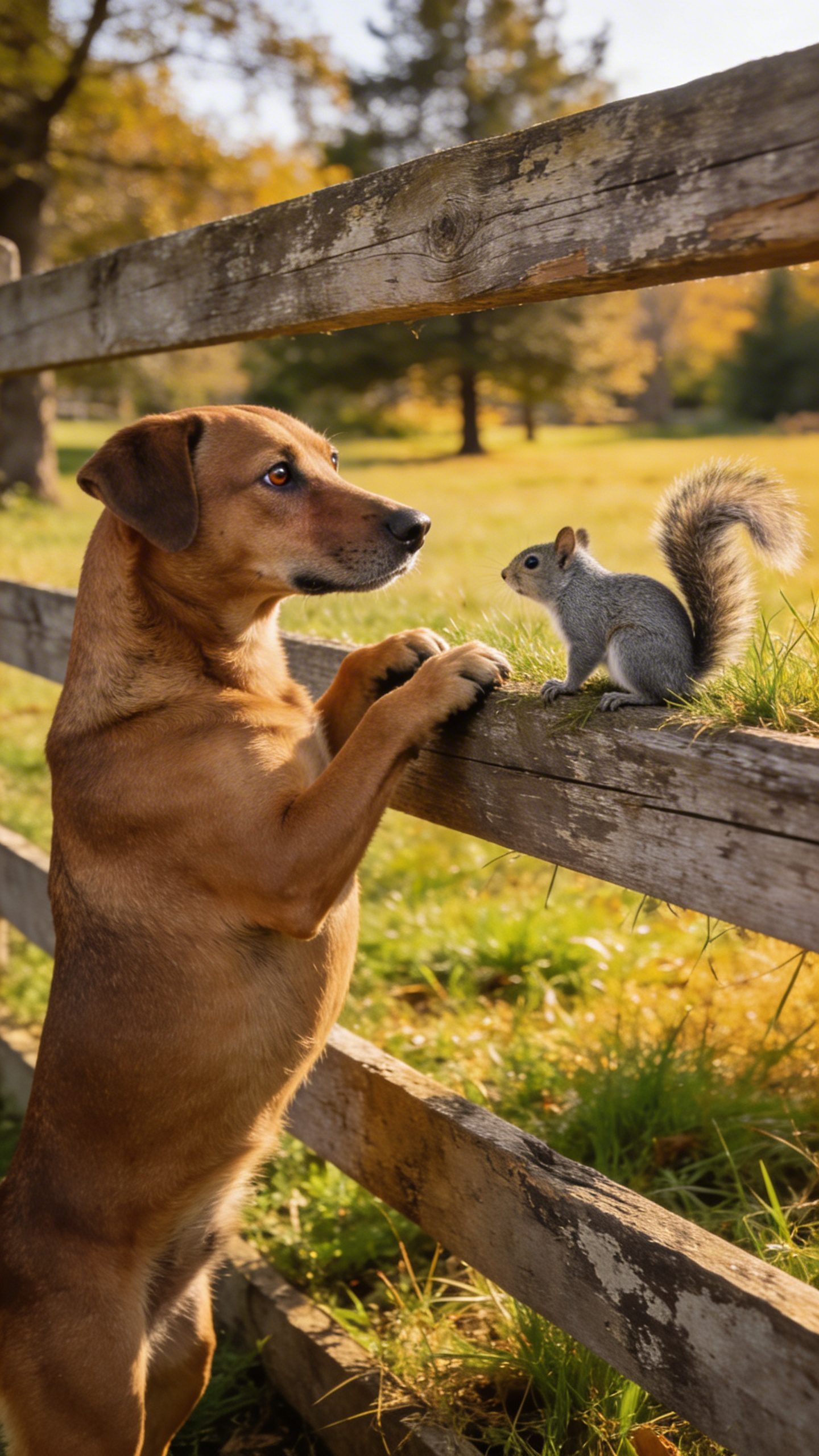
Create a no-go zone along your fence using chicken wire, stakes, or decorative fencing placed about two to three feet from your main fence. This prevents your dog from getting a running start. Think about it—most impressive jumps require momentum. Take away that runway space, and suddenly your dog can’t generate enough speed to clear the fence. It’s like trying to dunk a basketball when you can only take one step. You can make this buffer zone attractive too. Plant some flowers, install a small decorative border, or add landscape rocks. It serves double duty as yard beautification and escape prevention.
Natural Deterrents Work Great Here
Consider planting bushes with thorns or prickly textures in the buffer zone. Dogs naturally avoid uncomfortable surfaces, so they’ll stay away from the fence entirely. Roses, barberry, or holly bushes work perfectly for this.
Fix #6: Train the “Off” Command Religiously
Sometimes the old-fashioned approach works best. Teaching your dog that the fence is absolutely off-limits requires consistency, but it’s incredibly effective long-term. Catch them even thinking about jumping and immediately use your “off” or “down” command. Reward them lavishly when they obey. Repeat this approximately seven thousand times (okay, maybe not that many, but you get the idea). This method takes longer than physical modifications—we’re talking weeks, not days—but it builds a foundation of respect for boundaries. IMO, every dog should learn this regardless of whether you use other fixes.
Fix #7: Motion-Activated Deterrents
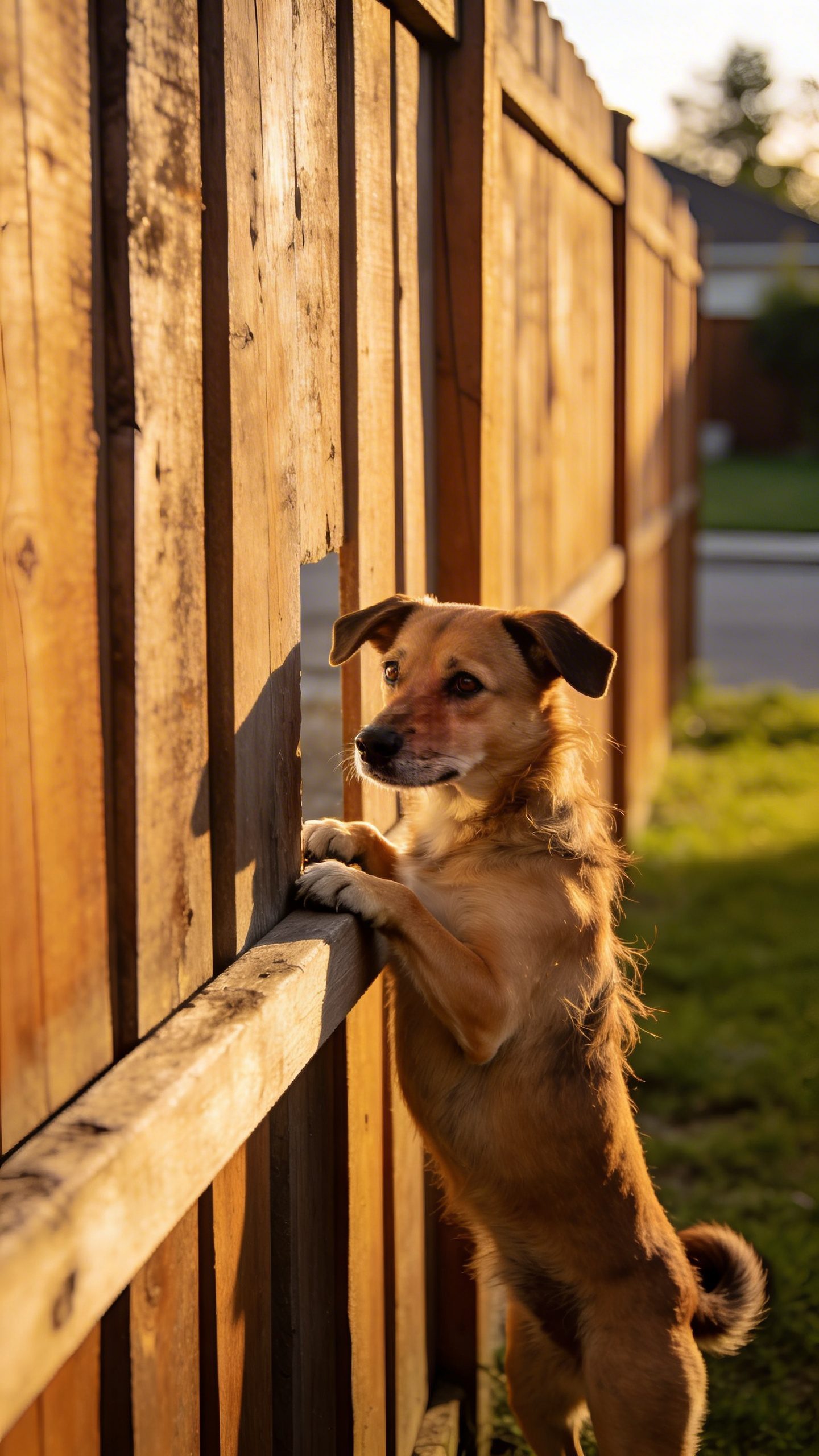
Technology to the rescue! Motion-activated sprinklers or ultrasonic devices create an unpleasant consequence when your dog approaches the fence. They learn quickly that getting near the fence equals getting sprayed or hearing an annoying sound. These devices work exceptionally well because they provide immediate feedback even when you’re not home. Your dog can’t sneak a jump when they think you’re not watching. The downside? You might accidentally spray yourself a few times while doing yard work. Ask me how I know.
Frequently Asked Questions
How high should my fence be to prevent jumping?
For most dogs, a six-foot fence is sufficient. However, athletic breeds like Belgian Malinois or Greyhounds might need eight feet. Instead of building higher, I’d recommend combining a moderate fence height with one of the modifications above. It’s cheaper and often more effective than just adding height.
Will an electric fence stop my dog from jumping?
Electric fences can work, but they have drawbacks. Highly motivated dogs will power through the shock, and once they’re on the other side, they’re reluctant to come back through. Plus, electric fences don’t keep other animals or people out of your yard. I’d try other solutions first.
My dog only jumps when I’m gone. What do I do?
This screams separation anxiety. Along with the physical fixes, work on crate training or create a safe space away from the fence. Consider a dog camera so you can monitor behavior and even talk to your dog remotely. Separation anxiety needs addressing beyond just fence solutions.
Can I use multiple fixes together?
Absolutely! In fact, combining solutions gives you the best results. Try the L-footer extension plus increased exercise, or coyote rollers plus blocking the view. Attack the problem from multiple angles and you’ll see faster results.
How long before I see improvement?
Physical modifications like rollers or L-footers work immediately. Behavioral changes through training take two to four weeks of consistency. Exercise-based solutions show improvement within days as long as you maintain the routine. The key is not giving up after a few days.
What if my dog digs under the fence instead?
That’s a different escape method requiring different solutions. You’ll need to bury chicken wire at the fence base, place large rocks along the bottom, or create an L-footer that goes underground. Some dogs are jumpers, some are diggers, and some overachievers do both.
Wrapping This Up
Your dog’s fence-jumping days don’t have to continue. Pick one or two solutions that match your dog’s motivation and your budget, then commit to them for at least a week. Most owners see dramatic improvement within days when they address both the physical ability to jump and the underlying reason why. Remember, every dog is different. What works for your neighbor’s Beagle might not work for your Husky. Stay patient, stay consistent, and before you know it, your escape artist will be content staying put in their own yard.