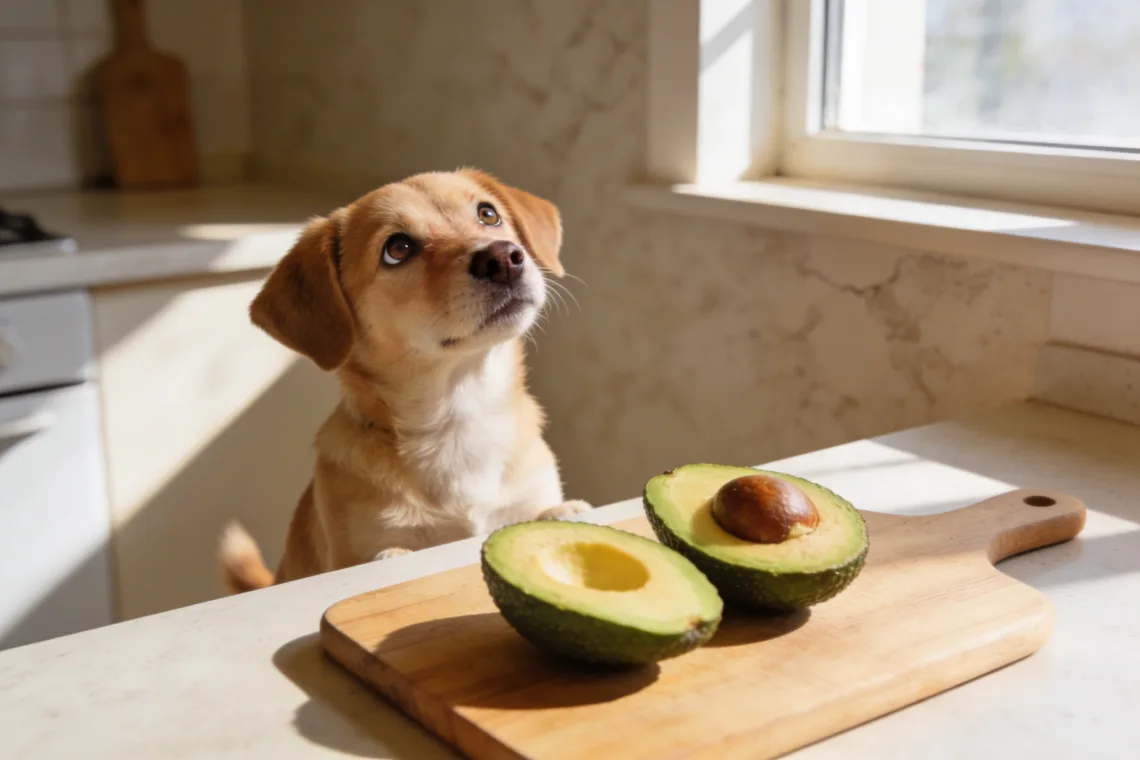
You’ve probably caught your pup giving you those irresistible puppy eyes while you’re making guacamole or enjoying some avocado toast. Before you cave and share a bite, pump the brakes. The answer to whether dogs can eat avocado isn’t exactly straightforward, and your vet wishes you’d stop Googling at 2 AM and just read this instead.
The Shocking Truth About Avocados and Dogs
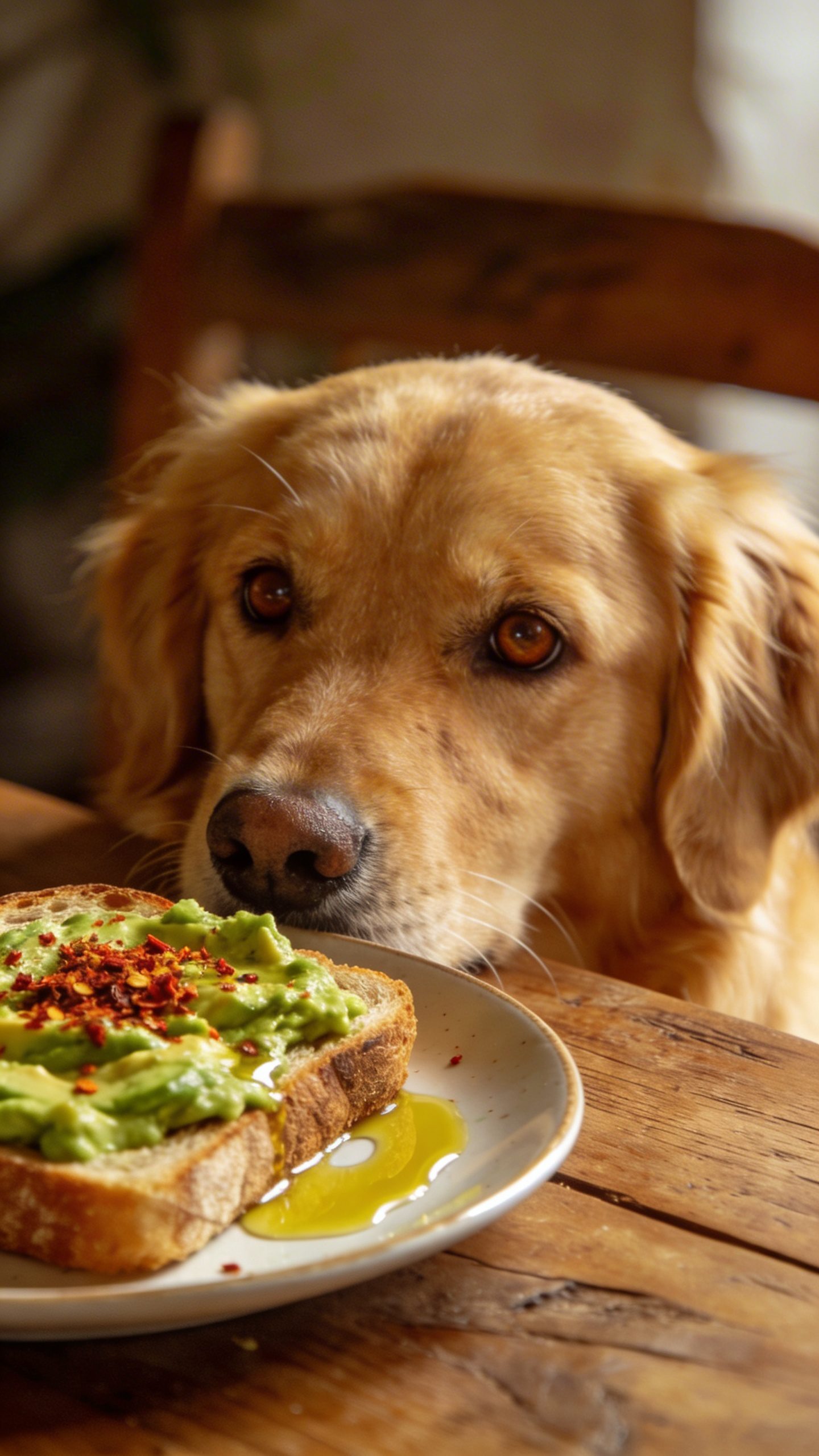
Here’s the deal: avocados contain a toxin called persin, and yes, it sounds scary. But hold on before you panic-toss all your avocados out the window. Persin is primarily dangerous to birds, horses, and cattle. Dogs? They’re actually pretty resistant to it.
That said, “resistant” doesn’t mean “immune,” and it definitely doesn’t mean you should let Fido go to town on your entire fruit bowl. The concentration of persin varies depending on which part of the avocado we’re talking about, and some parts are way riskier than others.
The flesh of the avocado contains the lowest amount of persin, which is why some high-end dog foods actually include avocado oil or meal as ingredients. Plot twist, right? But before you start meal-prepping avocado bowls for your furry friend, there are still some serious risks you need to know about.
9 Vet-Approved Tips to Navigate the Avocado Dilemma
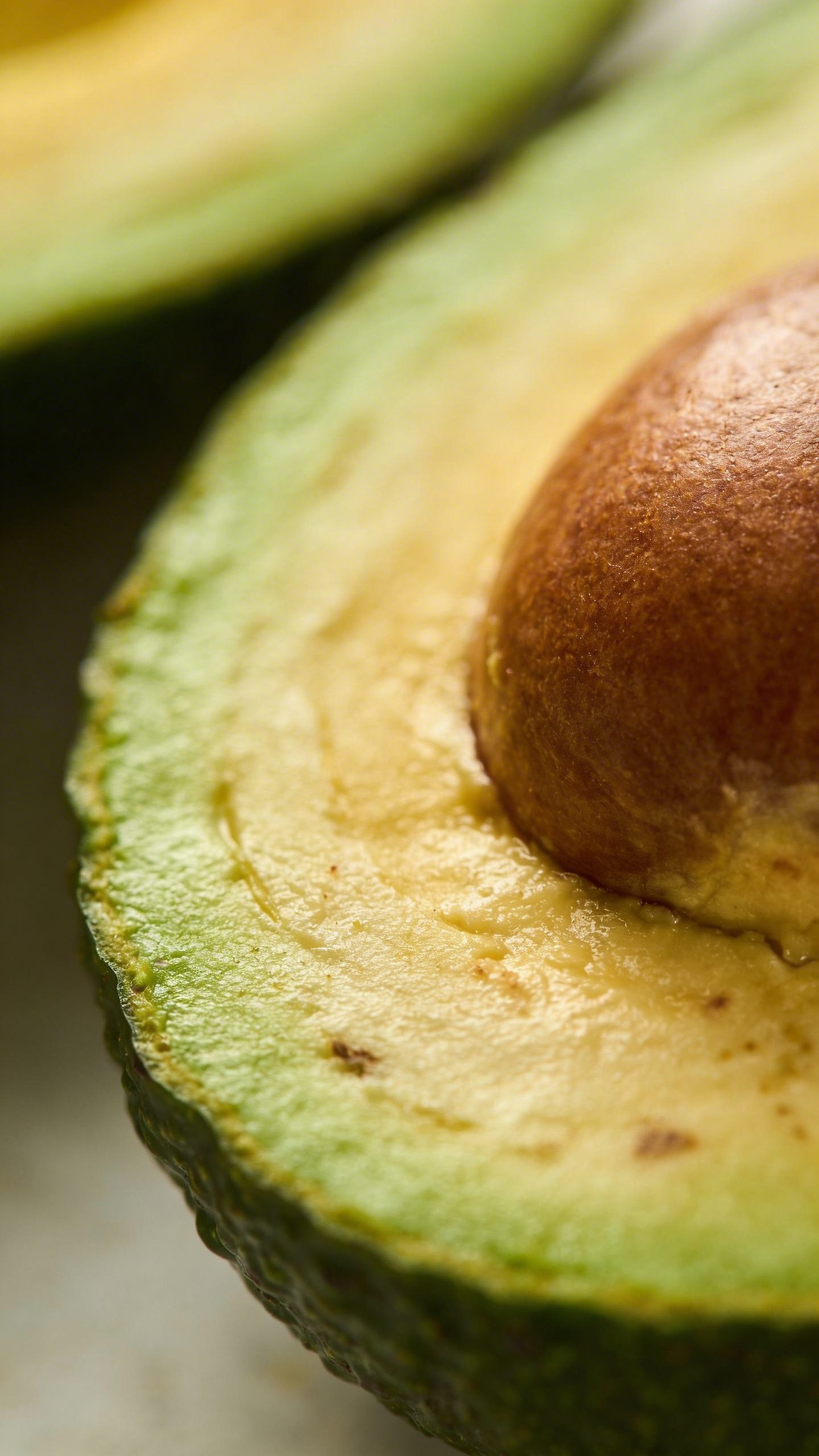
1. The Pit is Enemy Number One
Forget persin for a second—the avocado pit is the real villain here. This slippery little sphere is the perfect size to create a choking hazard or cause a life-threatening intestinal blockage. Emergency surgery costs thousands of dollars, and trust me, that’s way more expensive than just keeping your avocados secured.
Vets see this more often than you’d think. Dogs don’t understand that the pit isn’t food, and they’ll absolutely try to swallow it whole. Keep your trash secured and your counters clear.
2. The Skin and Leaves Are Persin Central
While the flesh might be relatively safe in tiny amounts, the skin and leaves of the avocado plant pack the highest concentration of persin. If you’ve got an avocado tree in your yard (lucky you, by the way), make sure your dog can’t access fallen leaves or fruit.
Symptoms of persin poisoning in dogs include vomiting, diarrhea, and general stomach upset. Not fun for anyone involved, especially not for your carpet.
3. Fat Content is Surprisingly Dangerous
Even if we ignore the persin situation entirely, avocados are incredibly high in fat. A medium avocado contains about 30 grams of fat, which is way too much for most dogs to handle.
High-fat foods can trigger pancreatitis in dogs, which is an extremely painful and potentially fatal condition. Symptoms include loss of appetite, lethargy, abdominal pain, and repeated vomiting. FYI, pancreatitis requires immediate veterinary care and often hospitalization.
4. Size Matters (Your Dog’s Size, That Is)
A Great Dane accidentally eating a small piece of avocado flesh? Probably fine. A Chihuahua eating the same amount? That’s a much bigger concern relative to their body weight.
Smaller dogs are at higher risk for both toxicity and fat-related issues. They also can’t handle intestinal blockages as well as larger breeds, making even small pieces of pit or skin more dangerous.
5. Watch for These Warning Signs
If your dog somehow gets into your avocado stash, keep an eye out for these symptoms within 24-48 hours:
- Vomiting or diarrhea
- Loss of appetite
- Lethargy or unusual tiredness
- Abdominal discomfort (hunched posture, whining)
- Difficulty breathing (rare but serious)
Any of these symptoms warrant a call to your vet, stat. Don’t wait to “see if it gets better”—early intervention is everything.
6. Guacamole is a Hard No
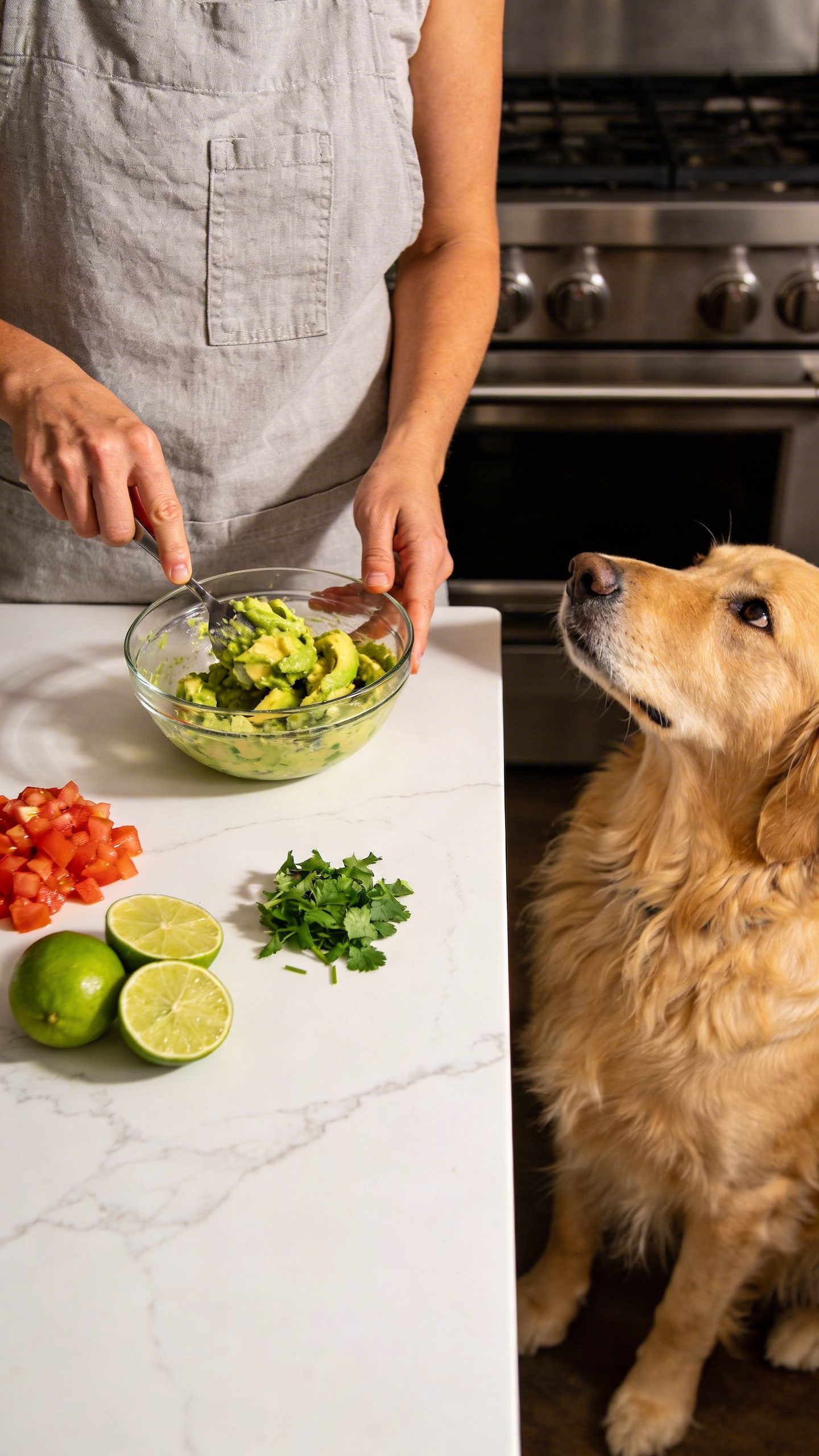
Think plain avocado is risky? Guacamole is basically a toxic cocktail for dogs. It typically contains onions and garlic, both of which are seriously poisonous to dogs and can cause severe anemia.
Add in salt, spices, and sometimes even jalapeños, and you’ve got yourself a recipe for disaster. Keep the guac to yourself, no matter how much those puppy eyes plead.
7. “Dog-Safe” Doesn’t Mean “Go Crazy”
Some premium dog foods and treats include avocado oil or avocado meal. These products have been specifically processed to remove harmful compounds and are formulated with safe amounts.
This doesn’t give you a green light to start adding fresh avocado to your dog’s kibble. Commercially prepared products go through safety testing and quality control. Your kitchen? Not so much.
8. Accidents Happen—Here’s What to Do
Your dog stole half an avocado off the counter. Now what? First, don’t panic. Remove any remaining avocado, pit, or skin from their reach. Check what they actually ate—flesh only is less concerning than pit or skin.
Call your vet or the Pet Poison Helpline (855-764-7661) for professional guidance. They’ll ask about your dog’s weight, how much they ate, and when it happened. Keep this information handy, along with the avocado packaging if you have it.
9. Prevention Beats Treatment Every Single Time
IMO, the best strategy is just keeping avocados completely off-limits. Store them where curious paws can’t reach, dispose of pits and skins in a secure trash can, and educate everyone in your household about the risks.
Your dog won’t suffer from missing out on avocado toast. They’ll be perfectly happy with dog-appropriate treats instead.
What Makes Some Dogs More Sensitive Than Others?
Just like humans, dogs have individual tolerances. Some pups might snag a tiny piece of avocado and be totally fine, while others develop symptoms from even smaller amounts.
Pre-existing conditions play a huge role here. Dogs with sensitive stomachs, pancreatitis history, or certain breed predispositions are at higher risk. Schnauzers, Yorkshire Terriers, and Cocker Spaniels are particularly prone to pancreatitis, making high-fat foods extra risky for them.
Age matters too. Puppies and senior dogs typically have more sensitive digestive systems and might react more severely to foods that adult dogs could handle in small amounts.
The Bottom Line on Commercial Products
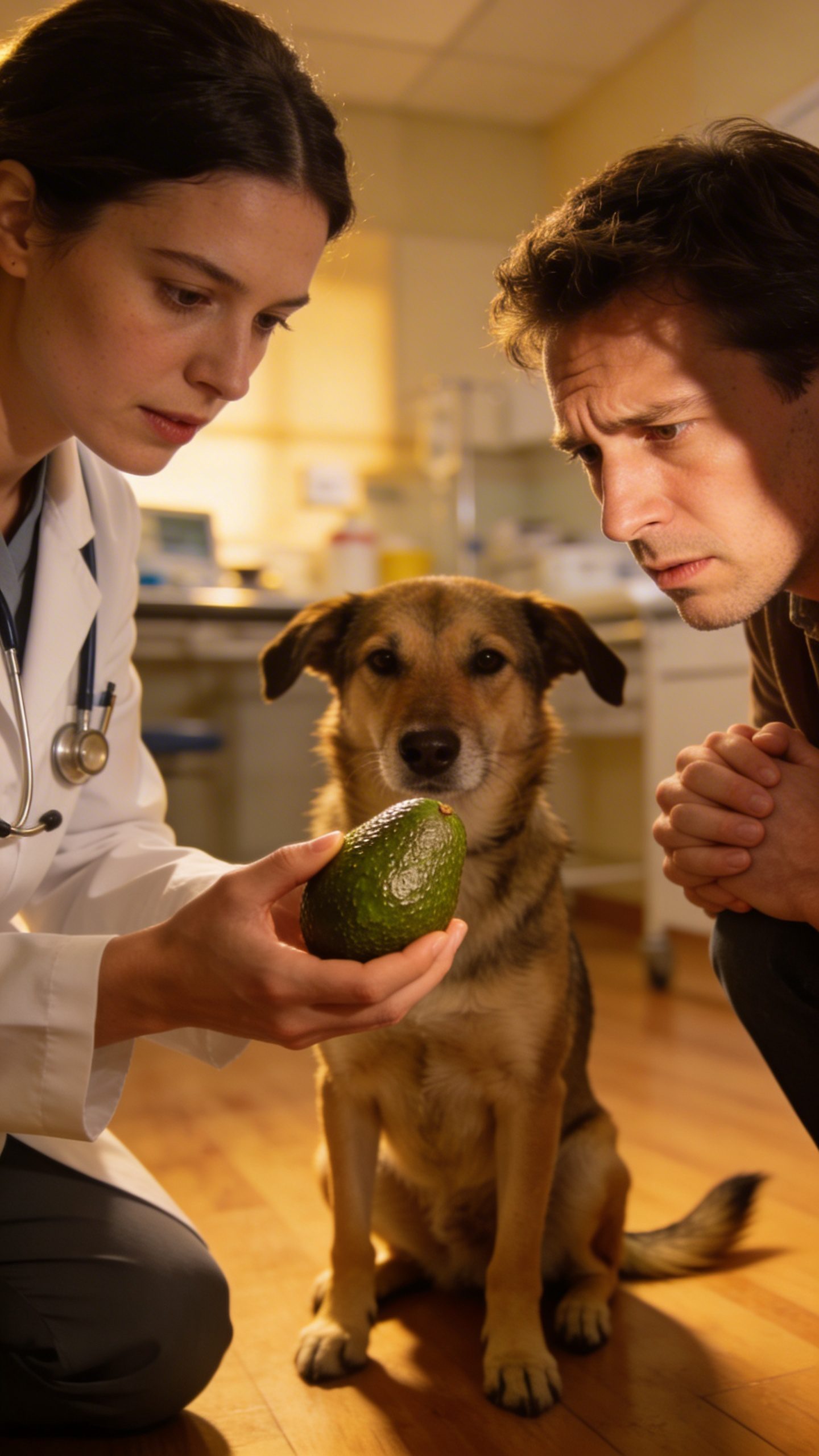
You might wonder why some dog products contain avocado if it’s supposedly dangerous. The answer lies in processing and formulation.
Companies like AvoDerm have been using avocado meal and oil in their products for decades. These ingredients are carefully processed to remove persin and formulated in safe amounts. The avocado derivatives can actually provide beneficial vitamins, minerals, and fatty acids for skin and coat health.
But here’s the key difference: these companies have veterinary nutritionists, safety protocols, and testing procedures. You eyeballing a chunk of avocado and thinking “this seems fine” isn’t the same thing.
FAQs
Can dogs eat avocado oil?
Small amounts of commercially prepared avocado oil are generally safe for dogs and can even support skin and coat health. However, it’s still high in fat, so use it sparingly if at all. Never use it as a substitute for veterinary-recommended supplements without checking with your vet first.
What should I do if my dog ate an avocado pit?
Get to the vet immediately or call an emergency animal hospital. The pit poses a serious choking and blockage risk that requires urgent medical attention. Don’t try to induce vomiting at home unless specifically instructed by a veterinarian—you could make things worse.
Are some avocado varieties safer than others?
All avocado varieties contain persin and high fat content, making them risky for dogs regardless of type. Hass, Fuerte, or any other variety—they’re all better kept away from your pup. Don’t convince yourself that organic or specialty avocados are somehow safer.
Can puppies eat avocado?
Absolutely not. Puppies have more sensitive digestive systems and smaller body sizes, making them more vulnerable to both persin toxicity and fat-related issues like pancreatitis. Keep all avocado products away from puppies entirely.
My dog ate avocado and seems fine. Should I still worry?
Monitor them closely for 24-48 hours. Just because they seem fine initially doesn’t mean they’re in the clear. Symptoms can develop gradually. If you notice any vomiting, diarrhea, lethargy, or behavior changes, contact your vet immediately.
Are avocado-based dog treats safe?
Treats specifically formulated for dogs using avocado oil or meal are generally safe when purchased from reputable companies. These products use processed ingredients with persin removed and are formulated by professionals. Always check labels and stick with established brands.
Wrapping This Up
Can dogs technically eat a tiny bit of avocado flesh without dying? Sure, probably. Should you make it a habit or actively share your avocado with them? Hard pass.
The risks—from persin toxicity to choking hazards to pancreatitis—far outweigh any potential benefits. Your dog has plenty of safe, healthy treat options that won’t send you rushing to the emergency vet at midnight.
When in doubt, keep the avocado on your plate and give your pup something actually designed for them. Your vet, your wallet, and your dog’s digestive system will all thank you. Now go enjoy that guac guilt-free—just not with your four-legged friend.