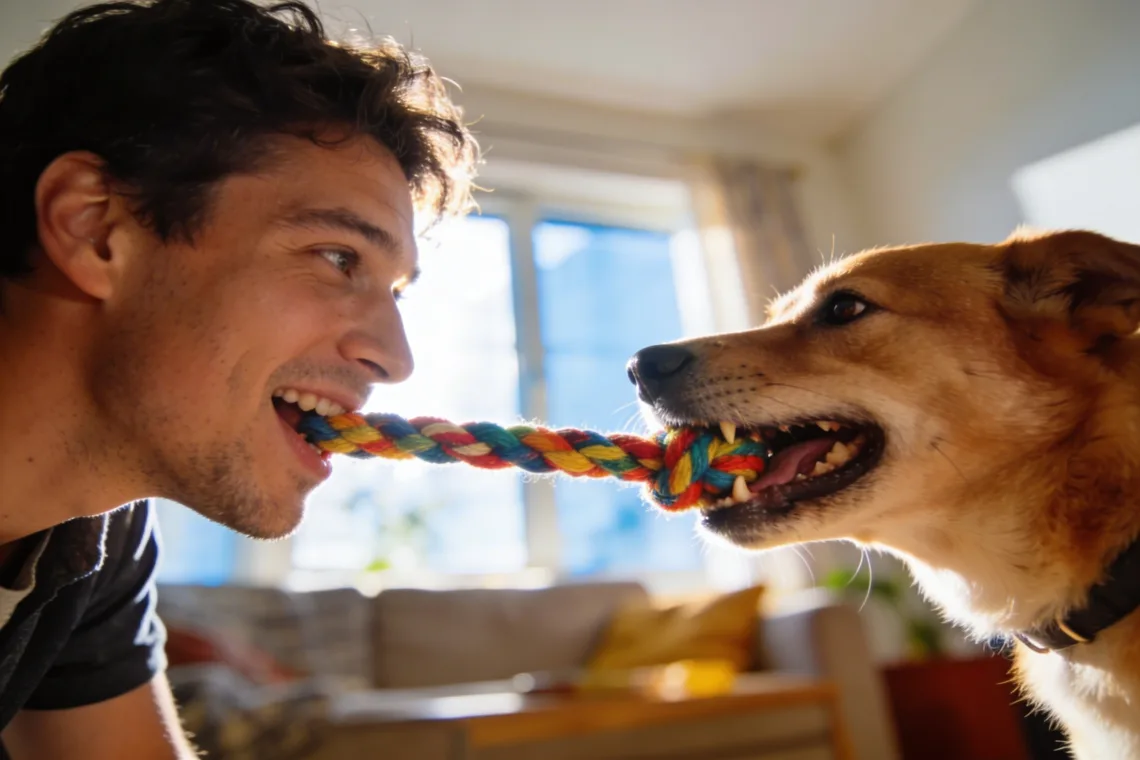
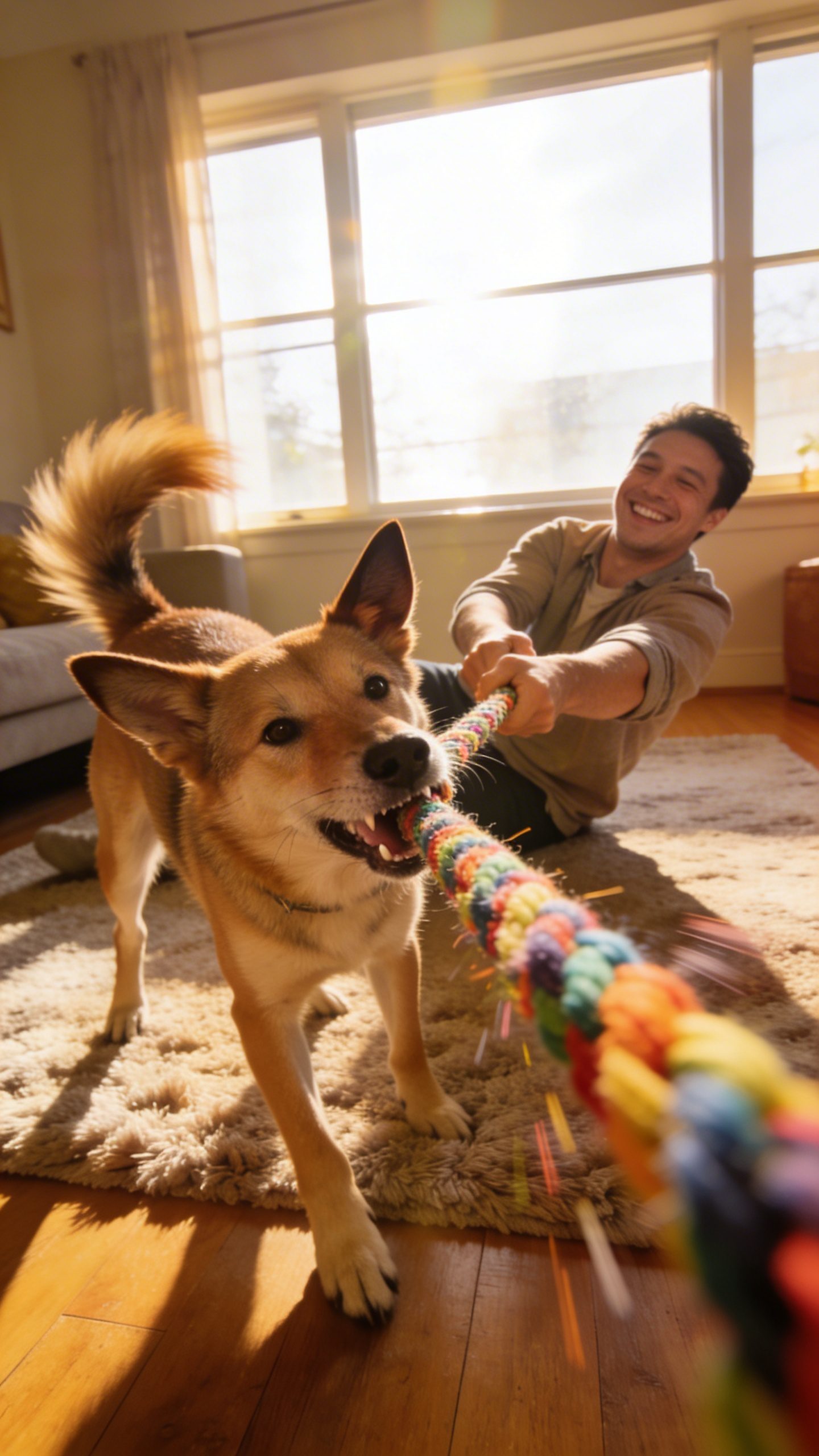
You know what’s wild? Your dog might be learning more from a 10-minute game of tug-of-war than an hour-long neighborhood walk. Don’t get me wrong—walks are great for sniffing fire hydrants and bathroom breaks, but if you want to actually train your dog? Strategic playtime is where the magic happens.
Why Play Beats Pavement Pounding Every Time
Here’s the thing about walks: they’re mostly passive. Your dog sniffs stuff, maybe pulls a bit, poops in someone’s yard (you pick it up, right?), and that’s about it. The mental engagement? Pretty minimal unless you’re actively working on heel commands.
Play, on the other hand, lights up your dog’s brain like a Christmas tree. When you’re playing intentionally, you’re teaching impulse control, focus, problem-solving, and following commands—all while your pup thinks they’re just having the time of their life. It’s basically sneaky training disguised as fun.
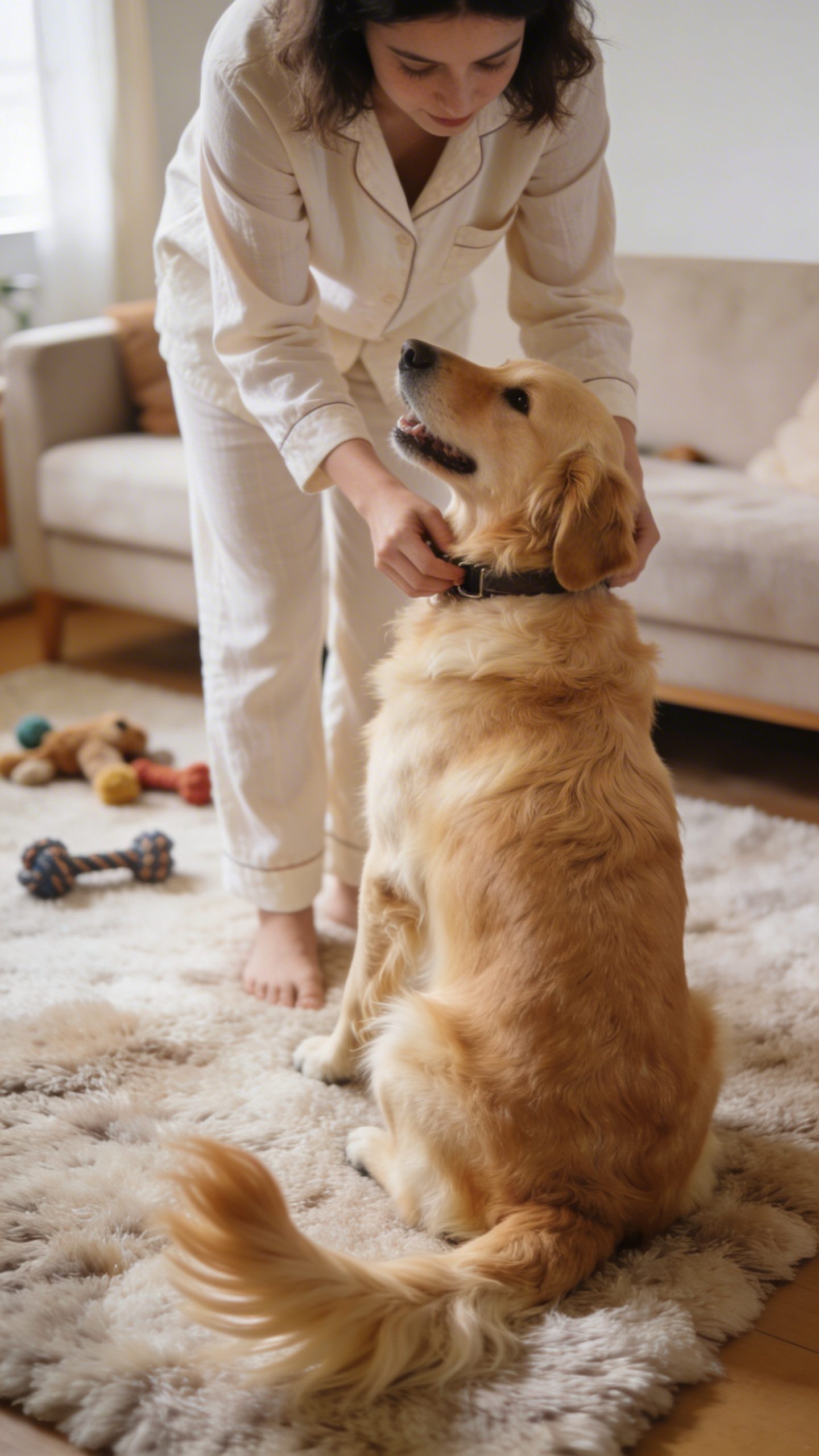
The best part? You can do this stuff in your living room while wearing pajamas. No need to bundle up for those freezing winter mornings or scorching summer afternoons.
Tug-of-War: The Underrated Training Powerhouse
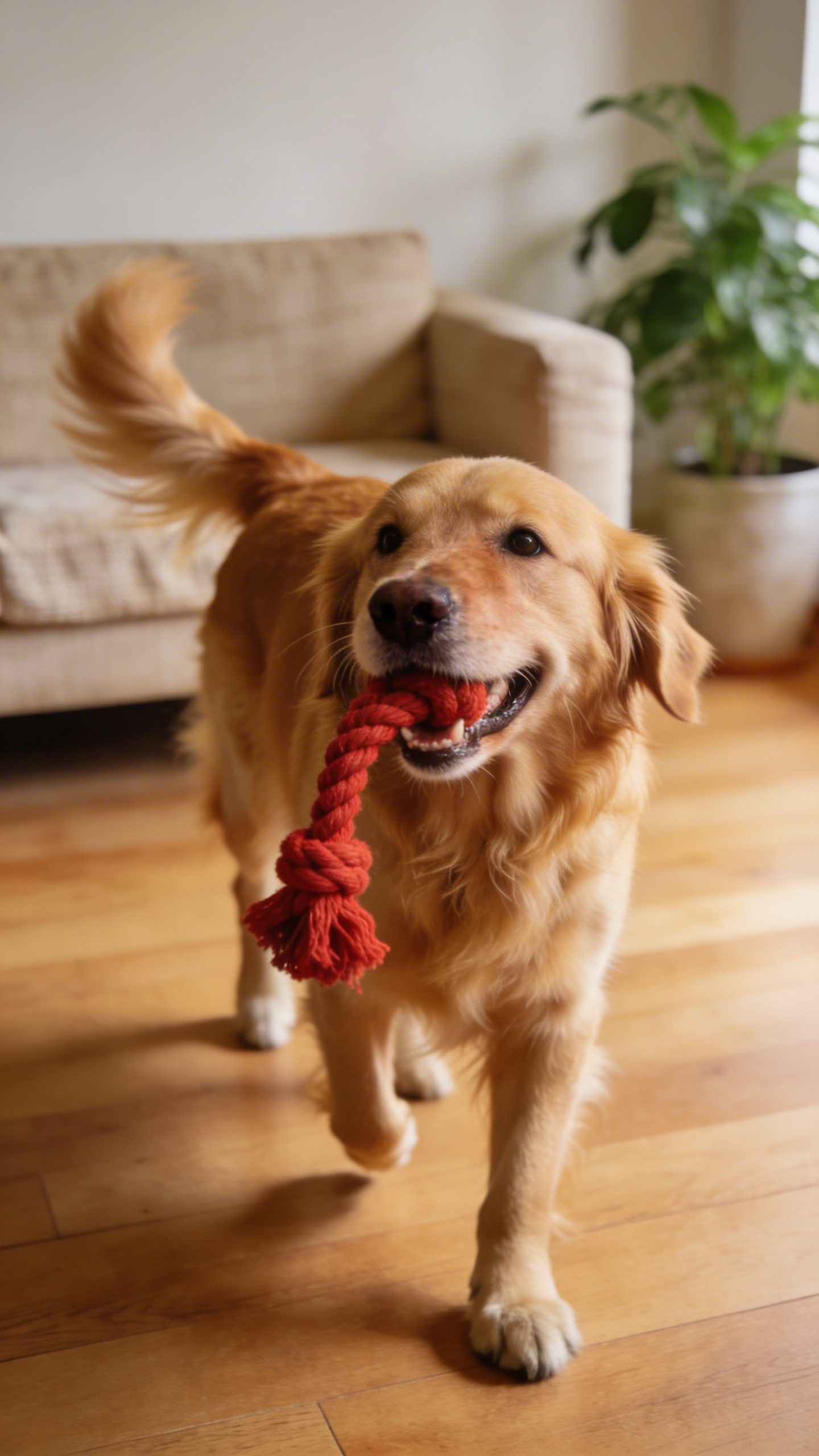
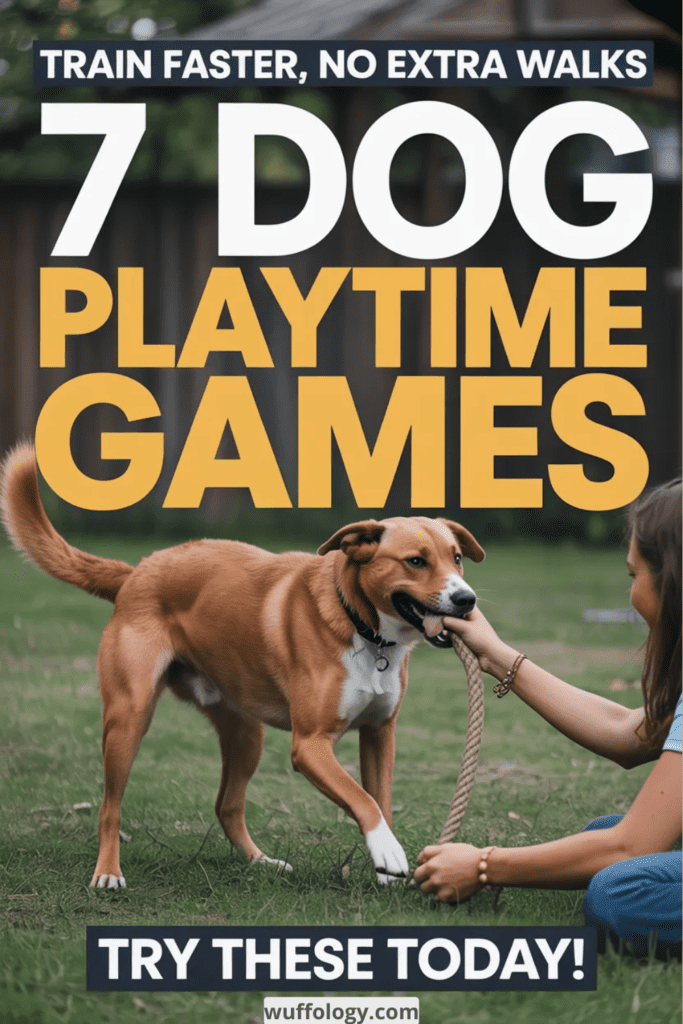
Remember when people said tug-of-war made dogs aggressive? Yeah, that’s been thoroughly debunked. Turns out, tug is actually one of the best training games ever invented.
The key is using tug to teach “drop it” or “release” commands. Start playing, get your dog super engaged, then stop moving the toy and say your release word. The second they let go, the game resumes. Boom—you just taught them that letting go of something they want actually gets them more of what they want.
Making Tug Work for You
Here’s how to level up your tug game:
- Always let your dog win sometimes—this keeps them motivated and builds confidence
- Practice “take it” and “drop it” during every session
- Use tug as a reward for obeying other commands
- Keep sessions short (2-3 minutes) to maintain that high energy
The impulse control your dog develops from tug-of-war transfers to literally everything else. They learn that controlling themselves gets them good stuff, which is pretty much the foundation of all dog training.
Hide and Seek: Building Recall That Actually Works
Want your dog to come when called? Stop bribing them with treats during boring practice sessions and start making recall the gateway to something awesome.
Hide and seek turns the “come” command into a game. Hide somewhere in your house (start easy—behind a door or couch), call your dog, and celebrate like they just won the lottery when they find you. The excitement of the search plus the jackpot of finding you creates a super powerful positive association with coming when called.
As your dog gets better, make it harder. Hide in closets, go upstairs, crouch behind furniture. Some dogs get absolutely obsessed with this game and will literally sprint to you when called because they think the game is starting.
FYI, this works especially well with puppies who are still in that “where’s my person?!” stage. You’re basically hijacking their natural instinct to keep track of you.
The Name Game: Focus Training in Disguise
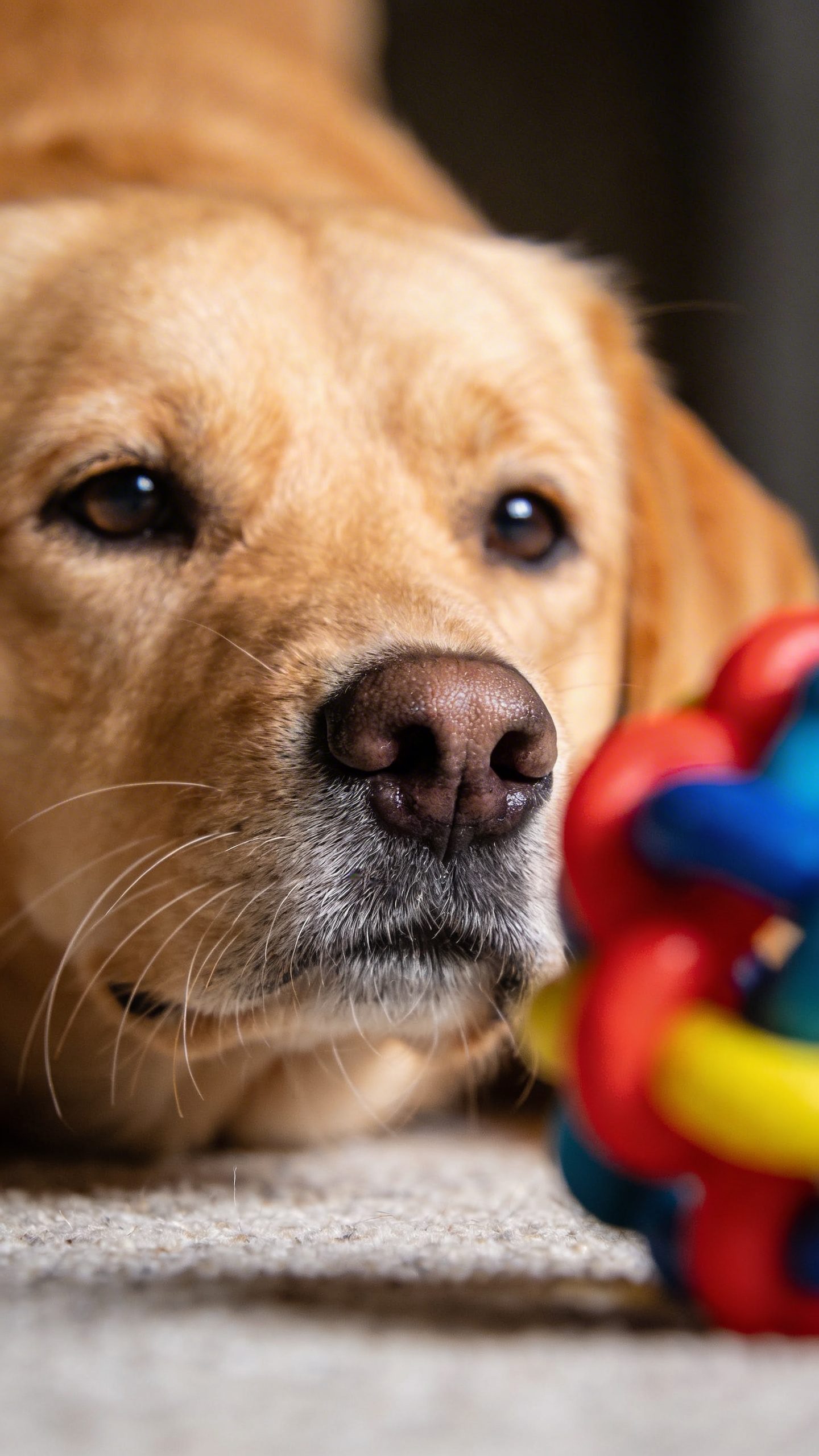
This one’s stupidly simple but crazy effective. Sit on the floor with a handful of treats or a favorite toy. Say your dog’s name once—just once—and wait. The instant they make eye contact, mark it (with “yes!” or a clicker) and reward them.
What you’re teaching is that their name means “look at me immediately”, which is the foundation of getting their attention in distracting environments. A dog who snaps their attention to you when you say their name is a dog you can train anywhere.
Mix it up by saying their name when they’re distracted by a toy across the room, when they’re looking out the window, or when they’re mid-sniff of something fascinating. Eye contact = reward. Every single time.
Find It: The Nose Work Revolution
Dogs experience the world primarily through their noses, so why not use that? “Find it” games tap into their natural scavenging instincts while teaching patience and problem-solving.
Start simple: show your dog a treat, tell them to wait (or hold their collar), toss the treat a few feet away, and say “find it!” As they get the concept, make it harder. Hide treats under cups, in boxes, around furniture corners, or in different rooms entirely.
Why Sniffing = Brain Training
Using their nose is mentally exhausting for dogs in the best way possible. Fifteen minutes of nose work can tire out a dog more than an hour walk because they’re concentrating so hard. Plus, you’re teaching them to:
- Use their natural abilities productively instead of counter-surfing
- Work independently to solve problems
- Stay calm and focused even when excited
- Respond to your cues to start and stop searching
IMO, this is the perfect game for high-energy or anxious dogs who need mental stimulation more than physical exercise.
The Shell Game: Patience and Problem-Solving Combined
Remember those street hustlers doing the shell game? Your dog can play too, and it’s actually brilliant for their brain.
Place a treat under one of three cups while your dog watches. Mix them up (slowly at first), then let your dog knock over or nose the cup they think hides the treat. Correct choice = they eat the treat. Wrong choice = you show them where it was and try again.
This teaches observation skills, patience, and gentle interaction with objects. Dogs who get good at this often become noticeably better at reading subtle cues from you in other training situations.
Flirt Pole: The Cardio Session With Built-In Obedience
A flirt pole is basically a giant cat toy for dogs—a pole with a rope and lure attached. You move it around while your dog chases it. Sounds simple, but here’s where the training comes in.
Before each chase session, your dog has to sit or lie down and wait for your release word. During play, you randomly stop the lure and ask for a sit or down before continuing. At the end, they have to release the toy on command.
What you’re teaching is impulse control around high-value, high-excitement situations. A dog who can slam on the brakes mid-chase and sit on command? That’s a dog with serious self-control that’ll translate to not chasing squirrels, cats, or runners.
Just be careful with young dogs—too much jumping and twisting can hurt developing joints. Keep sessions short and movements smooth.
Frequently Asked Questions
How long should these play training sessions last?
Keep them short and sweet—5 to 10 minutes max for most games. You want to quit while your dog still wants more, not when they’re exhausted and checking out mentally. Multiple short sessions throughout the day work way better than one long marathon. Think of it like studying: your brain (or your dog’s) absorbs more in focused bursts than hour-long slogs.
Can I really skip walks if I do these games instead?
Hold up—don’t ditch walks entirely. Dogs still need outdoor time for bathroom breaks, socialization, and experiencing different environments. But on gross weather days or when you’re short on time? These games absolutely can replace a walk in terms of mental and physical exercise. Just make sure your dog still gets outside regularly for, you know, actual dog stuff.
My dog doesn’t seem interested in toys. Will these games work?
Try switching to food-based versions of these games. Hide and seek works with treats instead of just finding you. The shell game is already food-based. For tug, some dogs prefer a rope with treats tied in a sock at the end. Also, some dogs are genuinely more food-motivated than toy-motivated, and that’s totally fine—use what works for YOUR dog.
What if my dog gets too excited and won’t listen during play?
That’s actually what makes these games such good training—you’re teaching them to control themselves when they’re amped up. The solution? Make “calm down” part of the game. Stop play immediately when they get too wild, wait for them to settle (even slightly), then resume. They’ll quickly learn that controlling their excitement keeps the fun going. It takes patience, but it’s worth it.
Are these games suitable for senior dogs?
Absolutely, just modify them. Senior dogs often need mental stimulation more than physical, so nose work games and the shell game are perfect. Skip the flirt pole if they have joint issues, and keep tug-of-war gentle. Hide and seek at a walking pace works great too. The beauty of play-based training is you can adapt everything to your dog’s physical abilities.
How do I know which game to start with?
Start with whatever you think your dog will find most rewarding. High-energy dogs often love tug and flirt poles. Food-motivated dogs go crazy for find it and the shell game. Velcro dogs who follow you everywhere? Hide and seek is your winner. You can’t really go wrong—just pick one, stay consistent for a few days, and watch your dog’s response.
The Bottom Line on Play Training
Look, walks aren’t going anywhere. They’re still important for your dog’s routine and wellbeing. But if you want to actually accelerate your training progress, you need to add intentional play to your toolkit.
These games teach real-world skills—impulse control, focus, recall, problem-solving—while your dog is having a blast. And honestly, they’re pretty fun for you too. There’s something ridiculously satisfying about watching your dog’s brain work through a problem or respond instantly to a command they’ve learned through play.
Start with one game, get consistent with it for a week, then add another. Before you know it, you’ll have a dog who’s better trained, more engaged, and honestly just more fun to live with. And you did it all while playing games in your living room. Not bad, right?