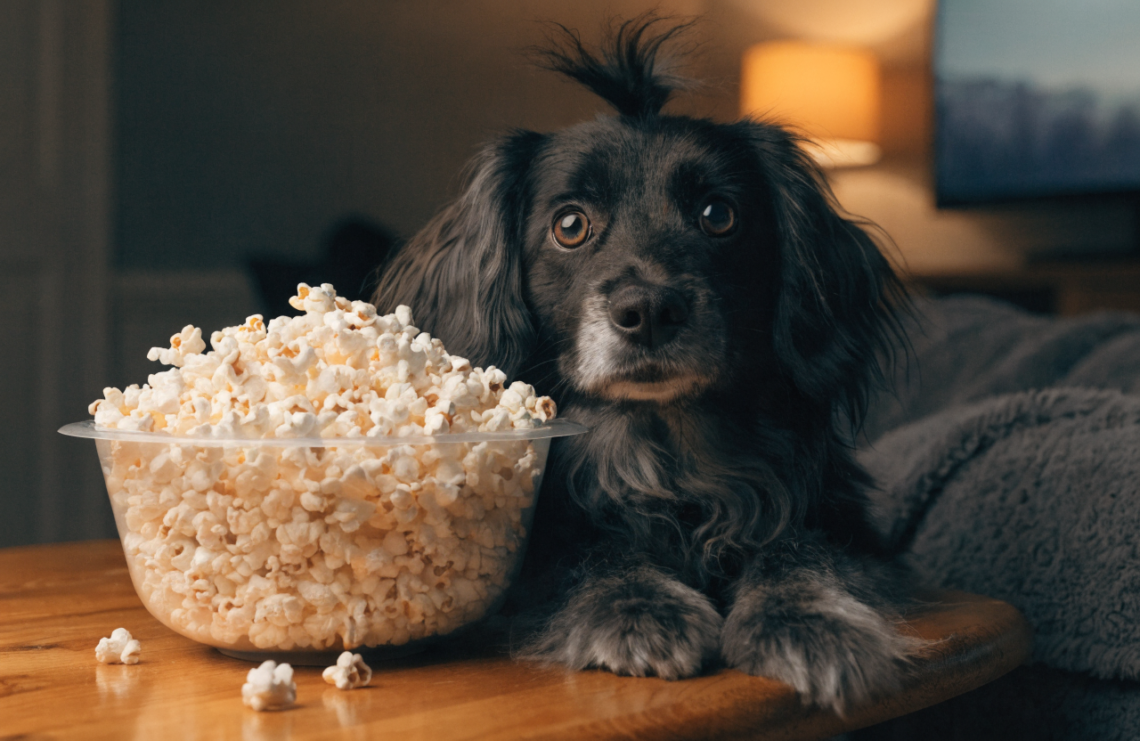
I know popcorn nights are peak chill time, but can your dog share the snack without paying the price? The short answer: it depends. Tonight we’re breaking down nine smart safety tips so you can enjoy a movie moment with your pup—without any popcorn drama.
Tip 1: Plain, unsalted popcorn only—everything else is a nope
Popcorn in itself isn’t a guaranteed no-go for dogs, but the plain, air-popped kind is much closer to friendly than the stuff with butter, salt, or flavorings. Those extras pose real risks, from stomach upsets to worse (think pancreatitis from too much fat or a salty overload). FYI, a few kernels aren’t a red flag, but avoid adding butter, oil, or seasoned powders. Your dog doesn’t need a cinematic soundtrack to a upset belly.
Tip 2: Watch the unpopped kernels like a hawk
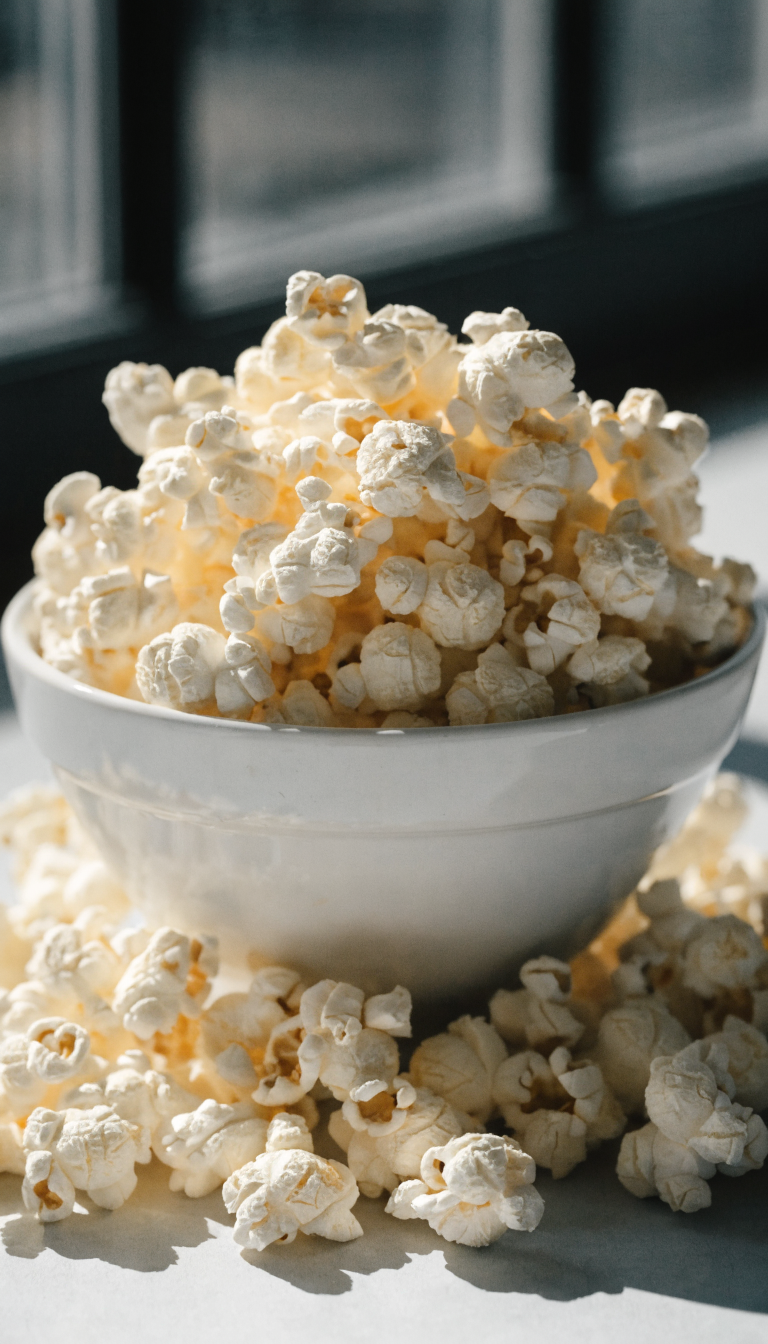
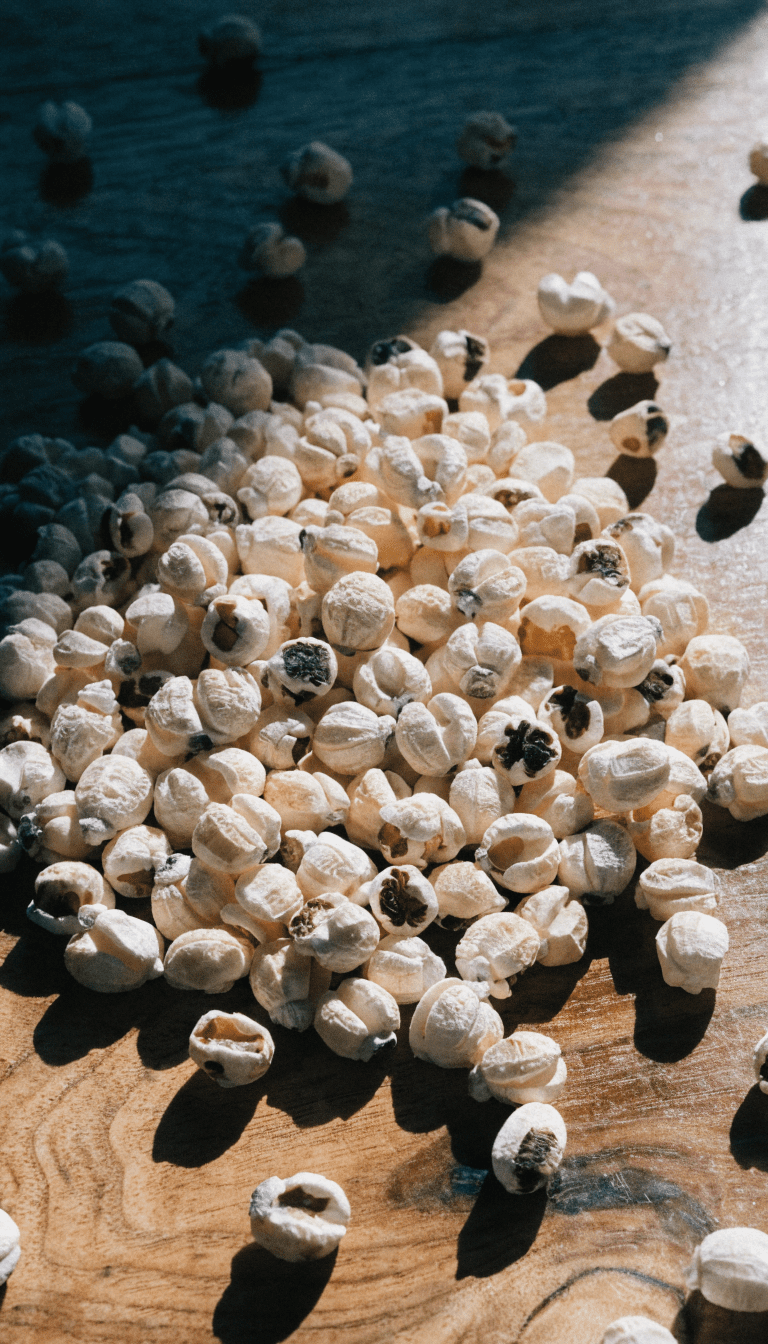
Unpopped kernels are the tiny landmines of the snack world. They’re hard, crunchy, and can crack teeth or scratch the insides of a dog’s mouth. They also pose a choking hazard if your pup bites off a big chunk. Make sure you pop, count, and portion. If you’re scooping into a bowl, double-check there aren’t stray kernels lurking at the bottom.
Tip 3: Portion control is not negotiable
Dogs come in all shapes and sizes, and so should popcorn portions. A few plain kernels or a tiny handful isn’t the end of the world for a snack-loving dog, but don’t go overboard. The goal is a taste-test, not a full-on popcorn party. Consider using a separate treat cup labeled for dog-safe snacks to avoid cross-contamination with human popcorn.
Tip 4: Observe for sensitive stomachs or allergies
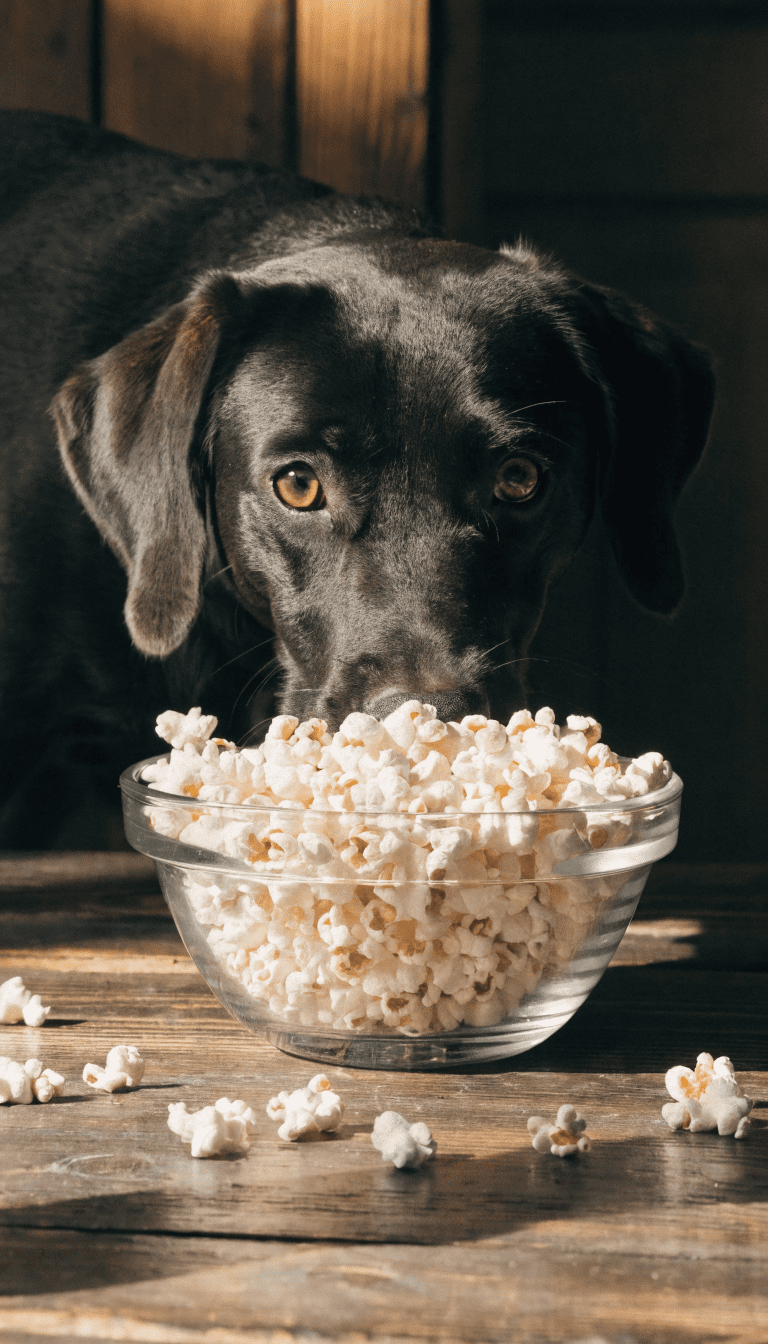
Some pups have delicate digestion. Even plain popcorn can cause gas, bloating, or diarrhea if your dog isn’t used to it. If you’re trying it for the first time, introduce gradually—one or two kernels at a time—and wait 24 hours to see how they react. If you notice any distress, stop immediately and revert to their usual treats. If your dog has a history of allergies or GI issues, loop in your vet before experimentation. Better safe than sorry, right?
Tip 5: No butter, no oil, no seasoning—keep it simple
This is the moment where the movie magic loses its glam for dogs. Butter and oil can be tough on a dog’s gut and raise fat levels in ways a pup’s tummy won’t appreciate. Seasoning can be even worse—onion powder, garlic powder, and certain spices are toxins your dog should absolutely avoid. If you want to get fancy, you can lightly dust with a pinch of nutritional yeast or a dog-safe batter, but only after confirming it won’t upset things. IMO, minimalism is your friend here.
Tip 6: Use popcorn as a training opportunity, not a substitute treat
Popcorn can be a fun, low-calorie reward, but it shouldn’t replace your dog’s regular meals or vet-approved treats. Use it strategically—as a tiny reward during training or a special surprise while you watch a film. This keeps popcorn meaningful without turning it into a daily habit that could cause weight gain or GI issues. And yes, your dog will respond to the popcorn squeal from the popcorn bowl—no need to overdo the drama.
Tip 7: Mind the bowl and the environment
Set a clear boundary for where your dog sits during snack time. If your dog is a beggar or a quick snacker, keep the bowl out of reach when you aren’t actively sharing. A covered bowl or a separate, dog-safe container helps control access. Also, consider your living space. If your pup has a history of chewing or scavenging in the kitchen, don’t leave the popcorn unattended. Naughty-but-nice is not the vibe for a snack that could end badly.
Tip 8: Recognize signs of trouble early
Even with careful prep, popcorn can occasionally upset a pup. Watch for signs like vomiting, diarrhea, restlessness, or abdominal discomfort. If you notice anything off within 24 hours, contact your veterinarian. Quick action can prevent more serious issues down the line. If your dog shows a sudden change in appetite or energy after a popcorn snack, it’s time to pause the popcorn and reassess.
Tip 9: Always know your dog’s dietary boundaries
Every dog is different. Some dogs tolerate popcorn just fine; others may have sensitive tummies or chronic conditions that make popcorn a strict no-go. If your dog has a history of pancreatitis, obesity, or GI issues, skip the popcorn entirely or consult your vet first. For puppies, pregnant or lactating dogs, and seniors, extra caution isn’t paranoia—it’s practical health wisdom.
Deeper dive: common popcorn pitfalls (and how to avoid them)
Choking hazards and how to prevent them
– Never give large, unbroken kernels. Break them into smaller pieces if you’re sharing, and always supervise.
– If your dog tends to gulp instead of chew, consider scattering tiny pieces on a mat to encourage slower eating.
– Keep a calm snack pace; rushing a dog through popcorn can lead to choking.
Fat and sugar concerns you should actually care about
– Butter adds fat and can irritate the stomach. If you’re determined to provide something tasty, a dollop of plain yogurt or a dog-safe topping can be a better option.
– Sugar isn’t your pup’s friend either; it can cause GI upset and unnecessary weight gain. Stick to plain, air-popped kernels only.
Allergies and intolerances—don’t assume
– Dogs can be allergic to grains or corn in rare cases. If popcorn consistently triggers GI issues, talk to your vet about alternatives like dog-safe fruits or veggies.
– Cross-contamination with human snacks that contain garlic, onions, or other toxic ingredients is a no-go. Keep your snack safe zone separate.
FAQ
Can puppies eat popcorn?
Puppies can tolerate small amounts of plain, air-popped popcorn if they’re not allergic and if you’ve introduced it gradually. Avoid butter, salt, and flavorings. Use tiny pieces and monitor for any GI upset. If your puppy is very young or has a sensitive stomach, skip it and opt for puppy-safe treats instead.
Is popcorn toxic to dogs in any form?
Plain popcorn is not inherently toxic, but many common toppings are. Butter, salt, garlic powder, onion powder, and certain seasonings can cause problems. Always feed plain, unseasoned popcorn in moderation, and avoid giving popcorn that’s been treated with dairy or oil-heavy toppings.
My dog loves popcorn—how much is too much?
Start with a few kernels and see how they react. A general rule is a small handful for a medium-sized dog, and even less for small breeds. If your dog shows signs of distress, stop immediately. Remember, popcorn should be a tiny treat, not a meal replacement or daily habit.
What should I do if my dog chokes on popcorn?
If your dog chokes or can’t cough it up, seek urgent veterinary care. For a minor blockage or coughing episode, keep calm, remove any visible kernels, and monitor. If it’s not resolving quickly, vet intervention is essential.
Are there any human foods I can mix with popcorn safely for dogs?
Some humans mix with care, like a sprinkle of parmesan or a touch of peanut butter. But caution: dairy can upset some dogs, salt is risky, and chocolate is absolutely off-limits. When in doubt, stick to plain popcorn and consider a pet-safe treat alternative.
Conclusion
Popcorn isn’t a green light or a red-light issue—it’s all about moderation, plainness, and awareness. If you and your dog are curious, start tiny, keep it simple, and watch how your pup reacts. FYI, your dog will probably never refuse popcorn if you offer it with a calm, friendly vibe, but don’t let popcorn become the star of the show. Keep the focus on your bond, the shared movie-night vibes, and a snack plan that respects your dog’s health.
If you’re ever unsure, your vet is a quick chat away. They can tailor advice to your dog’s age, weight, and health history. After all, a happy pup equals a happy movie night—and fewer popcorn calamities. Enjoy the film, share the moment, and snack smartly.