
The Nova Scotia Duck Tolling Retriever isn’t shy about stealing the spotlight. Cute? Yes. Smart? Absolutely. A little goofy? Totally. If you’ve ever wondered what makes this breed tick, you’re in the right place. Let’s dive into 10 must-know facts that’ll have you nodding along like you’ve owned one your whole life.
1) They’re not just pretty faces: Tolling is their sport
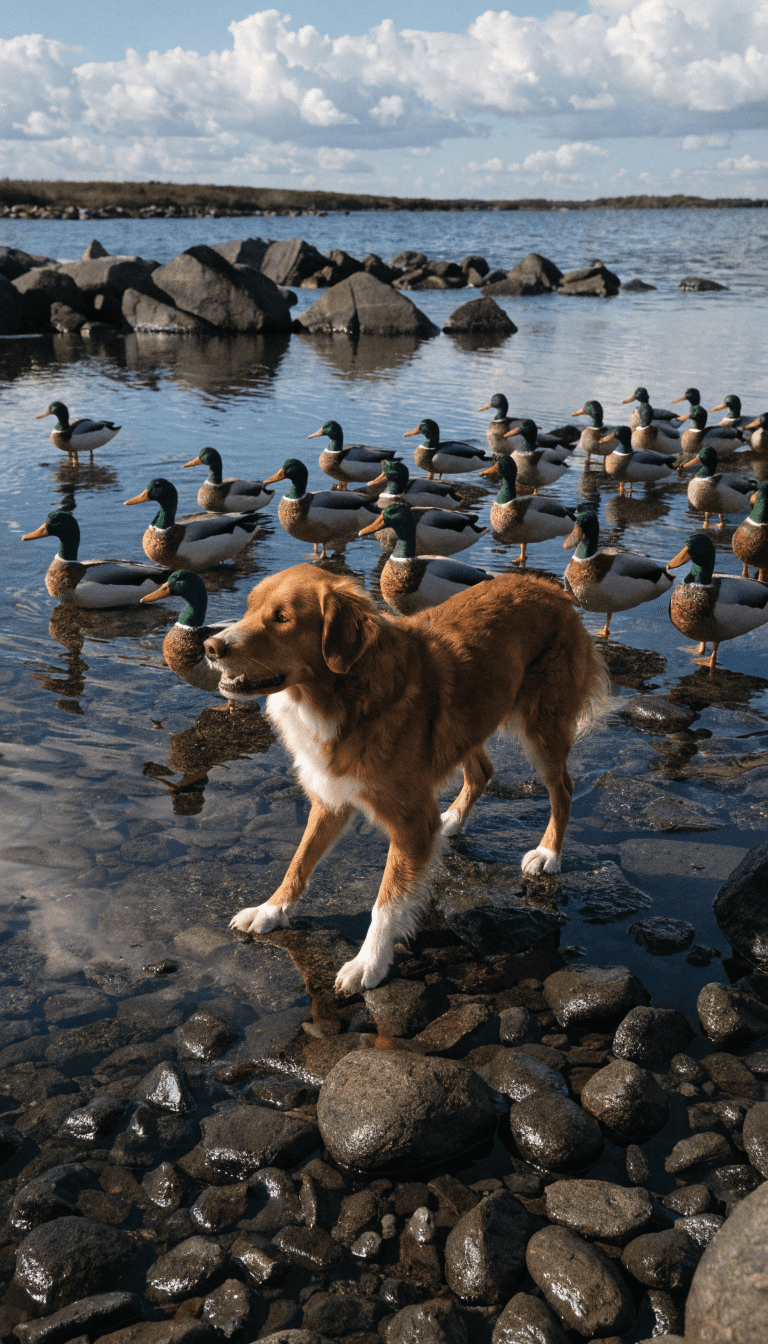
If you’ve seen a Tolling dog in action, you know there’s more to them than wagging tails and adorable pixie-like faces. Tolling is a specific hunting technique developed in Nova Scotia where the dog teasers ducks toward the hunter. They jog or “toll” along the shoreline, causing curious ducks to keep their distance—then, boom, the hunter gets a good shot. It’s part art, part strategy, and part pure magic to watch in person.
Facts you’ll actually care about:
- They were bred to be versatile working dogs, not decorative props.
- They excel in water work, retrieving, and scenting—perfect for local marshes and lakes.
- Training isn’t a “do this once” deal; it’s a relationship with consistent practice.
2) Size, coat, and how that affects daily life
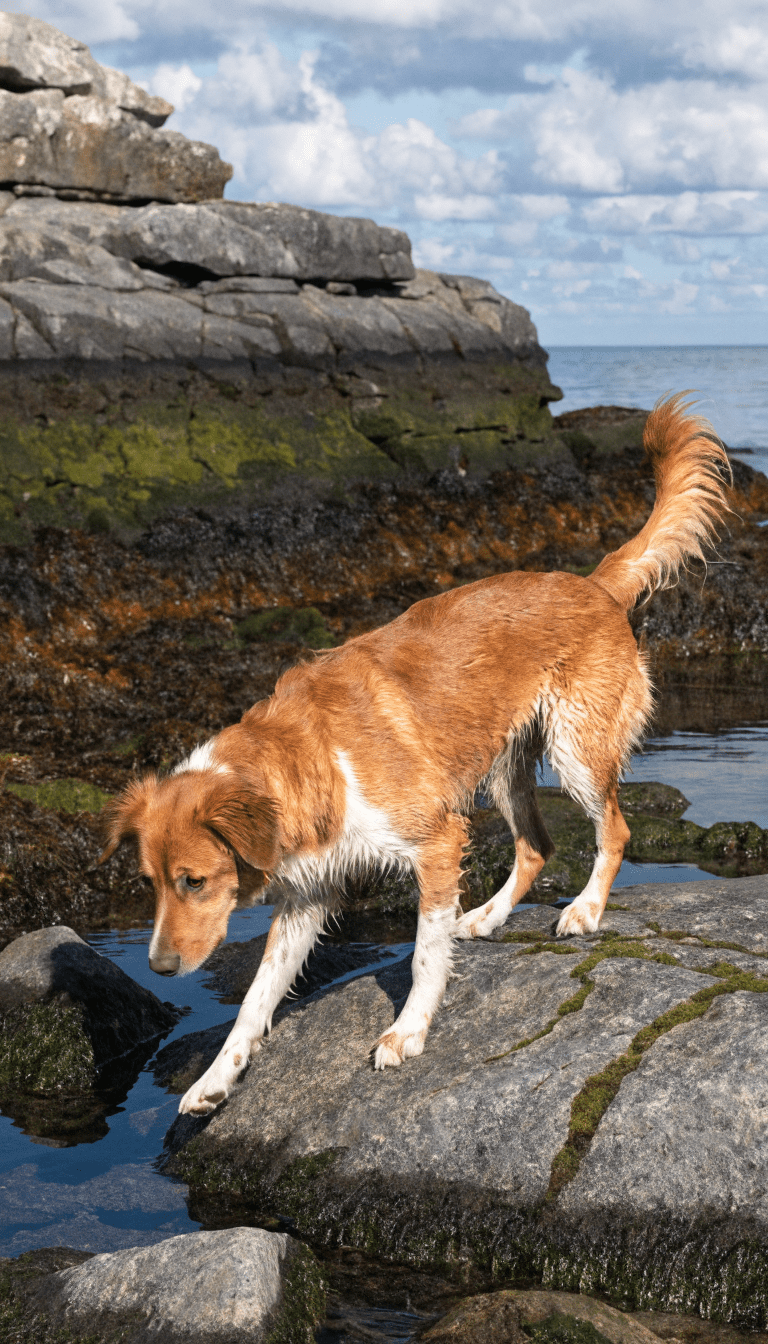
Here’s the quick snapshot: Tollers are medium-sized with a waterproof double coat. Males usually ride the line around 45-51 pounds, females a tad smaller. They’ve got a lithe, athletic build that screams “let’s go for a run” rather than “leave me on the couch.”
What’s the coat really like?
- Outer coat: wiry and water-repellent—great for wet adventures.
- Undercoat: dense to keep them warm in chilly Nova Scotian mornings (or your chilly mornings, honestly).
- Color: typically a mix of red-gold with white patches on the chest,feet, and sometimes face.
Care tips you’ll actually use:
- Weekly brushing helps cut down on seasonal shedding spikes.
- Seasonal trims aren’t mandatory, but a quick tidy keeps fur and ears tidy.
- Dry skin? A vitamin boost or better diet can help—but consult a pro if you’re worried.
3) The brainy charm: smarts that can be a double-edged sword
Tollers are known for problem-solving, independent thinking, and a stubborn streak that can be both endearing and exhausting. They master tasks quickly but might question your authority if it doesn’t feel fair. If you want a dog you can train with one hand tied behind your back, this isn’t it—but if you want a partner who thrives on challenge, they’re your match.
Key traits to lean into:
- High trainability when training is fun and rewarding.
- Excellent in scent work and field trials.
- May exhibit selective hearing during play or when the scent is too tempting.
3.1 Subtle but real: how to keep them engaged
Bored Tollers become mischievous Tollers. Here’s how to keep them sharp:
- Mix training with play—make every session feel like a game.
- Use puzzle toys and scent games to satisfy their nose-driven curiosity.
- Set clear boundaries. They respond well to consistent routines and fair rules.
4) Energy, exercise, and the day-to-day grind

If you’ve got an active lifestyle, you and a Tolling Retriever will get along famously. These dogs crave movement, and they’ll happily tag along on hikes, runs, or kayaking adventures. But beware: their tolerance for boredom is low, and an idle Tolling can become, well, too busy.
Practical exercise plan:
- Daily long walks or jogs (45-60 minutes is a good baseline).
- Two or more structured training sessions per day, 10-15 minutes each.
- Water time counts as training—make sure supervision is in place for safety.
Rewarding routines:
- Mix fetch, scent games, and obedience tasks to keep them sharp.
- Use clicker training for precision if you’re into that method.
- End sessions with a calm cooldown to prevent over-arousal.
5) Social butterflies with a strong sense of duty
Tollers typically bond closely with their families and are generally good with kids when socialized early. They’re friendly, but they aren’t lap dogs 24/7; they want to participate in family life, not sit on the sidelines.
Safety and socialization tips:
- Expose them to a variety of people, surfaces, and environments in puppy-hood.
- Supervise around smaller children to avoid accidental nips during play.
- Consistent obedience training reduces the risk of over-zealous greetings or protective impulses.
3.2 Vet visits and temperament checks
If you’re worried about their reaction to strangers or other dogs, start early with controlled introductions. A confident, calm approach from you helps them mirror that energy.
FAQ-ish vibe: FYI, Tollers tend to do well with other dogs when socialized, but they can be a tad bossy with smaller animals if not trained. Stay proactive with training and supervision.
6) Grooming reality check: it’s not a no-maintenance miracle

Their coat is rugged, but that doesn’t mean you can skip grooming.
Grooming basics:
- Brush several times a week to manage shedding and prevent mats.
- Expect seasonal shedding spikes—this is normal and manageable with patience.
- Check ears regularly for wax buildup and signs of infection; their floppy, furry ears can trap moisture.
DIY care vs. pro help:
- Basic brushing and nail trimming you can do at home—save the vet money for the real stuff.
- Professional grooming every couple of months can keep coat and skin in top shape.
7) Health landscape: what might show up on your radar
Nova Scotia Duck Tolling Retrievers are generally sturdy, but like all breeds, they have some common health concerns to watch for. Knowing these helps you be a proactive, not panicked, owner.
Common issues:
- Hip and elbow dysplasia sometimes pop up in sporting breeds.
- Cataracts or progressive retinal atrophy can affect vision later in life.
- Hypothyroidism or autoimmune concerns aren’t unheard of, though not universal.
What you can do:
- Best defense: regular vet checkups, maintain a healthy weight, and stay on top of screening tests if your breeder recommends them.
- Keep vaccinations, parasite prevention, and dental care up to date.
8) Finding the right Tolling companion: breeders, rescues, and smart choices
Whether you’re eyeing a puppy or a seasoned rescue, a Tolling Retriever needs a good fit. Do your due diligence with breeders and rescues alike.
Breeder tips:
- Look for health-tested parents and transparent lineage.
- Ask about socialization, early training, and how the puppies are raised.
- Visit if possible—see the environment, how the puppies interact, and how the breeder handles temperament testing.
Rescue considerations:
- Rescues can be amazing; many Tollers end up needing homes due to changing life circumstances.
- Be prepared for potential retraining needs and a few “settling in” weeks.
- Rescue life can be rewarding—you’ll gain a partner with a story.
9) Training tips that actually work (no fluff, just results)
Let’s cut to the chase: Tollers respond to training best when it’s varied, fair, and fun. They love a challenge and hate being bored.
Top training strategies:
- Keep sessions short but frequent. Think 5-10 minutes, several times a day.
- Use high-value rewards—unlocked treats, praise, or a favorite toy.
- Incorporate water and scent work to satisfy their natural instincts.
- Be consistent with cues and expectations; mixed signals confuse them.
Common mistakes to avoid:
- Punishing them for a mistake—try redirecting instead.
- Overloading with too many new tasks at once.
- Neglecting mental stimulation, which can lead to mischief or anxiety.
9.1 Training routines you can steal today
– Start with impulse control games, like “leave it” with a tasty treat as a distraction.
– Add fetch with a twist: fetch, bring, and drop on command.
– Introduce gentle muzzle training early if you plan on air travel or vet visits.
10) The real talk: what it’s like owning one in real life
Owning a Nova Scotia Duck Tolling Retriever is a bit like dating a high-energy, clever, sometimes stubborn but endlessly loyal partner. They bring joy, mischief, and a daily reminder to be outdoorsy and social.
Pros:
- Forever up for adventures, from lakes to trails to backyard wrestling with the hose.
- Smart enough to keep you on your toes and make you laugh daily.
- Excellent family dogs when socialized and exercised consistently.
Cons:
- High energy means you’ll need to commit to daily activity and mental challenges.
- Stubborn streaks can test patience—brace yourself for negotiations at times.
- Grooming and shedding require regular attention; you’ll discover tumbleweeds of fur has a life of its own.
FAQ section
What makes a Tolling Retriever different from other retrievers?
They’re specifically bred for tolling and scent-driven work along the water, with a distinctive middle-ground energy and a tendency to “work the leash” a bit more than their retriever cousins. They combine athleticism, scenting ability, and a playful, sometimes theatrical personality.
Are Tollers good with kids?
Generally yes, with proper socialization and supervision. They’re energetic and good-natured but can be a bit boisterous. Early exposure to kids, gentle handling, and consistent rules help them thrive in family life.
Do Tollers shed a lot?
Yes, they shed seasonally and year-round a bit, especially during seasonal changes. Regular brushing helps manage the fur tumbleweed situation and keeps coats healthy.
How much training do they need daily?
Lots. They thrive on daily mental and physical engagement. Short, frequent sessions beat long, infrequent ones. IMO, mix training with play to keep both your sanity and theirs intact.
Is a Tolling Retriever right for apartment living?
They can adapt, but you’ll need to commit to multiple daily exercise sessions and mental outlets. If your space is limited, be prepared for extra time outside and creative enrichment to prevent restlessness.
Conclusion
If you’re chasing a dog that’s smart, athletic, a little stubborn, and endlessly entertaining, the Nova Scotia Duck Tolling Retriever might be your perfect match. They love the water, the woods, and a good game of hide-and-seek with the kids. With the right training, daily exercise, and a sense of humor, you’ll have a companion who’s as loyal as they come and ready to turn any dull afternoon into an adventure. So, are you in for Tolling life? IMO, the answer is yes—as long as you’re ready to bring your A-game and your favorite towel for post-swim hugs. FYI, they’ll repay you with a lifetime of goofy grins and heart-melting moments.