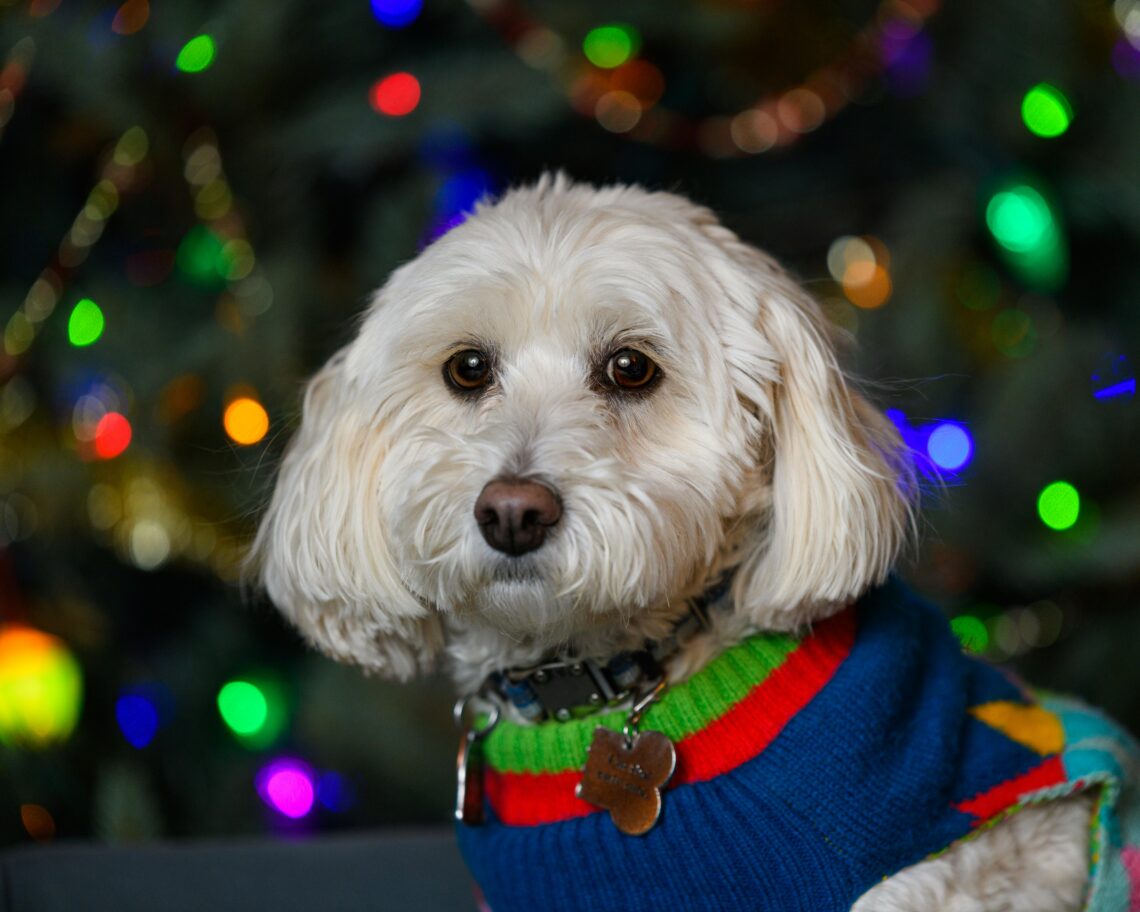
Your dog deserves a cozy sweater that actually fits and doesn’t cost a small fortune. Good news: you can crochet one yourself, even if your hook skills are… developing. I’ll walk you through a super simple pattern that works for most pups, with clear steps and no confusing jargon.
Ready to make your dog look like the main character at the dog park?
What You’ll Need (Nothing Fancy)
Let’s keep it simple. You need a handful of basics you can find at any craft store—or honestly, the bottom of your yarn basket.
- Yarn: Medium weight (Category 4) acrylic or wool blend. Acrylic washes easily and holds shape.Wool keeps pups extra warm.
- Hook: Size H/5.0 mm or I/5.5 mm. Pick the one that gives you a fabric you like—not too stiff, not too holey.
- Tapestry needle: For sewing seams and weaving in ends.
- Measuring tape: Your best friend for sizing.
- Stitch markers: Optional, but helpful to keep track of rounds.
- Scissors: Duh.
FYI: Light-colored yarn helps you see your stitches better. Great for beginners and night crafters with questionable lighting.
Measure Your Dog (This Matters More Than You Think)
We’re not guessing here.
Quick measurements = a sweater that fits and doesn’t slide off mid-walk.
- Neck circumference: Around the base of the neck.
- Chest girth: The widest part behind the front legs.
- Back length: From the base of the neck to just before the tail.
- Leg spacing: Distance between the front legs (helps with the leg holes).
Pro tip: Write these down. You’ll use them to adjust the pattern as you go.
Gauge Without the Stress
No one loves gauge swatches, but doing a tiny one saves frustration. Aim for something like 14–16 single crochets = 4 inches with your chosen hook.
If your stitches look tight and stiff, size up the hook. If it’s too airy, size down. We want soft and cozy, not armored plating.
The Simple Shape: Turtleneck, Chest Tube, Leg Holes, Body
This sweater is basically a tube with a neck and two armholes.
We’ll crochet in the round from the neck down, so you can try it on your dog as you go. Zero scary shaping, just increases where needed. Easy.
Step 1: Ribbed Neck (Comfy and Cute)
- Chain enough stitches to fit comfortably around your dog’s neck without stretching too hard. Aim for 1–2 inches smaller than the neck measurement since ribbing stretches.
- Join to form a circle without twisting.
- Work half double crochet (hdc) in the back loop only for 6–10 rounds depending on how tall you want the collar.Try it on your dog and adjust.
IMO: A taller turtleneck looks fancy and keeps chilly breezes out. Treat your dog like the icon they are.
Step 2: Yoke Increases (Make Room for the Chest)
- Switch to regular hdc through both loops.
- Work 1 round even, then begin increasing evenly across 4 spots around the circle (front, back, and sides). That means:
- Place a marker at four points roughly equal distance apart.
- At each marker, work 2 hdc in one stitch (an increase).
- Repeat an increase round followed by an even round until the circumference matches your dog’s chest girth minus about 1 inch for stretch.
Goal: The opening should slide over the head and sit comfortably around the top of the shoulders.
Step 3: Create Leg Openings (The Magic Part)
- Lay the sweater flat to find the “front.” Mark two small sections where the leg holes will be—spaced according to your dog’s leg distance.
- On the next round, chain over the marked stitches (skip them) to create openings.Example: skip 6 stitches for each leg and chain 6. Adjust for your dog’s leg size.
- On the next round, crochet into the chains to continue in the round.
FYI: Try it on your dog. If the legs feel tight, add 1–2 chains.
If they gape, decrease later around the edges.
Step 4: Cruise Down the Body
- Work even rounds of hdc until the sweater reaches just before the tail (your back length measurement).
- Optional: Add a few gentle decreases along the underside so it tapers slightly. Totally optional.
- Finish with 2–3 rounds of single crochet (sc) to neaten the edge.
Bonus: Add a belly scoop by working fewer stitches across the underside for the last few rounds. Keeps everything clean during potty breaks.
You’re welcome.
Leg Finishing and Fancy Extras
Once the main body is done, you’ll tidy up the leg openings and add any cute details—stripes, color blocks, pompoms if your dog has a sense of humor.
Neaten the Leg Holes
- Attach yarn at any point around the leg opening.
- Work 1–2 rounds of sc evenly around. If the hole flares, throw in a couple of decreases.
- Want sleeves? Add 2–5 rounds of hdc around each opening.Keep it short—dogs aren’t fans of long sleeves.
Optional Add-Ons
- Harness hole: Before you finish, mark where the D-ring sits. Create a small slit by chaining and skipping stitches for one round, then reinforce with sc.
- Color changes: Swap colors at the start of a new round for stripes. Weave ends as you go to avoid yarn spaghetti.
- Leash loop: Add a small crocheted tab at the top to keep a loose leash from sliding off the back.
Customize the Fit Like a Pro
Every dog has a unique vibe (and rib cage).
Tweak as needed.
- Broad chests (bulldogs, pugs): Add extra increase rounds before the leg holes.
- Long bodies (dachshunds, corgis): Work more body rounds, but scoop the belly more.
- Tiny neck, big chest: Start with a smaller neck and add more yoke increases. It’s normal!
- Hot climates: Use cotton yarn and shorten the body. Breathable = happy pup.
IMO: Don’t obsess over stitch counts.
Fit as you go, and you’ll nail it.
Beginner Stitch Refresher
Keep this mini cheat sheet nearby while you work.
- Chain (ch): The foundation stitch. Keep it loose.
- Slip stitch (sl st): Joins rounds or moves you along without adding height.
- Single crochet (sc): Tight stitch, great for edges.
- Half double crochet (hdc): The MVP here—soft, stretchy, perfect for sweaters.
- Increase: Two stitches in the same stitch.
- Decrease: Work two stitches together to reduce one.
Care and Wear Tips
- Wash: Cold, gentle cycle in a mesh bag. Lay flat to dry.
- Fit check: You should slide two fingers under the collar easily.No red marks or chafing spots.
- Stretch rescue: If it grows after washing (it happens), toss it in the dryer on low for 5–10 minutes, then reshape flat.
- Upgrade later: Add a second sweater in a darker color for muddy adventures. Your laundry will thank you.
Free Crochet Dog Sweater Pattern