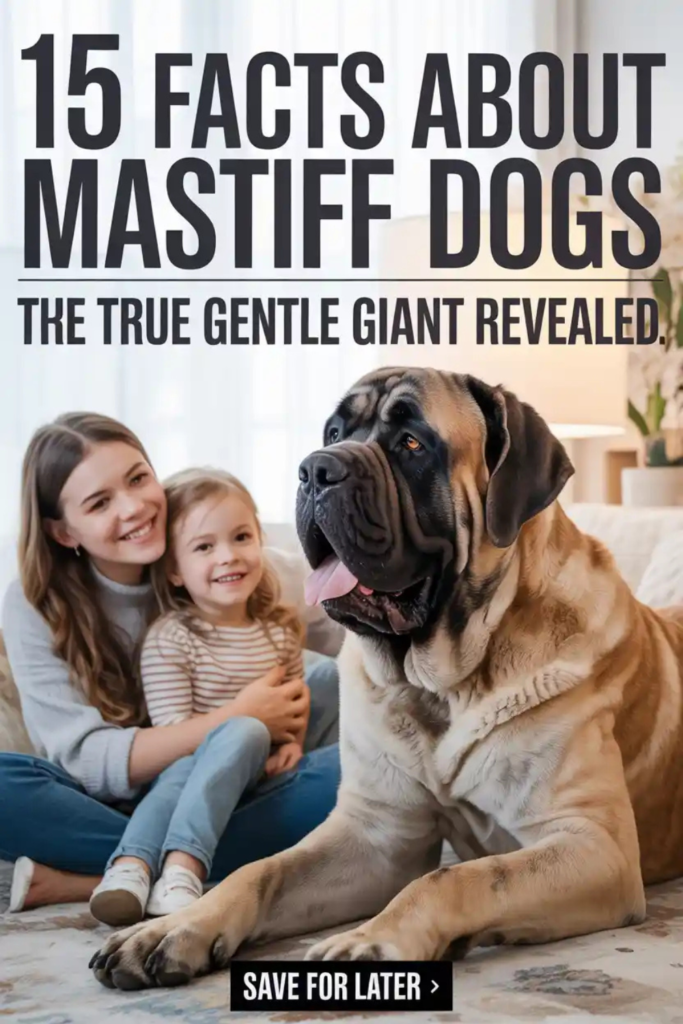
Mastiffs don’t just enter a room—they fill it. These massive cuddle machines win you over with a head tilt and keep you there with a weighty lean. Curious if these gentle giants deserve a spot on your couch (and your heart)?
Let’s talk Mastiff dogs—15 facts every dog lover should know before they fall headfirst for that jowly smile.
1. Big Dog Energy, Literally
Mastiffs rank among the heaviest dog breeds on the planet. Adult males often tip the scales at 150–230 pounds, and some go even bigger.
They don’t always need a marathon, but they do need space to stretch out. FYI: Your floor will feel them thump down. Your couch will too. Plan accordingly.
2.
Gentle Hearts Behind Gigantic Heads
The “gentle giant” nickname didn’t happen by accident. Mastiffs tend to show remarkable patience with kids and a calm, steady temperament. They read rooms well and prefer peace over drama.
Still a Guardian at Heart
Underneath the chill vibe, you’ll find a built-in protector.
Mastiffs watch, wait, and intervene only when necessary. They’re not barky—more like “I’ll step in if you
make me.”
3. A Legacy Older Than Your History Teacher’s Lesson Plan
These dogs go way back.
Ancient civilizations prized Mastiffs as war dogs, estate guardians, and status symbols. Romans marched with them. Nobility kept them in castles.
That calm, imposing presence? It’s centuries in the making.
4. The Jowls, the Drool, the Myth
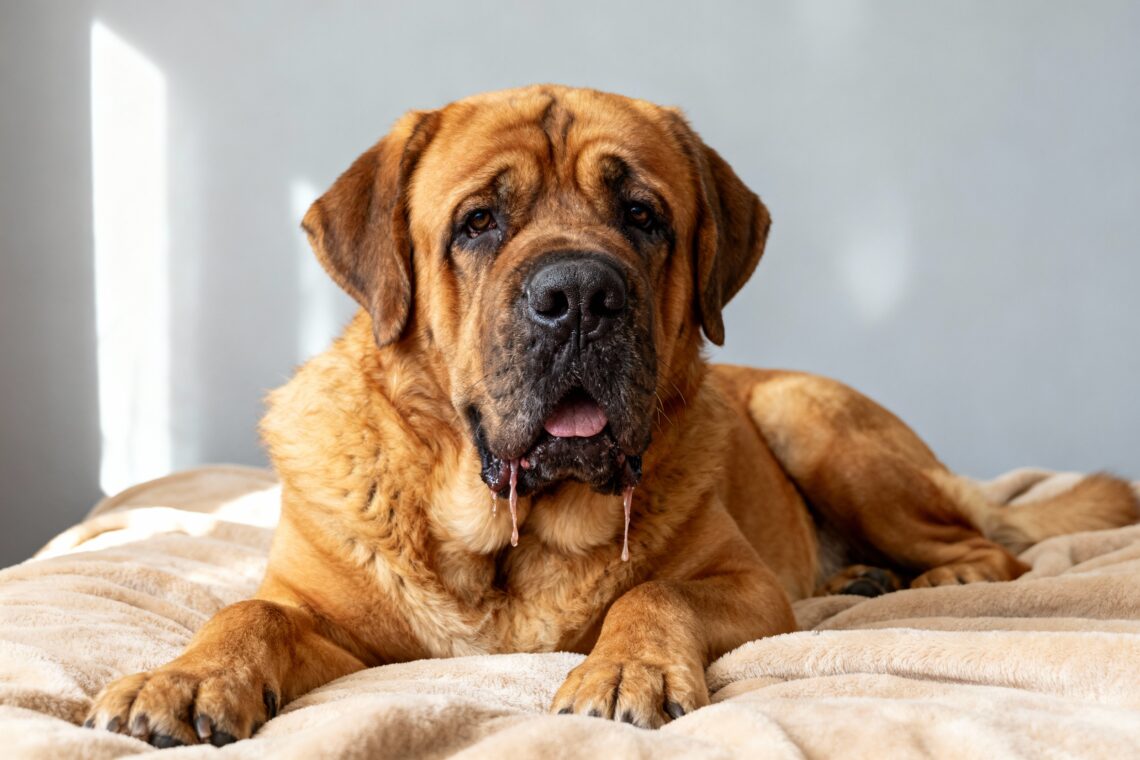
If you’re squeamish about drool, brace yourself.
Mastiffs produce glorious, gravity-defying ropes after water gulps, meals, or a good shake.
- Keep drool cloths in every room—seriously.
- Use a raised water bowl to reduce splash zones.
- Wipe after drinks and before guests unless you want abstract art on pants.
5. Low-Key Athletes (with Zoomie Potential)
Despite their size, Mastiffs don’t need triathlon-level exercise. Daily walks, mental work, and short play sessions keep them happy.
Smart Ways to Move
- Two 20–30 minute walks daily
- Sniffaris that exhaust the nose and brain
- Low-impact games like hide-and-seek or puzzle feeders
Skip high-impact jumps to protect joints.
Mastiff knees and hips appreciate moderation, not mountain hikes.
6. Training: Calm, Consistent, and Early
Big dogs with no manners become bulldozers. Start training early with positive reinforcement.
Keep sessions short and fun.
House Rules That Matter
- Leash manners: Teach loose-leash walking ASAP.
- Off-switch commands: “Place” and “Settle” = sanity.
- Handling practice: Paws, ears, and mouth checks from puppyhood.
IMO, Mastiffs want to please but won’t tolerate harsh training. Think firm but friendly, not drill sergeant.
7. Health: What Responsible Owners Watch
Like many giant breeds, Mastiffs face a few common issues.
Good breeders screen for these, and smart owners monitor.
- Hip and elbow dysplasia: Choose OFA/PennHIP-tested lines.
- Bloat (GDV): Elevated risk; consider a gastropexy with your vet.
- Heart conditions: Dilated cardiomyopathy screening helps.
- Eye issues and skin folds: Clean regularly to prevent irritation.
Longevity Reality Check
Mastiffs often live 7–10 years. Keep them lean, move them daily, and schedule regular vet checks. Quality of life beats extra pounds every time.
8.
Food: Quality Over Quantity (But Also Quantity)
You’ll feed a Mastiff more than a small breed, but not as much as you’d think if you keep them trim. Choose large-breed formulas to support joints and slow, steady growth for puppies.
- Slow growth for pups: Avoid overfeeding to protect joints.
- Watch bloat risks: Smaller, more frequent meals help.
- Mind the treats: Heavy dogs age faster; use healthy, low-cal snacks.
9. Grooming: Minimal Fur, Maximum Maintenance
Short coats mean less brushing, but grooming still matters.
Expect seasonal shedding bursts that surprise you.
- Weekly brushing to remove loose hair
- Frequent ear and fold cleaning
- Nail trims—those paws get heavy fast
- Dental care because big dog breath can level a room
10. Apartment Living? Maybe
Yes, Mastiffs can do fine in apartments with the right routine.
They lounge a lot and don’t demand constant action. But they do need enough space to turn around without taking out a lamp and daily time outdoors. Non-negotiable: Solid leash skills, elevator etiquette, and quiet neighbors.
11. Social Butterflies, Not Party Animals
Mastiffs like their people and tolerate strangers who behave.
Socialize early to build confidence with new sights, sounds, and situations.
Good Socialization Targets
- Friendly dogs of different sizes (controlled settings)
- Vet visits just for treats and love
- Calm exposure to crowds, bikes, and traffic
12. Bark Less, Mean It More
Most Mastiffs don’t yap. When they speak, something matters.
A single deep woof can stop a delivery person at twenty paces. Pro tip: Teach a “quiet” cue early. Your neighbors will thank you.
13. Family MVPs—With Boundaries
Mastiffs adore kids, but they still weigh as much as a linebacker.
Teach children not to climb, poke, or ride. Supervise until everyone learns the rules. The payoff?
A loyal, calm bestie who naps through cartoons.
14. Travel and Car Life
They fit in cars… kind of. Fold seats and invest in a strong harness or crate.
Plan for water stops and drool management on road trips. Heads up: Heat hits giant breeds hard. Air conditioning and shade are not optional.
15. The Price Tag Beyond Purchase
Adoption fees or breeder costs start the journey.
The real budget goes into food, vet care, joint supplements, training, and a crate the size of a studio apartment (kidding… mostly).
- Insurance helps—giant breeds rack up bigger bills
- Quality gear lasts longer (hefty leashes, sturdy bowls, legit beds)
- Plan for orthopedic support as they age
IMO, the value of a Mastiff’s companionship? Off the charts. The receipts?
Manageable if you plan.
Popular Mastiff Types (Quick Cheat Sheet)
English Mastiff
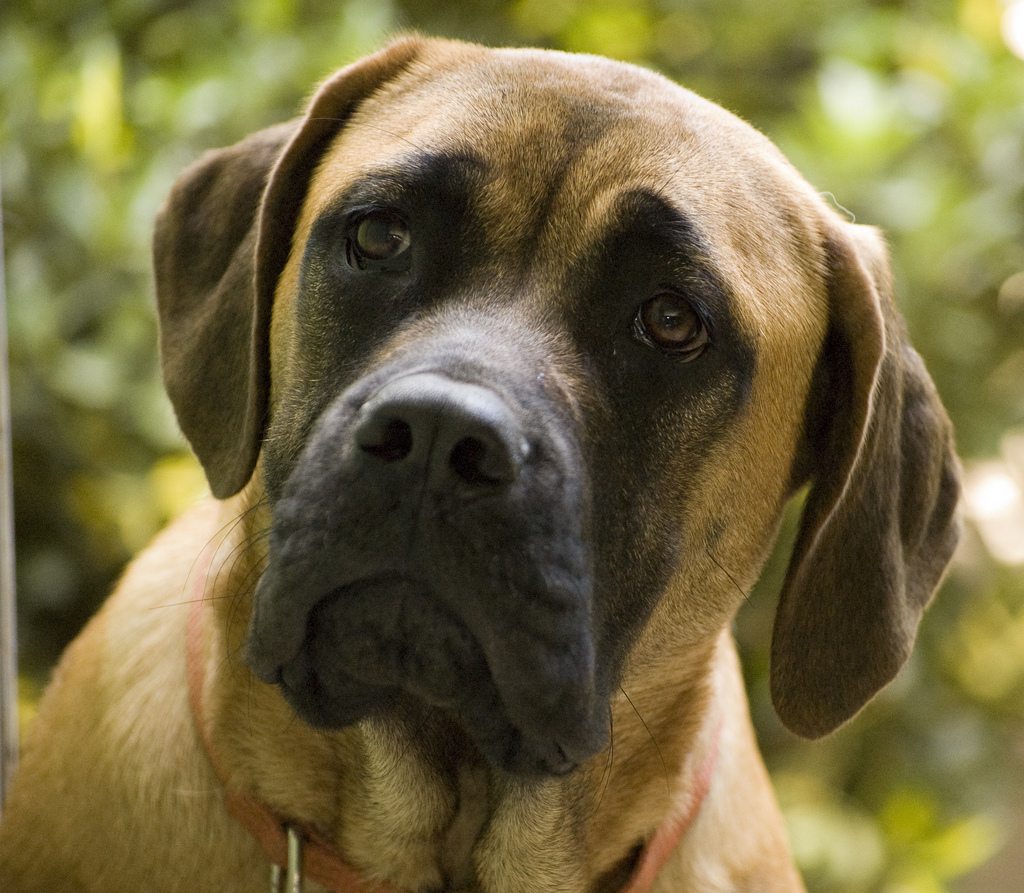
Classic gentle giant with a massive frame and calm presence. Think estate guardian turned couch philosopher.
Bullmastiff
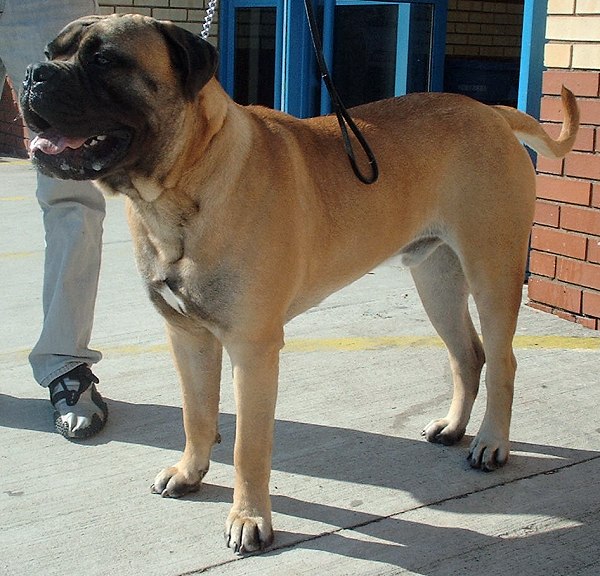
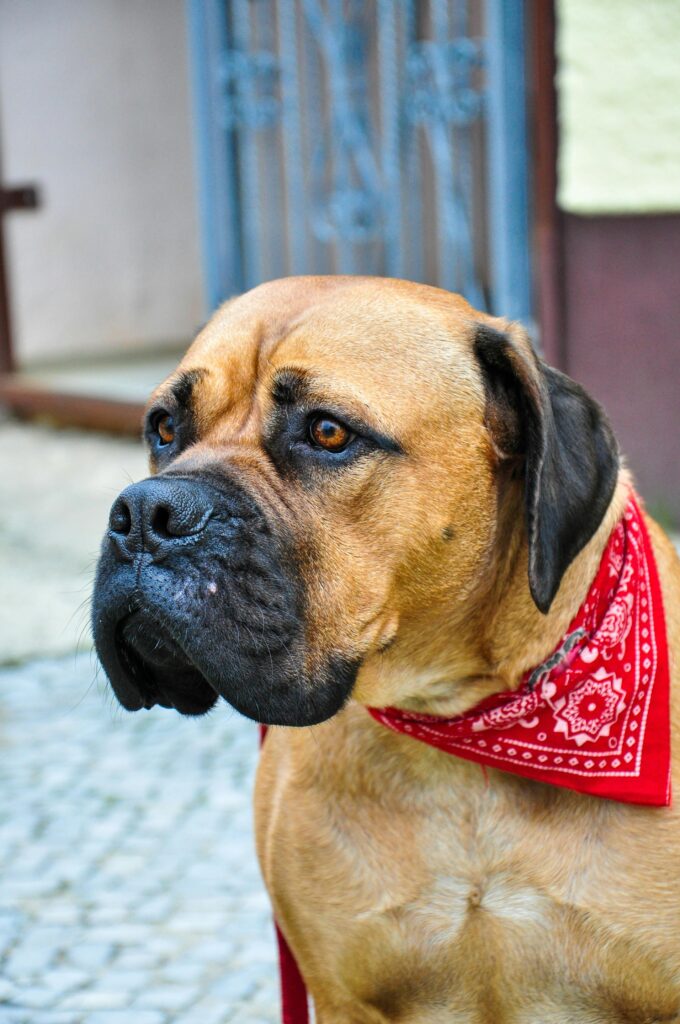
Slightly smaller, more athletic, and a touch more alert. Still sweet, still sappy with their people.
Neapolitan Mastiff
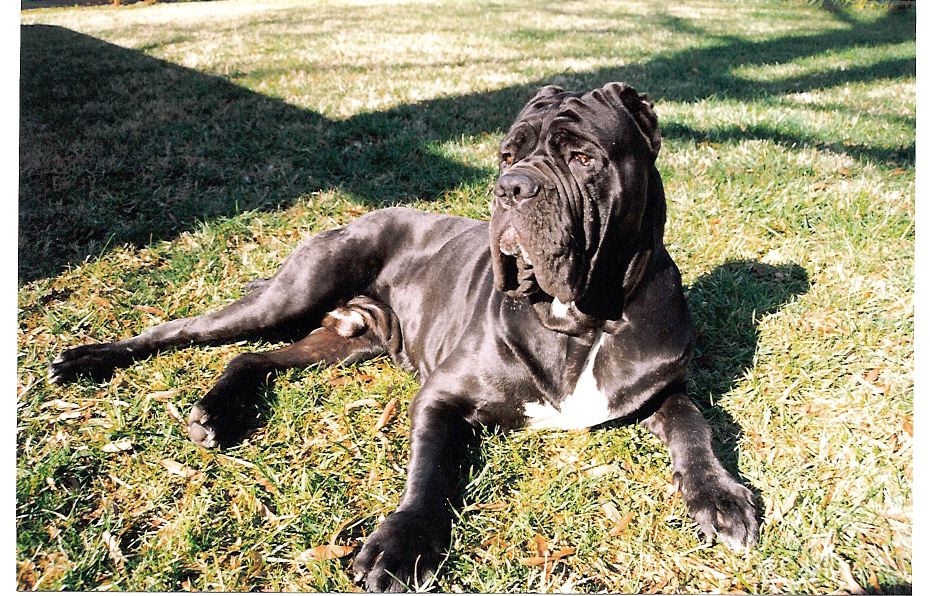
Wrinkles for days, soulful eyes, and a protective streak.
Groom their folds like it’s a skincare routine.
Tibetan Mastiff
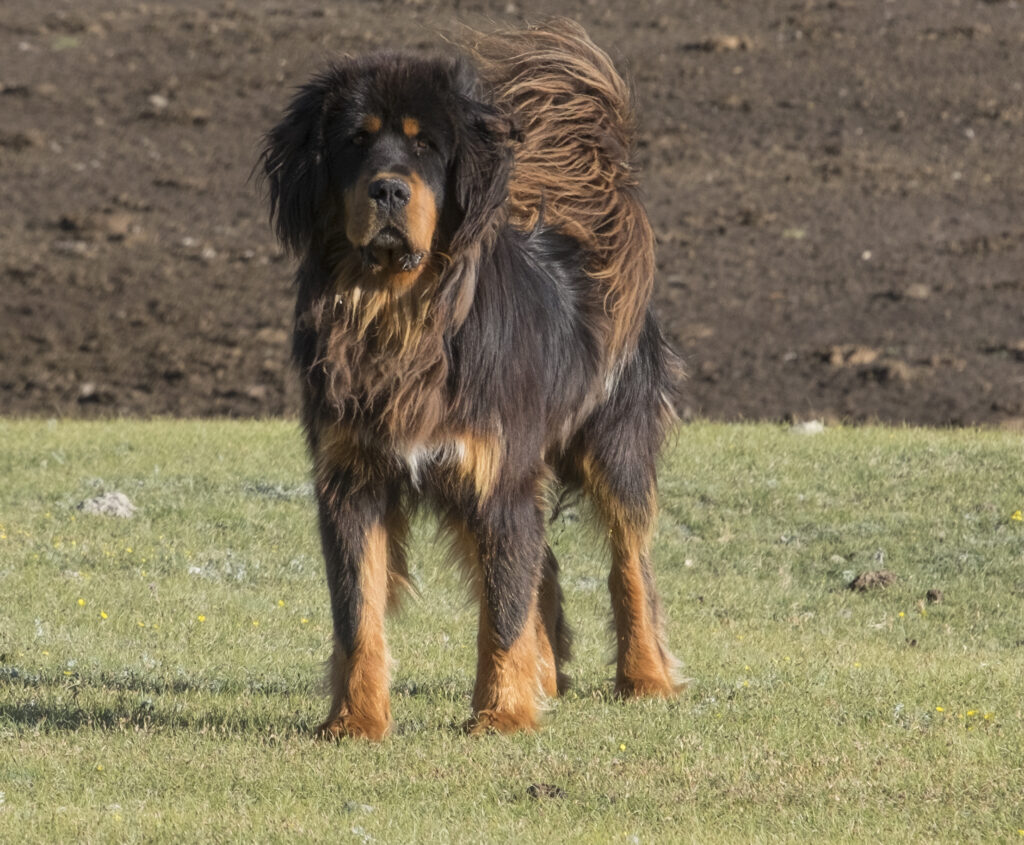
Independent, majestic, and more aloof. Best with experienced owners who respect that ancient guardian mindset.
FAQs
Are Mastiffs good first dogs?
They can be, but only if you commit to training, structure, and a bit of drool zen. Their size magnifies mistakes.
First-time owners who work with a trainer usually do great.
How much exercise do Mastiffs need?
Moderate amounts. Aim for daily walks and mental stimulation. Skip hard running or rough play that stresses joints, especially before full growth.
Do Mastiffs get along with other pets?
Generally yes, especially if you socialize early.
They often coexist beautifully with other dogs and even cats. Introduce carefully and supervise at first.
How much do Mastiffs eat?
Enough to notice on your grocery bill, but not an endless pit. Quality food, measured portions, and a healthy weight beat oversized meals every time.
What’s the biggest challenge of owning a Mastiff?
Management.
You must train leash manners, teach calm routines, and plan for size-related logistics—car rides, vet handling, and living space.
Do Mastiffs drool all the time?
Not nonstop, but expect it after water, food, or excitement. Keep towels handy and embrace the sparkle on your walls. It’s part of the charm… kind of.
Final Thoughts
Mastiffs bring presence, tenderness, and a built-in bodyguard vibe that you just can’t fake.
They need thoughtful training, steady routines, and a sense of humor about drool. If you want a loyal, mellow best friend who naps hard and loves harder, a Mastiff might be your perfect gentle giant. Just save them a spot on the couch—preferably the whole thing.