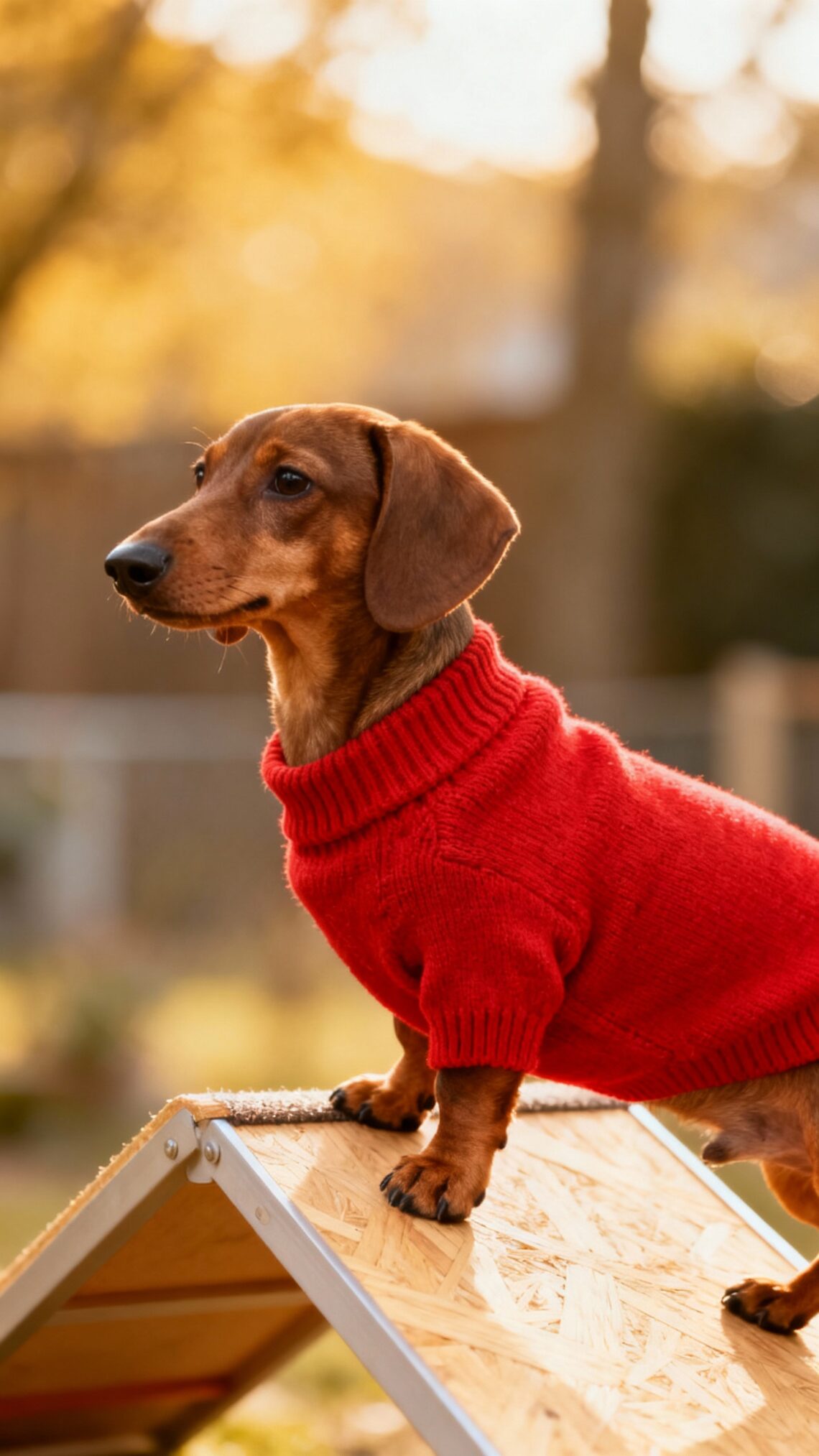

Picture this: a dog with the heart of a lion, the body of a hot dog, and a personality bigger than any Great Dane. That’s the dachshund for you! These pint-sized pups with their unmistakable silhouette have captured hearts worldwide for centuries. Whether you call them dachshunds, wiener dogs, sausage dogs, or doxies, these charming canines are packed with surprises that go far beyond their adorable appearance.
If you’re curious about what makes these long-bodied companions so special, you’re in for a treat. These 10 interesting facts about dachshunds will reveal the fascinating history, unique characteristics, and surprising quirks that make this breed truly one-of-a-kind. From their fierce hunting origins to their modern-day status as beloved family members, dachshunds have a story worth telling.
Key Takeaways
- Dachshunds were originally bred as fearless “badger dogs” in 15th-century Germany, designed specifically to hunt dangerous prey underground
- The breed comes in three distinct coat varieties (smooth, wirehaired, and longhaired) and two size categories (standard and miniature), each with unique characteristics
- Dachshunds have exceptional longevity compared to other breeds, with proper care extending their lifespan to 12-16 years
- Their iconic long body creates specific health considerations, particularly regarding spinal health and intervertebral disc disease
- These dogs rank among America’s top 12 most popular breeds and dominate the top 10 in 76 of 190 major U.S. cities
The Badger Hunter Origins: A Fearless Beginning
From German Forests to Family Homes
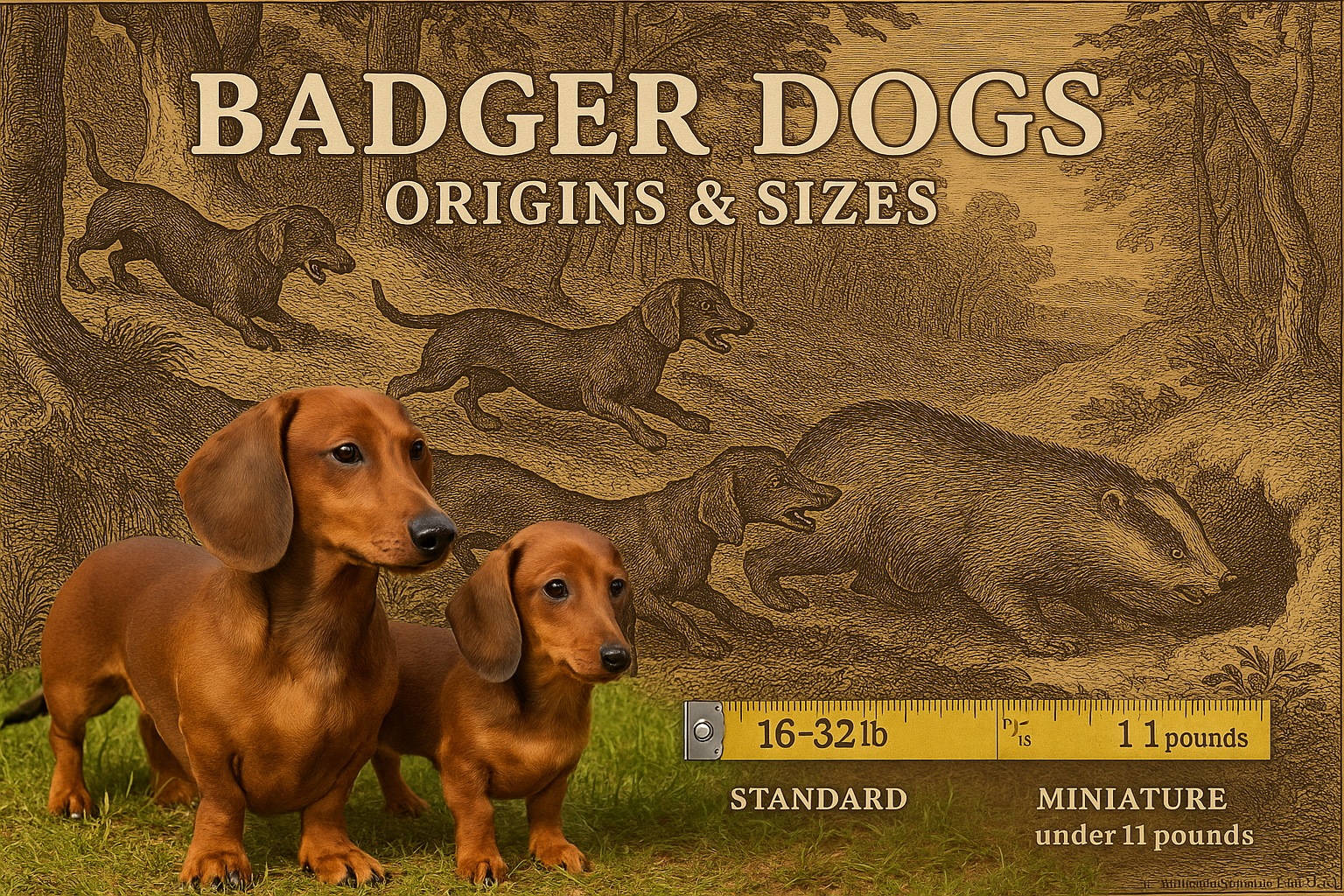
The first of our 10 interesting facts about dachshunds takes us back to 15th-century Germany, where these remarkable dogs earned their name and reputation. The word “dachshund” literally translates to “badger dog” in German—dachs meaning badger and hund meaning dog[1]. This wasn’t just a cute nickname; it was a job description.
Dachshunds were purpose-built hunting machines, specifically engineered to pursue one of the most dangerous prey animals: the European badger. These fierce, territorial creatures lived in underground burrows called setts, and hunting them required a very special kind of dog.
The dachshund’s distinctive body wasn’t an accident of nature—it was intentional breeding at its finest. Their long, low bodies allowed them to enter narrow badger tunnels, while their paddle-shaped paws were perfect for digging. Their loud, deep bark helped hunters locate them underground, and their fearless temperament meant they wouldn’t back down even when facing an angry badger in close quarters.
Size Matters: Standard vs. Miniature Hunters
Here’s where things get interesting: dachshunds actually come in two distinct size categories, each bred for different hunting purposes.
| Size Category | Weight Range | Original Hunting Purpose |
|---|---|---|
| Standard Dachshund | 16-32 pounds | Badgers and wild boars |
| Miniature Dachshund | Under 11 pounds | Rabbits and foxes |
Standard dachshunds were the original badger hunters, brave enough to take on wild boars when needed[1]. Miniature dachshunds came later, bred specifically to hunt smaller game like rabbits and foxes that hid in tighter burrows. Both sizes retained the same fearless personality, just packaged differently!
Three Coats, Three Personalities: The Variety Factor
One of the most surprising interesting facts about dachshunds is that they’re not just one type of dog—they’re essentially three breeds in one! Dachshunds come in three distinct coat varieties, each with its own grooming needs and subtle personality differences.
The Smooth Coat: Classic and Low-Maintenance
The smooth-coated dachshund is what most people picture when they think of this breed. With their sleek, shiny coat lying close to the body, these dogs are the easiest to maintain. A quick weekly brush and occasional bath keep them looking their best.
Smooth dachshunds are often described as the most independent and sometimes stubborn of the three varieties. They’re confident, bold, and know exactly what they want!
The Longhaired: Elegant and Gentle
Introduced through crosses with spaniel breeds, longhaired dachshunds sport flowing, silky coats that give them an elegant appearance[1]. Their fur is longest on the ears, chest, legs, and tail, creating a beautiful feathered effect.
These dachshunds require more grooming—brushing several times a week prevents tangles and mats. Personality-wise, longhaired dachshunds tend to be the gentlest and most laid-back of the three varieties, likely inheriting some spaniel temperament along with that gorgeous coat.
The Wirehaired: Rugged and Spirited
The wirehaired variety, introduced in 1890, has a rough, bristly outer coat with a softer undercoat[1]. They sport distinctive facial furnishings including bushy eyebrows and a beard that gives them a distinguished, almost scholarly appearance.
Wirehaired dachshunds need hand-stripping or professional grooming to maintain their coat texture. They’re often described as the most energetic and mischievous of the three types, with terrier-like personalities that keep their families entertained.
Lightning-Fast Maturity: From Puppy to Adult in Record Time ⚡
Here’s a fascinating fact that surprises many dachshund owners: these dogs reach their full adult size and weight around just 8 months of age, making them one of the fastest-maturing dog breeds[1].
This rapid development means several important things for dachshund parents:
- Early training is crucial because behavioral patterns set quickly
- Nutrition during the first 8 months significantly impacts their adult health
- Spinal development happens fast, making proper handling essential from the start
- Socialization windows are shorter than with slower-maturing breeds
While they may look like adults at 8 months, remember that mental maturity takes longer. Your dachshund might have an adult body, but they’ll retain that playful puppy spirit for years to come!
Longevity Champions: Living Long and Prospering
When it comes to lifespan, dachshunds have some impressive statistics that make them stand out among dog breeds. This is one of the most encouraging interesting facts about dachshunds for anyone considering adding one to their family.
The Numbers Don’t Lie
According to a comprehensive 2024 Italian study, dachshunds have a life expectancy of 11.5 years[1]. However, the American Kennel Club states that with proper care, the breed typically lives 12-16 years[1]—significantly longer than many other breeds, especially those of similar or larger sizes.
Even more impressive: a 2005 Swedish insurance data study found that only 28% of dachshunds died by age 10, compared to 35% of all dogs[1]. This indicates better-than-average longevity across the breed.
“Dachshunds consistently outlive many other breeds, proving that good things really do come in small (and long) packages!”
Factors Contributing to Their Longevity
Several factors contribute to the dachshund’s impressive lifespan:
✅ Smaller body size generally correlates with longer lifespans in dogs
✅ Strong genetic foundation from centuries of selective breeding
✅ Active lifestyle that keeps them physically engaged
✅ Devoted owners who are aware of breed-specific health needs
America’s Sweetheart: Popularity Statistics
Dachshunds aren’t just beloved—they’re statistically proven favorites! According to 2018 AKC registration statistics, dachshunds rank as the 12th most popular dog breed in the United States[1].
But here’s where it gets really interesting: dachshunds are among the top 10 most popular breeds in 76 of 190 major U.S. cities[1]. This means that in certain communities, these wiener dogs are even more popular than their national ranking suggests!
Why Are They So Popular?
🏆 Apartment-friendly size perfect for urban living
🏆 Distinctive appearance that turns heads everywhere
🏆 Big personality in a manageable package
🏆 Adaptable temperament suitable for various lifestyles
🏆 Long lifespan means years of companionship
🏆 Three varieties offer options for different preferences
Whether you live in a New York City apartment or a suburban home in Texas, there’s likely a dachshund variety that fits your lifestyle perfectly!
The Spine Story: Understanding Back Health Concerns
Perhaps the most critical of the 10 interesting facts about dachshunds involves their signature body shape and the health implications that come with it. The breed’s distinctive long body on short legs creates a predisposition to back ailments and intervertebral disc disease (IVDD)[1].
What Is IVDD?
Intervertebral disc disease occurs when the cushioning discs between vertebrae bulge or rupture, putting pressure on the spinal cord. For dachshunds, this isn’t just a possibility—it’s a primary health concern that every owner should understand.
Symptoms to watch for include:
- Reluctance to jump or climb stairs
- Yelping when picked up or touched
- Hunched back or stiff gait
- Weakness or paralysis in the legs
- Loss of bladder or bowel control
Prevention Strategies
While genetics play a role, responsible ownership can significantly reduce IVDD risk:
- Maintain healthy weight – Every extra pound adds stress to the spine
- Use ramps and steps – Minimize jumping on and off furniture
- Support the back – Always support both front and rear when lifting
- Provide appropriate exercise – Walking is great; high-impact activities are risky
- Consider harnesses – Use harnesses instead of collars to avoid neck strain
Early intervention is crucial. If you notice any signs of back problems, immediate veterinary attention can make the difference between full recovery and permanent damage.
The Super Sniffer: Nasal Structure and Sinus Health
Here’s a lesser-known fact about dachshunds: they’re classified as dolichocephalic (long-faced) dogs, which means they have more nasal lining than short-nosed breeds[1]. This anatomical feature gives them an excellent sense of smell—perfect for their hunting heritage!
However, this advantage comes with a trade-off. The increased nasal lining makes dachshunds more susceptible to fungal and bacterial sinus infections[1] compared to brachycephalic (short-nosed) breeds.
Keeping Those Noses Healthy
Watch for signs of sinus issues:
- Excessive sneezing or reverse sneezing
- Nasal discharge (especially if colored or thick)
- Pawing at the face
- Reduced appetite due to decreased smell
- Snoring or breathing changes
Regular veterinary check-ups and prompt attention to respiratory symptoms help keep your dachshund’s super sniffer in top condition!
Thyroid Troubles: The Hypothyroidism Connection
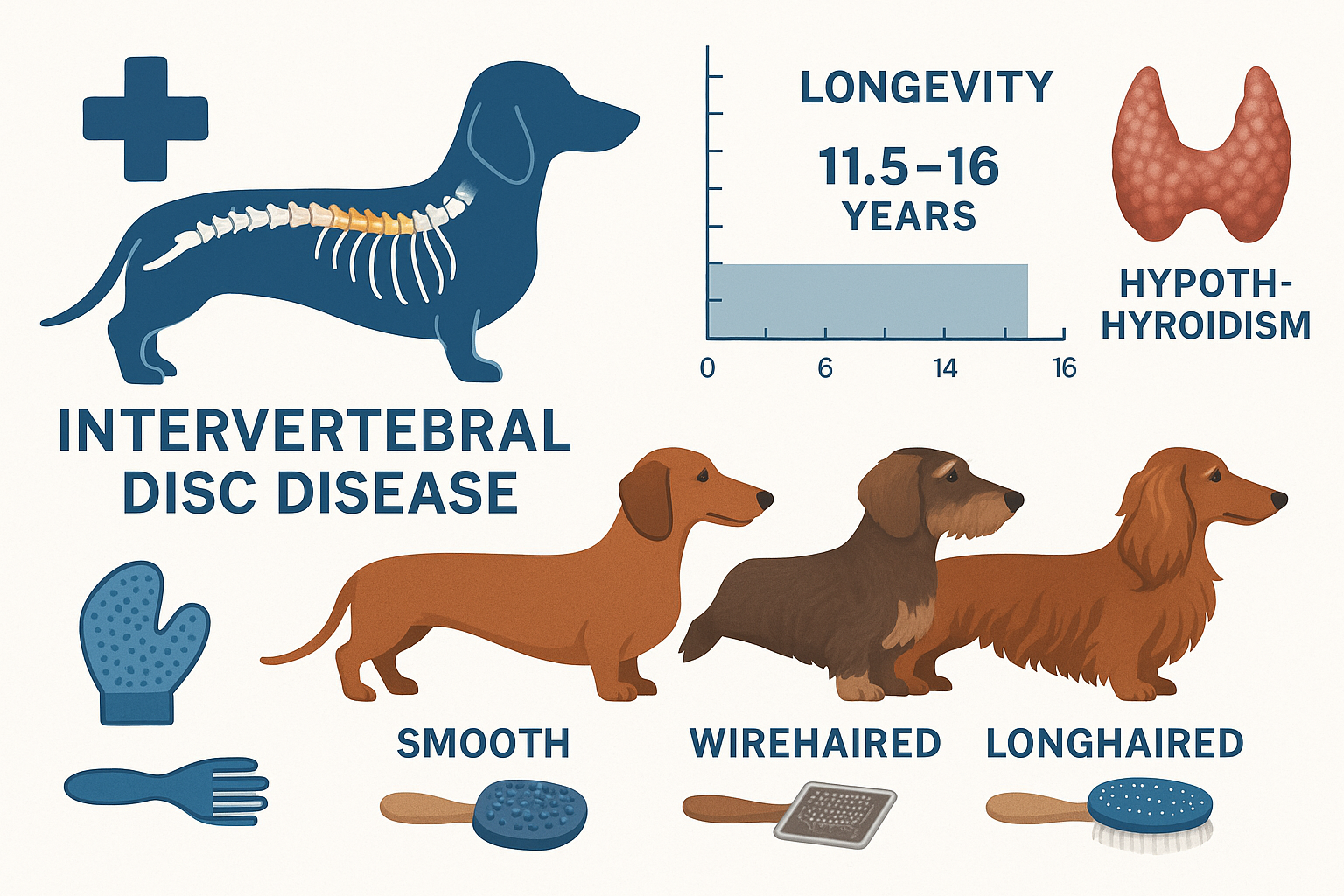
Among the various interesting facts about dachshunds, their genetic predisposition to hypothyroidism is one that requires ongoing attention. The breed is genetically predisposed to hypothyroidism, requiring regular veterinary monitoring and potential thyroid supplementation throughout their lifetime[1].
Understanding Canine Hypothyroidism
Hypothyroidism occurs when the thyroid gland doesn’t produce enough thyroid hormone, which regulates metabolism. In dachshunds, this condition typically develops in middle age.
Common symptoms include:
- Unexplained weight gain despite normal eating
- Lethargy and decreased activity
- Coat changes (dullness, thinning, hair loss)
- Cold intolerance
- Skin problems and infections
- Behavioral changes
The Good News
The good news? Hypothyroidism is highly manageable with daily medication. Once diagnosed and properly treated with thyroid supplementation, most dachshunds return to their normal, energetic selves. Regular blood tests ensure the medication dosage remains appropriate as your dog ages.
Eye Health Excellence: The Glaucoma Advantage
While we’ve discussed several health challenges, here’s a positive health fact: a Japanese study found that Miniature Dachshunds have lower rates of glaucoma than other breeds, representing only 2.4% of cases despite making up 10.1% of veterinary hospital visits[1].
This is particularly noteworthy because glaucoma—a painful condition involving increased pressure within the eye—affects many dog breeds at higher rates. The fact that miniature dachshunds visit veterinary hospitals frequently but develop glaucoma rarely suggests a genuine breed advantage.
Still Important: General Eye Care
Even with lower glaucoma rates, dachshunds can develop other eye conditions:
- Progressive retinal atrophy (PRA)
- Cataracts
- Dry eye (keratoconjunctivitis sicca)
Regular eye examinations during veterinary visits help catch any issues early, when they’re most treatable.
Breeding Challenges: The Genetics Behind the Litters
The final entry in our 10 interesting facts about dachshunds reveals something important for breeders and those interested in canine genetics. Genetic inbreeding depression in the breed directly correlates with decreased litter sizes and increased stillborn puppy rates, based on analysis of 42,855 litters[1].
What This Means for the Breed
This extensive data reveals that:
- Genetic diversity is crucial for breed health
- Responsible breeding practices must prioritize genetic testing
- Inbreeding coefficients should be carefully calculated before breeding
- Health screening is essential for breeding stock
For Prospective Owners
If you’re considering purchasing a dachshund puppy, this information underscores the importance of choosing a responsible breeder who:
✔️ Performs health testing on breeding dogs
✔️ Maintains detailed pedigree records
✔️ Prioritizes genetic diversity
✔️ Screens for breed-specific conditions
✔️ Provides health guarantees
✔️ Welcomes questions about their breeding program
Responsible breeding isn’t just about producing puppies—it’s about ensuring the long-term health and vitality of this remarkable breed.
Living Your Best Life with a Dachshund
Now that you’ve discovered these 10 interesting facts about dachshunds, you have a deeper appreciation for what makes these dogs so special. From their fearless badger-hunting origins to their modern status as beloved companions, dachshunds have evolved while retaining the characteristics that make them unique.
The Dachshund Difference
These long-bodied, short-legged dogs offer:
🌟 Centuries of fascinating history as purpose-bred hunters
🌟 Variety in appearance with three coat types and two sizes
🌟 Impressive longevity with proper care
🌟 Big personality that defies their size
🌟 Devoted companionship that creates lifelong bonds
What Makes Them Special
Yes, dachshunds come with specific health considerations—their backs need protection, their thyroids may need monitoring, and their sinuses require attention. But these challenges are manageable with informed, proactive care. The reward is a companion with unmatched personality, unwavering loyalty, and the ability to bring joy to every single day.
Whether you’re drawn to the sleek smooth coat, the elegant longhaired variety, or the rugged wirehaired type, whether you prefer standard or miniature size, there’s a dachshund perfectly suited to your lifestyle.
Conclusion: Celebrating the Mighty Wiener Dog
The 10 interesting facts about dachshunds we’ve explored reveal a breed that’s so much more than its distinctive silhouette. These dogs represent centuries of purposeful breeding, resulting in a companion that combines courage, intelligence, and charm in one unforgettable package.
From their 15th-century origins hunting dangerous prey to their current status as one of America’s most beloved breeds, dachshunds have proven their worth time and again. Their exceptional longevity, genetic diversity challenges, and specific health needs make them a breed that rewards educated, committed ownership.
Your Next Steps
If you’re already a dachshund owner, use these facts to:
- Schedule a comprehensive veterinary exam focusing on spine, thyroid, and sinus health
- Evaluate your home setup for back-friendly modifications like ramps
- Review your dog’s weight and adjust the diet if needed
- Connect with other dachshund owners to share experiences and tips
If you’re considering adding a dachshund to your family:
- Research reputable breeders who prioritize health testing
- Consider rescue organizations specializing in dachshunds
- Prepare your home with appropriate equipment and safety measures
- Budget for preventive care, including regular veterinary visits
- Choose the variety (coat type and size) that fits your lifestyle
The Bottom Line
Dachshunds aren’t just dogs—they’re living history, fearless companions, and endless entertainment rolled into one elongated package. Their unique combination of hunting heritage, physical distinctiveness, and outsized personality creates a breed unlike any other.
Understanding these 10 interesting facts about dachshunds equips you to provide the best possible care for these remarkable dogs, whether you’re welcoming your first wiener dog or you’re a longtime dachshund devotee. Armed with knowledge about their origins, varieties, health considerations, and special needs, you can ensure your dachshund lives their longest, healthiest, happiest life.
Here’s to the mighty dachshund—small in stature, enormous in spirit, and forever unforgettable! 🐾