
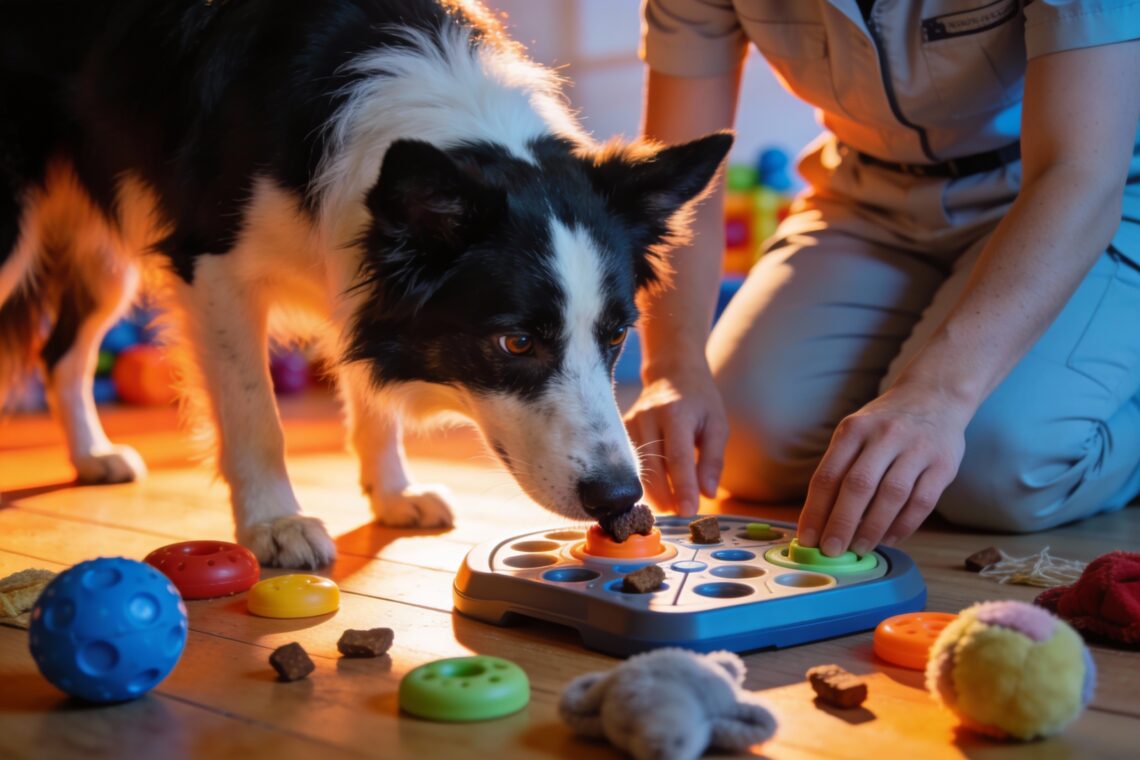
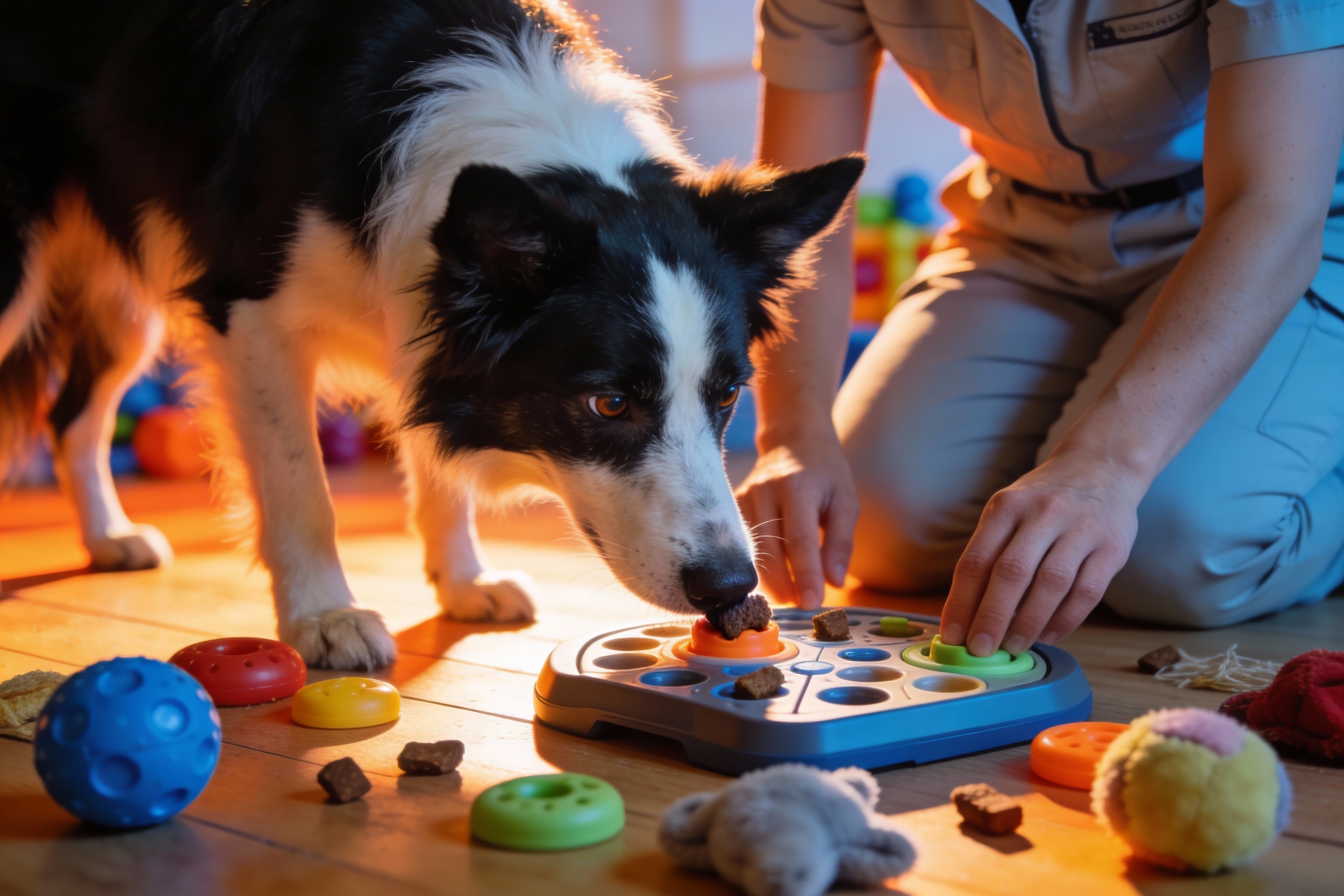
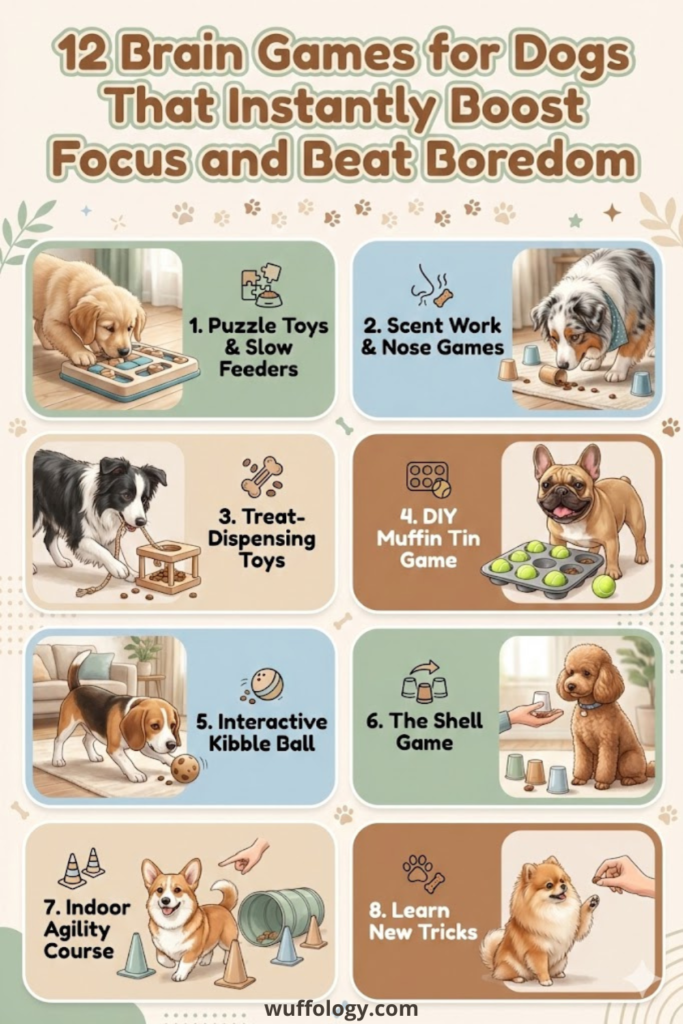
Your dog isn’t bored because you don’t love them enough. They’re bored because their brain is a Ferrari stuck in traffic. Give that brain a green light, and you’ll see better focus, calmer behavior, and way fewer “I ate the couch” moments. Ready for 12 easy brain games that work fast? Let’s roll.
Why Brain Games Work (And Why Your Dog Needs Them)
Mental work tires dogs out faster than endless fetch. It also boosts impulse control, confidence, and problem-solving. That means fewer zoomies and more chill vibes. FYI, even senior dogs crave this stuff—think crosswords for canines.
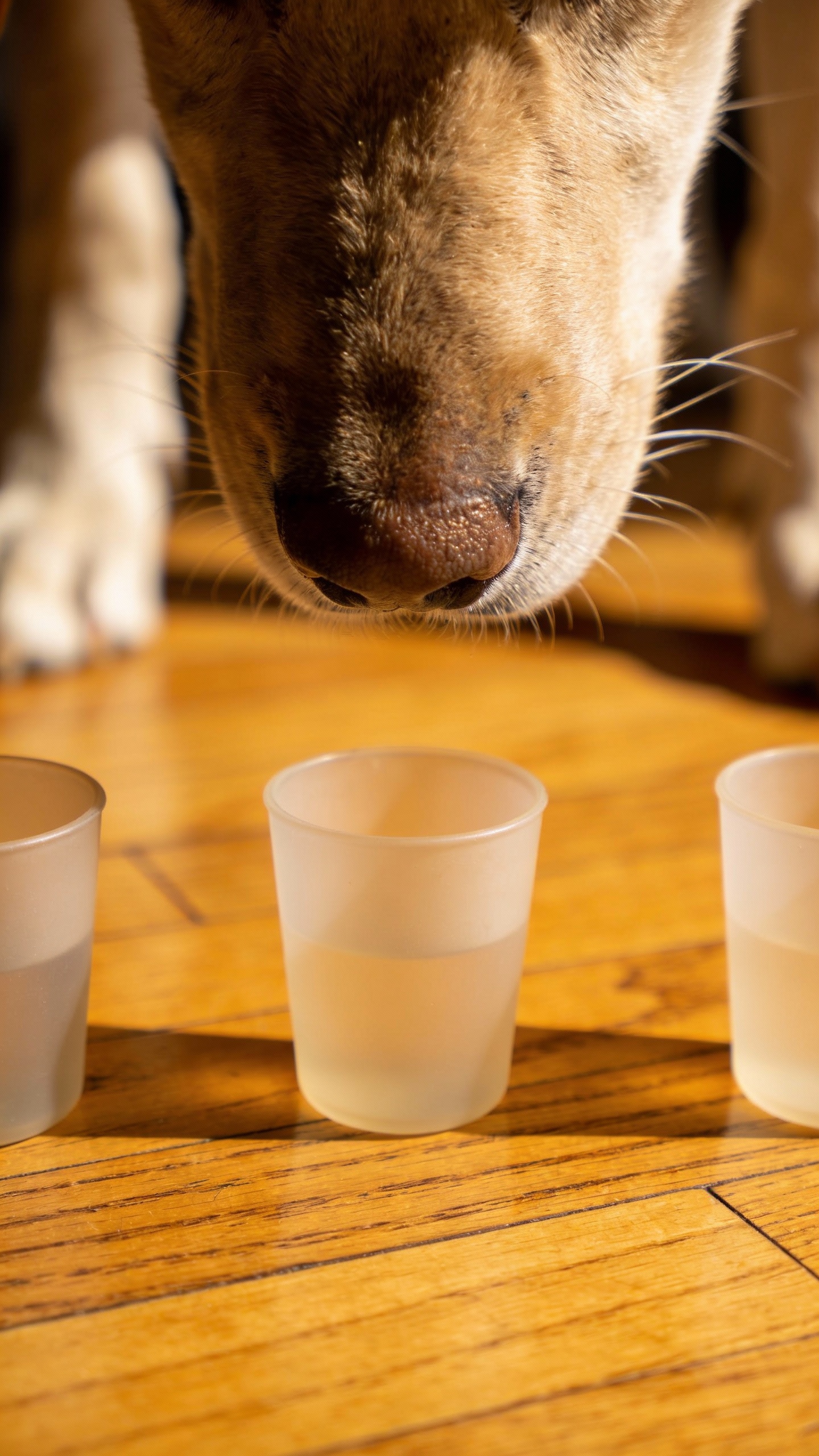
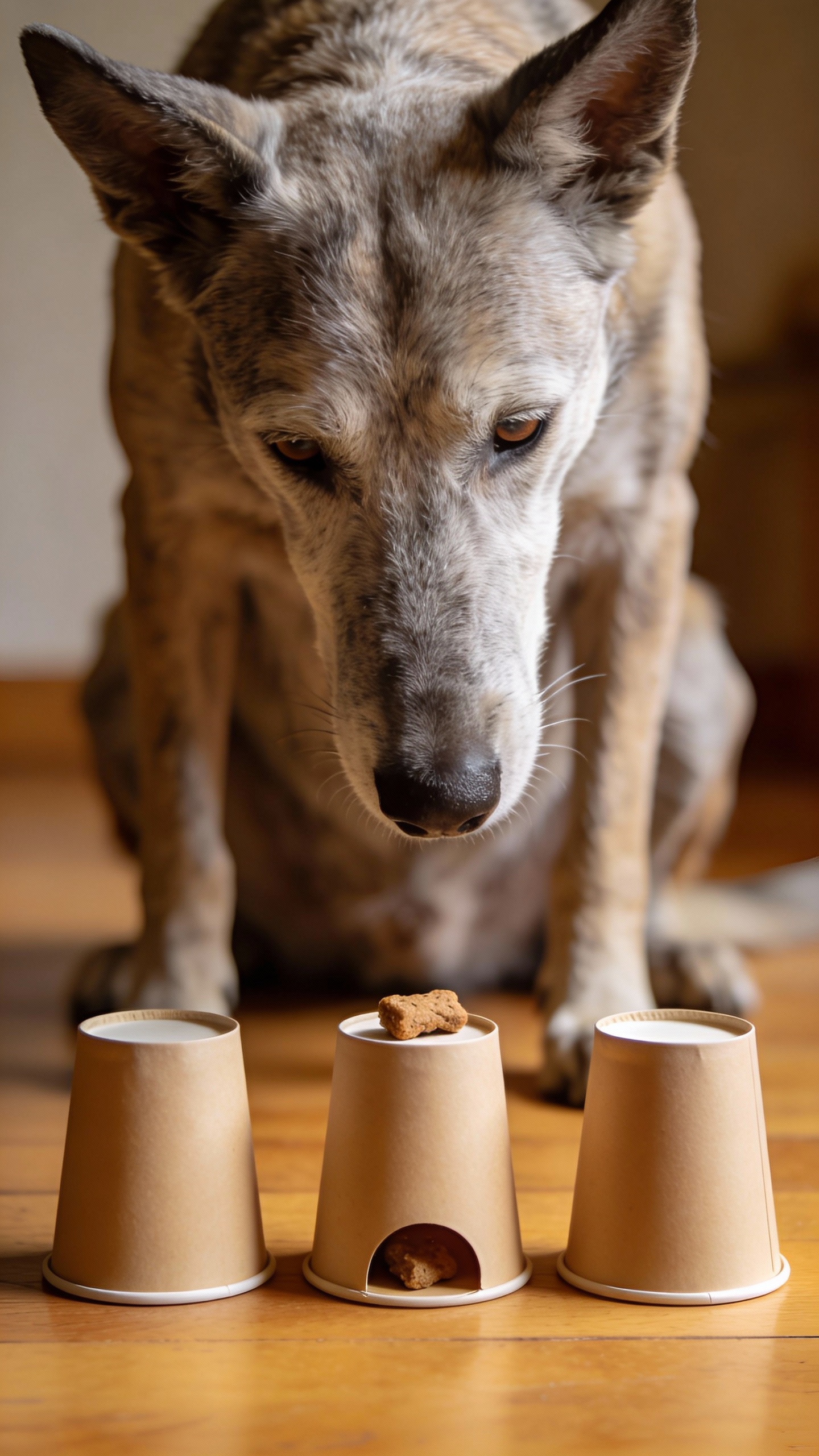
1) The Cup Shuffle: Classic Nose Work That Never Fails
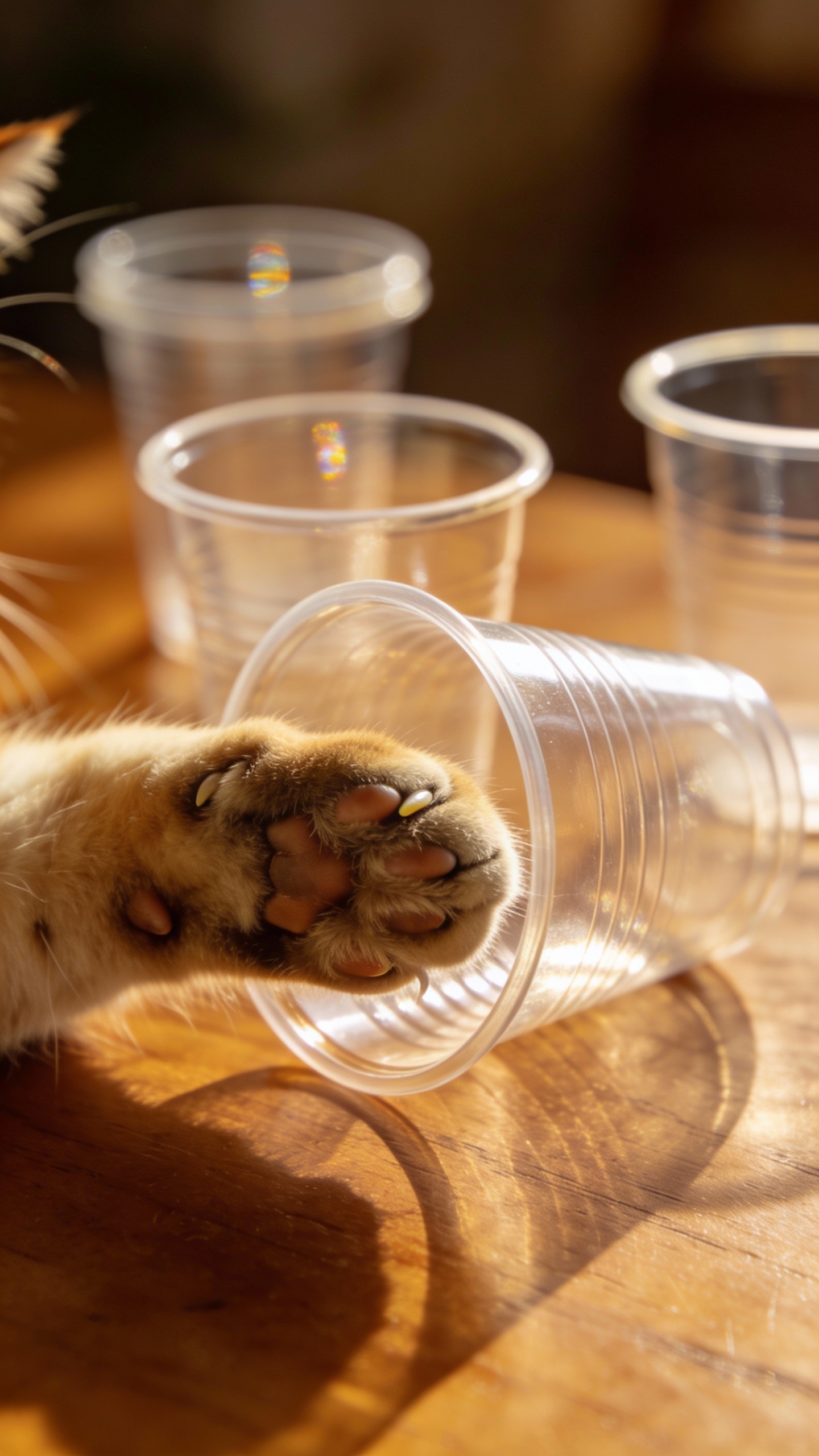
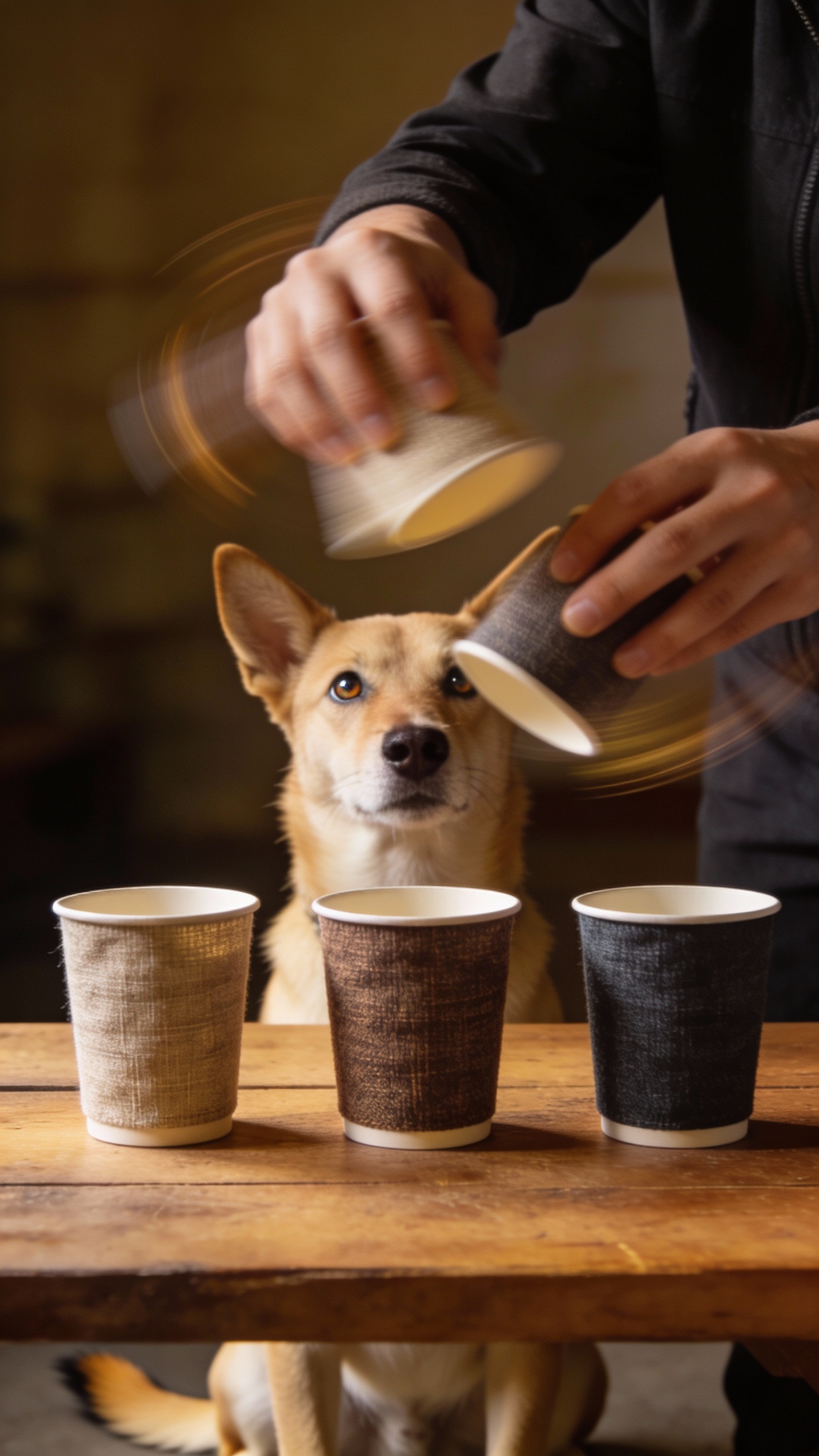
You need three cups and a few treats. Hide one treat under a cup, shuffle, and let your dog choose. Start slow, then increase speed and the number of cups as they learn.
- Skills trained: Focus, scenting, patience
- Level up: Use opaque cups, add a fake-out shuffle, or cue “wait” before release
Pro Tip
If your dog paws at the cups like a tiny bear, teach a gentle nose target first so you don’t end up with confetti.
2) Snuffle Mat Scatter: Foraging That Calms the Chaos
Toss kibble into a snuffle mat or rolled towel. Your dog must sniff out every piece, which taps into natural foraging instincts and dials down stress.
- Skills trained: Nose work, self-soothing
- Level up: Mix in a few high-value treats so your dog hunts longer
3) The Muffin Tin Puzzle
Grab a muffin tin, drop treats in a few cups, and cover all cups with tennis balls. Your dog must remove the balls to find snacks.
- Skills trained: Problem-solving, persistence
- Make it harder: Use paper over some cups, or stack two balls
4) “Find It” Room Search
Cue your dog to “sit,” show a treat, and place it in sight. Release with “find it.” Once they get it, hide treats around a room—under a chair leg, slightly behind a door, on a low shelf.
Why It Works
Hunting engages the brain and nose together. It burns energy like magic and boosts confidence in shy dogs. IMO, this is the single most useful rainy-day game.
5) Tug-With-Rules
Tug isn’t chaos if you add structure. Cue “take it,” play, then cue “drop.” Reward with another round. You’re playing a game of self-control, not just tug-of-war.
- Skills trained: Impulse control, arousal regulation
- Pro move: Add a sit before every “take it” to practice patience under excitement
6) Shell Game With Scents
Like the cup shuffle, but use cotton pads with different scents (vanilla, cinnamon, your dog’s favorite treat rubbed on one). Reward for picking the target scent.
- Skills trained: Discrimination, memory
- Safety note: Use dog-safe scents and tiny dabs only
7) DIY Box Castle
Build a mini obstacle course with cardboard boxes and tunnels. Hide a toy or treat inside. Let your dog figure out how to navigate, nudge, and nose their way through.
Make It Interesting
– Cut multiple “windows” to create choices – Tape a flap so your dog learns to push through – Hide multiple low-value treats and one jackpot for extra motivation
8) Step-It-Up Stair Puzzle
Place treats on alternating steps (low and safe only). Cue “wait,” then release to collect them calmly. This game teaches measured movement and patience.
- Skills trained: Body awareness, impulse control
- Modify: Use a hallway or flat ground for puppies or seniors
9) Food Toy Rotation (Not Just Kongs)
Stuff a Kong, Toppl, or lick mat with a mix of kibble, wet food, and a bit of yogurt. Freeze for extra challenge. Rotate toys so novelty stays high.
Filling Ideas
– Kibble + mashed banana + yogurt – Wet food + green beans + a smear of peanut butter (xylitol-free) – Broth-soaked kibble layered with carrots Pro tip: Stuff multiple toys at once and freeze. Your future self will thank you.
10) 1-Minute Trick Chains
Pick three easy cues and chain them: sit → paw → touch. Reward after the chain. Then swap in new moves like spin, bow, or chin rest.
- Skills trained: Sequencing, memory, handler focus
- Keep it short: 60–90 seconds prevents overload and keeps it fun
11) “Which Hand?” Impulse Game
Hide a treat in one hand, present both fists, and ask your dog to target. Reward only nose touches, not pawing. Then add a “leave it” before the reveal.
- Skills trained: Focus, restraint
- Level up: Hide a decoy with no reward in one hand
12) Pattern Games for Calming Brains
Use predictable, rhythmic patterns to settle a busy mind. Example: “1-2-3 treat.” Count out loud, take three steps, then treat at your side. Repeat until your dog syncs with you.
Other Easy Patterns
– Up/Down: Name something in the environment (“tree”), then ask for eye contact. Reward. Repeat as you walk. – Middle: Cue your dog to stand between your legs for a safe “calm zone.” Great for nervous pups. Why it’s awesome: Patterns give anxious or reactive dogs a script. Scripts beat chaos every time.
How to Make Brain Games Actually Stick
You don’t need an hour. Sprinkle 3–5 minute sessions throughout the day. Consistency beats intensity. And yes, rewards matter—food moves the plot along.
Quick Structure That Works
– Morning: Snuffle mat or “find it” – Midday: Trick chain or tug-with-rules – Evening: Puzzle feeder or pattern game on a walk – Rainy days: Box castle or muffin tin marathon IMO: The best game is the one you’ll actually do. Keep it simple and fun.
Common Mistakes to Avoid
– Overcomplicating too fast: Let your dog win early and often. – Playing while hungry or tired: Choose times when your dog can focus. – Ignoring safety: No tiny parts, slippery floors, or steep stairs for wobbly pups. – Forgetting variety: Rotate games to prevent the “meh” factor.
FAQ
How often should I play brain games with my dog?
Aim for short sessions daily—two or three bursts of 3–10 minutes. That’s enough to boost focus without frying their circuits. Think “commercial breaks,” not marathons.
What if my dog loses interest quickly?
Make it easier, switch rewards, or shorten the session. Some dogs need higher-value treats or a simpler puzzle to feel successful. Win-streaks build motivation fast.
Are puzzle toys worth buying, or can I DIY everything?
Both work. DIY games like muffin tins and boxes deliver great enrichment. Rotating one or two quality puzzle toys keeps novelty high and saves you setup time. Balance is key.
Can brain games replace walks?
Nope. They complement walks. Physical exercise plus mental work equals a happy, balanced dog. Use brain games on bad weather days to fill the gap, but don’t ditch movement.
What if my dog gets frustrated or starts chewing the setup?
That’s your cue to simplify. Remove a layer of difficulty, switch to softer materials, or guide them with a hint. Reward calm investigation and end on a win.
Are these games safe for puppies and seniors?
Yes—with tweaks. Keep intensity low, avoid stairs for wobbly joints, and use soft surfaces. For seniors, prioritize scent games and slow foraging. For puppies, keep sessions super short.
Wrap-Up: A Tired Brain = A Happy Dog
You don’t need fancy equipment or hours of free time. You need tiny, fun challenges that let your dog think, sniff, and win. Start with two games today, rotate a few this week, and enjoy that sweet, focused pup who no longer treats your shoes like appetizers. FYI: you might have fun too.


One comment on “12 Brain Games for Dogs That Instantly Boost Focus and Beat Boredom”
Comments are closed.