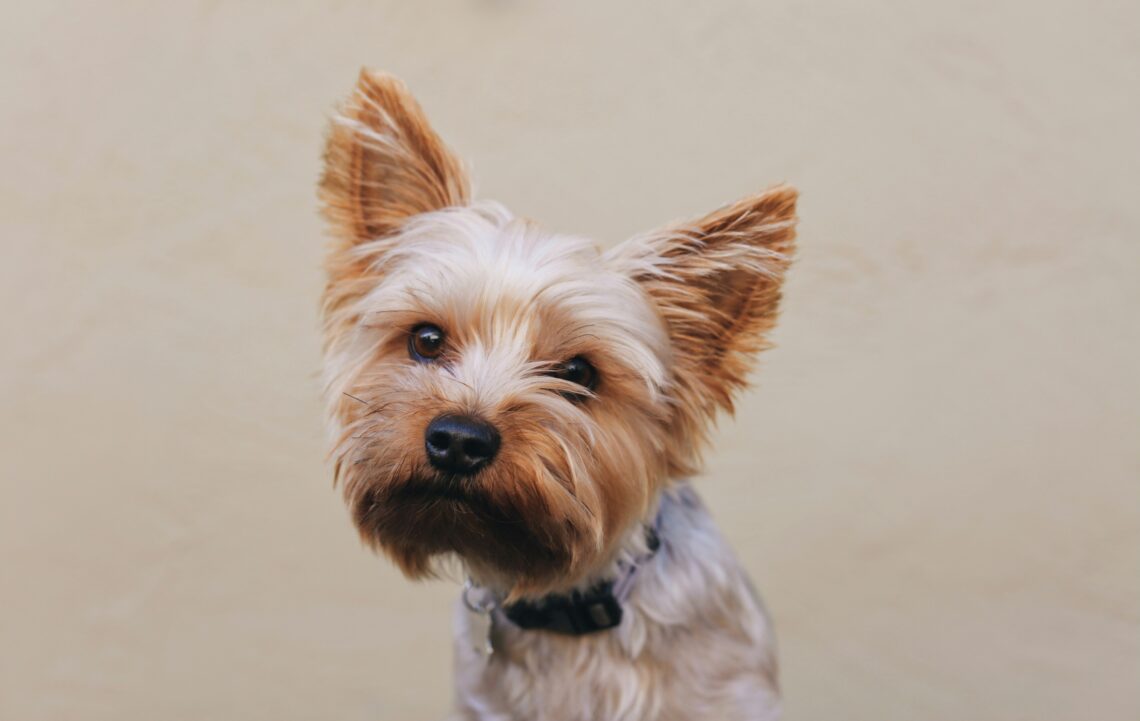

Yorkies pack a Great Dane’s confidence into a teacup. One minute they’re glam with silky hair, the next they’re barking at a mailbox like it insulted their mother. If you’ve ever wondered how a six-pound dog runs your whole house, you’re in the right place. Let’s unpack the quirks, history, and science behind that huge personality squeezed into a tiny body.
They Started as Tough Working Dogs
Yorkshire Terriers didn’t begin life as purse accessories. They worked in Victorian-era mills and mines hunting rats, which explains that bold, no-fear attitude. When a dog evolved to sprint through dark tunnels after fast prey, you get a fearless, scrappy vibe built in.
Prey Drive, Explained
– Quick reflexes: They react to movement instantly. Squirrels, leaves, your sock—fair game. – Persistent chase: Once they lock on, they keep going. Training “leave it” early helps. – High reward for catching: Games like flirt pole play scratch that instinct safely.
Small Dog, Big Brains
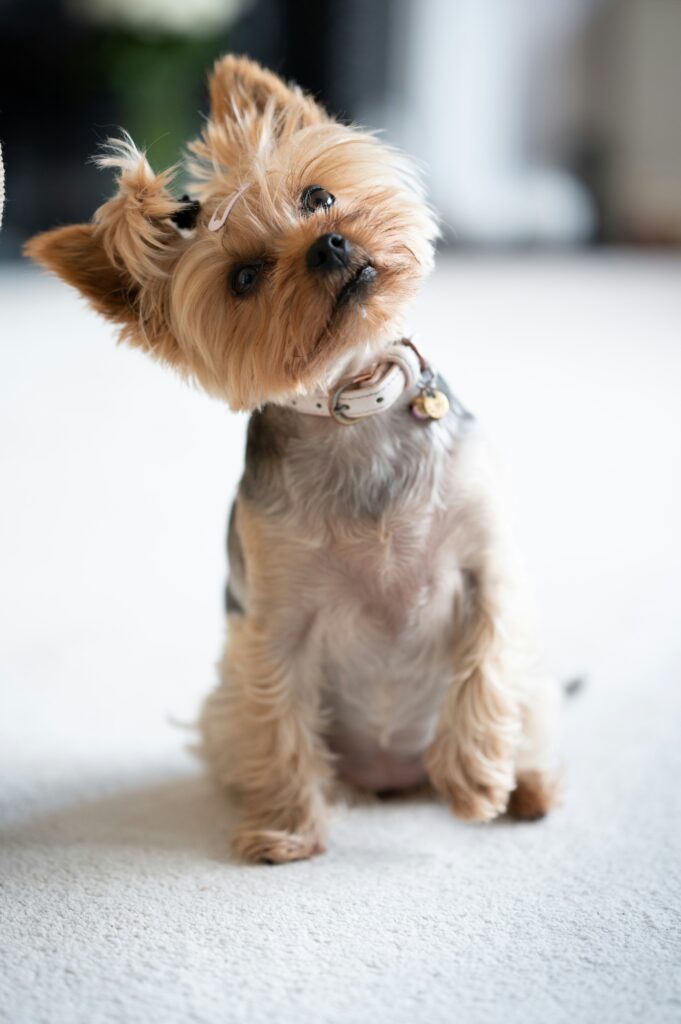
Yorkies learn fast and remember everything, including your accidental mistakes. Let them on the couch once? Congratulations, it’s their couch now. They love challenges, especially ones that involve you.
Smart Play Ideas
– Snuffle mats and puzzle feeders to channel their hunting roots. – Short training bursts (5–10 minutes) to keep them engaged. – Trick training: Spins, sit pretty, weave through legs—cute and mentally tiring.
That Silky “Hair,” Not Fur
Yorkies have hair that grows continuously, like ours. It’s fine, glossy, and demands upkeep unless you want them to cosplay as a floor mop. FYI, they shed very little, which helps allergy-wise—but grooming becomes your new hobby.
Grooming Tips That Actually Work
– Daily brushing to prevent tangles, especially around the ears and armpits. – Regular trims every 6–8 weeks; puppy cuts keep things manageable. – Clean eyes with a damp cloth to avoid tear stains. – Dental care matters—tiny mouths mean crowded teeth.
Vocal… and Proud of It
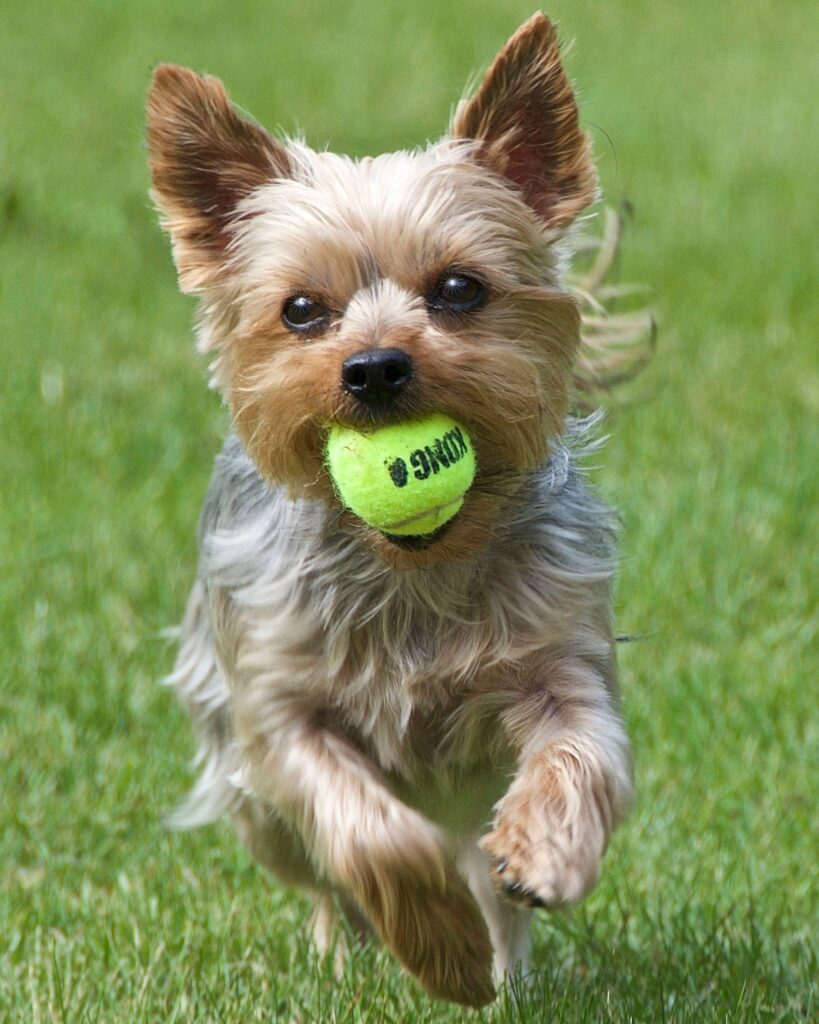
Yorkies don’t just bark—they narrate. Mailman? Bork. Doorbell on TV? Bork. A thought pops into their head? Bork. This stems from watchdog instincts and a desire to keep the “pack” informed.
How to Manage the Volume
– Teach “quiet” by rewarding silence after a bark. – Give a job like going to a mat when the doorbell rings. – Enrich their day so they don’t bark out of boredom. – Lead by calm example—if you hype up, they double hype.
They Bond Hard With Their People
A Yorkie will choose a favorite human and orbit them like a tiny satellite. They love touch, lap time, and following you into the bathroom because “privacy” is not a concept they respect. IMO, that loyalty makes them one of the best companion breeds.
Spoiling Without Creating a Tyrant
– Set boundaries (yes, even for six-pound cuties). – Practice alone time to prevent separation anxiety. – Use consistent cues so they know what you expect.
They Think They’re Big Dogs

Yorkies square up to dogs ten times larger like they left their fear in their other collar. That confidence is charming—until it’s not. Socialization is your best friend here.
- Puppy classes: Safe exposure builds good manners.
- Positive greetings: Reward calm behavior around big dogs.
- Pick your moments: Don’t let them “win” by lunging; guide them away before they escalate.
Fifteen Personality-Defining Facts (The Greatest Hits)
- They were bred as ratters, not lap warmers. That work ethic still shows.
- They’re highly trainable and love learning tricks.
- They have hair, not fur, which changes grooming and shedding.
- They bark like tiny security systems, especially without guidance.
- They bond deeply and hate being ignored.
- They act fearless, sometimes to their own detriment.
- They need mental exercise as much as physical walks.
- They can rock either glam coats or sporty puppy cuts and look fabulous both ways.
- They travel well when properly trained—portable adventure buddies.
- They’re food-motivated but need portion control to avoid pudginess.
- They often become “velcro dogs,” sticking close to you all day.
- They can outsmart you, especially if you laugh at their antics (they notice).
- They excel at agility and rally when given a chance—tiny athletes.
- They stay puppy-like in spirit well into adulthood.
- They love routines, which helps them feel secure and confident.
Health Stuff You’ll Want to Know
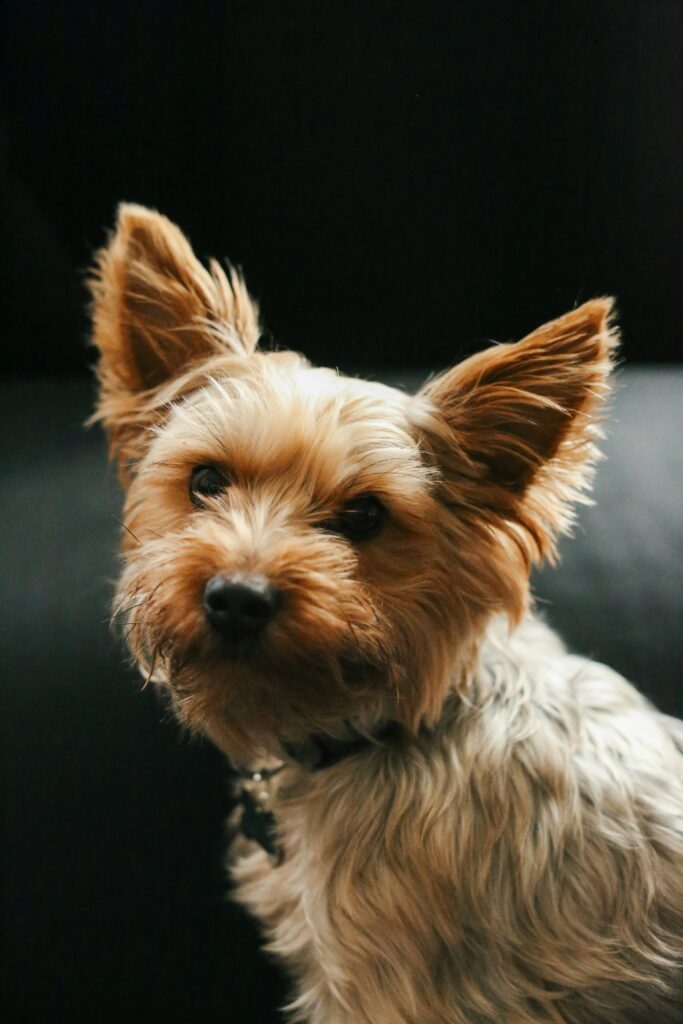
Yes, they’re small. No, they’re not fragile porcelain dolls. With good care, many Yorkies live 12–15 years, sometimes more. But a few breed-specific concerns deserve attention.
- Teeth: Prone to dental disease; brush daily and schedule cleanings.
- Trachea: Collapsing trachea can occur; use a harness, not a collar.
- Knees: Luxating patellas pop out; keep them fit and avoid high jumps.
- Liver shunt (in some lines): Ask breeders about testing; watch for lethargy or odd behavior after meals.
- Blood sugar in puppies: Toy breeds can dip; frequent small meals early on.
Training That Matches Their Swagger
Yorkies respond best to upbeat, reward-based training. They’ll shut down if you scold or overcorrect. Keep it fun and they’ll strut through sessions like they own the place (because they do, obviously).
House Training Real Talk
– Frequent breaks—tiny bladders, big ambitions. – Crate training for structure and safety. – Consistency with a schedule and a specific potty spot. – Praise parties for outdoor success—they love the celebration.
Life With a Yorkie: What to Expect
Picture a charming roommate who insists on front-row seating for everything you do. Walks become parades; errands become adventures. They don’t need hours of running, but they need daily engagement or they’ll invent chaos. Cute chaos, but chaos.
- 30–45 minutes of activity total spread throughout the day.
- Interactive toys to keep minds busy.
- Safe spaces like a cozy crate or bed for naps between zoomies.
FAQ
Are Yorkies good with kids?
Yes, with the right match. Gentle, dog-savvy kids do great with Yorkies. Teach children to handle them carefully and avoid rough play. Always supervise, especially with very young kids, because tiny bodies can get hurt easily.
Do Yorkies get along with other pets?
Often, yes. They can coexist with cats and other dogs if you introduce them thoughtfully. Early socialization helps, and supervising initial meetings is smart. Keep an eye on that prey drive around small critters like hamsters.
How much grooming do Yorkies really need?
Plan on daily brushing and a professional groom every 6–8 weeks, especially if you keep a longer coat. Baths every few weeks keep that silk shiny. Regular ear cleaning, nail trims, and dental care round out the routine. FYI, a shorter puppy cut reduces maintenance a lot.
Are they easy to train?
They’re very trainable and love to show off. Short, positive sessions work best. Use treats, praise, and toys—variety keeps them dialed in. If they ignore you, you probably lost the fun factor.
Do Yorkies need a big yard?
Not at all. They thrive in apartments as long as you provide exercise and mental stimulation. Walks, playtime, and training do the trick. Your neighbors will appreciate a bit of bark training, too.
How much do Yorkies bark?
They bark more than average, IMO. But you can redirect that energy with training and structure. Teach “quiet,” provide enrichment, and avoid rewarding the noise. It won’t vanish, but it becomes manageable.
Conclusion
Yorkies wear a lion’s heart in a designer-sized package. They’ll make you laugh, keep you on your toes, and cuddle like champions the second you sit down. Give them structure, brain games, and love, and they’ll give you a lifetime of tiny, mighty joy. Honestly? That’s a trade I’ll take every time.