
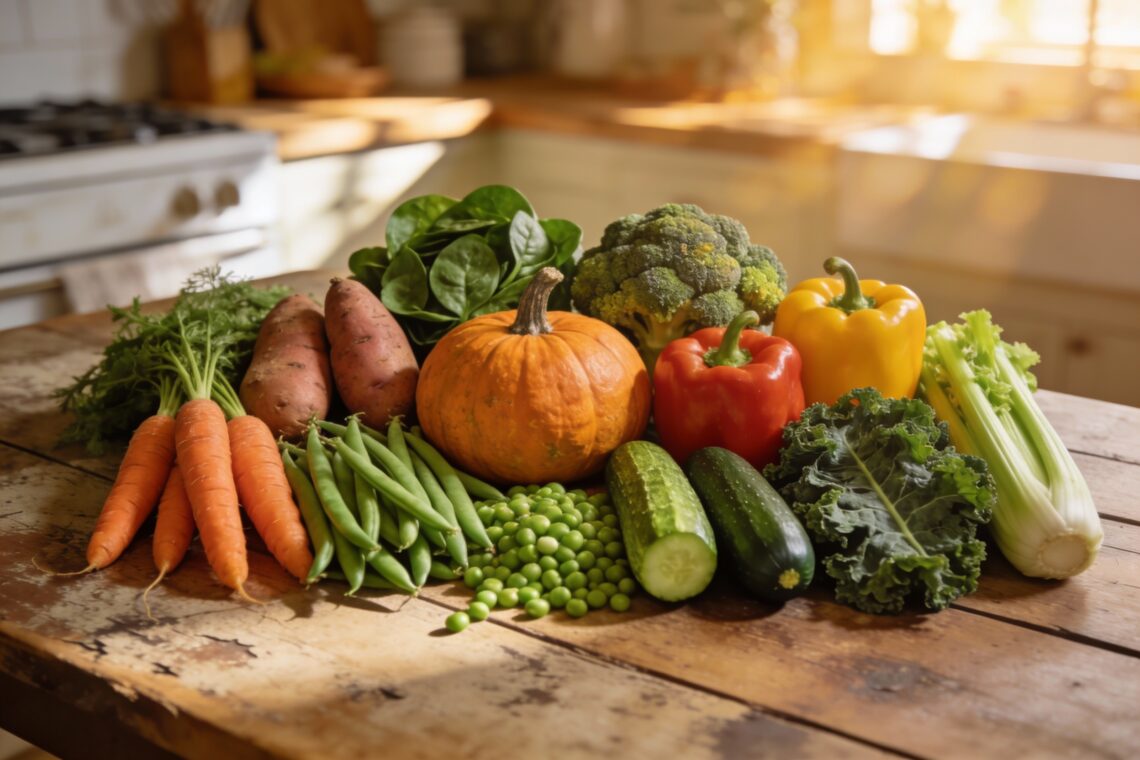
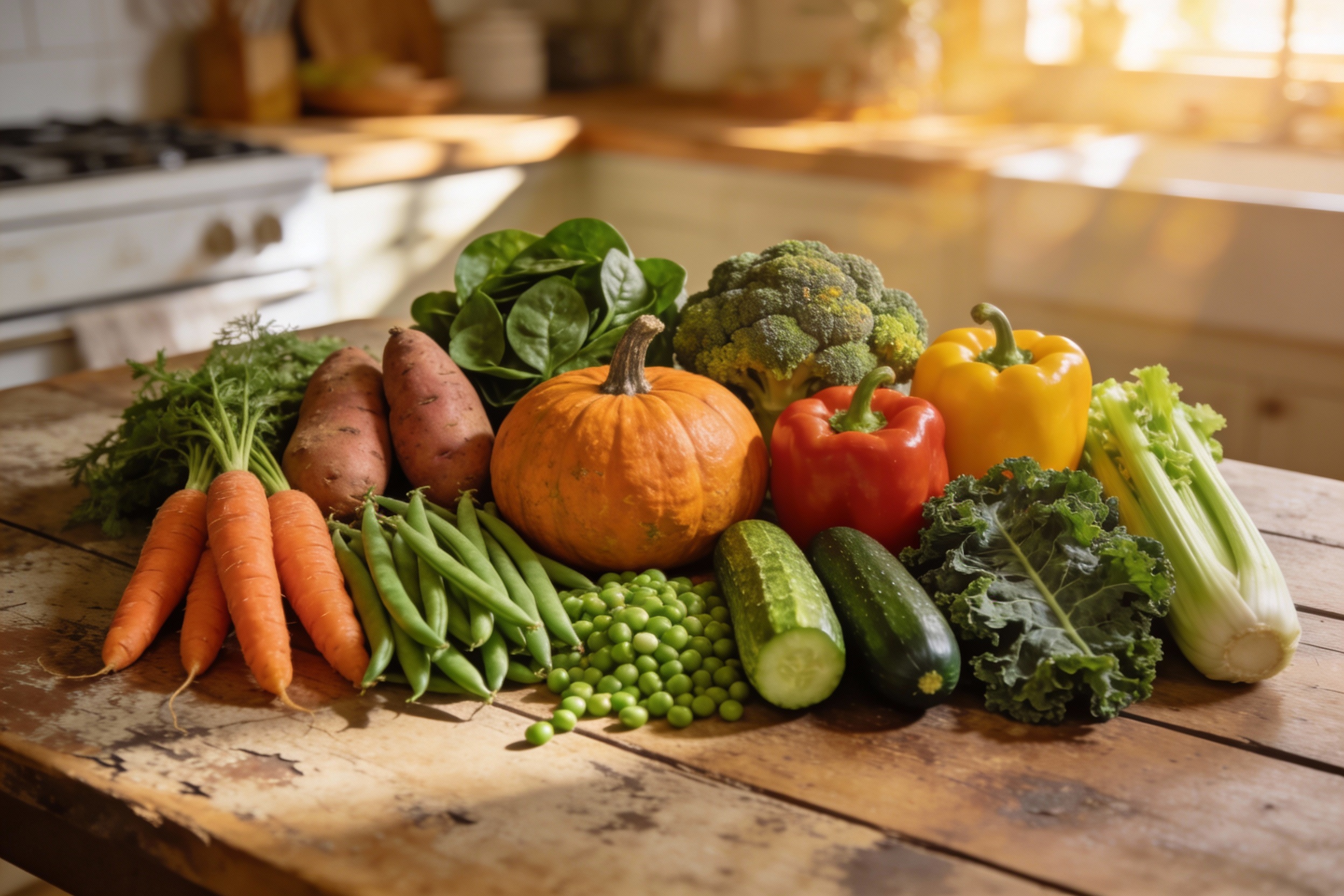
You want to share your veggies with your dog, but you don’t want to play culinary roulette. Good call. Dogs can absolutely enjoy vegetables—many even love them—but some picks work way better for their tummy and teeth than others. Let’s skip the guesswork and talk about the best veggies that are safe, healthy, and actually pup-approved.
Why Veggies Work for Dogs (And When They Don’t)
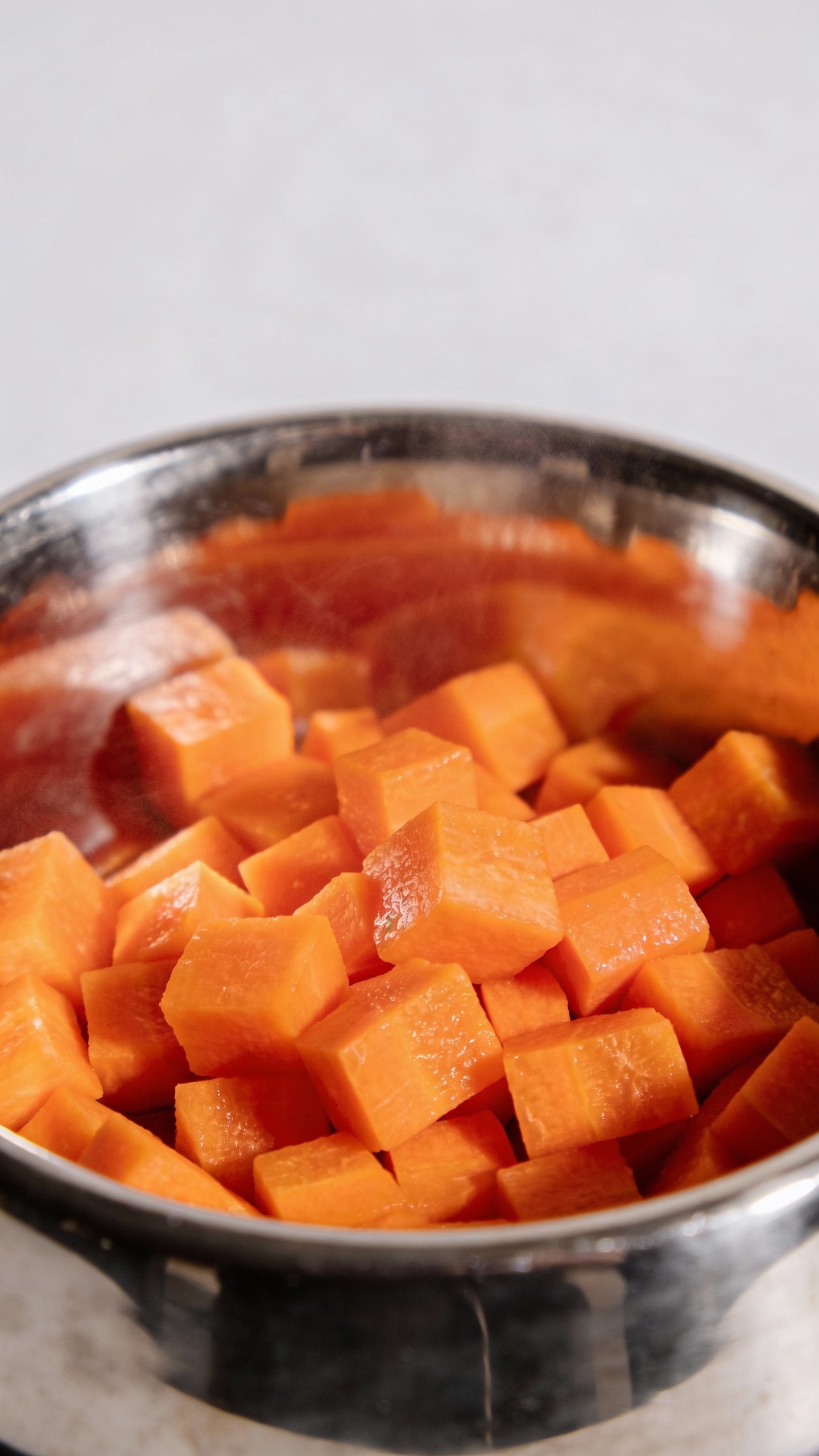
Vegetables give dogs fiber, antioxidants, and hydration without loading them up with calories. Great for training snacks and weight control, right? Yes—if you pick the right ones and serve them correctly. Golden rules:
- Keep it plain: No butter, salt, garlic, onions, or seasonings.
- Dice or steam: Chop small and cook lightly for easy digestion.
- Start slow: Introduce one veggie at a time and watch for tummy upset.
- Moderation: Treats (including veggies) should stay under 10% of daily calories.
The 12 Best Vegetables for Dogs

These twelve veggies hit that sweet spot of safe, nutritious, and dog-friendly. Some work raw, some do better cooked. I’ll note the best approach for each.
1) Carrots
Crunchy, sweet, and cheap. Dogs love them. Carrots deliver vitamin A and fiber, and they double as a mini toothbrush. For teething puppies, chilled carrot sticks = instant relief. Chop into coins or sticks to prevent choking.
2) Green Beans
These are the MVP for weight control. They fill dogs up without the calorie bomb. Go with steamed or raw, plain only. Watch canned options—choose low-sodium if you must.
3) Cucumbers
Hydrating and ultra-low calorie, cucumbers make a great hot-day crunch. Peel if your dog struggles with skin. Slice thin and serve as training rewards if you’re counting calories.
4) Sweet Potatoes
Packed with fiber, potassium, and beta-carotene. Steam or bake, then mash or cube. Skip raw—it’s tough on digestion. Sweet potatoes make amazing chew treats when sliced thin and dehydrated.
5) Pumpkin
The fiber champion. Pumpkin helps with both diarrhea and constipation (yes, it’s versatile like that). Use plain cooked pumpkin or plain canned pumpkin—not pie filling. Start with a spoonful mixed into meals.
6) Broccoli
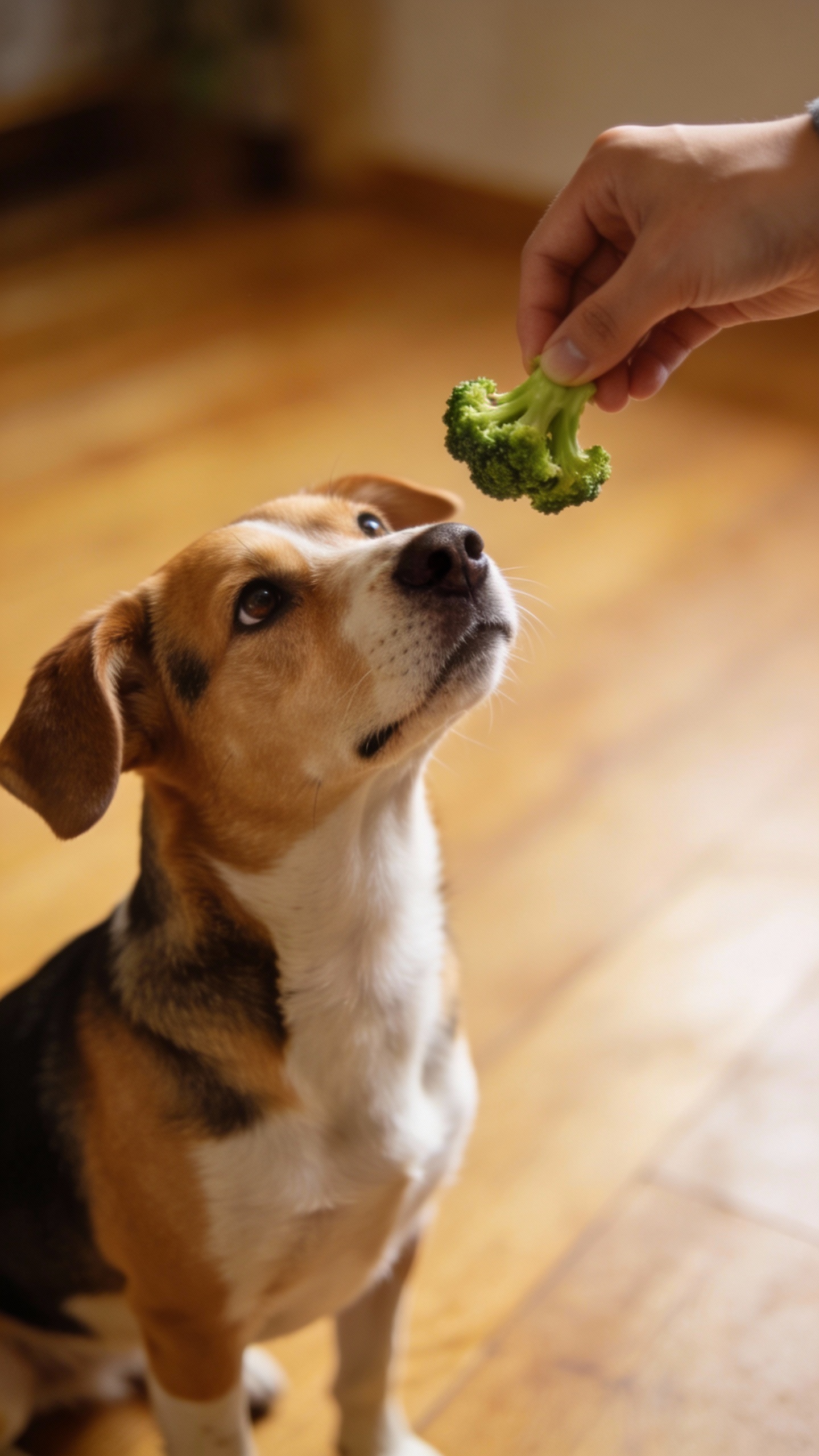
Broccoli offers antioxidants and vitamin C. Serve in small amounts, steamed or raw, because too much can cause gas. Like, open-the-windows gas. Tiny florets only.
7) Spinach
High in vitamins A, C, K, and iron. Steam lightly to reduce oxalates and make nutrients easier to absorb. Serve small amounts—this is a “sometimes” veggie, not a daily staple.
8) Zucchini
Mild, low-calorie, and easy on sensitive stomachs. Serve raw or steamed, diced small. Zucchini works great as a topper for dogs who need to feel full without extra calories.
9) Peas
Green peas, snow peas, and sugar snap peas all work—fresh or frozen, never canned with added sodium. They’re a handy source of plant protein and fiber. Pro tip: Frozen peas make fun, crunchy treats.
10) Bell Peppers
Any color works (red is sweetest). Full of vitamins A and C. Remove seeds and core, slice thin, and serve raw or lightly sautéed in water. Skip spicy peppers for obvious reasons.
11) Brussels Sprouts
Surprise! Dogs can eat them—steamed and chopped. They’re loaded with antioxidants and fiber. Just keep portions small to avoid… musical side effects.
12) Cauliflower
Another cruciferous win. Steam or roast plain, then chop into bite-sized bits. Great for dogs who need more fiber—just introduce slowly to avoid stomach drama.
How to Serve Veggies Safely
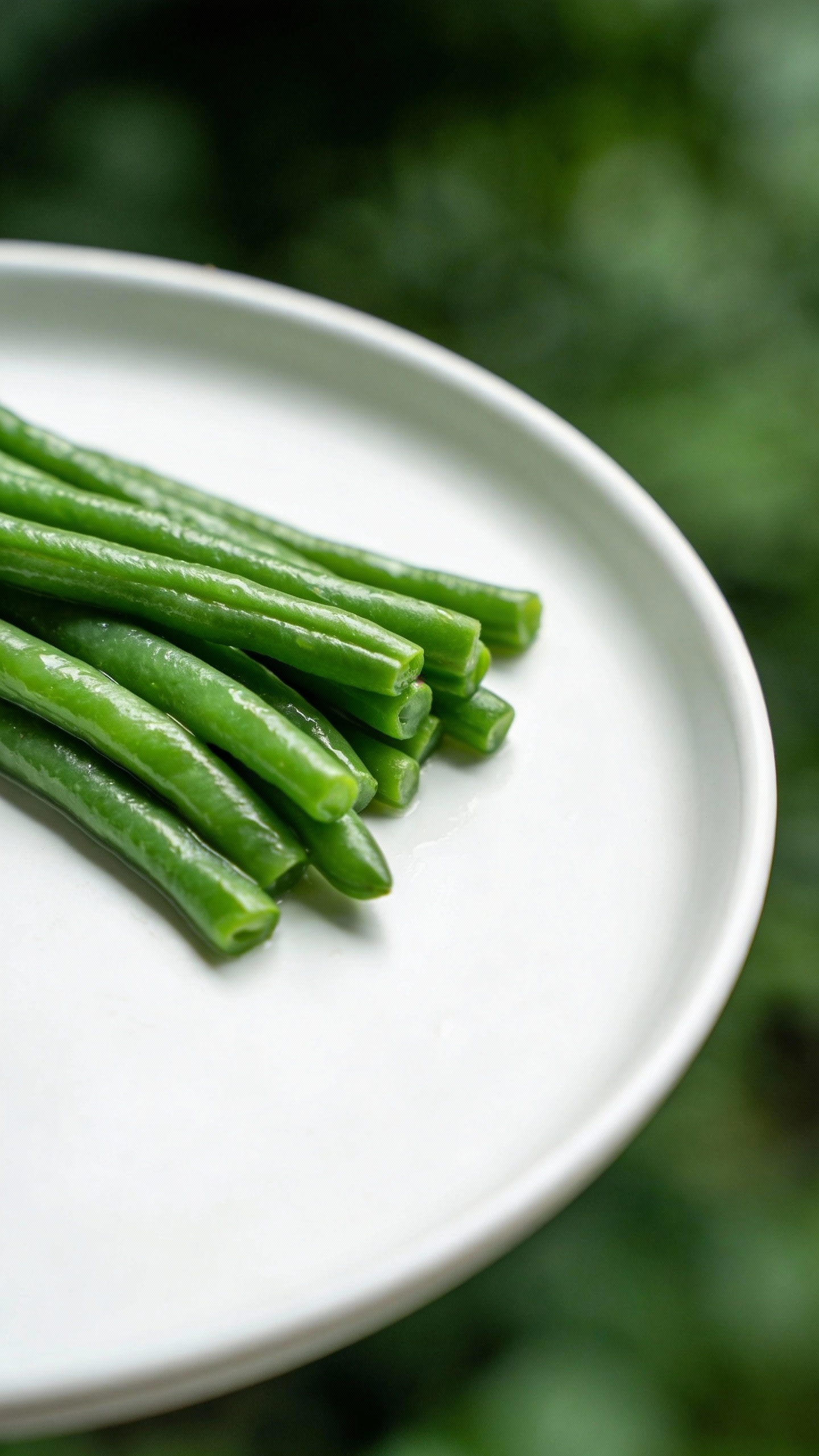
Let’s make veggie time a win for both of you. Here’s how to do it right.
- Chop small: Prevents choking and helps digestion.
- Steam or roast lightly: Keeps nutrients while softening fiber.
- Skip oils, salt, and spices: Dogs don’t need the extras.
- Mix with meals: Combine veggies with your dog’s regular food for easy acceptance.
- Watch portions: Start with 1–2 teaspoons for small dogs, 1–2 tablespoons for medium, and up to 1/4 cup for large dogs.
Raw vs. Cooked: What’s Better?
Both can work. Raw veggies offer crunch and fewer calories. Cooked veggies often digest easier and release some nutrients better (like beta-carotene in carrots). If your dog gets gassy or has loose stools, switch to cooked and smaller portions.
Veggie Treat Ideas Your Pup Will Actually Eat
Let’s be real—some dogs act like tiny food critics. Try these easy wins.
- Frozen carrot coins: Crunchy, cooling, and teething-friendly.
- Green bean “fries”: Steam, chill, and serve as training treats.
- Pumpkin mash topper: Mix 1–2 tablespoons into meals for fiber and flavor.
- Sweet potato chews: Slice thin and bake or dehydrate until leathery.
- Pea “kibble sprinkles”: Thaw and toss a small handful on dinner.
- Zucchini bites: Diced small for low-cal training rewards.
Budget and Meal-Prep Tips
– Buy frozen veggies (no sauces) to save money and reduce waste. – Batch steam, then freeze portions in ice cube trays. – Keep a “dog jar” in the fridge with prepped, bite-sized veggies for quick treats.
Veggies to Avoid (Seriously, Don’t)
Not all plants belong in the dog bowl. Some are straight-up dangerous.
- Onions, leeks, and garlic: Can damage red blood cells—even in small amounts.
- Chives and shallots: Same family, same problem.
- Unripe tomatoes and tomato leaves/stems: Contain solanine—bad news.
- Mushrooms (wild or unknown): Too risky unless store-bought and plain.
- Corn on the cob: The cob can cause a life-threatening obstruction.
FYI: If your dog ate something questionable, call your vet or a pet poison hotline ASAP.
How Much Is Too Much?
You want your dog to enjoy veggies, not replace their balanced diet. Keep it simple.
- Follow the 90/10 rule: 90% complete dog food, 10% treats (including veggies).
- Watch the poop: Loose stools or constipation = scale back or switch veggies.
- Consider your dog’s size and activity: Tiny dogs need tiny portions. Athletes can handle a little more.
Dogs with Special Needs
– Diabetic dogs: Stick to low-sugar options like zucchini, broccoli, and cucumbers. – Kidney issues: Some veggies contain more potassium; check with your vet. – Sensitive stomachs: Start with steamed carrots, zucchini, or pumpkin in small amounts.
FAQs
Can dogs eat raw vegetables?
Yes, many dogs can handle raw veggies like carrots, cucumbers, and bell peppers. Chop small and introduce slowly. If your dog gets gassy or you see undigested bits in poop (glamorous, I know), switch to lightly cooked.
What’s the best vegetable for weight loss?
Green beans take the crown. They’re low-calorie and filling. Zucchini and cucumbers also help. Mix small portions into meals to add volume without adding calories. IMO, green beans are the easiest, most satisfying swap.
How often should I give my dog vegetables?
You can offer veggies daily in small amounts as treats or meal toppers. Keep total treats under 10% of daily calories. Variety helps—rotate options so your dog doesn’t get bored (or gassy).
Can puppies eat vegetables?
Yes, but keep portions tiny and stick to gentle options like steamed carrots, pumpkin, or zucchini. Avoid hard, round chunks that could choke. Puppies need balanced puppy food first—veggies are just bonus points.
Are canned vegetables okay?
Only if they’re plain and low sodium. Many canned veggies come loaded with salt or sauces (hard pass). Frozen veggies without seasonings are usually the best budget-friendly option, FYI.
What if my dog hates vegetables?
Totally normal. Try mixing finely chopped veggies into wet food, or blend with a spoonful of plain yogurt or pumpkin. You can also bake veggie bits into DIY treats. Some dogs just need the “stealth mode” approach.
Final Thoughts
Vegetables can boost your dog’s diet, support digestion, and make snack time healthier—without draining your wallet. Keep it simple: pick safe veggies, prep them plain, and feed small portions. If you treat veggies like bonus bites rather than a replacement for balanced dog food, you’ll have a happier, healthier pup. And hey, if your dog decides cucumbers are the enemy? More for you. IMO, that’s a win-win.





One comment on “Best Vegetables for Dogs: 12 Safe & Healthy Picks Your Pup Will Love”
Comments are closed.