
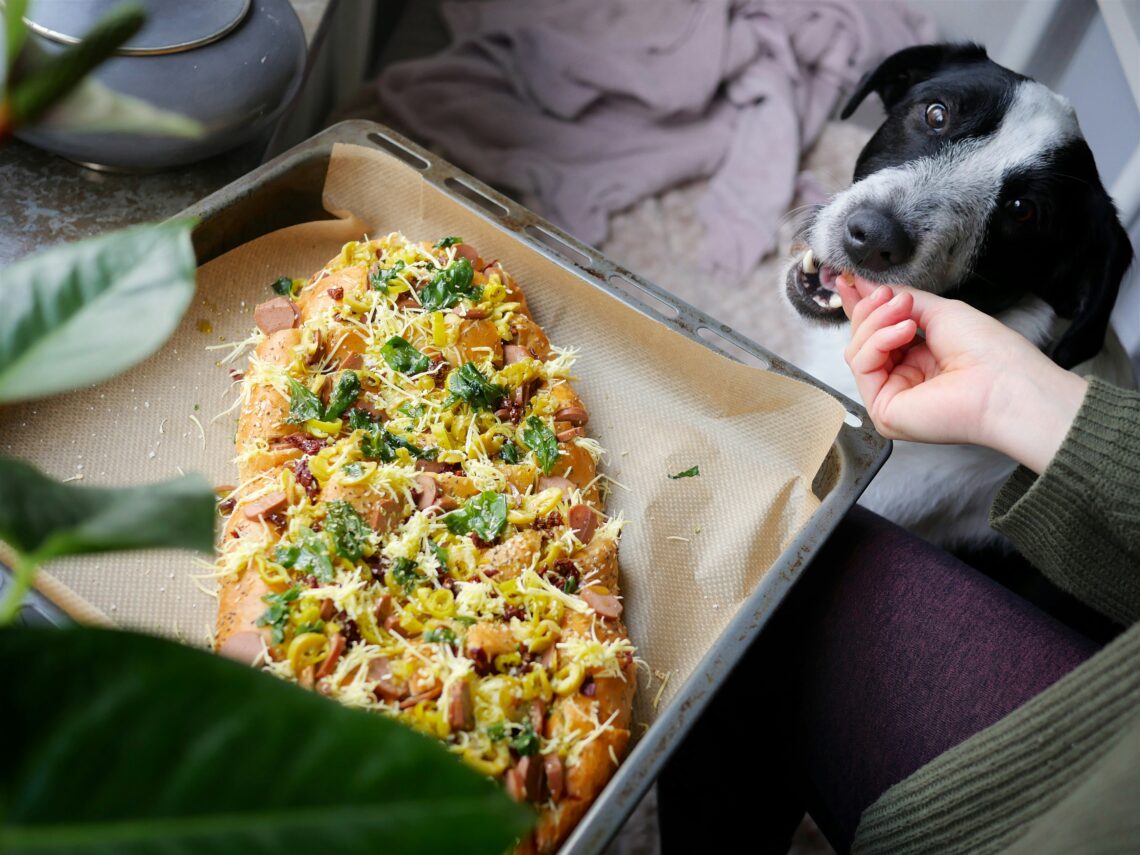
Your dog stares at you with those big saucer eyes while you eat literally anything. You cave sometimes—obviously—but what’s actually safe to share? Let’s cut through the confusion fast so you can treat your pup without a surprise vet visit.
You’ll find the go-to safe foods, the sneaky dangers, and the “it depends” stuff. Spoiler: dogs can eat more real food than you think, but a few human favorites belong in the “absolutely not” bin.
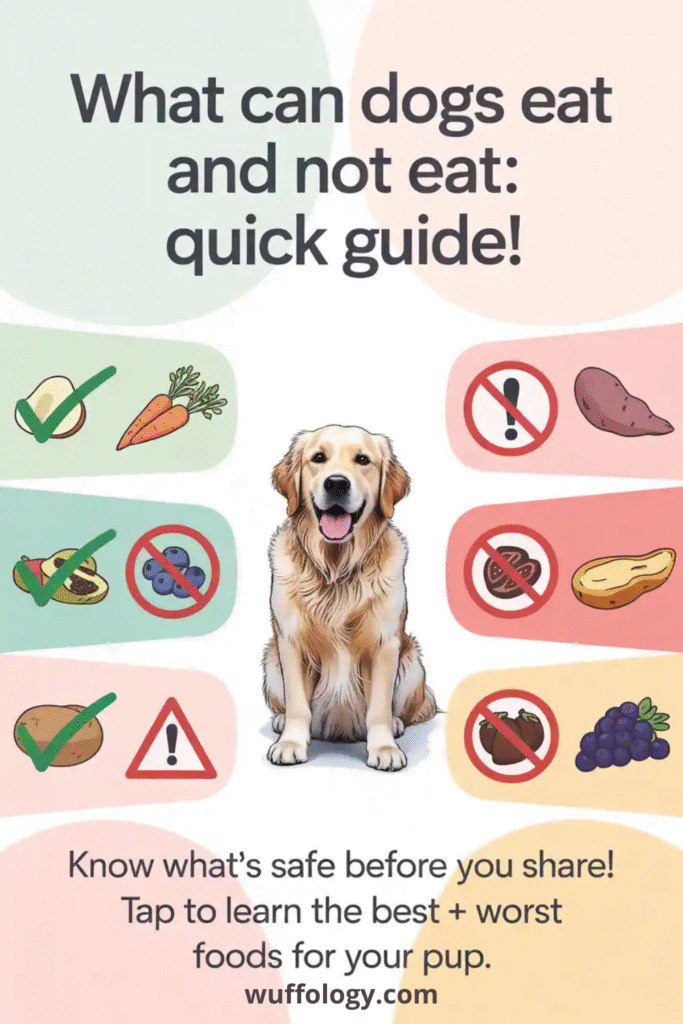
Dog-Safe Human Foods You Can Share (In Moderation)
We’re talking simple, whole foods that won’t wreck your dog’s stomach. Keep portions small and skip the seasoning.
- Lean meats: Chicken, turkey, lean beef, and pork.Cooked, unseasoned, no bones, no skin. Fatty trimmings can cause pancreatitis—hard pass.
- Fish: Salmon and sardines (boneless, cooked or canned in water). Omega-3s = shiny coat and happy joints.
- Eggs: Cooked scrambled or boiled.Great protein boost. Avoid raw unless your vet signs off.
- Dairy (a little): Plain yogurt and cottage cheese can help some dogs. Test with tiny amounts—lots of pups handle lactose badly.
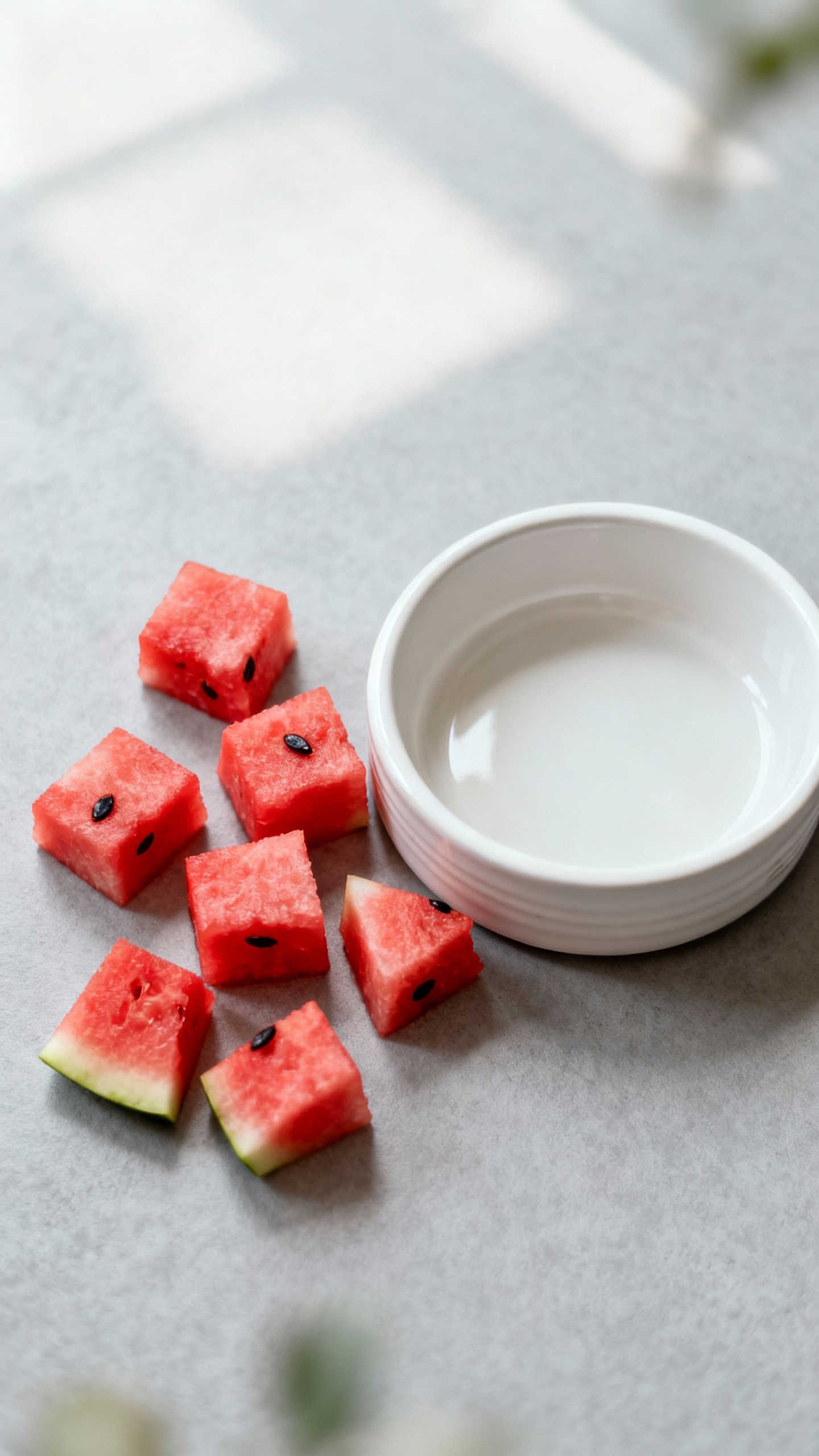
- Fruits: Blueberries, strawberries, bananas, apples (no seeds), watermelon (no rind or seeds).Sweet, hydrating, and antioxidant-packed.
- Veggies: Carrots, green beans, cucumbers, peas, pumpkin puree (plain), sweet potato (cooked). Crunchy snacks without guilt.
- Grains: Plain rice, oatmeal, quinoa. Handy for sensitive tummies, but keep it simple—no butter, no salt.
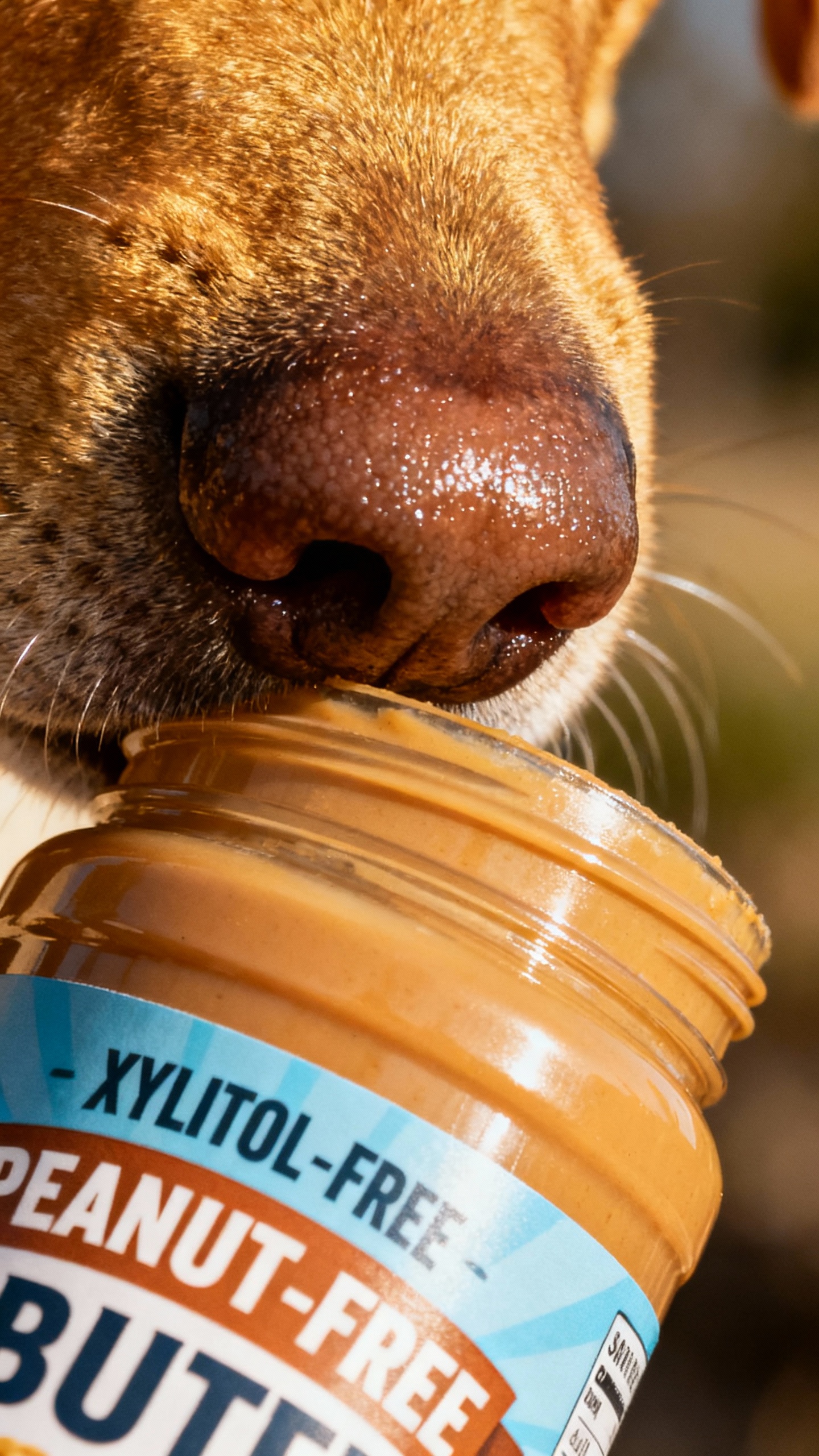
- Peanut butter: The classic.Make sure it’s unsalted and xylitol-free. Check the label every time.
Quick wins for picky eaters
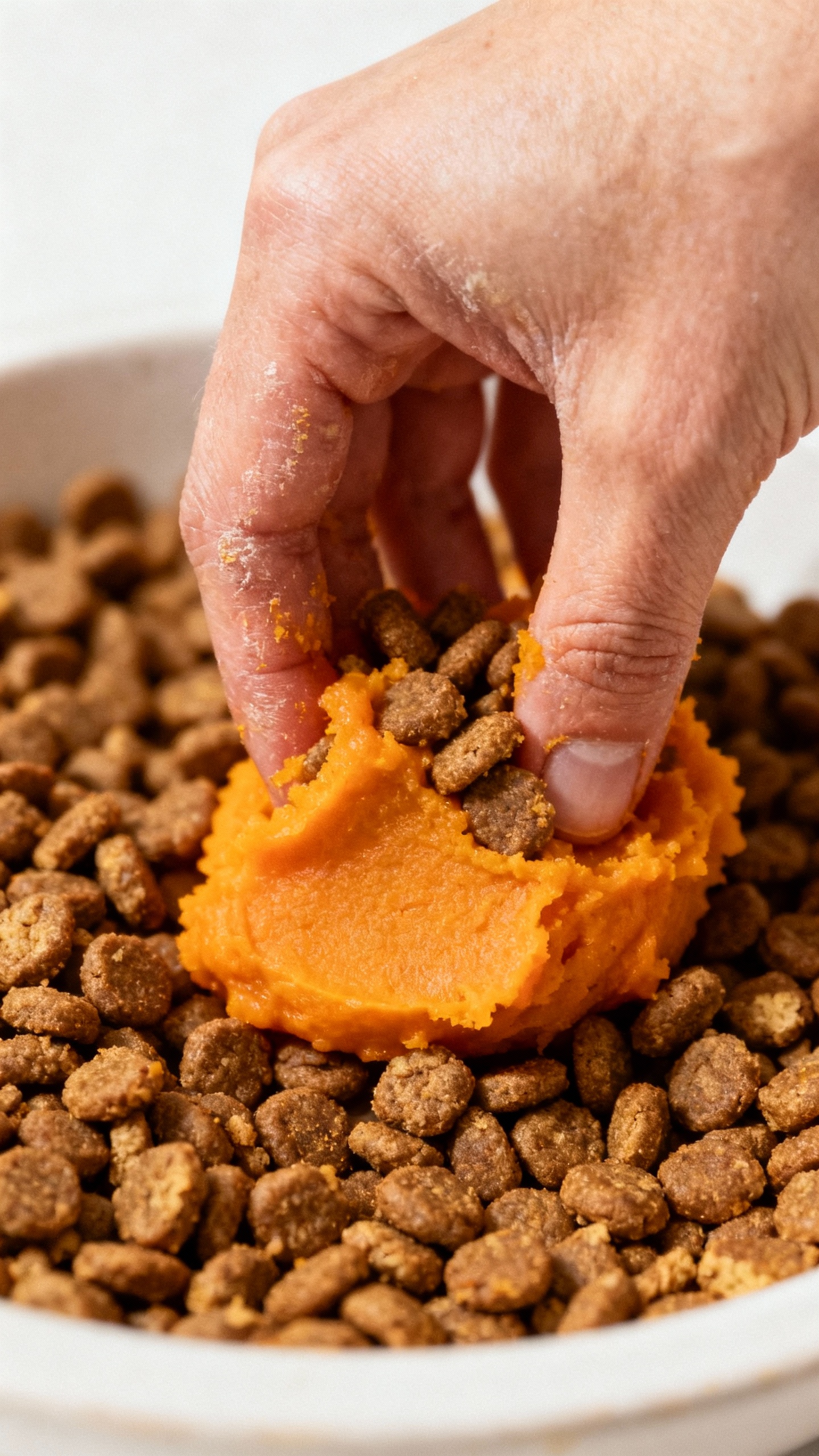
- Mix a spoon of pumpkin into kibble for fiber and flavor.
- Top food with a few blueberries for a fun “treat hunt.”
- Add a splash of low-sodium bone broth to entice reluctant diners.
Hard No: Foods Dogs Should Never Eat
These aren’t “maybe later.” These are “never, not even a bite.” Put your dog-parent hat on and enforce the rules.
- Chocolate: Theobromine + caffeine = toxic. Dark chocolate hits hardest.
- Grapes and raisins: Can cause kidney failure.Even one can be dangerous.
- Xylitol (birch sugar): Found in sugar-free gum, peanut butter, baked goods. Causes rapid hypoglycemia and liver failure. Double-check labels.
- Onions, garlic, chives: Damage red blood cells.Raw, cooked, powdered—still bad.
- Alcohol and unbaked yeast dough: Ethanol risk + gas expansion. Painful and dangerous.
- Macadamia nuts: Causes weakness, tremors, vomiting. No nut mix roulette.
- Cooked bones: Splinter hazard.Perforations aren’t a fun ER story.
- High-fat scraps: Bacon grease, skin, trimmings. Pancreatitis risk skyrockets.
- Caffeine and energy drinks: Stimulant toxicity. Dogs do not need pre-workout, FYI.
Gray-area foods to be cautious about
- Cheese: Tiny bits are fine for most dogs.Too much = gas and the zoomies (and not the fun kind).
- Bread: Plain, small amounts won’t kill the vibe. Flavored loaves often hide raisins, garlic, or xylitol—nope.
- Non-dairy milks: Many contain xylitol or additives. Usually unnecessary anyway.
- Seasoned meats: Garlic powder and onion powder lurk in many rubs.Stick to plain.
Portions: How Much Is “A Little”?
Treats should be treats, not meals. As a rule, keep snacks to 10% of daily calories. That’s it.
Your dog won’t file a complaint about portion sizes, but their pancreas might.
Simple portion ideas
- Tiny dogs (under 15 lb): 1–2 blueberry-sized pieces at a time.
- Medium dogs (15–40 lb): A small handful of veggie or fruit chunks.
- Large dogs (40+ lb): Half a banana, a few tablespoons pumpkin, or a palm-sized lean meat portion.
If you use treats for training, break them into pea-sized bits. Dogs don’t grade on size, IMO—they just care about the reward cycle.
Tummy Troubles: Signs You Fed the Wrong Thing
Even safe foods can backfire if your dog has allergies or a sensitive stomach. Watch for red flags after new foods.
- Vomiting or diarrhea within 24 hours
- Excessive gas or bloating
- Lethargy, tremors, or weakness
- Itchy skin or ear infections after repeated exposure (think food sensitivities)
When to call the vet immediately
- They ate a known toxin (grapes, xylitol, dark chocolate).
- They show sudden collapse, seizures, or pale gums.
- They swallowed a bone, corn cob, or anything that can obstruct.
Keep the Pet Poison Helpline number handy.
A quick call beats the “wait and see” gamble every time.
Smart Swaps: Healthy Treat Alternatives
Want the win-win of happy dog + fewer vet bills? Try these easy upgrades.
- Swap processed treats for whole foods: Carrot sticks, apple slices (no seeds), green beans.
- Use frozen goodies: Frozen blueberries, frozen banana coins, or a lick of plain frozen yogurt.
- Make mini meatballs: Bake tiny balls of lean ground turkey. Perfect training rewards.
- Kong fillers: Mashed sweet potato, pumpkin, a smear of peanut butter (xylitol-free!), and a few kibble pieces.
Hydration treats
- Ice cubes of low-sodium chicken broth.
- Watermelon chunks (seedless, no rind) on hot days.
Special Cases: Puppies, Seniors, and Sensitive Stomachs
All dogs aren’t the same.
Adjust based on age, health, and vibe.
- Puppies: Go slow with new foods. Focus on balanced puppy food first. Training treats?Tiny and frequent.
- Seniors: Softer snacks like cooked sweet potato or scrambled egg help if teeth or digestion protest.
- Allergies: Common triggers include chicken, beef, dairy, and wheat. If you see chronic itching, talk to your vet.
- Pancreatitis-prone pups: Keep fat low. Choose lean meats and plain veggies.No fried anything—ever.
Label Sleuthing: Sneaky Ingredients to Avoid
The front of the package lies. The ingredient list tells the truth.
- Xylitol (may show as “birch sugar”).
- Garlic/onion powder in broths, seasonings, and deli meats.
- Artificial sweeteners and sugar alcohols in “diet” foods.
- Raisins in baked goods, trail mixes, and granola bars.
- High sodium in jerky, deli meat, and broth. Pick low-sodium versions.
FYI: “Natural flavors” means nothing useful.
When in doubt, skip it.
FAQ
Can dogs eat raw meat?
Some owners do feed raw, but it carries risks of bacterial contamination for both dogs and humans. If you go raw, work with your vet to balance nutrients and handle food safely. Cooked, plain meat works for most families without the stress.
What veggies are best for weight loss treats?
Go for low-calorie crunch: green beans, cucumbers, celery, carrots.
They fill your dog up without packing calories. Just introduce slowly to avoid gas.
Is peanut butter safe?
Yes—if it’s xylitol-free and unsalted. Use a teaspoon-sized dollop for most dogs.
It’s calorie-dense, so don’t turn “treat time” into “extra meal time.”
Can dogs eat bones?
Avoid cooked bones entirely—they splinter. Raw bones are controversial and can still break teeth or cause blockages. Safer bet: vet-approved chew toys or treats designed not to shatter.
What about rice and chicken for an upset stomach?
Plain boiled chicken and white rice can help short-term tummy issues.
Keep portions small and bland, and reintroduce regular food within a couple of days. If vomiting or diarrhea continues, call your vet.
Are all nuts bad for dogs?
Not all, but many are risky. Macadamia nuts are toxic, and others like almonds and walnuts pose choking or pancreatitis risks. Honestly, it’s easier to skip nuts altogether.
Bottom Line
You can share plenty of real food with your dog—just keep it simple, plain, and portioned.
Stick to lean meats, dog-safe fruits and veggies, and a few tried-and-true staples like eggs and pumpkin. Avoid the heavy hitters like chocolate, grapes, xylitol, and onions. When in doubt, don’t share it.
Your dog won’t hold a grudge, and you’ll both sleep better—IMO, that’s a win.





One comment on “What Can Dogs Eat And Not Eat: Essential Tips For Every Dog Owner”
Comments are closed.