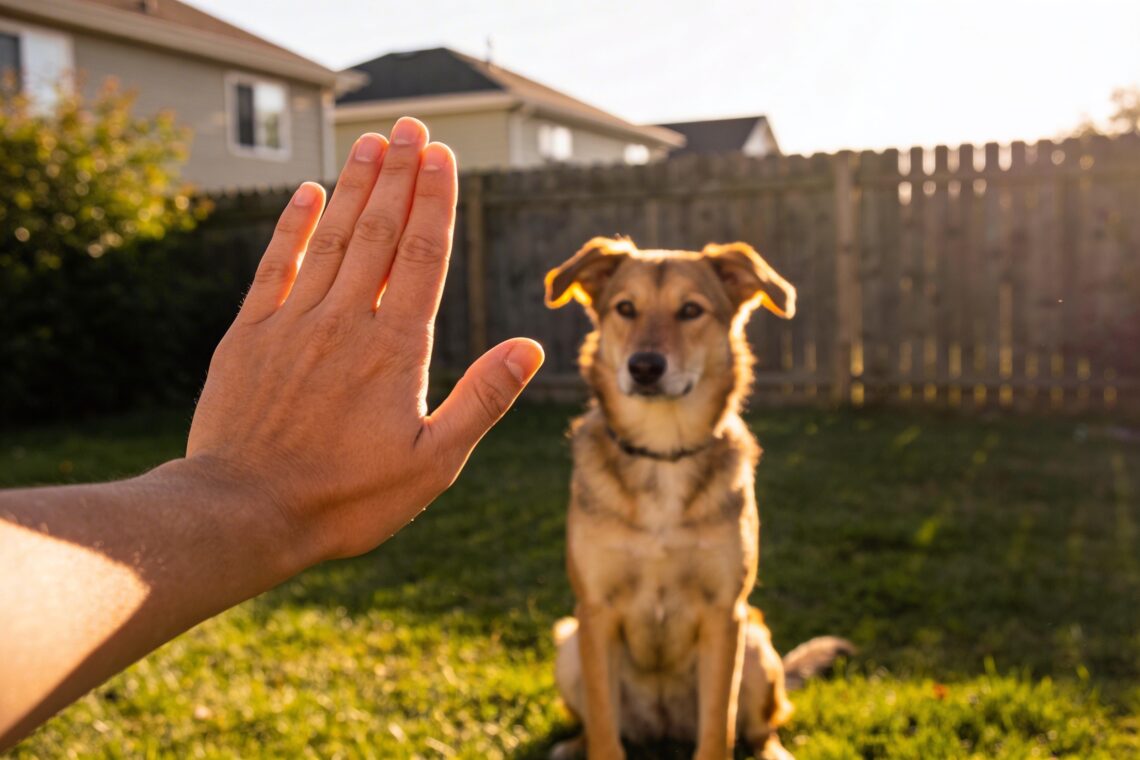
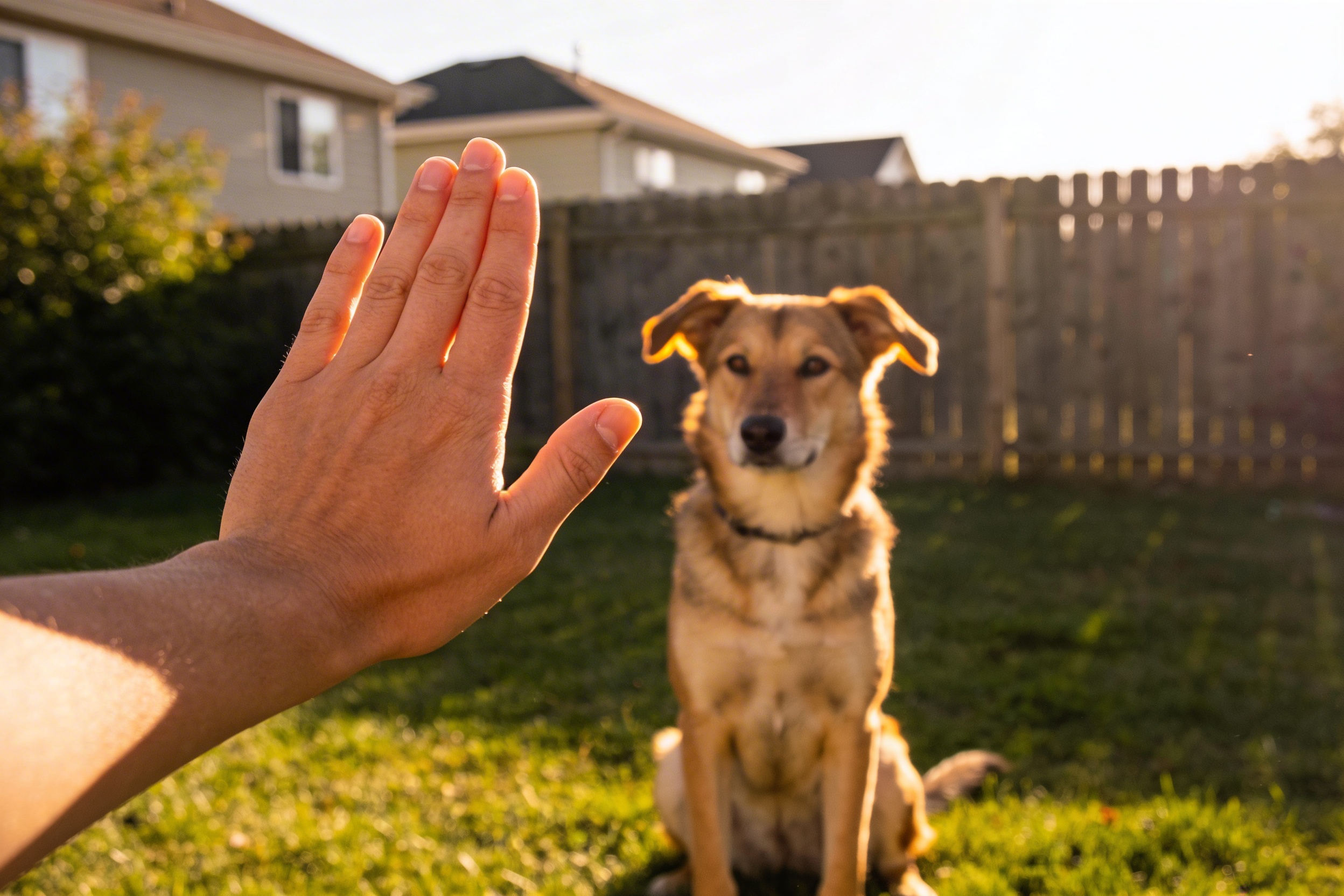
You love your dog. Your neighbors love silence. Hand signals let you train and communicate without yelling across the yard. Even better, dogs watch you like hawks—so why not speak their language with clear, visual cues that get instant results?
Why Hand Commands Work (And Why Your Dog Already “Speaks” Them)
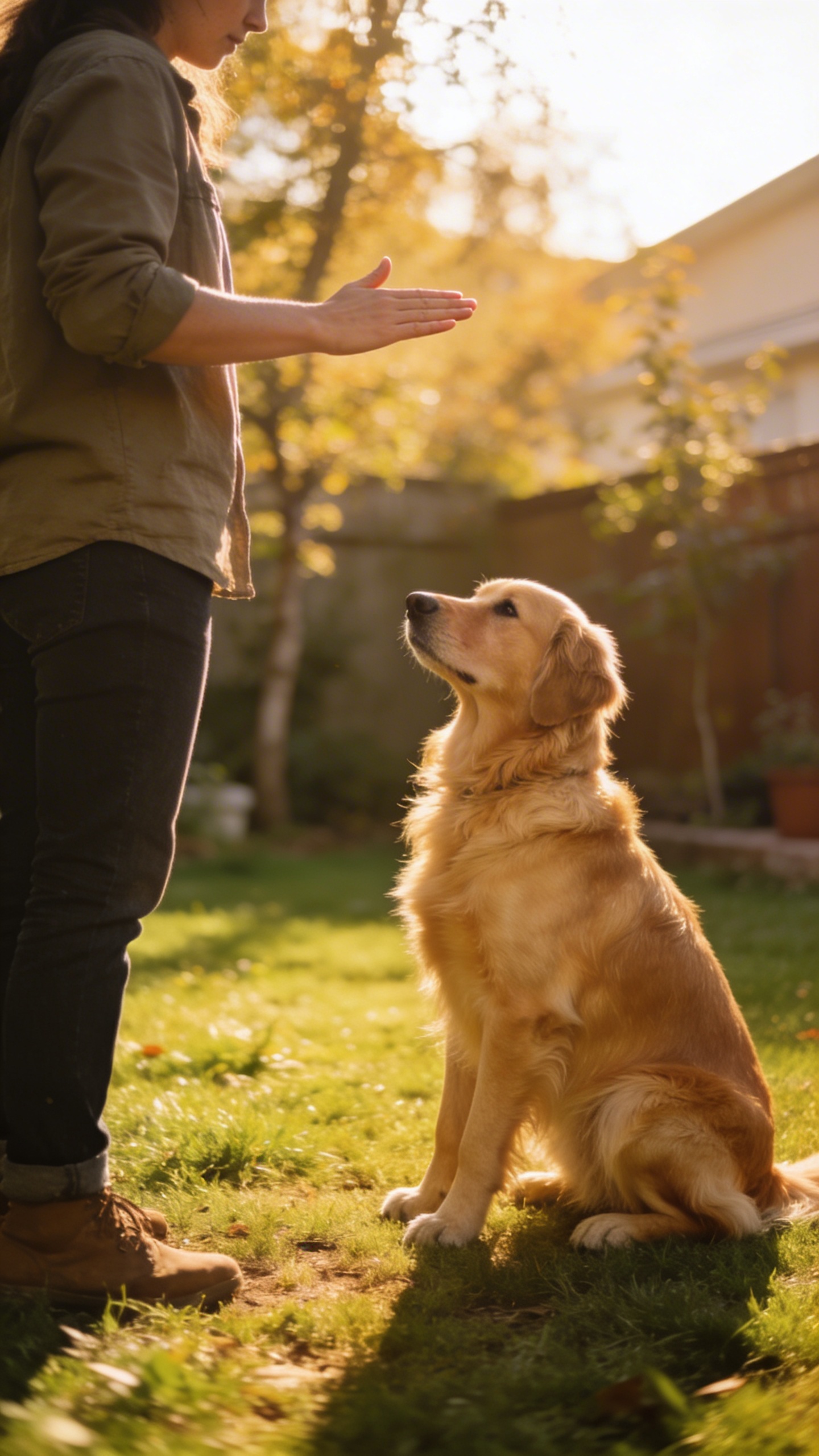
Dogs read body language way faster than they process words. They notice your posture, your hands, your eyebrows—everything. Hand signals give them a clean, reliable cue, even when your voice gets tired or emotions run high. Plus, in loud places or at a distance, visual cues win every time. Bonus: hand signals keep you calmer. No more “SIT! SIT! SIT!” while your dog stares at a squirrel like it’s a Netflix special.
The Golden Rules Before You Start
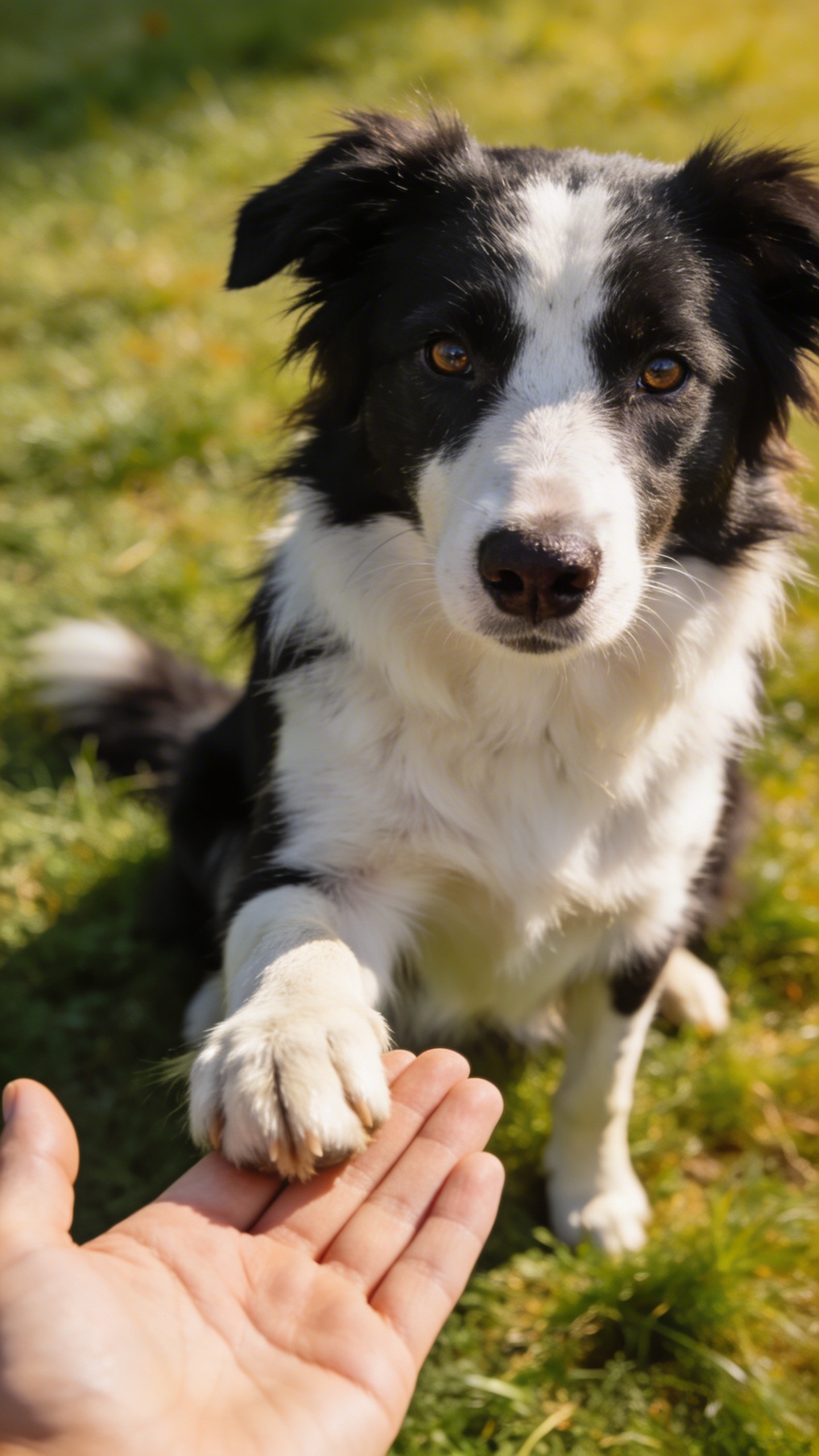
Let’s set you up for fast wins. A few ground rules make the signals stick.
- Be consistent: One signal per behavior. No freestyle jazz hands.
- Pair with rewards: Treats, praise, toys—whatever your dog loves.
- Train short sessions: 3–5 minutes, a few times a day. Quit while you’re ahead.
- Fade the food, keep the praise: Replace treats with life rewards (play, door opens, couch snuggles).
- Practice everywhere: Kitchen first, then yard, then park. Increase distractions slowly.
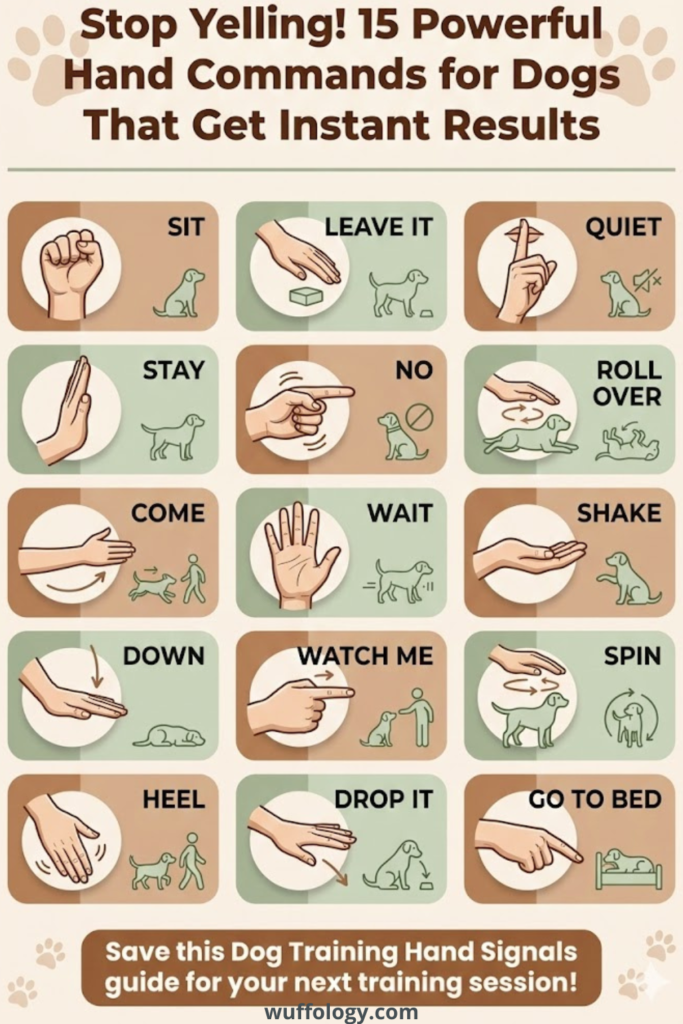
15 Powerful Hand Commands That Actually Work
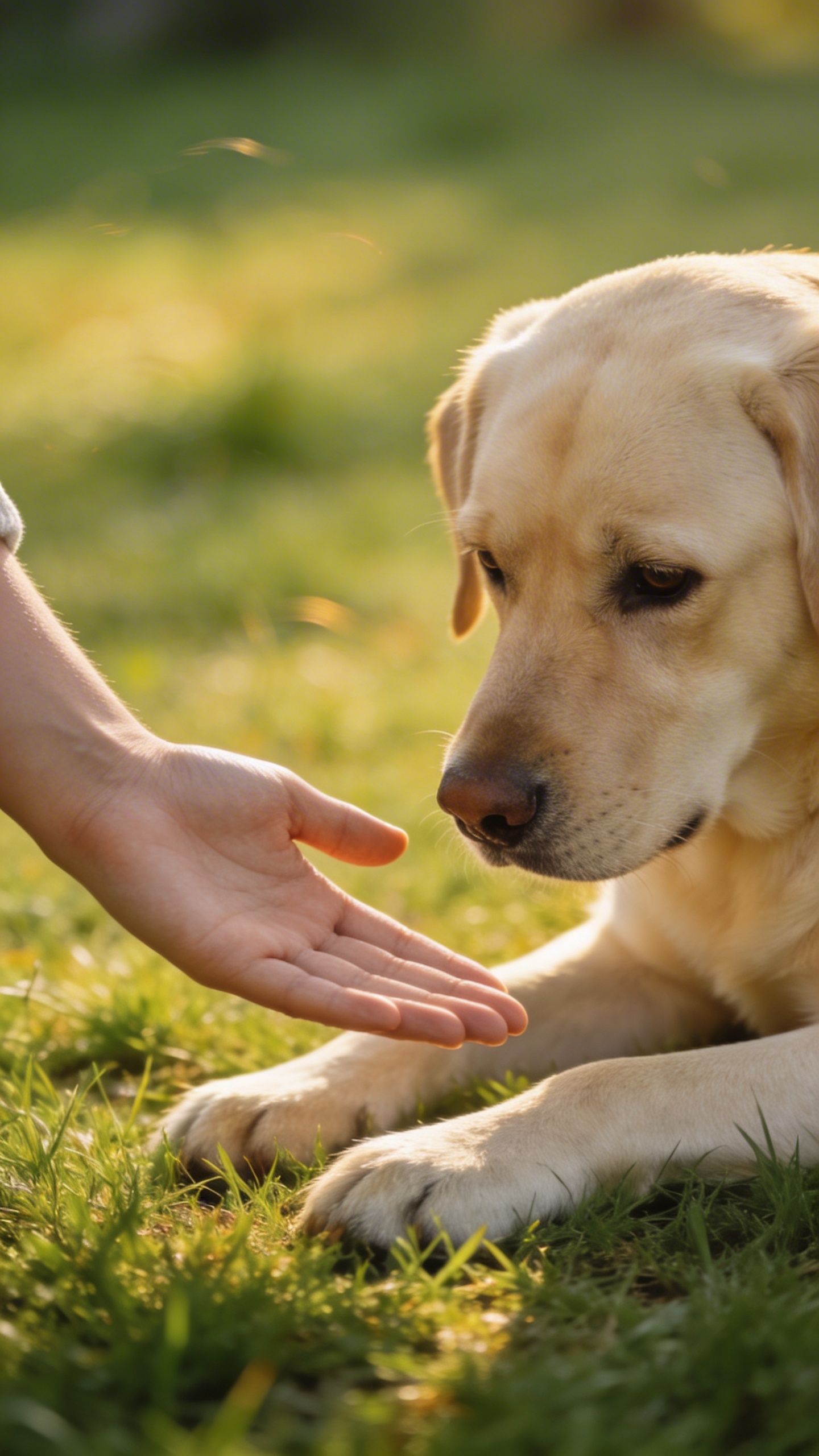
Here are practical, standard-ish signals. You can tweak them, but keep them distinct.
- Sit: Palm up, lift your hand from your waist to chest like you’re zipping up a jacket.
- Down: Palm facing ground, move your hand straight down toward the floor.
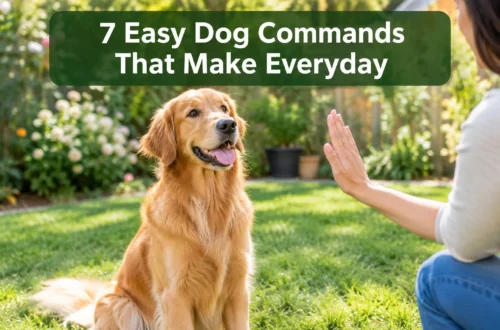
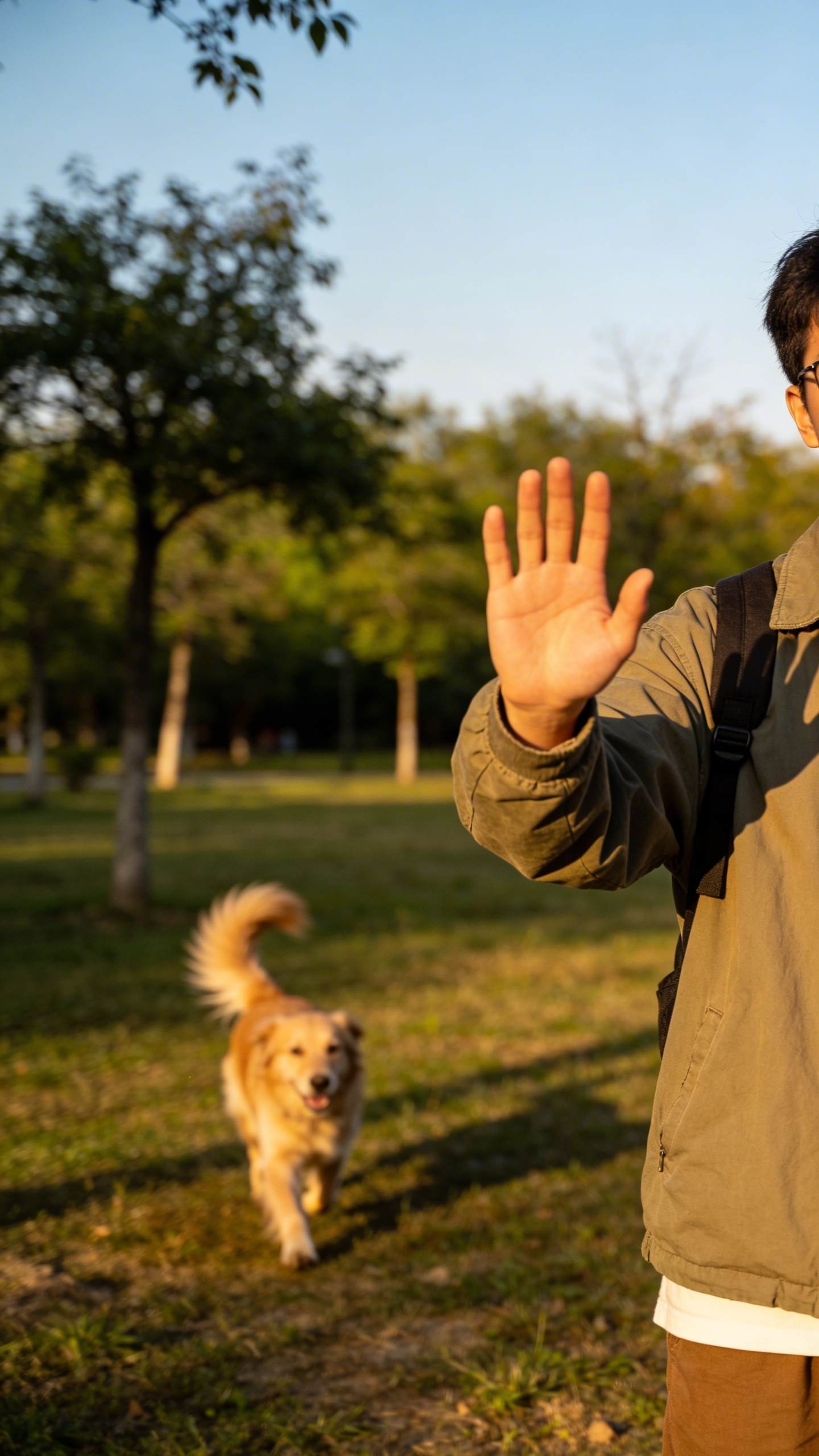
- Stay: Open palm facing the dog like a “stop” sign. Hold steady.
- Come (Recall): Arm extended, then sweep your hand toward your chest. Big and clear.
- Stand: Palm up, gently scoop your hand forward like you’re rolling a ball away.
- Heel: Tap your thigh or draw a small circle at your side. Walk off immediately.
- Wait: One finger up or a small open-palm “pause” at doorways or curbs. Short-duration cousin of Stay.
- Leave It: Closed fist, then flick your wrist away from the object. Body leans back slightly.
- Drop It: Point to the ground, palm down, then open your hand. Trade for a treat at first.
- Place (Bed/Mat): Point to the bed, then draw a line from the dog to the mat. Pay on the mat.
- Quiet: Finger to lips or a flat hand moving downward like “lower the volume.”
- Look (Focus): Point to your eyes with two fingers, then to the dog. Mark eye contact.
- Spin: Draw a small circle in the air. Fun trick, great for engagement.
- Take It: Open palm moving toward the dog’s mouth. Release cue after “wait.”
- Free/Release: Casual arm sweep to the side or a relaxed snap. This tells your dog the command ended.
Pro Tip: Make It Obvious
Big, crisp movements first. Shrink them later once your dog knows the behavior. Subtlety can come after success, not before.
How to Teach a Hand Signal in 4 Easy Steps
Use this template for any command. It’s fast and clean.
- Get the behavior: Lure with a treat or use what your dog already knows (e.g., say “sit”).
- Add the hand signal: Show the signal, then immediately lure or cue the behavior.
- Mark and reward: “Yes!” or a click the instant they do it. Treat follows.
- Fade the lure/voice: Do the hand signal first, delay the verbal cue, then remove it entirely.
Timing Matters
Reward within one second of success. Late treats confuse the behavior. Think “signal → behavior → mark → reward.” Clean loop, no fluff.
Building a Quiet Communication System
Hand signals shine when you stop mumbling mixed messages. Here’s how to keep it zen.
- Decide your vocabulary: Pick 8–10 cues you’ll use daily. More isn’t better if you forget them.
- Use a release word: Without a release signal, your dog guesses when they can move. Chaos ensues.
- Layer for clarity: Combine a soft whisper with the hand signal if needed, but the hand should lead.
- Distance first, then duration, then distraction: Scale one variable at a time. IMO, this rule saves sanity.
Real-Life Scenarios
– Doorbell frenzy? Use Place with a clear point to the mat, then Stay. Reward calm. – Park recall? Big Come sweep, then mega party when they arrive. Be the fun person. – Squirrel emergency? Look + Leave It combo. Pay big for breaking focus.
Common Mistakes (And How to Fix Them, FYI)
We all goof up. Here’s how to avoid training potholes.
- Inconsistent signals: Pick one move and stick to it. Record a 10-second video to check your consistency.
- Talking too much: If you add five words, the dog hears noise. Signal first, then one quiet word if needed.
- Too few rewards early on: Front-load the payment. You can always taper later.
- Jumping to hard environments: Backyard calm ≠ busy street calm. Level up slowly.
- No release cue: Dogs break because they think the job ended. Fix that with a clear Free signal.
Advanced Moves Once You’ve Got the Basics
Ready for style points? These polish your quiet-language game.
- Silent sequences: Chain signals: Look → Heel → Sit → Stay while you greet someone.
- Micro-cues: Shrink big gestures into finger flicks for off-leash finesse. Fancy, but fun.
- Distance cues: Teach Down and Stay from 10–30 feet using a long line, then fade it.
- Emergency stop: A strong, flat-palm “stop” can interrupt a chase. Practice with huge rewards. IMO, this one’s non-negotiable.
FAQ
Do I need to use the “official” hand signals?
Nope. Use what you’ll remember and perform consistently. Just make each signal distinct and easy for your dog to see from different angles and distances.
Can I switch from verbal commands to hand signals?
Yes. Pair your chosen hand signal with the verbal cue your dog already knows. Signal first, then say the word. Over a week or two, drop the word and keep the signal.
What if my dog ignores the hand signal outside?
Your dog didn’t ignore you; the environment outcompeted your payment plan. Increase distance from distractions, use better rewards, and rehearse more reps at that level. Then gradually get closer to the action.
Are hand cues good for senior or deaf dogs?
They’re perfect. Visual communication keeps training accessible and fun. Use bigger, slower gestures and bright environments so your dog can see you clearly.
How do I stop barking without yelling “Quiet” every time?
Teach Quiet as a hand cue. Mark one beat of silence, then reward. Start tiny—one second counts—then grow the duration. Manage triggers too (curtains, distance, enrichment), because training works best when the environment helps.
What treats work best for hand-signal training?
Small, soft, and smelly. Think pea-sized bits of chicken, cheese, or commercial soft treats. Rotate options so your dog doesn’t get bored and your results don’t tank.
Conclusion
You don’t need a louder voice—you need a clearer message. Hand signals cut through noise, emotions, and distance so your dog understands you instantly. Start with five core cues, reward like you mean it, and build from there. Pretty soon, you’ll run your household on silent mode—and your dog will think you’re a mind reader.