Your dog just had a close encounter with a skunk, and now they smell like Satan’s armpit had a baby with a tire fire. It’s 9 PM, you’re in your pajamas, and your house is starting to smell like a biological weapon. Don’t panic—I’ve got your back with remedies you can whip up tonight with stuff you probably already have lying around.
Why Skunk Spray Is So Ridiculously Stubborn
Before we jump into solutions, let’s talk about why this smell is so impossibly difficult to get rid of. Skunk spray contains sulfur-based chemicals called thiols, and these little molecular nightmares are specifically designed by nature to be super oily and stick to everything they touch. Regular dog shampoo? Yeah, that’s not gonna cut it. Water alone actually makes it worse because you’re just spreading the oily spray around. You need something that actually breaks down those sulfur compounds at a chemical level. The smell can linger for weeks if you don’t treat it properly. So let’s make sure you get this right the first time, because nobody wants to do this twice.
The Holy Grail: Hydrogen Peroxide Solution
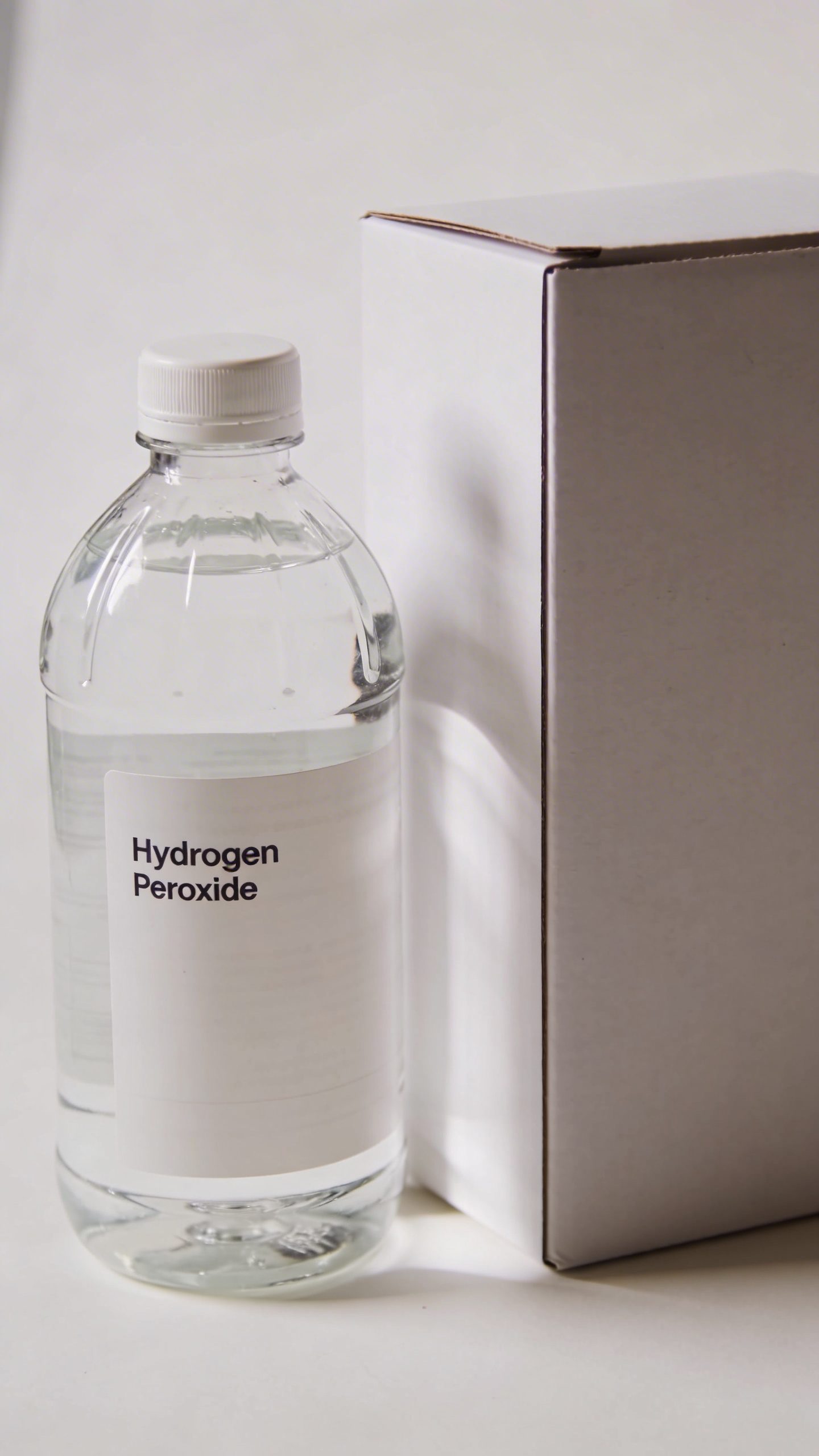
This is the gold standard, folks. The hydrogen peroxide mixture is literally the most effective skunk smell remedy out there, and chemists actually created it specifically for this nightmare scenario.
How to Mix It
Here’s what you need:
- 1 quart (32 oz) of 3% hydrogen peroxide
- 1/4 cup of baking soda
- 1-2 teaspoons of liquid dish soap (Dawn works great)
Mix these ingredients in an open bucket or bowl—never in a closed container because it creates gas and could literally explode. Yeah, chemistry is fun like that.
Application Tips
Put on some rubber gloves (trust me on this) and work the mixture into your dog’s dry fur. Focus especially on the areas that got directly hit—usually the face, neck, and chest. Let it sit for about 5 minutes while the peroxide works its magic breaking down those sulfur compounds. Rinse thoroughly with lukewarm water. One treatment usually does the trick, but you might need to repeat if your dog took a direct blast to the face. FYI, this solution can slightly bleach dark fur, so be aware if you’ve got a black lab.
Baking Soda Paste for Spot Treatment
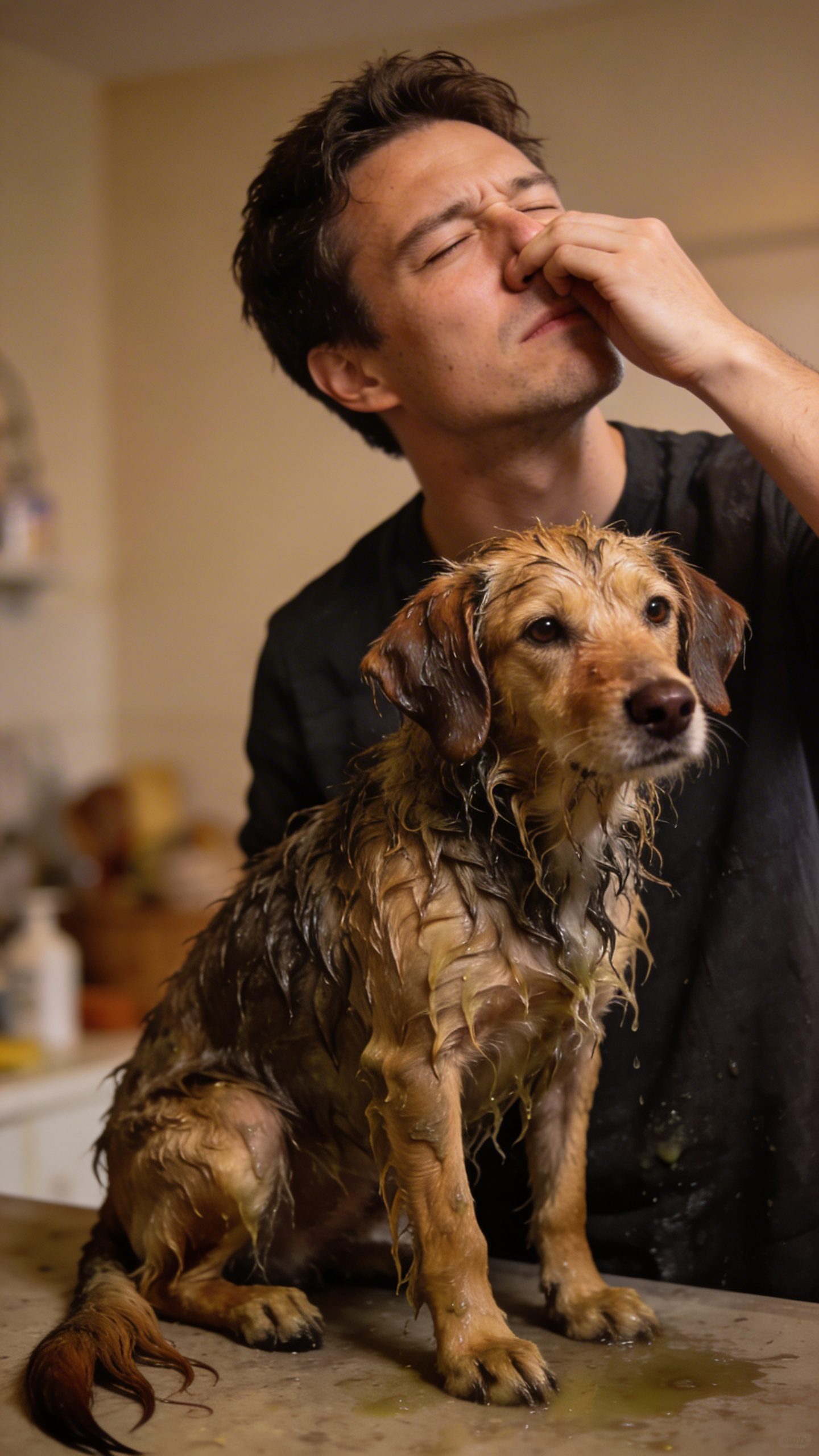
If you’re out of hydrogen peroxide or need a gentler option for sensitive areas (like around the eyes), a baking soda paste works wonders. Mix baking soda with just enough water to create a thick paste. Rub it directly onto the stinkiest spots and let it sit for 10-15 minutes. Baking soda is a natural odor absorber, and while it won’t chemically break down the thiols like hydrogen peroxide does, it’ll definitely help neutralize the smell. This method is especially good for your dog’s face since you can control exactly where it goes and keep it out of their eyes and nose.
Apple Cider Vinegar Bath
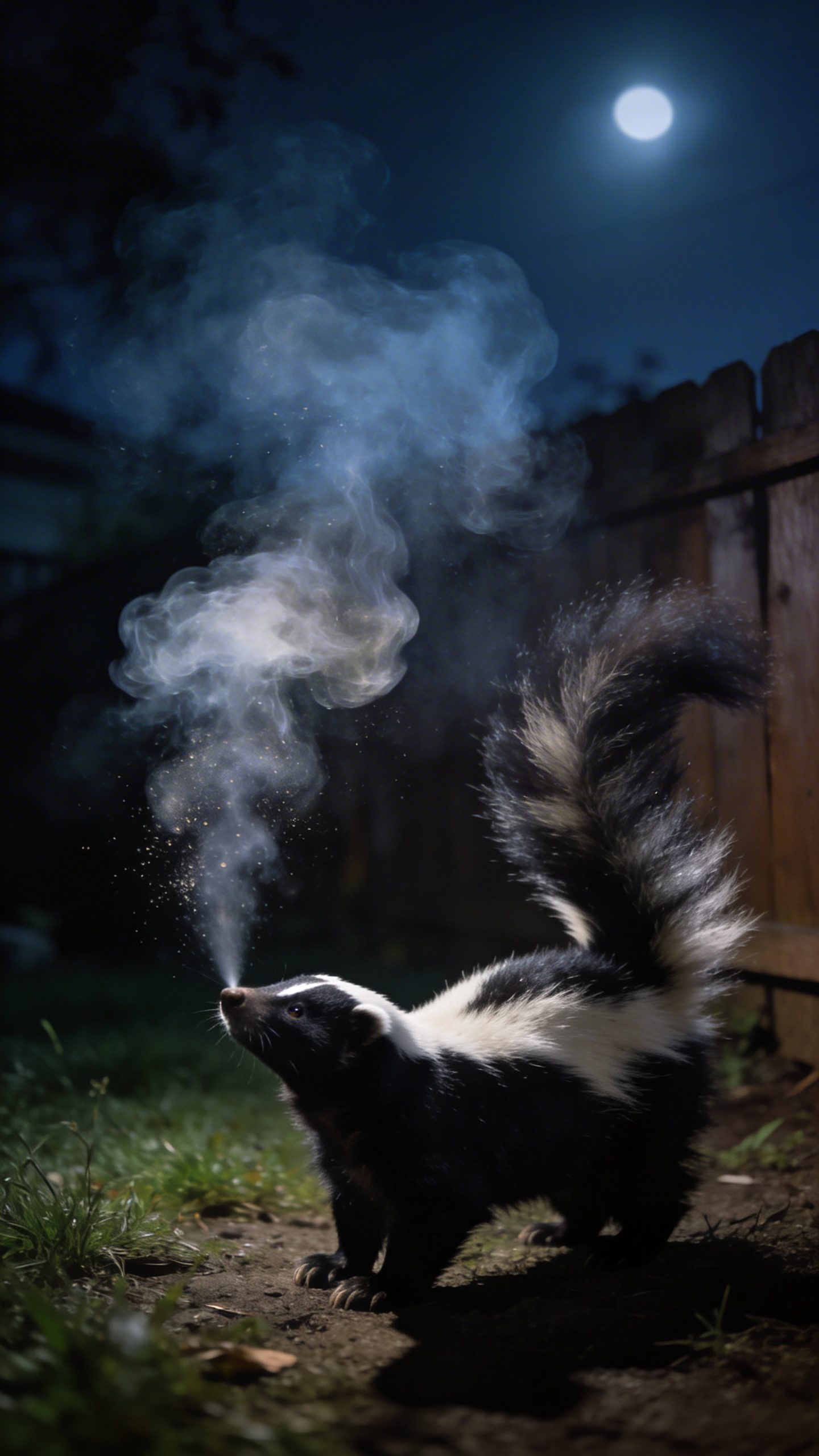
Apple cider vinegar is like the Swiss Army knife of home remedies, and yes, it works on skunk smell too. The acidity helps break down the oily spray compounds. Mix one part apple cider vinegar with three parts water in a bucket. Pour it over your dog (avoiding the eyes), work it through their fur, and let it sit for about 5 minutes before rinsing. The bonus? It’ll also leave your dog’s coat super shiny once they’re finally clean. The downside? Your dog will smell like a salad for a little while, but honestly, that’s a massive upgrade from eau de skunk.
Commercial Skunk Odor Removers
Look, sometimes you just want to throw money at a problem and call it a night. I get it. There are some solid commercial products out there specifically designed for skunk spray. Nature’s Miracle Skunk Odor Remover and Skunk-Off are two popular options that actually work. These products contain enzymes that break down the thiols without you having to play amateur chemist in your bathroom. Keep a bottle in your garage if you live in skunk country. It’s like insurance—you hope you never need it, but you’ll be so glad it’s there when disaster strikes.
The Tomato Juice Myth (And Why You Should Skip It)
Let’s address the elephant in the room—or should I say, the tomato-covered dog in the bathtub? You’ve probably heard that tomato juice removes skunk smell. Here’s the truth: it doesn’t really work. The tomato juice thing is an old wives’ tale that just won’t die. What actually happens is that the strong tomato smell temporarily masks the skunk odor, tricking your nose into thinking the smell is gone. Give it a few hours, and hello, you’re back to skunk town. Plus, now you’ve used like six bottles of tomato juice and your white dog is temporarily pink. Save yourself the trouble and the grocery bill—use one of the methods that actually works.
Prevention Tips for Next Time
Once you’ve survived this ordeal, let’s talk about making sure it never happens again (or at least reducing the odds).
Outdoor Lighting and Deterrents
Skunks are nocturnal and don’t love bright lights. Install motion-activated lights around your yard, especially near areas where your dog hangs out. You can also try motion-activated sprinklers—skunks hate getting wet.
Supervise Night Potty Breaks
I know it’s tempting to just open the door and let Fido do their thing, but nighttime is prime skunk hour. Go outside with your dog, keep them on a leash, and bring a flashlight. If you spot a skunk, you can get your dog away before things get ugly.
Remove Skunk Attractions
Skunks come around looking for food. Secure your garbage cans, don’t leave pet food outside, and clean up any fallen fruit from trees. Make your yard as boring as possible to skunks.
FAQ
How long does skunk smell last on a dog if untreated?
Without treatment, skunk smell can last anywhere from two weeks to a month, depending on how direct the hit was. The smell will fade gradually, but it’ll intensify again when your dog gets wet—like some kind of cruel prank that keeps on giving. That’s why treating it immediately is so important.
Can I use regular dog shampoo after the hydrogen peroxide treatment?
Absolutely! In fact, you should. After you’ve done the hydrogen peroxide treatment and rinsed it out completely, follow up with your regular dog shampoo to condition their fur and add a pleasant scent. Just make sure all the peroxide mixture is rinsed out first.
Is it safe to use hydrogen peroxide on my dog?
Yes, when used as directed for skunk smell removal. The 3% hydrogen peroxide you buy at the drugstore is safe for external use on dogs. Just avoid getting it in their eyes, ears, and nose. Also, don’t store the mixture—use it immediately and discard any leftovers because it loses effectiveness quickly.
What if the skunk sprayed my dog directly in the face?
This is trickier because you need to be super careful around their eyes, nose, and mouth. Use a damp cloth with a very mild solution to gently wipe their face, or stick with the baking soda paste method where you have more control. If their eyes are red or irritated, contact your vet—skunk spray can cause temporary eye irritation.
Will the skunk smell transfer to my house and furniture?
Oh yeah, it definitely will if you’re not careful. Don’t let your dog inside until you’ve treated them. If they’ve already been in the house, open windows, run fans, and wash any fabrics they touched. You might need to use an enzymatic cleaner on furniture and carpets. IMO, the best strategy is treating them outside immediately.
Can I mix up the hydrogen peroxide solution ahead of time?
Nope, never do this. The mixture creates oxygen gas and will build up pressure in any closed container—it could actually explode. Plus, it loses its effectiveness within hours of mixing. Always mix it fresh right before you need it.
Final Thoughts
Getting skunked is one of those pet owner rites of passage that absolutely nobody wants to experience. But now you’re armed with actual solutions that work, not just old myths about bathing your dog in tomato juice. The hydrogen peroxide solution is your best bet for completely eliminating the odor fast. Act quickly, be thorough, and maybe invest in some outdoor lighting to prevent round two. Your nose (and your neighbors) will thank you.