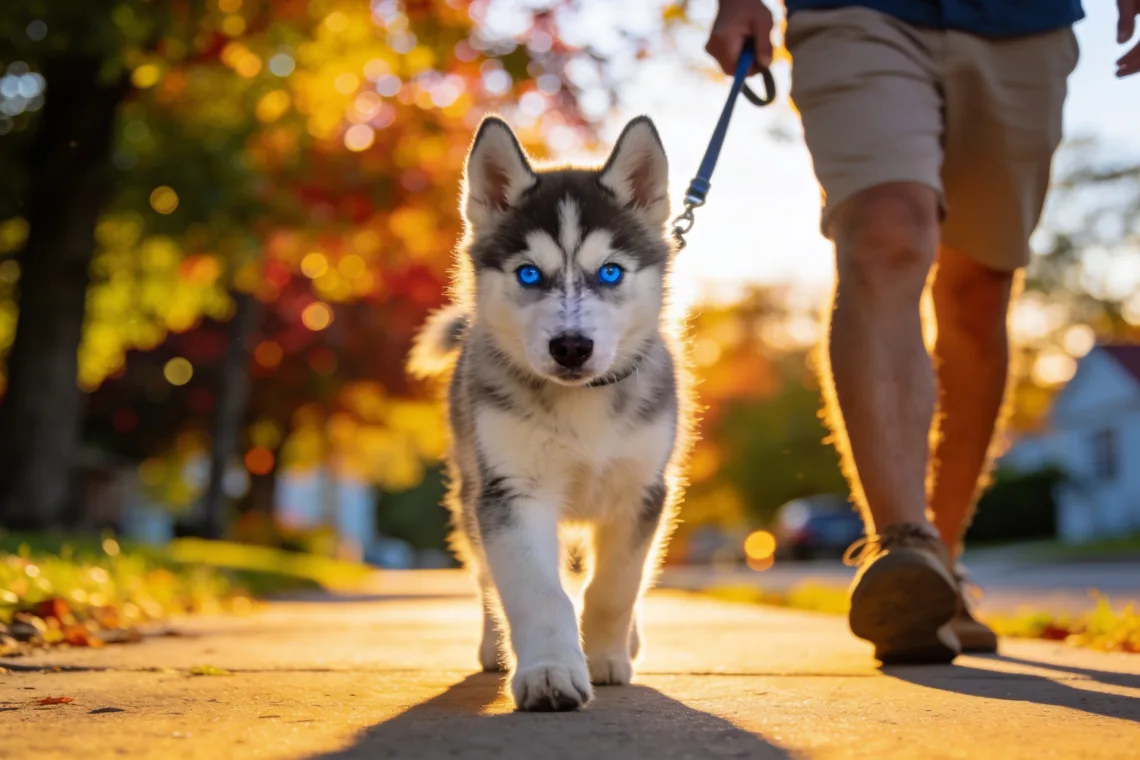
Your Siberian Husky puppy is adorable with those piercing blue eyes and fluffy coat, but the moment you clip on that leash, you’re basically holding onto a furry rocket ship with zero concept of walking etiquette. Those daily walks that should be peaceful strolls through the neighborhood have turned into arm-wrenching disasters where your husky pulls you around like you’re training for the Iditarod. Don’t worry—you’re not alone in this struggle, and I’ve got 12 practical training tips that’ll transform your little sled dog into a civilized walking companion faster than you think.
Understanding Why Your Husky Puppy Pulls Like They’re Late for Everything
Before we dive into the training tips, let’s talk about what’s actually happening in that fluffy head of theirs. Siberian Huskies were literally bred to pull sleds across frozen tundra for miles and miles. So when your puppy yanks you down the sidewalk, they’re not being bad—they’re just doing what thousands of years of genetics are screaming at them to do.
Your husky puppy also has approximately ten times more energy than most other dog breeds. They’re built for endurance, not for casually sniffing hydrants at a leisurely pace. Add puppy excitement to those working dog instincts, and you’ve got yourself a perfect storm of pulling behavior.
The good news? Their intelligence works in your favor once you tap into the right training methods. Huskies are smart cookies who thrive on structure and consistency. You just need to speak their language.
Tip 1: Start Leash Training Before You Even Leave the House
Here’s where most people mess up—they wait until they’re outside to start teaching leash manners. Big mistake. Your husky puppy should get comfortable with their leash and collar indoors first, where distractions are minimal and you’re in complete control.
Let your puppy wear their collar for short periods while playing inside. Once they ignore it completely, attach the leash and let them drag it around under supervision. This normalizes the sensation before adding the complexity of actually going somewhere.
Practice basic walking inside your home. When your puppy walks beside you without pulling, drop treats right next to your leg. You’re creating a positive association with staying close to you rather than charging ahead. Do this for 5-10 minutes daily for a week before attempting outdoor walks.
Tip 2: Invest in the Right Equipment (Your Shoulders Will Thank You)
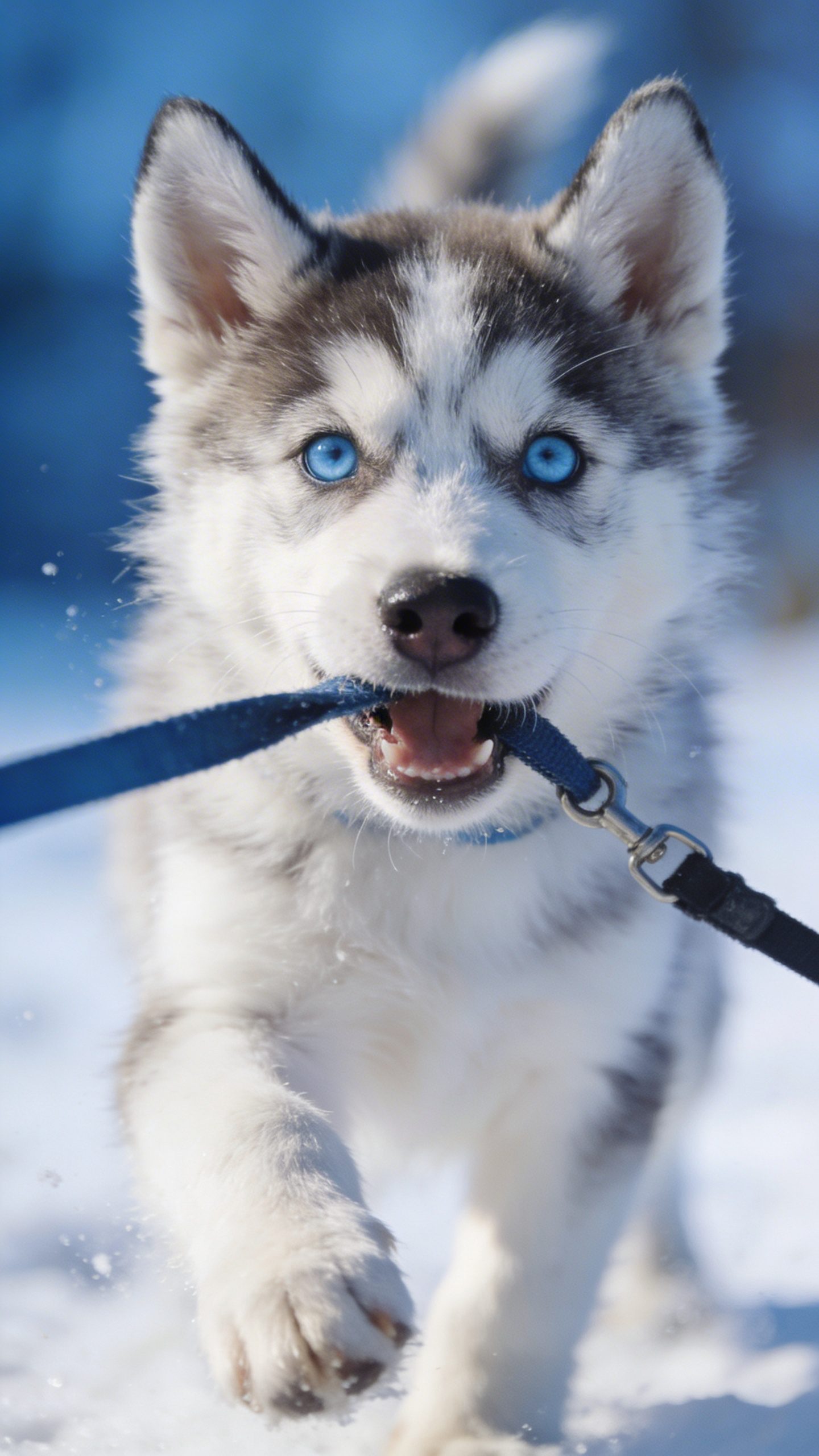
Not all leashes and harnesses are created equal, and trust me, the wrong gear will make training a hundred times harder. Skip the retractable leashes entirely—they actually teach your husky that pulling is rewarded with more freedom to roam.
Get yourself a front-clip harness designed for pullers. When your husky lunges forward, the front attachment naturally turns them back toward you instead of letting them drag you along. It’s physics working in your favor instead of against you.
Pair that harness with a standard 6-foot leash that gives you enough control without being restrictive. Some trainers swear by waist leashes for hands-free walking, but save that for after your husky masters the basics. You need maximum control during these early training weeks.
Tip 3: Make Yourself More Interesting Than Everything Else
Your biggest competition isn’t just other dogs or squirrels—it’s literally everything your husky sees, smells, and hears. You need to become the most exciting thing on the walk, which sounds ridiculous but actually works.
Bring high-value treats that your puppy goes absolutely bonkers for. We’re talking small pieces of chicken, cheese, or those freeze-dried liver treats that smell terrible but dogs love. Regular kibble won’t cut it when competing with a bird flying overhead.
The “Check-In” Game
Every time your puppy looks at you during a walk, immediately reward them with praise and a treat. You’re teaching them that paying attention to you pays off big time. Start rewarding every single glance, then gradually increase the criteria to longer periods of eye contact.
Make weird noises, change directions suddenly, or do little jogs to keep your husky guessing. If they think you’re unpredictable and fun, they’ll naturally want to keep tabs on you instead of pulling ahead.
Tip 4: The “Tree Method” for Instant Pulling Correction
This one’s simple but requires serious patience. The moment your husky pulls and the leash goes tight, you stop walking completely. Like a tree, you don’t move an inch forward. You don’t yank back, you don’t say anything—you just become an immovable object.
Wait for your puppy to release the tension, even slightly. The second that leash goes slack, praise them and continue walking. FYI, the first few walks using this method will be painfully slow. You might only make it down the block in 20 minutes. That’s totally normal.
Consistency is everything here. If you stop for pulling 90% of the time but let them drag you the other 10%, you’ve just taught them that persistence pays off. Every single time that leash tightens, you stop. No exceptions.
Tip 5: Exercise Before Training Walks
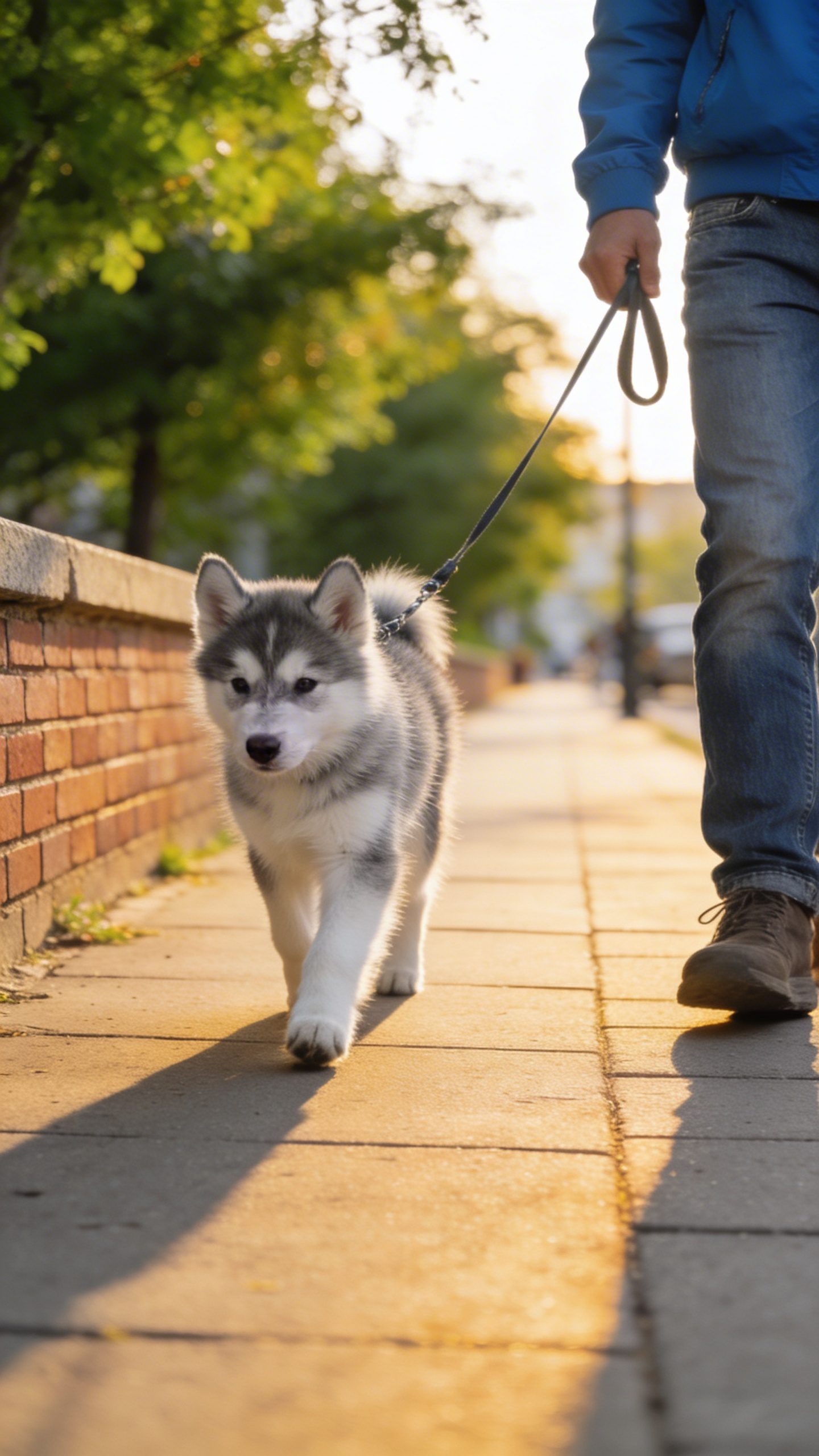
Here’s a secret that’ll save your sanity: a tired husky is a trainable husky. Before attempting your structured training walk, burn off some of that insane energy with play sessions in your yard or living room.
Play fetch, tug-of-war, or practice commands they already know for 15-20 minutes. You’re not trying to exhaust them completely—just take the edge off that boundless husky energy. Think of it like letting a shaken soda can fizz out a bit before opening.
When your puppy’s had a chance to release some excitement, their brain actually has capacity to focus on learning. Otherwise, you’re fighting against pure puppy adrenaline, and nobody wins that battle.
Tip 6: Master the Art of Direction Changes
Your husky thinks they’re the lead dog? Time to prove them wrong. When your puppy starts pulling in one direction, immediately turn and walk the opposite way. Do this randomly throughout your walk, even when they’re not pulling.
This teaches your husky that you decide where the pack goes, not them. They’ll quickly learn to pay attention to your movements instead of assuming they’re in charge of navigation.
Call your puppy’s name cheerfully before changing direction so they have a chance to respond. When they follow your turn, reward them with treats and praise. You’re making it fun to follow your lead rather than forge their own path.
Tip 7: Schedule Short, Frequent Training Sessions
Nobody—especially not a hyperactive husky puppy—can maintain perfect behavior for an hour-long walk. Keep your training walks short and sweet, maybe 10-15 minutes max. You want to end on a positive note while your puppy’s still engaged and successful.
Do three or four of these mini-sessions throughout the day if possible. Five 10-minute training walks teach way more than one exhausting 50-minute battle. Plus, your arms and patience will last longer.
As your puppy improves, gradually increase the duration. But if you notice they’re regressing and pulling more, you’ve probably extended the session too long. Scale back and build up again slowly.
Tip 8: Create a “Start” and “Finish” Ritual
Huskies love routine, so establish clear signals that training time is beginning and ending. Before you head out, have your puppy sit calmly while you attach the leash. Don’t open the door until they’re settled—no jumping, barking, or spinning in circles.
This calm-before-the-walk ritual sets the tone for the entire outing. If you let them explode out the door in a frenzy, you’re starting from a place of chaos. Calm door exits lead to calmer walks.
When you return home, ask for a sit again before removing the leash and releasing them. Bookending the walk with these calm behaviors reinforces that self-control is part of the walking package, not optional.
Tip 9: Use Environmental Rewards
Here’s where you get sneaky. Your husky wants to sniff that interesting bush? Perfect—that’s your reward for walking nicely. They want to greet another dog? Cool, but they have to walk politely on a loose leash to earn that privilege.
The Permission Protocol
Choose a release word like “okay” or “go sniff” that signals they’ve earned free time to explore. Walk past interesting spots with your puppy in a proper heel position, then give your release word and let them investigate for 30 seconds. They’ll quickly learn that good leash manners = access to all the fun stuff.
This works particularly well with husky puppies because you’re not fighting their natural instincts—you’re just putting those instincts on a reward schedule they control through their behavior.
Tip 10: Practice the “Find It” Game
Toss treats a few feet ahead of you while walking and say “find it!” Your puppy rushes forward to grab the treat, then naturally returns to your side hoping for another toss. This creates a pattern where moving ahead and coming back to you becomes a fun game rather than a pulling contest.
The beauty of this technique is that you’re rewarding forward movement in a controlled way. Your husky gets to satisfy that urge to motor forward, but they’re doing it on your terms and returning to position afterward.
IMO, this works especially well for high-drive huskies who go absolutely nuts on leash. You’re giving them an outlet for that energy within the structure of your training session.
Tip 11: Don’t Skip Socialization During Training
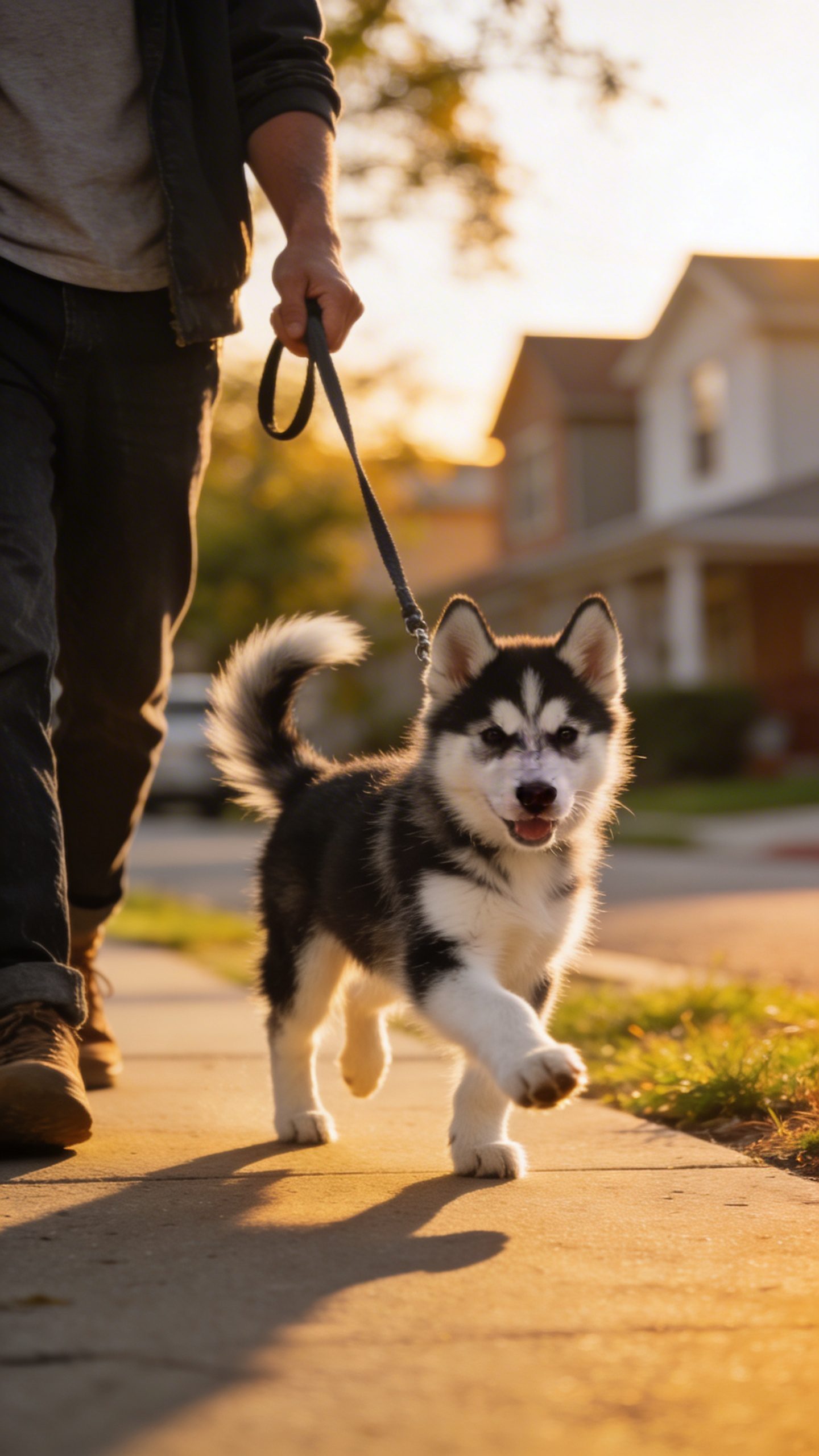
Some people think you need to avoid all distractions while teaching leash manners. Wrong. Your husky needs to learn walking skills in the real world with real distractions, not just in your quiet backyard.
Start in low-distraction environments and gradually increase difficulty. Quiet residential streets before busy parks. One calm dog from a distance before chaotic dog parks. Build up their ability to focus on you even when exciting things are happening.
If your puppy completely loses it around certain triggers, you’re working too close to that distraction. Increase distance until they can focus, reward heavily for calm behavior, then gradually decrease distance over multiple sessions.
Tip 12: Celebrate Small Wins and Stay Patient
Training a Siberian Husky puppy to walk nicely won’t happen overnight, no matter what those clickbait articles promise. You’re fighting against powerful instincts that took thousands of years to develop. Give yourself and your puppy some grace.
Did your husky walk nicely for 30 seconds before pulling? That’s progress! Did they check in with you twice during a walk when they used to ignore you completely? Celebrate it! These small victories stack up faster than you realize.
Keep a training journal if you’re feeling frustrated. Write down one thing that went better than last week. When you look back after a month, you’ll be amazed at how far you’ve actually come, even when daily progress feels invisible.
Frequently Asked Questions
How long does it typically take to train a Siberian Husky puppy to walk without pulling?
Most husky puppies show noticeable improvement within 2-4 weeks of consistent training, but “perfect” leash manners might take 2-3 months. Remember, you’re working against breed instincts here, so patience is key. Some huskies click faster than others depending on their individual temperament and how consistent you are with training. The puppies who train fastest usually have owners who never skip training sessions and maintain rigid consistency with their methods.
Can I use a prong collar or choke chain on my husky puppy?
I’d strongly recommend against it. These aversive tools can damage a puppy’s developing trachea and create negative associations with walks altogether. Front-clip harnesses and positive reinforcement training work just as effectively without the physical risks or potential behavioral fallout. Huskies respond much better to reward-based training than punishment anyway—they’re independent thinkers who’ll just get stubborn if you try forcing them into compliance.
My husky puppy is perfect on walks in the morning but pulls like crazy in the evening. Why?
Your puppy probably has pent-up energy by evening if they’ve been hanging around the house all day. Morning walks happen after a full night’s rest when they’re naturally calmer. Try adding a vigorous play session before your evening walk to burn off excess energy, or break evening walks into two shorter sessions. You might also notice your husky is more distracted in evenings when more people, dogs, and activities are happening in your neighborhood.
Should I let my husky puppy stop and sniff during training walks?
Absolutely, but make it a reward for good behavior rather than something they get constantly. Use sniff breaks as environmental rewards for maintaining a loose leash. Let them explore for 20-30 seconds, then call them back to heel position and continue walking. Sniffing is mentally stimulating for dogs and shouldn’t be eliminated—just structured so your puppy learns they access it through polite walking, not pulling.
What if my husky puppy starts biting the leash during walks?
Leash biting usually signals either overstimulation, frustration, or that you’ve turned the walk into a game of tug-of-war. Stop walking immediately when they grab the leash—don’t pull it away, which creates that tug game. Wait for them to release it, then reward calm behavior and continue. Some trainers recommend carrying a small tug toy to redirect the biting behavior onto an appropriate object. If it persists, you’re probably walking too long or in too stimulating an environment for your puppy’s current skill level.
Do I need to hire a professional trainer for my husky puppy?
Not necessarily, but it can definitely speed up the process. If you’re following these tips consistently for 4-6 weeks without seeing any improvement, or if your puppy shows aggression or extreme fear on walks, a professional can identify issues you’re missing. Group puppy classes are also fantastic for socialization while learning leash skills. That said, most people can successfully train loose-leash walking on their own with patience and consistency—professional help just gives you personalized feedback and accountability.
Conclusion: Your Stress-Free Walks Are Closer Than You Think
Training your Siberian Husky puppy to walk politely on a leash isn’t some impossible dream reserved for professional dog trainers. It’s totally achievable with the right approach, consistent effort, and realistic expectations about your breed’s natural tendencies.
Remember, you’re not trying to suppress your husky’s amazing energy and drive—you’re just channeling it into behaviors that don’t dislocate your shoulder. Those pulling instincts served an important purpose for their ancestors, and with patient training, you can redirect that power into a pleasant walking partnership.
Start with these 12 tips today, commit to daily practice sessions, and give yourself permission to have imperfect walks while you’re both learning. Before you know it, you’ll actually enjoy those daily walks instead of dreading them, and your gorgeous husky will be the well-mannered companion you always imagined. Now grab that leash and get started—those stress-free walks are waiting for you!