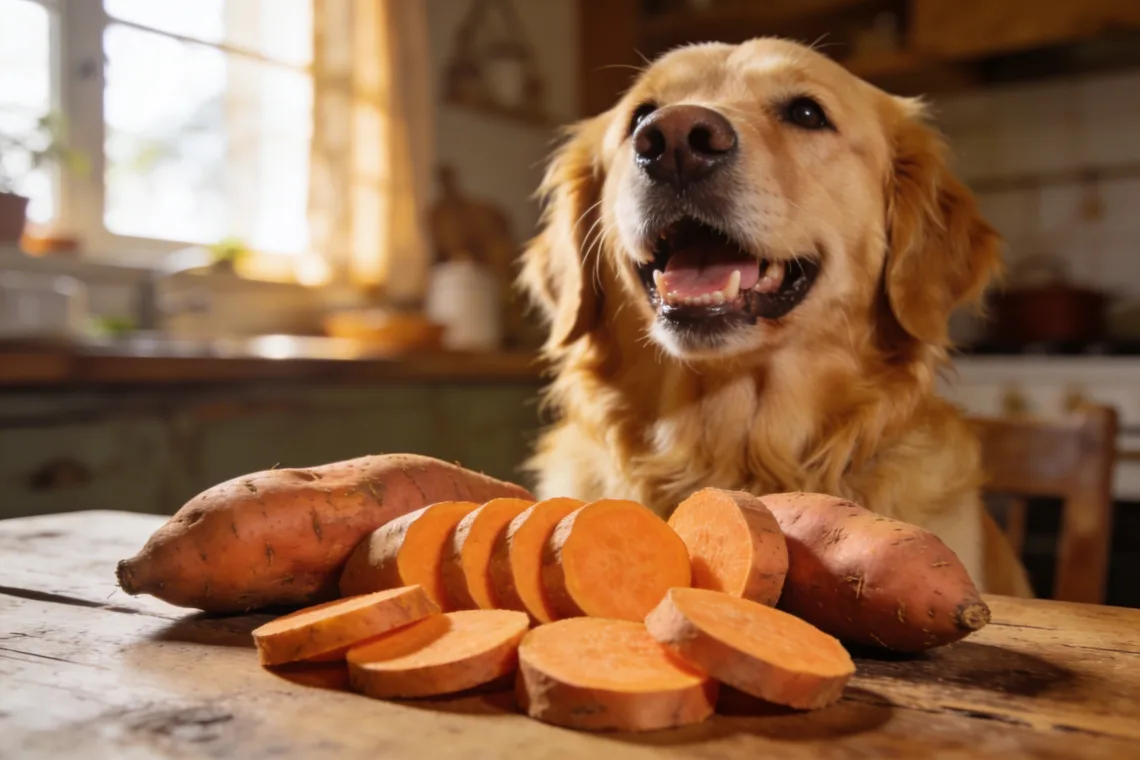
You’re standing in your kitchen, prepping sweet potatoes for dinner, and your furry friend is giving you those irresistible puppy eyes. Before you toss them a chunk, you’re probably wondering if these orange spuds are safe for dogs. Good news: not only can dogs eat sweet potatoes, but these nutrient-packed veggies might just become your pup’s new favorite superfood.
Why Sweet Potatoes Are a Canine Superfood

Sweet potatoes aren’t just a Thanksgiving side dish anymore. These versatile root vegetables pack a serious nutritional punch that benefits both humans and our four-legged companions. Unlike regular potatoes, sweet potatoes offer a unique blend of vitamins, minerals, and fiber that can actually improve your dog’s health.
Here’s the thing: dogs have evolved alongside humans for thousands of years, and their digestive systems can handle way more than just meat. Sweet potatoes provide complex carbohydrates that give dogs sustained energy without the crash that comes from simple sugars or processed treats.
The best part? Most dogs absolutely love the naturally sweet taste. You won’t need to wrestle your pup to get them to eat their veggies this time.
7 Science-Backed Benefits of Sweet Potatoes for Dogs
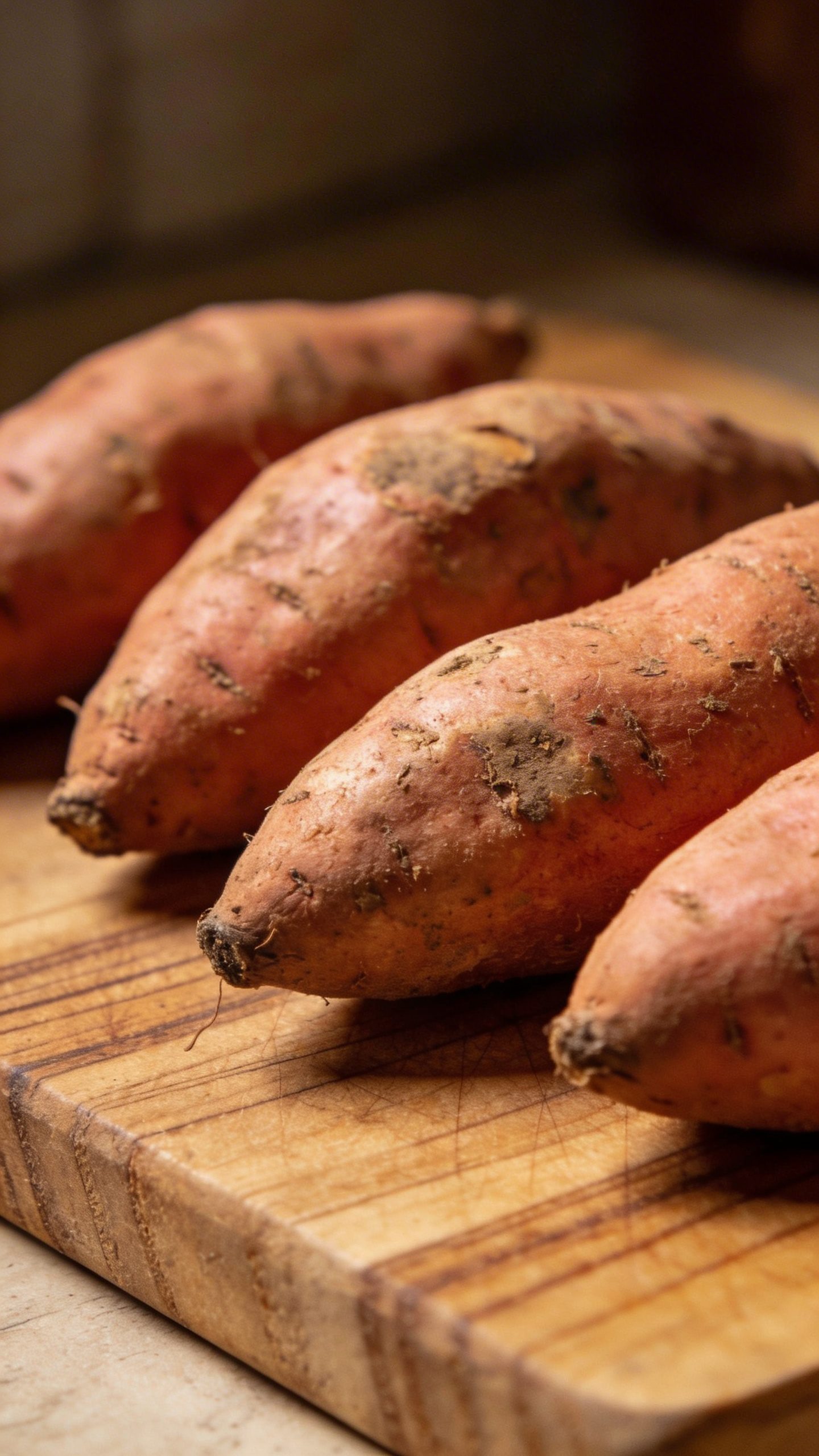
1. Digestive Health That Actually Works
Sweet potatoes are loaded with dietary fiber, which keeps your dog’s digestive system running smoothly. If your pup struggles with inconsistent bathroom habits, adding sweet potato to their diet might be the simple solution you’ve been searching for.
The soluble fiber in sweet potatoes absorbs water and slows down digestion, helping with diarrhea. Meanwhile, the insoluble fiber adds bulk to stool and prevents constipation. It’s like having a natural digestive regulator that doesn’t come in a pill bottle.
2. Vision Support (Yes, Really)
Remember when your mom told you carrots were good for your eyes? Same concept applies here. Sweet potatoes contain beta-carotene, which the body converts to vitamin A. This vitamin is crucial for maintaining healthy eyes, especially as your dog ages.
Vitamin A deficiency can lead to night blindness and other vision problems in dogs. A little sweet potato goes a long way in preventing these issues.
3. Immune System Boost
Between vitamins A, C, and E, sweet potatoes transform into little immune-boosting powerhouses. These antioxidants help fight off free radicals that can damage your dog’s cells and lead to various health issues.
Think of antioxidants as your dog’s personal bodyguards, protecting them from illness and keeping their immune system in fighting shape. Who knew something so simple could be so effective?
4. Heart Health Benefits
Sweet potatoes contain potassium, which helps regulate blood pressure and supports heart function. They’re also low in fat and cholesterol-free, making them heart-friendly additions to your dog’s diet.
The fiber content also plays a role here, helping to maintain healthy cholesterol levels. Your dog’s cardiovascular system will thank you.
5. Energy Without the Jitters
The complex carbohydrates in sweet potatoes provide sustained energy for active dogs. Unlike the quick spike and crash from simple carbs, sweet potatoes release energy slowly throughout the day.
This makes them perfect for athletic dogs, working breeds, or any pup who loves their daily zoomies. They’ll have the fuel they need without becoming hyperactive nightmares.
6. Anti-Inflammatory Properties
Senior dogs or pups with joint issues can benefit from the anti-inflammatory compounds found in sweet potatoes. These natural compounds may help reduce inflammation and associated discomfort.
While sweet potatoes aren’t a replacement for veterinary care, they can complement a comprehensive approach to managing inflammation-related conditions.
7. Weight Management Made Easier
Despite their sweet taste, sweet potatoes have a relatively low glycemic index and are quite filling thanks to their fiber content. This means your dog feels satisfied without consuming excessive calories.
For chunky pups who need to slim down, sweet potatoes can replace higher-calorie treats while still making your dog feel like they’re getting something special. Win-win.
How to Safely Prepare Sweet Potatoes for Your Dog

Before you start serving sweet potatoes like it’s a doggy buffet, let’s talk preparation. Raw sweet potatoes are tough on your dog’s digestive system and can be a choking hazard. Always cook them first.
Best Cooking Methods
You’ve got several options when it comes to preparing sweet potatoes:
- Boiling: Simple and effective, boiling softens sweet potatoes without adding calories
- Baking: Brings out natural sweetness and creates a soft texture dogs love
- Steaming: Preserves the most nutrients while making them easily digestible
- Dehydrating: Creates chewy treats perfect for training rewards
Skip the butter, brown sugar, marshmallows, and other human additions. Your dog doesn’t need (or want) all that extra stuff. Plain cooked sweet potato is perfect as-is.
Portion Control Matters
Don’t go overboard here. Sweet potatoes should make up no more than 10% of your dog’s daily caloric intake. For a medium-sized dog, that’s roughly 1-2 tablespoons of cooked sweet potato per day.
Start with smaller amounts and watch how your dog reacts. Some pups have more sensitive stomachs than others, and too much fiber too fast can cause digestive upset.
Common Mistakes to Avoid

Let’s talk about what NOT to do, because even good intentions can backfire.
First up: never feed your dog sweet potato casserole from your holiday table. Those dishes typically contain ingredients like nutmeg, which is toxic to dogs, plus loads of sugar and butter that’ll upset their stomach.
Avoid sweet potato fries or chips. The added oils, salt, and seasonings aren’t dog-friendly, and the high fat content can trigger pancreatitis in susceptible dogs.
Don’t confuse sweet potatoes with yams. While they’re similar, true yams are less nutritious and harder to digest. Stick with actual sweet potatoes (the orange ones you find at most grocery stores).
Creative Ways to Add Sweet Potatoes to Your Dog’s Diet
Variety is the spice of life, right? Here are some fun ways to incorporate sweet potatoes into your pup’s meals:
Mix mashed sweet potato into their regular food for added nutrition and flavor. This works especially well for picky eaters who need some encouragement.
Freeze sweet potato cubes in ice cube trays for refreshing summer treats. Your dog will appreciate the cooling snack on hot days.
Create homemade dog treats by combining mashed sweet potato with oat flour and a bit of peanut butter (xylitol-free, obviously). Roll, cut, and bake for healthy snacks.
Use dehydrated sweet potato chips as training rewards. They’re lightweight, easy to break into small pieces, and most dogs find them irresistible.
Frequently Asked Questions
Can puppies eat sweet potatoes?
Absolutely! Puppies can enjoy sweet potatoes once they’ve transitioned to solid food. Start with very small amounts and make sure the sweet potato is thoroughly cooked and mashed. Their developing digestive systems need gentler introduction to new foods. Always check with your vet if you’re introducing new foods to young puppies.
Are sweet potato dog treats from the store safe?
Most commercial sweet potato dog treats are safe, but read the ingredients carefully. Look for products with minimal additives and avoid those with artificial preservatives, colors, or flavors. FYI, making your own is cheaper and gives you total control over what your dog consumes. Many store-bought versions contain added ingredients your dog simply doesn’t need.
Can sweet potatoes cause diarrhea in dogs?
Ironically, sweet potatoes usually help with diarrhea rather than cause it. However, if you introduce them too quickly or feed too much at once, the high fiber content can lead to loose stools. Start small and gradually increase portions to let your dog’s system adjust. If diarrhea persists, contact your vet.
Can dogs eat sweet potato skins?
Sweet potato skins are technically safe for dogs, but they’re tougher to digest and may contain more pesticide residue. If you want to include the skin, wash the sweet potato thoroughly and cook it well to soften the skin. Personally? I’d just skip the skin to avoid any potential issues.
Are white sweet potatoes okay for dogs?
Yes, white sweet potatoes (also called Hannah sweet potatoes) are safe for dogs. They contain similar nutrients to orange varieties, though they have slightly less beta-carotene. They’re still a healthy option and some dogs prefer the less sweet flavor.
Can diabetic dogs eat sweet potatoes?
This one requires caution. While sweet potatoes have a lower glycemic index than regular potatoes, they still contain carbohydrates that affect blood sugar. If your dog has diabetes, consult your veterinarian before adding sweet potatoes to their diet. They might be fine in very small amounts, but your vet needs to weigh in on this decision.
Conclusion
Sweet potatoes offer an impressive array of health benefits for dogs, from better digestion to improved vision and immune function. They’re easy to prepare, budget-friendly, and most dogs genuinely enjoy eating them. Whether you’re looking to add variety to your pup’s diet, create healthier homemade treats, or simply share a nutritious snack, sweet potatoes fit the bill perfectly.
Just remember to keep portions reasonable, skip the fancy seasonings, and always cook them thoroughly. Your dog’s tail wags will tell you everything you need to know about whether you made the right choice. IMO, few foods combine nutrition, affordability, and canine appeal quite like sweet potatoes. Give them a try—your furry friend might just discover their new favorite food.