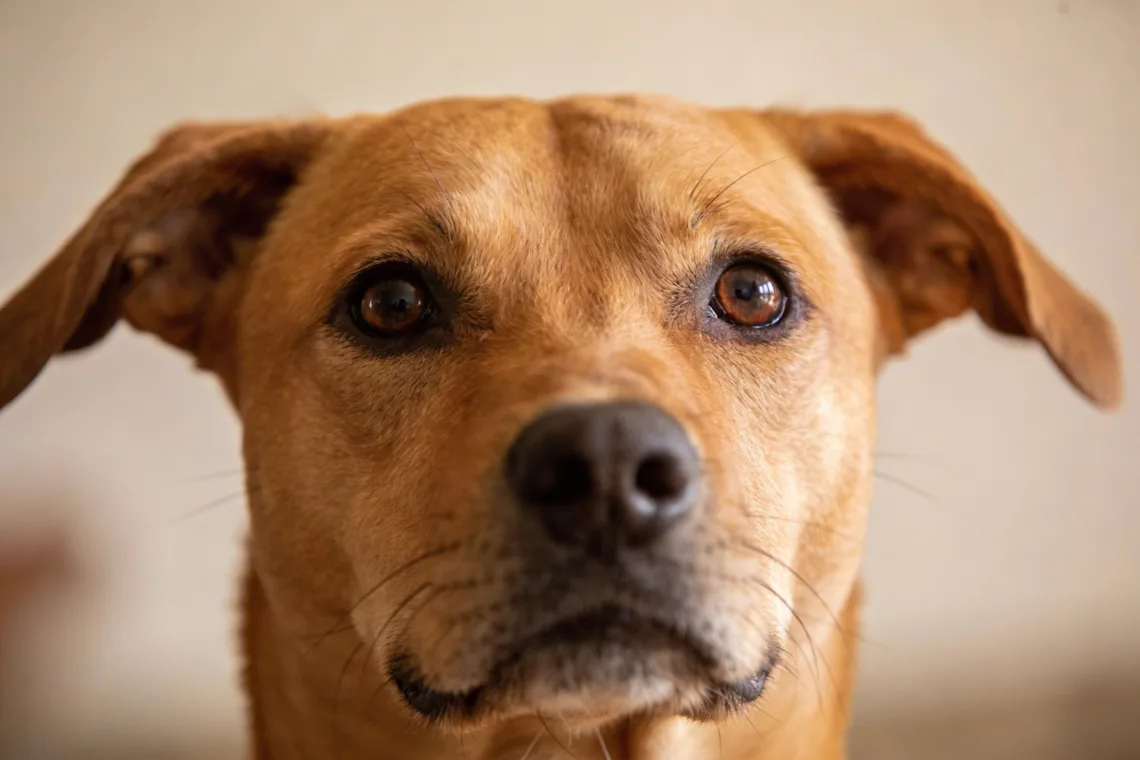
You’ve probably noticed your pup pinning their ears back and wondered if they’re stressed, scared, or just being dramatic. Here’s the thing: those flattened ears are actually part of a whole canine communication system that most dog owners completely miss. Learning to read these subtle signals can help you prevent anxiety, avoid dog bites, and become the human your dog actually deserves.
The Real Deal About Those Pinned-Back Ears
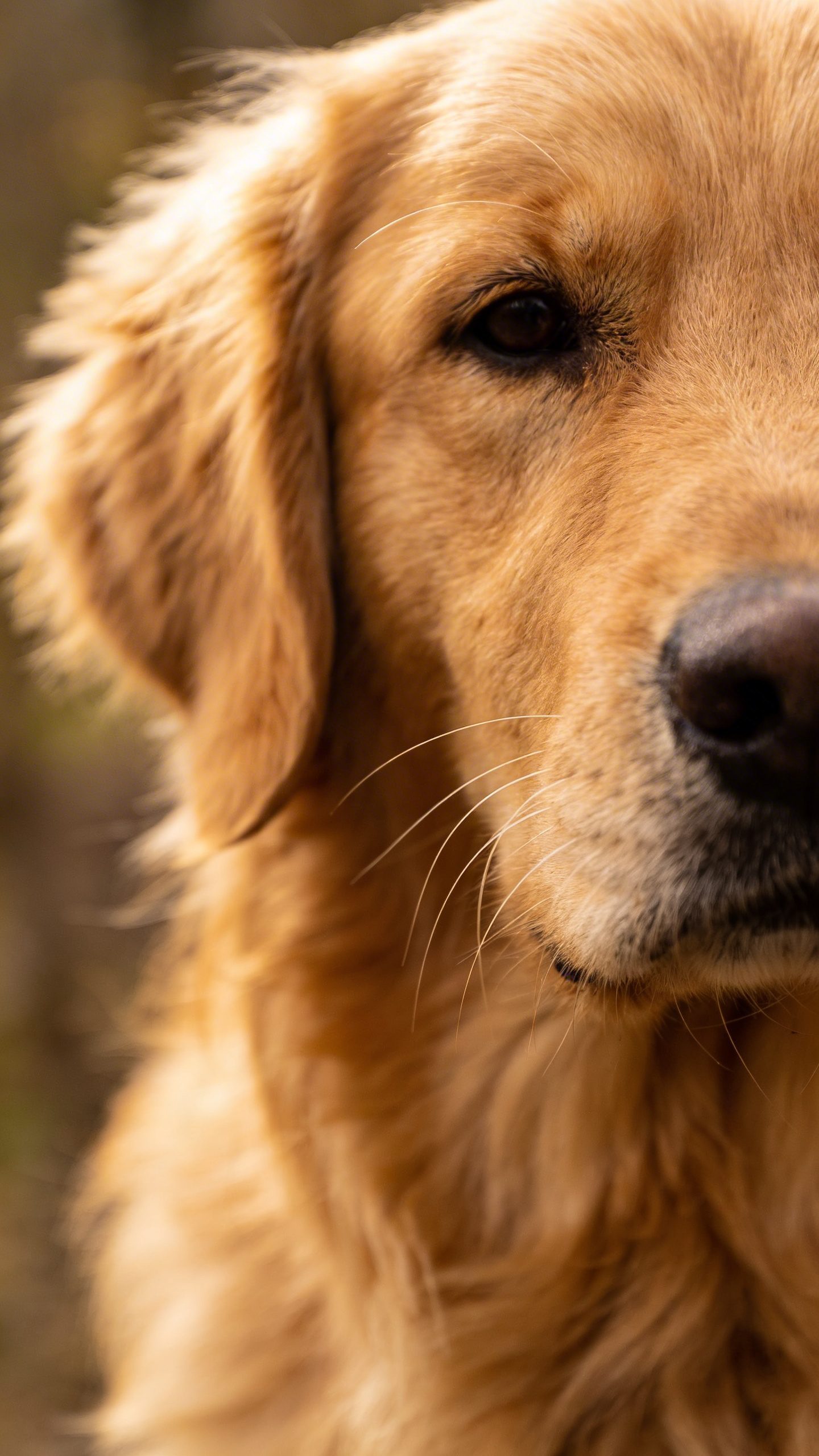
Let’s start with the obvious question everyone’s googling at 2 AM: why exactly do dogs pull their ears back?
The answer isn’t as simple as you’d hope. Dogs flatten their ears for several reasons, and context is everything. Sometimes it’s submission, other times it’s fear, and occasionally it’s just your dog being super affectionate. The key is looking at the whole picture, not just the ears in isolation.
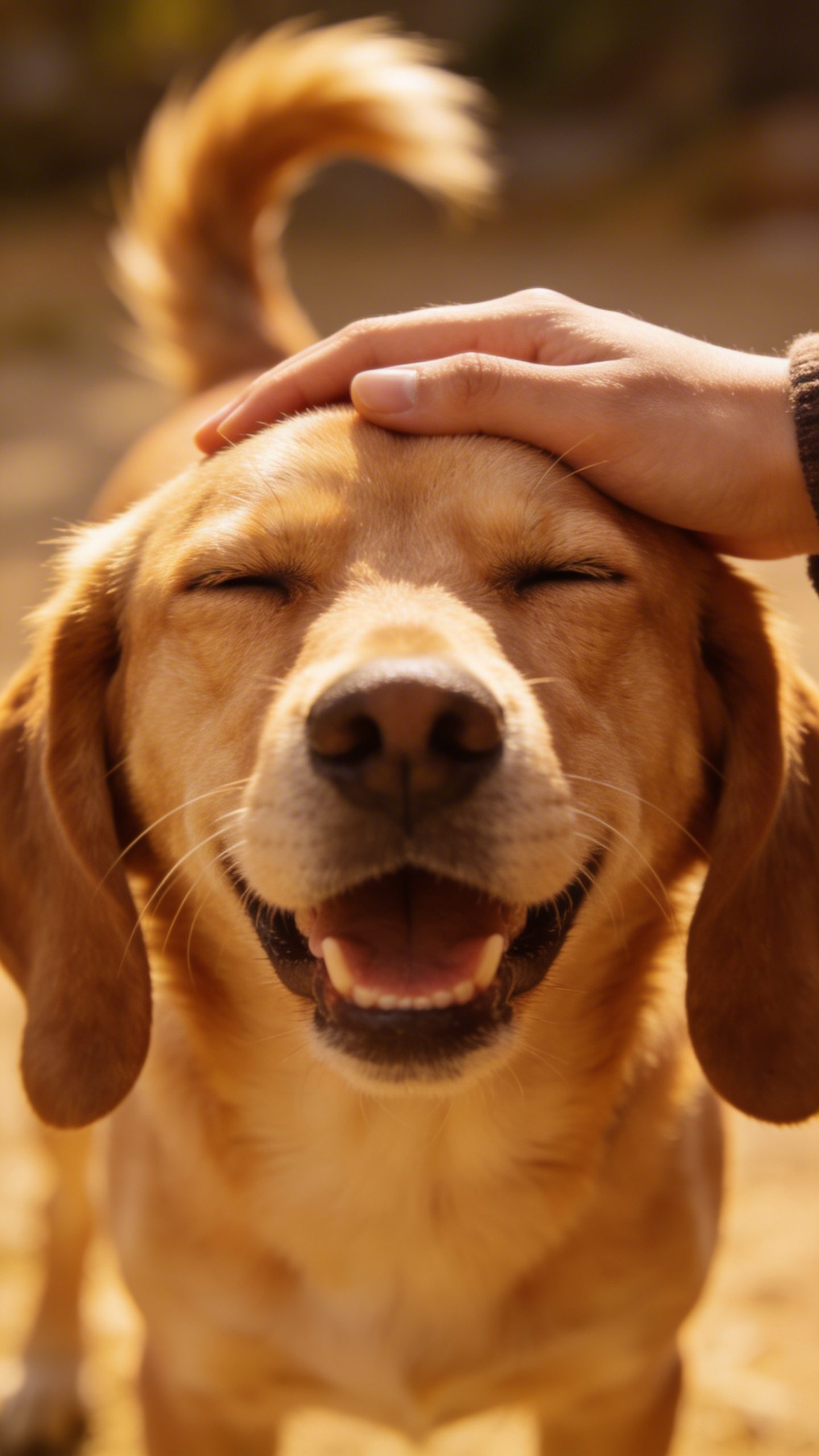
When your dog’s ears go back slightly while you’re petting them and their whole body is relaxed? That’s usually contentment. But when those ears are plastered flat against their head and their body is tense? Yeah, that’s a completely different story. That’s your dog saying “I’m really uncomfortable right now, please help.”
9 Stress Signals That Come With Those Flattened Ears

1. The Whale Eye (And It’s Not About Sea Mammals)
Ever seen your dog give you major side-eye where you can see the whites of their eyes? Dog trainers call this “whale eye,” and it’s one of the clearest stress signals dogs give us. When you spot those pinned ears combined with whale eye, your dog is basically screaming “I need space right now.”
This happens a lot when kids get too close, strangers reach for their head, or another dog invades their personal bubble. FYI, ignoring whale eye is how people end up saying “he bit out of nowhere!” when the dog was actually giving warnings the whole time.
2. The Classic Lip Lick (Not Because They’re Hungry)
Dogs lick their lips when they’re stressed, anxious, or uncertain about a situation. We’re not talking about the obvious tongue-hanging-out-after-drinking-water situation. This is a quick, subtle tongue flick that happens in tense moments.
Watch for this at the vet’s office, during training sessions, or when you’re scolding them. Combined with those flattened ears? Your dog is definitely not having a good time.
3. Yawning When They’re Wide Awake
Stress yawning looks different from tired yawning. It’s often bigger, more exaggerated, and happens in situations where sleep is definitely not on the agenda. Think grooming appointments, car rides, or when you’re rearranging furniture and totally disrupting their world.
Your dog isn’t being rude or bored—they’re trying to calm themselves down. It’s actually kind of adorable that they think yawning will help, honestly.
4. The Frozen Statue Impression
Some dogs go completely still when stressed, like they’re playing the world’s worst game of freeze tag. This body stiffness combined with ears back is a major red flag that your dog feels threatened or trapped.
Never force interaction with a frozen dog. They’re not “just being stubborn”—they’re genuinely freaked out and trying to process what’s happening. Give them space and let them decompress.
5. Panting When It’s Not Hot or After Exercise
Stress panting is rapid, shallow, and happens in cool environments or calm situations. The ears go back, the panting kicks in, and your dog looks generally uncomfortable. This is super common at the vet, during thunderstorms, or when fireworks start (because apparently humans decided loud explosions are festive).
If your dog pants excessively during normally calm situations, that’s anxiety talking, not just temperature regulation.
6. Tucked Tail and Lowered Body Posture
The combo of ears back plus tail tucked is basically your dog waving a white flag. They’re submissive, scared, or both. Some dogs will also crouch low or try to make themselves smaller.
This is different from a playful crouch (which comes with a wagging tail and relaxed face). A stressed crouch screams “please don’t hurt me” and needs immediate intervention.
7. Turning Their Head or Body Away
When dogs turn away from something while keeping their ears pinned, they’re using what trainers call “calming signals.” Your dog is literally showing you they want nothing to do with whatever’s stressing them out.
Respect this. If your dog turns away from a person or another dog, don’t force the interaction. They’re communicating clearly—we just need to actually listen.
8. Excessive Shedding (The Stress Coat-Blow)
Ever noticed your dog leaves a pile of fur at the vet’s office even though they’re not shedding season? Stress causes immediate hair loss in dogs. Combine this with those airplane ears and you’ve got one anxious pup.
This happens because stress hormones literally make the hair follicles release. Nature is weird, right?
9. The Shake-Off (When Nothing’s Actually On Them)
Dogs shake their bodies to relieve tension and “reset” after stressful encounters. You’ll see the ears go back during the stressful moment, then your dog does a full-body shake like they just got out of a bath—even though they’re completely dry.
IMO, this is actually a healthy coping mechanism. It means your dog knows how to self-regulate, which is pretty cool.
What Triggers These Stress Responses?
Understanding what stresses your specific dog is crucial. Some common triggers include:
- Loud noises (vacuum cleaners, fireworks, thunderstorms)
- Unfamiliar people or dogs approaching too quickly
- Veterinary visits and grooming appointments
- Being hugged or restrained (yes, most dogs actually hate hugs)
- Punishment or harsh training methods
- Changes in routine or environment
- Being stared at directly (it’s threatening in dog language)
Every dog has different tolerance levels and triggers. Your job is to observe your individual dog and learn their specific stress patterns.
How to Actually Help Your Stressed Dog
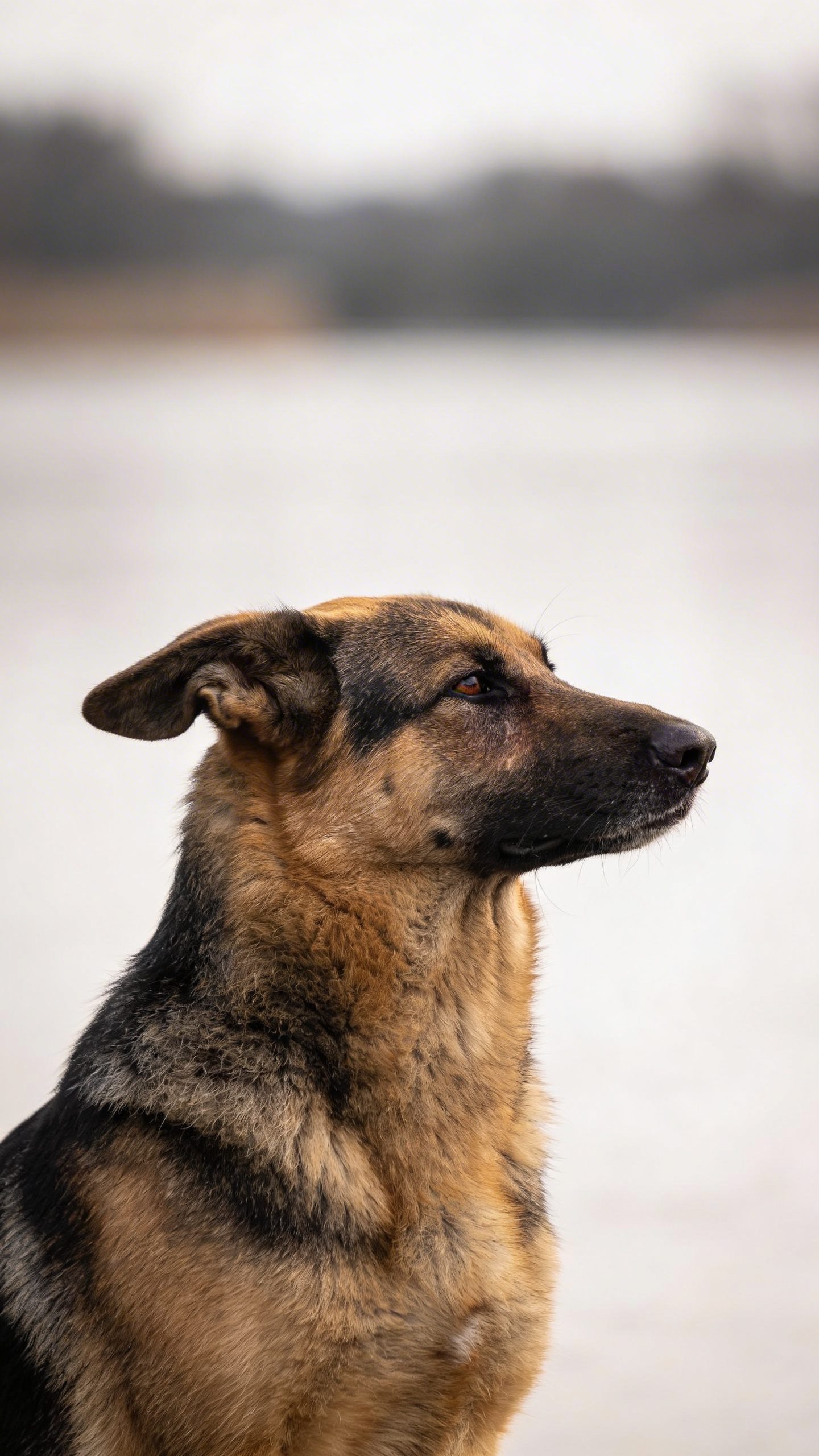
Spotting the signs is only half the battle. Here’s what you do when you notice those ears going back along with other stress signals:
First, remove your dog from the stressful situation if possible. Don’t force them to “tough it out” or “get over it.” That’s not how anxiety works, and it’ll just make things worse.
Second, give them space. Don’t crowd them, don’t pet them frantically, and definitely don’t scold them for being scared. Create a safe zone where they can decompress without pressure.
Third, desensitization and counter-conditioning are your best friends for long-term solutions. This means gradually exposing your dog to their triggers at a distance or intensity they can handle, while pairing it with something awesome like treats.
Work with a certified dog trainer or veterinary behaviorist if the stress seems severe or you’re not sure how to proceed. There’s no shame in getting professional help—actually, it shows you’re a responsible owner who gives a damn.
The Body Language Combinations That Matter Most
Reading dog body language isn’t about analyzing one signal in isolation. It’s about seeing the whole picture. Here’s how to put it all together:
Happy/Relaxed Dog:
- Ears in natural position or slightly forward
- Soft, relaxed eyes
- Mouth slightly open, tongue visible
- Loose, wiggly body
- Tail in neutral position or wagging
Stressed/Anxious Dog:
- Ears pinned back
- Whale eye or avoiding eye contact
- Closed mouth or excessive panting
- Stiff body or lowered posture
- Tail tucked or held low
Aggressive/Fearful Dog (Warning Mode):
- Ears extremely flat or forward (depends on the dog)
- Hard stare with dilated pupils
- Lips curled, showing teeth
- Stiff, forward-leaning body
- Tail raised or completely tucked
See the difference? Context and combination are everything.
Frequently Asked Questions
Do all dogs put their ears back when stressed?
Not all breeds can move their ears the same way. Dogs with floppy ears or cropped ears have limited ear mobility, so you’ll need to rely more heavily on other body language signals. Breeds like Basset Hounds or Cocker Spaniels won’t show ear positions as clearly as German Shepherds or Huskies. Focus on the whole body, not just the ears.
Can ears back ever mean something positive?
Absolutely! When your dog’s ears go slightly back during gentle petting sessions and their whole body is soft and relaxed, that’s actually contentment and affection. The difference is in the intensity—stressed ears are plastered flat, while happy ears are just slightly pulled back. The rest of their body language will tell you which one it is.
How can I tell if my dog is afraid versus just being submissive?
Fear and submission often overlap, but fearful dogs will actively try to escape or avoid the trigger, while submissive dogs are trying to appease. A submissive dog might approach with ears back, tail wagging low, and offer submissive behaviors like licking. A fearful dog will try to increase distance, hide, or freeze. Both require gentle handling, but fear needs more immediate intervention to prevent panic.
Should I comfort my dog when they show these stress signs?
This is controversial among trainers, but here’s the truth: you can’t reinforce fear with comfort. If your dog is scared, gentle reassurance won’t make them more fearful. However, overly dramatic coddling might not help either. Stay calm, speak in a normal tone, and either remove the stressor or help your dog create distance. Your calm energy is more helpful than baby talk.
At what age do puppies start showing these stress signals?
Puppies start displaying body language signals incredibly early—sometimes as young as 3-4 weeks old. By the time you bring your puppy home at 8 weeks, they’re already communicating through ear position, tail carriage, and other signals. The sooner you learn to read them, the better you can support their emotional development.
Can chronic stress cause health problems in dogs?
Yes, and it’s no joke. Chronic stress suppresses the immune system, causes digestive issues, contributes to behavior problems, and can shorten your dog’s lifespan. If your dog constantly shows stress signals, you need to address the underlying causes. This isn’t just about comfort—it’s about their actual health and longevity.
Conclusion
Those pinned-back ears are your dog’s way of communicating something important, and now you know how to decode the message. By recognizing these nine stress signals—especially when they appear together—you can prevent problems before they escalate and build a stronger relationship with your pup.
Remember, every dog is an individual with their own communication style and triggers. Spend time observing your specific dog, respect their boundaries, and respond appropriately when they tell you they’re uncomfortable. That’s literally all they’re asking for—and honestly, it’s the least we can do for creatures who think we hung the moon.