
Introduction
If your dog’s stomach is throwing shade at dinnertime, it’s time to switch things up with homemade soft dog food that’s easy on digestion and big on comfort. You’ll whip up bowls that feel like a warm hug for your pup without turning kitchen chaos into a circus. FYI, you’ll probably hear less whine at feeding time and more wagging tails.

Why Homemade Can Be Gentler on a Dog’s Digestive System
– Digestive relief starts with simple ingredients your pup actually recognizes. When you control texture, you control how smoothly it passes through the gut.
– Soft textures are easy on sensitive tummies. If your dog’s been dodging meals or showing signs of gastritis, soft, balanced meals can aid stool consistency and energy.
– Freshness matters. Cooked-in-small-batches means you’re feeding nutrients at their peak and avoiding mystery additives.
– Always monitor and adjust. What works for one dog may not work for another, so keep notes and tweak as needed.
9 Comforting Dishes That Improve Digestion Quickly
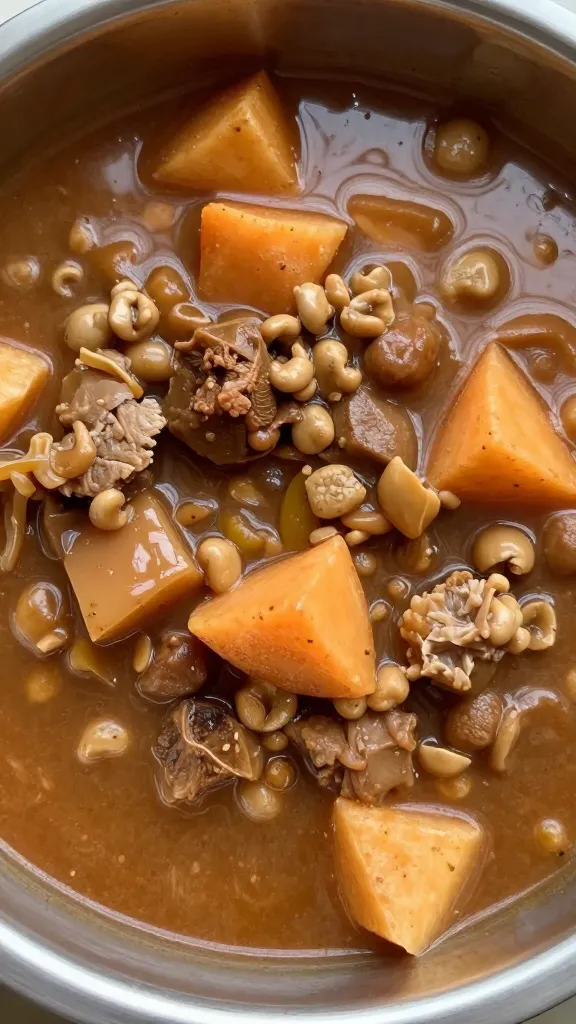
Here’s a lineup of gentle, tasty options you can batch once a week. Each recipe keeps things soft and easy to swallow, with a focus on gut-friendly ingredients.
1) Gentle Chicken & Rice Mash
– Why it helps: Classic, bland, and reliable for upset stomachs.
– What you’ll need: Boneless chicken breast, white rice, chopped carrots, a splash of chicken stock (low-sodium), water.
– How to do it: Cook chicken until tender, remove and shred. Cook rice in stock until very soft. Mash together with finely grated carrot. If needed, add a little water to reach a soft mash consistency.
– Tips: Freeze in 1-2 cup portions for quick meals. No onions or garlic in this one—see, I’m considerate.
2) Pumpkin & Turkey Soft Bowls
– Why it helps: Pumpkin is fiberful and gentle; turkey provides lean protein.
– What you’ll need: Ground turkey, canned pumpkin (plain), cooked oats or rice, chicken stock, a dash of cinnamon.
– How to do it: Brown the turkey, stir in pumpkin and oats/rice, loosen with stock until soft. A pinch of cinnamon adds cozy flavor without upsetting tummies.
– Tips: Check for added sugar in pumpkin puree—go plain.
3) Salmon & Sweet Potato Mash
– Why it helps: Omega-3s for coat and gut health; sweet potatoes bring digestible starch.
– What you’ll need: Salmon fillet, sweet potato, peas (optional), water or low-sodium stock.
– How to do it: Steam salmon until flaky, mash with mashed cooked sweet potato and peas. Thin with stock to reach a soft, creamy texture.
– Tips: Remove all bones and skin. Serve cooled to room temp.
4) Ground Beef & Oatmeal Delight
– Why it helps: Gentle beef with easy-to-digest oats for fiber.
– What you’ll need: Ground beef (lean), oats, carrots, water, a spoon of olive oil.
– How to do it: Brown beef, simmer with oats and grated carrot in water until everything is soft and porridge-like. Stir in olive oil for a shine of fat and flavor.
– Tips: Oats can be swapped for quinoa if your pup tolerates it, but keep texture soft.
5) Eggy Veggie Scramble
– Why it helps: Eggs are a protein powerhouse; veggies add gentle fiber.
– What you’ll need: Eggs, chopped spinach or kale, zucchini, a touch of cheese (optional, if tolerated).
– How to do it: Scramble eggs, fold in finely chopped greens and zucchini until soft. You can blend for extra smoothness if your dog prefers a softer bite.
– Tips: Serve plain or with a splash of plain yogurt to boost gut-friendly probiotics.
6) Liver & Rice Comfort Porridge
– Why it helps: Liver is nutrient-dense; rice keeps it gentle on digestion.
– What you’ll need: Liver (beef or chicken), white rice, water, a pinch of parsley (optional).
– How to do it: Cook liver until tender, blend if you want a silkier texture. Mix with well-cooked rice and enough water to reach a comfy porridge.
– Tips: Start with small portions to gauge tolerance; liver is powerful.
7) Cottage Cheese & Pear Soft Mix
– Why it helps: Probiotics from yogurt-based products and gentle fruit fibers.
– What you’ll need: Plain yogurt (check for live cultures), cottage cheese, mashed pear or apple (no seeds), cooked oats.
– How to do it: Mash fruit, blend with cottage cheese and yogurt, fold in oats until soft.
– Tips: This works as a topper or a main meal for dogs with very sensitive digestion.
8) Turkey & Pea Puree
– Why it helps: Lean protein with gentle fiber from peas.
– What you’ll need: Ground turkey, peas, water, olive oil.
– How to do it: Simmer turkey until cooked, add peas and water, blend to a smooth puree. Finish with a little olive oil for fats.
– Tips: If your dog has a pea sensitivity, swap peas for finely mashed carrot.
9) Sardine Broth Mash
– Why it helps: Sardines bring omega-3s; broth adds moisture for softness.
– What you’ll need: Canned sardines in water (no oil), white rice, water, a dash of parsley.
– How to do it: Mash sardines with cooked rice and enough broth to reach a soft, cohesive mash. Parsley for freshness.
– Tips: Not every dog loves fish, so offer as a topper before fully committing.
Texture and Feeding Tips: Getting It Just Right
– Texture matters: Aim for a soft, mashable consistency that your dog can scoop up easily with a spoon or lick from a bowl.
– Temperature check: Food should be lukewarm, not cold or hot. It’s a comfort thing, not rocket science.
– Portion control: Start with smaller meals several times a day if digestion is delicate, then scale up as you see improvements.
– Hydration is key: Add extra water or broth to meals to keep things moving smoothly.
Subtle Add-Ons That Help Without Hijacking Tummies
– Probiotics: A dog-safe probiotic sprinkle can support gut flora—but start slow and consult your vet.
– Fiber boosters: Plain pumpkin puree or mashed carrots add gentle fiber; avoid onions, garlic, and highly processed fillers.
– Omega-3 boost: A drizzle of fish oil (vet-approved dosage) supports gut health and coat—start with a small amount.
What to Know Before You Start
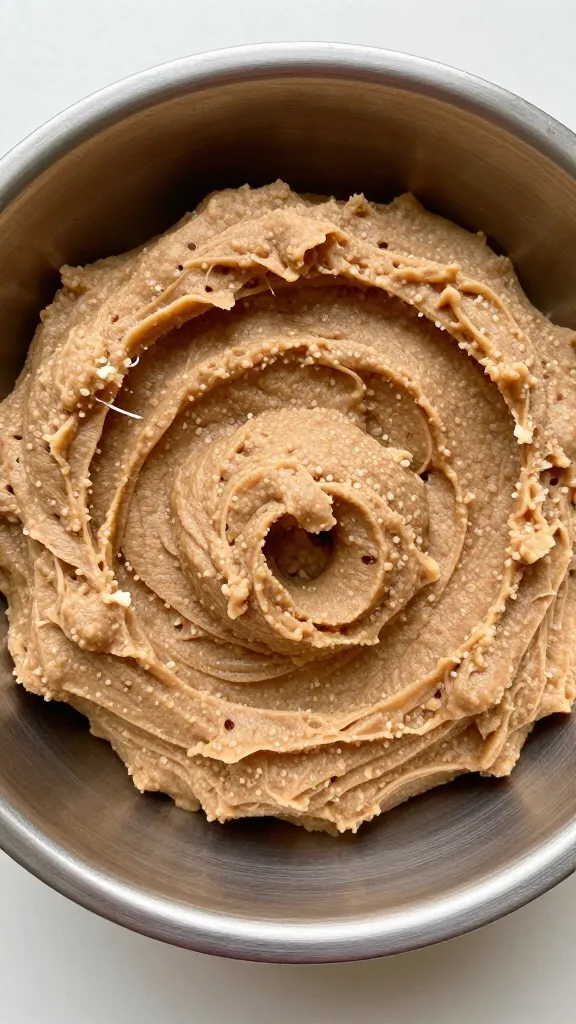
– Vet guidance matters: If your dog has a diagnosed digestion problem, allergies, or chronic diarrhea, discuss homemade options with your vet before making big changes.
– Ingredient safety: Always avoid onions, garlic, grapes, raisins, chocolate, and excessive salt. Those are big no-nos for dogs.
– Food allergies: Some pups react to common proteins like chicken or beef. Introduce new ingredients slowly and watch for itching, swelling, or GI upset.
– Balanced nutrition: Homemade meals should be balanced over time. Consider consulting a canine nutritionist or using vetted recipe frameworks to ensure your dog gets enough protein, fat, minerals, and vitamins.
Batching and Storage Tips
– Batch in small weekly portions: Use airtight containers and label with dates. Fresh meals beat frozen mystery meals any day.
– Freezer-friendly hacks: Most gentle meals freeze well in individual portions. Thaw in the fridge overnight or warm gently before serving.
– Reheating rules: Reheat to a safe, warm temperature—never scorching hot. Stir well to distribute heat evenly.
– Freshness check: If anything smells off, trust your nose and toss it. Dogs are good at knowing when something’s not right.
Your Schedule: Turning Recipes into Real-Life Routines
– Start with one or two recipes: See how your dog handles them for a week or two before expanding.
– Keep a digestion diary: Note energy levels, stool consistency, and appetite. Small notes help you see what works.
– Mix and match: Rotate proteins and starches to prevent boredom and cover nutrient bases. Variety is not just a pun; it helps.
FAQ
Can I feed my dog homemade soft meals every day?
Yes, you can, but variety and balance matter. Start with a consistent base you know your dog tolerates, then mix in rotate proteins and carbohydrate sources to keep meals interesting and nutritionally complete. IMO, a plan that keeps things gentle and predictable is the sweet spot.
What if my dog has a sensitive stomach or chronic diarrhea?
Soft, bland bases like chicken & rice or turkey & pumpkin can soothe the gut. Introduce new ingredients slowly and watch for reactions. If symptoms persist beyond a few days, check in with your vet—gut health can be a sign of something bigger.
How do I ensure my homemade meals are balanced?
Think protein, complex carbs, fiber, and healthy fats. If you’re not confident on the exact ratios, start with reputable canine nutrition guidelines or work with a vet/nutritionist. FYI, it’s easier to tweak than to fix later.
Can I use store-bought broths or sauces?
Yes, but read labels carefully. Use low-sodium, onion-free options. Some broths sneak in salt or flavor enhancers that aren’t dog-friendly, so keep it simple and safe. If in doubt, stick to plain water or stock you prepare yourself.
How long do homemade meals stay fresh?
Refrigerate cooked meals for up to 3-4 days. Freeze portions for longer storage. When in doubt, smell and look—if it smells off or has mold, discard.
Conclusion
If you’re chasing that steady digestion and happy, waggy energy, homemade soft dog food is a solid path. Start with gentle formulas, keep textures soft, and build a rotation that suits your pup’s palate and gut. Remember, you’re in the driver’s seat—tinker, observe, and adjust. IMO, a little kitchen love goes a long way toward a healthier, happier pup. You’ve got this.