
Your dog eyeballs your dinner like it’s Michelin-starred cuisine, right? Meanwhile, you click “order” on pricey fresh pet food and your wallet cries. Good news: you can DIY a Farmers Dog–style meal at home that’s fresh, balanced, and way more affordable.
I’ll show you how to cook smart, portion right, and keep tails wagging without sacrificing nutrition.
Why Make Your Own Fresh Dog Food?
You control the ingredients. That means no mystery fillers, no sketchy by-products, and fewer additives. Plus, you can tailor the recipe to your pup’s needs.
You’ll also save money. Store-bought fresh food adds up fast. DIY gives you bulk-buy flexibility and freezer-friendly prep.
And taste? Dogs go wild for fresh, warm food that smells like actual food. Shocking, I know.
Ground Rules Before You Start
Balance matters. Dogs need the right mix of protein, fat, carbs, fiber, and micronutrients.
You can’t just toss chicken and rice together forever and call it done. Use a canine multivitamin or vet-approved supplement blend. This fills gaps for calcium, iodine, vitamin D, zinc, etc. Without it, long-term DIY can cause deficiencies. Cook meat thoroughly. Aim for 165°F internal temp. No pink chicken.
Ever. Introduce new diets gradually. Mix 25% new food with 75% old for 2-3 days, then increase slowly. Your couch will thank you.
How Much Should You Feed?
As a rough guide, feed 2–3% of your dog’s body weight per day for adults with normal activity. For a 20 lb dog, that’s 6–9 oz of food per day.
Prefer calories? Most adult dogs do well around 25–30 calories per pound daily, but metabolism varies. Adjust if your dog gains or loses.
Tools You’ll Want
- Large pot or skillet
- Baking sheet for roasting
- Food scale (strongly recommended)
- Storage containers or freezer bags
- Immersion blender (optional for veggie mash)
10 DIY Farmers Dog Copycat Recipes
FYI: These yield roughly 6–8 cups each, depending on cook-down.
Portion and freeze in daily servings. Add a canine multivitamin per label and, IMO, include fish oil unless your recipe already uses fatty fish.
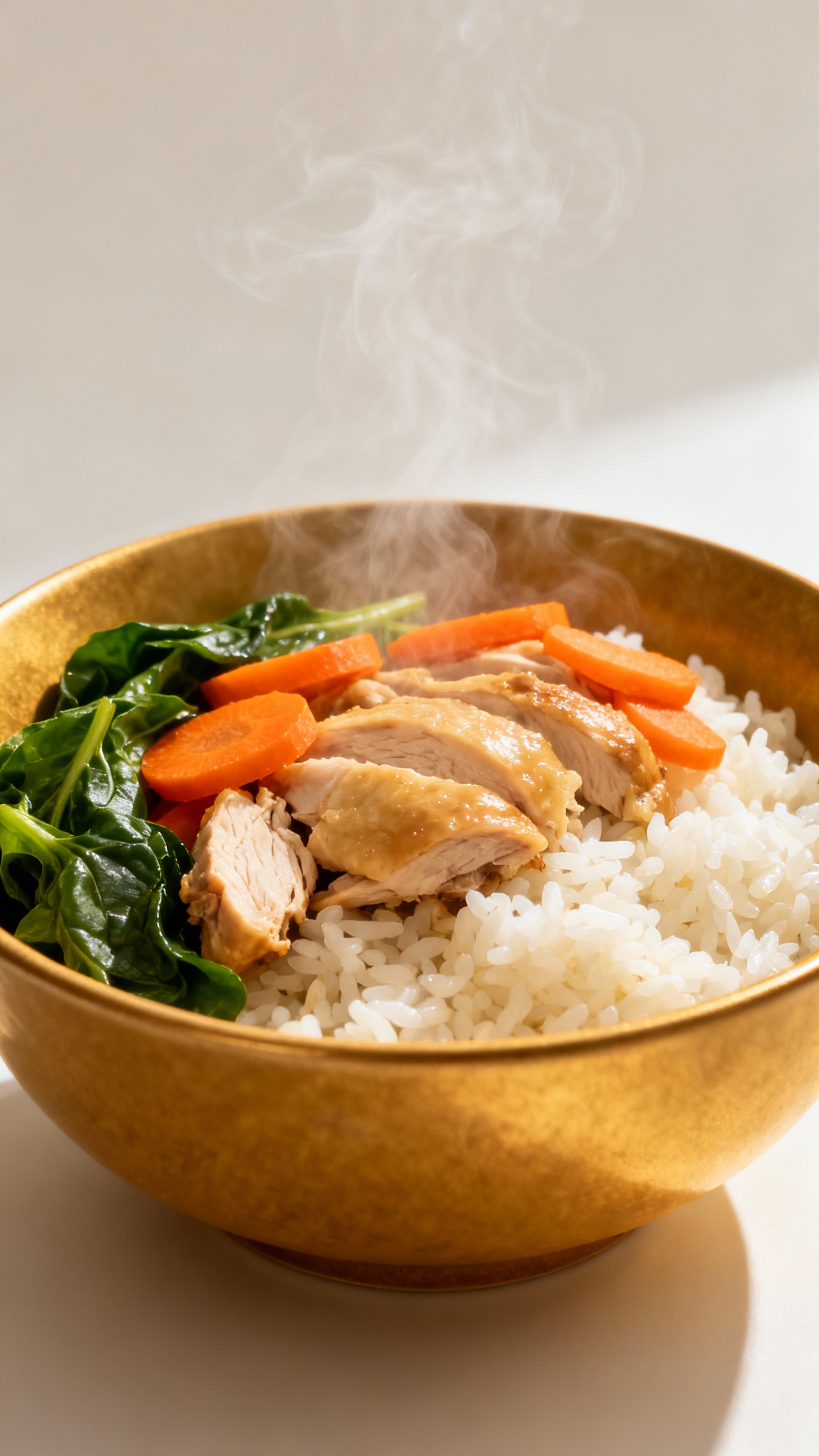
1) Classic Chicken & Rice Bowl
- 2 lb ground chicken or minced chicken thighs
- 1 cup white rice (uncooked)
- 1 cup carrots, diced
- 1 cup spinach, chopped
- 1 tbsp olive oil
Cook rice separately. Sauté chicken until fully cooked.
Steam carrots; wilt spinach in the pan. Combine all with oil. Cool, portion, and supplement. Why it works: Gentle on tummies.
Great starter recipe after a food switch.
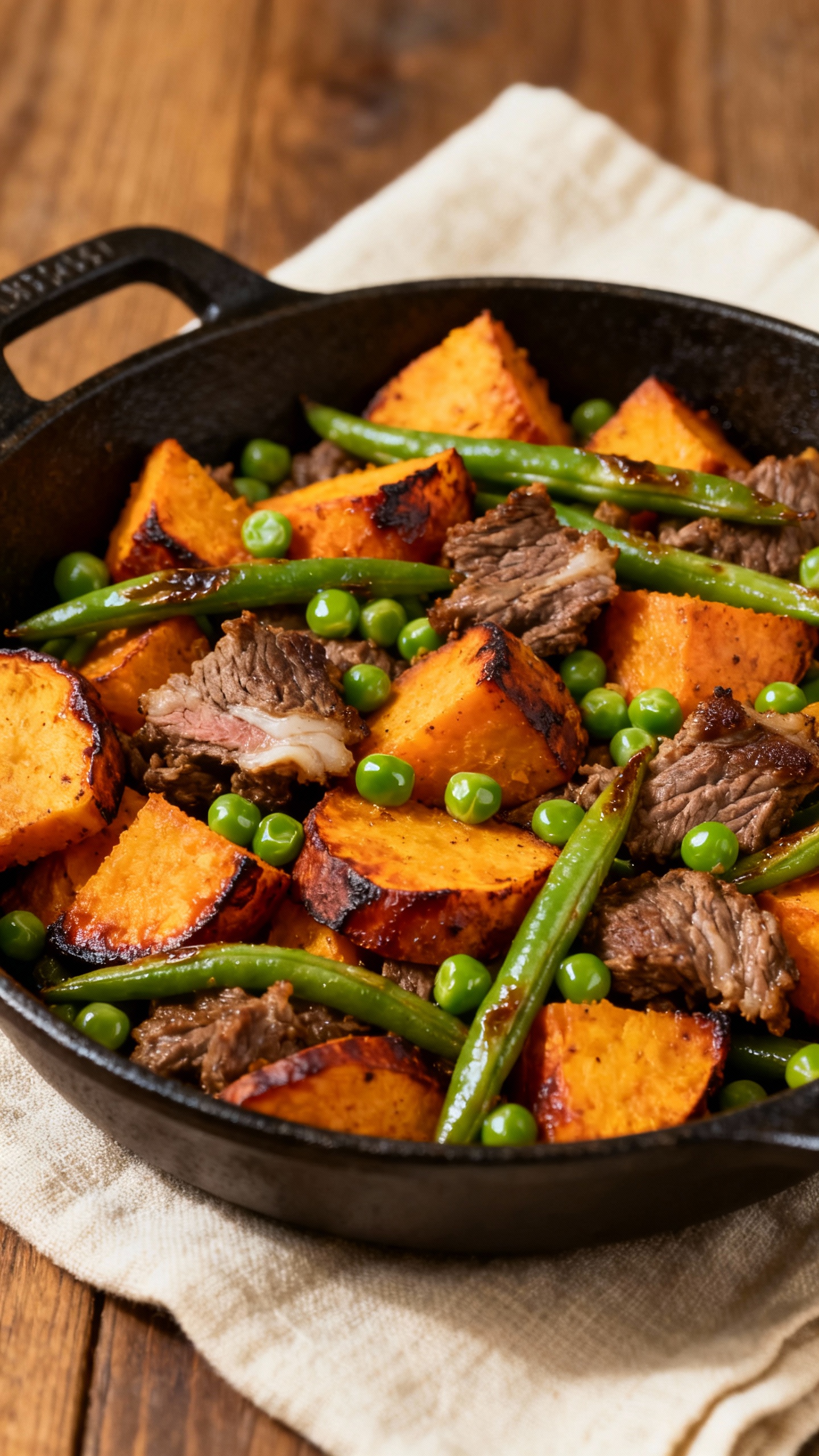
2) Beefy Sweet Potato Hash
- 2 lb lean ground beef (90/10)
- 2 cups sweet potato, diced small
- 1 cup green beans, chopped
- 1/2 cup peas
- 1 tsp turmeric + 1 tbsp fish oil
Roast sweet potatoes at 400°F until tender. Brown beef and drain excess fat if needed. Steam green beans and peas.
Mix all with turmeric and fish oil. Why it works: Iron-rich and super tasty. Sweet potatoes bring fiber and beta-carotene.
3) Turkey & Oats Comfort Mix
- 2 lb ground turkey (93% lean)
- 1 cup rolled oats
- 1 cup zucchini, chopped
- 1/2 cup pumpkin puree (plain, not pie filling)
- 1 tbsp flaxseed oil
Simmer oats with water until soft. Brown turkey thoroughly.
Lightly sauté zucchini. Combine with pumpkin and oil. Why it works: Gentle fiber, good for sensitive digestion, cozy vibes all around.
4) Salmon & Quinoa Shine-Up
- 1.5 lb salmon, skinless
- 1 cup quinoa (rinsed)
- 1 cup broccoli florets
- 1/2 cup carrots, shredded
- 1 tbsp olive oil
Bake salmon at 375°F until flaky. Cook quinoa per package.
Steam broccoli and carrots. Flake salmon and combine with oil. Why it works: Omega-3s for skin and coat. Quinoa brings complete plant protein.
5) Pork & Apple Harvest Skillet
- 2 lb lean ground pork
- 1 cup brown rice (uncooked)
- 1 apple, peeled and finely diced
- 1 cup kale, chopped
- 1 tsp dried rosemary (crushed)
Cook rice.
Brown pork thoroughly. Sauté kale until wilted; stir in apple just to soften. Mix with rosemary. Why it works: Slightly sweet, very aromatic.
Dogs act like it’s gourmet.
6) Chicken, Pumpkin & Green Pea Mash
- 2 lb chicken breast, chopped
- 1 cup barley
- 1 cup pumpkin puree
- 1 cup peas
- 1 tbsp fish oil
Cook barley until tender. Boil/poach chicken to 165°F. Warm peas and pumpkin, then combine and add fish oil. Why it works: Barley gives steady energy.
Pumpkin helps firm up stools. You’re welcome.
7) Lamb & Rice Belly-Soother
- 2 lb ground lamb
- 1 cup white rice
- 1 cup spinach, chopped
- 1/2 cup carrots, diced
- 1 tsp ground ginger
Cook rice. Brown lamb and drain some fat if needed.
Steam veggies. Mix with ginger. Why it works: Lamb often suits dogs with chicken/beef sensitivities. Ginger = tummy support.
8) Sardine & Potato Budget Banger
- 4 cans sardines in water, drained
- 2 cups white potatoes, diced and boiled
- 1 cup mixed veggies (carrot, peas, green beans)
- 1 tbsp olive oil
Boil potatoes until soft.
Lightly steam mixed veggies. Mash sardines into the potato and stir in veggies and oil. Why it works: Cheap, fast, packed with omega-3s and calcium from tiny bones.
9) Beef, Lentil & Carrot Power Pot
- 1.5 lb lean ground beef
- 1 cup red lentils
- 1 cup carrots, diced
- 1/2 cup spinach, chopped
- 1 tsp paprika (plain, not spicy)
Simmer lentils until soft. Brown beef.
Steam carrots and spinach. Combine with paprika for a mild flavor kick. Why it works: Lentils add fiber and plant protein; pairs nicely with lean beef.
10) Turkey, Rice & Blueberry Antioxidant Bowl
- 2 lb ground turkey
- 1 cup jasmine rice
- 1/2 cup blueberries
- 1/2 cup butternut squash, diced and roasted
- 1 tbsp coconut oil
Cook rice. Brown turkey.
Roast squash at 400°F until tender. Stir in blueberries at the end so they stay intact. Finish with coconut oil. Why it works: Antioxidants for cellular health and a fun pop of sweetness.
Dogs love it.
Portioning, Storage, and Safety
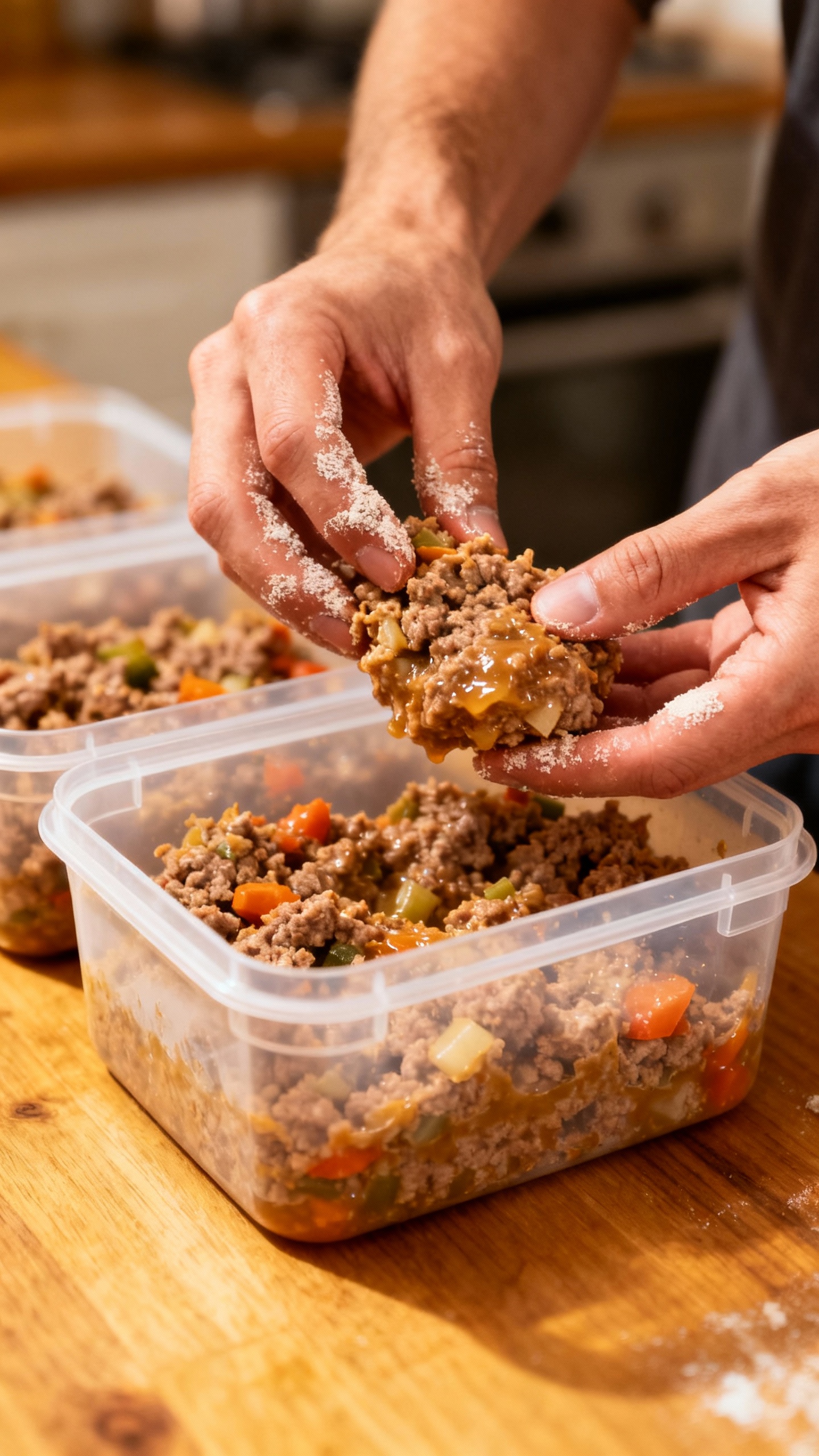
Cool completely before packing. Divide into daily servings to make life easy. Refrigerate up to 4 days. Freeze up to 3 months. Label with date and protein type because mystery meat is not a fun game. Reheat gently. Warm to room temp or lightly heat.
Don’t serve piping hot. Stir well to avoid hot spots.
Supplement Like a Pro
You have two solid routes:
- All-in-one canine multivitamin/mineral designed for homemade diets
- Targeted add-ins: fish oil (EPA/DHA), calcium (if you don’t include bones), vitamin E, iodine (kelp-based), and zinc
Follow label doses based on your dog’s weight. If you cook boneless meat, include a calcium source to balance phosphorus.
Many premix supplements cover this—double-check, IMO.
Adjusting for Your Dog
Strong chewer who inhales food? Mash it a bit. Senior with fewer teeth?
Blend to a soft consistency. High-energy dog? Increase healthy fats slightly and bump portions 10–15%.
Food allergies? Swap proteins and veggies as needed. Rotate recipes every couple of weeks for variety and broad nutrition.
Signs You Should Tweak
- Soft stool or gas: dial back rich fats, add a little pumpkin
- Dry coat: increase omega-3s via fish oil
- Low energy: bump calories slightly
- Weight gain: reduce by 10% and recheck in 2 weeks
FAQ
Can I switch my dog to homemade food overnight?
Slow your roll.
Mix in the new food over 5–7 days: 25%, 50%, 75%, then 100%. This helps avoid tummy trouble and late-night carpet emergencies.
Do I really need supplements?
Yes. Homemade meals without added vitamins and minerals can fall short, especially for calcium, iodine, vitamin D, and zinc.
A canine multivitamin or balanced premix keeps things safe long-term.
Are raw veggies okay?
You can use some raw veggies, but lightly steaming or finely chopping helps dogs digest nutrients better. Think “soft but not mushy.” Avoid onions and large amounts of garlic.
What foods should I avoid?
Skip onions, xylitol, grapes/raisins, macadamia nuts, alcohol, and lots of garlic. Be cautious with high-fat trimmings, cooked bones, and salty sauces.
How do I know if the recipe fits my dog?
Watch body condition, energy, coat, and stool.
If anything seems off for more than a few days, adjust portions or ingredients. For medical issues, loop in your vet or a board-certified veterinary nutritionist.
Can puppies eat these?
Puppies need a different calcium-to-phosphorus ratio and higher calories. Use puppy-specific recipes or get a nutritionist’s plan.
Don’t wing it during growth.
Wrap-Up: Fresh, Balanced, and Tail-Approved
DIY fresh dog food doesn’t need to be complicated or pricey. Pick a recipe, add the right supplements, and portion smart. Rotate proteins, keep it simple, and watch your dog do the happy dinner dance.
That’s the real review that matters, FYI.