
Short intro: Meet the Bullmastiff—the big, gentle bruiser who quietly demands a lot from a life well lived. They’re not just a cute mug with a floaty head; they’re a devoted guardian who eats your sofa budget and then begs for belly rubs. If you’re thinking about adopting or you already have one, you’re not alone: big dogs come with bigger challenges, but also bigger rewards. Let’s dive into the Bullmastiff owner guide I wish I had—the practical, no-nonsense stuff that actually helps you live your best life with a canine gentle giant.
Understanding the Bullmastiff personality: big dog, bigger heartbeat
What makes a Bullmastiff tick? They’re typically calm, confident, and immensely loyal. They want to be close to you, preferably within arm’s reach, and they’ll guard their human with a quiet intensity. They don’t need endless stimulation, but they do crave structure and a predictable routine. If you’re the type who forgets to feed yourself because a dog needs it, you’ll fit in perfectly.
– They’re not hyperactive, but they do enjoy a solid daily walk and a focused game session.
– They aren’t natural wanderers; they’re more “homebody with a mission.”
– They typically bond hard with their people, which means separation anxiety can show up if you’re away too long.
First six months: the big adjustment boot camp

Your puppy phase sets the tone for the next decade, maybe longer. The early months are about shaping behavior, teaching basics, and avoiding big habits that scream “problem later.” Here’s the practical playbook for the first half-year.
- Socialization: Expose them to people, cars, bikes, and other dogs in controlled ways. Make it a positive experience, not a nerve-wracking one.
- Crate training: A crate is not a doggy cell; it’s a safe cocoon that helps with house training and prevents destructive curiosity.
- Basic commands: Sit, stay, come—keep sessions short and lively. Short bursts of training beat long, dull routines every time.
- Diet that scales: They grow fast, but don’t overdo portions. A fat Bullmastiff is a compromised performance dog with fewer sniffs and more snoring.
- Vet checks: Annual or biannual wellness checks are non-negotiable. You’ll catch issues early and avoid drama later.
Grooming and upkeep: keep the big boy looking sharp
Bullmastiffs shed, but they’re not rug-pirates on a daily basis. Here’s how to stay on top of the grooming without turning your life into a car wash.
- Brushing: Weekly brushing helps reduce shedding and keeps their coat sleek. More in spring and fall when coat changes accelerate.
- Baths: They don’t need frequent baths unless they roll in something glorious or nasty. Use a dog-safe shampoo and don’t overdo it.
- Ears and teeth: Check ears weekly for wax buildup and spots of redness. Brush teeth a few times a week for fresh breath and healthy gums.
- Nails: Trim as needed, usually every 3–4 weeks. If you hear a click on hardwood, you’re behind on trimming.
Exercise needs: balance power with practicality
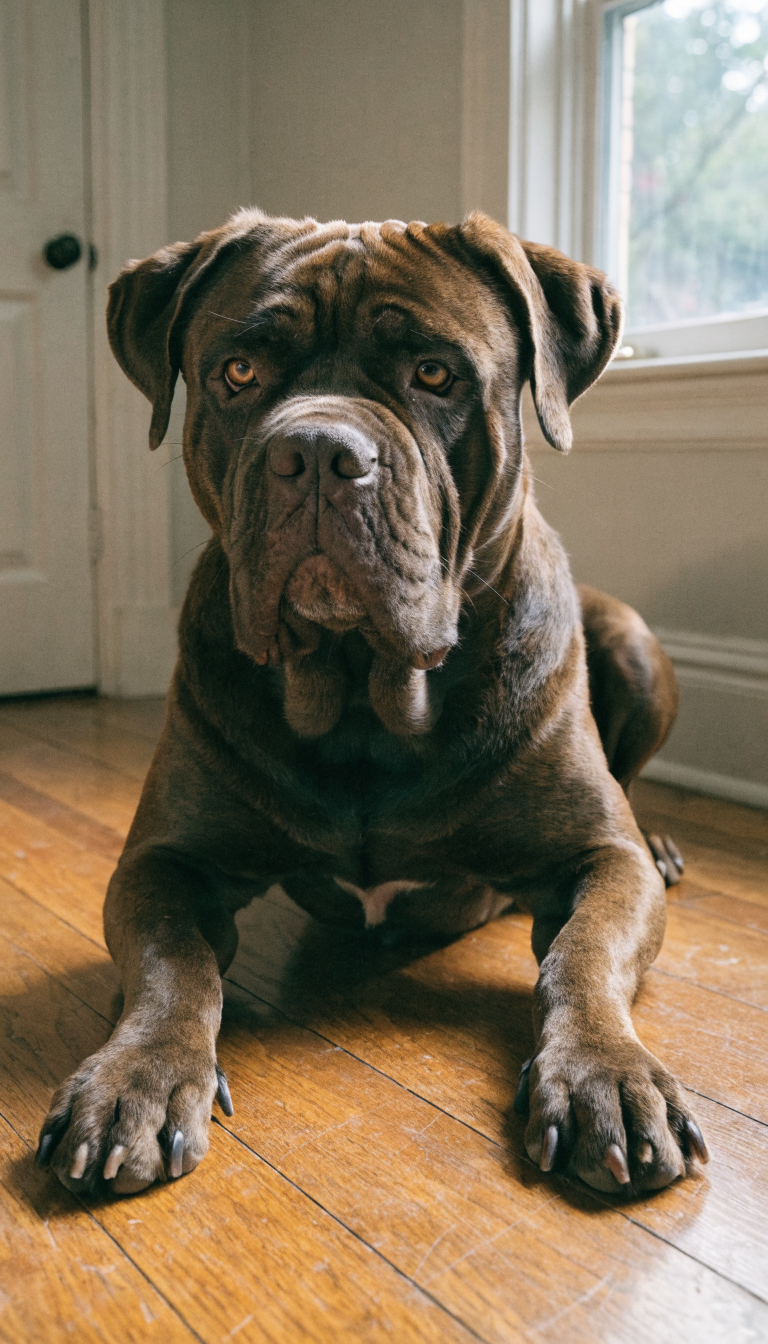
Yes, they’re big and powerful, but they’re not the energy bombs some breeds are. They do require daily activity to stay sane and healthy, without turning your house into a battlefield.
- Daily walks: Aim for two shorter walks or one longer one, plus a few play sessions. They’re built for steady, purposeful activity.
- Mental stimulation: Kong toys, puzzle feeders, and simple training games keep their minds busy. FYI, boredom can lead to mischief you’ll regret.
- Limiter zones: If you have stairs or a multi-level home, consider gate barriers to prevent heavy descents after long naps.
Health essentials: common issues and do-not-miss care
Bullmastiffs are generally sturdy, but there are health patterns worth knowing. Being proactive saves money and heartbreak.
- A genuineness about hips and joints: They’re big, and their joints take a hit. Regular checks and controlled exercise help prevent early signs of hip dysplasia and arthritis.
- Elbow and joint health: Supplements like glucosamine can help, but consult your vet before starting anything new.
- Gastric torsion (bloat) risk: Large-breed dogs with deep chests can be susceptible. Feed smaller meals, slow down eating, and avoid exercise immediately after meals.
- Cancer and aging: Like many big dogs, health issues rise as they age. Routine wellness visits become even more important after the 6–7 year mark.
Living with a Bullmastiff: space, boundaries, and daily life
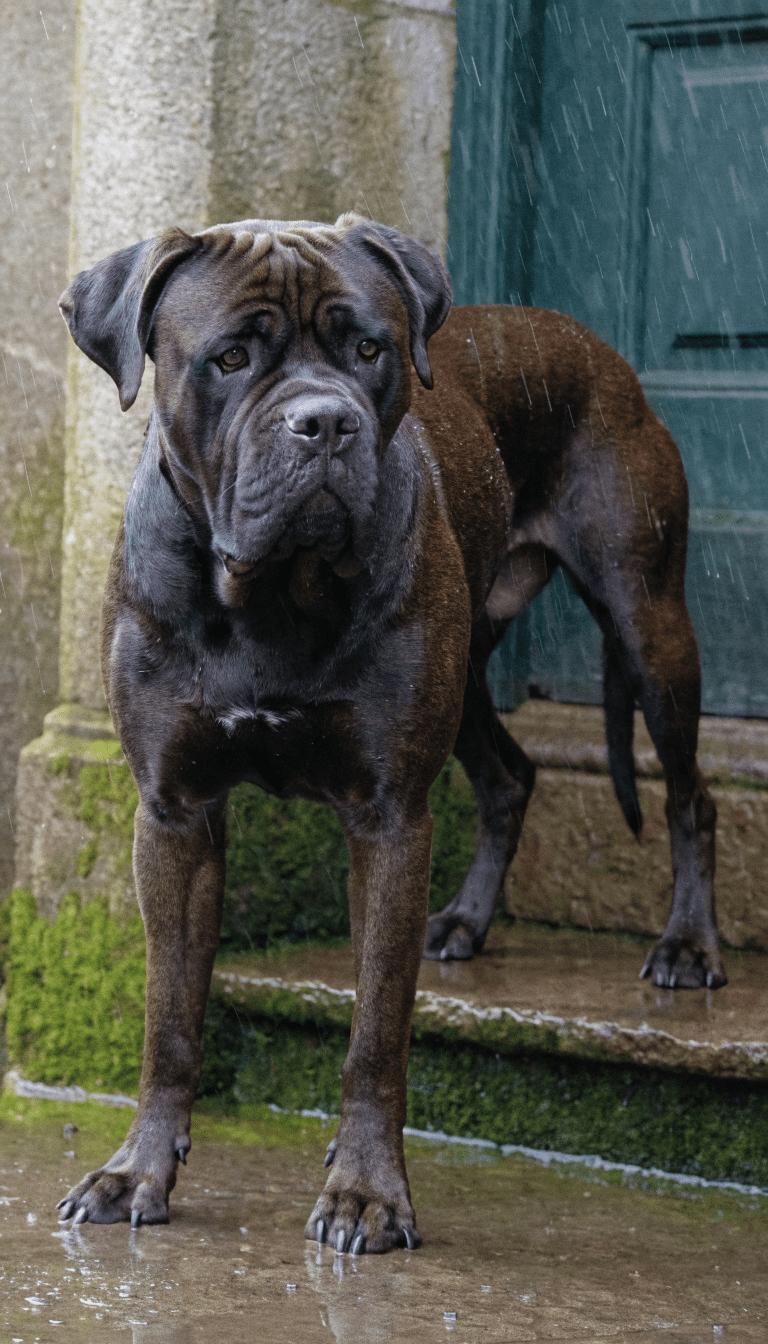
You don’t need a mansion, but you do need a plan. These dogs thrive when their environment supports their temperament.
Space that suits them
Bullmastiffs enjoy a comfy couch, a sunbeam, and a yard they can sniff but not constantly patrol. If you live in a condo, you’ll need to be extra mindful about exercise routines and mental engagement.
Boundaries that work
– Establish a “zone” for the dog to relax and a separate area for feeding. Keep doors and gates consistent so they learn where they belong.
– Use a calm tone. They respond better to steady, confident leadership than chaos and shouting.
Family dynamics
They’re great with kids if raised with them and treated with respect. Supervised interactions are worth it, especially during rough play. Do not assume a big dog will automatically be gentle—teach kids how to approach the dog and respect its space.
Training realism: what works and what doesn’t
Bullmastiffs respond to consistent, positive methods. They’re not surfers of the obedience world; they’re thinkers who prefer clear leadership and practical tricks.
- Positive reinforcement wins: Treats, praise, and play fuel good behavior. Avoid harsh corrections—they’ll shut down or push back.
- Short, frequent sessions: They get bored easily and can lose interest if you drag things out.
- Redirect rather than punish: If they’re about to misbehave, redirect to a more appropriate activity rather than scolding.
- Leash manners: A strong, well-trained leash is essential. They’re calm by nature, but a surprising pull can be dangerous in busy areas.
Travel and boarding
If you travel, plan ahead. Bullmastiffs aren’t fans of feeling left out, and long rides can be tiring. Choose boarding facilities that understand large breeds, or a trusted sitter who can provide exercise, mental enrichment, and a home-like environment.
Nutrition and feeding: fuel the big brain and bigger heart
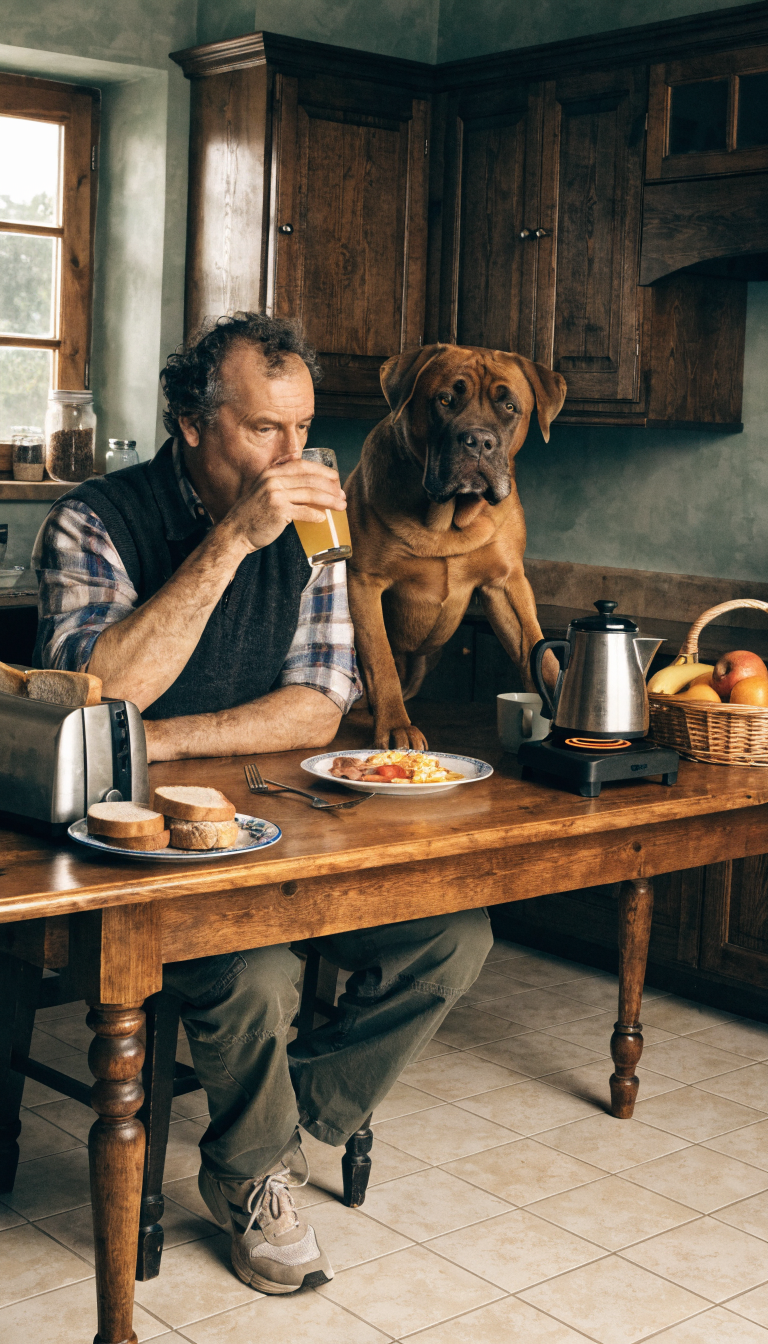
Food is not the enemy; it’s a powerful tool for health and happiness. Here’s how to keep them well-fed without overdoing it.
- Portion control: Bigger dogs need more, but not unlimited. Use guidelines from your vet and adjust for activity level and age.
- Quality over quantity: A balanced diet with high-quality protein supports muscle and coat health.
- Feeding schedule: Two meals a day helps manage digestion and energy peaks, especially for older dogs.
- Special considerations: If you notice weight changes, discuss a tailored plan. FYI, they’re masters at disguising hunger with a smug tail wag.
What I’d tell a new Bullmastiff owner: wisdom from the trenches
If you could bottle puppy wisdom, this would be it.
- Expect the drama of a couch potato in a linebacker’s body. They will cuddle like a champ, then insist on a “yard zoom” you didn’t sign up for.
- Set routines early and stick to them. Consistency breeds confidence, and confidence breeds fewer behavior problems.
- Invest in good gear: a sturdy harness, a reliable leash, a comfortable bed, and a collar with ID tags that won’t slip off during the inevitable nasal boop moments.
- Document health milestones: weights, vet visits, and major changes. It helps you notice subtle shifts that older dogs don’t shout about.
FAQ
Are Bullmastiffs good family dogs?
They absolutely can be, especially with kids they’ve known since puppyhood. They’re patient and protective, but supervision is key with kids and dogs of any size. Teach kids to respect the dog’s space, and you’ll be rewarded with a loyal, affectionate companion.
How much exercise does a Bullmastiff actually need?
Typically about 60 minutes of activity split across the day works well. That can be a couple of walks and a game or two. They don’t crave marathon sessions, but they do need consistency to stay balanced.
What are the biggest health concerns I should watch for?
Hip and elbow issues, heart health, and digestive sensitivity are common concerns in big breeds. Regular vet visits, proper weight management, and early detection of changes keep you ahead of problems.
Is training a Bullmastiff harder than other breeds?
Not harder, just different. They’re thoughtful and respond best to calm, positive training. Don’t expect them to be twitchy learners; they like practical commands and meaningful interactions.
How can I prevent separation anxiety?
Create a predictable routine, give them a comfy space, and practice short departures. Gradually increase time apart, and make goodbyes low-key. A familiar scent or a safe chew can ease the transition.
Conclusion
Bullmastiffs are big, they’re bold, and they’re incredibly loving. They’ll guard your heart with the same enthusiasm they guard your sofa from the mailman’s shadow. The challenges—weight management, joint health, and steady training—are real, but they’re absolutely manageable with a plan, a bit of humor, and a friend who’s as committed as you are.
If you’re in the early stages, pick a breeder or rescue who emphasizes health, temperament, and proper socialization. If you’re already in the trenches, take a moment to celebrate the calm, goofy, loyal partner you’ve earned by choosing a big dog with an even bigger heart. FYI, the payoff is a companion who will nap on your lap, stare down a grocery cart, and still somehow manage to make your day better with one wag of the tail.